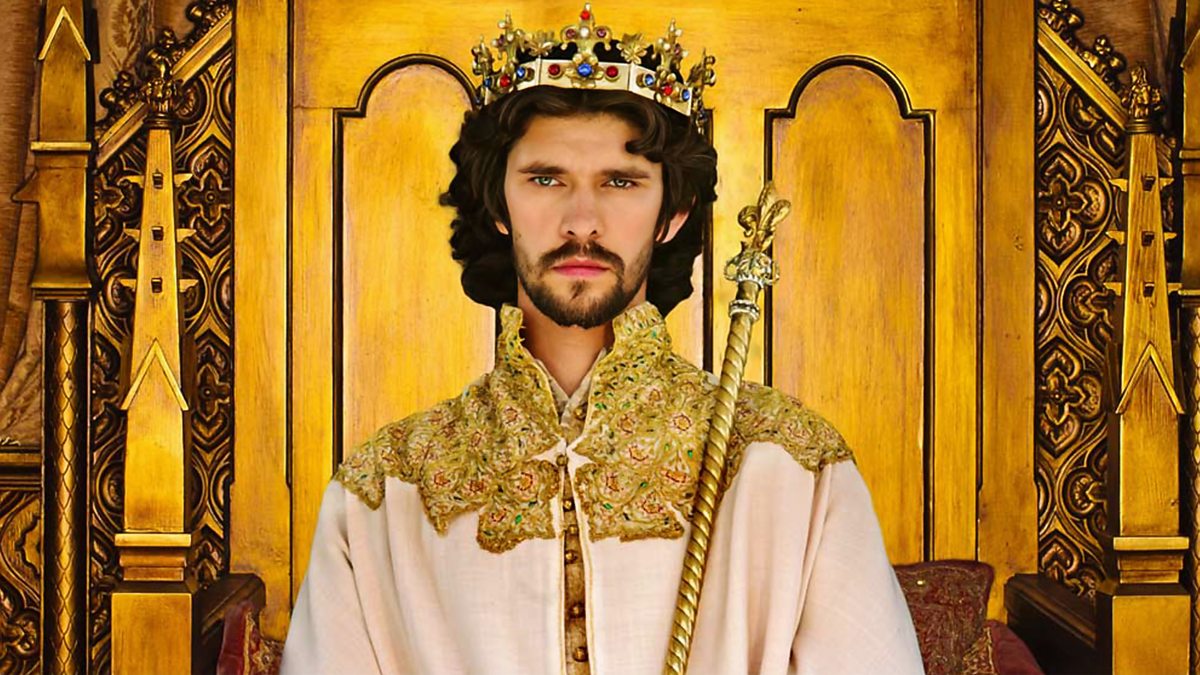
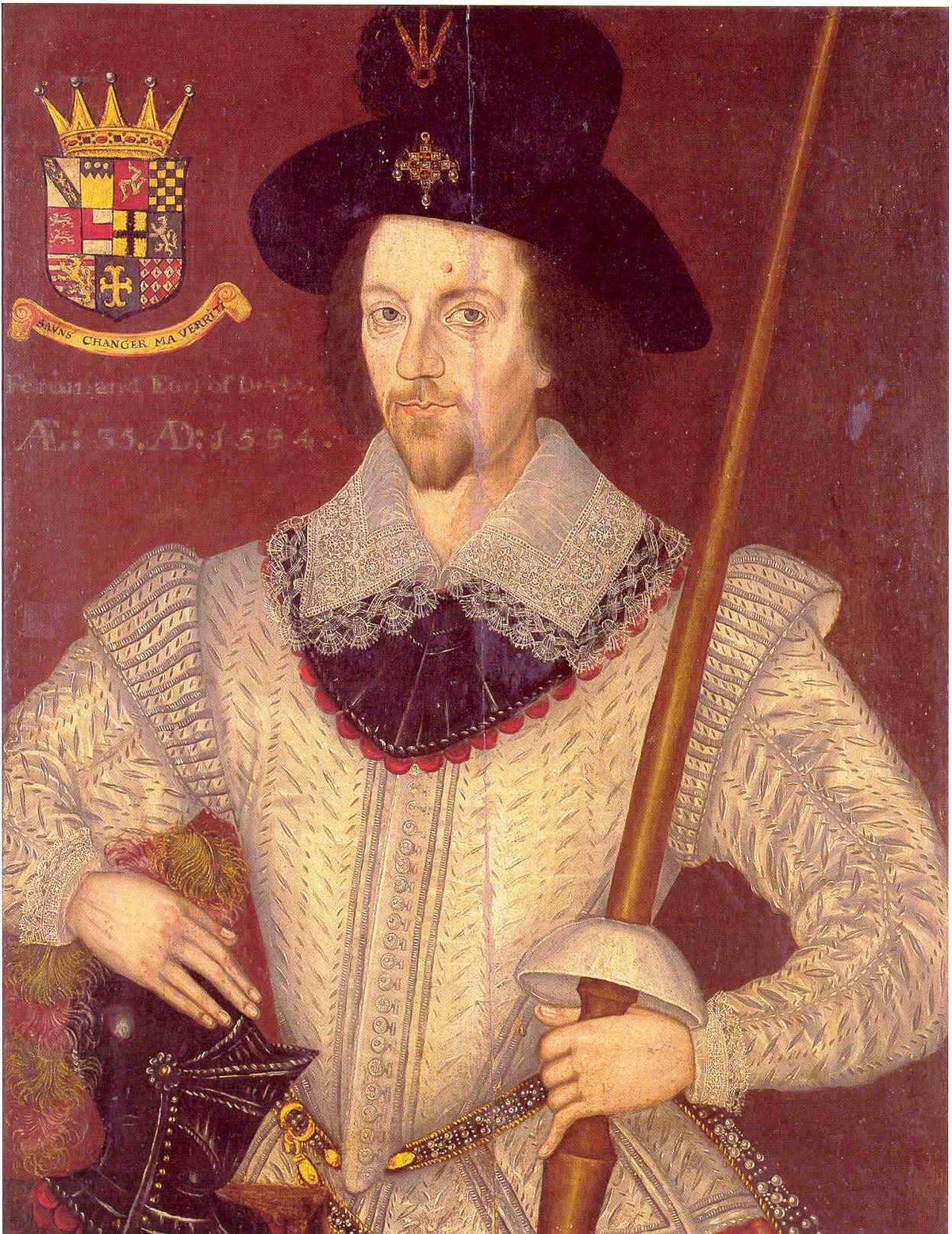
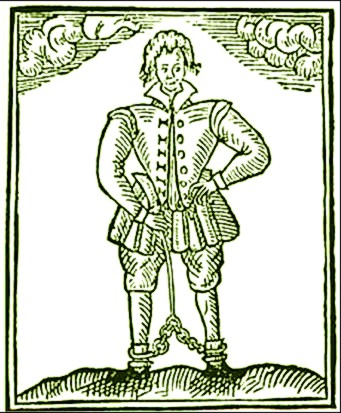
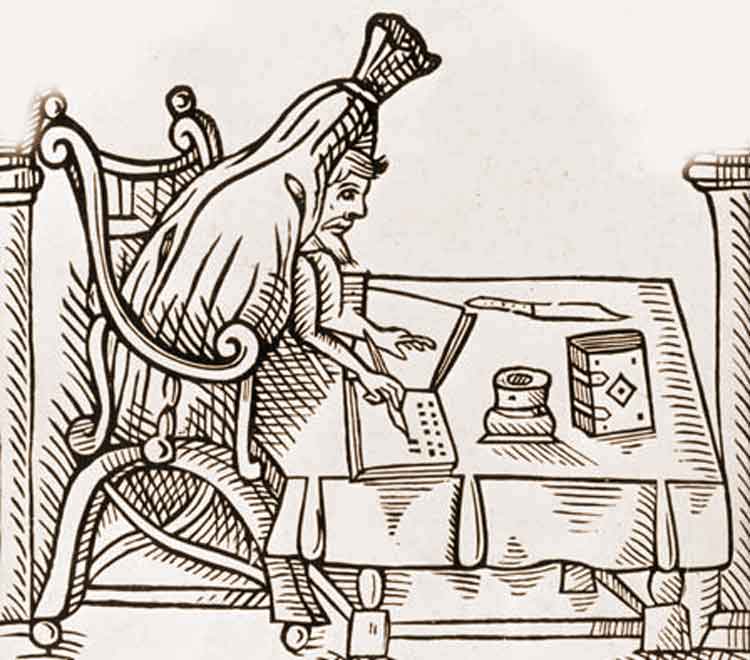
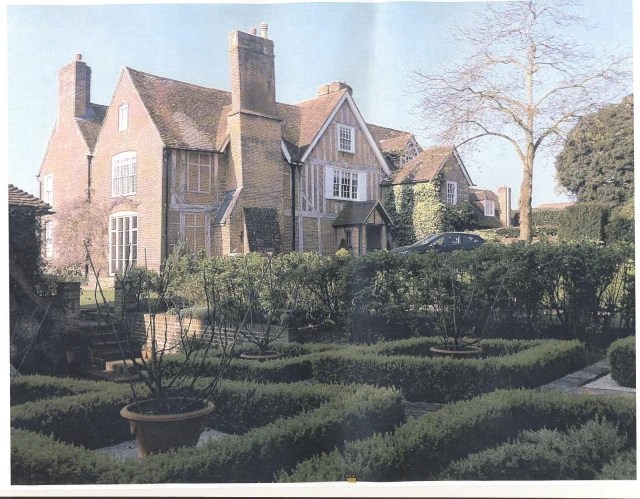
Twelfth Night failed to reconcile Essex and the Queen. To Shakespeare’s horror, Essex’s entourage paid for a performance of Richard II at the Globe on the afternoon of Saturday, 7th February 1601.
Next day, led by a sweating Essex, they took to the streets of London – to the utter indifference of its citizens.
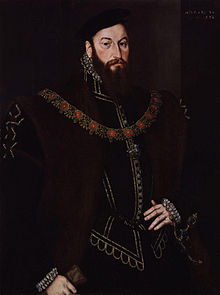
Southampton and Essex, quoting words from Shakespeare’s play itself, accused Raleigh, Cobham and Cecil of being ‘caterpillars’: but the caterpillars were still in control.
Shakespeare’s predictions had been right: Southampton’s homosexual affair with Captain Piers Edmondes in Ireland was used against him.
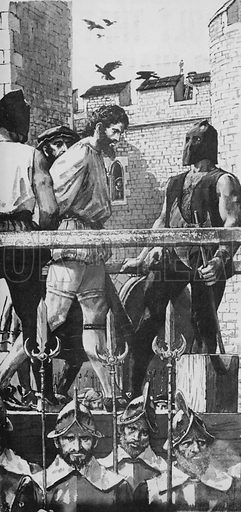
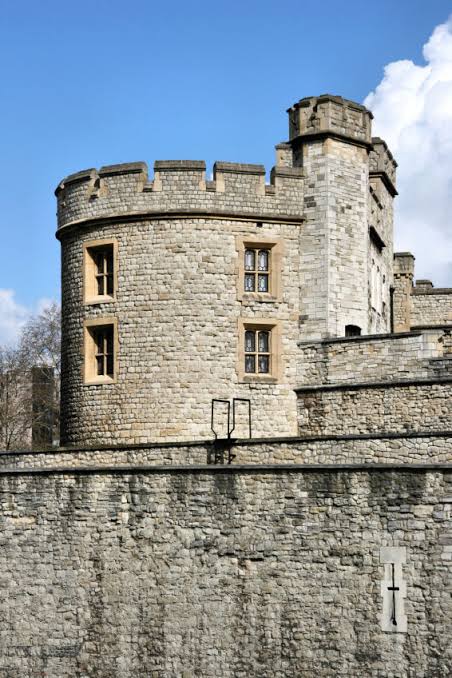
He was imprisoned in the Tower with a sentence of death.
Essex had his head cut off.
●
There is a legend of a ring, dismissed by modern historians, but which the book will show is true….
In All’s Well that Ends Well the king says:
‘This ring was mine, and when I gave it Helen
I bade her, if her fortunes ever stood,
Necessitied to help, that by this token
I would relieve her.’
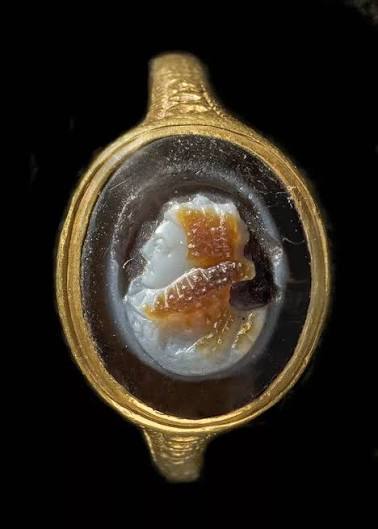
Before the Islands Campaign in 1597, Elizabeth had also sent Essex a ring engraved with her likeness which Essex described, in two separate letters, as ‘a fair angel’ sent to ‘guard him’.
With the ring came the promise that if he ever needed her help, he should return it to her.
When Essex was in the Tower there was no-one he could trust with the ring.
He threw it from the bars of his cell to an honest-looking boy outside to take to Lady Scrope, a friend of Essex……
……..who would give it to the Queen…….
The boy mistakenly gave it to her sister, the Countess of Nottingham, whose husband was the enemy of Essex…..
She did not pass it on..
So, on the morning of the execution, Essex, who had not bothered to write a will or say goodbye to his family, was waiting for his reprieve while Queen Elizabeth was waiting for her ring….
●
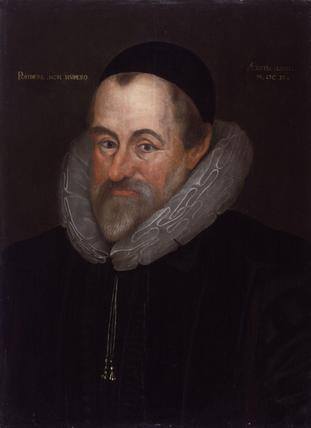
Later in the year, in conversation with the old scholar, William Lambarde…..
Queen Elizabeth said ‘I am Richard II, know ye not that?’
She was fully aware that Shakespeare had attacked her in the play and that it had been performed ‘forty times in open streets and houses’. Lambarde, famed for his integrity, described Shakespeare’s ‘imagination’ as ‘wicked’ and Shakespeare himself as an ‘unkind gent’ and ‘the most adorned creature that ever your Majesty made.’
Elizabeth made one of her great replies: ‘He that will forget God, will also forget his benefactors…’
Shakespeare clearly had to leave London. He fled back to Scotland and joined ‘English comedian’ Lawrence Fletcher’s troupe.
He also further bonded with King James, an openly bisexual man…..
James had appropriated the ‘Phoenix’ symbol from Elizabeth and used it as the title of a homosexual love poem to his beloved Esmé Stuart.
Shakespeare followed suit by writing The Phoenix and the Turtle, a love poem to the imprisoned Southampton. If ‘Phoenix’ Southampton had been executed, the poem implied, ‘Turtle Dove’ Shakespeare would have died with him.
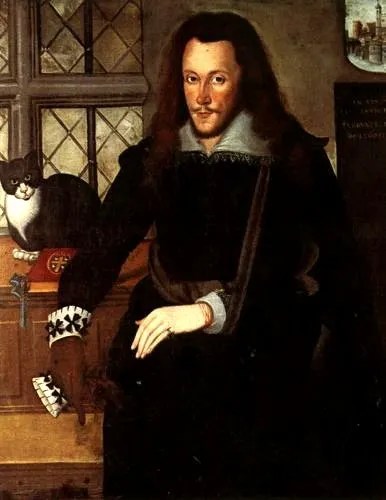
Shakespeare never stopped sending love-sonnets to Harry, a sick man, stripped of his lands, his Earldom, his money and his power.
●
At the end of February, 1603 the Countess of Nottingham lay dying. She sent for Elizabeth and told her the secret of Essex’s ring. ‘God may forgive you,’ replied Elizabeth, ‘but I never can’. By the end of March, 1603, Elizabeth ‘the mortal moon’ had, in Shakespeare’s words, ‘endured’ her own ‘eclipse’.
Everything turned round. Southampton, who threw his cap over the Tower walls at the news, was now a hero. He had rebelled, after all, to ensure James’s succession. Shakespeare, who, with Lawrence Fletcher, immediately became one of the leaders of the new ‘King’s Men’, looked forward to peace and ‘olives of endless age’.
Even within the war-mongering Henry V Shakespeare had written a criticism of war itself. Burgundy describes how the land has suffered:
‘Her vine, the merry cheerer of the heart,
Unpruned dies….
The sciences that should become our country
But grow like savages, as soldiers will
That nothing do but meditate on blood,
To swearing and stern looks, diffus’d attire
And everything that seems unnatural.’
Shakespeare still thought of Elizabeth as a ‘tyrant’ but he had ended up, however he might deny it, on the Queen’s side.
●
Brothers and Sisters of The Shakesperare Code
Stewart Trotter was to go on to develop his ideas about the ring Queen Elizabeth gave to Essex…..
This was to be the basis of a book – but Stewart got waylayed by other projects. He may return to it……
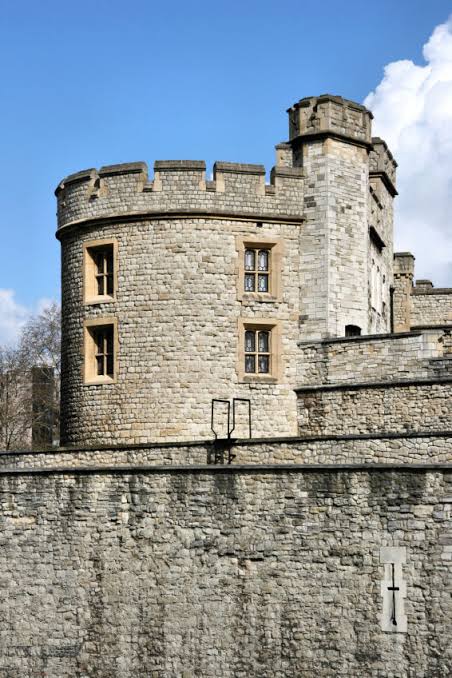
His idea is also to have a living exhibition of the story in the Devereux Tower in the Tower of London – including the very window Essex threw the ring from…..
Shakespeare was devastated when his love, the Earl of Southampton was also imprisoned in the Tower – and writes about his suicidal feelings in his Sonnets.
His position as Lord Chamberlain, in charge of court entertainment, was taken over by William Brooke, 10th Lord Cobham…..
……..father to Henry Brooke, a.k.a. ‘The Sycophant’, toady to Elizabeth and mortal enemy to Essex. So mortal enemy to Shakespeare.
In that year Shakespeare himself, involved in shady money deals like his father, was petitioned by William Wayte for sureties of the peace ‘ob metum mortis’ (for fear of death).
To top all this, Shakespeare’s son, Hamnet, died, aged 11.
Shakespeare’s response to this was to write (in close collaboration with Nashe)……..
…….a reckless masterwork – Henry IV Parts One and Two.
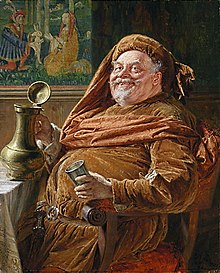
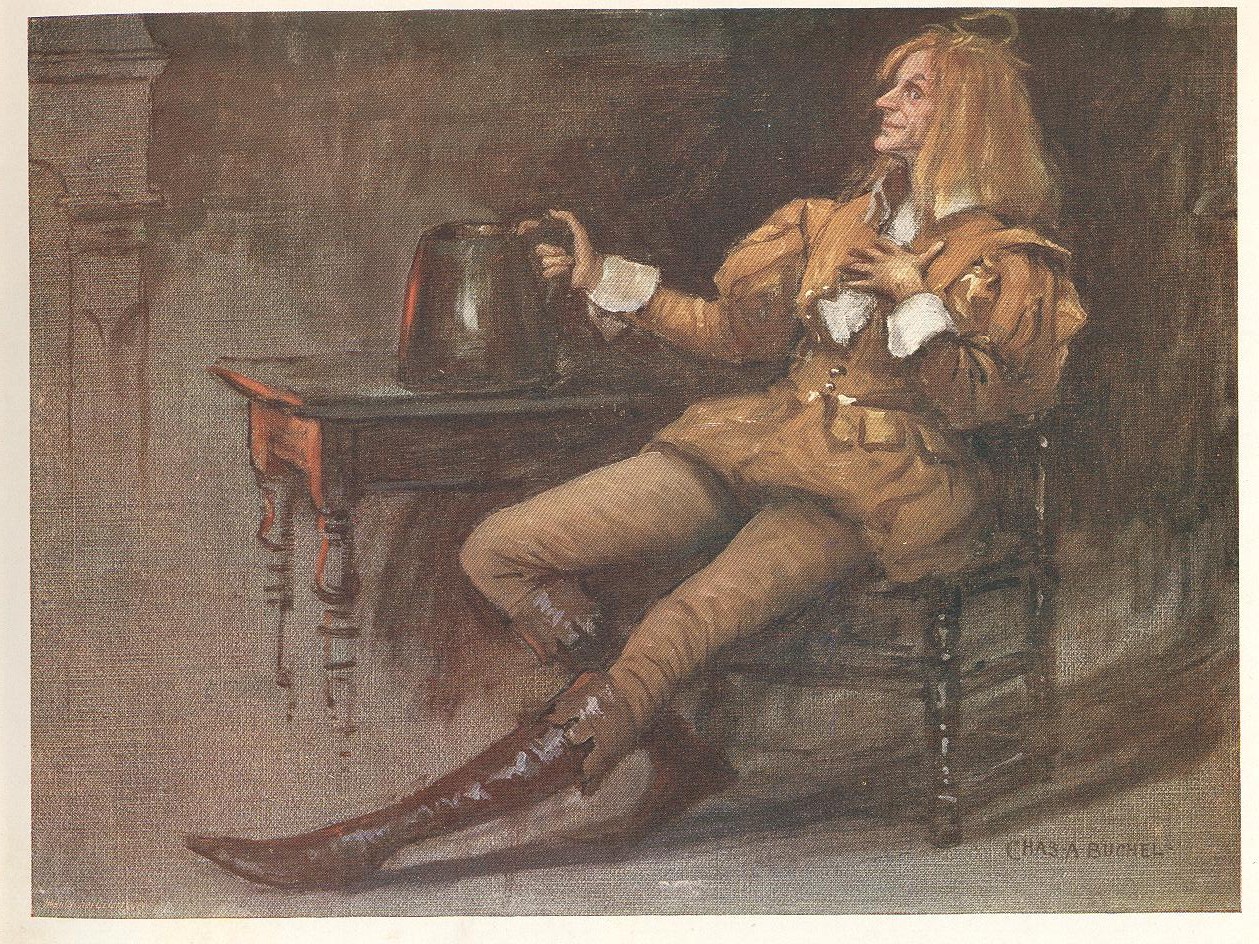
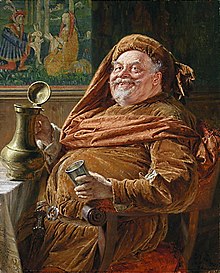
The fat knight, who started off as William Beeston, then transformed into Apis-Lapis, then Bacchus, makes his first appearance in the Henry plays as Sir John Oldcastle.
He was an ancestor of the Brooke family who had been executed by Henry V as a heretic rebel. Now he was venerated by the Brookes as a Protestant martyr.
Shakespeare, by turning Oldcastle into a lying, cowardly thief who ‘takes purses’ and steals under the ‘countenance of our noble and chaste mistress the moon’ implies that the whole present Brooke family were Queen Elizabeth’s crooks.
In 1595 Shakespeare insulted the Queen. Now in 1597 he insulted her Lord Chamberlain.
The Brookes were furious. Lord Cobham had the power to force Shakespeare to turn Sir John Oldcastle into Sir John Falstaff – a character who had first appeared in the Henry VI plays.
Cobham’s son, though, Henry Brooke, was to pay the price: for ever after he was known as ‘Sir John Falstaff’.
In the original version Oldcastle’s henchmen are named after living people:
Peto was Sir John Russell……
…….and the red-nosed Bardolph Sir William Harvey……
Harvey, who’d had the audacity pillage gold from a Spanish galleon at the height of the Armada engagement, was to become Mary Southampton’s fashionably youthful husband – and consequent sworn enemy of Harry.
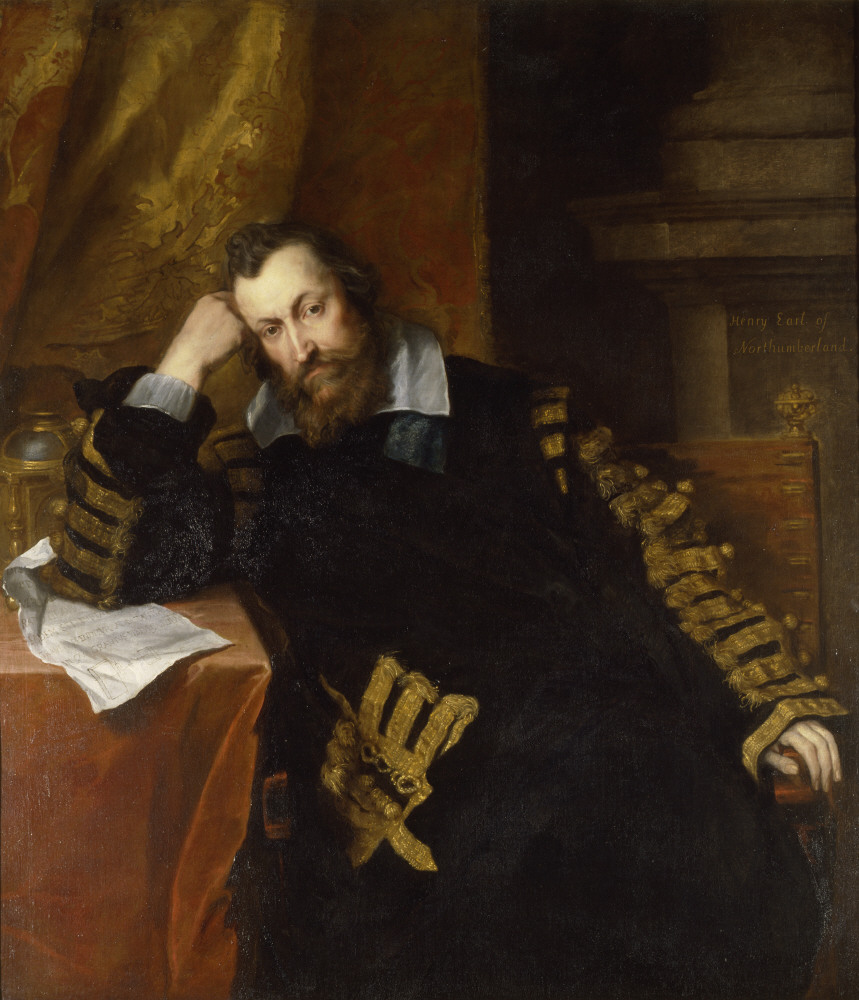
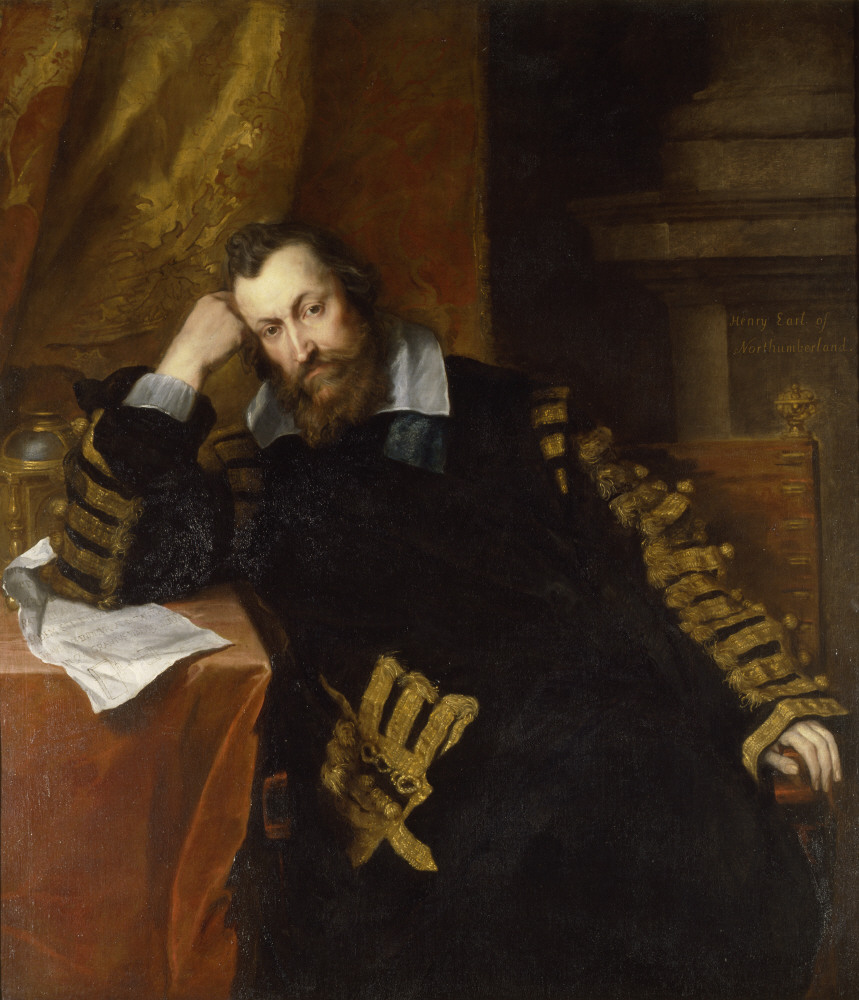
The Petworth Earl of Northumberland had become, over the years, another sworn enemy.
So Shakespeare, with no historical precedent whatsoever, makes the Northumberland in the plays scheming and malicious.
Nashe’s influence, hand even, is clear throughout the plays.
In the scene that introduces Falstaff, Prince Hal says to his old friend, who asks what time it is: ‘What a devil hast thou to do with the time of the day?’ This is an echo of Sommer’s Last Will and Testament when Will Sommer asks: ‘What have we to do with scales and hour-glasses, except we were bakers or clock-keepers?’.
Falstaff’s great eulogy of wine follows, nearly word for word, Bacchus’s speech about alcohol in the same play:
‘Skill in the weapon is nothing without sack, for that sets it a-work, and learning a mere hoard of gold kept by a devil, till sack commences it and sets it in act and use’.
Falstaff’s assertion that in ‘purse-taking’ it is ‘no sin for a man to labour in his vocation’ had already been expressed by Nashe in Christ’s Tears (1593): ‘He held it as lawful for him (since all labouring in a man’s vocation is but getting) to get wealth as well with his sword by the High-way side as the labourer with his spade or mattock.’
Yet the Henry plays will be performed ‘as long as men can breathe’ while Sommer’s LastWill and Testament is almost unreadable and un-performable. The difference is that Nashe describes Mr. Apis Lapis:
Shakespeare becomes Falstaff.
He even resonates with him….
Like Falstaff, Shakespeare never paid tax, got fat, flouted the law and scandalised society by his criminal activity, his sexual activity and his criminal-sexual activity.
Like Falstaff, he loved a young aristocrat whom he feared he was harming by being his ‘familiar friend’ and from whom he was terrified of rejection.
Also, like Falstaff, and indeed like Elizabeth, Shakespeare had doubts about war.
Essex…..
…..who had returned in triumph from the Cadiz Expedition, believed, like his mentor Sir Philip Sidney……..
……..that battle purified a man. In the plays Prince Hal learns to love and trust his brother John in the stress of engagement.
Falstaff also asks:
‘Can honour set to a leg? No. Or an arm? No. Or take away the grief of a wound? No. Honour hath no skill in surgery then? No. A word. What is in that word honour? What is that honour? Air. A trim reckoning! Who hath it? He that died a-Wednesday. Doth he feel it? No. Doth he hear it? No….Therefore I’ll none of it. Honour is a mere scutcheon – and so ends my catechism.’
Shakespeare was to find Falstaff’s catechism unanswerable.
●
The popularity of Falstaff was a massive danger to the establishment.
Henry IV Part Two ends with Hal’s rejection of Falstaff. If Shakespeare were to follow history, a rebellion against the crown, popular with the audience, could have been enacted onstage.
The Brooke family commissioned a play in which Oldcastle is shown as a true and loyal friend of the King. His rebellion was a bogus one to expose the true traitors. Queen Elizabeth, wisely, stepped in with a commission for Shakespeare.
Attempting to depoliticise Falstaff, she famously asked for a play about the fat knight in love.
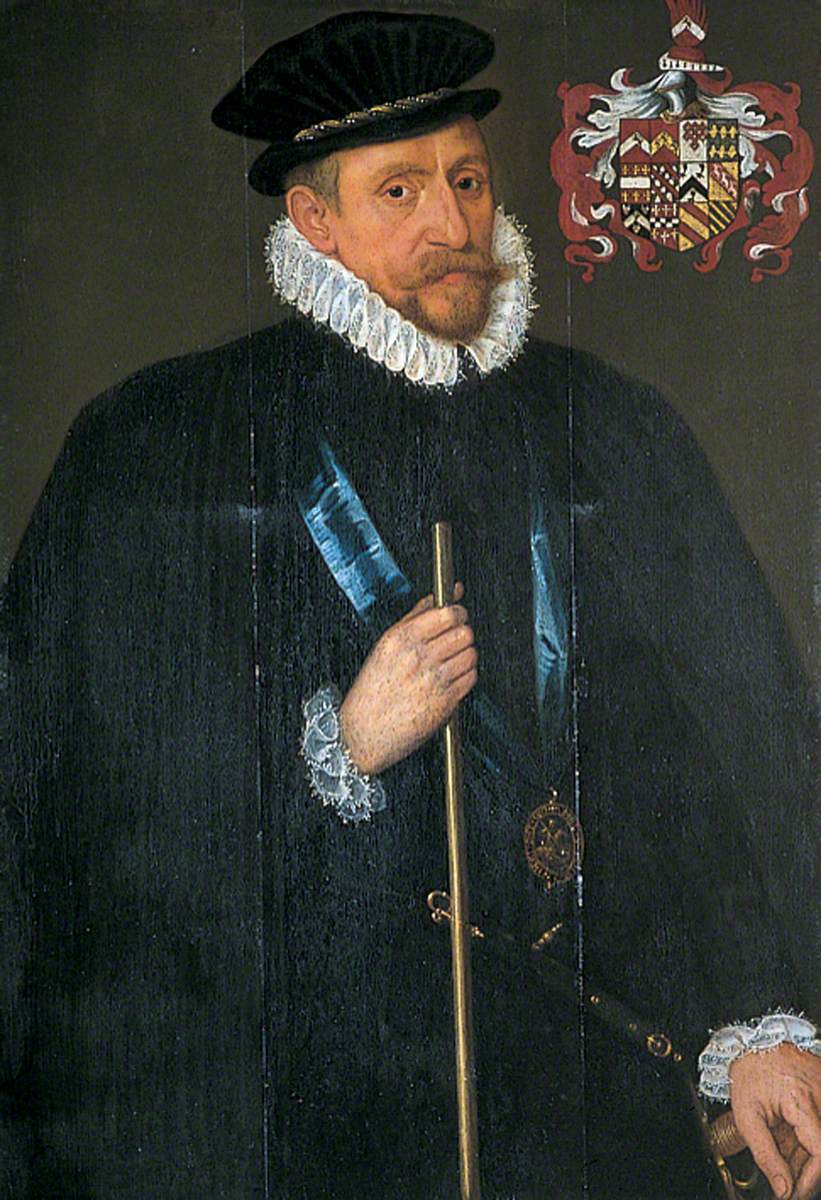
Lord Cobham had died in March, 1597 and George Carey, Lord Hunsdon’s son, had been made the new Lord Chamberlain in his place.
Carey was also to be invested as a Knight of the Garter – so Shakespeare wrote a Windsor romp to ridicule all his enemies.
The Lord Admiral’s Men, to challenge Shakespeare, had revived The Spanish Tragedy at the beginning of 1597, its first performance for four years.
Shakespeare mocks the memory of his dead collaborator by bringing him onto the stage as Pistol….
…named after the notorious pistol shot in the play, a swaggering rogue who speaks in bombastic language, some of it directly from Locrine.
Shakespeare even revives his decade old battle with Sir Thomas Lucy……
……..with a decade old joke: Justice Shallow, like Lucy, is ‘lousy’. The Brooke family name is used as an alias of the jealous Ford whose description of his supposed love for Mistress Ford is a burlesque of Henry Brooke’s supposed love for Queen Elizabeth:
‘I have long loved her and, I protest to you, bestowed much on her; followed her with a doting observance; engrossed opportunities to meet her; fee’d every slight occasion that could but niggardly give me sight of her; not only bought many presents to give her, but have given largely to many to know what she would have given: briefly I have pursued her as love hath pursued me; which hath been on the wing of all occasion…she is too bright to be looked against’.
Queen Elizabeth herself is sent up Merry Wives as the Queen of the Fairies who ‘hates sluts and sluttery’. Her ambition, never fulfilled, was to clean up filthy Windsor Castle. Shakespeare has another go at her when Falstaff says: ‘I never prospered since I foreswore myself at Primero’[a card-game].
Elizabeth cheated at cards.
●
Like Falstaff with Doll Tearsheet, Shakespeare began an affair at this time with a younger woman, the beautiful, witty, Janet Davenant, as loving to the pre-maturely aging Shakespeare as the Dark Lady had been capricious.
In Sonnet 138, admitting that ‘age in love loves not to have years told’, Shakespeare celebrates how they lie with each other – and to each other – to preserve their self-esteem.
Jennet’s vintner husband, an admirer of Shakespeare’s work, could not give his wife children that would survive. So, in an extraordinary act of imagination, he encouraged William and Jennet to make love.
Up to this point, Shakespeare’s plays had often shown weak men collapsing in the face of strong women, like naughty schoolboys in front of delectable headmistresses.
Now Shakespeare wrote about strong-willed men facing up to strong-willed women in Much Ado about Nothing and The Taming of the Shrew – a re-write that blew Kyd off the map for ever.
●
After many tears and recriminations, Harry, who was meant to be abroad, finally married the heavily pregnant Elizabeth Vernon….
…….in a secret ceremony at Lees Priory, home of Penelope Rich, in Essex.
Shakespeare and Nashe were commissioned to write As You Like It, collaborating so quickly that one name, Jacques, is used for two different characters in the play.
Like Duke Senior, Essex was in exile from the Court. He had been sleeping with too many Ladies-in-Waiting, had returned empty-handed from the Islands Campaign and had literally turned his back on the Queen.
At the end of the play the wicked Duke Frederick, jealous, like Elizabeth, of anyone else’s popularity, suddenly becomes a convertite – a piece of wishful thinking on the part of the Southampton entourage.
Essex was soon in favour again: Elizabeth needed him to lead the Irish Campaign against the ‘rebel’, Tyrone……
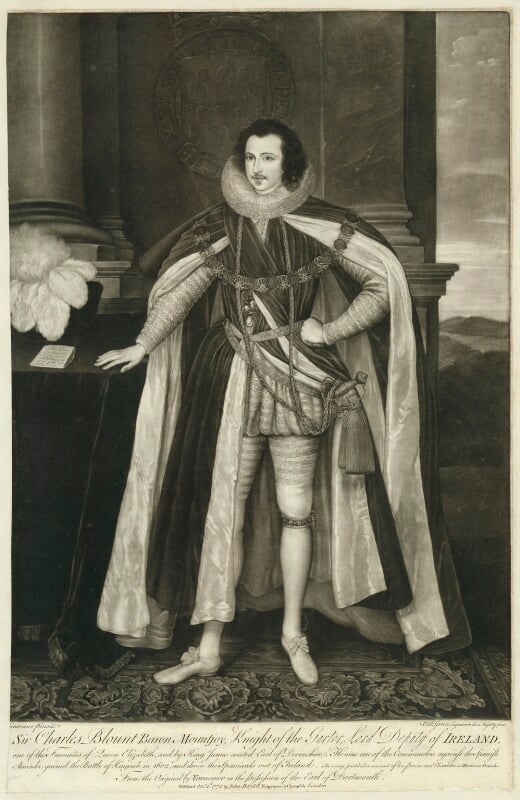
Elizabeth had originally wanted to appoint Mountjoy as Lord Deputy……..
…..but Raleigh and Cecil, convinced Essex would fail, argued for him instead. Essex was desperate for the cash; but the Irish Campaign was merely a prelude to his rebellion.
The plan was for Essex to return to London with his army, join up with Mountjoy, rouse the citizens of London and attack the Court.
Shakespeare, clearly, was in on the scheme. In Henry V the Chorus describes how Londoners flocked out to greet the King after his return from Agincourt:
‘How London doth pour forth her citizens.
The mayor and all his brethren in best sort,
Like to the senators of th’antique Rome,
With the plebeians swarming at their heels,
Go forth and fetch their conqu’ring Caesar in.’
The Chorus invites Londoners to do the same for Essex after his Irish triumph:
‘As by alower but loving likelihood
Were now the general of our gracious empress
As in good time he may, from Ireland coming
Bringing rebellion broached on his sword
How many would the peaceful city quit
To welcomne him!’
This was to prove more wishful thinking.
●
Bearing Essex and Mountjoy’s good wishes for King James….
…..whose support they needed for the rebellion, Shakespeare then travelled to Scotland where he wrote his first version of MacBeth.
This play demonstrates that it is wrong to kill a wise old King like Duncan, but absolutely right to kill Godless usurpers like the Macbeths.
Lord Macbeth, like Elizabeth, cannot stand loud noises……
Lady Macbeth, like Elizabeth, finds it hard to sleep at night.
Essex proved a disastrous commander in Ireland. Like Achilles in Troilus and Cressida and Coriolanus, he fell in love with his enemy, the charismatic, manipulative Tyrone, who, surrounded by semi-naked, semi-savage boys, would drink toasts of love to Essex.
When Mountjoy started to waver, Shakespeare knew the rebellion was doomed. He tried to warn Essex, who loved plays and play-scripts, by writing Julius Caesar, a play in which a revolution goes horribly wrong and the ‘noblest Roman’ ends up a corpse.
Essex, having learnt that ‘The Fox’ and ‘The Ape’ were plotting his down fall, rushed back to England unannounced and stormed, covered in mud, into Elizabeth’s bedchamber.
She had not put on her wig.
Essex was now, in Shakespeare’s words, a ‘pitiful thriver’ in his ‘gazing spent’.
Elizabeth cut off Essex’s finances. In Timon of Athens Shakespeare tries to show Essex how to cope with poverty – exile, Stoicism and retreat. In the play there is a bleak, brilliant but destructive plebeian philosopher, Apemantus. He is code for Henry Cuffe who, sacked as an Oxford Professor of Classics for theft, had joined the Essex entourage.
Also the model for Iago, Cuffe persuaded the half-mad Essex to rebel.
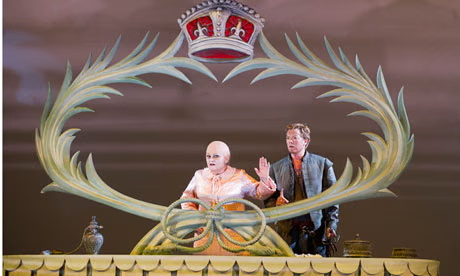
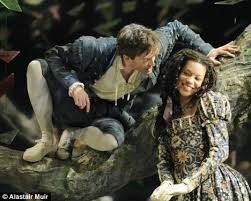
Shakespeare now favoured appeasement. At the beginning of 1601, in collaboration with Nashe, he wrote Twelfth Night to offer a laurel branch to the Queen.
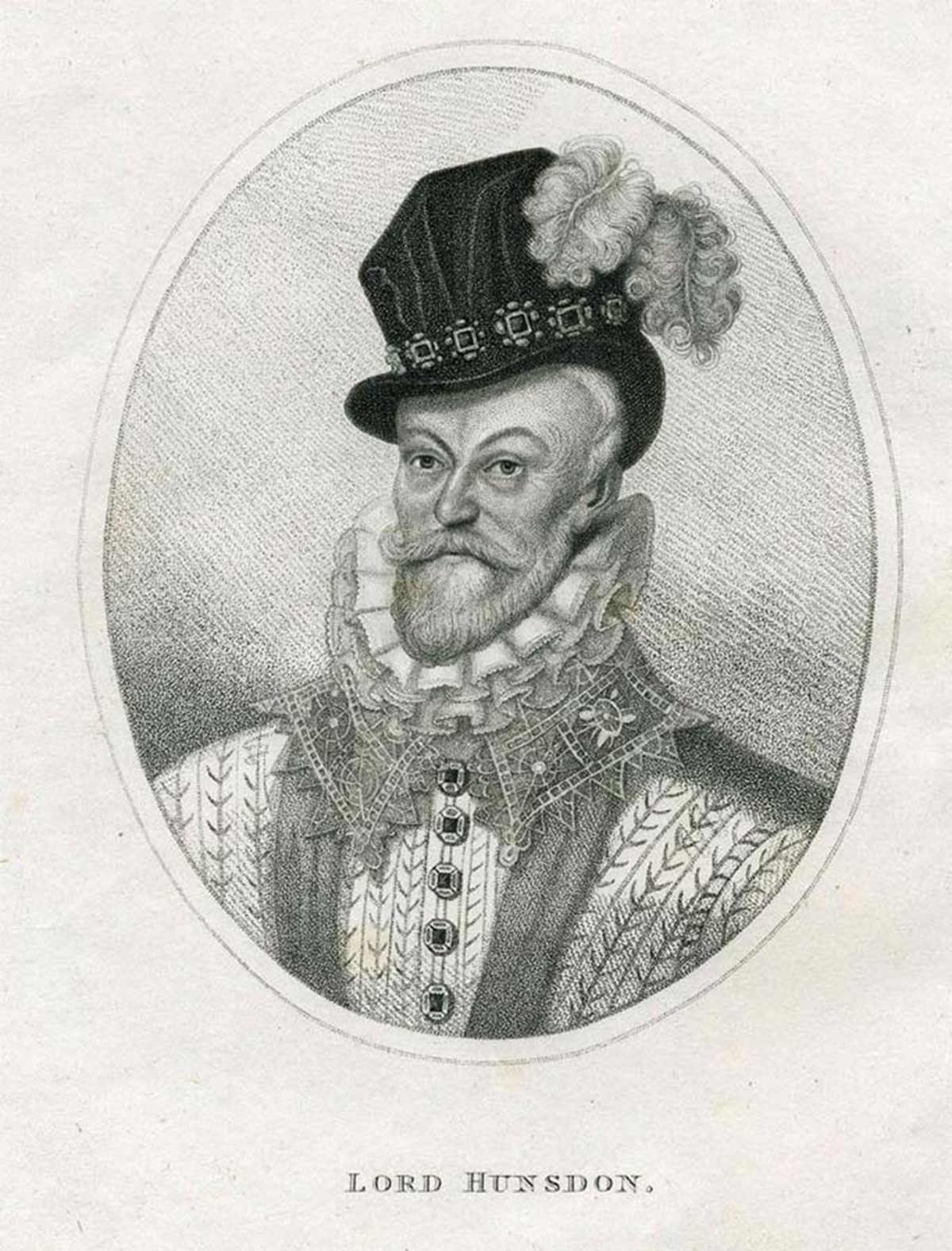
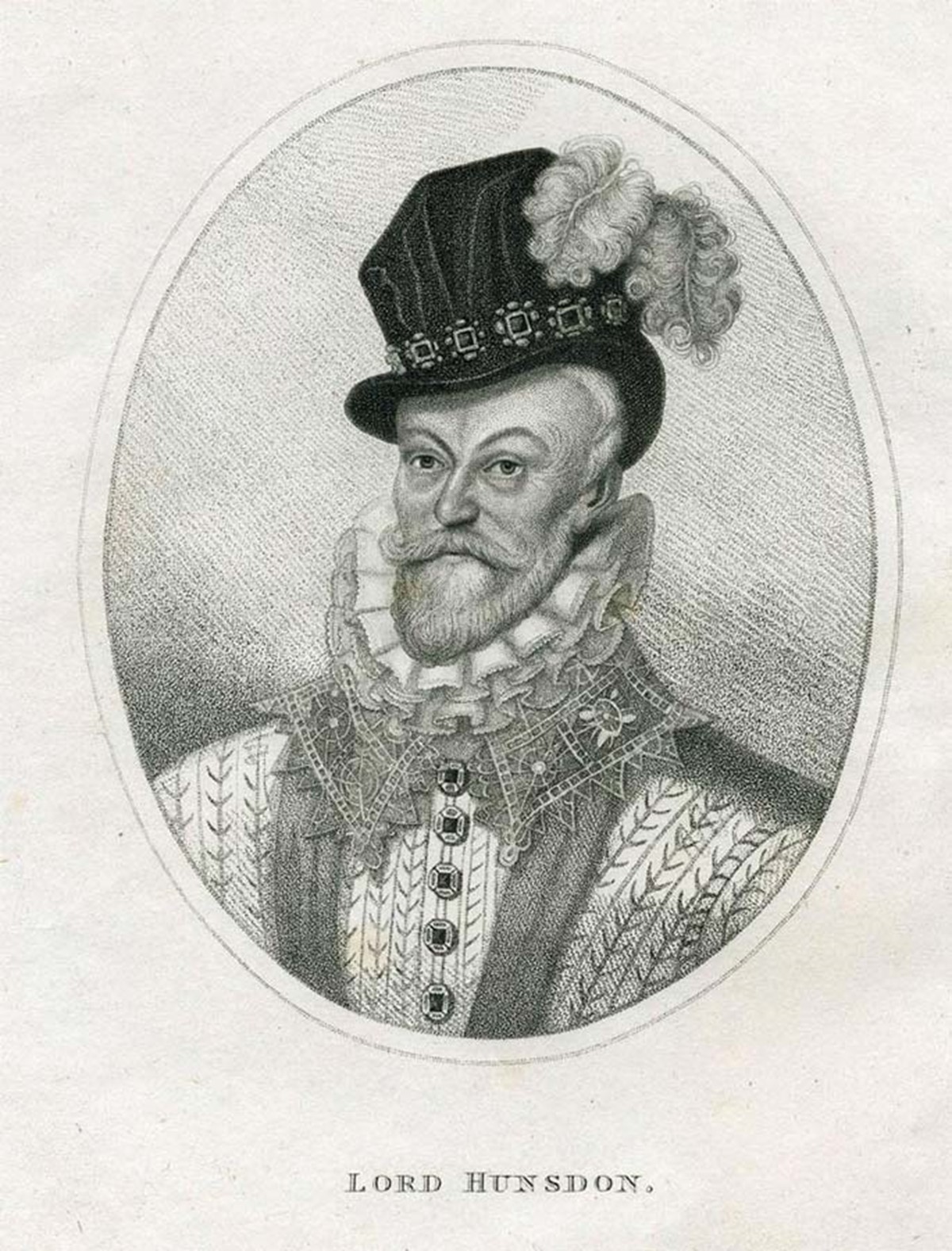
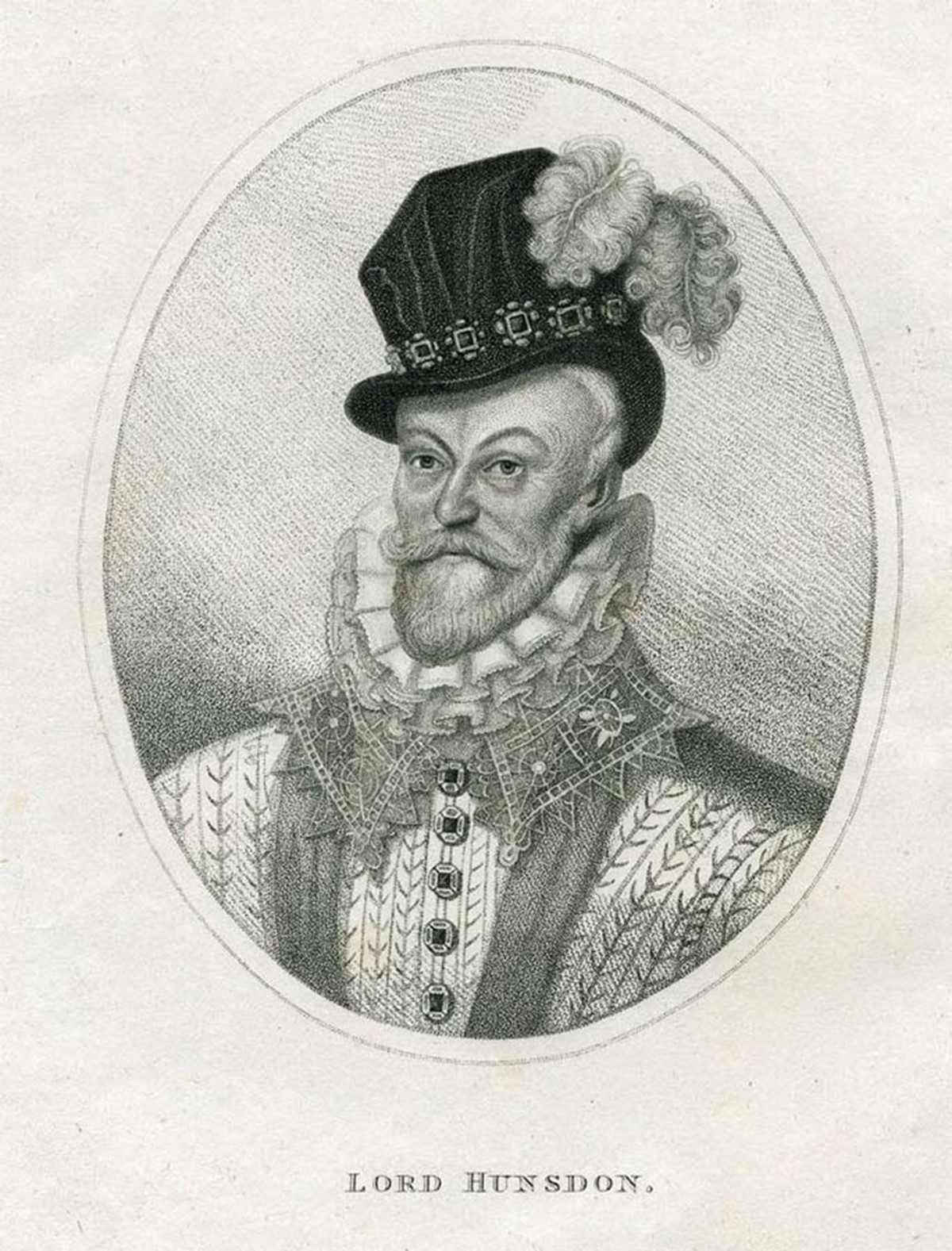
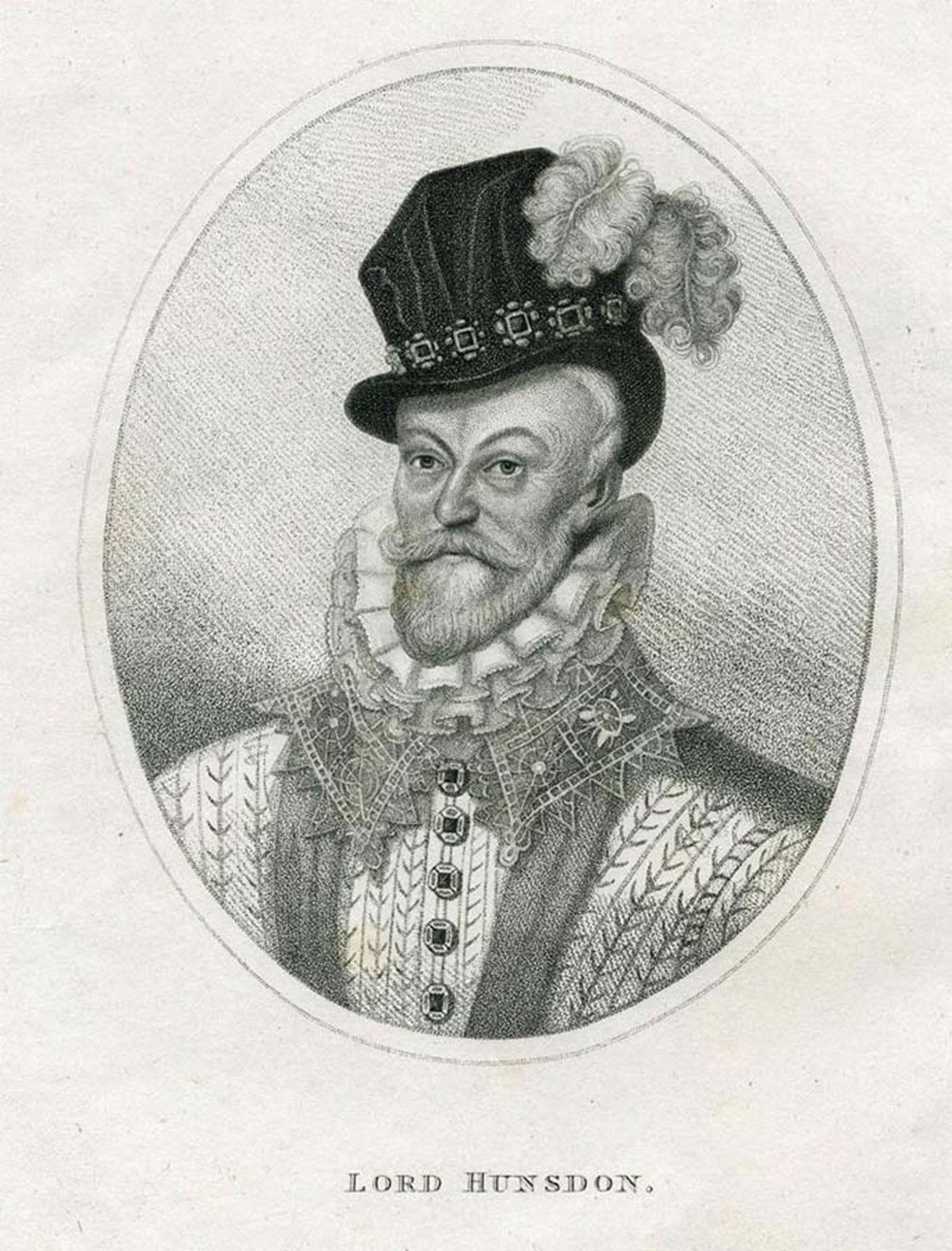
The new Lord Hunsdon, who was now deeply suspicious of Essex, had requested a play whose ‘subject’ would be ‘most pleasing to Her Majesty’.
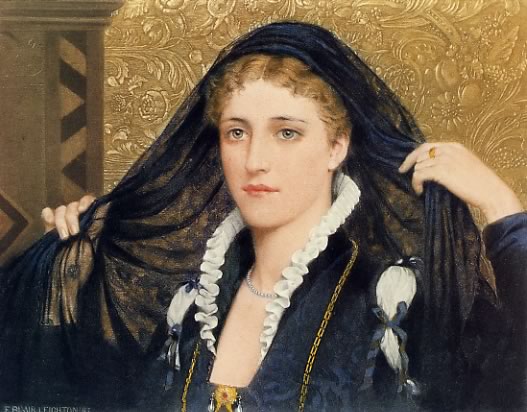
Olivia, a beautiful woman, lively, passionate and forward in her sexuality…..
…..whose father and brother have both died and who is suddenly in charge of a huge, daunting household, is a sympathetic portrait of Queen Elizabeth herself.
Olivia has three suitors: Orsino, who lies languishing for her love…….
…….represents Essex.
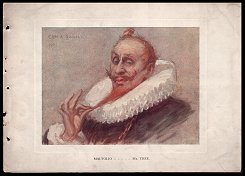
Malvolio, the ambitious Puritan who wants power by marrying her……..
……is a composite of Raleigh, Cecil and Cobham.
Auguecheek, a ‘great quareller’ and a ‘gull’ with his ‘hair like flax on a distaff’…….
……is a satire, by Nashe, on Southampton…..
Nashe was also working on The Parnassus Plays, a Christmas ‘revue’ for St. John’s College, Cambridge.Here he continues his attack on Southampton, a former fellow undergraduate at the college, in the character of ‘Gullio’.
Southampton had silver falcons on his family crest and they were often mistaken for sea-gulls.
Gullio, like Southampton, is very proud of his ‘becoming’ hair and his ‘amiable face’. Like Southampton, Gullio has just come from Ireland, is boastfully proud of his military conquests, has had a great quarrel with a ‘puling Liteltonian’ (code for another of Southampton’s enemies, Lord Grey) and worshipped ‘sweet Mr. Shakespeare’ whose Venus and Adonis he lays under his pillow and whose picture he will have in his ‘study at the Court’.
Nashe reveals his true contempt for Southampton with lines that echo his earlier attack on Shakespeare – ‘Greene’s’ ‘a tiger’s heart wrapped in a player’s hide’:
‘Farewell base carle clothed in a satin suit,
Farewell guilty ass, base broker’s post.
Too oft have I rubbed o’er thy mule’s dead head,
Fed like a fly on thy corruption:
Now had I rather live in poverty
Than be tormented with the tedious tales
Of Gullio’s wench and of his luxuries,
To hear a thousand lies in one short day
Of his false wars at Portingale or Calls’.
Nashe goes on to admit he is deeply ashamed he wrote pornography to please the boastful idiot Southampton:
‘My freer spirit did lie in tedious woe
Whiles it applauded bragging Gullio
Applied my vein to sottish Gullio
Made wanton lines to please lewd Gullio.
Attend henceforth on Gulls for me who list,
For Gullio’s sake I’ll prove a Satirist.’
Nashe then goes on to attack the plebeian Shakespeare for growing rich and successful, owning land, pageboys, horses, fine clothes and even a family crest with its own silver falcon, on the backs of poor, exploited scholars like himself:
‘But is’t not strange these mimic apes should prize
Unhappy scholars at a hireling rate?
Vile world that lifts them up to high degree,
And treads us down in grovelling misery?
England affords those glorious vagabonds
That carried erst their fardels on their backs,
Coursers to ride on through the gazing streets,
Sooping it in their glaring satin suits,
And pages to attend their masterships.
With mouthing words that better wits have framed
They purchase lands and now Esquires are named….
So merry fortune’s wont from rags to take
Some ragged groom, and him a gallant make.’
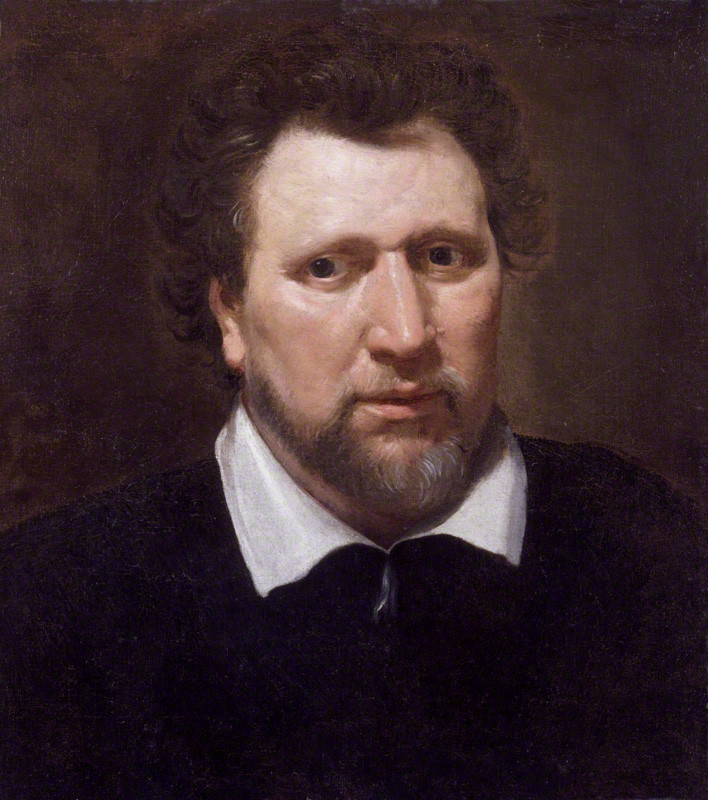
Nashe did not live to the end of the year to play at his old college. According to Ben Jonson……
…….. the ‘great spirit’ Nashe died
‘a Christian faithful penitent,
Inspired with happy thoughts and confident.’
Jonson also predicts that at his death there will be ‘a general dearth of wit throughout the land’.
Shakespeare was never to write a great comedy again.
●
Brothers and Sisters of The Shakespeare Code
As you can see, The Code believes that Shakespeare’s plays had their origin in Shakespeare’s life…..
And the Sonnets show that there is not a single emotion expressed in his plays that Shakespeare did not experience in his own life.
Read Stewart’s new book on the Sonnets to find out more…..
Mary Southampton, who played Hippolyta in A Midsummer Night’s Dream opposite Heneage’s Theseus, kept a tight hold on the purse-strings. In the first scene in which the two appear, Theseus, refers to the moon as ‘step-dame or a dowager, long withering out a young man’s revenue’.
In October, 1594, Harry Southampton came of age.
For the first time he was in control of his finances. William Davenant…..
……who claimed to be Shakespeare’s illegitimate son (and whose own father, we know for certain, was very close to Shakespeare) stated that Southampton gave Shakespeare £1,000 (£500,000) for a ‘purchase’.
This would have enabled him to buy a share in Hunsdon’s new Lord Chamberlain’s Men (estimated at £25,000). The following year, Shakespeare, with Burbage….
……..and Kemp…….
….went to the Court to collect payment for a Christmas entertainment.
Thomas Kyd’s parents, fearing his debts, refused to manage his literary estate. So Shakespeare, using Harry’s money, bought the rights to his plays.
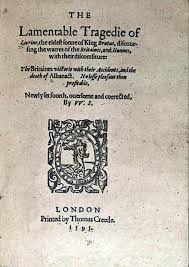
The following year Locrine, a play which bears all the signs of Kyd’s authorship, was printed as ‘newly set forth, overseen and corrected by W.S.’
No mention of Kyd.
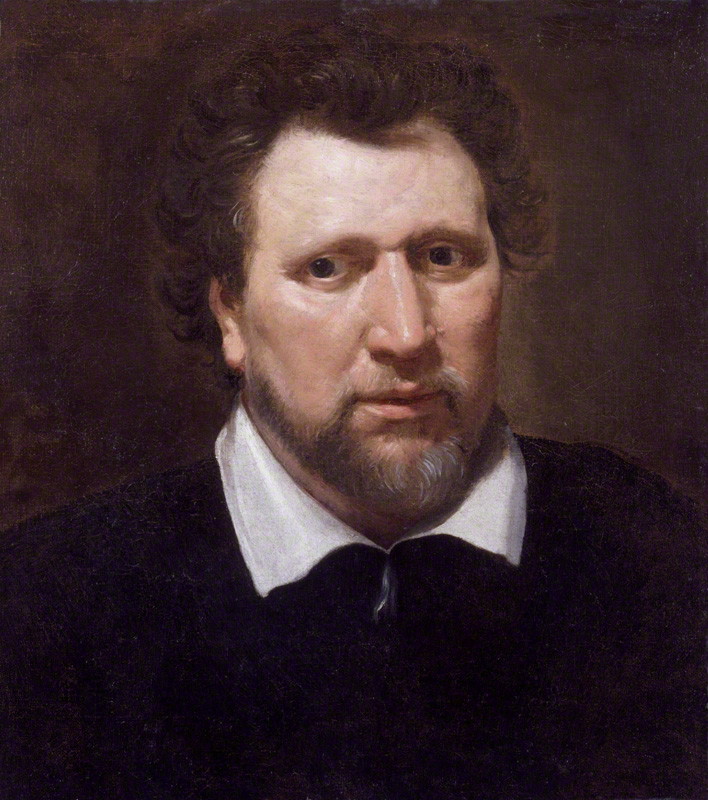
This behaviour outraged Ben Jonson……..
……..who thought that ‘the Poet Ape that would be thought our chief’ was a ‘thief’ who made ‘low shrift’ to ‘buy the reversion of old plays’ and make ‘each man’s wit his own’.
His worry is that future generations would think the re-written plays were Shakespeare’s own.
Jonson was right. Many people who watch Shakespeare today think he invented his own plots. Who reads Kyd? Or even knows about him? Shakespeare saw to that.
It was Shakespeare, though, who transformed these plays into masterpieces. He is like a Titian in verse, fleshing out Kyd’s cartoon characters into living, breathing people .
Kyd’s sense of structure, though, was sometimes superior to Shakespeare’s. In The Taming of a Shrew (set in Ancient Athens) the opening Sly scenes have a pay-off at the end: they do not mysteriously fade away as they do in Shakespeare’s Italian version.
In the 1603 Hamlet, nearer to Kyd’s original, there is a scene between Horatio and Gertrude which clarifies the Queen’s innocence and the better placing of the 1603 ‘To be or not to be’ soliloquy (‘aye, that’s the point’) is often adopted in modern productions.
Sometimes Shakespeare literally loses the plot. Hamlet in the 1604 version talks about death as ‘the undiscovered country from whose bourn/No traveller returns’.
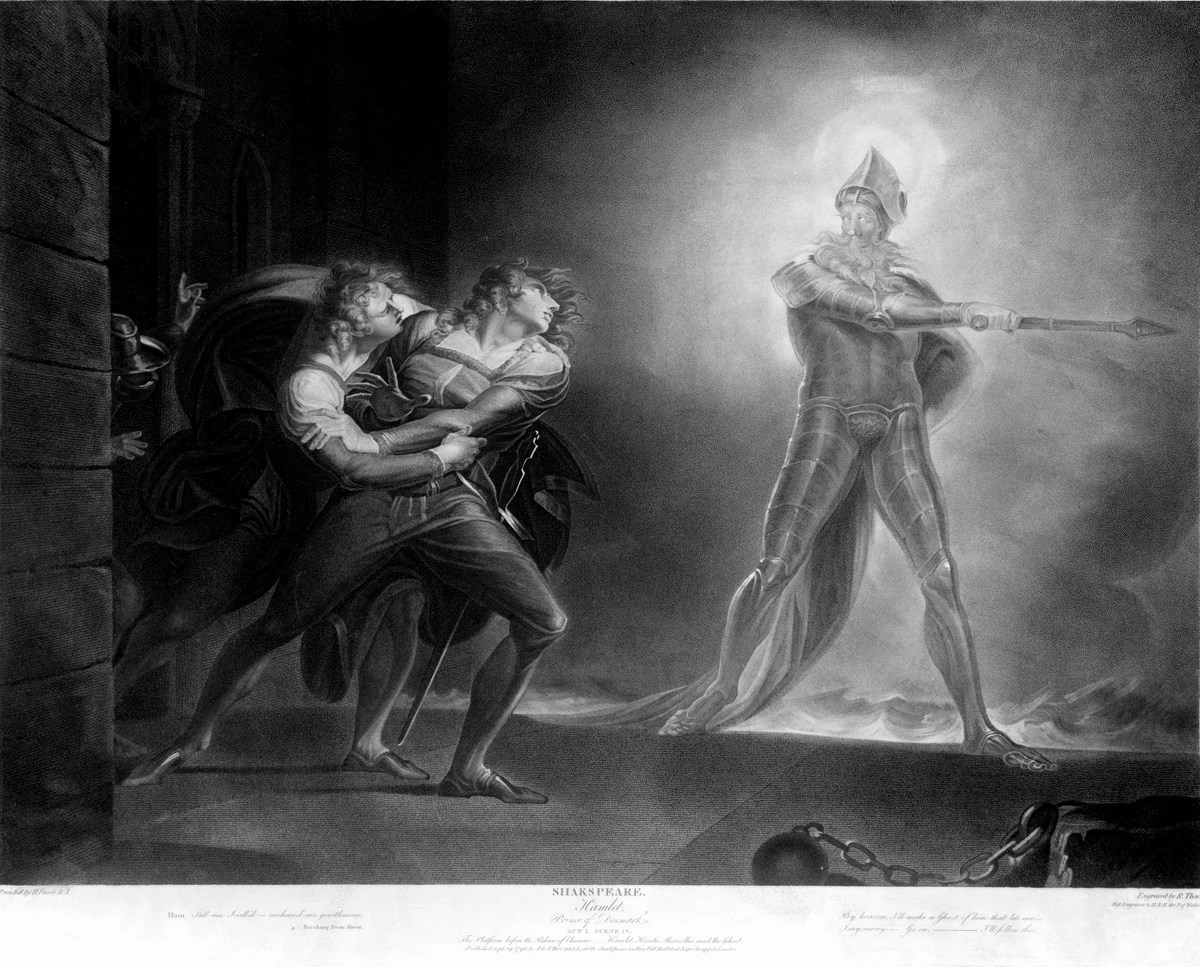
What about the ghost?
●
There is a local tradition at Titchfield that Romeo and Juliet was first performed there.
Harry’s grand-father, Lord Montague….
……was certainly aware of the feud between the Italian Montagues and Capulets.
In 1572 he had commissioned George Gascoigne….
……..to write an entertainment on the subject for the double wedding of his son Antony, Mary Southampton’s twin brother, and his daughter Elizabeth.
At one point it was planned for all the guests to wear Venetian dress.
The tear stained Harry was still pursuing Aemelia: her weapon, like the dark-eyed Rosaline in Romeo and Juliet, was to play hard to get.
Harry, recently introduced to the Court, was expected to fall in love with the Queen as well.
But it was Elizabeth Vernon who caught his eye.
She was one of the Queen’s ladies-in-waiting and an impoverished cousin of Essex…..
….. who had placed her in the court as part of his spy system. He approved of the match between Harry and his cousin, so commissioned Shakespeare, as Mary Southampton had done, to celebrate once more the attractions of heterosexual love.
Shakespeare was in two minds about the match. He knew that Harry should marry and have children as he himself had children. He also empathised with the character of Juliet. She was pursuing her love for Romeo in spite of the tyranny of her family as Elizabeth Vernon was pursuing her love for Harry in spite of the tyranny of Queen Elizabeth.
Shakespeare himself, though, was also pursuing his love for Harry: he did not want to lose his intimate friend. This dilemma finds voice in the charged jealousy of Mercutio, a part which Shakespeare said nearly ‘killed’ him to write.
The companion piece to Romeo and Juliet at Titchfield was Richard II, another play which needed to be kept well away from the Queen.
Samuel Daniel……
……supported by Lord Mountjoy when the Earl of Pembroke withdrew his money, published his verse history of King Richard II in 1595.
Shakespeare, who drew heavily on this work for his play, was commissioned again by Essex.
At this time Shakespeare, like Daniel, believed that a rebellion by Essex and Mountjoy would be powerful enough to eliminate their enemies at Court, force the Queen to call a parliament and ensure the Succession of King James.
Richard II was a coded critique of Elizabeth.
It shows ‘the King’ vacillating, taxing his subjects to pay his favourites, robbing sons of their father’s inheritance, corrupted by flatterers, murdering his relatives, jealous of others’ success and loathing war with its ‘untun’d drums’ and ‘harsh-resounding trumpets’.
The dashing Essex identified with the dashing rebel Bolingbroke, who would doff his cap to oyster wenches and bend the knee to draymen, much to the delight of ‘The Ape’ and ‘The Fox’ who were setting Essex up for a fall.
At the end of the play, though, Shakespeare’s ‘underdog effect’ kicks in. A groom pities the deposed, now Christ-like King, whose head has been covered with ash.
And we pity him as well…..
●
Brothers and Sisters of The Shakespeare Code,
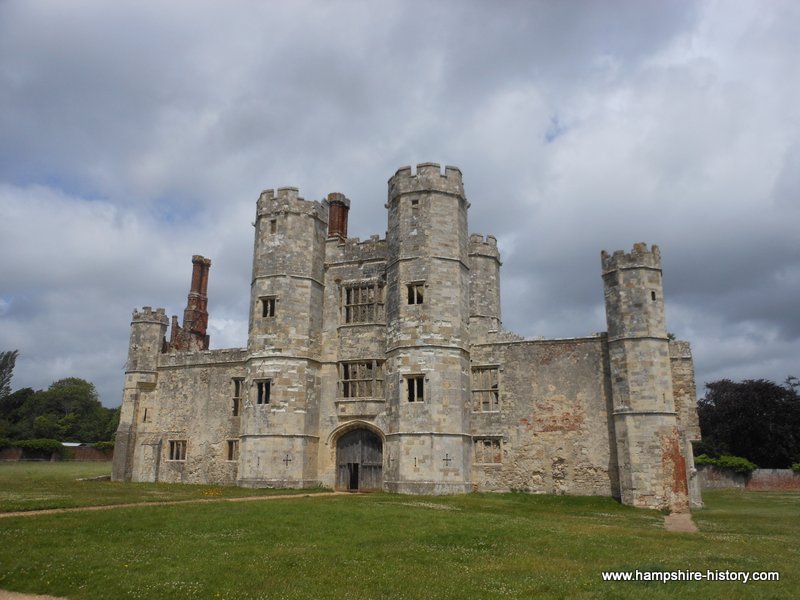
The whole of The Code has its roots in a trip by our Chief Agent, Stewart Trotter and his daughter Amy, to the ruins of Place House in Titchfield – the place, where local legend has it, Romeo and Juliet was first performed.
In the old days Historians used to sneer at anecdotal information.
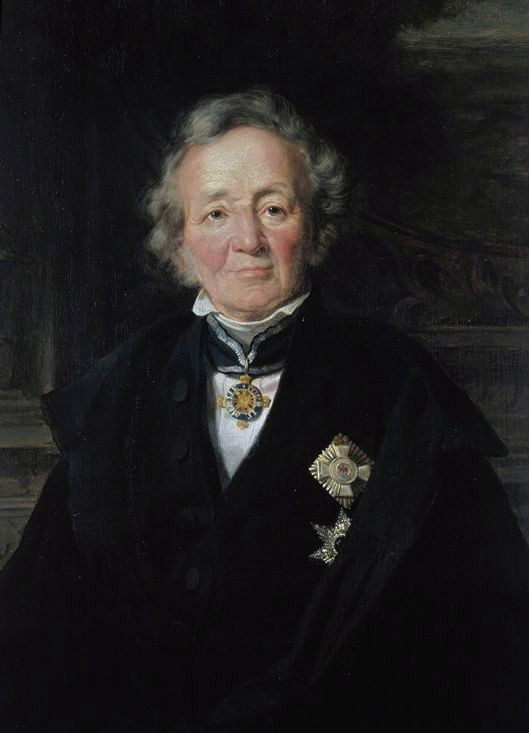
Leopold von Ranke (1795-1886)…….
…..went so far as to say: ‘No documents – no history’.
Jeremy Isaacs changed all that with his T.V. series The World at War.….
It is still the most influential re-telling of the World War II story – and it is all anecdotal – interviews to camera. It is as though the camera itself validates the truth of what is being said.
Also if you are involved in secret meetings or rebellions, you don’t keep notes of events.
And if you do, you destroy them as soon as possible if events go against you. The Earl of Essex and his men spent two hours burning documents when his rebellion was seen to be failing.
That’s why our Chief Agent later devoted a Post to supporting the Vicar of Titchfield who, in 1934, claimed that Romeo and Juliet has first been performed at Titchfield.
When Romeo and Juliet first meet, in Act One Scene 5, Romeo woos Juliet – and Juliet reponds – in a perfect 14 line Shakespearean Sonnet – the very form Shakespeare used to woo the Dark Lady and the Lovely Boy….
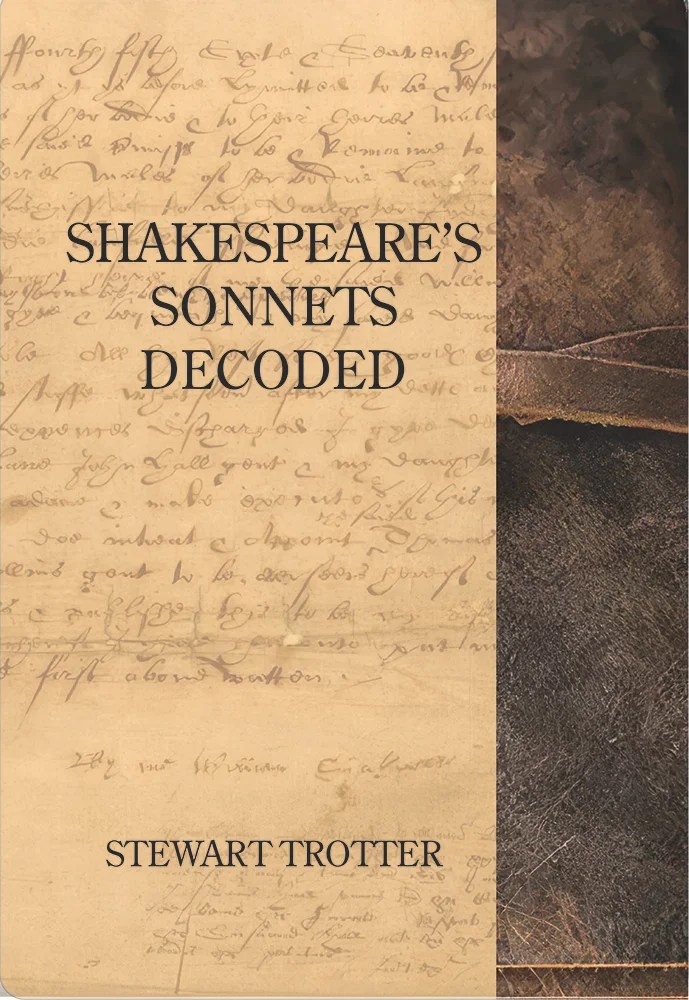
The Code’s Chief Agent has arranged all of Shakespeare’s Sonnets in chronological order – and the book is available from Magic Flute publishing…
Mary Southampton decided to marry Thomas Heneage, a Protestant and old lover of the Queen.
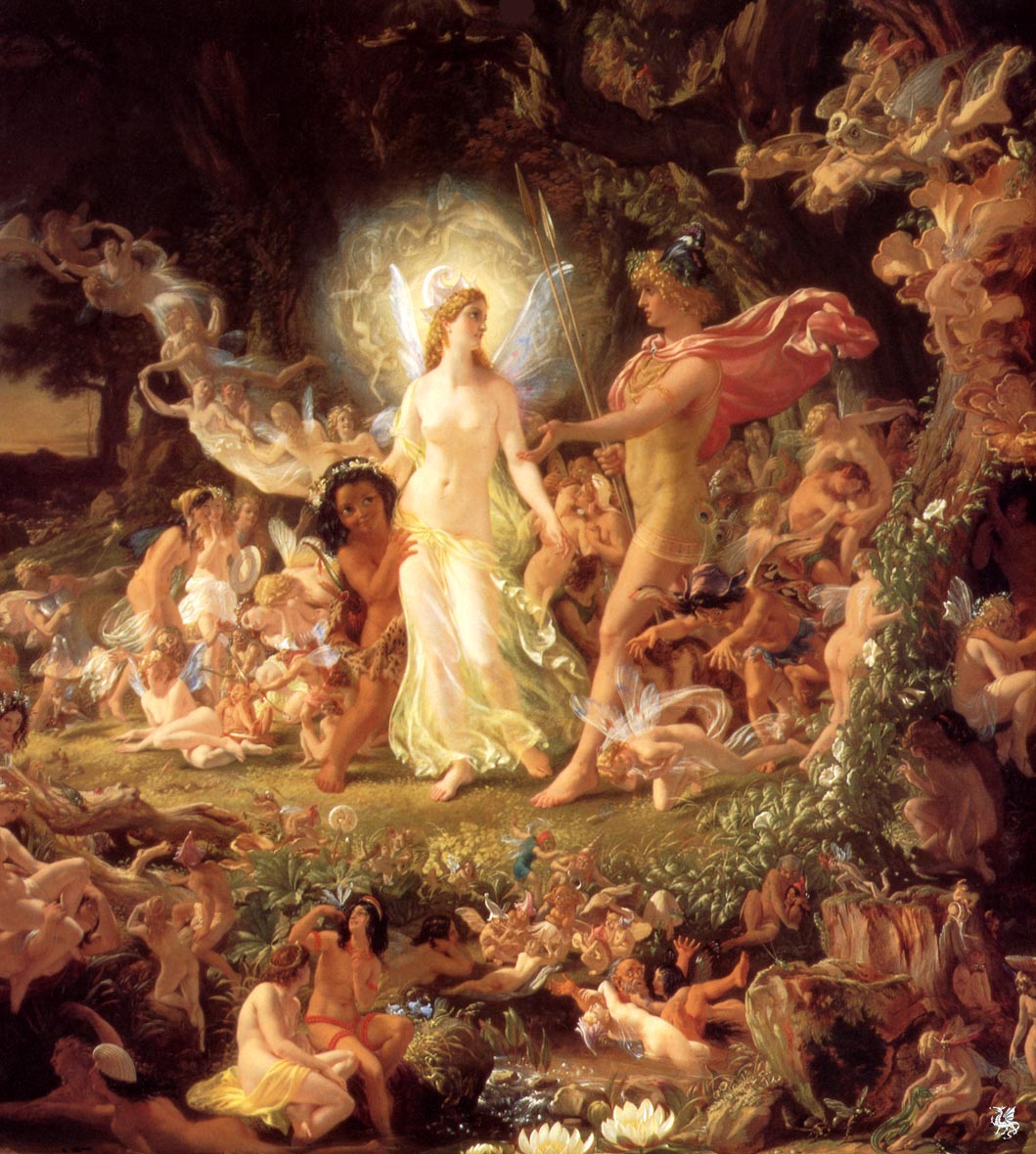
For the wedding she commissioned a play from Shakespeare who recycled his old King of the Fairies into A Midsummer Night’s Dream.
Code was essential. Half of the audience would have been pro-Mary Queen of Scots Catholics……..
………and half pro-Queen Elizabeth Protestants.
Shakespeare’s triumph in the play is to compliment both Mary and Elizabeth at the same time.
Oberon says to Puck:
‘Thou rememb’rest once I sat upon a promontory,
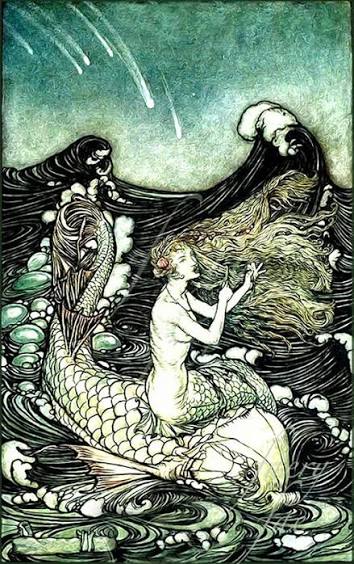
And heard a mermaid on a dolphin’s back
Uttering such dulcet and harmonious breath
That the rude sea grew civil at her song
And certain stars shot madly from their spheres
To hear the sea-maid’s music.’
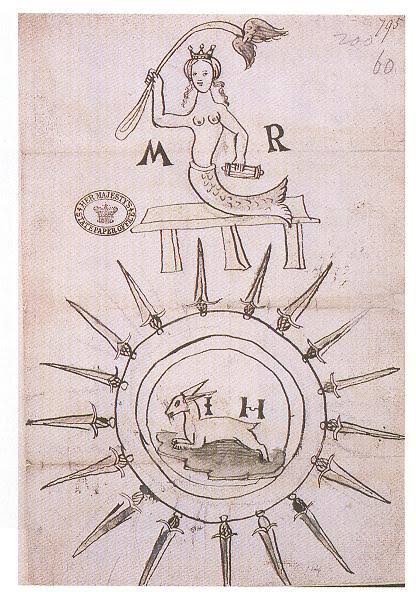
The mermaid was the personal symbol of Mary Queen of Scots.
In her 1566 will she left Bothwell a miniature figurine of a mermaid set in diamonds.
Arrested in Edinburgh, she had appeared, loose haired and bare-breasted, at the window of her cell.
Even the Puritan John Knox had acknowledged the woman’s power to ‘enchant’ him.
The ‘dolphin’ refers to the Dauphin, Mary’s French Catholic husband, Francis II.
The ‘dulcet and harmonious breath’ refers to Mary’s ambition to unite England and Scotland……
‘The rude sea’ is the historic contention between the Scots and the English. and the ‘certain stars’ which ‘shot madly from their spheres’ were the Earls of Northumberland…..
…. Westmoreland…..
…..the 2nd Earl of Southampton…..
….. and Lord Montague.
They had all taken part in the rebellion of the Northern Lords.
Shakespeare was to use similar imagery for rebellion in Henry IV Part One when the King urges the rebel Worcester to:
‘move in that obedient orb again
Where you did give a fair and natural light,
And be no more an exhal’d meteor,
A prodigy of fear, and a portent
Of broached mischief to the unborn times.’
In case this passage might seem too pro-Mary, Shakespeare shelters in the ambiguity of language: ‘madly’ could mean ‘ecstatically’ or ‘insanely’, depending on your religion.
Shakespeare immediately follows up with praise of Elizabeth:
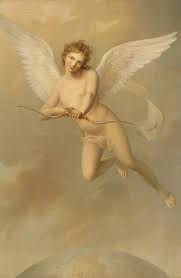
‘…….a certain aim he [Cupid] took
At a fair vestal, throned by the west,
And loos’d his love-shaft smartly from his bow
As it should pierce a hundred thousand hearts.
But I might see young Cupid’s fiery shaft
Quench’d in the chaste beams of the watery moon;
And the imperial votress passed on,
In maiden meditation, fancy free.’
Shakespeare was performing the balancing act of all time.
One of the central themes of the play, how far young people should follow the wishes of their parents in the choice of a partner and how far the dictates of their heart, was being acted out in the Southampton family itself.
Shakespeare pleads tolerance for Harry’s wishes not to wed…..
Theseus finally overrules Egeus’s demand that Hermia should wed Demetrius.
The major discord in the play comes from the fight between Oberon and Titania…..
…… for possession of ‘the little changeling boy.’
Shakespeare is referring, in code, to the fight between Mary Southampton and the 2nd Earl of Southampton over the possession of little Harry.
He shows, in the disturbance of nature, the spiritual repercussions on all concerned of such a bitter conflict. He uses the magic of his verse to heal this old family wound.
Titania and Oberon are finally reconciled: the old marriage is symbolically closed and the new one can begin.
The Shakespeare’s magic finally worked. In her will the Countess of Southampton…….
…..asked to be buried as close as possible to the body of the 2nd Earl of Southampton.
Catholicism has the last word in the play. The blessing of the house by the Fairies evokes the old, and by then forbidden, blessing of the bridal bed by the priest.
Kyd, who had suffered ‘bitter times and broken passions’, died just before the first performance of A Midsummer Night’s Dream. This did not stop Shakespeare from sending up The Spanish Tragedy.
When Titania says: ‘What angel wakes me from my flowery bed?’ it is a straight parody of Hieronimo’s line: ‘What outcry plucks me from my naked bed?’
Pyramus’s lament over the ‘dead’ Thisbe (‘Which is – no, no – which was the fairest dame’) would have ruined for ever Hieronimo’s lament over his dead son:
‘Alas it is Horatio my sweet son.
O no, but he that whilom was my son.’
The mechanicals’ entertainment, with its bloody napkin and inflated, alliterative language…..
………mocks a play which was far more successful, far more performed and far more often printed than any play by Shakespeare in his lifetime.
Shakespeare himself was to be mocked a few weeks later with the publication of Willobie his Avisa. Henry Willobie, as we have seen, had an intimate knowledge of Shakespeare’s life and work.
He believes that the tongues of men are ‘tipped with poison’ while women have ‘wisdom in the living Lord’.
This was a strange attitude for a Tudor man. In fact ‘Henry Willobie’ was not a man at all. He was Aemelia Bassano, now Aemelia Lanyer. Later she was to write, under her own married name, a book of verse which preached the same moral.
‘Men are ‘vipers’, women are ‘angels’.
She warns of the sort of vices she intends to attack:
‘Our English soil to Sodom’s sink
Excessive sin transformed of late
Of foul deceit the loathsome link
Hath worn all faith clean out of date,
The greatest sins ‘mongst greatest sort,
Are counted now but for a sport.’
She adds:
‘Idleness is the mother of all foolish wantonness…David being idle fell to strange lust…Noblemen, gentlemen and captains by idleness fall into all kind of vices.’
Casting herself as the chaste ‘Avisa’ she re-runs her affairs with Hunsdon, Shakespeare and Southampton. This time round she gives in to none of them.
The ‘Old Lord’ (Hunsdon)……
……. offers her ‘forty angels’ for her services. Armed with her newly-acquired Christianity, she has the power to re-buff him.
Shakespeare and Nashe had written their versions of the love-triangle: now Aemelia/Avisa writes hers:
‘H.W.’ being suddenly infected with the contagion of a fantastical fit at the first sight of A, pyneth a while in secret grief, at length not able any longer to endure the burning heat of so fervent a humour, bewrayeth the secrecy of his disease unto his familiar friend W. S. who not long before had tried the courtesy of the like passion, and was now newly recovered of the like infection: yet finding his friend let blood in the same vain, he took pleasure for a time to see him bleed, and instead of stopping the issue he enlargeth the wound, with the sharp razor of a willing conceit, persuading him that he thought it a matter very easy to be compassed, and no doubt with pain, diligence and some cost in time to be obtained.
Thus this miserable comforter comforting his friend with an impossibility, either for that he would secretly laugh at his friend’s folly, that had given occasion not long before unto others to laugh at his own, or because he would see whether another could play his part better than himself, and in viewing afar off the course of this loving comedy, he determined to see whether it would sort to a happier end for this new actor, [newly heterosexual] than it did for the old player…’
Shakespeare, in Sonnet 139, had begged Aemelia not to ‘glance [her] eye aside’ when they were together.
Now Aemelia/Avisa explains why she rolls away her eyes from young Harry as well:
‘If I do sometimes look awry
As loathe to see your blobbered face
And loathe to hear a young man cry
Correct for shame this childish race
And though you weep and wail to me,
Yet let not all these follies see.’
Harry, according to Aemelia/Avisa, goes home, throws himself on his bed, refuses to eat and goes nearly mad with love.’ Yet after a long space of absence, [his trip to Europe] having procured some respite from his sorrows, he takes his pen and wrote as followeth….’
‘I saw your gardens passing fine
With pleasant flowers lately decked
With cowslips and with eglantine
When woeful woodbine lies reject’
Cowslips, woodbine and eglantine are direct quotes from A Midsummer Night’s Dream. Aemelia must have played Titania to Shakespeare’s Oberon.
●
Trixie the Cat says….
Brothers and Sisters of The Shakespeare Code….
Stewart was to write much more about Roman Catholicism in A Midsummer Night’s Dream……
On his return from Europe, in the summer of 1593, Shakespeare found Marlowe had been killed in a tavern brawl and Kyd racked and imprisoned. ‘Atheistical Papers’ had been found in the chambers the two men shared. Kyd claimed they were Marlowe’s.
Lord Strange immediately dropped Kyd……
…….but the Countess of Pembroke came to his aid.
She staged his The Taming of a Shrew, commissioned a translation from him of a Garnier play (Cornélie) and ‘set’ her son William Herbert (codename ‘W. Har’)……
…….to write a verse invitation to Shakespeare and Kyd to collaborate at Wilton:
‘You that have writ of chaste Lucretia,
Whose death was witness of her spotless life,
Or penn’d the praise of sad Cornelia,
Whose blameless name hath made her fame so rife,
As noble Pompey’s most renowned wife:
Hither unto your home direct your eyes,
Whereas, unthought on, much more matter lies.’
Shakespeare, who had worshipped Marlowe, would have nothing further to do with Kyd.
In fact, he set out to destroy him.
Ignoring the Pembroke invitation, Shakespeare approached his old patron Strange with two new plays.
In Rome Shakespeare had come across the Titus Andronicus story. Nashe had finished with Shakespeare, for the moment at least, claiming that a ‘noverint’, with a starched ruff and new-spaded beard, was making money out of his ideas.
The syphilitic George Peele, however, needed the Southampton money. Playing on the Dark Lady’s name (Aemelia was back on the scene ‘with bed-vow [marriage vow] broke and new faith [Christianity] torn’) Shakespeare and Peele invented one character called ‘Aemelius’ and another called ‘Bassianus’.
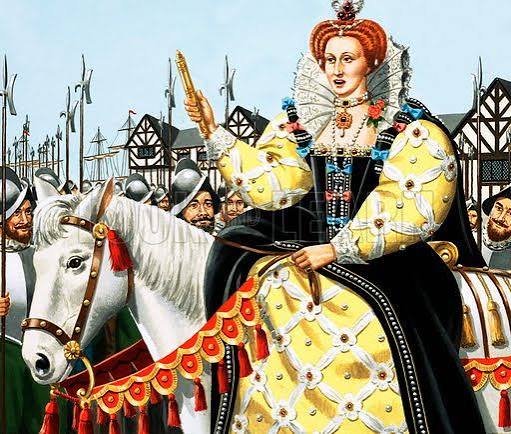
They turned the Roman story into a political attack on Elizabeth as Tamora, Queen of the Goths, who, like Queen Elizabeth, rides a white horse…….
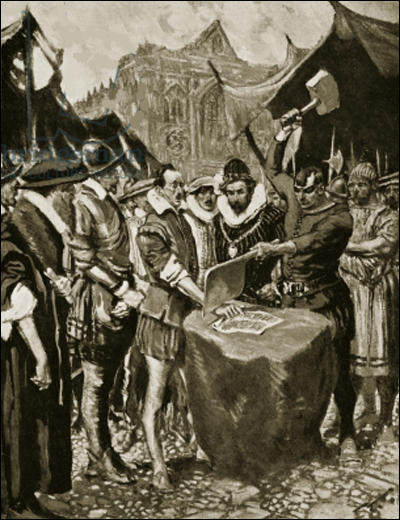
…….and cuts off people’s hands…….
[John Stubbs was the Elizabethan pamphleteer whose right hand Queen Elizabeth I ordered to be cut off in 1579]
The play, with its human pies, also satirises Kyd’s grand guignol. The play has a black villain with a Jewish name – Aaron.
Shakespeare was no longer believed that black was beautiful.
Shakespeare and Peele returned to English history with Edward III in which Shakespeare flatters Lord Strange again (now Lord Derby) by writing about another ancestor. It includes a grudging dark-skinned part for Aemelia (‘Thy mother is but black, and thou, like her, / Dost put it in my mind how foul she is.’).
The play explores a theme that was to obsess Shakespeare, possibly because of Southampton’s promiscuous behaviour in Italy: the corrupt use of power to exploit social inferiors sexually.
King Edward is attracted to the married Countess of Salisbury and even enlists the support of her father in the proposed seduction. The Earl of Warwick’s speech to the Countess, though, is another version of the ‘Those that have power to hurt’ Sonnet:
‘An evil deed, done by authority,
Is sin and subornation: deck an ape
In tissue, and the beauty of the robe
Adds but the greater scorn unto the beast.’
This warning even ends with the same line as the sonnet: ‘Lilies that fester smell far worse than weeds’. It is only when Edward acknowledges, and rejects, his moral depravity that he can gain glory in the field of battle.
Shakespeare is again warning the Earl of Southampton that he will achieve nothing of significance, politically or militarily, if he abuses his aristocratic position.
●
Shifting relationships, and mortalities, in aristocratic circles now profoundly influenced Shakespeare’s career. Essex, towards the end of 1593, was continually ‘ranging abroad’ from Court to be with his friends in Hampshire.
Shakespeare was drawn more and more into the Essex entourage – to the fury of the Earl of Derby who loathed Essex.
Derby withdrew his support from Titus Andronicus.
The Countess of Pembroke came in to save the production……
……but Essex had started to argue with Earl of Pembroke as well. He withdrew his money from anyone who supported Essex, including Shakespeare and Samuel Daniel, and Pembroke’s Men ‘broke’ in the autumn.
In December Robert Radcliffe……
……. and his wife Bridget, both generous patrons of the arts, became the new Earl and Countess of Sussex. They re-financed the company and saved Titus Andronicus which was performed at the Rose at the beginning of the following year. (1594)
This is why the title page of Titus Andronicus reads oddly: ‘As it was played by the Right Honourable the Earl of Derby, Earl of Pembroke and Earl of Sussex their servants.’ This was not three different companies.
It was one group of desperate actors!
The Earl of Derby, died, poisoned in April 1594. The Queen’s Men were by now failing and the Lord Admiral’s Men were pro-Elizabeth.
Old Lord Hunsdon, Amelia’s ‘protector’……..
……. decided to form a new company to replace Derby’s. Though he was Elizabeth’s cousin, he was a ‘sword and buckler’ man who violently disagreed with her policies. His company were encouraged to produce excellent, naturalistic, challenging work.
Essex, who like his father, Leicester, loved to put on private performances at Essex House……..
………began to commission Shakespeare.
His Jewish physician, Roderigo Lopez……
….had drunkenly revealed that Essex was a passive homosexual.
Essex, needing to discredit him, used his spy system, to ‘prove’ that Lopez had planned to poison the Queen.
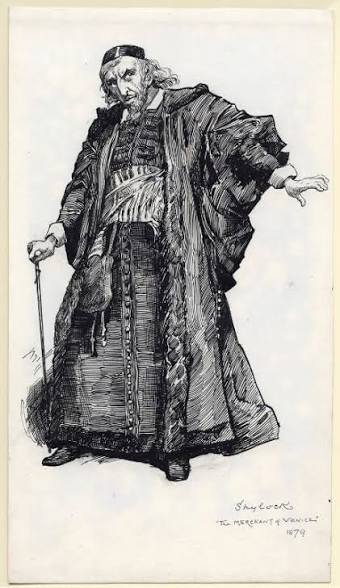
Lopez was hanged. To justify his action, Essex needed an anti-Semitic play from Shakespeare. Shakespeare, typically, responded with Shylock, who starts as a figure of fun but evolves into a hero of towering courage and integrity, who intent on revenge for insults to his race, can be bought by no-one.
Nashe, though, was happy to provide the anti-Semitic servant roles…
……as Shakespeare was happy to steal Nashe’s ideas about the music of the spheres from The Unfortunate Traveller.
●
Trixie the Cat says……
Brothers and Sisters of The Shakespeare Code….
…..Stewart was to go on and develop his ideas about ‘Titus Andronicus’ in his blog…..
‘Though I have nothing to write about worth your reading, yet can I not let pass this messenger without a letter, be it only to continue the profession of service which I have heretofore verbally made unto your Lordship, which howsoever in itself it is of small value, my hope is, seeing it wholly proceed from a true respect born to your own worth, and from one who hath no better present to make you than the offer of himself to be disposed of by your commandment, your Lordship will be pleased in good part to accept it, and ever afford me your good opinion and favour, of which I shall be exceedingly proud, endeavouring with myself always with the best means to deserve it. As I shall have opportunity to send into England I will be bold to trouble your Lordship with my letter, in the mean time wishing your fortune may even prove answerable to the greatness of your own mind, I take my leave &c…’
Southampton did not record the year. Historians have given two possible dates, 1591 and 1598.
The first date has now been dismissed: the seventeen year old aristocratic Southampton would never have been allowed by the Privy Council to travel to France at a time of war.
The second date, though, is equally unlikely. Southampton writes about his ‘profession of service’ to Essex having been ‘verbally made unto your Lordship’ and consequently ‘of small value’. By 1598 Southampton had fought gallantly for Essex on the Islands Campaign and so his loyalty had been proved by action rather than words.
1593 fits the circumstances perfectly.
From the beginning of March till the end of June 1593, the book will argue, Southampton, Shakespeare and Nashe travelled through France, the Low Countries, Germany, Spain and Italy.
The visit was a secret one and references to it were highly coded.
The first was in Nashe’s The Unfortunate Traveller, entered in Stationer’s Register on 27th June, 1593.
The prototype of the picaresque novel, it chronicles Jack Wilton’s adventures in Europe with his master the Earl of Surrey – code for Nashe and Southampton.
Nashe even dedicates the book to Southampton (a dedication Southampton later forced him to withdraw) as ‘a lover and cherisher’ ‘as well of the lovers of poets (Aemelia) as of poets themselves’ (Shakespeare).
Many of Nashe’s details suggest direct observation. Jack/Nashe describes how his long hair, light-coloured clothes and dagger with unblunted tip were all forbidden in Rome.
He also writes: ‘The name of the place I remember not, but it is as one goes to St. Paul’s Church not far from the Jews’ piazza.’
The Earl changes places with Jack ‘to take more liberty of behaviour’ in Italy, the land of ‘whoring’ and ‘sodomitry’. This is exactly the same plot device Shakespeare was to use in his re-write of The Taming of a Shrew: Lucentio changes place with his adoring servant Tranio.
Given Southampton’s taste for lower class men, it would be useful to him to masquerade as a servant.
●
A year later, in May 1594, Shakespeare’s poem Lucrece, based on the rape of Lucretia by Tarquinus Superbus, was entered at the Stationer’s Register.
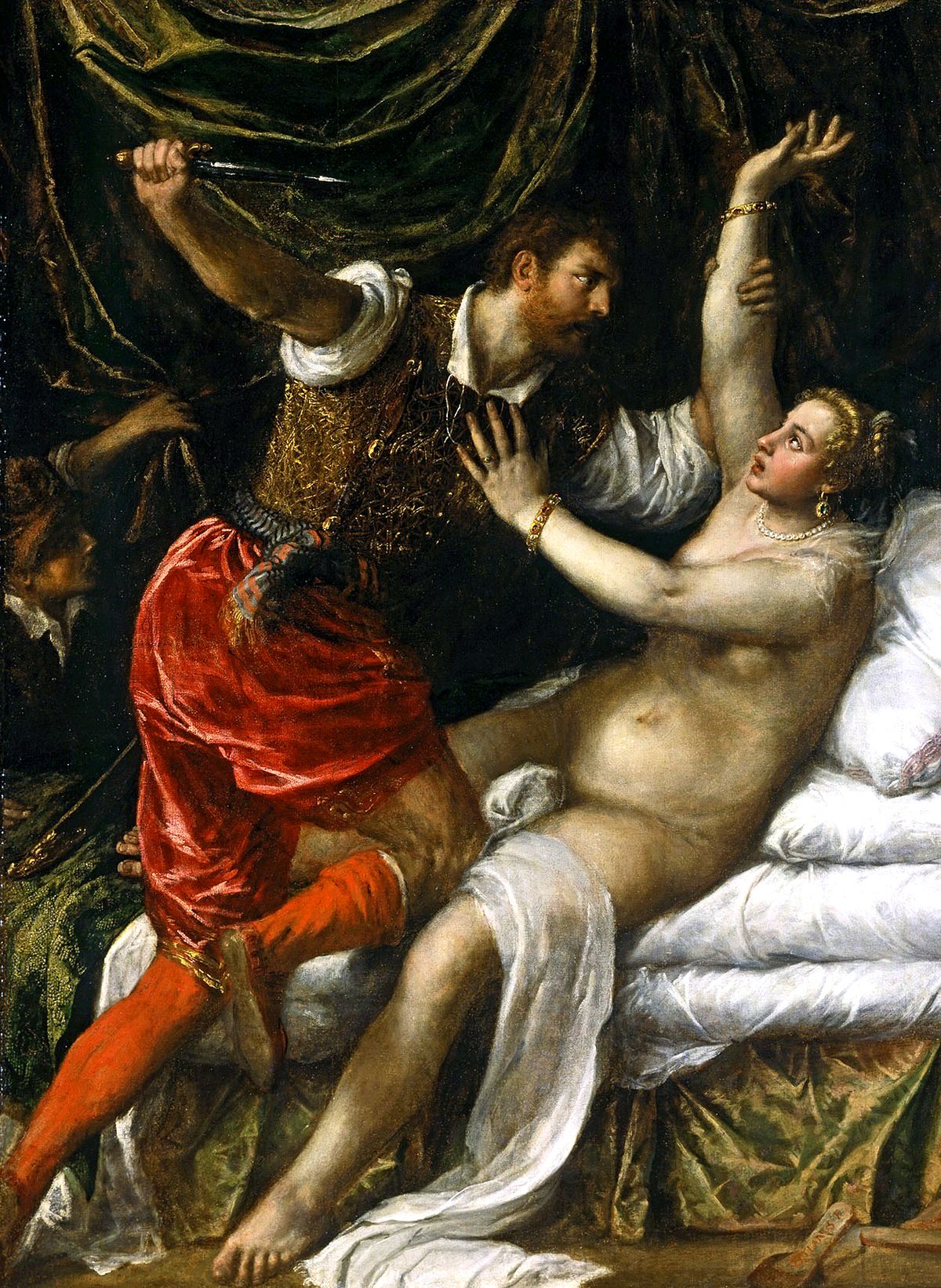
Venus and Adonis was based on a Titian painting: so was Lucrece. Titian painted at least three versions of the incident: Shakespeare clearly saw the one now housed in the Fitzwilliam Museum at Cambridge.
He writes:
‘Without the bed her [Lucrece’s] other fair hand was
On the green coverlet whose perfect white
Show’d like an April daisy on the grass….’
In the Fitzwilliam painting, Lucretia has an identical green coverlet on the bed and Tarquin holds his knife ‘like a falcon tow’ring in the skies’ over her and ‘her pity-pleading eyes are sadly fixed/In the remorseless wrinkles of his face.’
In Titian’s other two versions of the scene, now in Bordeaux and Vienna, Tarquin threatens the knife upwards and Lucretia looks away.
Shakespeare’s poem speaks of Tarquin’s ‘scarlet lust’: the Fitzwilliam painting shows Tarquin clothed in a deep red. In the poem Tarquin opens ‘wide’ the door: in the painting Tarquin places his knee, violently, between Lucretia’s legs.
Nashe saw the painting too. In The Unfortunate Traveller he writes of ‘chastity’s first martyr, Lucrecia’ and describes a rape in which a woman down ‘on the hard boards and used his knee as an iron ram to beat ope the two lead gates of her chastity.’
In 1593 the Fitzwilliam Titian was in the possession of Philip II in Madrid.
●
Later, in September, in 1594, a scandalous book called Willobie his Avisa was entered on the Stationer’s Register. It was a poem left in his study by one Henry Willobie before he went off, never to return, to fight for Queen and country. His friend, Hadrian Dorrell, felt obliged to publish it.
The book attacks ‘W. S’ ‘an old player’ (Shakespeare) and his ‘familiar friend’ H.W. (Henry Wriothesley). H.W. described as ‘Italo-Hispalensis’, asserts:
‘A thousand features I have seen,
For traveller’s change and choice shall see,
In France, in Flanders and in Spain,
Yet none, nor none could conquer me’.
Hadrian Dorrell is also in the know about the influence of Titian on Shakespeare:
‘Yet Tarquin pluckt his glistering grape
And Shake-speare paints poor Lucrece rape.’
●
Before she kills herself, Lucrece, in Shakespeare’s poem, studies a ‘piece/Of skilful painting’ of the Sack of Troy. Her empathy with the painting, her ‘deep surmise of others’ detriment’ exactly mirrors Shakespeare’s empathy with Titian’s masterpiece.
Tarquin’s lust is Shakespeare’s lust: Lucrece’s remorse, his remorse. In fact Shakespeare, who as we know from the sonnets was obsessed with painting, makes the startling assertion that to see something is far more powerful than to hear about it – that language itself can be redundant:
‘To see sad sights moves more than hear them told,
For then the eye interprets to the ear
The heavy motion that it doth behold
When every part a part of woe doth bear.
‘Tis but a part of sorrow that we hear:
Deep sounds make lesser noise than shallow fords,
And sorrow ebbs, being blown with wind of words.’
●
Giulio Romano painted a mural of the sack of Troy in the Sala di Troia in Mantua.
Also in Mantua is the epitaph to the famous sculptor and painter.
Professor Ernesto Grillo, himself an Italian, suggests that Shakespeare was quoting directly from this epitaph when he wrote his own praise of Romano in The Winter’s Tale: ‘had he himself eternity and cut breath into his work’.
Grillo, in Shakespeare and Italy, argues that Shakespeare had a first hand knowledge of Italian phrases, customs and topography. In his day it was possible to embark at the gates of Milan for ports on the Adriatic Sea and Valentine in Two Gentlemen of Veronacould travel by ship from Verona to Milan by an extensive canal system.
Tranio’s father (The Taming of the Shrew) could well have been ‘a sail-maker in Bergamo’. There was and is a ship-building industry in the land-locked town.
Non-Italians forget about the Lakes.
Portia tells Nerissa in The Merchant of Venice that they ‘must measure twenty miles today’, the exact distance between Monte Bello and Padua, from where you could catch a ferry to Venice.
Shakespeare’s famous ‘mistakes’ were never mistakes at all.
Before 1593 Shakespeare had not set a single play in Italy. By the time of the First Folio (1623) ten plays – over a quarter of the canon – had been set in Italy or have scenes in Italy. There are around 800 references to Italy and 400 to Rome alone.
In The Unfortunate Traveller Nashe/Wilton has ‘a wonderful ardent inclination to see Rome, the Queen of the world and metropolitan mistress of all other cities’ but he emphasises the fact that the ‘Earl of Surrey’ himself does not travel to the Eternal City.
It would be too dangerous to suggest that recusant Southampton had visited the home of the Pope.
Shakespeare waited till the reign of King James to tell us, in code, that he had.
●
Trixie the Cat says…..
Brothers and Sisters of The Shakespeare Code….
Stewart was to return to the theme of Shakespeare in Italy in detail – and devoted eight posts to the subject……
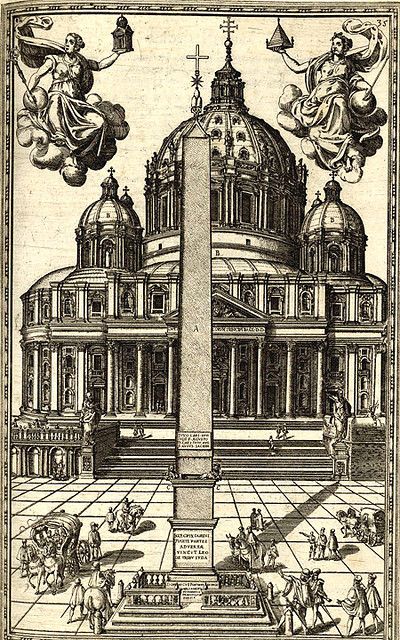
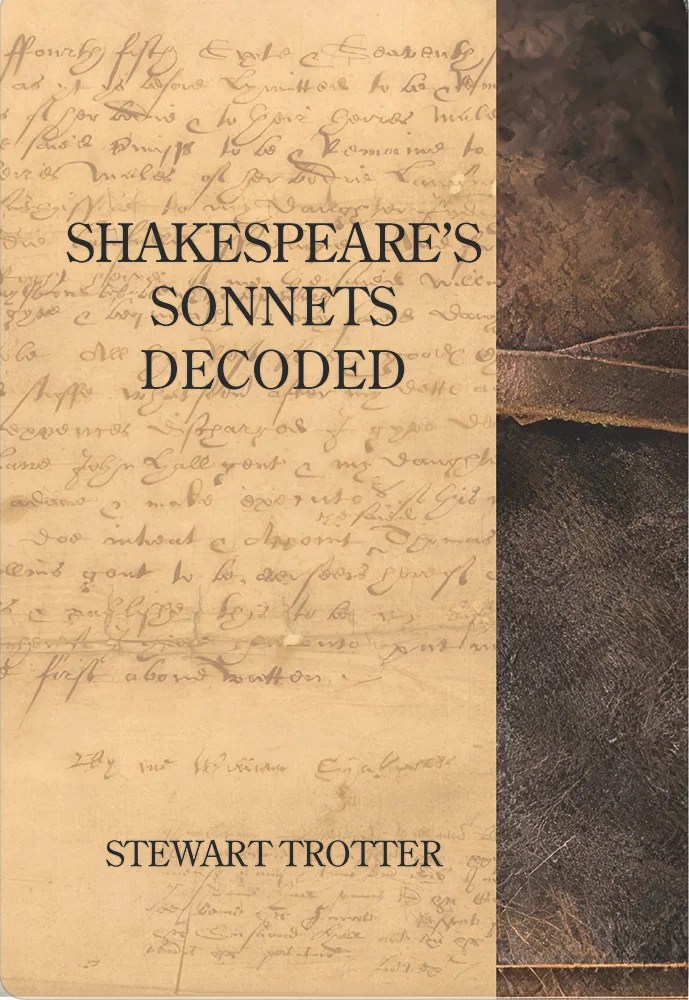
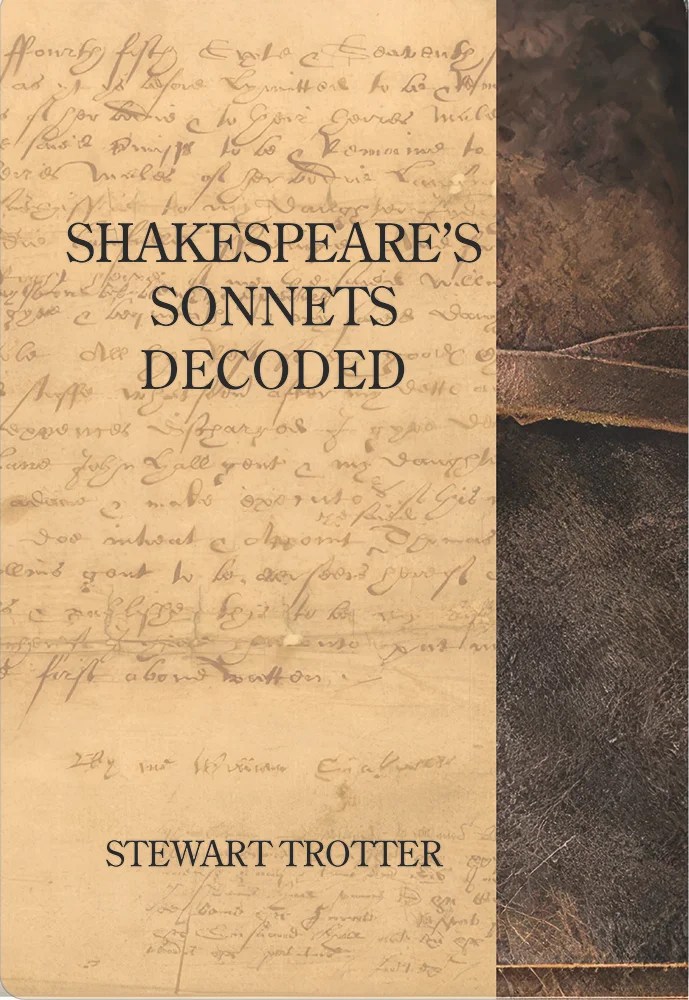
He has also dealt in deetail with the influence of Rome on Shakespeare – with its obelisks and its ruins – in his new book Shakespeare’s Sonnets Decoded……
Shakespeare, still guilty and confused, left Titchfield in July 1592 to join a tour of Lord Strange’s Men.
Nashe, resentful of Shakespeare’s wealth, fame and friendship with the Southampton family, set out to discredit him.
‘For all my labours turned to loss’ Nashe writes in Pierce Pennilesse (1592), hinting at his hand in the composition of Love’s Labour’s Lost.
Later he adds, for those who missed the point first time round, ‘If my destiny be such to lose my labour everywhere’.
He continues with an oblique attack on Shakespeare as one of the ‘drudges’ with ‘no extraordinary gifts of body or mind’ who ‘filch themselves into some nobleman’s service’ and ‘labour it with cap and knee and ply it with privy whisperings’.
Nashe’s chance to launch a full-frontal attack came in September.
Robert Greene died, destitute, in London.
Nashe could write under his name. Pretending to find A Groatsworth of Wit among the dead man’s papers, Nashe penned ‘Greene’s’ famous attack on Shakespeare:
‘There is an upstart crow, beautified with our feathers, that with his ‘Tiger’s heart wrapped in a Player’s hide’(a line Nashe had probably written) supposes he is as well able to bombast out a blank verse as the best of you: and being an absolute ‘Johannes factotum’, is in his own conceit the only Shake-scene in a country.’
‘The upstart crow’ was a reference to Shakespeare’s performance as Edricus ‘the fatal crow’ in Edmund Ironside and ‘Johannes factotum’ to Shakespeare’s position in the Southampton household in ‘a country’.
‘Greene’ reveals how it was Shakespeare, a nouveau-riche, dandified, ruthless, talent-less mediocrity, who bribed him with the promise of ‘pleasure’ and ‘money’ to write plays for him and ‘lodged him at the town’s end in a house of retail’, Mr. Apis-Lapis’s notorious Posbrook Farm, with its illegal pub and three ‘serving-maids’ just outside Titchfield.
‘Greene’ also suggests Aemelia (codename ‘Lamilia’) seduced Harry (codename ‘Luciano’) for his money, that Shakespeare (codename ‘Roberto’, but Nashe, to cover his back, makes ‘Roberto’ several different people) acted as pander for his ‘brother’ and demanded a cut of Aemelia’s fee.
Nashe now became the Titchfield pander himself. He wrote blatant pornography to excite Harry who responded by impregnating Aemelia.
In Knack to Know a Knave Nashe extends the attack to Shakespeare’s father.
John Shakespeare becomes ‘The bailiff of Hexam’, a corrupt, self-interested wool merchant who mixes sand with his wool to make it heavier. He has a son, Cuthbert Coneycatcer, ‘that livest by wit’ and has ‘so many honest sleights / To shift and cosen smoothly on [his] wit / To cog and lie and brave it with the best’.
To make sure the audience know who ‘Cuthbert Coneycatcher’ is (one of Nashe’s definitions of a ‘coney-catcher’ is a ‘verser’) the father adds:
‘T’were but labour lost to counsel thee.’
Cuthbert/Shakespeare, openly acknowledging his own ambition, vanity, usury and exploitation of the rich, replies:
‘Then (father) thus live I that use my wit,
Unto myself I love still to be wise,
For when I am driven to shift for meat or coin
Or gay apparel to maintain me brave
Then do I flaunt it out above the change
As if I were some landed gentleman
And falling in with some rich merchant there
I take commodities for five month’s pay’
Cuthbert, who also works in cahoots with a female prostitute who ‘cuts and deals’, is punished in the play by having his tongue cut out and his eyes pecked by ‘owls and night ravens…’
Nashe’s imagination was working overtime.
●
October brought much excitement. Aemelia, converting from Judaism to Christianity, was married off to a minstrel named Alphonse Lanier. They had a son named Henry…
Next the Queen decided to extend her summer Progress to visit the dying Lord Montague at West Horsley in Hampshire.
An appropriate entertainment was needed and Nashe was ready with Sommer’s Last Will and Testament.
The version we have is a re-write for Croydon in 1600. Internal evidence shows it was originally written in 1592. The entertainment refers to the ‘plague that rages in most places in this latter end of summer’, the Thames drying up on 6th September and the visit of the Queen to comfort the ‘Summer’.
‘Summer’ is code for various members of the Montague/Southampton family, including the dying Lord Montague:
‘For her [Elizabeth] doth Summer live and linger here,
And wisheth long to live to her content.’
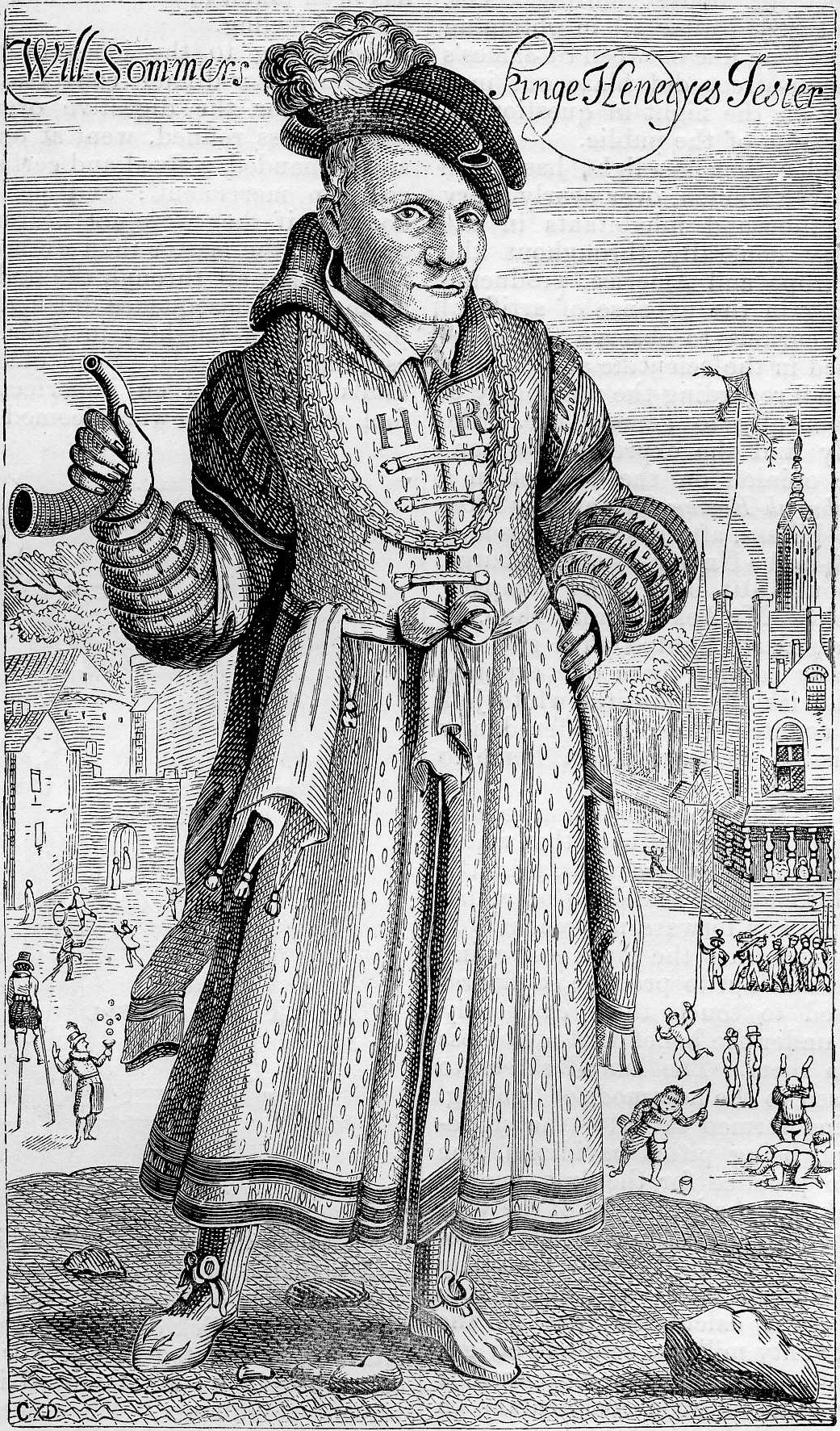
Using exactly the same language as he uses in his mock dedication to Mr. Apis Lapis, Nashe, playing Will Sommer (Queen Elizabeth’s father’s old jester)……
……..announces that the old family friend, William Beeston, will be playing in the Interlude:
‘Actors, bring now a black Jack [jug] and a rundlet of Renish wine, disputing of the antiquity of red noses; let the prodigal child come out in his doublet and hose all greasy, his shirt hanging forth, and ne’er a penny in his purse, and talk what a fine thing it is to walk summerly, or sit whistling under a hedge and keep hogs.’
Before Beeston’s sensational entry, Nashe launches a vicious attack on the absent Shakespeare as ‘the resplendent Sol’ who enters ‘very richly attired with a noise of musicians before him’. Summer reminds the audience that Sol ‘is our servant, looks he ne’er so big’.
Shakespeare had employed obsequious language in his dedication of Venus and Adonis to Southampton:
‘Right Honourable, I know not how I shall offend in dedicating my unpolished lines to your Lordship, nor how the world will censure me for choosing so strong a prop for so weak a burden’.
Sol grovels in the same way to Summer: ‘My liege, what crav’st thou at thy vassal’s hands?’
Summer remains unimpressed:
‘Hypocrisy, how it can change his shape!
How base is pride from his own dunghill put!
How I have raised thee Sol, I list not tell,
Out of the ocean of adversity,
To sit in height of honour’s glorious heaven,
To be the eye-sore of aspiring eyes;
To give the day her life from thy bright looks
And let nought thrive upon the face of earth,
From which thou shalt withdraw thy powerful smiles.’
Nashe could not stand the fact that Shakespeare had been rescued from poverty by the Southampton family and now had surrogate power to make or break other writers.
Summer asks what Sol has done to earn such honour. Sol replies with the exact argument he puts forward in the Sonnets:
‘I do you honour for advancing me.
Why, ‘tis a credit for your excellence,
To have so great a subject as I am…’
Then:
‘You can make one as mighty as yourself’.
A horrified Autumn says:
‘O arrogance exceeding all belief!
Summer, my lord, this saucy upstart Jack,
That now doth rule the chariot of the sun,
And makes all stars derive their light from him,
Is a most base insinuating slave,
The son of parsimony and disdain,
One that will shine on friends and foe alike
That under brightest smiles hideth black showers,
Whose envious breath doth dry up springs and lakes
And burns the grass, that beasts can get no food.’
Winter adds:
‘ No dunghill hath so vilde an excrement,
But with his beams he will forthwith exhale:
The fens and quagmires tithe to him their filth:
Forth purest mines he sucks a gainful dross:
Green ivy-bushes at the vintners’ doors
He withers, and devoureth all their sap.’
These charges of plagiarism, homosexuality, ruthlessness and drunkenness are re-enforced by Autumn:
‘Lascivious and intemperate he is.
The wrong of Daphne is a well known tale:
Each evening he descends to Thetis lap,
The while men think he bathes him in the sea.
O, but when he returneth whence he came
Down to the West, then dawns his deity,
Then doubled is the swelling of his looks;
He overloads his car with Orient gems,
And reigns his fiery horses with rich pearl’
Nashe here not only refers again to Shakespeare’s affair with Aemelia (Daphne): he is implying he has a secret lover, the sea-nymph Thetis, with whom he sleeps at night and who provides him with gems and pearls. An audience in the know would think of the Countess of Southampton.
Nashe drives home Sol’s identification with Shakespeare:
‘He terms himself the God of Poetry,
And setteth wanton songs unto the lute.’
Shakespeare was furious when The Passionate Pilgrim, with its lascivious lyrics and ‘Sonnets to sundry notes of music’ was later published in his name.
Sol argues he is not to blame for his actions – even for his affairs:
‘For Daphne’s wrongs, and scapes in Thetis lap,
All Gods are subject to the like mis-hap.
Stars daily fall’
Mention of ‘laps’ and ‘stars falling’ are all references to Shakespeare’s great line for the Elvetham ‘Fairy Queen’ entertainment: ‘Amorous stars fall nightly in my lap’
Sol continues:
‘And men account the fall but nature’s course:
Vaunting my jewels, hasting to the West,
Or rising early from the gray eyed morn,
What do I vaunt but your large bountihood,
And show how liberal a Lord I serve?’
‘Jewels’ also had a coded sexual meaning. Nashe is shifting the attack from Mary Southampton to her son, Harry. ‘Large bountihood’ is a coded reference to Southampton’s genitals.
Nashe is implying that Shakespeare was sleeping with both mother and son.
Sol’s phrase ‘the gray-eyed morn’ was to feature later in Romeo and Juliet. Whether Shakespeare stole it from Nashe, or Nashe from Shakespeare, is impossible to tell.
Sol, complaining of his ‘long labours’, is attacked by Summer for flooding the Thames. Sol insists that it was Diana who was to blame. The moon commands the ‘raging main’ and Sol claims there was a lunar eclipse when the Thames dried up.
Everyone in the audience would identify Elizabeth with the moon. Sol/Shakespeare was blaming her for natural disasters.
Summer then puts a curse on him:
‘But for abusing both the moon and me
Long shalt thou be eclipsed by the moon
And long in darkness live, and see no light.
Away with him, his doom hath no reverse.’
Nashe is trying to sour Shakespeare’s relationship both with the Queen and the Southampton family.
He then moves on, in lighter vein, to introduce ‘Apis Lapis’:
‘Baron of double beer and bottle ale,
Come in and show thy nose that is nothing pale.
Back, back there, god barrel belly may enter’
The stage-direction reads: ‘Enter Bacchus riding upon an ass wrapt in ivy, himself dressed in vine leaves, and a garland of grapes on his head’.
Apis Lapis/Bachus/Beeston, with ‘tuns of wine in his paunch’ launches into a praise of alcohol:
‘So I tell thee, give a soldier wine before he goes to battle, it grinds out all gaps, it makes him forget all scars and wounds, and fight in the thickest of his enemies, as though he were but at foils amongst his fellows. Give a scholar wine, going to his book, or being about to invent, it sets a new point on his wit, it glazeth it, it scours it, it gives him acumen.’
Mr. Apis-Lapis was to make another appearance the following year as the cowardly ‘Lord of Misrule’ in Nashe’s The Unfortunate Traveller, with his ‘greasy purse’ and ‘great velvet breeches’selling cheese and cider to soldiers.
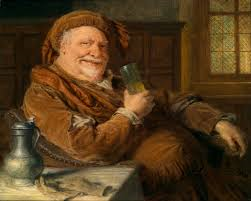
His most spectacular incarnation was to come later. William Beeston of Posbrook Farm, which stands at the edge of Titchfield to this day, was the original of the ‘greasy knight’ Sir John Falstaff.
●
Shakespeare was furious with Nashe’s attacks. On the 8th December, Henry Chettle, the publisher of A Groatsworth of Wit, was forced to print a retraction in which he claimed he had ‘seen’ [Shakespeare’s] ‘demeanour’ and it was ‘no less civil than he excellent in the qualities he professes’.
More to the point he adds that ‘divers of worship have reported his uprightness of dealing which argues his honesty, and his facetious grace in writing, which approves his art.’
The Southampton family had pulled rank.
Though absent on tour, Shakespeare had kept up a sonnet correspondence with Harry in which, encouraged by Mary Southampton, he finally acknowledged his love for the young man.
Nashe swore on his immortal soul that he was not the author of A Groatsworth of Wit. Shakespeare, unconvinced, took a long-term revenge.
Nashe’s observation in Pierce Pennilesse that a particular fault in man can destroy all his good qualities re-appears in the 1604 Hamlet.
●
Lord Strange’s Men…..
….though they had nearly ‘broken’ [gone bankrupt] on tour, managed to play the Christmas season at the Court. Early in 1593 they were performing at the Rose.
In February Nashe, forgiven by the Southamptons, was ‘in the country some three-score mile off from London’ ‘in a low marish ground’ with ‘almost as rotten a climate as the Low Countries; where the mist air is as thick as mould butter, and the dew lies like frothy barm on the ground’ (The Terrors of the Nigh).
To this day sea-mists from the River Meon suddenly swell up in the heart of Titchfield.
Using a pun that Shakespeare was to lift for Much Ado about Nothing Nashe observes in Strange News: ‘For the order of my life, it is as civil as a Seville orange; I lurk in no corners, but converse in a house of credit, as well governed as a college, where there be more rare qualified men and selected good scholars than in any nobleman’s house that I know in England’.
Harry, tutored by Florio, spoke perfect Italian so it was natural for him to want to try it out in Italy. As a Catholic, groomed from childhood by the Vatican itself, it was also natural for him to want to make a secret pilgrimage to Rome.
Shakespeare was learning Italian. He quotes from Florio’s Italian-English phrasebook, First Fruits, in Love’s Labour’s Lost (‘Venetia, chi no ti vede, non ti pretia’) and more famously in The Merchant of Venice ‘Tutto quelche luce, non é ora’ – ‘All that glisters is not gold’.
On the 1st February all the theatres in London were closed by the Plague. They were to stay ‘dark’ till Christmas.
On the 25th February Essex was made a member of the Privy Council.
He now had the authority to issue passports. Southampton was desperate to serve Essex. Shakespeare was in love with Southampton. Nashe would go anywhere for a free meal.
It was at this moment that the three men sailed to Europe……
●
Trixie the Cat says……
Brothers and Sisters of The Shakespeare Code….
The most important section in this Post is….
‘Nashe’s chance to launch a full-frontal attack came in September. Robert Greene died, destitute, in London. Nashe could write under his name. Pretending to find A Groatsworth of Wit among the dead man’s papers, Nashe penned ‘Greene’s’ famous attack on Shakespeare:
‘There is an upstart crow, beautified with our feathers, that with his ‘Tiger’s heart wrapped in a Player’s hide’(a line Nashe had probably written) supposes he is as well able to bombast out a blank verse as the best of you: and being an absolute ‘Johannes factotum’, is in his own conceit the only Shake-scene in a country.’
‘The upstart crow’ was a reference to Shakespeare’s performance as Edricus ‘the fatal crow’ in Edmund Ironside and ‘Johannes factotum’ to Shakespeare’s position in the Southampton family….’
It was written, as you know, in 2007 – but confirmation about the idea came last year – EIGHTEEN YEARS LATER!
Brett Greatley-Hirsch – the Professor of Renaissance Literature and Textual Studies at the University of Leeds – with Andrew Hadfield (of Sussex Universwity) and Rachel White (of Durham University) – came to the conclusion that Nashe was the secret author of the ‘Upstart Crow’ attack –
– WITH THE HELP OF ADVANCED COMPUTER PROGRAMMING!
Professor Greatley-Hersch kindly sent Stewart a copy of the brilliant essay – on the understanding it did not appear on ‘The Shakespeare Code’ blog!
Of course, Stewart went on to develop his Tom Nashe thesis in The Code – and suggested that Nashe collaborated with Shakespeare on Henry VI Parts Two and Three, Richard III, Edmund Ironside, The Comedy of Errors, Love’s Labour’s Lost, Two Gentlemen of Verona, The Taming of the Shrew, Henry IV Parts One and Two, Romeo and Juliet, A Midsummer Night’s Dream, As You Like It and Twelfth Night.
Nashe wrote many of the jokes in the plays and played many of the eccentric ‘stand-up’ characters – such as Dromio of Syracuse in The Comedy of Errors……
To begin the two men were in intense rivalry – both hoping for the financial stability they would achieve by being adopted by the Southampton family.
Throughout their collaboaration they remained ambivalent about each other – but the plays were strengthened by the tension between the Protestant pull of Nashe and the Roman Catholic pull of Shakespeare. For example, in The Merchant of Venice Shakespeare is very sympathetic to Shylock – but Nashe – playing and writing Lancelot Gobbo – is anti-Semitic.
But perhaps Stewart’s most interesting suggestion is that Nashe collaborated with Shakespeare on Love’s Labour’s Wonne – an early version of All’s Well that Ends Well.
Stewart even wrote a letter about this to The Times Literary Supplement on 30 November 2016. But even though Stewart had at one time written for the T.L.S. they did not publish it…
Sir, – Is it too late to reply to Laurie Maguire and Emma Smith’s suggestion that William Shakespeare collaborated with Thomas Middleton on All’s Well that Ends Well? (Many Hands – a new Shakespeare Collaboration? 20th April, 2012).
I would like to offer another candidate.
There are at least nine words and phrases which are used in All’s Well which do not appear in any other play or poem by Shakespeare. However, they DO appear once, twice and even three times in the works of Thomas Nashe. They are : ‘linsey-woolsey’ (three times) ‘fore-horse’ (twice) ‘the black prince’ i.e. Satan (twice) ‘custard’ (twice) ‘ames-ace’ (twice) ‘jades’ tricks’ (once) ‘swine-drunk’ (once) ‘chape’ (once) and ‘blazing star’ (once).
Maguire and Smith date All’s Well to around 1607. Nashe, of course, died in 1601. But Samuel Taylor Coleridge (in his lectures of 1813 and 1818) suggested that the play ‘was written at two different and rather distant points of the poet’s life’ and he detected ‘two distinct styles, not only of thought but of expression’. It wasn’t however till 1929 (as Maguire and Smith point out) that John Dover Wilson put forward the idea that Shakespeare worked with a collaborator on the play.
If Coleridge and Dover Wilson were right, then All’s Well – which depicts Helena’s heroic efforts to win her husband’s love – could be the Love Labours Wonne which Francis Meres mentions in his Palladis Tamia:
‘For Comedy, witnes his [Shakespeare’s] Gentlemen of Verona, his Errors, his Loue Labors Lost, his Loue Labours Wonne, his Midsummers Night Dreame, and his Merchant of Venice.’
As Palladis Tamia was published in 1598, this would place the first version of All’s Well in Nashe’s life-time. Also if the comedies were produced in the order in which Mere’s lists them (with Love’s Labour’s Won as a sequel to Love’s Labour’s Lost) it would turn the Widow’s line in All’s Well – ‘We have lost our labour’ – into a jokey reference to Shakespeare’s previous play.
We know that Nashe collaborated with Christopher Marlowe (on Dido, Queen of Carthage) and Ben Jonson (on The Isle of Dogs). As Maguire and Smith themselves write: ‘It is now broadly acknowledged that [Shakespeare] collaborated…..with Nashe on 1 Henry VI .’So did he collaborate with Shakespeare on Love’s Labour’s Won as well? And did he collaborate with him on other plays in the 1590’s? For this line of inquiry we need the help of computer experts.’
Stewart had seen that literature would be in the hands of computer experts when he was an undergraduate!
So Stewart now has an unpublished letter as well as an unpublished book – but it looks very likely that time will prove him right!
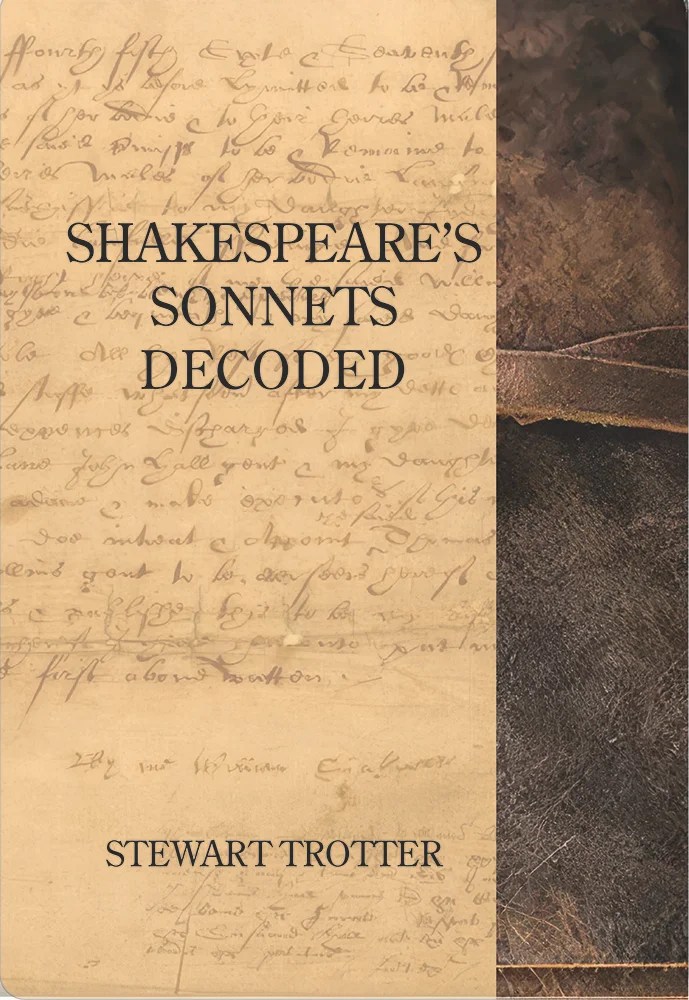
What has been published though – in a magnificent edition by Magic Flute Publishing -is Shakespeare’s Sonnets Decoded…
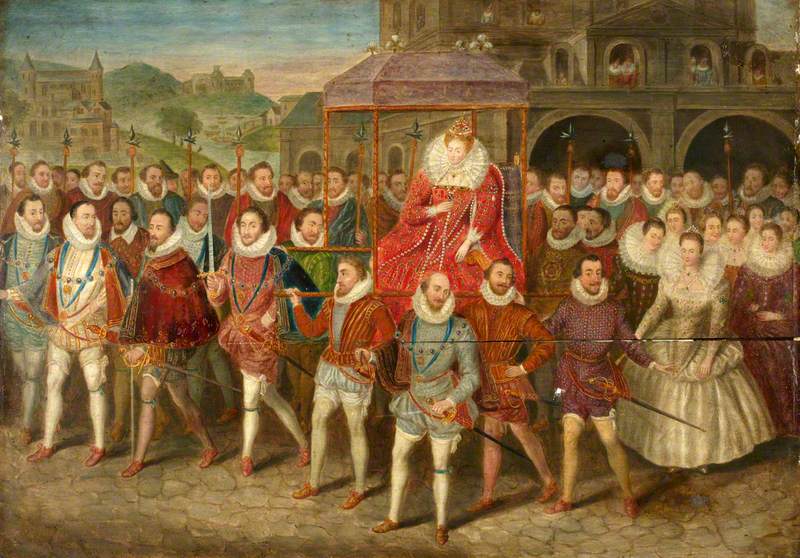
Shakespeare was able to observe Queen Elizabeth at close quarters later that year (1591) on her progress to the South Coast.
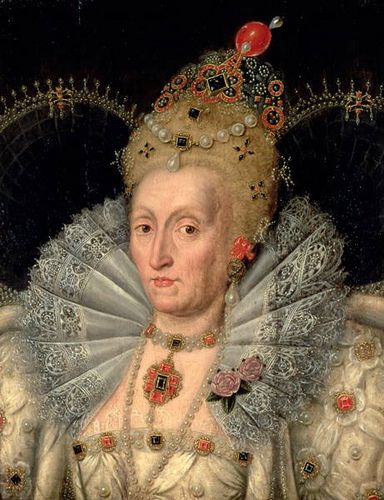
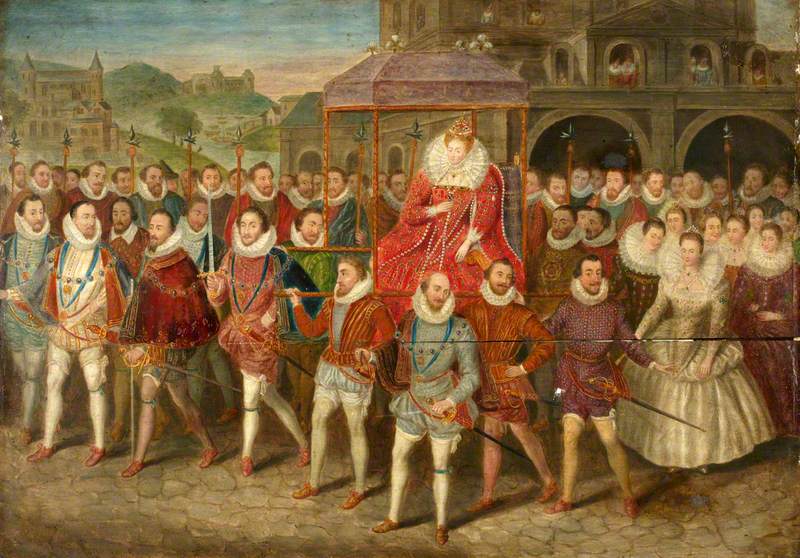
Elizabeth was a complex, not to say divided, character. She suffered from a secret ill-health that was so debilitating her closest courtiers often secretly thought she was near death. She had to give the impression of great strength and vigour, so her Summer Progresses were a tremendous opportunity for self-projection.
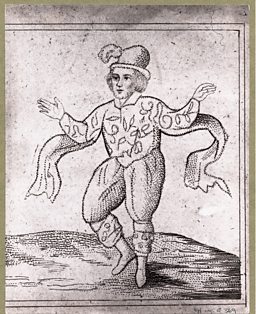
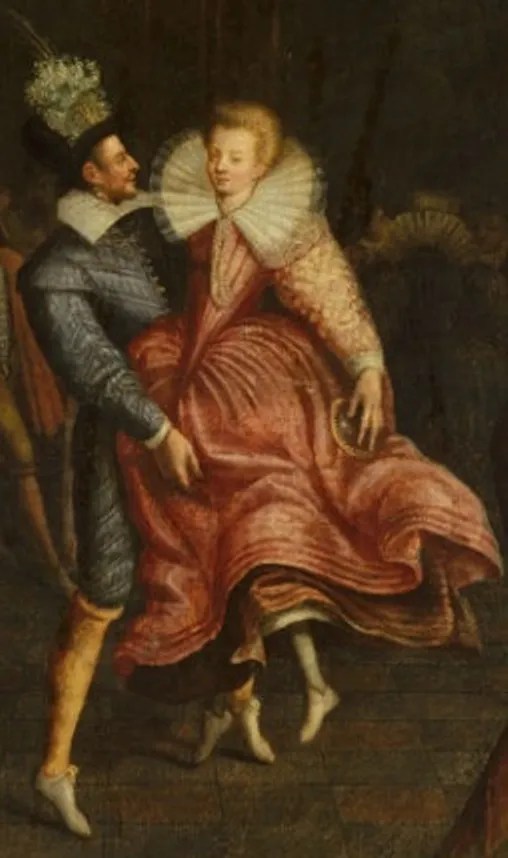
[Queen Elizabeth, displaying her good health, by dancing ‘La Volta’]
At an innocent level, Elizabeth, like Shakespeare, adored the English countryside. She thought its variety demonstrated the abundance of God. If she stayed with her hosts longer than was planned, it was taken as a great, if expensive, compliment to them and their district.
She loved to work the public. Anyone, of any class, could approach her. She would listen, and always reply to, petitions from all of her subjects. Once, not to disappoint them, she stood in the pouring rain to hear schoolchildren sing.
She also expected extravagant gifts and entertainments, arrived with hundreds of courtiers and set spies on her hosts to check they were Protestant, patriotic and pro-Elizabeth. At Norwich she had actually imprisoned her hosts when a Madonna was found in a barn.
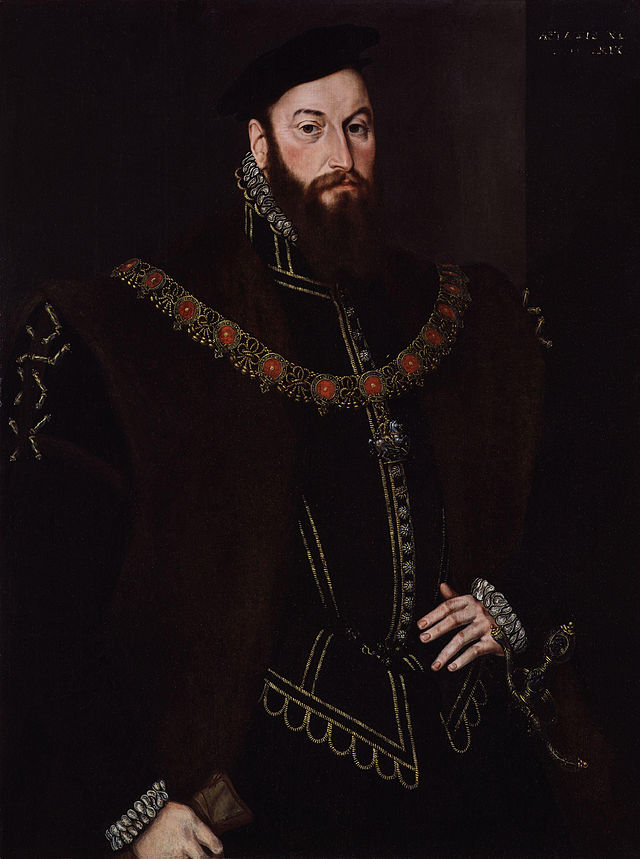
There was no chance of that at Petworth, thirty miles away from Titchfield. It was the home of Henry Percy, ninth Earl of Northumberland, the famous ‘Wizard Earl’.
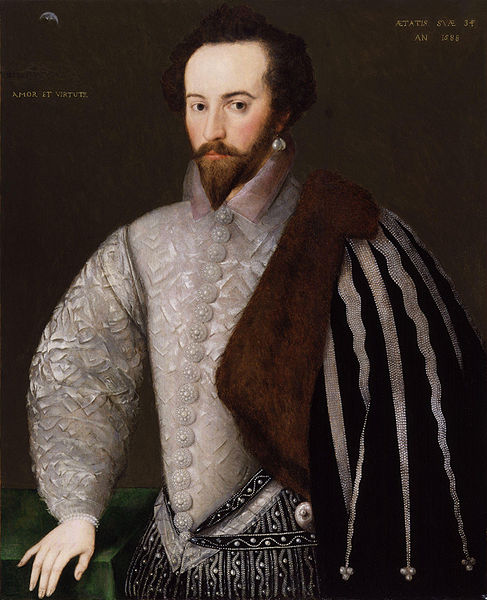
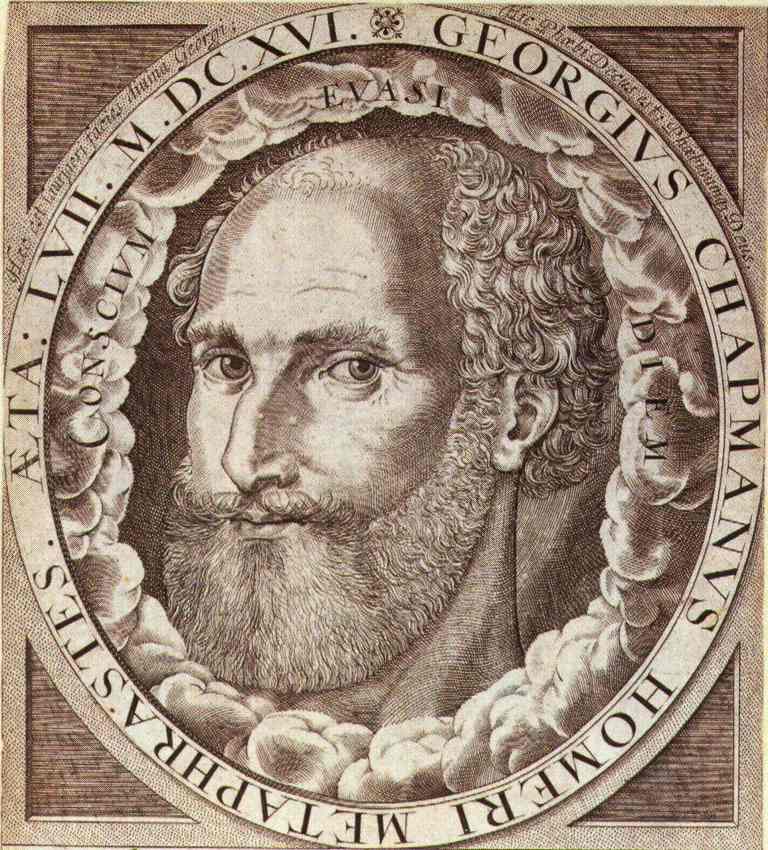
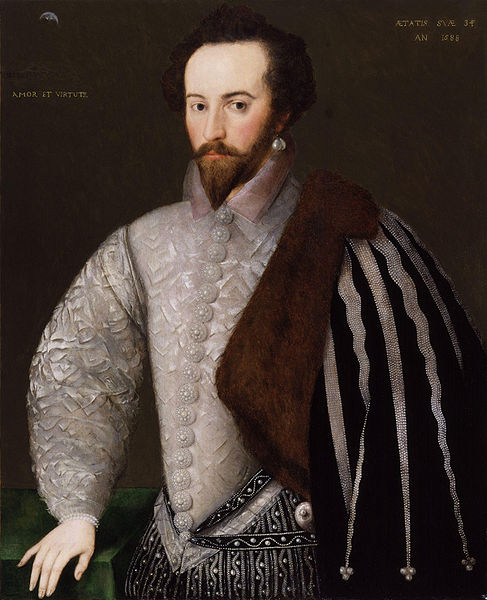
Although Northumberland’s family had been ardent Catholics (his uncle had led the rebellion of the Northern Lords) he ‘troubled not much himself’ with religion. Deaf, and addicted to tobacco, he surrounded himself with ‘scientific’ free-thinkers like Sir Walter Raleigh…….
……..the mathematician Thomas Harriot……..
…..and the poet George Chapman…….
Chapman claimed to have summoned up the spirit of Homer in the unlikely surroundings of Hitchin.
Elizabeth’s visit to Cowdray, though, was a nightmare for Lord Montague.
He still had Catholic priests on his payroll, who, disguised in his livery, celebrated secret masses. His family had to vacate their house so Elizabeth’s Privy Council could hold its meetings there.
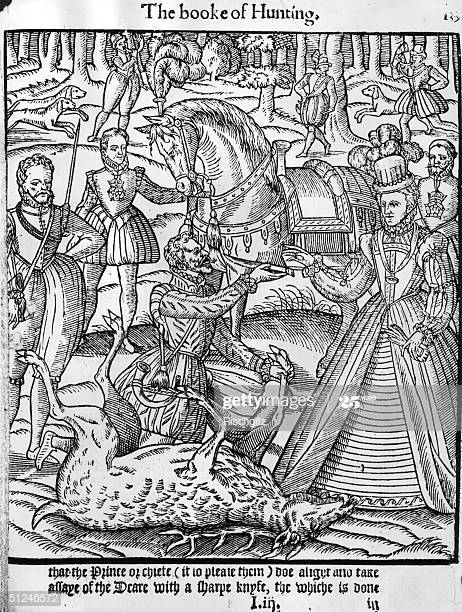
The Queen, when she arrived at Cowdray, was pre-occupied. She had ordered Essex, in a letter he claimed never to have received, to return from the Protestant campaign in France. She had even travelled down to Portsmouth to meet him. Publicly stood-up, she vented her fury by shooting four deer at as they were run helplessly before her in Cowdray Park.
Montague’s sister, who had the temerity to shoot just one, was forbidden the Queen’s table.
Shakespeare was much more interested in one of the musicians who provided the music for the deer cull: the dark-skinned Jewess, Aemelia Bassano, the striking, mixed-race young mistress of the Queen’s cousin and Privy Counsellor, old Lord Hunsdon.
She wore no make-up or wig and her hair curled naturally. Shakespeare began to realise, contrary to Elizabethan convention, that ‘black was beautiful’. He had begun to fall in love with his famous ‘Dark Lady’.
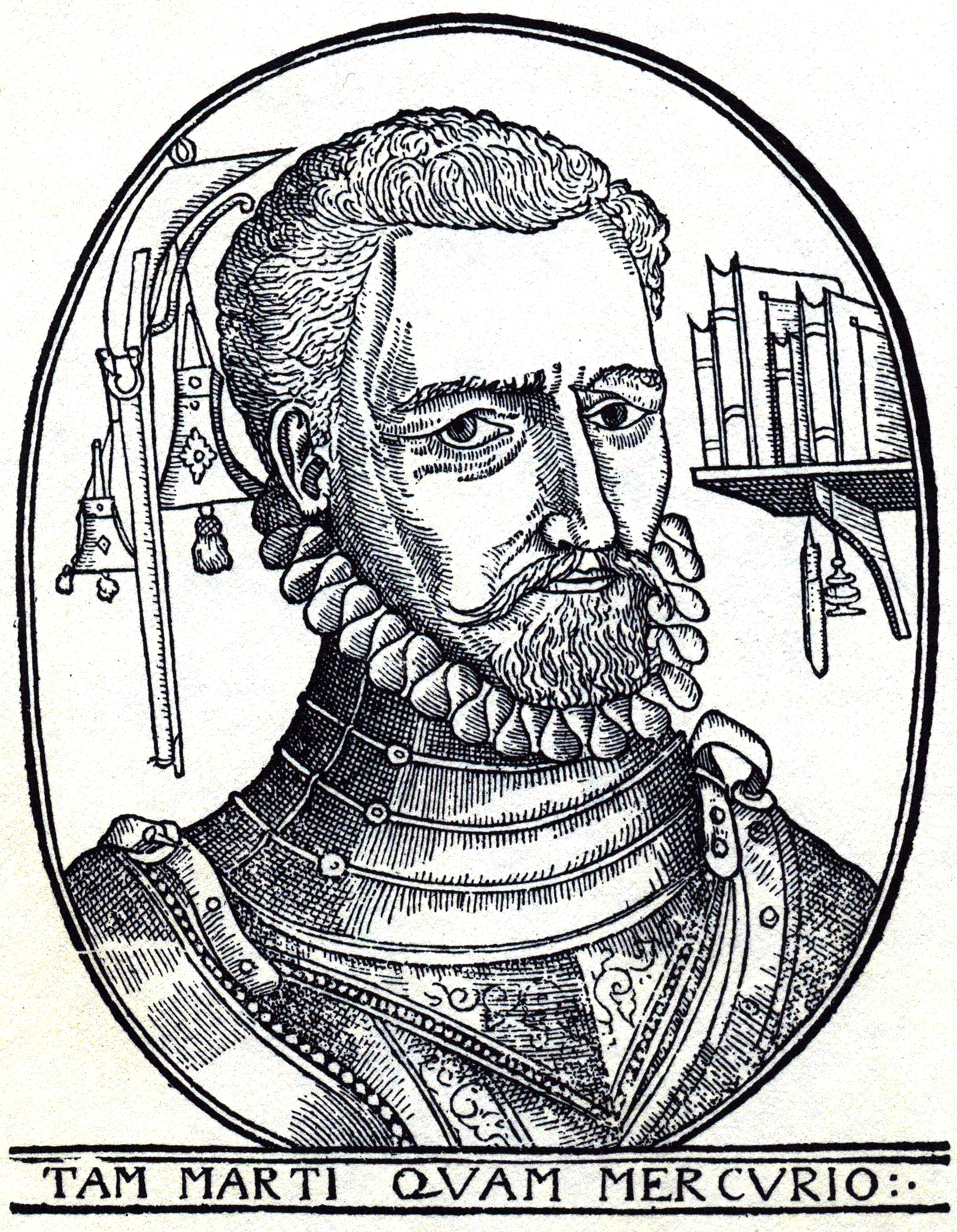
Florio had replaced Shakespeare as the Titchfield Schoolmaster…….
Now he replaced him as the house poet. It was Florio, a safer pair of hands than Shakespeare, who penned the ingratiating Cowdray entertainment and appeared as the much travelled ‘Pilgrim’ before Elizabeth in the walks of Montague’s estate. The Pilgrim uses the word ‘rough-hew’: Shakespeare snaps it up for Hamlet.
The Progress moved on to Titchfield, then to Elvetham, where Shakespeare had more luck. Lord Hertford……
……..whose son had a better claim on the throne than Elizabeth herself, allowed Shakespeare a hand in his ruinously extravagant, but highly successful Progress entertainment. (It was repeated at Court that Christmas then Hertford’s Men folded).
Shakespeare recycled his old King of the Fairies to give Aemelia the role of the Fairy Queen with a wonderful line that only he could write:
‘For amorous stars fall nightly in my lap…’
●
Shakespeare and Nashe now had a bigger task in hand. They had to rehabilitate Southampton’s friend, Essex.
Though financially dependent on Elizabeth, Essex violently disagreed with her policies. He wanted the establishment of a British empire, a professional army, freedom of worship for Catholics, unification of the British Isles and a secure succession of King James, son of Mary Queen of Scots, to the throne of England.
Essex was popular with everyone, except his rivals at court. They plotted against him in his absence in France and the Queen, when she discovered he had gone hawking behind enemy lines, rebuked him for his bravado. She wanted a live lover, not a dead hero.
The death of Essex’s beloved brother, Walter, on the campaign, together with the Queen’s disfavour, had brought the temperamental Essex close to breakdown. He had to be carried around in a litter.
Shakespeare and Nashe rushed to his defence with Harry the 6th , a patriotic celebration of Lord Talbot, who had died gloriously in battle with his young son (a good part for Harry) ‘parked and bounded in a pale/A little herd of England’s timorous deer’ – just like the deer at Cowdray. Talbot was also the ancestor of Lord Strange, so Shakespeare could flatter two Lords at once.
The play, like many of ‘Shakespeare’s’, has all the confusions of joint authorship. It has a Joan of Arc who sometimes appears as a Catholic Saint (Shakespeare’s hand) and sometimes a Protestant whore (Nashe’s). Nashe was again to hint at his contribution by later praising the piece in Pierce Pennilesse:
‘How it would have joyed brave Talbot (the terror of the French) to think that after he had lain two hundred years in his tomb, he should triumph again on the stage and have his bones new embalmed with the tears of ten thousand spectators at least’.
The self-promoting Nashe would never have described a rival’s work as a ‘triumph’ if he’d had no hand in it.
●
Harry the 6th (now Henry the VI Part One) was followed with a Christmas entertainment for Titchfield: The Comedy of Errors, a play about twins for Mary Southampton…..
……..whose twin brother, Anthony Browne, would be part of the audience.
The play begins with the threat of an execution. Swithin Wells…….
……the Titchfield schoolmaster Shakespeare had replaced and life-long friend of the Southamptons, had been hanged at the beginning of the month, outside the Southampton’s London home.
The Abbess, who talks about ‘the Abbey here’, is called ‘Aemelia’ as a joke: prostitutes then, as now, were often referred to as ‘nuns’. Aemelia herself, sheltering in Titchfield from the plague raging in London, played the part of the courtesan (as she was to play many parts in private performances) who cries ‘Forty ducats is too much to lose’, a coded reference to her boasted allowance of £40 (£20,000) each year from Lord Hunsdon.
Nashe wrote and played the part of the madcap servant Dromio of Syracuse, ‘the little ape’ – Nashe’s own description of himself in Strange News (‘I was a little ape at Cambridge’).
Mary herself would have played the wise Abbess; the whole play was about bringing together a scattered, dysfunctional family.
●
In January 1592 the Earl of Essex returned to England from the Siege of Rouen in France, a disaster spun as a success, to find that Queen Elizabeth had promoted ‘The Ape’ [Robert Cecil] to the Privy Council.
Essex, lusting after the position himself, resolved to set up a spy network on the Continent so he could be first with the news and so first with the power.
He employed Anthony Bacon (Francis’s equally homosexual brother)…..
…..on the run from a page-boy scandal in France. Anthony, who was rumoured to have sex information that could destroy Essex, set up a web of gentlemen spies which stretched all over Europe.
Essex escaped from the Queen to visit his Hampshire friends for the famous Whitsun Fair celebrations at Titchfield. Shakespeare and Nashe cobbled together two plays for event – Edmund Ironside and Love’s Labour’s Lost.
Edmund Ironside which has a good ‘black Egyptian’ role for Aemelia, invents the unhistorical character of the chivalrous Earl of Southampton, and is set, in part, round Southampton Castle, once owned by the Southamptons. It flatters Essex, seated in the audience, as ‘Edmund’, a Christ-like hero. There is also a good villain’s part for Shakespeare, ‘Base Edricus’ described as ‘a fatal crow’.
The play ends with a cliff-hanger. Should Southampton still back the official, but brutal, King of England, Canutus (code for Elizabeth)? Or should he defect to Edmund?
The other piece, Love’s Labour’s Lost, with its rapturous praise of heterosexual love, continued Mary Southampton’s attempt to turn Harry straight. Aemelia played the dark-skinned beauty, Rosaline, and Shakespeare played Berowne, a coded reference to the Browne family. He used the play to publicly seduce his ‘whitely wanton’.
Why is a dark-skinned woman called ‘whitely’? Titchfield holds the answer. Whitely Lodge was a residence of louche report owned by the Southampton family. Aemelia most likely bedded down there with old Lord Hunsdon on the Queen’s Progress.
In the last act of the play the Princess of France says ‘Sweet hearts, we shall be rich ere we depart’. The word ‘rich’ is used five more times in the same scene. It is a joking reference to Penelope Rich, for whom the part was written.
Penelope was Essex’s stunningly beautiful sister, the original ‘Stella’ of Sidney’s sonnet cycle, the wife of Robert, Lord Rich and mistress to Charles Blount, later Lord Mountjoy………
……..another dazzling young favourite of Elizabeth’s. Shakespeare plays on her married name in exactly the way Sidney did in Astrophil and Stella.
The entertainment, in which the Princess of France shoots deer from a stand, is a parody of Elizabeth’s progress to Hampshire six months before.
The high-spirited, volatile and politically active Penelope would have relished sending up her enemy, the Queen.
Shakespeare, in turn, relished the opportunity of trying to enter the Queen’s mind. Topcliffe, M.P., sadist and State torturer would write to Elizabeth, whom he addressed as ‘Goddess’, about his intended tortures. He had recently boasted to a Catholic prisoner that he had caressed her thighs and stomach and that she had given him, in return, a pair of ‘linen hose, wrought with white silk.’
In the play the Princess of France, calling for her bow, (the very bow Elizabeth had left at Cowdray) admits that she is prepared to shed the blood of a deer to gain the praise of her subjects. Shakespeare is asking how any woman could be so sensitive, so intelligent, so articulate and yet so cruel.
Even here, though, there is a coded double meaning. The blood also represents semen. The Princess adds, sadistically: ‘Praise we may afford/To any lady that subdues a lord’.
Shakespeare satirises the whole ‘Petworth Set’ in the play. A Jesuit propagandist had attacked them early in 1592 as a ‘School of Atheism’. In Shakespeare’s hands they become ‘The School of Night’. Sir Walter Raleigh is guyed as Don Armado, the boastful, penniless, infatuated Spaniard.
The version of Love’s Labour’s Lost that has come down to us is the revised text performed at Elizabeth’s Court at Christmas in 1597. In that year Raleigh was back in favour after an exile of five years, so Shakespeare shifts the attack to Don Perez, a flamboyant homosexual who had been part of Essex’s entourage, and who, like Armado, was known as the ‘oracle’.
Enough of the original attack on Raleigh remains. Armado greets the pedant Holofernes with a full-blown Devonian ‘Chirrah’ and impregnates Jaquenetta in the same way Raleigh had impregnated one of the Queen’s ladies-in-waiting, Bess Throckmorton.
When the play was originally performed, Raleigh was cowering in Falmouth, hiding from the Queen’s wrath.
The ‘psychic’ Petworth poet George Chapman, is satirised as the sycophantic Boyet, (‘Now madam summon up your dearest spirits’).
The Princess pointedly says to him that her ‘beauty’ though ‘but mean’ needs not the ‘base sale of chapmen’s tongues’.
Shakespeare transforms his household rival, Florio, into the pedant Holofernes. Like Florio, Holofernes pens an entertainment for visiting royalty and, like Florio, Holofernes never uses one word where ten will do.
In his Italian-English Dictionary, The World of Words, Florio defines ‘caelo’ as ‘heaven, the sky, the firmament or welkin’: Holofernes talks about ‘caelo, the sky, the welkin, the heaven’.
In an exchange which has puzzled scholars, Armado asks Holofernes: ‘Do you not educate youth at the Charge-house on the top of the mountain? Holofernes replies: ‘Or Mons, the hill’.
‘Mons’ is clearly an Elizabethan joke about the ‘hill of Venus’. But what is meant by ‘Charge-house’ and ‘mountain’.
Again, Titchfield itself supplies the answer. John Leland, writing about the town in 1542, had said there was ‘a grammar School close to a river bank’. This school, now a private house, still exists and has the remains of a secure room in the upper storey.
In medieval and Tudor times (the school dates back to the reign of Henry VI) schools would often double as toll-houses (or charge houses). The Titchfield Grammar School is sited on an old road.
The ‘mountain’ (spelt ‘mountaine’) is a coded reference to Florio’s great work at Titchfield: his translation into English of the Essays of Montaigne.
Shakespeare, as the ‘borrowings’ in his plays reveal, possessed a copy.
●
Love’s Labour’s Lost does not resolve. ‘Jack’ does not have ‘Jill’ because the Princess is told, in a superb coup, that her father is dead. Shakespeare could not write a full blown comedy: both Mary Southampton’s twin brother and her father, Lord Montague, were dying.
In London the plague was raging. Nashe wrote he was ‘detained with my lord in the country’ through ‘fear of infection’. He, Shakespeare and Aemelia continued to put on plays and entertainments; but, in the boredom of the pandemic summer, their greatest amusement was themselves.
Shakespeare reveals in the Sonnets how he fell in love with Aemelia, Harry became jealous, Armelia seduced Harry, Harry slept with Aemelia to upset Shakespeare and Shakespeare came to realise that he was more in love with Harry than he was with Aemelia.
Later in All’s Well that Ends Well Shakespeare was to show how a commoner, Helena, (code: Shakespeare) falls in love with the aristocratic Bertram (code: Harry) with his ‘arched brows, his hawking eye, his curls’.
His mother, the Countess (code: Mary Southampton) forces ‘Helena’ to admit her love:
‘Then I confess
Here on my knee, before high heaven and you,
That before you, and next unto high heaven,
I love your son’
The Countess in the play, just like the Countess of Southampton, had earlier fallen in love with ‘a common person’ so she is sympathetic to Helena’s love which leaps barriers of class.
Shakespeare confessed to Mary Southampton his love for her son – a love that was stronger even than his love for her. In a sensational act of imagination, Mary endorsed a passion which leapt barriers of sex.
●
Trixie the Cat says…
Brothers and Sisters of The Shakespeare Code…
Much of the content of this extract is a development of Stewart’s book, Love’s Labour’s Found, published in 2002 – and still available online!
Carol White made it into a documentary for Meridian T.V.
The love-triangle between Shakespeare, Southampton and Aemilia is analysed in full in Stewart’s Shakespeare’s Sonnets Decoded…
…..available at £12.95 from Magic Flute Publishing……
Next Tuesday’s Post is entitled ‘Tom Nashe’s Revenge’.
Stewart has argued from the beginning of the century that Tom Nashe was the true author of the ‘Upstart Crow’ attack – NOT Robert Greene!
Now Academe has finally caught up with him…..
But finally…….
THE SHAKESPEARE CODE SALUTES CHINA!
As of today (8th September, 2026) The Shakespeare Code has received a STAGGERING 414,947 Views…..
And the Code is thrilled to report that Brothers and Sisters from China are increasing in numbers faster than any other country on Earth!!!
In the last seven days the Code has received Views from no less than SIXTEEN different Chinese Cities and Towns….
They are: Bejing, Nanjing, Mian Yang, Chenddu, Shanhai, Jinan, Dezhou, Weifang, Taizhou, Xintang, Zhouku, Harnin, Xingtai, Cangzhou, Langfang and Prattein.
Our Chief Agent, Stewart Trotter, worships the Culture of China. He is a Christian – but a TAOIST Christian who has consulted the I Ching for over forty years.
As well as studying Shakespeare and writing and directing, Stewart holds a Full Licenece in Acupunture – and for 10 years worked for the National Health Service in treating people with addiction problems….
He welcomes Chinese Brothers and Sisters with all his heart…..
And invites them and all Brothers and Sisters of the Code to leave greetings in the box below…..
As does Your Cat, Trixie, who, God Willing, will see you all next Tuesday 15th September…..
Between drinks and debauches, (Beeston, Nashe said, ‘kept’ three maids ‘as a charitable act’)
Shakespeare, Nashe and Greene worked on The true Tragedy of Richard Duke of York and the death of good King Henry VI with the Whole Contention between the Two Houses, Lancaster and York . This was to end up as Henry VI Parts 2 and 3.
The sadistic, bossy Queen Margaret with her ‘tiger’s heart wrapped in a woman’s hide’ who, having ‘stolen the breech from Lancaster’, takes the ‘womanish man’ Suffolk for her lover, is code for Elizabeth and her ‘perverse’ affair with Leicester.
Dame Eleanor, who tries to upstage Queen Margaret, is a satire on Lettice, Leicester’s wife.
In the play Margaret drops her fan, Eleanor goes to pick it up and the Queen strikes her, a re-play of what Elizabeth did to Lettice at court. The ruthless Warwick, ‘The rampant bear chained to the ragged staff’ is her husband Leicester, now safely dead.
Greene soon got tired of country life and shambled back to London, poverty and death.
Nashe stayed at Titchfield and all his life was to collaborate, off and on, with Shakespeare, as he did with Jonson and Marlowe.
Nashe also left a code – a code within a code. He would use the same phrases that he had used in Shakespeare’s plays in his own works to hint at his hand in the writing. For example, in Richard III the striking phrase ‘the wagging of a straw’ appears. It reappears in Nashe’s Lenten Stuff.
In Pierce Pennilesse Nashe writes ‘despair and die’, a phrase used nearly a dozen times by the ghosts in the same play.
Later on Nashe talks about ‘cunning drifts overgilded with outward holiness’, a good description of the hunch-back king…..
…….but even better of Leicester, on whom Richard III was modelled.
Like Richard III, Leicester had killed the husband of the woman he wanted to marry then, never having prayed privately in his life, put on a pose of piety as leader of the English Puritans. Nashe in Pierce Penniless attacks Leicester as ‘The Bear’……
…….and Shakespeare and Nashe play on the word in the drama itself:
‘You mean to bear me, not to bear with me
Uncle, my brother mocks both you and me:
Because that I am little like an ape,
He thinks that you should bear me on your shoulders’.
The first printed version of Richard III even has ‘a Freudian slip’. Stanley dreams ‘the bear had raste his helm’. This should have been ‘boar’, Richard’s emblem.
Shakespeare in this play differs from his old mentor Crowley. The ‘sexton of St. Giles’ had seen the civil unrest during the reign of the boy-King, Edward VI. He believed any attack against a reigning monarch was an attack on God himself. Shakespeare, in all his chronicle plays,shows that no king is divinely protected. If he behaves foolishly, he will be destroyed. If he is a tyrant, he must be destroyed. As Henry VII says in the play: ‘If you do swear to put a tyrant down,/You sleep in peace, the tyrant being slain’.
Shakespeare, though, is in complete accord with Crowley in his next play with Nashe, The Play of Sir Thomas More. The manuscript has a section in Shakespeare’s own hand…….
………in which Sir Thomas puts down the rebellion of artisans in the city. Shakespeare loathed mob rule.
The play itself was originally intended for the Southampton family: Sir Thomas More was a Catholic hero.
He had refused to agree to the marriage of Henry VIII and Anne Boleyn because, Jesuit propagandists asserted, he knew Anne was Henry’s own illegitimate daughter.
This act of incest had unleashed the reign of Satan in England.
Shakespeare lifted the whole of the More execution scene from the so-called Book of Martyrs by Crowley’s friend, Foxe.
Nashe’s code word from the play would re-appear in Lenten Stuffe.
It is ‘red-herring’
●
Trixie the Cat says…..
Brothers and Sisters of The Shakespeare Code….
Stewart wrote the above extract in 2007. Four years later, in 2011, he elaborated on what ‘History’ meant to Shakespeare – and how the Earl of Leicester was the object of his satire – and to many to other Roman Catholics.
Thought you might like to read it….
‘One of his {Shakespeare’s]most powerful weapons was history. The Tudors thought the world was in irreversible decline and likely to end soon. They considered their ancestors to be every bit as clever, and wicked, as they were. History was on a loop, so the past was an inspiration to them. And a caution.
For Queen Elizabeth it was also a threat. Obsessed with her place in history, she did not want her subjects to judge her by history. So she span it. In 1590 she recalled Holinshed’s recently published historical Chronicles on the grounds they were ‘fondly set out’. She ordered her players, the Queen’s Men, to perform Pro-Tudor historical propaganda instead.
One of their plays was a risible version of Richard III ….
‘A horse! A horse! A fresh horse!‘
It portrays the hunch-backed King, enemy of Elizabeth’s grandfather Henry VII, as a cannibal as well as a child-killer. At the end of the piece a messenger miraculously prophesies the glory of Elizabeth’s reign:
‘She is the lamp that keeps fair England light
And through her faith her country lives in peace
And she hath put proud Anti-Christ to flight
And been the means that civil wars did cease.
Then England kneel upon thy hairy knee, [sic]
And thank that God that still provides for thee.’
The real historical challenge to Elizabeth came from an anonymous book, published in 1584, called Leicester’s Commonwealth. Francis Bacon possessed a manuscript copy and several pages are in Shakespeare’s hand.
It is a demolition job on Robert Dudley, later the Earl of Leicester, a childhood friend of Elizabeth who had given her money, love and hope during the dark days of her sister Mary’s reign. When Elizabeth became Queen he became, naturally enough, the most powerful man in England.
Two years later his teenage bride, Amy Robsart, was found with her neck broken at the bottom of a short flight of stairs. The way was then open to him to share the throne of England.
Detested for his greed, his lust, his murders, his adultery, his lies and his hypocrisy, Leicester was given, as a gift from Elizabeth, KenilworthCastle, a dozen miles from Stratford-upon-Avon, around the time that Shakespeare was born. Claiming, preposterously, to lead the Puritan religious cause, Leicester oppressed all Warwickshire Catholics, including Shakespeare’s family.
Leicester’s Commonwealth compares Leicester and Elizabeth with all the weak or villainous figures from the past: Richard II, Richard III, Richard of York, Henry VI, Warwick, Queen Margaret, her lover the Earl of Suffolk and even the Ancient Roman rapist, Tarquinus Superbus.
All of them feature heavily in Shakespeare’s plays and poems.
Many of Elizabeth’s subjects thought it was perverse for a woman to rule over them – even more perverse for Leicester to submit to one. When Shakespeare writes about feeble kings, boy kings, tyrannical kings, over-bearing mothers and adulterous lovers from history, his audience would know he was really talking about ‘now’.‘
Nashe mock-dedicates his Strange News (1592) to the ‘most copious carminist of our time’ [lover of red wine and poetry] ‘his very friend Mr. William Apis Lapis’. Wishing ‘new strings to his tawny purse and all honourable increase of acquaintance in the cellar’ he refers to ‘Gentle M. William’ as ‘that learned writer Rhenish wine and sugar in the first book of his comment upon red-noses…’
Scholars have worked out that ‘Apis Lapis’ is Latin code for ‘Bee’ (Apis) and ‘Stone’(Lapis). William Apis Lapis is William Beestone. William Beestone = William Beeston. Up till now no-one has known who he was. The William Beeston who told Aubrey that Shakespeare was ‘a schoolmaster in the country’ was not born till 1610.
There was, however, another William Beeston who lived at Posbrook Farm in Titchfield.
With the help of the Archivist of Winchester College, I have discovered both his will and his inventory. He fits the dates, and the description, exactly.
Nashe’s Apis Lapis was a huge, red-nosed, aristocratic, impoverished, highly literate, highly sexed, Latinist, lawyer and farmer whose ‘hospitality’ (Nashe’s code for love-making) ‘is chronicled in the archdeacon’s court, and the fruits of it brought forth (as I guess) are of age to speak for themselves’.
As well as hogs, cheese and cider presses, William Beeston of Titchfield owned a library worth £10 (£5,000) and drafted his own will, partly in Latin, in which he bequeaths ‘to every child that God hath sent me five shillings [£125] a piece for their portions’.
One of his love children, the book will argue, was the Christopher Beeston (who also used the name Hutchinson) who was a boy actor with Shakespeare’s company. William Beeston and Christopher Beeston wrote their wills within five days of each other.
Christopher’s own son (also called William Beeston/Hutchinson) is the man who told John Aubrey that Shakespeare had been a schoolmaster in the country.
William (‘Apis Lapis’) Beeston, who died in his seventies in 1638 a week after his new baby daughter was baptised, was intimate with the Southampton family In his will Beeston talks of his love for his executor, Thomas Risley (Wriothesley), 4th Earl of Southampton, to whom he leaves 40 shillings (£1,000) for a ring to remember him by.
Trixie the Cat says….
Brothers and Sisters of The Shakespeare Code……
Stewart was to do a lot more more on William Beeston four years later – in 2011.