Feeds:
Posts
Comments

A TRIXIE SPECIAL

One of Chief Agent Stewart Trotter’s first jobs was to write for the Times Literary Supplement…

He started to do this when he was still an undergraduate at Cambridge….

He was passing judgement on the tomes of learned Professors before he even graduated….

But because all writing for the paper in those days was anonymous, no-one knew it was him…

He went on to write to review novels for the T. L. S….

However, a lot of his meagre reviewing fee was used up in dashing his copy (and himself) over to Printing House Square in a taxi….

There were no e-mails or even faxes in those days….

And what remained of his fee was used in drinking in the pub with the Literary Editor, the late great Ian Hamilton….

After which, the two would stagger back to the paper’s offices…..

Ian would throw him another bundle of books for the next week’s edition…

And it was back to the solitude of a bed-sit in Kilburn…

So it’s wonderful to see the luminaries at Stewart’s old paper….

CATCHING UP WITH THE SHAKESPEARE CODE!!!

In this week’s edition (20th April, 2012) Laurie Maguire and Emma Smith, in a piece entitled ‘Many Hands’, state:

It is now broadly acknowledged that he [Shakespeare] collaborated ….with Nashe on 1 Henry VI in the early 1590’s.

The Shakespeare Code has been arguing from its inception that Thomas Nashe collaborated with Shakespeare on Henry VI Part One….

But The Code also believes that Nashe collaborated on many other plays as well, viz…..

Henry VI Parts Two and Three, Richard III, Edmund Ironside, The Comedy of Errors, Love’s  Labour’s Lost, Two Gentlemen of Verona, The Taming of the Shrew, Henry IV Parts One and Two, Romeo and Juliet, A Midsummer Night’s Dream, As You Like It…..

…..in fact right up to  Twelfth Night in 1601 in which Nashe PLAYED  and WROTE the part of Feste….

(See: Feste the Clown as Thomas Nashe)

After 1601, Shakespeare wrote NO MORE GREAT COMEDIES for one simple reason…..

THOMAS NASHE WAS DEAD!!!

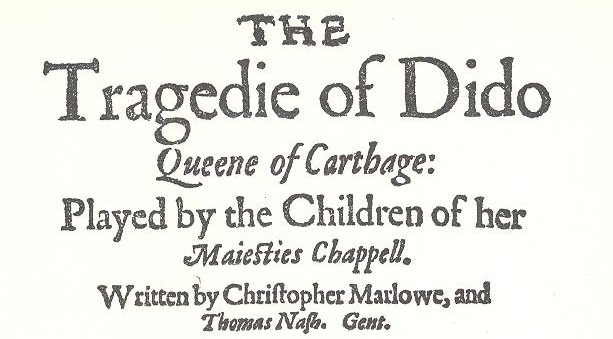
We know for certain that Nashe collaborated with Christopher Marlowe…..

…..and with Ben Jonson on The Isle of Dogges…..

So why not with William Shakespeare?

Dozens of phrases in Shakespeare’s plays are IDENTICAL to phrases in Nashe’s pamphlets…

For The Code’s ACADEMIC treatment of this subject please see:

The Strange Case of Mr. Apis Lapis.

 ……an essay that has garnered praise from no less an authority than Prof. Jonathan Bate……

……who wrote…..

It’s a terrific article and very persuasive….

All this can be read in dramatic form in The Code’s:

Shakespeare: The Movie.

 It can also be see LIVE ON STAGE  from 23rd – 26th May in the Great Barn in  Titchfield in Stewart’s new play….

OUR COUSIN WILL….

(Please CLICK HERE for more information)

NOT ONLY DOES THE T.L.S. ENDORSE THE CODE’S THEORY THAT SHAKESPEARE COLLABORATED WITH NASHE…..

It also argues that All’s Well That Ends Well……

….WAS WRITTEN AND PERFORMED IN 1609….

……A DATE THE CODE HAS BEEN ARGUING FOR FOR YEARS….

Maguire and Smith use linguistic analysis to back their case….

THE CODE, OF COURSE, USES HISTORY AND LIFE!!!

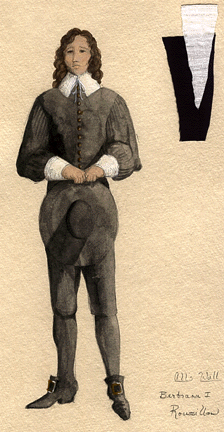
BERTRAM – the ‘lascivious boy’ in the play……

…… with his…..

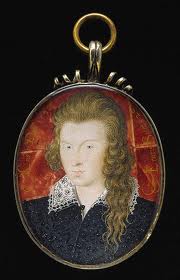
his arched brows, his hawking eye, his curls…

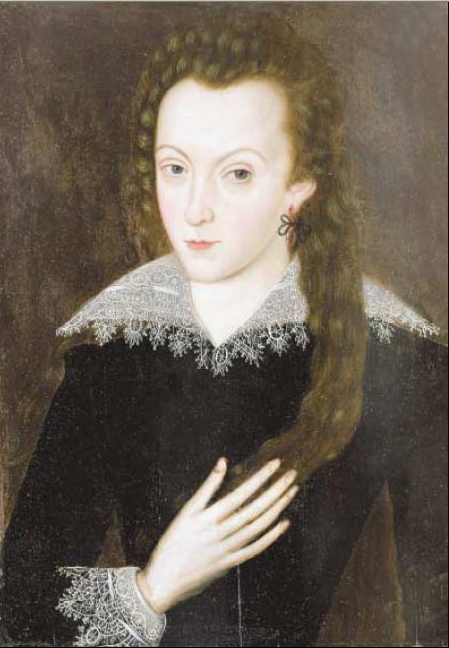
…is exactly the same as the Aristocratic Seducer in A Lover’s Complaint…..

ALSO PUBLISHED IN 1609….

 ……with his….

browny locks….

…. which…..

hung in crooked locks…..

And, The Code, argues, both Betram and the Seducer from A Lover’s Complaint are based on…

HENRY WRIOTHESLEY, THIRD EARL OF SOUTHAMPTON!!!

But not only do Maguire and Smith endorse The Code, they endorse…..

JOHN DOVER WILSON, C. H.

 …..the Patron Saint of The Shakespeare Code….

Dover Wilson argues that in 1594 Shakespeare worked in Titchfield as the Tutor to the Third Earl….

If he’d had the same information that The Code has uncovered, Your Cat firmly believes that he would have stated that …….

SHAKESPEARE WAS A SCHOOLMASTER IN TITCHFIELD AS WELL!!!

(See: Shakespeare was a Schoolmaster in the Country: TITCHFIELD!)

Your Cat’s saucer truly runneth over….

‘Bye, now…


From: The Chief Agent, the Board of Agents and Trixie the Cat.

To all Fellows, Roll of Honour Inductees and Brothers and Sisters of The Shakespeare Code.

Note: For a full list of Fellows and Roll of Honour Inductees, please click: About.

The Shakespeare Code, having received encouragement from the distinguished writer Michael Hentges, began posting in earnest from March, 2011…

Over the year, Membership has grown, and at 9.30 a.m. on the 9th April, 2012, The Code is delighted to report that it had received….

27,853 VIEWS!!!

Apart from Christmas 2011 (when, The Code was thrilled to record, its Brothers and Sisters were occupied by Seasonal Festivities, Duties and Observations) there has been a marked increase of Views each month.

In March, 2012…..

1. The Code broke the 4,000 Views a month barrier. (4,308 Views)

2. The Code broke the 1,000 Views a week barrier. (1071 Views in 14th Week of Year 2012)

3. The Code broke the 200 Views a day Barrier. (215 Views on 28th March, 2012)

NINE new Countries have recently joined The Code. They are:

MOLDOVA

PANAMA

TANZANIA

MACEDONIA

CAMEROON

PARAGUAY

LUXEMBOURG

DOMINICA

KAZAKHSTAN

THIS BRINGS THE NUMBER OF PARTICIPATING COUNTRIES TO OVER A CENTURY!!!

(103, to be precise….)

Please see: The Shakespeare Code Salutes the Nations.

The TOP TEN POSTS for 2011-2012 were……

1. 6ooo Views and the Appointment of Maggie Ollerenshaw.

2. Shakespeare in Titchfield. A Summary of the Evidence.

3. Macbeth Decoded. Part Four ‘The Witches’ (II).

4. Richard III Decoded. ‘All the King’s Men’.

5. Twelfth Night Decoded. Malvolio as Sir Walter Raleigh.

6. Twelfth Night Decoded. Olivia as Queen Elizabeth.

7. Macbeth Decoded. Part Five. The Macbeths as Queen Elizabeth.

8. Macbeth Decoded. Part Two. The Political Backdrop.

9. The Biography of The Code’s Chief Agent.

10. Twelfth Night Decoded. Sir Toby Belch as George, Lord Hunsdon.

EACH OF THESE POSTS HAS BEEN AWARDED A ‘TRIXIE’ – THE HIGHEST HONOUR THE CODE CAN BESTOW ON ANY INDIVIDUAL ARTICLE…..

TO CELEBRATE, THE CODE HAS APPROACHED, ON  TERMS OF THE UTMOST SECRECY, ANOTHER LUMINARY TO ADD TO ITS LIST OF FELLOWS….

WE SHALL BE ANNOUNCING THE NAME OF THE NEW FELLOW SHORTLY….

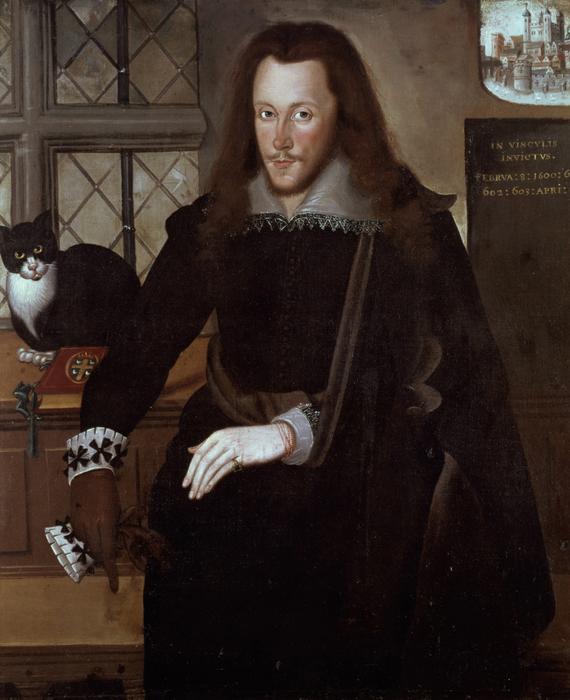
IN VINCULIS INVICTUS…..

…..by TRIXIE THE CAT

Brothers and Sisters of The Shakespeare Code,

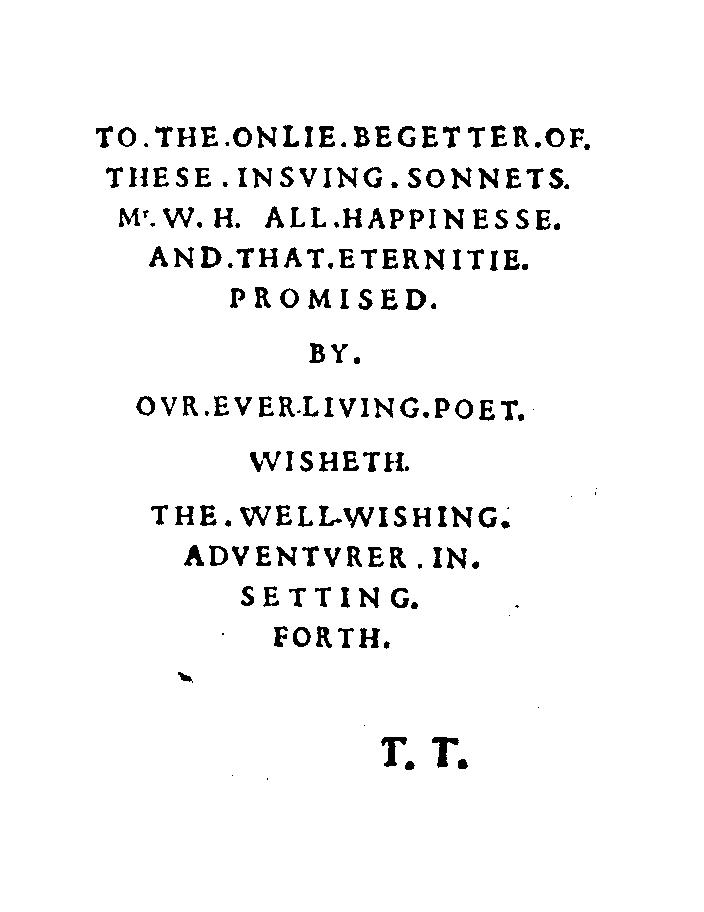
The Dedication to the First Edition of Shakespeare’s Sonnets….

…..is one of the greatest literary mysteries of all time….

What does ‘only begetter’ mean?

Who is ‘Mr. W. H.’?

Why is ‘all happiness’ wished to him and by whom?

What ‘eternity’ did ‘our ever-living poet’ ‘promise’ to him?

Who is the ‘ever-living poet’?

Who is the ‘well-wishing adventurer’?

Who is ‘setting forth’ and why?

And who is T.T.?

YOUR  CAT, TRIXIE, WORKING IN CLOSE COLLABORATION WITH THE AGENTS OF THE SHAKESPEARE CODE, HAS THE ANSWERS!!!

The last question – ‘Who is T.T.?’ –  is the one that  is most easily explained.

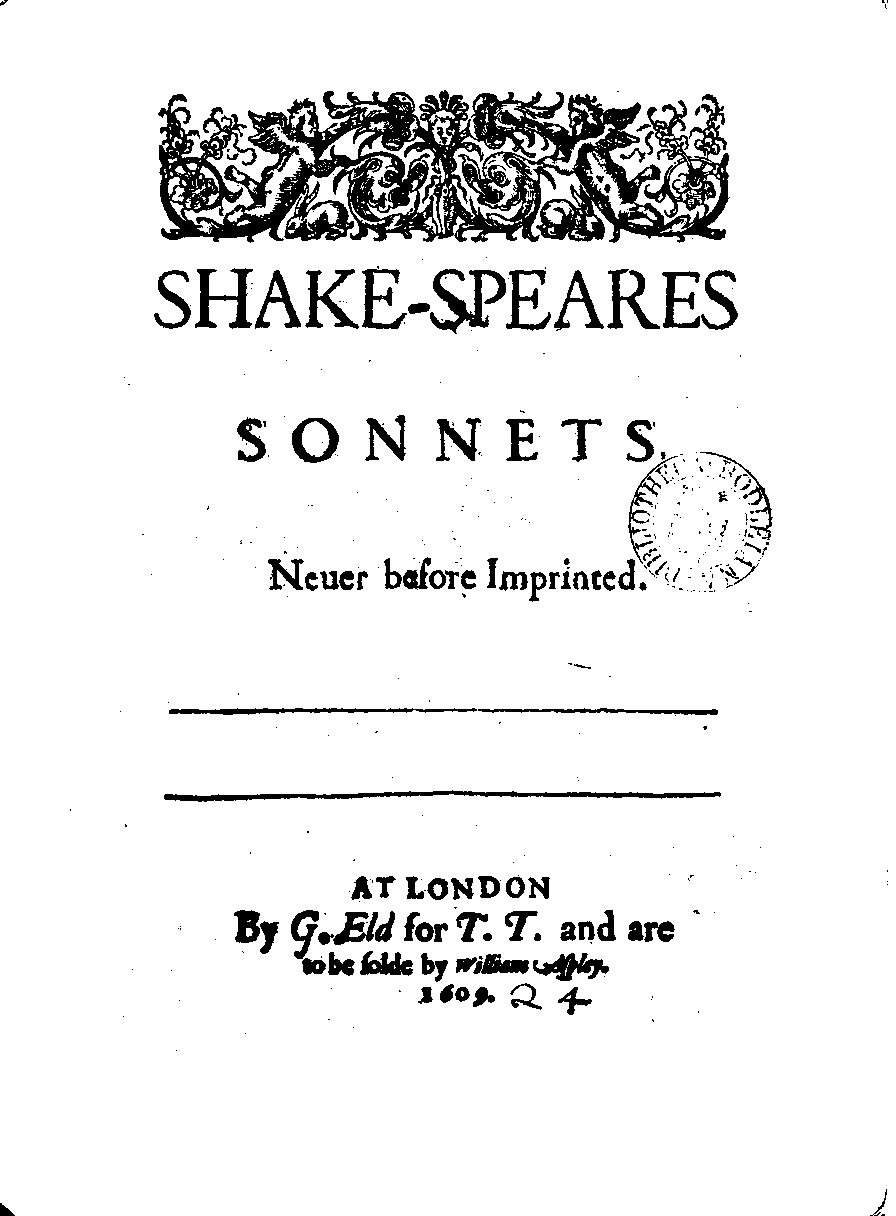
The Frontispiece to the Sonnets…


….states that the poems were printed by G. Eld for T.T.

Eld was the printer and  ‘T. T.’ (Thomas Thorpe) was the publisher.

The ‘ever-living’ poet, The Code believes,  is William Shakespeare…..

 By 1609 Shakespeare was so famous the publisher did not have to use his Christian name on the Frontispiece….

And Shakespeare himself  proclaims his immortality in his Sonnets….

In Sonnet 107 Shakespeare states that ‘spite of him’ [Time]…

I’ll live in this poor rhyme…

And he says of Sonnet 18….

So long as men can breathe or eyes can see,

So long lives life, and this gives life to thee…

But before Your Cat supplies the answers to the other, more complicated questions which the Dedication poses, she would like to draw the attention of all Brothers and Sisters to another Dedication….

…..also published by Thomas Thorpe two years earlier in 1607….

……Ben Jonson’s Dedication of his play Volpone to the Universities of Oxford and Cambridge…

It reads…..

To the most noble and most equal sisters

The two famous Universities

For their love and acceptance shewn to his poem in the presentation

Ben Jonson

The grateful acknowledger

Dedicates both him and himself.

In this Dedication, Jonson names the Dedicatees first – the ‘famous’ Universities of Oxford and Cambridge…..

Then he describes them….

the most equal sisters…

He then describes what they have done to merit a Dedication…..

 For their love and acceptance shewn to his poem in the presentation

Then, as the Dedicator, he describes himself as….

the grateful acknowledger….

Put more plainly, the Dedication reads….

Ben Jonson, the grateful acknowledger, dedicates both him and himself to the two famous Universities for the love and acceptance shown to him and his poem.

The Code is of the belief that the Sonnets’ Dedication follows this formula…

Thomas Thorpe names the Dedicatee  as Mr. W. H.  and describes him as

 the only begetter of these ensuing sonnets….

….and wishes him…

all happiness and that eternity promised by our ever-living poet….

Then as Dedicator, he  describes himself as….

the well-wishing adventurer….

who is….

setting forth…

Put in a plainer way, Thorpe’s Dedication reads:

Thomas Thorpe, the Well-wishing Adventurer, in setting forth, wisheth to Mr. W. H., the only begetter of these sonnets,  all happiness and that eternity promised by our ever-living poet…

To understand who ‘Mr. W. H.’ is we must first dispel a myth….

●

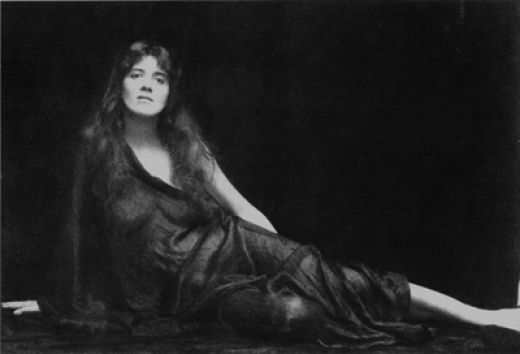
Charlotte Carmichael Stopes was an early feminist and the first woman to gain the equivalent of a degree in Scotland…

…..even though she was barred from attending lectures….

She married an artist ten years younger than herself and spent a late honeymoon, pregnant, paddling down the NileRiver in Egypt…

She was the mother of the visionary, birth control advocate, Marie Stopes…..

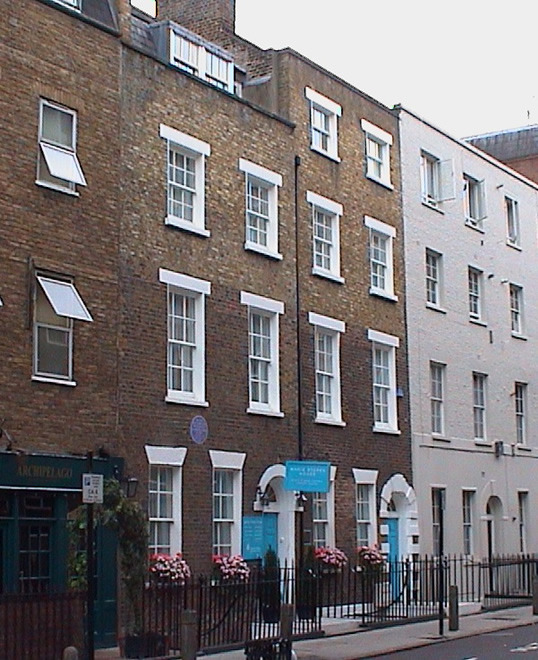
…..who to this day has a clinic named after her in Whitfield Street in London….

Charlotte was a great Shakespearean. She was also convinced (correctly in The Code’s view) that Henry Wriothesley, the third Earl of Southampton (a.k.a. Harry Southampton) was the ‘lovely boy’ of Shakespeare’s Sonnets…

However, Stopes, great woman that she was, had a romantic view of how the Sonnets came to be published….

She thought that Mary Southampton, the Third Earl of Southampton’s mother, was in possession of all Shakespeare’s Sonnets in manuscript….

When she died her third husband, William Harvey, a ‘family friend’, found them and published them because he did not want to…..

…see them die…

SORRY, CHARLOTTE…..

MUCH AS TRIXIE ADMIRES YOU…..

SHE KNOWS FOR CERTAIN THAT THIS CANNOT BE TRUE….

BECAUSE….

SHAKESPEARE PUBLISHED HIS SONNETS HIMSELF!!!

Thomas Heywood, a contemporary of Shakespeare…….

……..was a writer and playwright….

He wrote  An Apology for Actors, published in 1612 and Dedicated it to…

….my good friends and fellows, the City Actors….

In a letter to one Nicholas Oake at the conclusion of the pamphlet, Heywood describes how William Shakespeare was….

….much offended with M. Jaggard (that altogether unknown to him), presumed to make so bold with his name.’

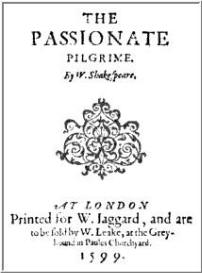
Jaggard (a publisher) had used Shakespeare’s name to promote a collection of poems called The Passionate Pilgrim without Shakespeare’s permission…..

Shakespeare, according to Heywood…

….to do himself right, hath since published them [the Sonnets] in his own name’.

William Drummond……..

…….writing c. 1614, also states….

The last we have are Sir William Alexander and Shakespeare, who have lately published their works….

But there are other flaws in Stopes’s argument……

William Harvey was NOT a ‘family friend’……

Harry Southampton hated his young step-father so much that the Earl of Essex had to intervene….

And there is no reason at all why Mary, Countess of Southampton (who left Titchfield in 1594 to live at Copped Hall in Essex)  should have a complete collection of the Sonnets….

Most were love letters written to individuals (including Mary’s son, Henry Wriothesley) and often contain homosexual banter….

In Sonnet 49, for example, Shakespeare talks about his fears that his lover, no longer sexually excited by him, will cast…

his utmost sum….

And that his love….

Converted from the thing [penis] it was

Shall reasons find of settled gravity…..

And when  Shakespeare is not writing homosexual banter in the Sonnets, he is writing heterosexual banter instead…

In Sonnet  135 he asks the Dark Lady, Emilia Bassano….

Wilt thou whose will is large and spacious

Not once vouchsafe to hide my will in thine?

Shall will in others seem right gracious,

And in my will no fair acceptance shine?….

And even more graphically in Sonnet 151, Shakespeare describes how his ‘flesh’…

….rising at thy name doth point out thee

As his triumphant prize, proud of this pride:

He is contented thy poor drudge to be,

To stand in thy affairs, fall by thy side.

Mary Countess of Southampton, though a committed Catholic, was a broad-minded woman of the world….

But would Shakespeare really send her Sonnets like these?

Countess Mary would, though, have had a copy of the first seventeen sonnets;  she had commissioned Shakespeare to write them for Harry’s seventeenth birthday……

 ……to try to get him interested in girls….

Lord Burghley at the time wanted Harry to marry his grand-daughter: but Harry was more interested in Shakespeare…..

Harry was 17 in 1590, two years after the Armada.  We know from the anonymous satirical play Histrio-Mastix  that theatre folk had become unfashionable during the invasion scare…..

…..they were thought of as effete and useless…..

 So many playwrights sought work as tutors in great households….

Thomas Kyd, it seems, went to work for Lord Strange and Christopher Marlowe for Bess of Hardwick.

Shakespeare, The Code believes, went to work for the Countess of Southampton….

See: Shakespeare:The Movie I

Sonnet 13 in the Birthday Sequence, refers to Harry’s dead father, the 2nd Earl….

You had a father, let your son say so…

And Sonnet 3 refers to Harry’s widowed mother, Mary….

Thou art they mother’s glass, and she in thee

Calls back the lovely April of her prime….

In later Sonnets, Shakespeare refers to the lovely boy’s feminine beauty….

In Sonnet 20 he describes how the boy has….

A woman’s face with nature’s own hand painted

…..and goes on to describe him as….

The master mistress of my passion…

This is certainly borne out by contemporary paintings of Harry Southampton….

So who is Mr. W. H.?

The Code believes that Mr. W.H.  is none other than Harry (Henry Wriothesley) himself….

In a satirical attack on Harry in the anonymous Willobie his Avisa, published in 1594, there is a description of Shakespeare and Harry’s love-triangle with the Dark Lady, Emilia Bassano.

Shakespeare is described as W. S. An Old Player….

And Henry Wriothesley as Mr. W. H…..

He is even called….

Friend Harry….

…and…

Good Harry….

He is also described as Italo-Hispalensis.

Italo-Hispalensis is a reference to the trip to Spain and Italy that Harry and Shakespeare made the year before (1593).

(See: Shakespeare in Italy.)

And in the satire, Mr. H. W. says to ‘Avisa’ (code for Emilia):

A thousand fewtures I have seen,

For traveller’s change and choice shall see,

In France, in Flanders and in Spain,

Yet none, nor none could conquer me:

 Till now I saw this face of thine,

That makes my wittes are none of thine’

So, it is not a big jump from Mr. H. W. to Mr. W. H……

Indeed, in Sonnet 2o Shakespeare himself plays on the ‘H’ and ‘W’ of Henry Wriothesley when he writes….

A man in hew all Hews [Shakespeare’s punctuation and italics] in his controlling….

Hews is code for ‘Henry Wriothesley, Earl of  Southampton’…

But to make the identity of the Dedicatee even clearer, Thomas Thorpe describes Mr. H. W.’ as the ‘only begetter’ of the Sonnets.

Time and again in the Sonnets, Shakespeare names the lovely boy as the source of his inspiration….

And in Sonnet 78 he directly states….

Yet be most proud of that which I compile [the Sonnets]

Whose influence is thine and born of thee [Trixitalics]

In others’ works thou dost but mend the style,

And arts with they sweet graces graced be;

But thou art all my art, and dost advance,

As high as learning my rude ignorance…

Shakespeare’s art is ‘born’ of Harry – that is why Harry is the ‘only begetter’ of the Sonnets.

Shakespeare also promises ‘eternity’, i.e. immortality, to Harry in Sonnet after Sonnet, particularly in the famous Sonnet 18…

Shall I compare thee to a summer’s day….

….which concludes….

So long as men can breathe or eyes can see

So long lives this, and this gives life to thee…

People in the past took this Sonnet to be addressed to a woman.  Indeed, John Benson (in his 1640 edition of the Sonnets) changed all the ‘he’s’ to ‘she’s’ in an attempt to heterosexualise Shakespeare’s verse…

Benson’s edition was the only one known to the public till 1788, when the great Irish barrister, Edmond Malone………

……. produced his monumental edition of Shakespeare’s works….

Modern scholars now take the first one hundred and twenty-six Sonnets to be addressed to the lovely boy. The remaining twenty-eight are mostly addressed to women.

This means that the Sonnets are not listed in order of composition…

In fact (apart from the opening sequence) the only three sonnets that The Code can date with total certainty are:

1. Sonnet 107 which mentions the death of Queen Elizabeth in 1603…..

The mortal moon hath her eclipse endured….

It also mentions the release, from the Tower of London, of Harry Southampton…..

Supposed as forfeit to a confined doom…

2. Sonnet 125 which refers to Shakespeare (as a liveried Groom of the Chamber) holding the canopy over King James at his coronation in 1604….

Were’t ought to me I bore the canopy….

This sonnet also refers to the execution of Essex after Queen Elizabeth’s withdrawal of his ‘farm’ on sweet wines….

….and his crime of bursting in to the Queen’s bedchamber before she had time to dress…

Have I  not seen dwellers on form and favour

Lose all, and more [i.e. their heads] by paying too much rent, [too much sexual servicing]

For compound sweet [farm on sweet wines] forgoing simple savour,

Pitiful thrivers, in their gazing spent…

3. Sonnet 123 which refers to the coronation obelisks (‘pyramids’) set up in 1604….

Thy [Time’s] pyramids, built up with newer might,

To me are nothing novel, nothing strange;

They are but dressings of a former sight…

●

Why does Thorpe describe himself as ‘the well wishing adventurer’ who is ‘setting forth’?

All publishing ventures are a risk and publishing a book is very much like sending it on a journey….

Geoffrey Chaucer, in the epilogue to Troilus and Criseyde, writes….

‘Go, litel, bok’…..

…..in imitation of Ovid. 

But in his Dedication Thorpe presents himself as going on the journey himself…

Why?

The answer, Your Cat believes, is to make another coded reference to the Earl of Southampton….

Southampton had been involved in the Virginia Company since 1605 and in 1609 became part of the Virginia Company Council….

The Company built a huge passenger ship which could hold 500-600 people for the purpose of emigrating to Jamestown in Virginia…

The Titanic of its time……

Which, also, almost sank….

…..and, in so doing, inspired the shipwreck scenes in The Tempest……

The ship was called the Sea Venture….

……or  Sea Adventure….

Emigrants  bound for Virginia were later described by Captain John Smith….

 ……of Pocahontas fame…..

….. as ‘Adventurers’….

The Sonnets were registered by Thorpe on 20th May 1609 and the Sea Venture left Plymouth on 2nd June, 1609….

So, by describing himself as ‘an adventurer setting forth’, Thorpe would compare his publishing adventure to this mass emigration by the Virginia Company to America…

 ….and by doing so would put his readers in mind of the Earl of Southampton…

But why does Thorpe write the Dedication rather than Shakespeare?

And why does Thorpe hope for ‘all happiness’ for Southampton and why does he wish him ‘well’?

The answer is irony.  Not to say sarcasm…..

Thorpe knew full well that Southampton would be furious that his affair with Shakespeare was being made public….

So did Shakespeare, who would  certainly have had a hand in the Dedication….

The Code firmly believes that Harry Southampton terminated his liaison with Shakespeare in 1605 when he finally produced a son.

And Shakespeare responded by wishing his former patron, not immortality now, but death….

In Sonnet 126 he writes….

Yet fear her [Time] O thou minion of her pleasure:

She may detain, but not still keep her treasure!

Her audit, though delayed, answered must be,

And her quietus is to render thee…..

(For a more detailed analysis of Sonnet 126 please see: Shakespeare, Love and Religion. Part Three.)

 ‘All Happiness’ was the last thing either Thorpe or Shakespeare wished on Harry.

 Thorpe wanted a scandal to increase sales of Shakespeare’s Sonnets….

 And Shakespeare wanted revenge…..

‘Bye, now..


If you were interested in theis Post, you might like:

1. Why did William Shakespeare write the Sonnets?

2. Trixie the Cat’s Guide to the Sonnets (1) Background Jottings

3. Trixie the Cat’s Guide to the Sonnets (2) The Birthday Sonnets


The Agents of The Shakespeare Code are delighted to announce that on 20th March, 2012, The Code received its…..

25,000th VIEW!!

The Code also enjoyed its BEST DAY EVER on 11th March, 2012 when it received….

 179 VIEWS!!!

THERE IS INTELLIGENT LIFE ON EARTH!!!

And now a word from The Code’s own TRIXIE THE CAT…..

Since the Second World War, Britain and America have enjoyed a ‘Special Relationship’  which can be seen in the partnerships of….

……Churchill and Roosevelt…..

…..Thatcher and Reagan….

……Blair and Bush…..

……..Cameron and Obama….

But these are nothing compared to the Special Relationship of ……

THE BRITISH AND AMERICAN BROTHERS AND SISTERS OF THE SHAKESPEARE CODE!!!

The Code’s analysis of its world-wide Views show that there are more Brothers and Sisters living in BRITAIN…..

……and AMERICA….

Than anywhere else in the world……

For the first few months of its existence, BRITISH Brothers and Sisters out-numbered their AMERICAN counterparts….

But at the end of The Code’s first full year of operation…

THE UNITED STATES OF AMERICA HAS PULLED AHEAD!!!!

So….

But Brothers and Sisters of THE BRITISH COMMONWEALTH OF NATIONS….


…….follow closely behind….

CANADA….

…..comes next, followed by AUSTRALIA….

Since our Last Post, SEVEN new countries have sought, and been granted, admission to The Shakespeare Code. 

They are:

AZERBAIJAN

MALDIVES

BELARUS

BANGLADESH

TUNISIA

IRAQ

GUINEA-BISSAU

This brings the participating countries to a staggering…..

 NINETY-FOUR!!!

Will we make it to a century…….?

But POTENTIAL Brothers and Sisters from SIX countries have been stopped from joining The Code by their own governments…

VALUE AND CHERISH YOUR FREEDOMS, BROTHERS AND SISTERS OF THE CODE!!!

They are fragile…..


‘Bye now….

(It’s best to first read Parts One, Two, Three, Four, Five, Six and Seven.)

1594….

On 6th October, 1594, Henry (Harry) Wriothesley, the Third Earl of Southampton, was to come of age……

He would then take charge of all his estates, including his beloved Titchfield, in Hampshire….

His mother, Mary, Second Countess of Southampton…..

…..would have to go….

She and Harry had never got on. When he was six years old, his father, the Second Earl, had accused Mary of adultery with…..

…..a common person…..

 ….and had taken Harry away from her…

The Second Earl had surrounded his little son with an all male, quasi-military household of….

…..tall goodly fellows, that kept a constant pace….

….and according to Countess Mary, had made his manservant, Dymock….

….his wife

All this had done irreparable damage to Harry’s relationship with his mother and, indeed, to his relationship with women in general……

Mary had commissioned William Shakespeare to write seventeen sonnets for his seventeenth birthday to encourage him to take an interest in girls…

Other than dressing up like them……

Harry’s guardian, Lord Burghley, wanted Harry to marry his grand-daughter. Harry had refused and was due to pay a massive £5,000 fine (£2 and-a-half million in modern money) when he came of age in October….

Harry did start to take an interest in girls: in 1592 he had started an affair with the mixed race courtesan, Emilia Bassano….

But this was to spite Shakespeare, who had fallen in love with her himself….

The upshot was that Harry started an affair with Shakespeare – a liaison that met with Countess Mary’s entire approval…

(See: Shakespeare. The Movie. I.)

●

Sir Thomas Heneage……

 ……had the ability to get on with everyone…….

He had long been a friend of the Southampton family, even though he was an ardent Protestant…..

……and even though he had been a member of Elizabeth’s Privy Council when Mary Queen of Scots was beheaded….

He had also been an old lover of Queen Elizabeth herself….

She had started to flirt with Heneage in 1565 to punish her long-time lover, Leicester, for paying attention to Lettice Knollys…

The two men came close to duelling with each other….

But Heneage worked to ensure that they ended the best of friends…

Heneage’s wife had died in 1593. After a decent period of mourning, he had proposed marriage to Mary Southampton….

He was 62 and she was 42  – so still capable of having children….

Heneage lived at Copped Hall, in a hilly part of Essex…

But he also owned the Savoy Palace in London…..

It was here, on 2nd May, that Mary and Sir Thomas were married….

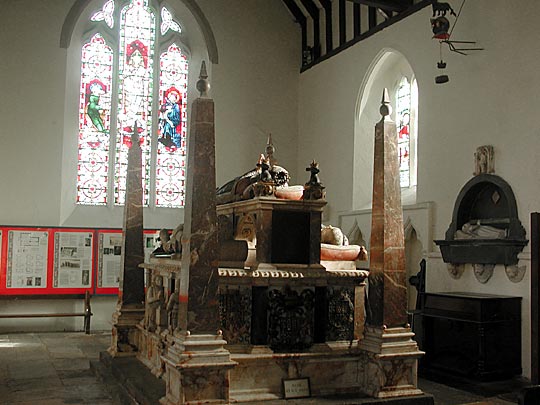
A few days afterwards, Mary commissioned Garret Jonson of Southwark to create a fabulous alabaster and marble tomb for St. Peter’s Church, Titchfield….

Her first husband, the Second Earl, had left instructions that his tomb should be a solitary one.  He wanted it to be a constant reminder to the world of his wife’s indidelity….

Mary had ignored his instructions.  But if she did not act quickly, her son might carry them out when he came of age….

So she ordered a tomb which would depict the whole family….

Jane, First Countess of Southampton, (Mary’s mother-in-law) would lie central and raised,  in prayer…

She had been an ardent Catholic all her life and had introduced masques and revels to Titchfield.  She had also added a copy of Geoffrey Chaucer’s Complete Works to the Place House library, a volume which Shakespeare was to draw on…

On Jane’s right would lie her husband (and Mary’s father-in-law)  Thomas Wriothesley, First Earl of Southampton….

…..who had risen to high office under Henry VIII and had been given Titchfield Abbey for his loyalty…

He had been a keen amateur actor at Cambridge and brought playwright, Nicholas Udall, to work as a schoolmaster at Titchfield Grammar School….

On Jane’s left would lie her son, the Second Earl of Southampton (Mary’s deceased husband) dressed in armour to depict his fight for Catholicism…..

He had been involved in a plot (with his wife Mary’s father, Lord Montague) to replace Queen Elizabeth with Mary Queen of Scots…

Mary’s own son, Harry,  (the Third Earl of Southampton) was to be depicted on the side of the tomb, as a boy (also in armour) praying for the soul of his father….

Mary even managed to work in a discreet reference to herself in an inscription at the back of the tomb….

The Savoy wedding in May of Mary and Sir Thomas had been a legal one. Now the couple wanted it to be followed by a summer celebration for all their friends at Copped Hall…..

A celebration that would include feasting, jousting and dancing….

And continue for a good fortnight…..

They commissioned Shakespeare to write an entertainment that would stretch over several days and show off the architecture and grounds of Copped Hall….

Just like the Progress Entertainments for Queen Elizabeth….

(Please see: Part Two. The Progresses of Queen Elizabeth.)

But there was a problem…..

The summer of 1594 was appalling…..

Simon Forman tells us…

June and July were very wet and wonderful cold like winter, that the 10th day of July many did sit by the fire it was so cold, and so it was in May and June…there were many great floods this summer…

But John Stowe tells us that the weather rallied in August…..

And that’s when the wedding guests trooped down to Copped Hall…..

●

There had been many pressures on Shakespeare in 1594….

One of them was from supporters of Thomas Kyd…..

Kyd was a grammar-schoolboy like Shakespeare and had shared chambers with him…

But Kyd had also shared chambers with Christopher Marlowe……

When atheist papers were found in their lodging, Kyd, under torture, had told the authorities that they belonged to Marlowe….

Shakespeare never forgave him…

But Shakespeare had collaborated with Kyd on an early Hamlet and The Taming of a Shrew…

So friends of both men urged this collaboration to continue…..

…..rather like our own Queen Elizabeth……

 …..who tried to persuade Tim Rice and Andrew Lloyd Webber to team up again…


One ‘W. Har’ (whom scholars take to be the Countess of Pembroke’s son, William Herbert) wrote in the summer of 1594….

 You that have writ of chaste Lucretia,

 Whose death was witness of her spotless life,

Or penn’d the praise of sad Cornelia,

Whose blameless name hath made her fame so rife,

As noble Pompey’s most renowned wife:

Hither unto your home direct your eyes,

Whereas, unthought on, much more matter lies.

In 1594 Kyd had translated Robert Garnier’s play Cornelia and dedicated it to the Countess of Pembroke, mentioning his….

bitter times and privy broken passions….

(Shakespeare, of course, had written Lucrece….)

‘W. Har’s’ implication with ‘your home’ is that Shakespeare and Kyd belong together …..

….and that their potential to create new drama is enormous…

But Shakespeare had no intention of yielding to persuasion, even from the Pembroke family…..

He needed to find a way, though, to disperse the issue with Kyd….

Another pressure on Shakespeare in 1594 was the accusation he had plagiarised the work of the Robert Greene:

Greene, is the pleasing object of an eye:

Greene, pleased the eyes of all that looked upon him.

Greene, is the ground of every painter’s dye:

Greene gave the ground to all that wrote upon him.

Nay more the men, that so eclipst his fame:

Purloined his plumes, can they deny the same?

The poem is ostensibly signed by ‘R.B. Gent’ but it is much more likely to be an anonymous attack by his collaborator and gag-man, Thomas Nashe…

In 1592, Nashe, writing under the dead Robert Greene’s name in A Groatsworth of Witte, had described Shakespeare as….

…..an upstart crow, beautified with our feathers…

Another pressure on Shakespeare in 1594 was Emilia Bassano…..

She had become pregnant in 1592 and been married off to Alphonse Lanier ‘for colour’…..

She was making another bid for Harry’s attention. She had played the dark-skinned Rosaline in Love’s Labour’s Lost and, as a favourite of Mary Southampton, demanded a part in the new entertainment….

Penelope Rich – the daughter of Letttice Knollys, the sister of the Earl of Essex and the mistress of Lord Mountjoy – also had to be given a part….

She had played the Princess of France in Love’s Labour’s Lost when Shakespeare had punned on her surname – the way Sir Philip Sidney had done in his Sonnet sequence, Astrophil and Stella…

Mary Southampton, who played the Abbess in The Comedy of Errors ,would need to be given a flattering, sexy part…..

…..as would her bridegroom, Heneage, whom William Camden described as….

…a man who for the elegancy of his life and pleasantness of discourse [was] born for the Court…..

Another pressure on Shakespeare was the fact that half the audience for the entertainment would be Catholic and half would be Protestant….

…..that Queen Elizabeth would certainly see the play at some time…..

…..and that Lettice Knollys – the Queen’s sworn enemy – would certainly be in the audience….

…..and, finally, that it could pour down with rain at any moment….

This densely complex situation inspired Shakespeare to produce a densely complex masterpiece….

…..A Midsummer Night’s Dream….

(The Shakespeare Code’s next A Midsummer Night’s Dream Decoded post will deal with the staging of the play at Copped Hall.)

The Agents of The Shakespeare Code are delighted to announce that on…..

5th March, 2012….

…..The Code received its…..

23, 000th VIEW!!!

February, 2012, although it was STILL the shortest month of the year, recieved more VIEWS than any month since The Code began…..

3528 VIEWS!!!

….and on Sunday, 4th March, The Code received more VIEWS than on any other day in its history….

168 VIEWS!!! 

The Agents are fully aware that this could only be achieved by the world-wide intellectual curiosity of it revered BROTHERS and SISTERS and they extend a warm ‘Thank You’….

They also extend a warm welcome to JORDAN….


….which has just joined The Code, bringing the number of participating countries to a giddy….

EIGHTY SEVEN!!!

The Code has also learnt that the celebrated POWSZECHNY THEATRE of Poland….

……where Carmen Latina is playing, has applied to The Code to extend its rights to perform the show for another….

TWO YEARS!!!

'Carmen Latina' in Poland....

Carmen Latina is a rock, pop, salsa version of Bizet’s classic opera, written by Chief Agent Stewart Trotter and Callum McLeod. It is set in Santa Maria, a mythical Latin American country, round the imminent World Cup!

Escamillo is no longer a torreador – he is a football striker….

‘Carmen Latina’ in Vienna

Carmen Latina has played in Vienna, Finland, Iceland, Italy, Denmark and Poland….

It is now available for performance in countries world-wide!!!

Please click on: www.carmenlatina.com

It’s a hit!

The Sunday Telegraph

Vienna Crix loosen their ties and pile praise on rockin’ Carmen….

Variety

And to crown a glorious month, The Shakespeare Code is delighted to announce that its Chief Agent, Stewart Trotter, has completed his Titchfield commission to write….

Our Cousin Will

or

Will in his Own Words

….with some extra ones by Stewart Trotter

A life of William Shakespeare constructed from his Sonnets and Plays…..

(AND A MASSIVE DATA BASE!!!)

‘OUR COUSIN WILL’ is an entertainment, by turns hilarious and heart-breaking, which traces the course of  Shakespeare’s life from his birth to his death in Stratford-upon-Avon…..by way of Titchfield Abbey in Hampshire!  It explains how a lower class boy, with little formal education, could attain such knowledge of history and politics….…..how he could write, with such intimate ease, about the lives of kings, queens and aristocrats…..…. how he was adopted – and then dropped – by one of the most powerful Catholic families in England….….. and how, in the process, English Drama, in all its greatness, was born…

It has been described as

The Thinking Man’s Shakespeare in Love…..

For more information, please click on: ‘OUR COUSIN WILL’

And now a tailpiece from The Code’s Own Trixie the Cat….

Well Brothers and Sisters, it’s been quite a month – but this is just to let you know that The Agents (haven’t they done well!) are again breaking off their Olympic training to decode A Midsummer Night’s Dream…

A new post on the original staging of the play in the grounds of Copped Hall – a site explored in detail by The Code…..

….will be with you in a whisker…..

Also, news is just in from Your Cat’s favourite, HUNKY Simon Callow….

He’s contacted The Code to tell us that his BRILLIANT Dickens’ book…..

…..has been in the BEST SELLER list for the past TWO WEEKS!

Remember, The Code’s Chief Agent Stewart gave the book its very first RAVE REVIEW!

To read it, CLICK: HERE!

And also remember,  

YOU WILL ALWAYS HEAR IT FIRST HERE…

WHATEVER IT’S ABOUT!!!

 So, Brothers and Sisters from around the world…..

STAY TUNED TO YOUR STATION OF THE STARS!!!!

‘Bye now….


It is with great delight that we announce that Fellow of The Shakespeare Code, the great poet Eddie Linden….

….has just been translated into Spanish by Marina Morales and J. M. Perfectti.

They have published Eddie’s poems in their radical pamphlet Luz Del Sur which is produced in Granada. 

Here are two examples – each followed by Eddie’s original English version…

EL MINERO

A mi padre

Tu cara nunca

cambió: todavia muestra

las marcas de tu trabajo, de un añil

profundo. Este escorial

ahora reverdecido

contiente flores en vez de polvo,

y muchos hombres yacen en él enterrados,

cuyas sombras

siguen reverberando.

●

THE MINER

To my father

Your face has never

moved, it still contains

the marks of toil, deep in

blue. These slag heaps

now in green  have

flowers instead of dust

and many men are buried here

whose shadows linger on.

●

 NOCTURNO EN LA CIUDAD

Camino con la lluvia

Que canta en mis oídos

Calles empapadas y sombras

Las ideas danzan en mi mente

¿Qué sera del mañana?

¿Acaso lo veremos?


El café nocturno

Los residuos de la noche

Suelos mugrientos

Sucias colillas de cigarillos

Carmareros de estrechas cinturas

Que portan tazas de café

Caja de música con mensajes para solitarios


De vuelta a la calle silenciosa

Con sus figuras en venta que desfilan

Viejos envueltos en cartones

A las puertas de los comercios

El nocturno de la ciudad termina

Yo debo regresar a mi lecho de sueños.


Translations © byMarina Morales and J. M. Perfectti.

●

NIGHT TIME IN A CITY

I walk with rain

singing in my ears

damp streets and shadows

ideas dancing through my mind

what of tomorrow?

Can it be done?

The all-night café

The dregs of the night

dirty floors

mucky cigarette ends

waiters with thin waists

holding coffee cups

music-box with messages for the lonely.

Then to the quiet street

With its figures loitering for trade

old men wrapped in paper in shop doorways.

Night time in the city is over

I must return to my bed of dreams.

●

It is also with great delight that The Code reports that the first run of poems published by the celebrated Hearing Eye has completely…..

SOLD OUT!!!

Congratulations to all concerned…..

(More copies are being printed and can be ordered at: books@hearingeye.org. Tell them Trixie the Cat sent you…)

To read Trixie the Cat’s penetrating review of A Thorn in the Flesh please click: HERE.

And to read her now classic interview with Eddie, please click: HERE.

And never forget, Brothers and Sisters of The Shakespeare Code…..

YOU READ IT FIRST HERE!!!

THE TRIXIE NEWSLETTER 

Dear Brothers and Sisters,

Over the weekend of 11th February, 2012, The Shakespeare Code received its…..

20,000th VIEW!!!

The two new countries which have joined are…..

KUWAIT

and GUATEMALA

……and both are most welcome….

This brings the total number of participating countries to…..

EIGHTY-SIX!!!

The other great news is that Kevin Fraser, the Director of The Titchfield Festival Theatre, has commissioned Chief Agent Stewart Trotter to write an entertainment about Shakespeare…

It will open The Shakespeare Festival to be held this summer in Titchfield, Hampshire, in the historic Great Barn…

Great Barn


It will be entitled

‘OUR COUSIN WILL’

or Will in his Own Words…..

with some extra ones written by Stewart Trotter

A Life of William Shakespeare constructed from his Sonnets and Plays……

AND A MASSIVE DATA BASE!!!

It will run in Titchfield from Wednesday, 23rd May to Saturday 26th May, 2012.

For more information, please click: ‘OUR COUSIN WILL’

It’s the Thinking Man’s Shakespeare in Love….

The second commission that Stewart has received this month is from the Director, Writer and Producer – and Chairman of The Palace Theatre Guild – Charles Sharman-Cox.

He has invited Stewart to edit the forthcoming The History of the Palace Theatre to celebrate the centenary of this famous Westcliff venue in October…

As a teenager, Stewart spent many happy hours in the gallery and recalls seeing a matinee of King Lear for sixpence – SIX OLD PEE!!!

Afterwards he went to a performance of The Monster of Piedras Blancas at the flea-pit opposite…

Simon Callow, an Inductee of The Code’s ‘Roll of Honour’………


…… was delighted by our review of his brilliant book Charles Dickens and The Great Theatre of the World, describing it as….

gorgeous

and adding

you certainly got it.

To read the review, click: HERE.

Eddie Linden, F. S.C., a full Fellow of The Shakespeare Code……

 ……continues to receive rave reviews for his new collection of poems – A Thorn in the Flesh…..

The distinguished poet, Eilean Ni Chuilleanain……

….who has been described as the ‘foremost female poet of the age’ wrote a beautiful review of the book in Poetry Ireland Review….

Four decades of editing his magazine Aquarius have not mellowed Eddie Linden. Yet he himself has somehow escaped, has retained an old-fashioned staunch socialism, values peace and sleepless nights in ‘that bedsit world’ of Maida Vale. He has found a mental space that allows him to craft these few sharp-edged woodcuts of his own and other lives. ‘A Sunday in Cambridge’ gives him a glimpse of an unreachable paradise: ‘You looked like Mary Magdalen?/And I wanted to wash your feet….’

In the harsher everyday world he is sustained by the example of his few heroes, including poets, priests and artists. This book in all its brevity reflects a total, unpredictable and authentic view of a life that could not belong to anyone else…

If you would like to read your own Trixie the Cat’s review of Eddie’s book, please click: HERE.

The three parts of ‘Shakespeare:the Movie’ are now complete. If you’ve not taken your seats yet, you are invited to do so NOW!

‘Bye now……


Blazing Dickens

 by

Stewart Trotter

Simon Callow’s tornado of a book……

Charles Dickens and the Great Theatre of the World…..

Harper Press, £8.99. Jacket Design by Jo Walker

…..blasts for ever the heresy once taught at our Universities…..

…. that a writer’s life has nothing to do with his work.

For Dickens, his life had everything to do with his work….

His life WAS his work…

As Simon guides us expertly through Dickens’s childhood, youth and maturity…..

…..he’s played the man and knows the man….

Simon Callow as Dickens

…..the themes of the novels form before our very eyes…..

We see….

……the young Charles visiting his father in Debtors’ Prison……

……falling in love with a heartless young vixen…..

……mourning the death of an angelic young girl……

…….fighting to get a foothold on the world…..

……. and making glorious, eccentric friends…

But Simon shows it was BLIND CHANCE that Dickens transmuted these experiences into novels….

He originally wanted to be an actor….

His sympathetic observation of people – his ability to feel what they feel – could best be used, he thought, on the stage.

He even fixed an audition with the Manager of Covent Garden Theatre – only to fall ill on the day….

……an early indication of the massive power his emotions were to have over his entire being…

Dickens hated the solitary life of a writer: he wanted to be surrounded by friends.

That’s why he set up journals and newspapers and amateur theatrical companies…..

….he even knocked down the walls of his home to create his own theatre…..

…. where he staged shows of unrivalled beauty and excitement…..

…. in which, of course, he himself starred……

….. to dazzling and  sometimes chilling, effect.

Dickens expended this energy in the belief that life would give him energy in return….

Like William Wordsworth……

…….he walked for inspiration; but unlike the Lakeland poet, he sought dangerous terrains……

He even walked to the top of Vesuvius when it was erupting, delighting in the fact that his shoes and clothes were burnt…

He wanted to grasp life with both hands….

He exorcised demons with ‘mesmerism’….

He visited morgues, insane asylums, brothels and jails….

He lurked in the stinking slums of London at the dead of night….

He was a ‘doer’, not just an observer…

He despised politicians…..

…..and believed he could achieve more by working outside the system. 

With the great millionaire philanthropist, Angela Bourdett-Coutts……

……he formed a rehabilitation ‘home’ (he was the first to use the word in this context) for prostitutes.

He loathed the English class system and spent as much energy trying to stay out of the company of the great and the good as others did trying to get into it.

He longed for the democracy of America….

….that is, till he visited it….

He found there was NO freedom of speech in ‘the land of the free’…..

…..that black people were whipped…

…..that convicts were kept in solitary confinement with bags over their heads….

…..that even the President spat and……

……most unforgivable of all…..

……the people were boring.

He was to revise his opinion of America twenty-five years later……

…..but for now returned home  with the realisation that he was…..

 ….an Englishman after all….

….and  completely in favour of a….

 …..liberal monarchy.

As a father, he was a brilliant entertainer. He would dress up (and black up) as…..

.….the Unparalleled Necromancer, Rhia Rama Roos…..

 ….when….

cards burst into flames, watches found themselves in the middle of loaves of bread, dolls appeared, disapperaed and re-appeared all over the room [and] blazing plum-puddings emerged from perfectly ordinary hats…


Dickens celebrated Christmas and Twelfth Night (when his first son was born) with all the exuberant joy of Fezziwig in A Christmas Carol……

……laying on dancing, games, charades, punch and long country walks.

It was as  a husband he was deficient….

Simon quotes G.K. Chesterton……

….who believed that Charles had married the…..  

…..wrong [Hogarth] sister….

Catherine…

The ‘right’ sister, Mary, suffered an early, Nell-like death…..

Charles was left with a wife he called…..

 …..the donkey…

This was unkind. ….

But she did have an inordinate number of accidents……

…..(743 falls, Dickens counted, on the American tour)….

…..and even contrived to fall down the trapdoor of their home theatre.

Everything came to a head when Dickens fell in love with a seventeen year old ‘wannabe’ actress, Ellen Ternan…

Catherine was pensioned off with the not inconsiderable sum of £600 a year.

But Dickens had to keep his ‘affair’ – if it ever got to that stage – a secret from his rapturous, adoring but predominantly middle class public.

(Intellectuals despised Dickens’s work.)

Dickens’s liaison was nearly exposed when a train he was travelling in with Ellen and her mother crashed….

…..with their carriage dangling over a river….

Dickens, typically, took charge of the whole rescue operation, serving people with water from his top hat…..

…. and the bottle and a half of brandy he just happened to have with him…

But the break with his wife brought with it guilt…..

……an emotion he’d felt as a boy when he was forced to work at a blacking factory….

…..a time he never once referred to in public….

He was also beginning to suffer from ill-health: his left leg had started to swell when he walked any distance….

Life had finally let him down….

His response was to venture on a series of wildly popular, but exhausting, Reading tours….

He would bring the whole theatre of his imagination to life before an audience……

……which howled with tears and laughter….

However, Dickens made the fatal decision of including the brutal killing of Nancy in Oliver Twist….

…..which so excited him that his pulse rate rose from 72 to 174…

Soon afterwards Dickens was dead….

Simon argues that ……

Dickens was pushing himself towards extinction….

There was a massive darkness within his soul that he wrestled to control….

Spirits of the dead would come to him, as they came to Scrooge….


….and, like Scrooge, he battled to live a Christian life.

But his nature was to dominate others…

And not always the strong…

But, as Simon shows in this brilliant book , Dickens was acutely aware of his failings.

His character was flawed, but he knew it was flawed…..

And it could well have been this very flaw that brought him close to the public….

They embraced him as their friend and their brother.

Simon writes:

Playing Dickens, and performing his work has been like standing in front of a blazing fire. If I can convey any sense of that, I will have succeeded in my aim….

Simon, you ARE that fire…

ORDER YOUR COPY OF THIS GREAT BOOK BY CLICKING BELOW:

www.harpercollins.co.uk

To read Simon Callow’s own endorsement of Shakespeare: The Movie please click: HERE.

(It’s best to to view Shakespeare: The Movie Parts I  and II  first.)

1601-1616

Queen Elizabeth died….

 ……and everything turned round….

James, without lifting a finger, was now King of both Scotland and England….


Harry celebrated by throwing his hat over the walls of the Tower….

Shakespeare wrote a Sonnet…..

Then galloped back from Scotland to be re-united with his lover….

He sat with Harry in the Tower while he had his portrait painted for James…


…..a ‘wooing portrait’ in which, hair cascading bride-like down his shoulders, he offers the King his ‘ring’ hand…

Everyone expected he would be James’s new favourite…

After all, he had risked his life to ensure James’s succession…

James, when he arived in London, appointed Shakespeare joint-head of a theatrical company that  was to become ‘The King’s Men’…

He also appointed him a Groom of the Chamber….

……and gave him scarlet livery to wear….

At the Coronation of the King in Westminster Abbey,  Shakespeare held the ritual canopy over James…

Canopy held over Queen Elizabeth II at her Coronation.

But, compared to his love for Harry, this honour meant nothing to him…..

It was an external glory…..

……like the temporary decorations which lined the Coronation route……

……destined for the scrap heap…..

Some of these paste-board arches incorporated obelisks…..


……and these reminded Shakespeare of the real obelisk Harry and himself had seen in Rome in 1593….


For Shakespeare it now symbolised his love for Harry…..

 Strong, sacred and eternal…..

England now had a King who positively encouraged homosexuality…..

During the Coronation Service….

……to the shock of the Venetian Ambassador……

……one of the Countess of Pembroke’s sons, William….

 …..kissed King James full on the cheek….

The only worry for Shakespeare and Harry was the survival into the new reign of The Ape……

●

 James, like the Roman Emperor Tiberius……


…..would quit the city to pursue his love of hunting and sex…….

But whereas Tiberius went to Capri for his orgies…..

James went to Newmarket.

In Measure for Measure, Shakespeare warns James, in the figure of the Duke…..

………to keep an eye on The Ape while he’s away….

 Like Angelo in the play…….


………The Ape might revive some of Queen Elizabeth’s old statutes….

………especially the one outlawing  ‘buggery’….

Next Shakespeare re-wrote Kyd’s old revenge play, Hamlet….

….making the characterisations……

Anthony May, greatest Hamlet the world has known.

…..and the plot…..

…..far more complex…

…..not to say, at points, incomprehensible….

…..and endorsing one of the main tenets of  Roman Catholicism…..

Hamlet and his student friends from Wittenberg are the new, scientific men who cannot stomach Papist superstition….

However, a Ghost, straight from Purgatory…….

……clunking round the battlements in full armour…..

……appears before them….

The students are forced to admit that there are more things in heaven and earth than are dreamt of in the new, Calvinist philosophy….

Prince Hamlet also declares that God is minutely involved in the workings of the  universe…..

…..down to the fall of a sparrow….

There’s a divinity that shapes our ends, rough-hew them how we will….

But things were about to happen that made Shakespeare lose his belief in God….

Indeed,  his belief in everything….

●

A year after King James’s Coronation, Harry’s wife, Countess Elizabeth……

 …….gave birth to another baby

But this time it was a boy….

The Southampton line was safe….

But Harry……

…….though he had given up his Catholicism to please the King…..

…….had not become the King’s new favourite….

Time and disease  had taken their toll…..

James preferred younger, prettier, men….

Left out in the political cold, Harry turned homophobic.

He wanted his son to know only his manly, soldierly qualities.

So Shakespeare, the actor, had to go….

Shakespeare turned poisonous….

He had delighted in telling Harry that his verse would make the young Lord immortal…

Now he delights in telling him that he will die.

Shakespeare had lost his son, Hamlet, a decade earlier….

Now he had lost his surrogate son as well….

He turned to another old Kyd play, King Leir…..

….a shameless piece of Protestant propaganda Kyd had knocked up for the sycophantic Queen’s Men….

‘Out’ goes the play’s happy ending and its caring God….

…..(so caring he sends claps of thunder to warn the sleeping King he’s about to be murdered)…

‘In’ comes a hostile universe with no God (or Gods) at all….

….who, if they do by chance exist…..

Kill us for their sport…

The King dies howling in agony,  grief and delusion….


….with his child, Cordelia, dead in his arms….

Shakespeare’s grief hardened into revenge…..

Many of the Sonnets had been Shakespeare’s love letters to Harry, known only to

……private friends…..

And of those Sonnets, only the ‘sugared’ ones….

Now Shakespeare published them all….

….including the obscene and bitchy ones…

…..exposing to the world the most intimate, shame-faced details of his affair with Harry…..

When Emilia attacked Harry in Willobie his Avisa she called him ‘Mr. H. W.’…..

Shakespeare now calls him ‘Mr. W. H.’…..

And makes a coded reference to Harry’s ship that was trading that year with Virginia….

The Sea-Adventure….

Harry might have been leaping into the closet, but Shakespeare was bursting out of his….

To accompany the Sonnets he wrote…..


Assuming the persona of a young maid, Shakespeare attacks the ruthless, psychotic behaviour of Harry, who with his

browny locks….

….and….

wat’ry eyes

…..caught….

 all passions in his craft of will….

….and…

sexes both enchanted….

Outwardly Harry might have looked like an angel…..

Xavier Samuel as Harry Southampton.

…..inwardly he was now the Devil himself.

In a climax of bile, the ‘maid’ names all her lover’s faults…

O, that infected moisture of his eye!

O, that false fire which in his cheek so glowed!

O, that forced thunder from his heart did fly!

O, that sad breath his spongy lungs bestowed!

O, all that borrowed motion seeming owed…

Suddenly there is a glorious, life-affirming reversal….

‘The maid’ finally asserts that these very faults….

Would yet again betray the fore-betrayed,

And new pervert a reconcilèd maid.

Shakespeare finally acknowledges the magnificence, the power and the ecstasy of his fifteen year affair with Harry…..

Despite what has happened, he would willingly go through the whole business again.

He calls himself  a…..reconcilèd maid……….

…..because he is ‘reconciled’ to what has happened….

…..and ‘reconciled’ to Rome…

The Jesuits were always trying to recruit Shakespeare…..

One of them had even begged him to give over his….

‘Paynim [Pagan] toys’

…….i. e. his poems and plays…..

 …..to write religious verse instead….

This time the call back to Rome came from nearer home….

…..from his first daughter, Susanna, now in her twenties…..

She was still a committed Catholic….

So committed she had appeared in Court and paid a huge fine for refusing to attend Protestant services…

King Lear – bleak as it is – holds within itself a stupendous, positive, relationship….

…..that of Cordelia with her father….. 


She has been as stubborn as her father is, and as quick to take offence…….

…….but both have the capacity to love….

Susanna filled up the void left by Harry’s rejection….

And had taught him how to love again….

(He had long grown distant from his wife)

What’s more, Susanna was pregnant…..

Shakespeare began to make long term investments in Stratford-upon-Avon to benefit his daughter, her doctor husband and their family-to-be…

Investments of another kind were coming to fruition in Oxford…..

 ●

John Davenant, a vintner and broker who imported wine from Bordeaux, spoke fluent French and was…..……

……an admirer and lover of plays and play-makers…..

…..especially Shakespeare….

…..had a beautiful and witty wife, Jennet……

But the couple couldn’t have children.

In the year of the Essex rebellion they had moved to Oxford to run a wine-tavern attached to New College…

New College Gardens. The Elizabethan steps.

When Elizabeth exiled Shakespeare from London, he had made productive use of his time…

By making an alliance with King James in Scotland…

And by sleeping with Jennet at Oxford….

……with the full approval of John….

The result for Shakespeare was a whole surrogate family of boys and girls…..

One of the boys, Robert (later to become a parson) describes how Shakespeare would….

….cover [his] face with a hundred kisses….

Another, William, would rush across Oxford in excitement when he heard his ‘godfather’ was in town….

He was to become Poet Laureate……

…..but lose his nose to syphilis….

Shakespeare started to write ‘romantic tragedies’……..

…….tragedies in which, the protagonists, though they die, completely fulfil themselves in their deaths…..

The Countess of Pembroke…..

…….in an act of towering hypocrisy……

……had used the story of Antony and Cleopatra to attack Queen Elizabeth for the immorality of her private life….

Now Shakespeare uses it to praise both the Roman General, Antony…..

…..and the Egyptian Queen, Cleopatra…..

…..for committting themselves to a love relationship that flies in the face of conventional morality….

…..and which defeats death itself….

Shakespeare may have been a Catholic, but he was a very idiosyncratic one…

God for him in the Last Plays was a remote and grumpy figure……

……who would much prefer human beings to work out their destinies for themselves….

When Leontes, in The Winter’s Tale, wrongly accuses his wife, Hermione, of adultery, it is his tough, old servant Paulina….

…..who acts as his confessor, tormentor and redeemer….

Shakespeare was a also a very Pagan Catholic…..

Born a country boy, he worshipped the countryside………

In The Winter’s Tale he introduces a rustic sheep-shearing festival….

Perdita, the old Shepherd’s adopted daughter, dressed as the Goddess of the Feast…..

 ……becomes a Goddess as she hands wild flowers to the guests…..

The English countryside itself also transfigures Posthumus in Cymbeline….

He has been banished to Rome by the British King, but then returns as part of an invading Italian army. 

He finds himself unable to wound his native land.

He swaps his fancy Italianate clothes………..


…… for the garb of an English peasant…….

……prepared, if need be, to die for Britain….

Like Posthumus, Shakespeare had come to realise he  was an Englishman first and a Roman Catholic second…

What mattered to him now was to be a MAN first….

…..and a WRITER second….

In The Winter’s Tale, the great artist Julio Romano……

….whose work Shakespeare had admired in Italy…..

 ……sculpts a statue of  the  ‘dead’ Hermione so life-like that her husband, Leontes, longs to kiss it…..

Paulina, insisting that the King….

 …..awake [his] faith…..

 …..brings the statue to life like a miraculous Madonna….. 


But it’s not a Madonna….

It’s not even a work of art….

It is Hermione herself……

The most precious thing we have is not art.

It is not even religion. 

It is life itself….

Shakespeare decided to quit the stage……

It brought out the worst in him…..

….his need to dominate, manipulate and control….

He was like Prospero upon his magic island…..

…..with total dominion over his spirits…..

….. who do his every bidding…..

…..and who are brutally punished if they don’t….

Like Prospero, Shakespeare knew that his ‘potent art’ was greater than he was….

….that he needed to forgive in his life…..

….and, more difficult, be forgiven….

In the Epilogue to The Tempest, Shakespeare bids a moving farewell to his courtly, London audience…..

And retires to Stratford-upon-Avon…..

….where every ‘third thought’ will be his ‘grave’….

●

Two years later he was back….

…….living in the Blackfriars Gatehouse…..

…….a property which he acquired….

…….(but never finished paying for)…

…….notorious for its priest holes, Catholic masses and secret passageways down to the Thames….

…….and where he started to write plays again…

Stratford-upon-Avon had been unwilling to play the role of ‘early retirement home’…

(Shakespeare, after all, was only in his late 40’s….)

Indeed, Shakespeare’s huge, draughty, rambling tavern of a house, ‘New Place’….

……bought over a decade ago at a knock-down price….

……to go along with his newly-acquired family crest…

…..was now full of quasi-relatives and their friends…..

…..in-laws, outlaws, wide-boys…

…..and ‘guests’ of the local council….

…..who all demanded beds, food and alcohol….

Susanna had just been accused of adultery by a local drunk….

And a local crook was pursuing Judith, his younger daughter’s hand in marriage…

On top of this,  ‘fellow townsmen’ kept trying to tap him for money…

Shakespeare fled back to London….

…..where he wrote more plays…….

….. (in collaboration with other playwrights)….

…. including The Famous History of  the Life of King Henry the Eighth…..

In this play Shakespeare ‘forgives’, Prospero-like, ALL the historical enemies of Catholicism…..

…..King Henry……

…..Cardinal Wolsey…….

……Anne Boleyn…..

…… and even….

QUEEN ELIZABETH HERSELF!

….who makes a guest-appearance at the end of the play as a new-born baby…

For Shakespeare, it was now the dead Queen, not Harry, who was the…..

 Bird of Wonder, the Maiden Phoenix…

Elizabeth wearing a Phoenix pendant.

There would have been more plays….

….but during a performance of Henry VIII…..

…..The Globe Theatre burnt down…..


The Puritans thought it was a judgement of God…..

Even Shakespeare believed that Someone was trying to tell him Something…..

So he laid down his pen…….

……. and returned to Stratford…..

…..where things had got even worse….

The Combe family, rich money-dealers, were intending to enclose the common land for sheep…

Every councillor opposed the measure which would bring misery to the poor…

…..(who gathered fuel there)….

…..and the yeomen classes…..

…..(who grazed their livestock there)….

Two of the aldermen tried to stop the Combe heavies from digging enclosure ditches……

…….but they got beaten up….

So nearly every woman and child in Stratford came at night to fill the ditches in…..

Including Shakespeare’s daughter, Judith…..

Shakespeare, however was a close friend of the Combes….

He’d bought land from them a decade before….

And when one of them died, leaving Shakespeare £5 ……

…..he had composed an affectionate, bantering  epitaph for him  in a tavern….

…..celebrating how the Devil would now claim John Combe as his own…

Shakespeare’s own land was affected by the enclosures….

….but he negotiated with the Combes to make sure he, and his descendants, would be compensated….

Then he escaped to Blackfriars with his son in law.

One of his many Stratford relations…..

……who bitterly opposed the enclosures…..

…..tracked him down at the Gatehouse…..

…..demanding a statement from him…

Backed up by his son-in-law, Shakespeare claimed that the enclosures wouldn’t begin till the Spring…..

And would probably never begin at all….

He was proved wrong on both counts…..

But did nothing….

Why should he help the people of Stratford?

He’d been forced to leave the town TWICE in his youth….

And now the Stratford Council had banned all performances of plays….

It was the RICH who had created Shakespeare….

Even his Stratford house had been bought with money from the Southampton family…

To condemn the Combes would be an act of utter hypocrisy….

●

At the beginning of the following year, Shakespeare began writing his will….

in perfect health and memory, God be praised….

This was unusual….

People, then, put off writing their wills till they felt they were going to die…

But Shakespeare had a pressing reason….

His daughter Judith had decided to marry the local crook….

And Shakespeare wanted to protect her….

He wrote a will that he could read to her while he was alive….

And more important, to his future son-in-law….

….whom he couldn’t bring to even mention in his will….

(‘Son-in-law’ is written and then crossed out).

His old inner Prospero, though, was surfacing……

As he drafted more of his will, he attempted to control the whole of his family…..

….. from beyond the grave…..

Notoriously, he left his estranged wife, Anne, his…..

 ….second-best bed……

…..to make sure she got nothing else….

And, like King Lear,  gave by far the best inheritance to his favourite daughter, Susanna…

Shakespeare the man had learnt little from Shakespeare the writer….

By favouring Cordelia above her sisters, Lear destroys Britain…

But in a glorious act of defiant honesty…..

 …..Shakespeare left the most precious thing he had….

……the most precious thing any gentleman at the time had….

His sword….

To one Thomas Combe…

●

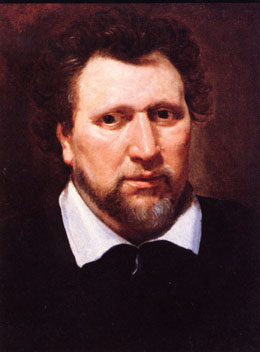
A few months later, poet friends Ben Jonson……

… and Michael Drayton….

…..called on Shakespeare at Stratford…..

….. to celebrate his fifty-second birthday….

….with a…..

merry meeting….. 

They all drank…..

….too hard….

……as poets are apt to do….

Shakespeare contracted a ‘fever’ and died….

But not before he had been granted the full Last Rites as a Roman Catholic…….

…….. in a town, Puritan and theatreless…….

………which had done all it could to destroy the Old Faith….

 ……and had done all it could to destroy him….

THE END

© Stewart Trotter and Trixie the Cat. January, 2012.