The Last Extract from ‘The Book that Never Was….’
Southampton was denying his homosexuality, but Shakespeare began to affirm his.
To do himself ‘right’ (contemporary John Heywood’s word) Shakespeare published his openly homosexual Sonnets with a dedication that shouts to the world that Southampton had been his lover.
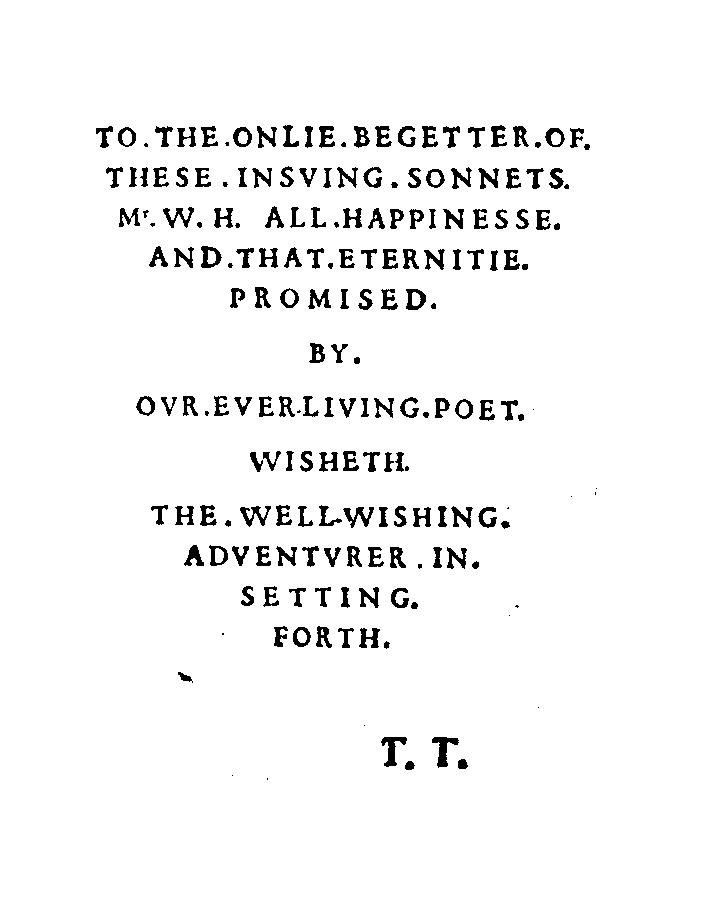
It is dedicated to ‘Mr. W.H’. Aemilia had coded Southampton ‘H.W.’
The publisher wishes ‘W. H.’ ‘All Happiness’. ‘All Happiness’ was the phrase Shakespeare used in his dedication to Southampton of The Rape of Lucrece.
The publisher talks about ‘THE WELL-WISHING ADVENTURER’ ‘SETTING FORTH’. Southampton’s ship, The Sea Adventure, was setting forth to Bermuda that very year.
Accompanying the sonnets is a narrative poem A Lover’s Complaint in which ‘a fickle maid’ (code: Shakespeare) attacks the ruthless, psychotic behaviour of the man who once loved her (code: Southampton).
Like Southampton, he has ‘browny locks’ that ‘did hang in crooked curls,/And every light occasion of the wind/Upon his lips their silken parcels hurls’.

He also has ‘small show of man’ upon his chin with ‘phoenix down’ that had only recently appeared.
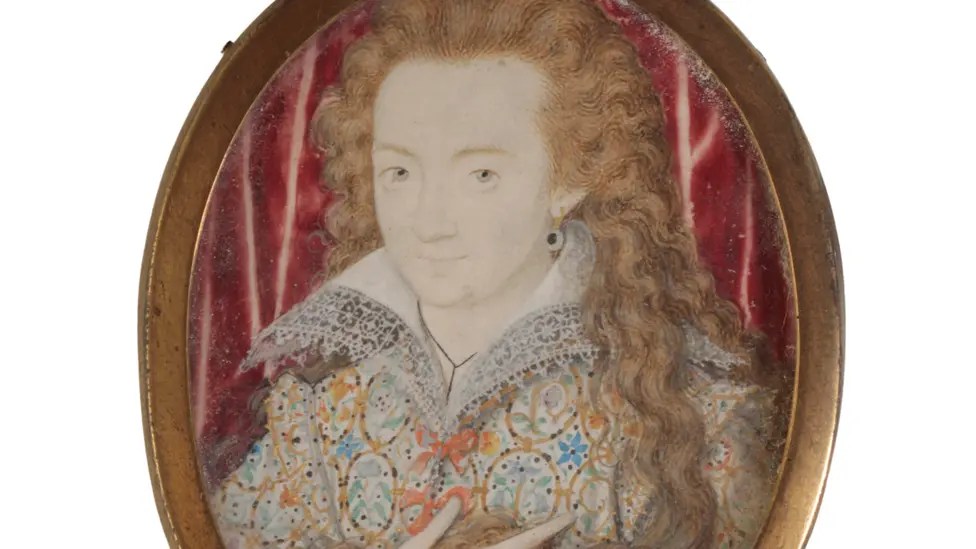
With ‘wat’ry eyes’ and a ‘river running from a fount’ down each cheek he had the ability to catch ‘all passions in his craft of will’ and ‘sexes both enchanted’. He had been the lover of a ‘nun’ (code: Aemilia) who shunned ‘her noble suit in court’ (code: Lord Hunsdon).
His ‘passion’ was ‘an art of craft’: he would ‘turn white and swoon at tragic shows’ and perversely rail against the things he really wanted. Outwardly he looked like an angel – but inside he was the Devil himself.
In a climax of bile, ‘the maid’ names her lover’s faults:
‘O that infected moisture of his eye,
O, that false fire which in his cheek so glowed!
O, that forced thunder from his heart did fly!
O, that sad breath his spongy lungs bestowed!
O, all that borrowed motion seeming owed…’
But, ‘the maid’ triumphantly asserts, these very faults –
‘Would yet again betray the fore-betrayed,
And new pervert a reconciled maid’.
Shakespeare refuses to deny the magnificence, the power or the ecstasy of what has been.
He throws down his gauntlet to ‘straight’ society in Sonnet 121:
‘I am that I am. And those that level
At my abuses reckon up their own’
In Elizabeth’s reign…….
…….the homosexual men in his plays, the Sea Captain in Twelfth Night and Antonio ‘the tainted wether [castrated ram] of the flock’ in The Merchant of Venice had been masochistic losers.
Now, in James’s reign……
…….the homosexual love in Cymbeline of Arvirargus and Guiderius for Fidele, whom they believe to be a boy, is praised as triumphantly natural.
His heterosexual side was also paying dividends. His first daughter, Susanna, became the inspiration for the astonishing father-daughter relationships in the plays. The lovely Jennet also gave him two ‘step-sons’ whose faces he would cover ‘with a hundred kisses’ whenever he visited them at Oxford.
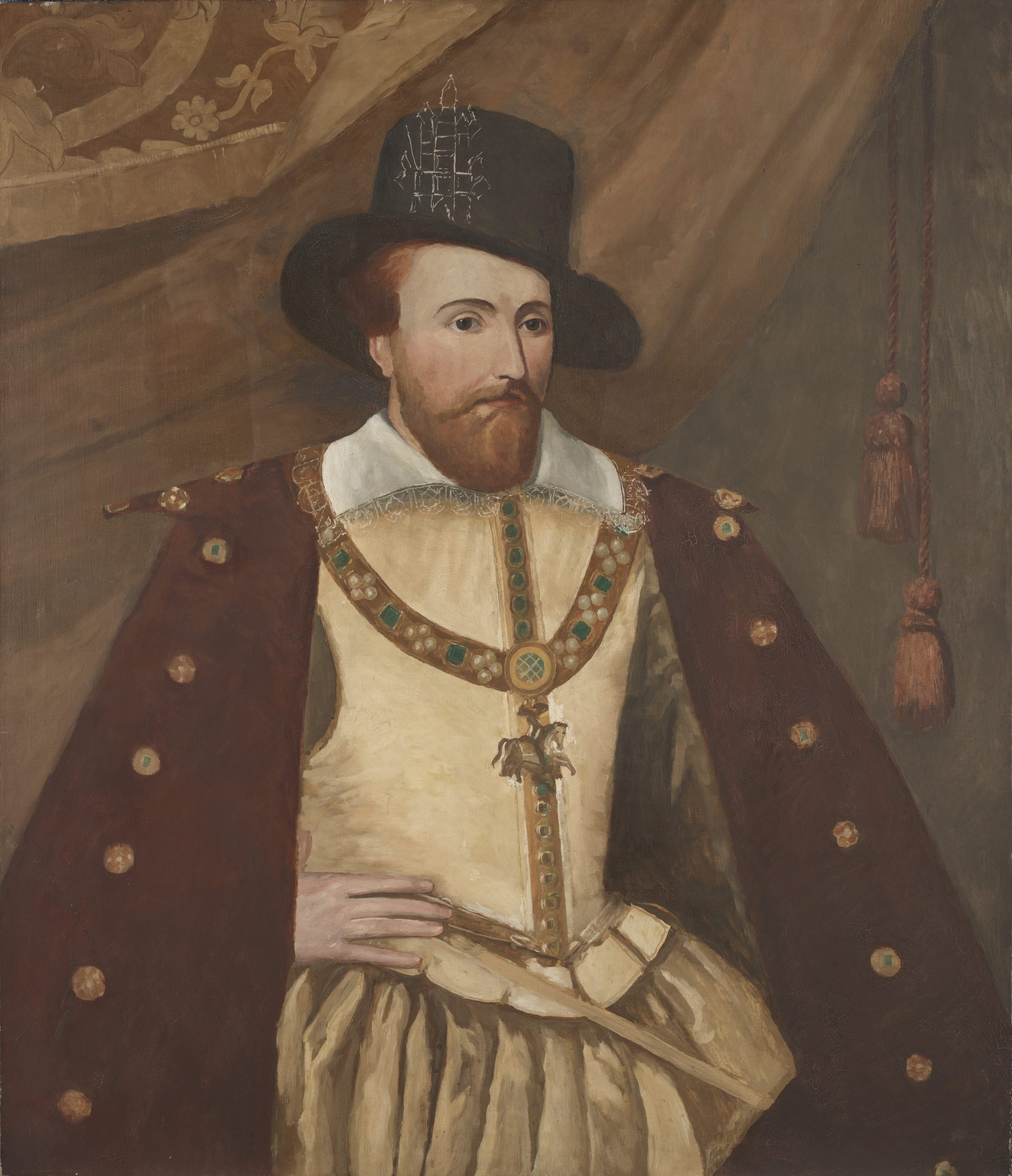
Secure in his popularity and the favour of James, Shakespeare now could write what he liked. James favoured peace; Shakespeare favoured peace. James respected Catholicism; Shakespeare began to transfigure it.
Even in King Lear Edgar’s ‘O thou side-piercing sight’ and Cordelia’s ‘O dear father,/It is thy business that I go about’ are fragments of a shattered Christianity.
Shakespeare returned to a Paganised version of the Old Faith, just as the Pope had blessed the old Egyptian obelisk.
Like ‘the maid’ in A Lover’s Complaint, Shakespeare had become truly ‘reconciled’ with Rome.
The use of oracles and statues that come to life in The Winter’s Tale and the pronouncements of the God Jupiter in Cymbeline are acknowledgements of the infallible power of Roman Catholicism.
At the end of Cymbeline the soothsayer, following King James’s wish to unite the Christian world, prophesies that the ‘Imperial Caesar’ will ‘unite his favour with the radiant Cymbeline / Which shines here in the west.’
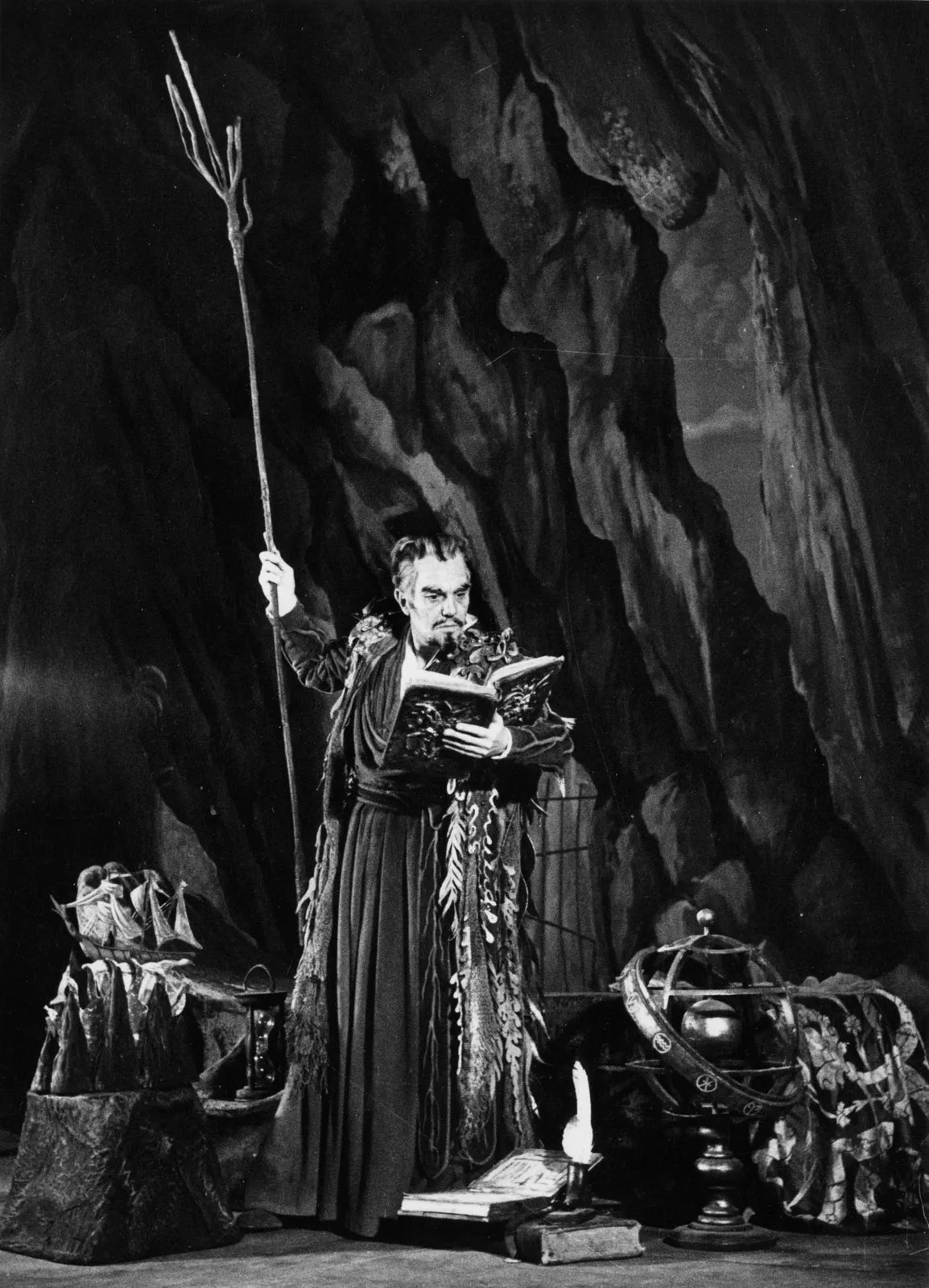
Shakespeare was also learning, painfully, like Prospero in The Tempest, to forgive.
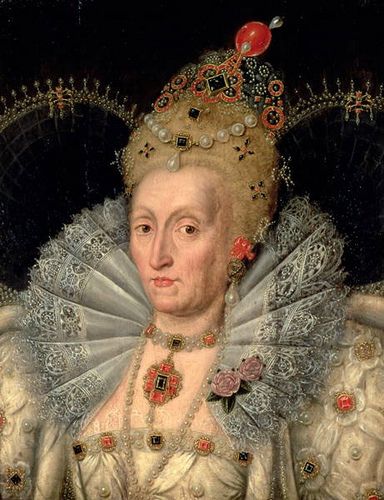
He even manages, in the last scene of his last play, Henry VIII, to forgive his old enemy, Queen Elizabeth.
Cranmer, baptising the baby Princess, returns her code name to her as ‘The Bird of Wonder, the Maiden Phoenix.’
Or is the code at play even here?
Was this a passage written by somebody else…?
Stewart Trotter 16th September, 2007
●
Brothers and Sisters of The Shakespeare Code….
This is the final instalment of the book that never was – written nearly 20 years ago.
Stewart and I really hope you’ve enjoyed reading it.
Why not give us a ‘Like’ – we really appreciate them in West London!
‘Bye, now!


Leave a Reply