An Extract from ‘The Book that Never Was….’
Twelfth Night failed to reconcile Essex and the Queen. To Shakespeare’s horror, Essex’s entourage paid for a performance of Richard II at the Globe on the afternoon of Saturday, 7th February 1601.
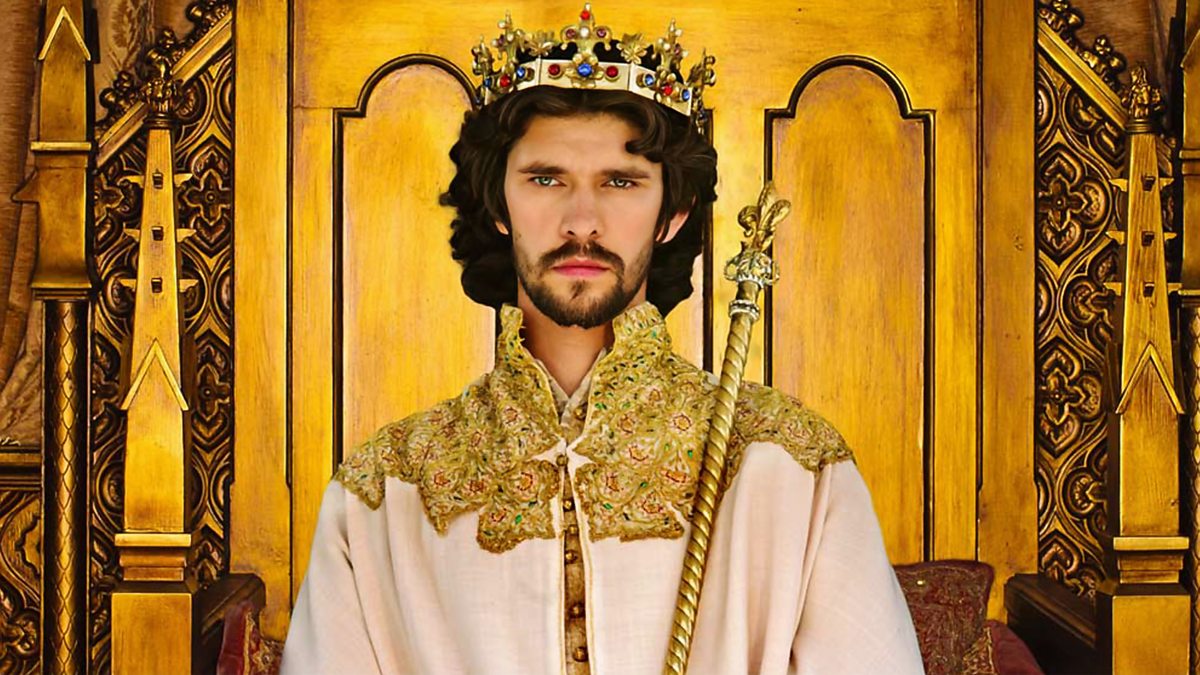
Next day, led by a sweating Essex, they took to the streets of London – to the utter indifference of its citizens.
Southampton and Essex, quoting words from Shakespeare’s play itself, accused Raleigh, Cobham and Cecil of being ‘caterpillars’: but the caterpillars were still in control.
Shakespeare’s predictions had been right: Southampton’s homosexual affair with Captain Piers Edmondes in Ireland was used against him.
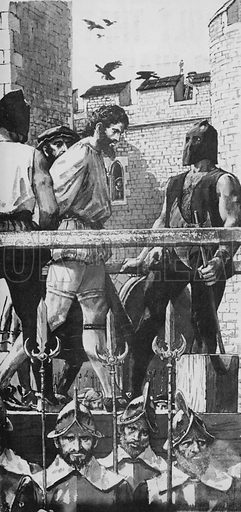
He was imprisoned in the Tower with a sentence of death.
Essex had his head cut off.
●
There is a legend of a ring, dismissed by modern historians, but which the book will show is true….
In All’s Well that Ends Well the king says:
‘This ring was mine, and when I gave it Helen
I bade her, if her fortunes ever stood,
Necessitied to help, that by this token
I would relieve her.’
Before the Islands Campaign in 1597, Elizabeth had also sent Essex a ring engraved with her likeness which Essex described, in two separate letters, as ‘a fair angel’ sent to ‘guard him’.
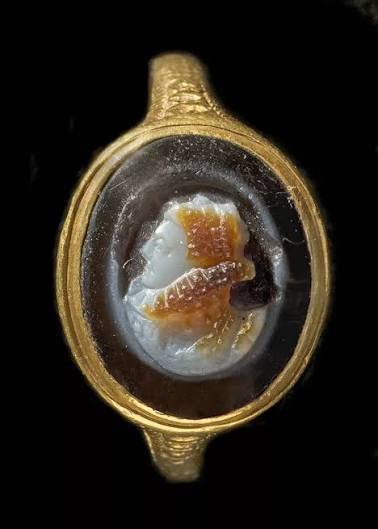
With the ring came the promise that if he ever needed her help, he should return it to her.
When Essex was in the Tower there was no-one he could trust with the ring.
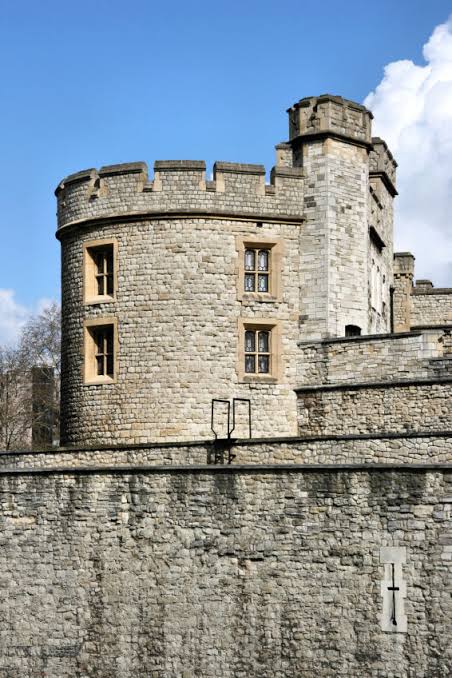
He threw it from the bars of his cell to an honest-looking boy outside to take to Lady Scrope, a friend of Essex……
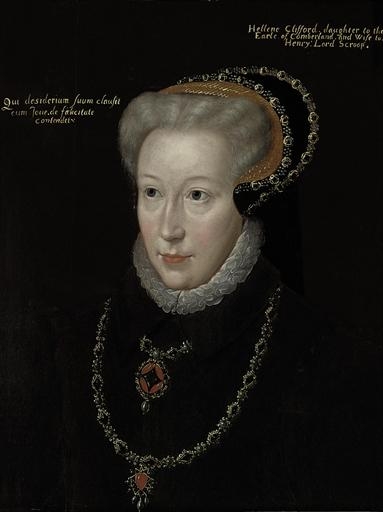
……..who would give it to the Queen…….
The boy mistakenly gave it to her sister, the Countess of Nottingham, whose husband was the enemy of Essex…..
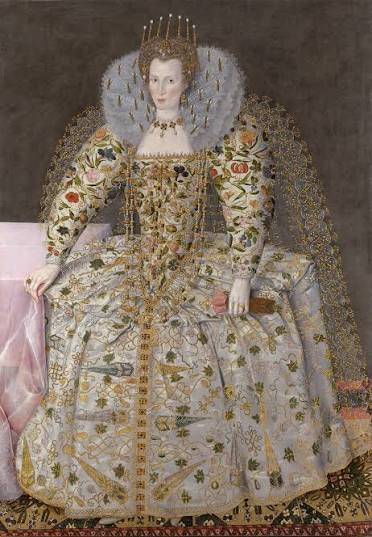
She did not pass it on..
So, on the morning of the execution, Essex, who had not bothered to write a will or say goodbye to his family, was waiting for his reprieve while Queen Elizabeth was waiting for her ring….
●
Later in the year, in conversation with the old scholar, William Lambarde…..
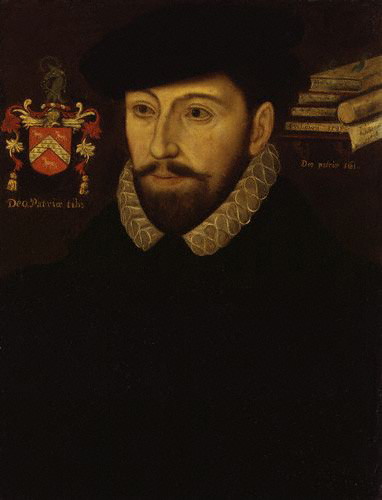
Queen Elizabeth said ‘I am Richard II, know ye not that?’
She was fully aware that Shakespeare had attacked her in the play and that it had been performed ‘forty times in open streets and houses’. Lambarde, famed for his integrity, described Shakespeare’s ‘imagination’ as ‘wicked’ and Shakespeare himself as an ‘unkind gent’ and ‘the most adorned creature that ever your Majesty made.’
Elizabeth made one of her great replies: ‘He that will forget God, will also forget his benefactors…’
Shakespeare clearly had to leave London. He fled back to Scotland and joined ‘English comedian’ Lawrence Fletcher’s troupe.
He also further bonded with King James, an openly bisexual man…..
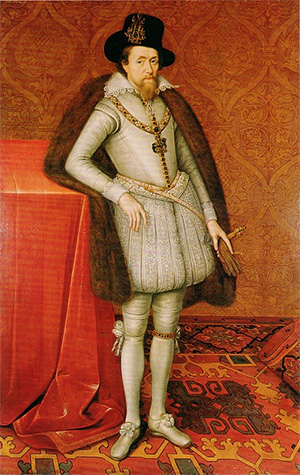
James had appropriated the ‘Phoenix’ symbol from Elizabeth and used it as the title of a homosexual love poem to his beloved Esmé Stuart.
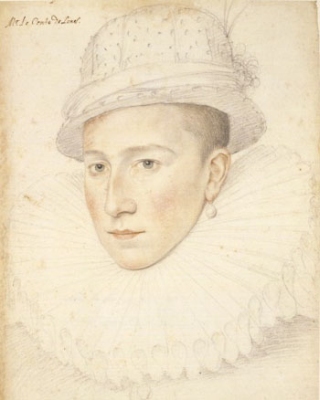
Shakespeare followed suit by writing The Phoenix and the Turtle, a love poem to the imprisoned Southampton. If ‘Phoenix’ Southampton had been executed, the poem implied, ‘Turtle Dove’ Shakespeare would have died with him.
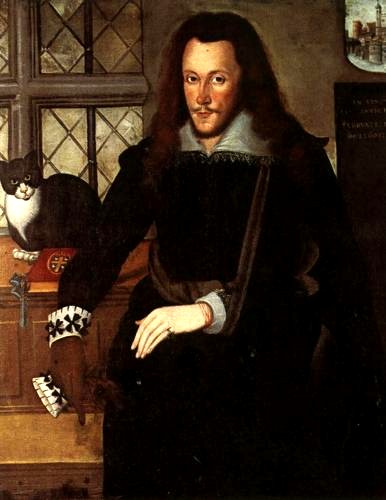
Shakespeare never stopped sending love-sonnets to Harry, a sick man, stripped of his lands, his Earldom, his money and his power.
●
At the end of February, 1603 the Countess of Nottingham lay dying. She sent for Elizabeth and told her the secret of Essex’s ring. ‘God may forgive you,’ replied Elizabeth, ‘but I never can’. By the end of March, 1603, Elizabeth ‘the mortal moon’ had, in Shakespeare’s words, ‘endured’ her own ‘eclipse’.
Everything turned round. Southampton, who threw his cap over the Tower walls at the news, was now a hero. He had rebelled, after all, to ensure James’s succession. Shakespeare, who, with Lawrence Fletcher, immediately became one of the leaders of the new ‘King’s Men’, looked forward to peace and ‘olives of endless age’.
Even within the war-mongering Henry V Shakespeare had written a criticism of war itself. Burgundy describes how the land has suffered:
‘Her vine, the merry cheerer of the heart,
Unpruned dies….
The sciences that should become our country
But grow like savages, as soldiers will
That nothing do but meditate on blood,
To swearing and stern looks, diffus’d attire
And everything that seems unnatural.’
Shakespeare still thought of Elizabeth as a ‘tyrant’ but he had ended up, however he might deny it, on the Queen’s side.
●
Brothers and Sisters of The Shakesperare Code
Stewart Trotter was to go on to develop his ideas about the ring Queen Elizabeth gave to Essex…..
This was to be the basis of a book – but Stewart got waylayed by other projects. He may return to it……
His idea is also to have a living exhibition of the story in the Devereux Tower in the Tower of London – including the very window Essex threw the ring from…..
Shakespeare was devastated when his love, the Earl of Southampton was also imprisoned in the Tower – and writes about his suicidal feelings in his Sonnets.
All of this is revealed in Stewart’s new book…..
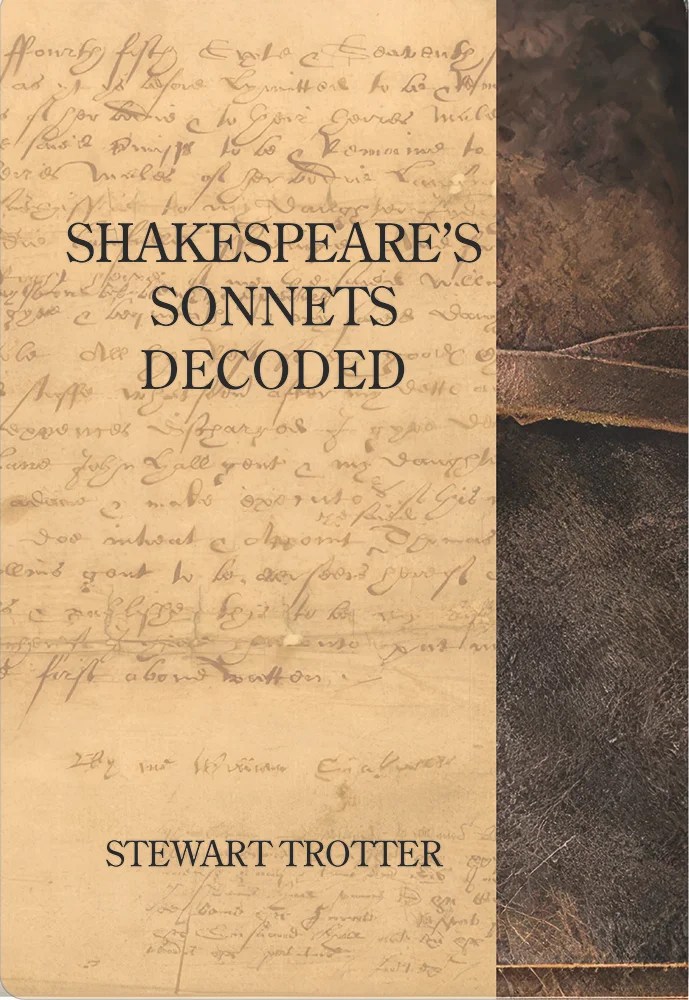
Shakespeare’s Sonnets Decoded – Magic Flute Publishing
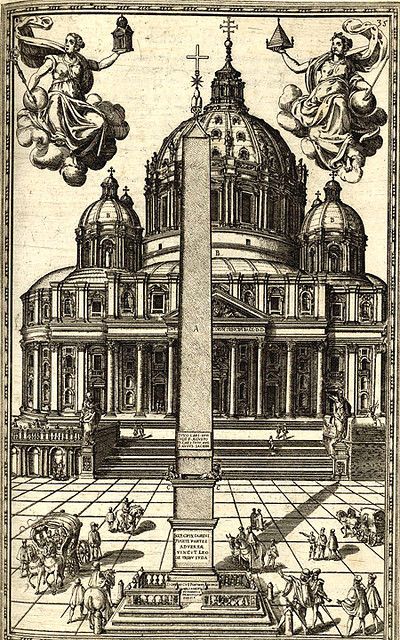
Next Tuesday 3rd November, God Willing, The Code will post Extract 15 from the Book that never was ‘Shakespeare and the Obelisk’.
‘Bye, now!


Leave a Reply