An Extract from the Book that Never Was….
In 1597 old Lord Hundson died.
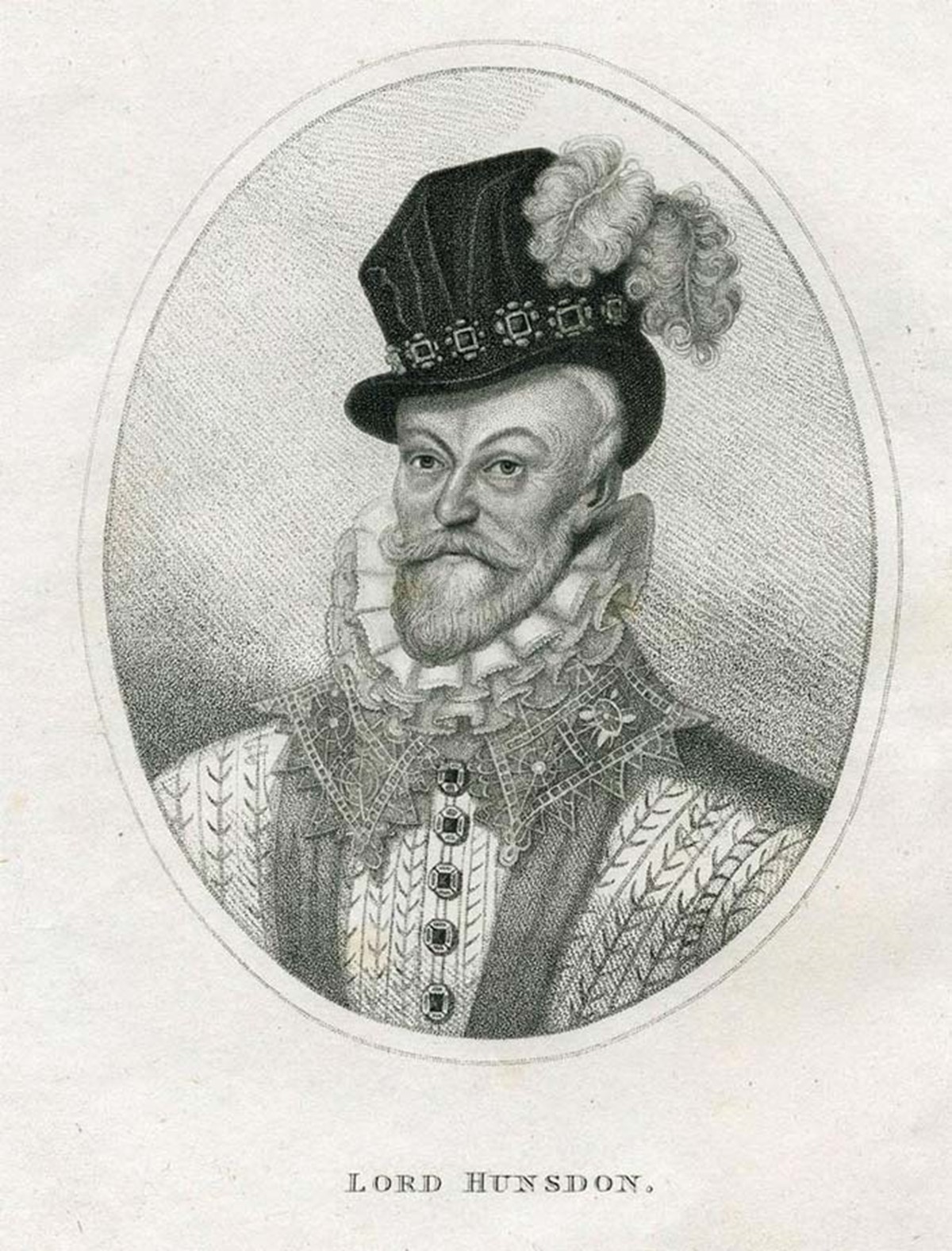
His position as Lord Chamberlain, in charge of court entertainment, was taken over by William Brooke, 10th Lord Cobham…..
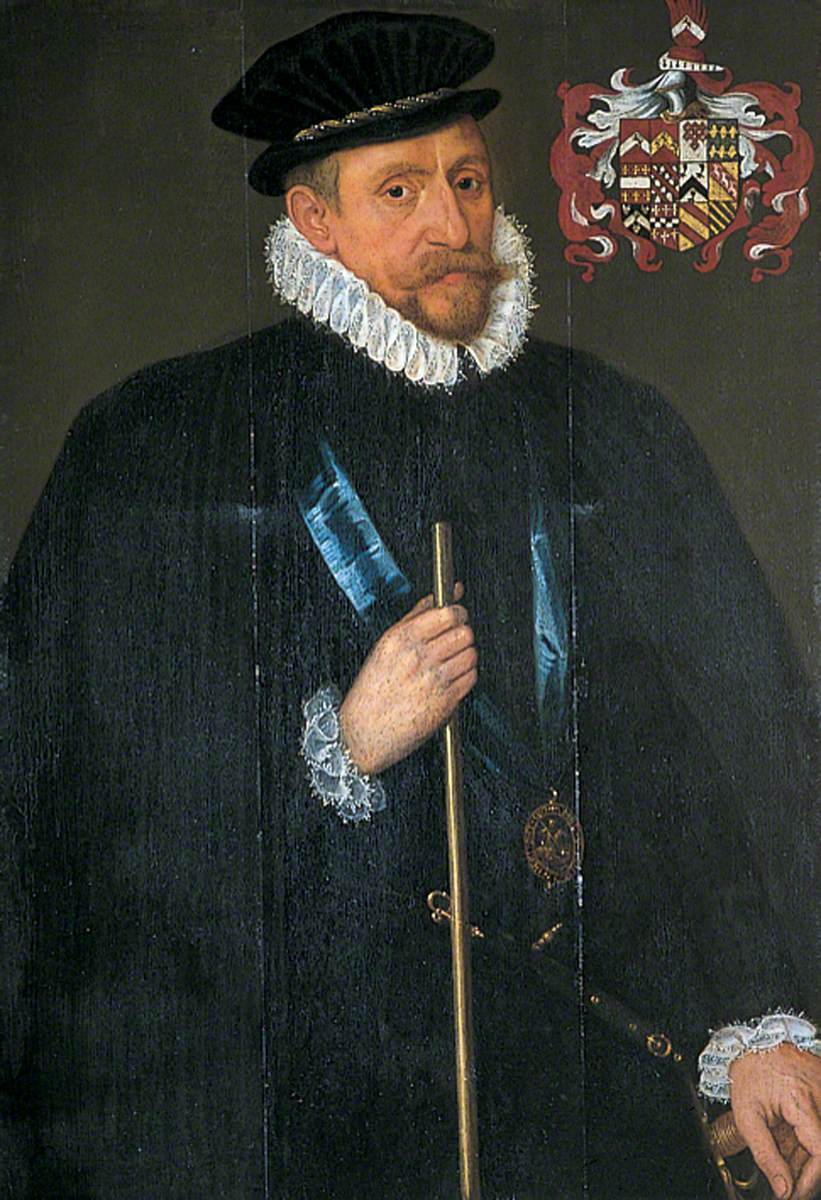
……..father to Henry Brooke, a.k.a. ‘The Sycophant’, toady to Elizabeth and mortal enemy to Essex. So mortal enemy to Shakespeare.
In that year Shakespeare himself, involved in shady money deals like his father, was petitioned by William Wayte for sureties of the peace ‘ob metum mortis’ (for fear of death).
To top all this, Shakespeare’s son, Hamnet, died, aged 11.
Shakespeare’s response to this was to write (in close collaboration with Nashe)……..
…….a reckless masterwork – Henry IV Parts One and Two.
The fat knight, who started off as William Beeston, then transformed into Apis-Lapis, then Bacchus, makes his first appearance in the Henry plays as Sir John Oldcastle.
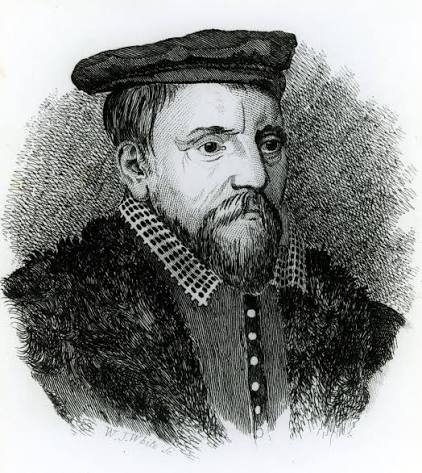
He was an ancestor of the Brooke family who had been executed by Henry V as a heretic rebel. Now he was venerated by the Brookes as a Protestant martyr.
Shakespeare, by turning Oldcastle into a lying, cowardly thief who ‘takes purses’ and steals under the ‘countenance of our noble and chaste mistress the moon’ implies that the whole present Brooke family were Queen Elizabeth’s crooks.
In 1595 Shakespeare insulted the Queen. Now in 1597 he insulted her Lord Chamberlain.
The Brookes were furious. Lord Cobham had the power to force Shakespeare to turn Sir John Oldcastle into Sir John Falstaff – a character who had first appeared in the Henry VI plays.
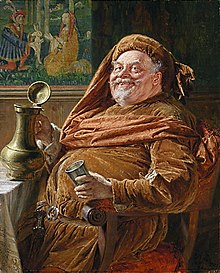
Cobham’s son, though, Henry Brooke, was to pay the price: for ever after he was known as ‘Sir John Falstaff’.
In the original version Oldcastle’s henchmen are named after living people:
Peto was Sir John Russell……
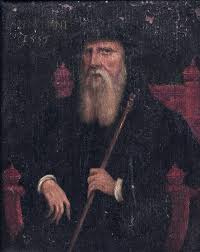
…….and the red-nosed Bardolph Sir William Harvey……
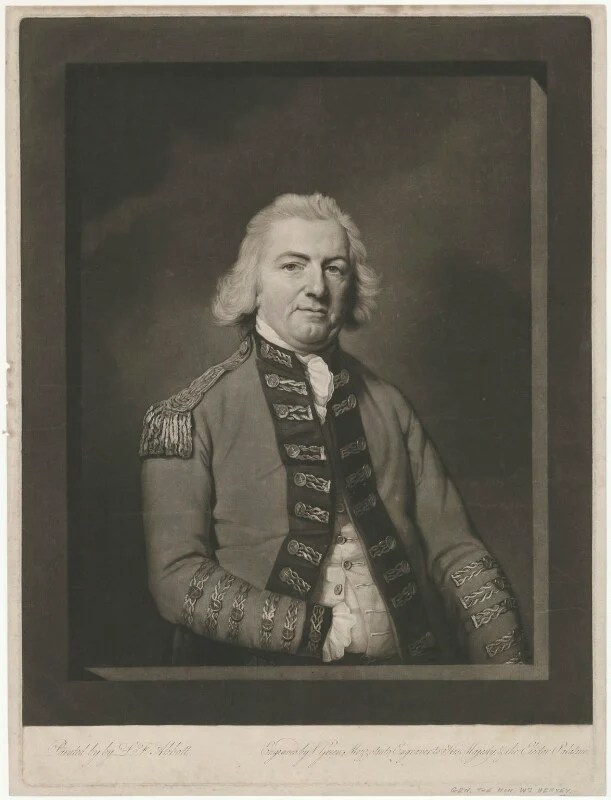
Harvey, who’d had the audacity pillage gold from a Spanish galleon at the height of the Armada engagement, was to become Mary Southampton’s fashionably youthful husband – and consequent sworn enemy of Harry.
The Petworth Earl of Northumberland had become, over the years, another sworn enemy.
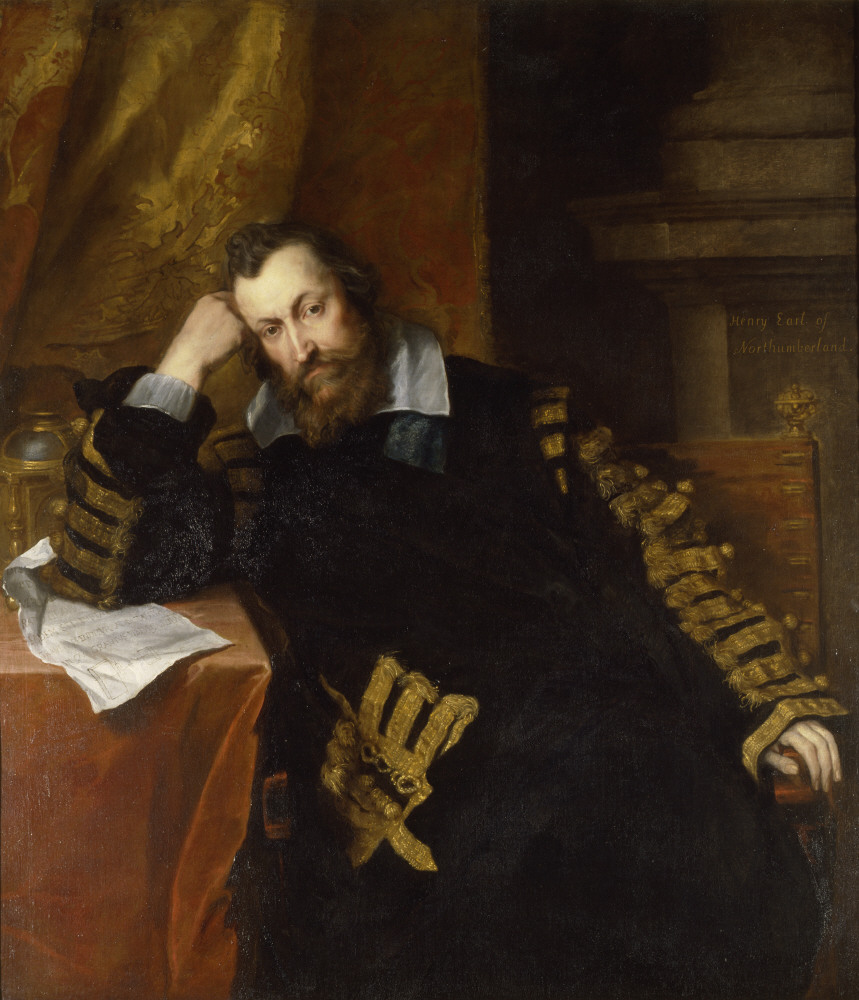
So Shakespeare, with no historical precedent whatsoever, makes the Northumberland in the plays scheming and malicious.
Nashe’s influence, hand even, is clear throughout the plays.
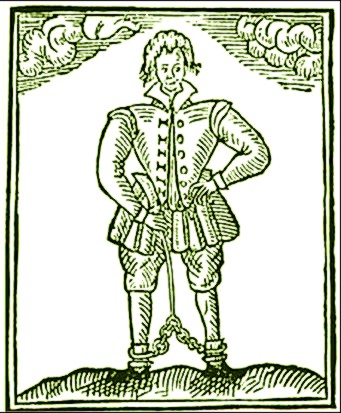
In the scene that introduces Falstaff, Prince Hal says to his old friend, who asks what time it is: ‘What a devil hast thou to do with the time of the day?’ This is an echo of Sommer’s Last Will and Testament when Will Sommer asks: ‘What have we to do with scales and hour-glasses, except we were bakers or clock-keepers?’.
Falstaff’s great eulogy of wine follows, nearly word for word, Bacchus’s speech about alcohol in the same play:
‘Skill in the weapon is nothing without sack, for that sets it a-work, and learning a mere hoard of gold kept by a devil, till sack commences it and sets it in act and use’.
Falstaff’s assertion that in ‘purse-taking’ it is ‘no sin for a man to labour in his vocation’ had already been expressed by Nashe in Christ’s Tears (1593): ‘He held it as lawful for him (since all labouring in a man’s vocation is but getting) to get wealth as well with his sword by the High-way side as the labourer with his spade or mattock.’
Yet the Henry plays will be performed ‘as long as men can breathe’ while Sommer’s Last Will and Testament is almost unreadable and un-performable. The difference is that Nashe describes Mr. Apis Lapis:
Shakespeare becomes Falstaff.
He even resonates with him….
Like Falstaff, Shakespeare never paid tax, got fat, flouted the law and scandalised society by his criminal activity, his sexual activity and his criminal-sexual activity.
Like Falstaff, he loved a young aristocrat whom he feared he was harming by being his ‘familiar friend’ and from whom he was terrified of rejection.
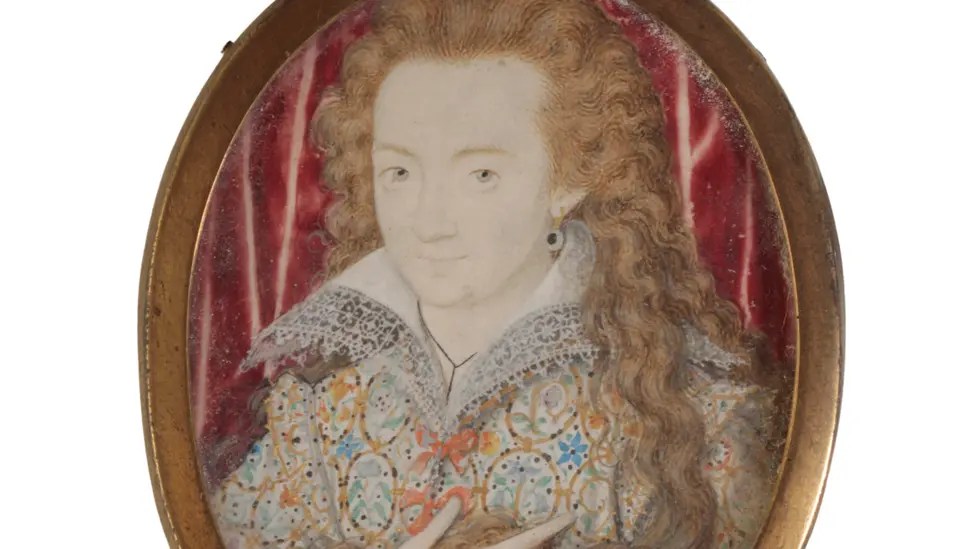
Also, like Falstaff, and indeed like Elizabeth, Shakespeare had doubts about war.
Essex…..
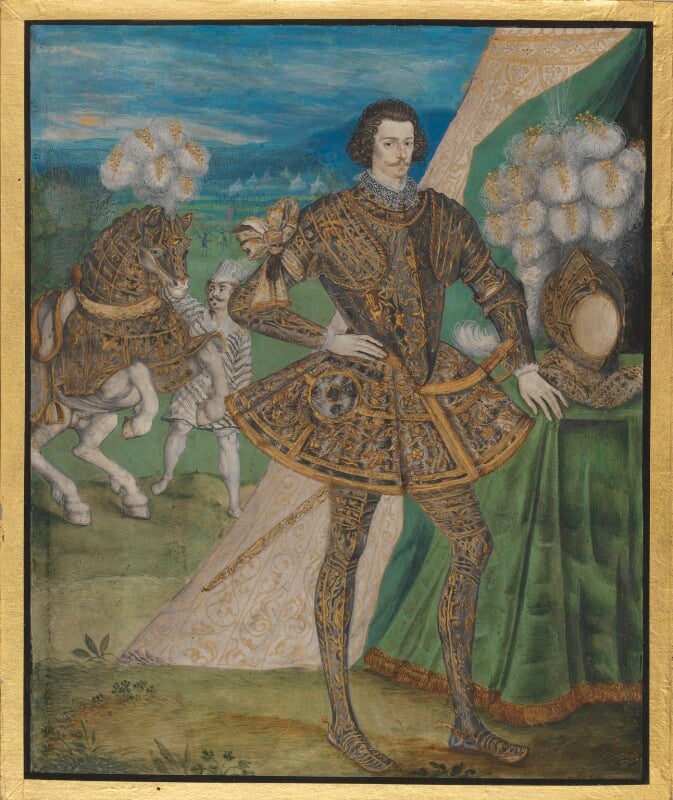
…..who had returned in triumph from the Cadiz Expedition, believed, like his mentor Sir Philip Sidney……..
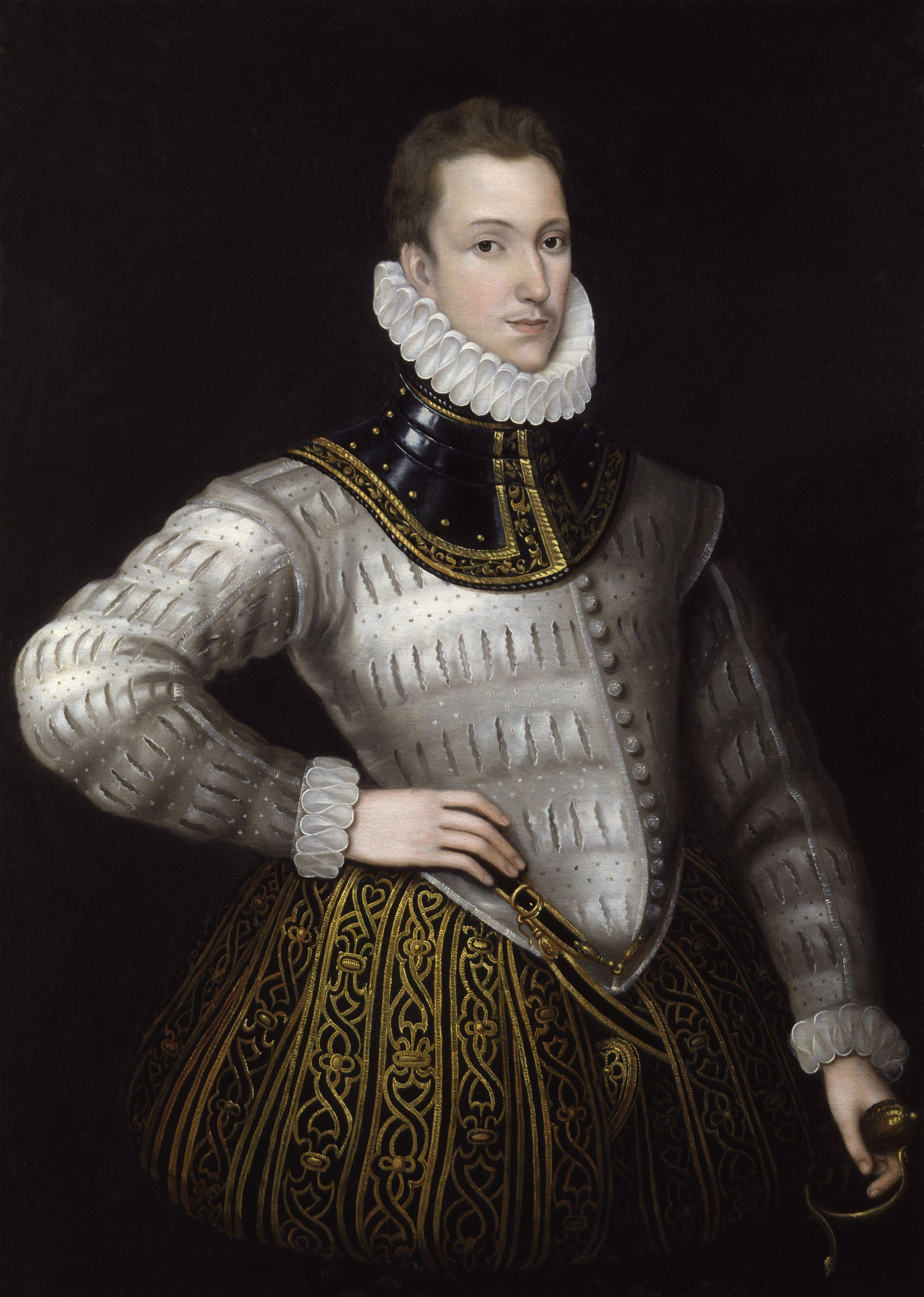
……..that battle purified a man. In the plays Prince Hal learns to love and trust his brother John in the stress of engagement.
Falstaff also asks:
‘Can honour set to a leg? No. Or an arm? No. Or take away the grief of a wound? No. Honour hath no skill in surgery then? No. A word. What is in that word honour? What is that honour? Air. A trim reckoning! Who hath it? He that died a-Wednesday. Doth he feel it? No. Doth he hear it? No….Therefore I’ll none of it. Honour is a mere scutcheon – and so ends my catechism.’
Shakespeare was to find Falstaff’s catechism unanswerable.
●
The popularity of Falstaff was a massive danger to the establishment.
Henry IV Part Two ends with Hal’s rejection of Falstaff. If Shakespeare were to follow history, a rebellion against the crown, popular with the audience, could have been enacted onstage.
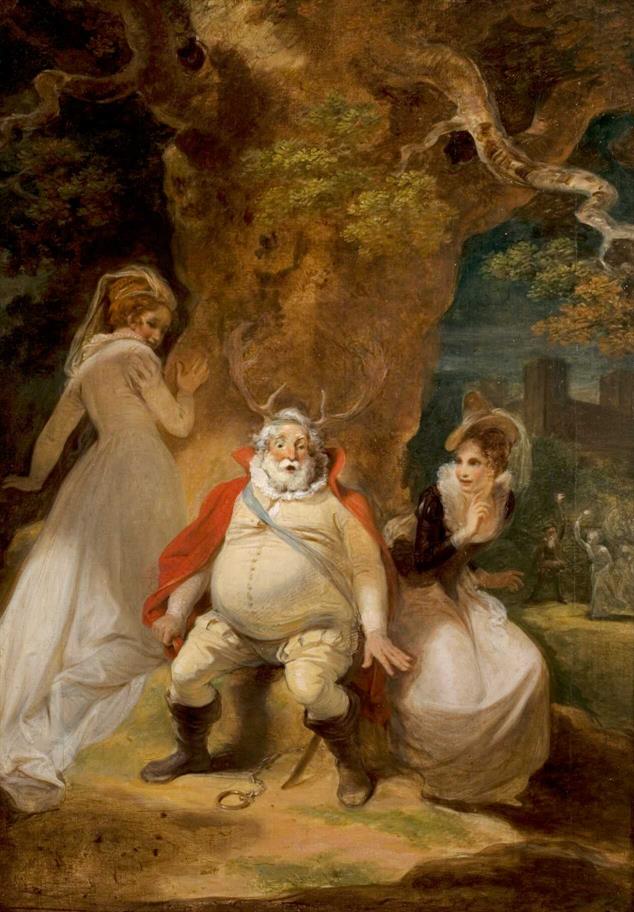
The Brooke family commissioned a play in which Oldcastle is shown as a true and loyal friend of the King. His rebellion was a bogus one to expose the true traitors. Queen Elizabeth, wisely, stepped in with a commission for Shakespeare.
Attempting to depoliticise Falstaff, she famously asked for a play about the fat knight in love.
Lord Cobham had died in March, 1597 and George Carey, Lord Hunsdon’s son, had been made the new Lord Chamberlain in his place.
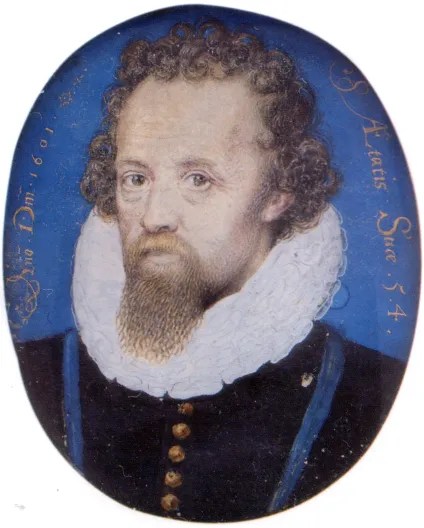
Carey was also to be invested as a Knight of the Garter – so Shakespeare wrote a Windsor romp to ridicule all his enemies.
The Lord Admiral’s Men, to challenge Shakespeare, had revived The Spanish Tragedy at the beginning of 1597, its first performance for four years.
Shakespeare mocks the memory of his dead collaborator by bringing him onto the stage as Pistol….
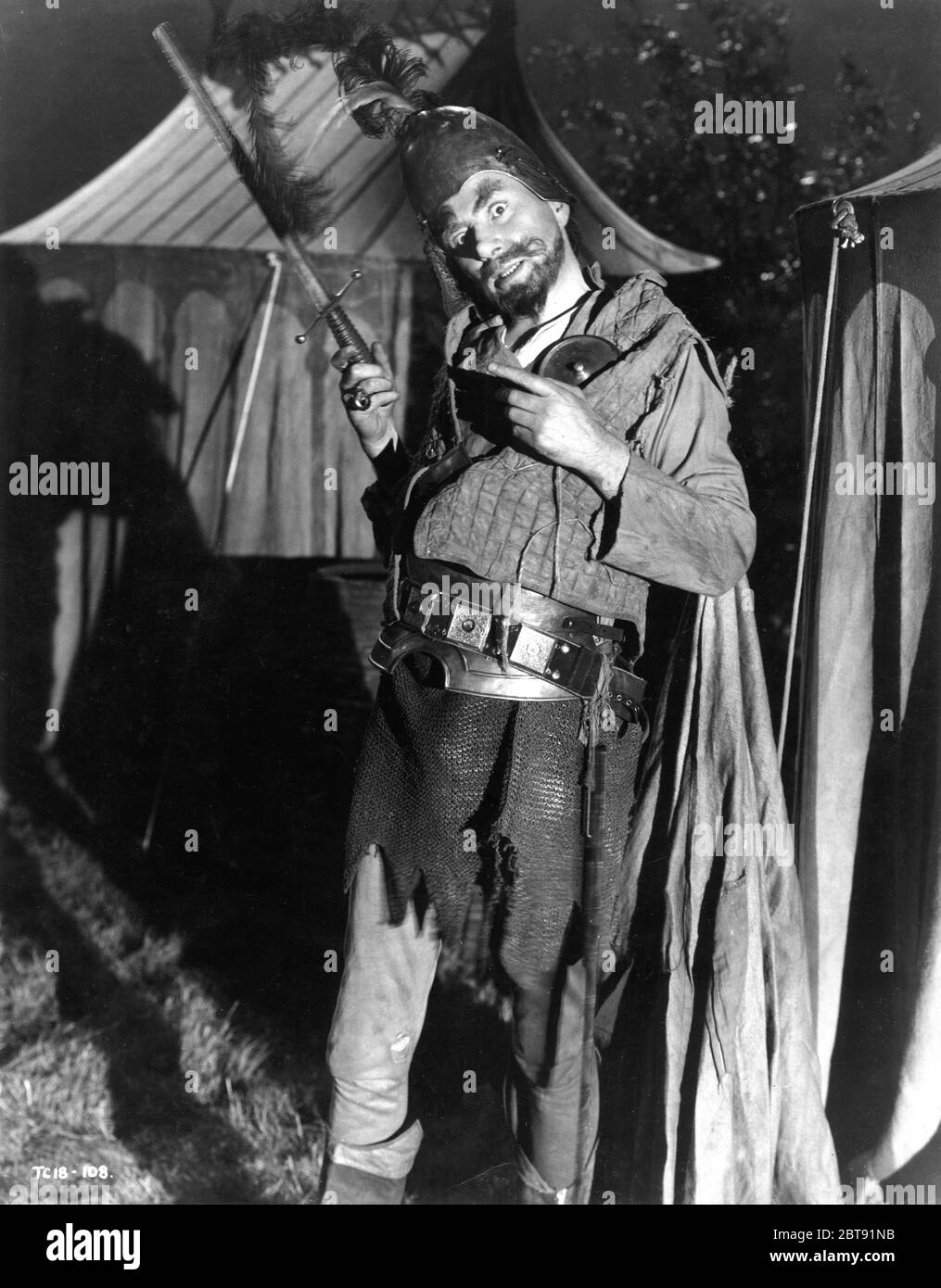
…named after the notorious pistol shot in the play, a swaggering rogue who speaks in bombastic language, some of it directly from Locrine.
Shakespeare even revives his decade old battle with Sir Thomas Lucy……
……..with a decade old joke: Justice Shallow, like Lucy, is ‘lousy’. The Brooke family name is used as an alias of the jealous Ford whose description of his supposed love for Mistress Ford is a burlesque of Henry Brooke’s supposed love for Queen Elizabeth:
‘I have long loved her and, I protest to you, bestowed much on her; followed her with a doting observance; engrossed opportunities to meet her; fee’d every slight occasion that could but niggardly give me sight of her; not only bought many presents to give her, but have given largely to many to know what she would have given: briefly I have pursued her as love hath pursued me; which hath been on the wing of all occasion…she is too bright to be looked against’.
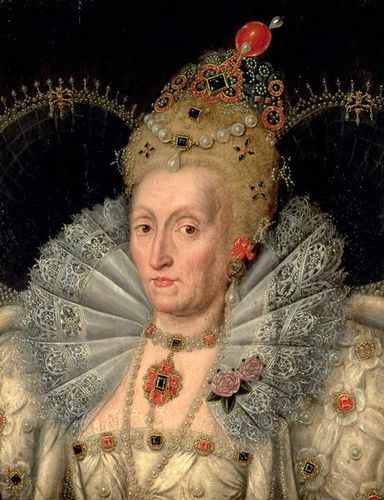
Queen Elizabeth herself is sent up Merry Wives as the Queen of the Fairies who ‘hates sluts and sluttery’. Her ambition, never fulfilled, was to clean up filthy Windsor Castle. Shakespeare has another go at her when Falstaff says: ‘I never prospered since I foreswore myself at Primero’[a card-game].
Elizabeth cheated at cards.
●
Like Falstaff with Doll Tearsheet, Shakespeare began an affair at this time with a younger woman, the beautiful, witty, Janet Davenant, as loving to the pre-maturely aging Shakespeare as the Dark Lady had been capricious.
In Sonnet 138, admitting that ‘age in love loves not to have years told’, Shakespeare celebrates how they lie with each other – and to each other – to preserve their self-esteem.
Jennet’s vintner husband, an admirer of Shakespeare’s work, could not give his wife children that would survive. So, in an extraordinary act of imagination, he encouraged William and Jennet to make love.
Up to this point, Shakespeare’s plays had often shown weak men collapsing in the face of strong women, like naughty schoolboys in front of delectable headmistresses.
Now Shakespeare wrote about strong-willed men facing up to strong-willed women in Much Ado about Nothing and The Taming of the Shrew – a re-write that blew Kyd off the map for ever.
●
After many tears and recriminations, Harry, who was meant to be abroad, finally married the heavily pregnant Elizabeth Vernon….
…….in a secret ceremony at Lees Priory, home of Penelope Rich, in Essex.
Shakespeare and Nashe were commissioned to write As You Like It, collaborating so quickly that one name, Jacques, is used for two different characters in the play.
Like Duke Senior, Essex was in exile from the Court. He had been sleeping with too many Ladies-in-Waiting, had returned empty-handed from the Islands Campaign and had literally turned his back on the Queen.
At the end of the play the wicked Duke Frederick, jealous, like Elizabeth, of anyone else’s popularity, suddenly becomes a convertite – a piece of wishful thinking on the part of the Southampton entourage.
Essex was soon in favour again: Elizabeth needed him to lead the Irish Campaign against the ‘rebel’, Tyrone……
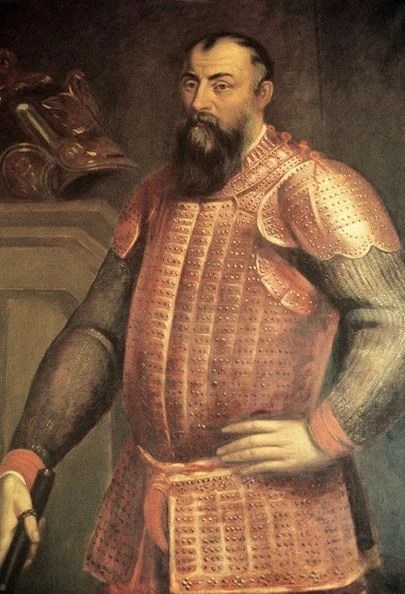
Elizabeth had originally wanted to appoint Mountjoy as Lord Deputy……..
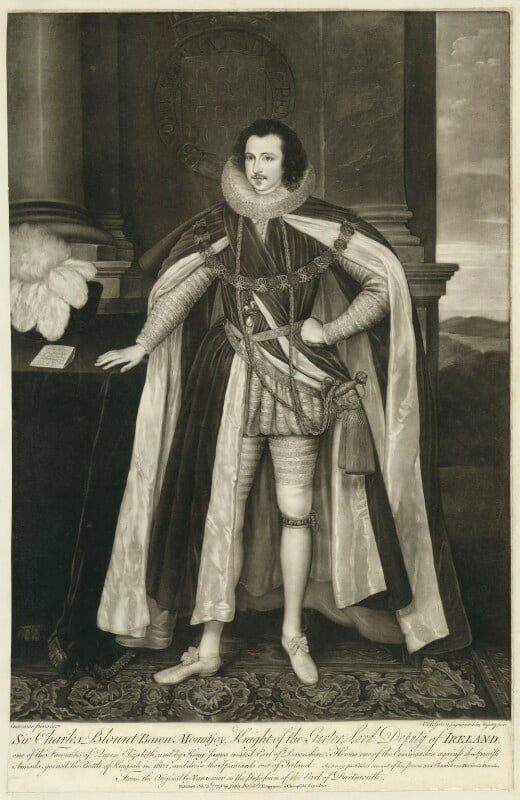
…..but Raleigh and Cecil, convinced Essex would fail, argued for him instead. Essex was desperate for the cash; but the Irish Campaign was merely a prelude to his rebellion.
The plan was for Essex to return to London with his army, join up with Mountjoy, rouse the citizens of London and attack the Court.
Shakespeare, clearly, was in on the scheme. In Henry V the Chorus describes how Londoners flocked out to greet the King after his return from Agincourt:
‘How London doth pour forth her citizens.
The mayor and all his brethren in best sort,
Like to the senators of th’antique Rome,
With the plebeians swarming at their heels,
Go forth and fetch their conqu’ring Caesar in.’
The Chorus invites Londoners to do the same for Essex after his Irish triumph:
‘As by alower but loving likelihood
Were now the general of our gracious empress
As in good time he may, from Ireland coming
Bringing rebellion broached on his sword
How many would the peaceful city quit
To welcomne him!’
This was to prove more wishful thinking.
●
Bearing Essex and Mountjoy’s good wishes for King James….
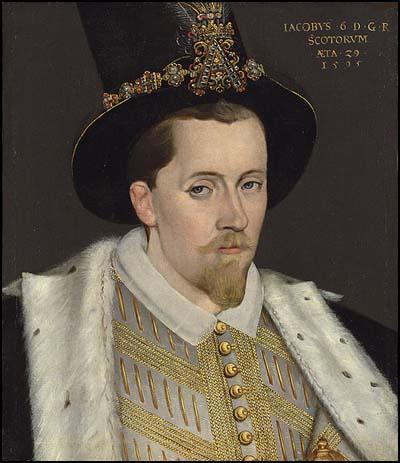
…..whose support they needed for the rebellion, Shakespeare then travelled to Scotland where he wrote his first version of MacBeth.
This play demonstrates that it is wrong to kill a wise old King like Duncan, but absolutely right to kill Godless usurpers like the Macbeths.
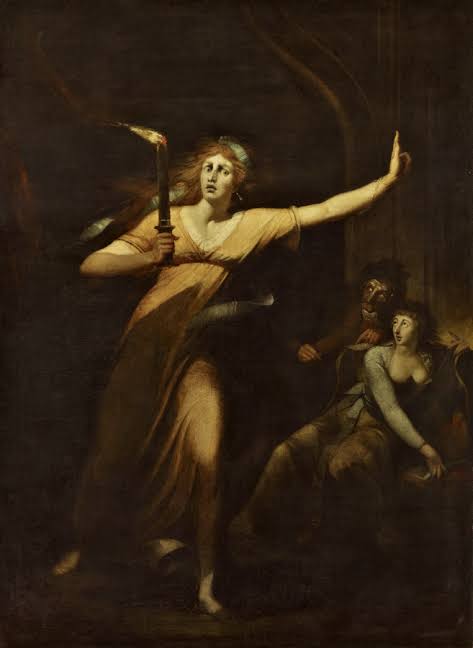
Lord Macbeth, like Elizabeth, cannot stand loud noises……
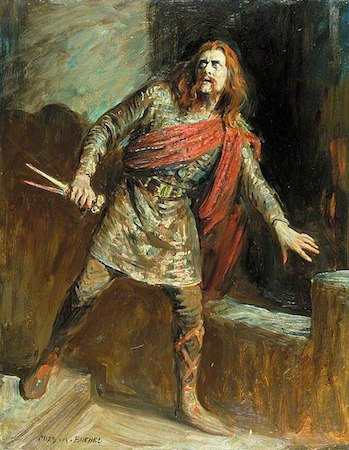
Lady Macbeth, like Elizabeth, finds it hard to sleep at night.
Essex proved a disastrous commander in Ireland. Like Achilles in Troilus and Cressida and Coriolanus, he fell in love with his enemy, the charismatic, manipulative Tyrone, who, surrounded by semi-naked, semi-savage boys, would drink toasts of love to Essex.
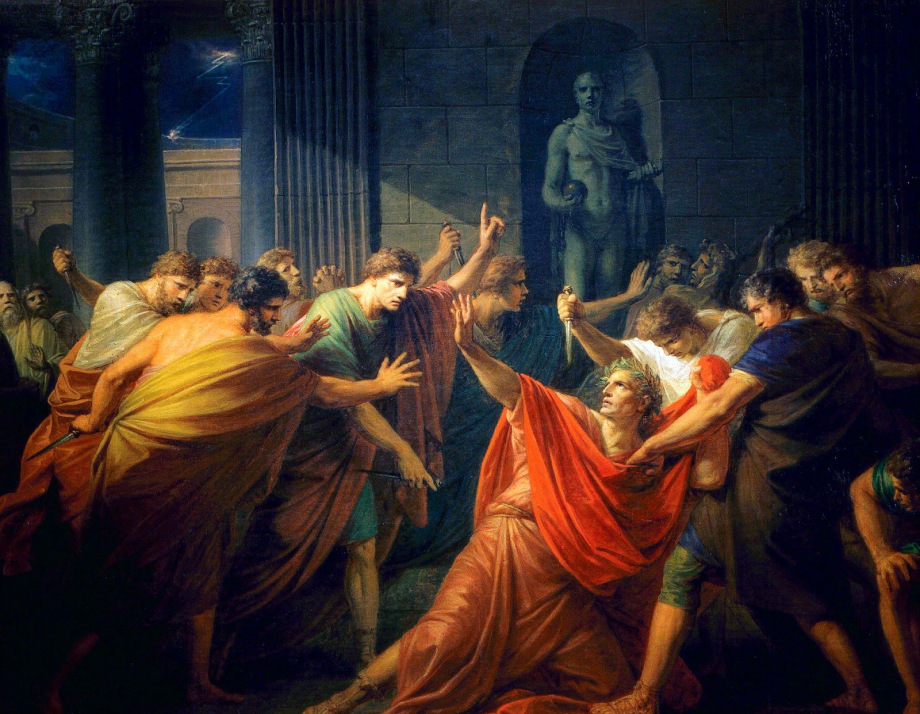
When Mountjoy started to waver, Shakespeare knew the rebellion was doomed. He tried to warn Essex, who loved plays and play-scripts, by writing Julius Caesar, a play in which a revolution goes horribly wrong and the ‘noblest Roman’ ends up a corpse.
Essex, having learnt that ‘The Fox’ and ‘The Ape’ were plotting his down fall, rushed back to England unannounced and stormed, covered in mud, into Elizabeth’s bedchamber.
She had not put on her wig.
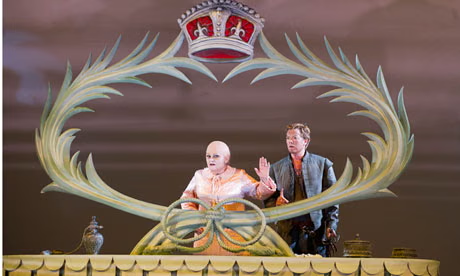
Essex was now, in Shakespeare’s words, a ‘pitiful thriver’ in his ‘gazing spent’.
Elizabeth cut off Essex’s finances. In Timon of Athens Shakespeare tries to show Essex how to cope with poverty – exile, Stoicism and retreat. In the play there is a bleak, brilliant but destructive plebeian philosopher, Apemantus. He is code for Henry Cuffe who, sacked as an Oxford Professor of Classics for theft, had joined the Essex entourage.
Also the model for Iago, Cuffe persuaded the half-mad Essex to rebel.
Shakespeare now favoured appeasement. At the beginning of 1601, in collaboration with Nashe, he wrote Twelfth Night to offer a laurel branch to the Queen.
The new Lord Hunsdon, who was now deeply suspicious of Essex, had requested a play whose ‘subject’ would be ‘most pleasing to Her Majesty’.
Olivia, a beautiful woman, lively, passionate and forward in her sexuality…..
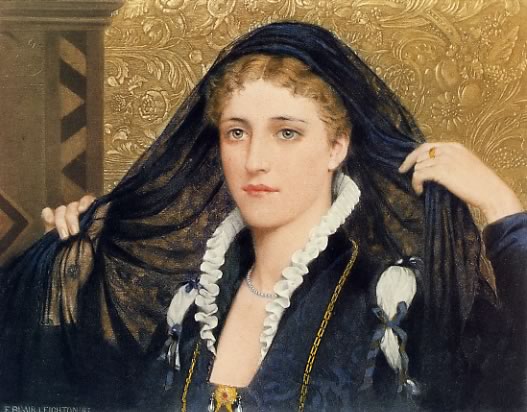
…..whose father and brother have both died and who is suddenly in charge of a huge, daunting household, is a sympathetic portrait of Queen Elizabeth herself.
Olivia has three suitors: Orsino, who lies languishing for her love…….
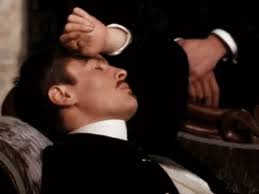
…….represents Essex.
Malvolio, the ambitious Puritan who wants power by marrying her……..
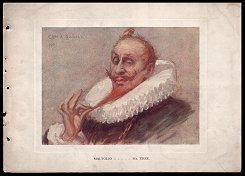
……is a composite of Raleigh, Cecil and Cobham.
Auguecheek, a ‘great quareller’ and a ‘gull’ with his ‘hair like flax on a distaff’…….
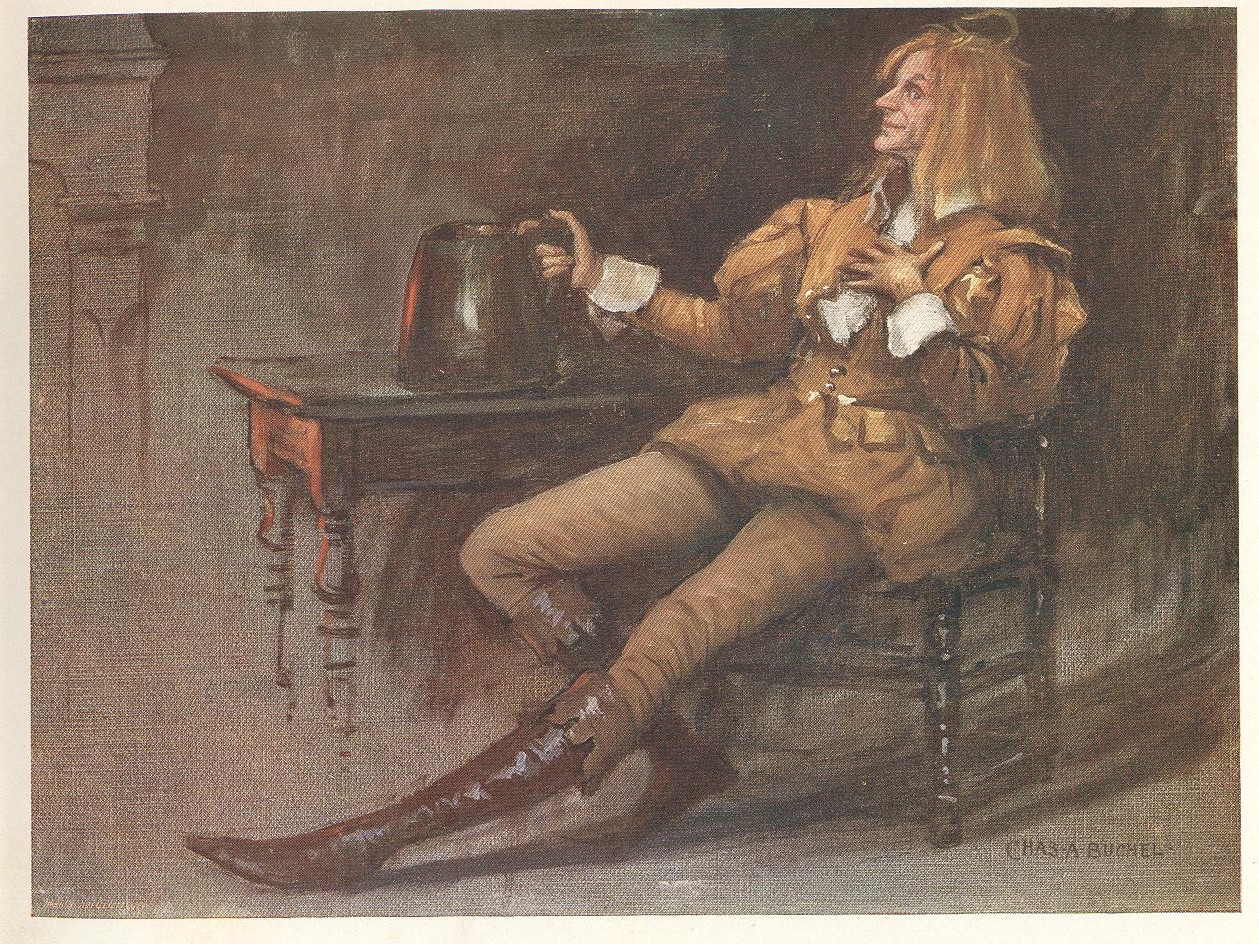
……is a satire, by Nashe, on Southampton…..
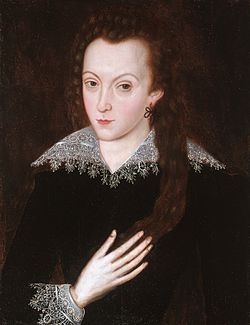
Nashe was also working on The Parnassus Plays, a Christmas ‘revue’ for St. John’s College, Cambridge.Here he continues his attack on Southampton, a former fellow undergraduate at the college, in the character of ‘Gullio’.
Southampton had silver falcons on his family crest and they were often mistaken for sea-gulls.
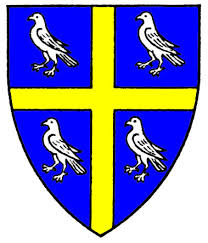
Gullio, like Southampton, is very proud of his ‘becoming’ hair and his ‘amiable face’. Like Southampton, Gullio has just come from Ireland, is boastfully proud of his military conquests, has had a great quarrel with a ‘puling Liteltonian’ (code for another of Southampton’s enemies, Lord Grey) and worshipped ‘sweet Mr. Shakespeare’ whose Venus and Adonis he lays under his pillow and whose picture he will have in his ‘study at the Court’.
Nashe reveals his true contempt for Southampton with lines that echo his earlier attack on Shakespeare – ‘Greene’s’ ‘a tiger’s heart wrapped in a player’s hide’:
‘Farewell base carle clothed in a satin suit,
Farewell guilty ass, base broker’s post.
Too oft have I rubbed o’er thy mule’s dead head,
Fed like a fly on thy corruption:
Now had I rather live in poverty
Than be tormented with the tedious tales
Of Gullio’s wench and of his luxuries,
To hear a thousand lies in one short day
Of his false wars at Portingale or Calls’.
Nashe goes on to admit he is deeply ashamed he wrote pornography to please the boastful idiot Southampton:
‘My freer spirit did lie in tedious woe
Whiles it applauded bragging Gullio
Applied my vein to sottish Gullio
Made wanton lines to please lewd Gullio.
Attend henceforth on Gulls for me who list,
For Gullio’s sake I’ll prove a Satirist.’
Nashe then goes on to attack the plebeian Shakespeare for growing rich and successful, owning land, pageboys, horses, fine clothes and even a family crest with its own silver falcon, on the backs of poor, exploited scholars like himself:
‘But is’t not strange these mimic apes should prize
Unhappy scholars at a hireling rate?
Vile world that lifts them up to high degree,
And treads us down in grovelling misery?
England affords those glorious vagabonds
That carried erst their fardels on their backs,
Coursers to ride on through the gazing streets,
Sooping it in their glaring satin suits,
And pages to attend their masterships.
With mouthing words that better wits have framed
They purchase lands and now Esquires are named….
So merry fortune’s wont from rags to take
Some ragged groom, and him a gallant make.’
Nashe did not live to the end of the year to play at his old college. According to Ben Jonson……
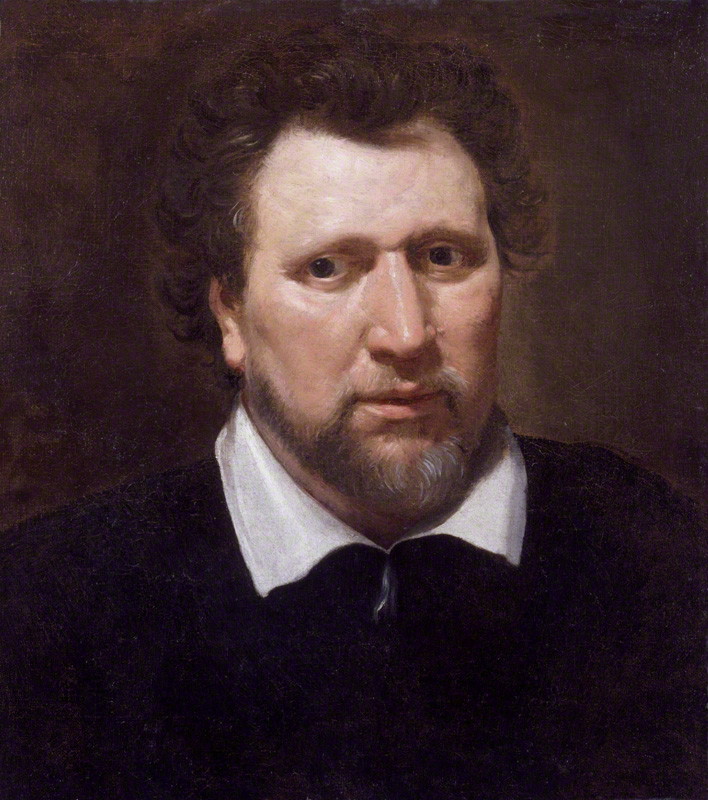
…….. the ‘great spirit’ Nashe died
‘a Christian faithful penitent,
Inspired with happy thoughts and confident.’
Jonson also predicts that at his death there will be ‘a general dearth of wit throughout the land’.
Shakespeare was never to write a great comedy again.
●
Brothers and Sisters of The Shakespeare Code
As you can see, The Code believes that Shakespeare’s plays had their origin in Shakespeare’s life…..
And the Sonnets show that there is not a single emotion expressed in his plays that Shakespeare did not experience in his own life.
Read Stewart’s new book on the Sonnets to find out more…..
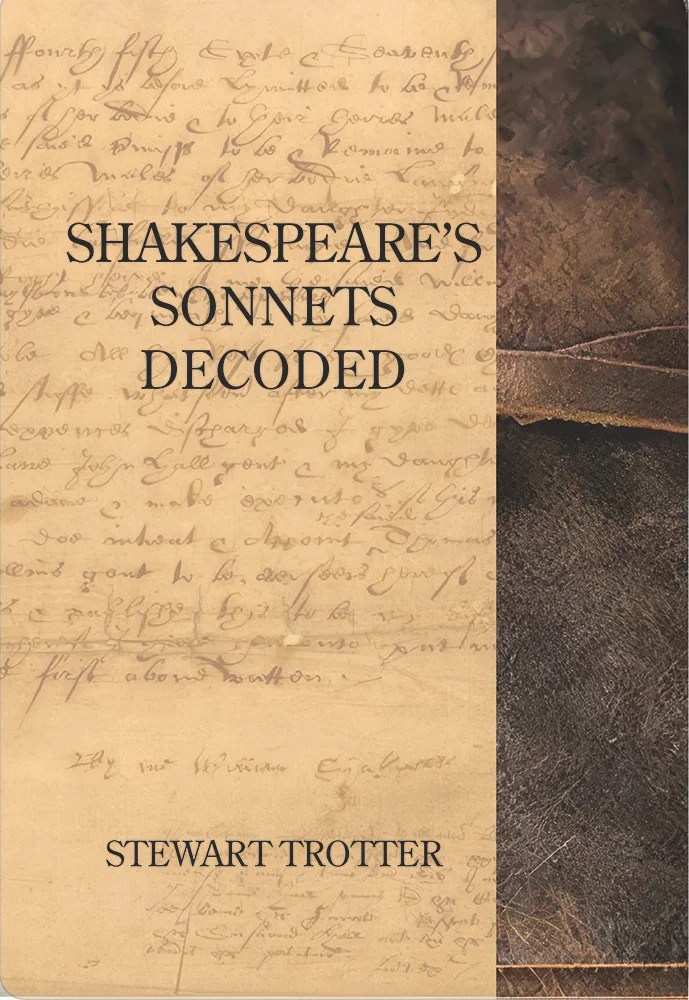
Shakespeare’s Sonnets Decoded – Magic Flute Publishing
God Willing, the Code shall Post Part 14 ‘Treason and Death’ next Tuesday 27th October….
‘Bye, now!


Leave a Reply