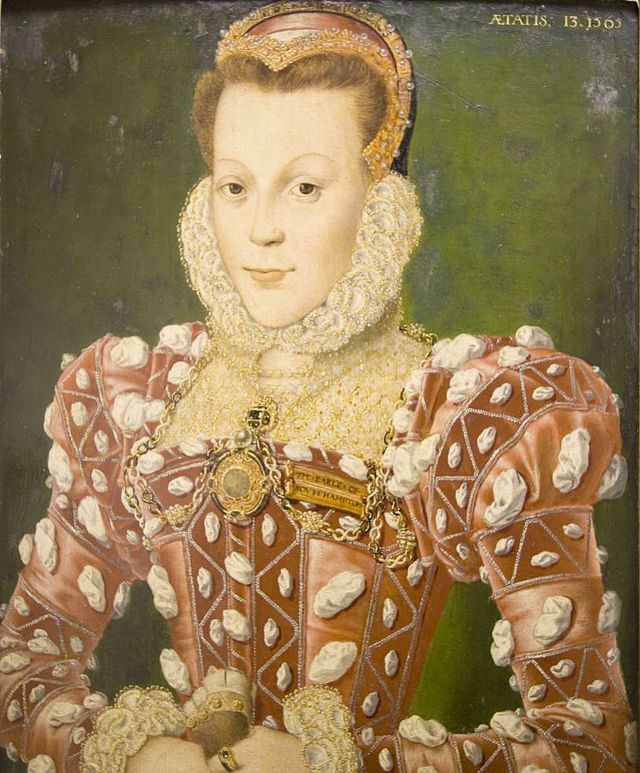
Mary Southampton, who played Hippolyta in A Midsummer Night’s Dream opposite Heneage’s Theseus, kept a tight hold on the purse-strings. In the first scene in which the two appear, Theseus, refers to the moon as ‘step-dame or a dowager, long withering out a young man’s revenue’.
In October, 1594, Harry Southampton came of age.
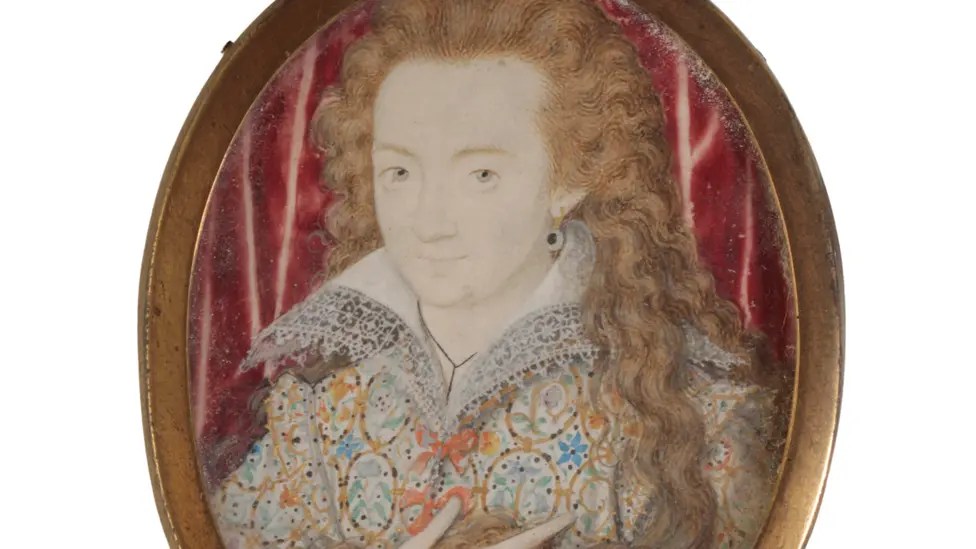
For the first time he was in control of his finances. William Davenant…..
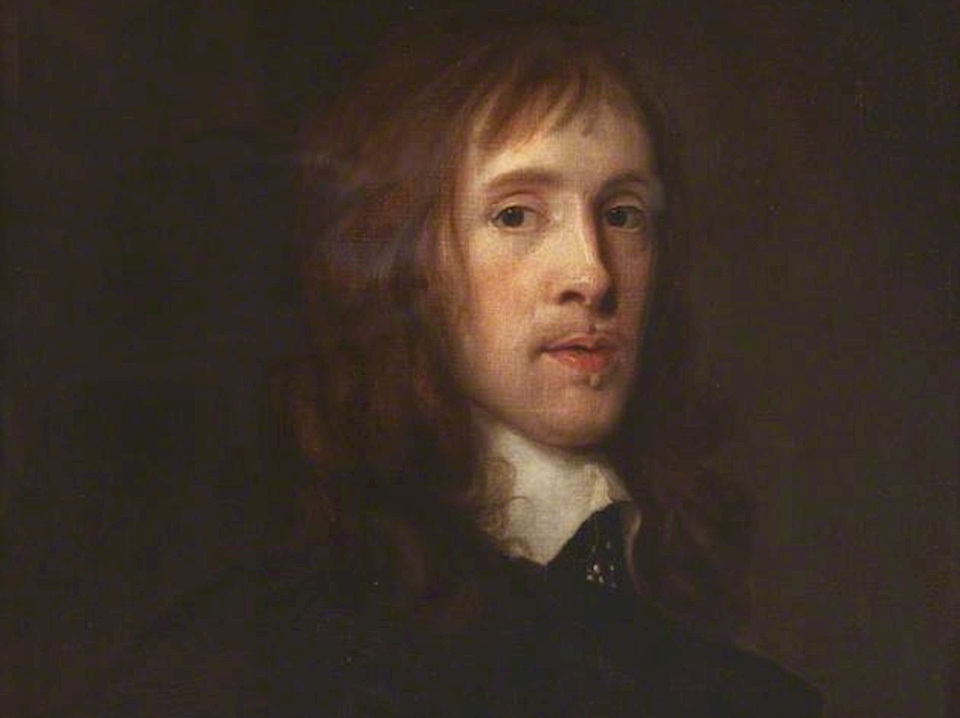
……who claimed to be Shakespeare’s illegitimate son (and whose own father, we know for certain, was very close to Shakespeare) stated that Southampton gave Shakespeare £1,000 (£500,000) for a ‘purchase’.
This would have enabled him to buy a share in Hunsdon’s new Lord Chamberlain’s Men (estimated at £25,000). The following year, Shakespeare, with Burbage….
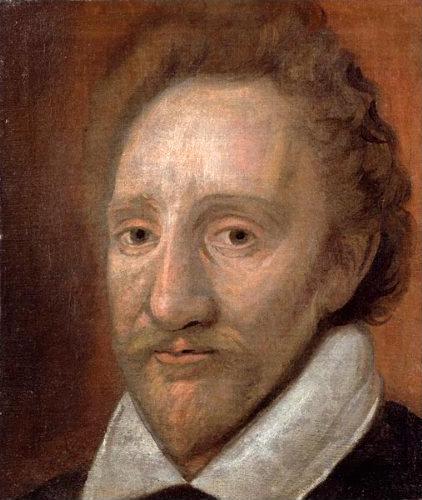
……..and Kemp…….
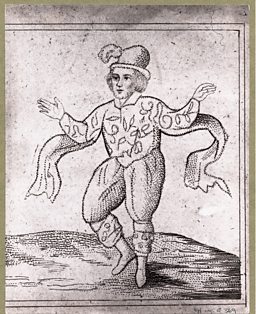
….went to the Court to collect payment for a Christmas entertainment.
Thomas Kyd’s parents, fearing his debts, refused to manage his literary estate. So Shakespeare, using Harry’s money, bought the rights to his plays.
The following year Locrine, a play which bears all the signs of Kyd’s authorship, was printed as ‘newly set forth, overseen and corrected by W.S.’
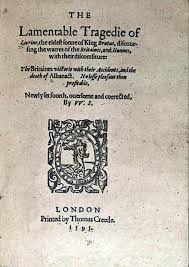
No mention of Kyd.
This behaviour outraged Ben Jonson……..
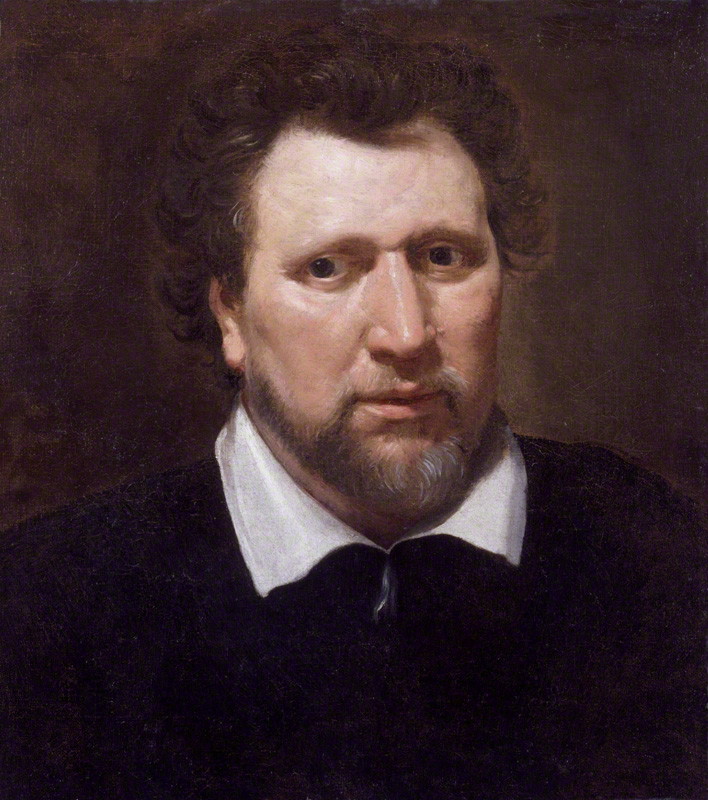
……..who thought that ‘the Poet Ape that would be thought our chief’ was a ‘thief’ who made ‘low shrift’ to ‘buy the reversion of old plays’ and make ‘each man’s wit his own’.
His worry is that future generations would think the re-written plays were Shakespeare’s own.
Jonson was right. Many people who watch Shakespeare today think he invented his own plots. Who reads Kyd? Or even knows about him? Shakespeare saw to that.
It was Shakespeare, though, who transformed these plays into masterpieces. He is like a Titian in verse, fleshing out Kyd’s cartoon characters into living, breathing people .
Kyd’s sense of structure, though, was sometimes superior to Shakespeare’s. In The Taming of a Shrew (set in Ancient Athens) the opening Sly scenes have a pay-off at the end: they do not mysteriously fade away as they do in Shakespeare’s Italian version.
In the 1603 Hamlet, nearer to Kyd’s original, there is a scene between Horatio and Gertrude which clarifies the Queen’s innocence and the better placing of the 1603 ‘To be or not to be’ soliloquy (‘aye, that’s the point’) is often adopted in modern productions.
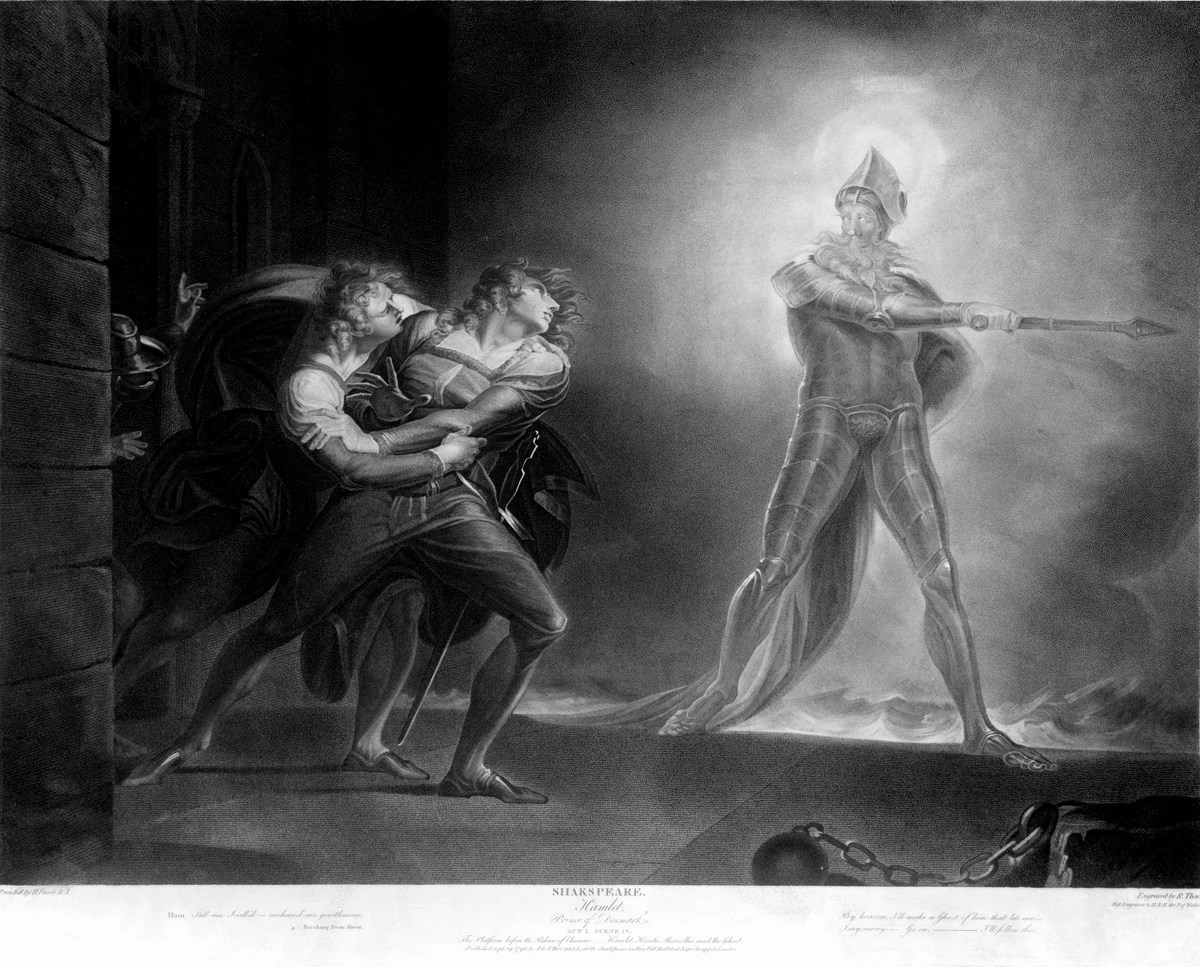
Sometimes Shakespeare literally loses the plot. Hamlet in the 1604 version talks about death as ‘the undiscovered country from whose bourn/No traveller returns’.
What about the ghost?
●
There is a local tradition at Titchfield that Romeo and Juliet was first performed there.
Harry’s grand-father, Lord Montague….
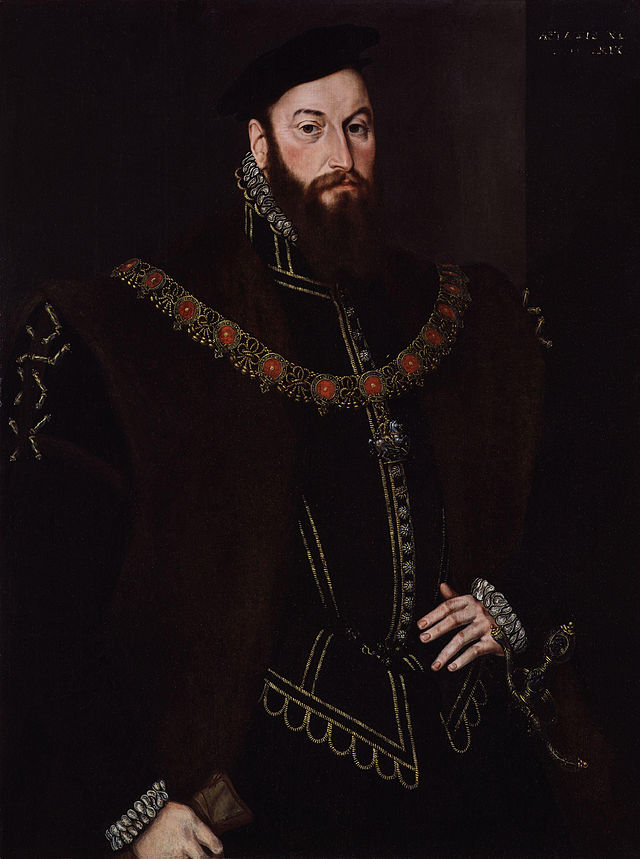
……was certainly aware of the feud between the Italian Montagues and Capulets.
In 1572 he had commissioned George Gascoigne….
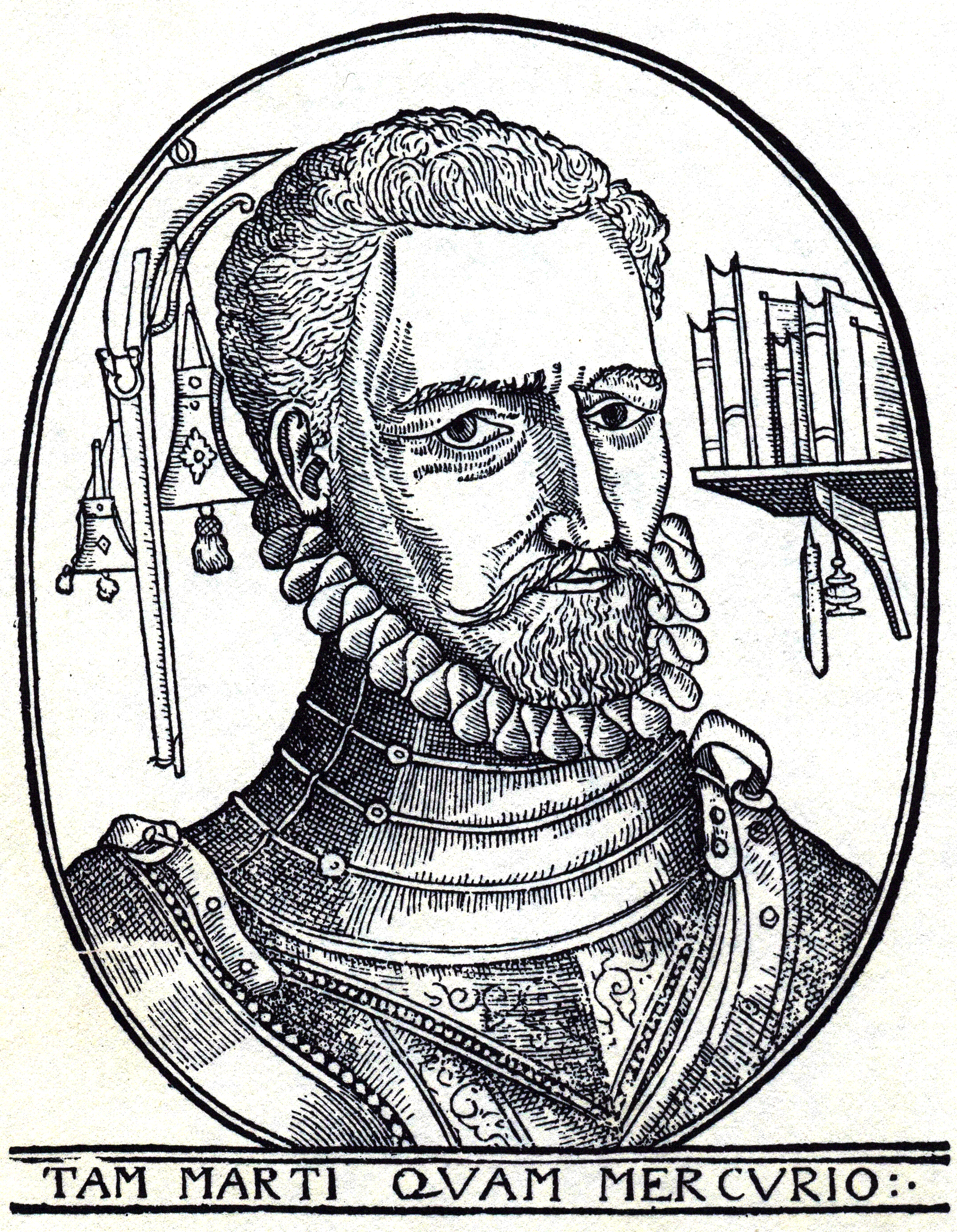
……..to write an entertainment on the subject for the double wedding of his son Antony, Mary Southampton’s twin brother, and his daughter Elizabeth.
At one point it was planned for all the guests to wear Venetian dress.
The tear stained Harry was still pursuing Aemelia: her weapon, like the dark-eyed Rosaline in Romeo and Juliet, was to play hard to get.
Harry, recently introduced to the Court, was expected to fall in love with the Queen as well.
But it was Elizabeth Vernon who caught his eye.
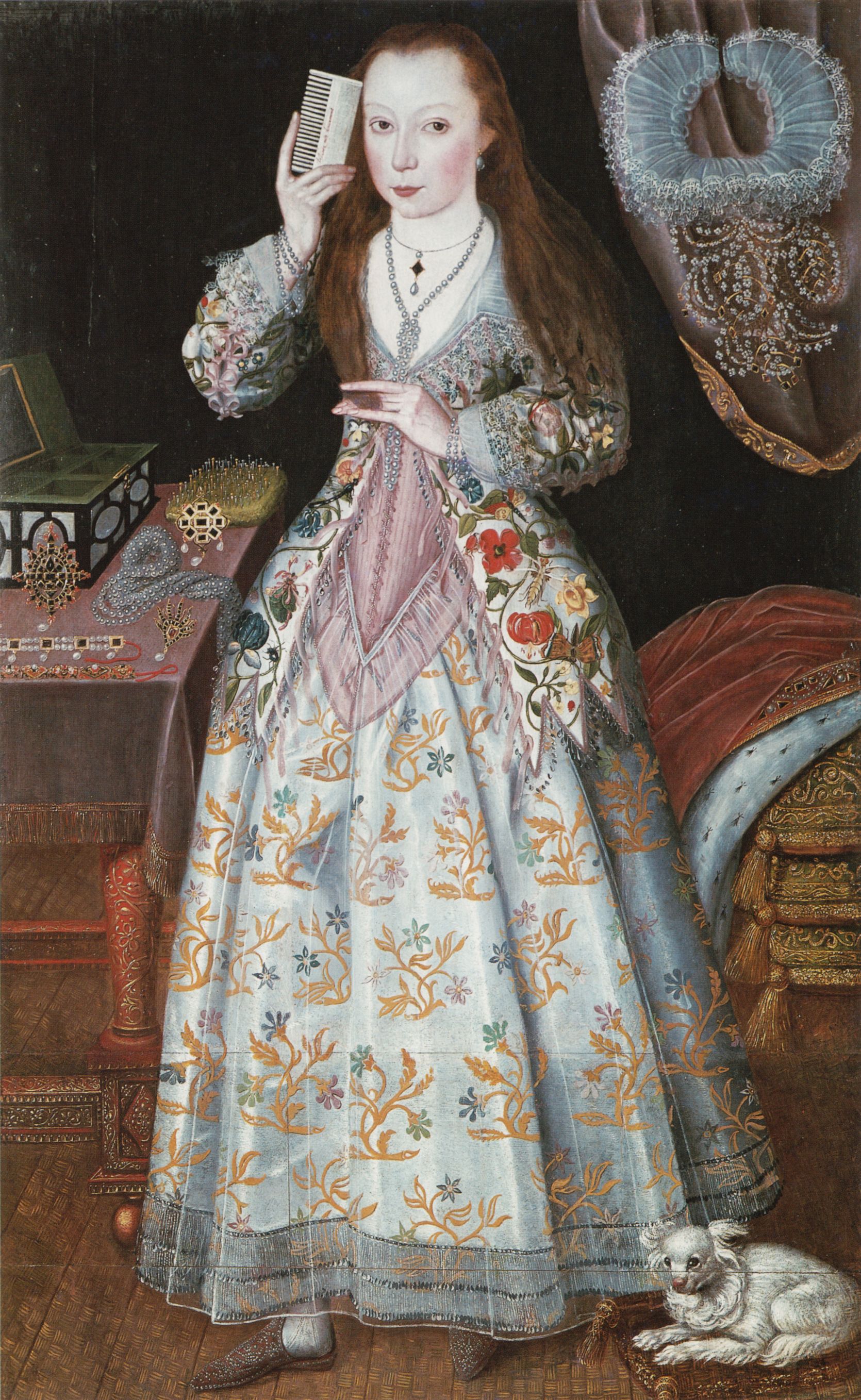
She was one of the Queen’s ladies-in-waiting and an impoverished cousin of Essex…..
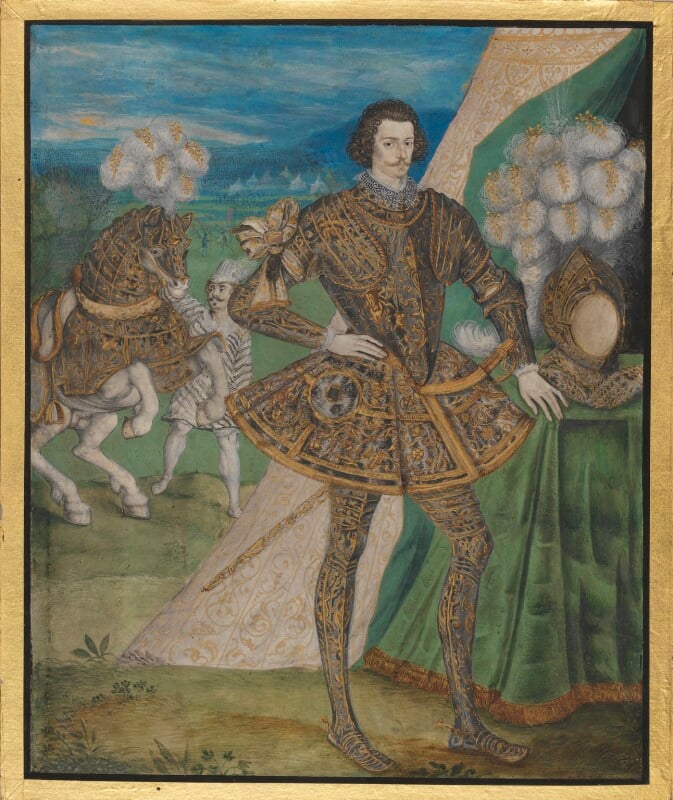
….. who had placed her in the court as part of his spy system. He approved of the match between Harry and his cousin, so commissioned Shakespeare, as Mary Southampton had done, to celebrate once more the attractions of heterosexual love.
Shakespeare was in two minds about the match. He knew that Harry should marry and have children as he himself had children. He also empathised with the character of Juliet. She was pursuing her love for Romeo in spite of the tyranny of her family as Elizabeth Vernon was pursuing her love for Harry in spite of the tyranny of Queen Elizabeth.
Shakespeare himself, though, was also pursuing his love for Harry: he did not want to lose his intimate friend. This dilemma finds voice in the charged jealousy of Mercutio, a part which Shakespeare said nearly ‘killed’ him to write.
The companion piece to Romeo and Juliet at Titchfield was Richard II, another play which needed to be kept well away from the Queen.
Samuel Daniel……
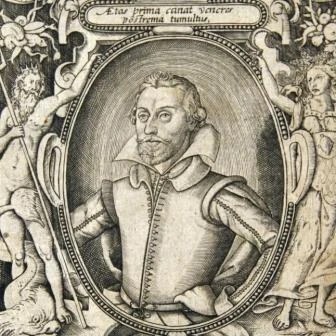
……supported by Lord Mountjoy when the Earl of Pembroke withdrew his money, published his verse history of King Richard II in 1595.
Shakespeare, who drew heavily on this work for his play, was commissioned again by Essex.
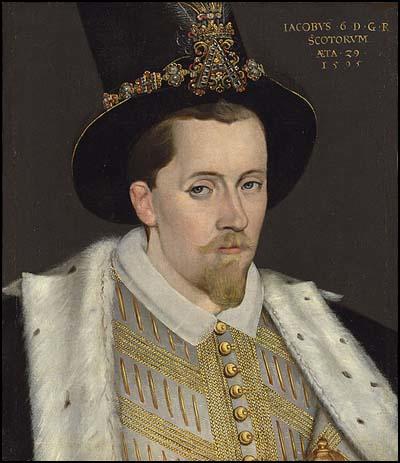
At this time Shakespeare, like Daniel, believed that a rebellion by Essex and Mountjoy would be powerful enough to eliminate their enemies at Court, force the Queen to call a parliament and ensure the Succession of King James.
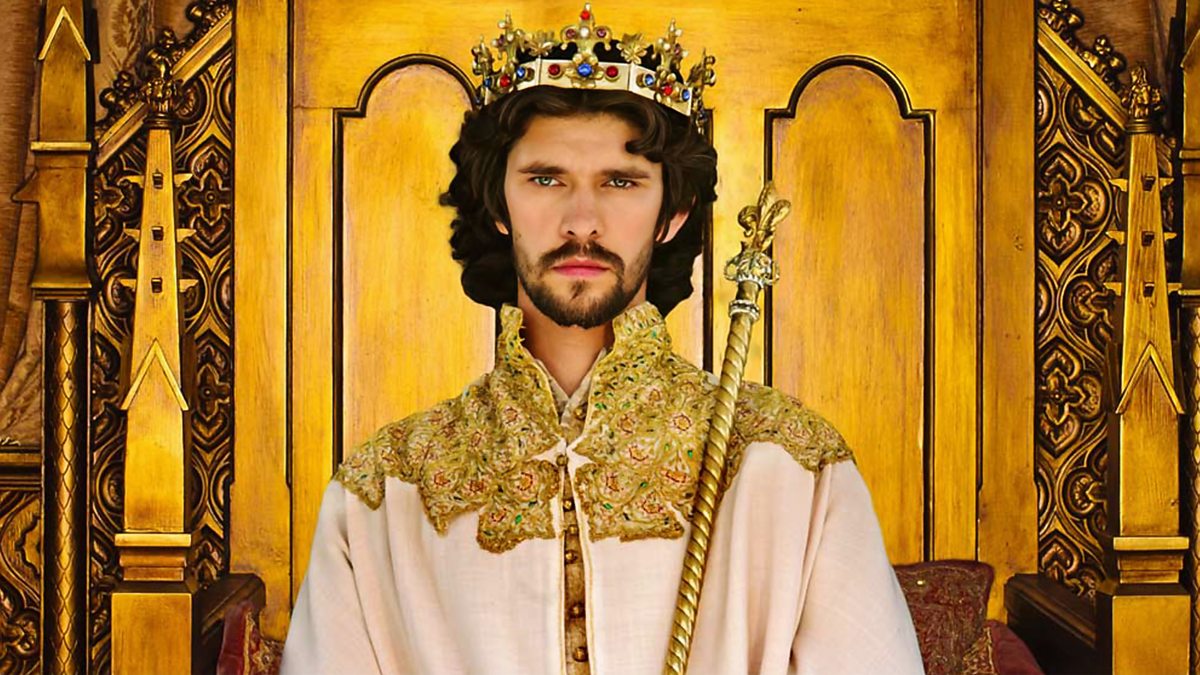
Richard II was a coded critique of Elizabeth.
It shows ‘the King’ vacillating, taxing his subjects to pay his favourites, robbing sons of their father’s inheritance, corrupted by flatterers, murdering his relatives, jealous of others’ success and loathing war with its ‘untun’d drums’ and ‘harsh-resounding trumpets’.
The dashing Essex identified with the dashing rebel Bolingbroke, who would doff his cap to oyster wenches and bend the knee to draymen, much to the delight of ‘The Ape’ and ‘The Fox’ who were setting Essex up for a fall.
At the end of the play, though, Shakespeare’s ‘underdog effect’ kicks in. A groom pities the deposed, now Christ-like King, whose head has been covered with ash.
And we pity him as well…..
●
Brothers and Sisters of The Shakespeare Code,
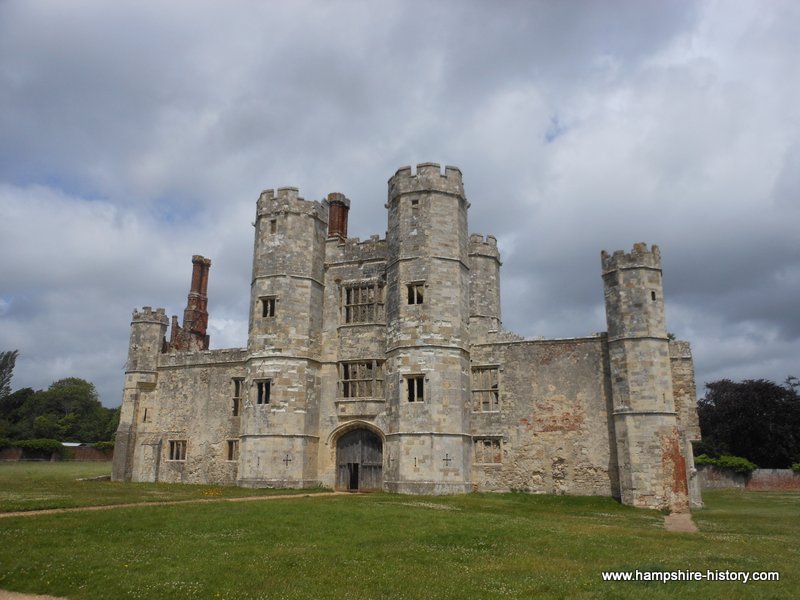
The whole of The Code has its roots in a trip by our Chief Agent, Stewart Trotter and his daughter Amy, to the ruins of Place House in Titchfield – the place, where local legend has it, Romeo and Juliet was first performed.
In the old days Historians used to sneer at anecdotal information.
Leopold von Ranke (1795-1886)…….
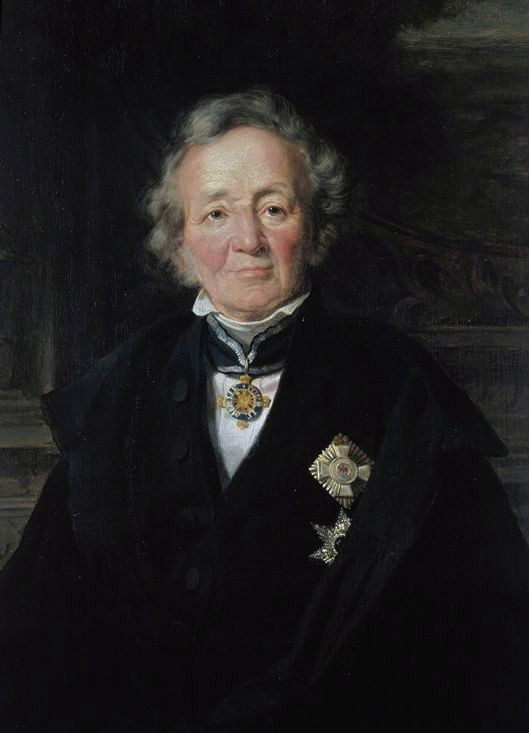
…..went so far as to say: ‘No documents – no history’.
Jeremy Isaacs changed all that with his T.V. series The World at War.….

It is still the most influential re-telling of the World War II story – and it is all anecdotal – interviews to camera. It is as though the camera itself validates the truth of what is being said.
Also if you are involved in secret meetings or rebellions, you don’t keep notes of events.
And if you do, you destroy them as soon as possible if events go against you. The Earl of Essex and his men spent two hours burning documents when his rebellion was seen to be failing.
That’s why our Chief Agent later devoted a Post to supporting the Vicar of Titchfield who, in 1934, claimed that Romeo and Juliet has first been performed at Titchfield.
When Romeo and Juliet first meet, in Act One Scene 5, Romeo woos Juliet – and Juliet reponds – in a perfect 14 line Shakespearean Sonnet – the very form Shakespeare used to woo the Dark Lady and the Lovely Boy….
The Code’s Chief Agent has arranged all of Shakespeare’s Sonnets in chronological order – and the book is available from Magic Flute publishing…
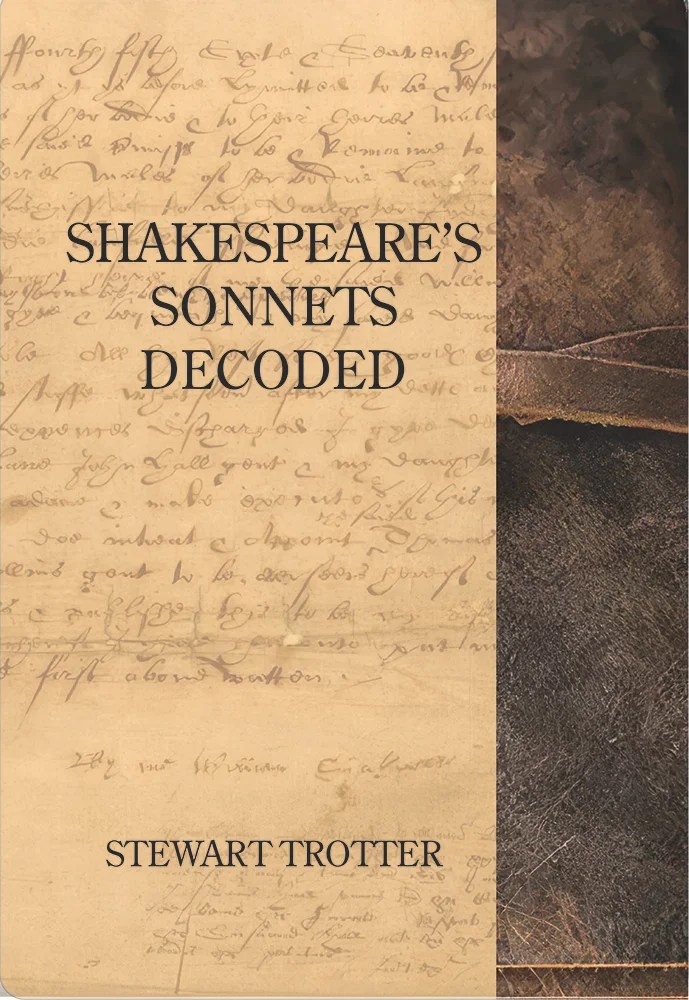
Shakespeare’s Sonnets Decoded – Magic Flute Publishing
So, God Willing, we’ll all meet up again next Tuesday 20th October for…
Enter Falstaff!
‘Bye, now!


Leave a Reply