An Extract from ‘The Book that Never Was….’
Mary Southampton decided to marry Thomas Heneage, a Protestant and old lover of the Queen.
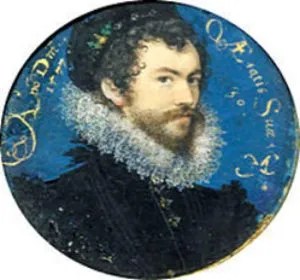
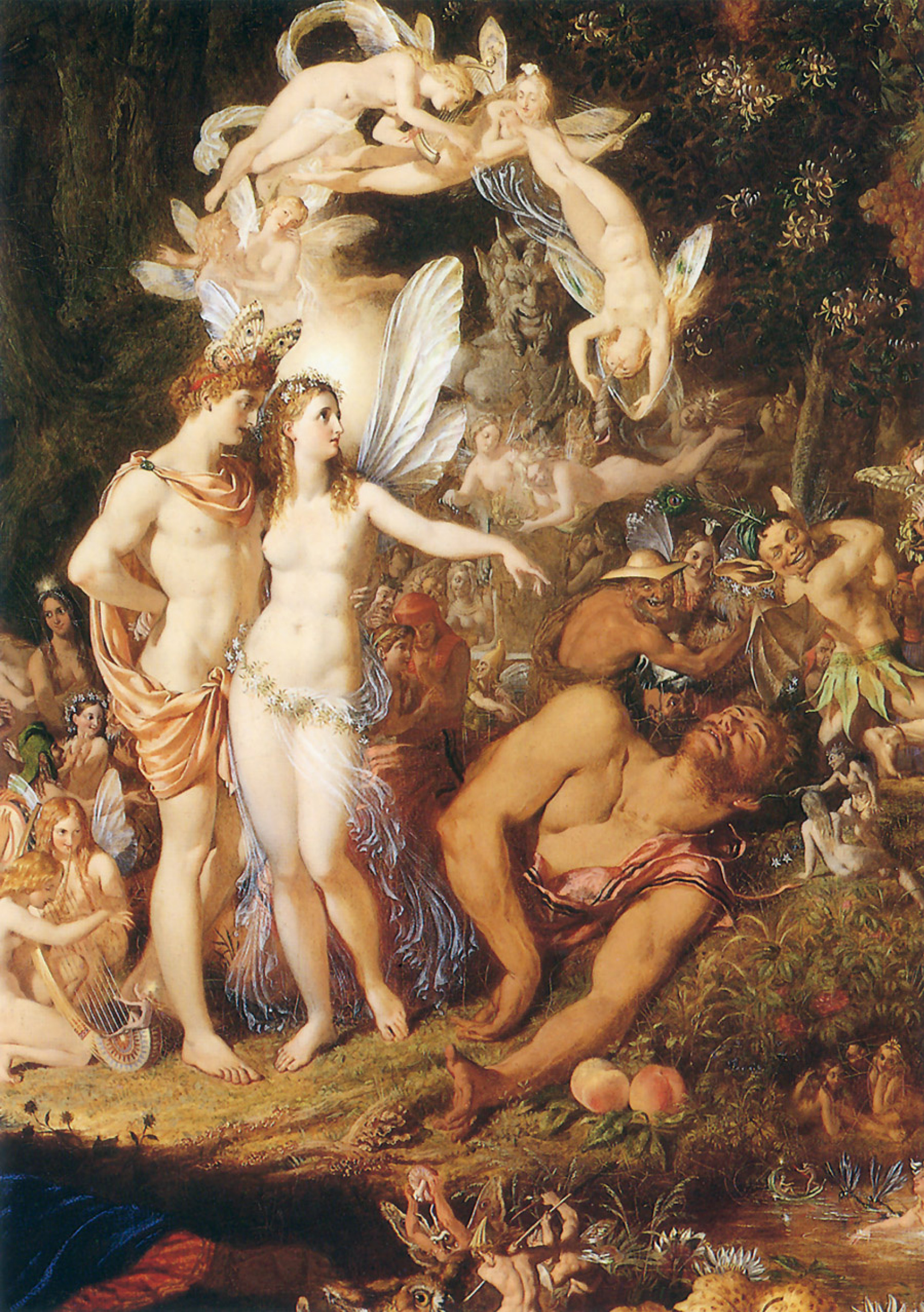
For the wedding she commissioned a play from Shakespeare who recycled his old King of the Fairies into A Midsummer Night’s Dream.
Code was essential. Half of the audience would have been pro-Mary Queen of Scots Catholics……..
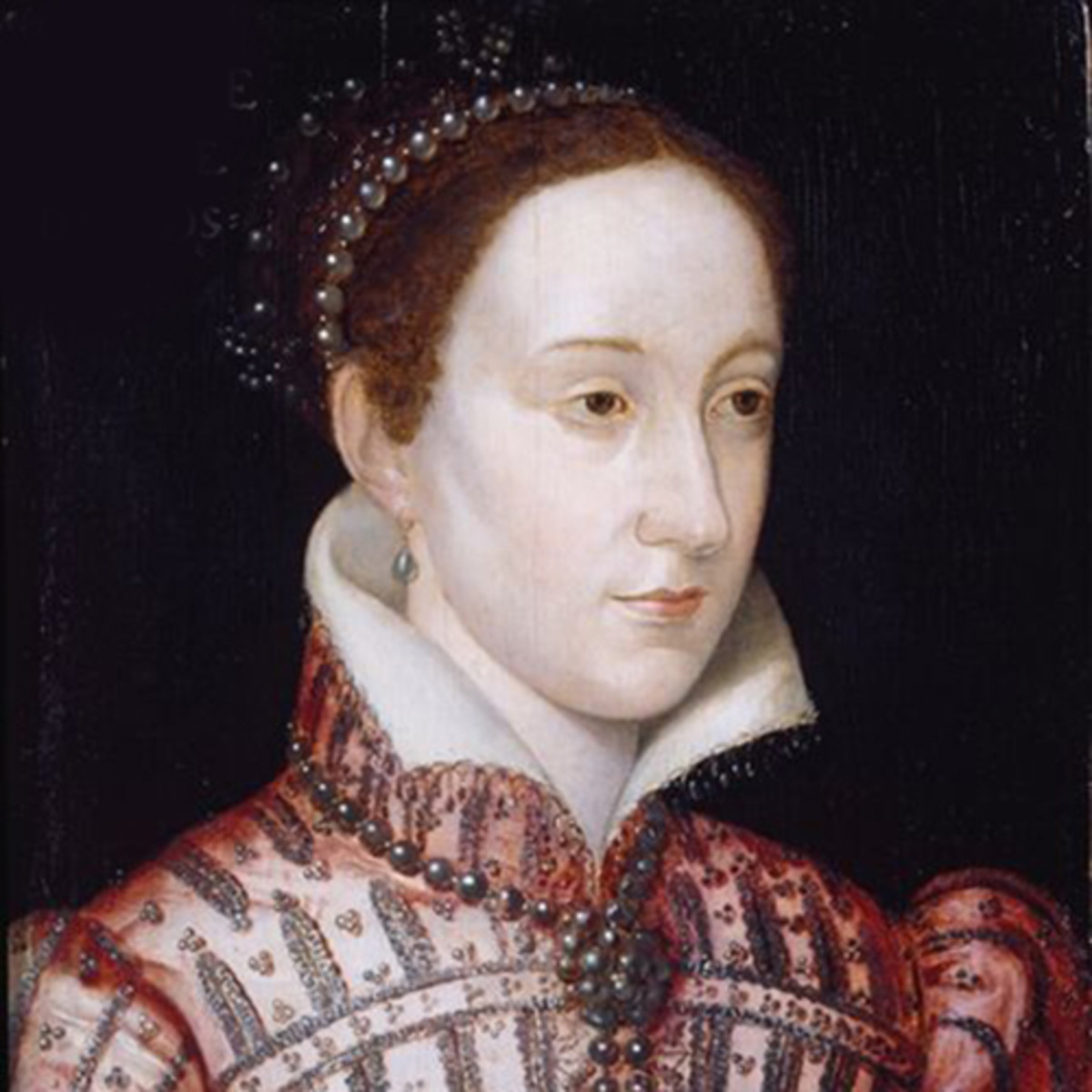
………and half pro-Queen Elizabeth Protestants.
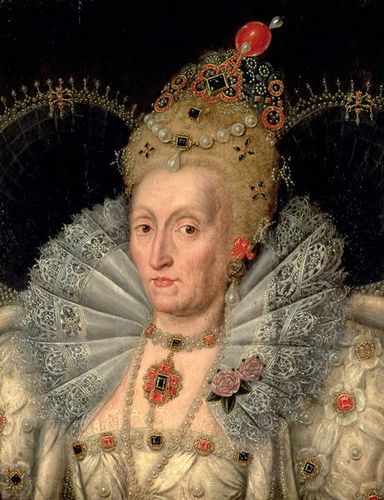
Shakespeare’s triumph in the play is to compliment both Mary and Elizabeth at the same time.
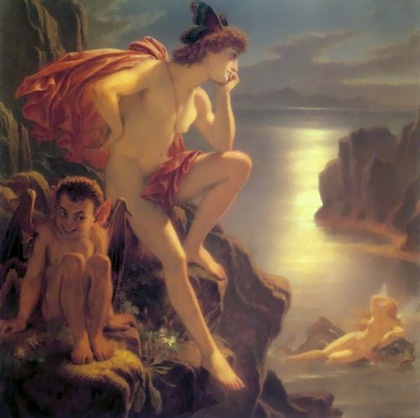
Oberon says to Puck:
‘Thou rememb’rest once I sat upon a promontory,
And heard a mermaid on a dolphin’s back
Uttering such dulcet and harmonious breath
That the rude sea grew civil at her song
And certain stars shot madly from their spheres
To hear the sea-maid’s music.’
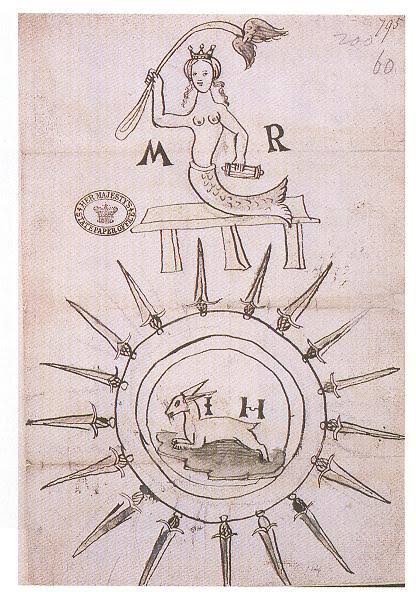
The mermaid was the personal symbol of Mary Queen of Scots.
In her 1566 will she left Bothwell a miniature figurine of a mermaid set in diamonds.
Arrested in Edinburgh, she had appeared, loose haired and bare-breasted, at the window of her cell.
Even the Puritan John Knox had acknowledged the woman’s power to ‘enchant’ him.
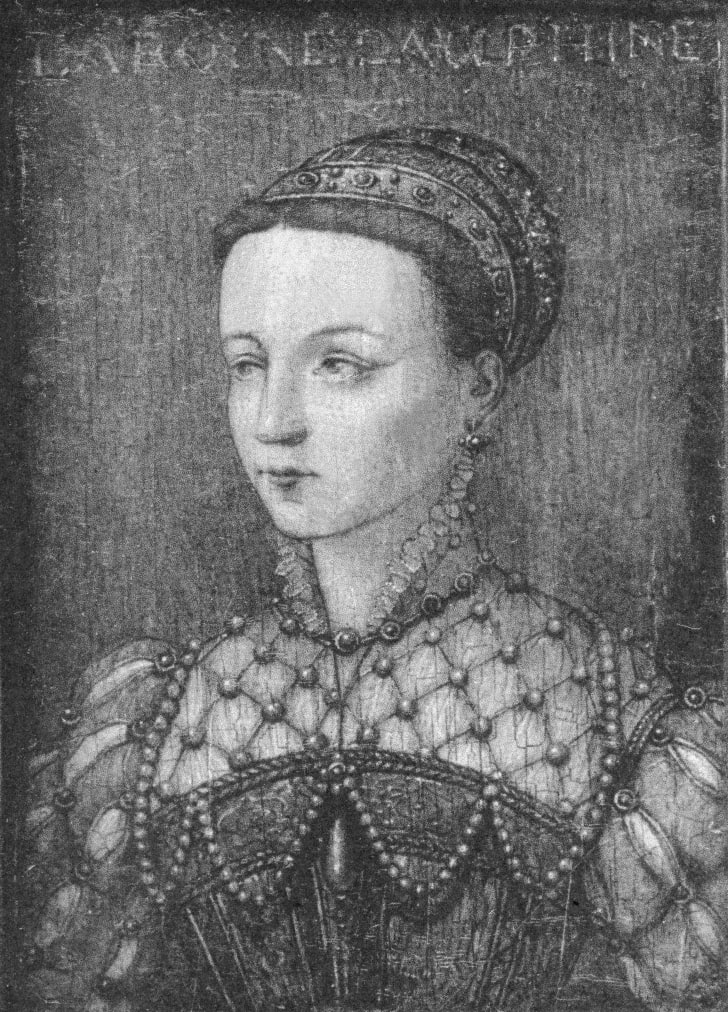
The ‘dolphin’ refers to the Dauphin, Mary’s French Catholic husband, Francis II.
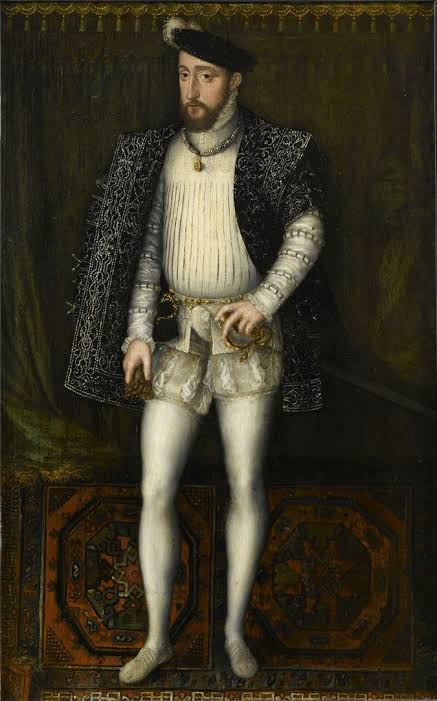
The ‘dulcet and harmonious breath’ refers to Mary’s ambition to unite England and Scotland……
‘The rude sea’ is the historic contention between the Scots and the English. and the ‘certain stars’ which ‘shot madly from their spheres’ were the Earls of Northumberland…..
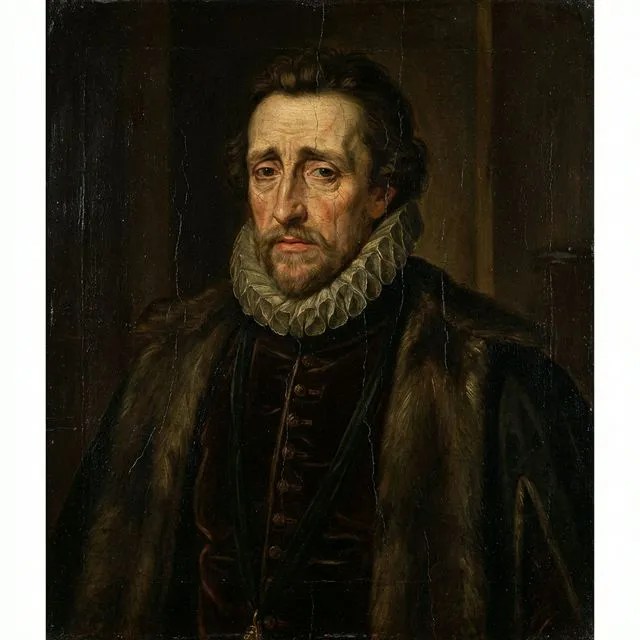
…. Westmoreland…..
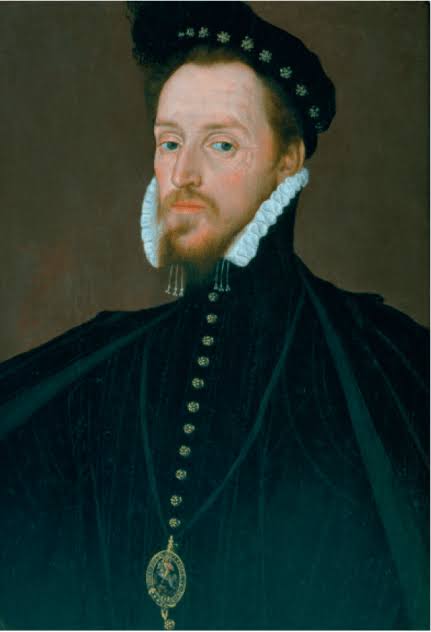
…..the 2nd Earl of Southampton…..
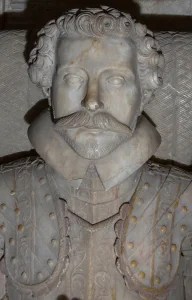
….. and Lord Montague.
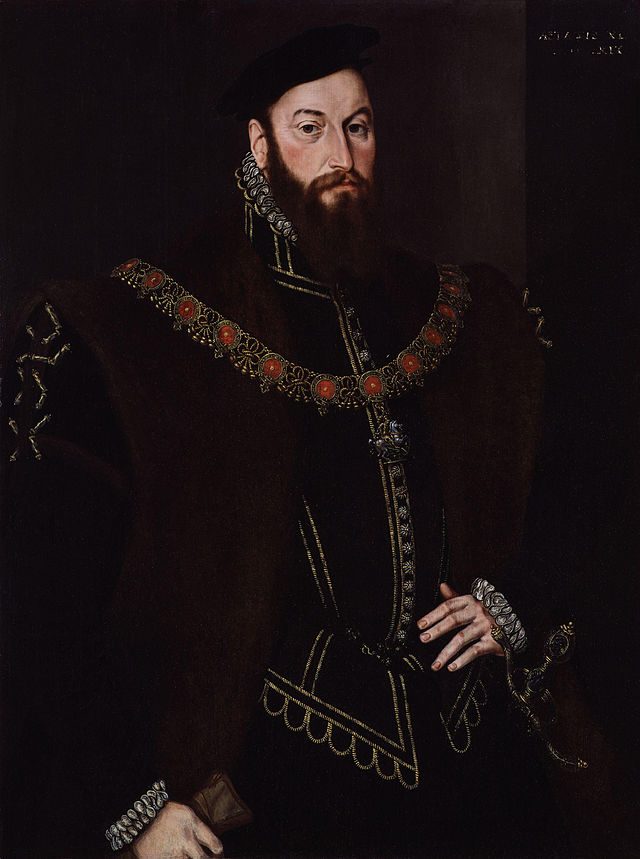
They had all taken part in the rebellion of the Northern Lords.
Shakespeare was to use similar imagery for rebellion in Henry IV Part One when the King urges the rebel Worcester to:
‘move in that obedient orb again
Where you did give a fair and natural light,
And be no more an exhal’d meteor,
A prodigy of fear, and a portent
Of broached mischief to the unborn times.’
In case this passage might seem too pro-Mary, Shakespeare shelters in the ambiguity of language: ‘madly’ could mean ‘ecstatically’ or ‘insanely’, depending on your religion.
Shakespeare immediately follows up with praise of Elizabeth:
‘…….a certain aim he [Cupid] took
At a fair vestal, throned by the west,
And loos’d his love-shaft smartly from his bow
As it should pierce a hundred thousand hearts.
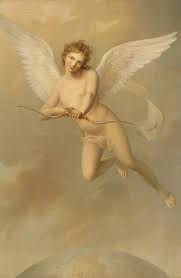
But I might see young Cupid’s fiery shaft
Quench’d in the chaste beams of the watery moon;
And the imperial votress passed on,
In maiden meditation, fancy free.’
Shakespeare was performing the balancing act of all time.
One of the central themes of the play, how far young people should follow the wishes of their parents in the choice of a partner and how far the dictates of their heart, was being acted out in the Southampton family itself.
Shakespeare pleads tolerance for Harry’s wishes not to wed…..
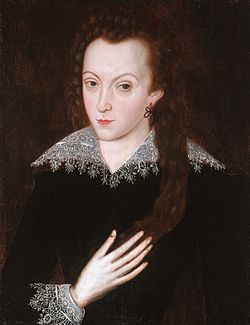
Theseus finally overrules Egeus’s demand that Hermia should wed Demetrius.
The major discord in the play comes from the fight between Oberon and Titania…..
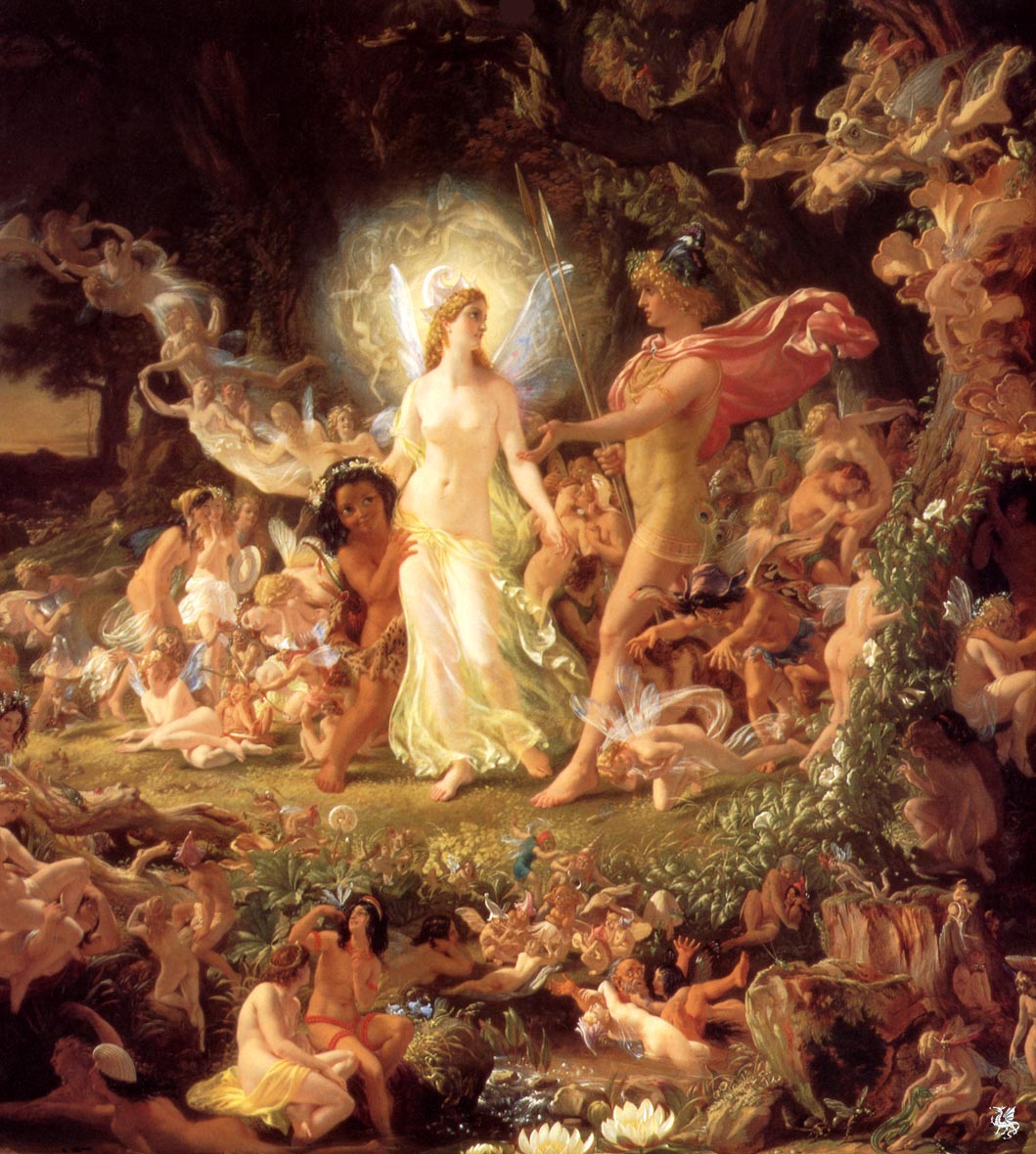
…… for possession of ‘the little changeling boy.’
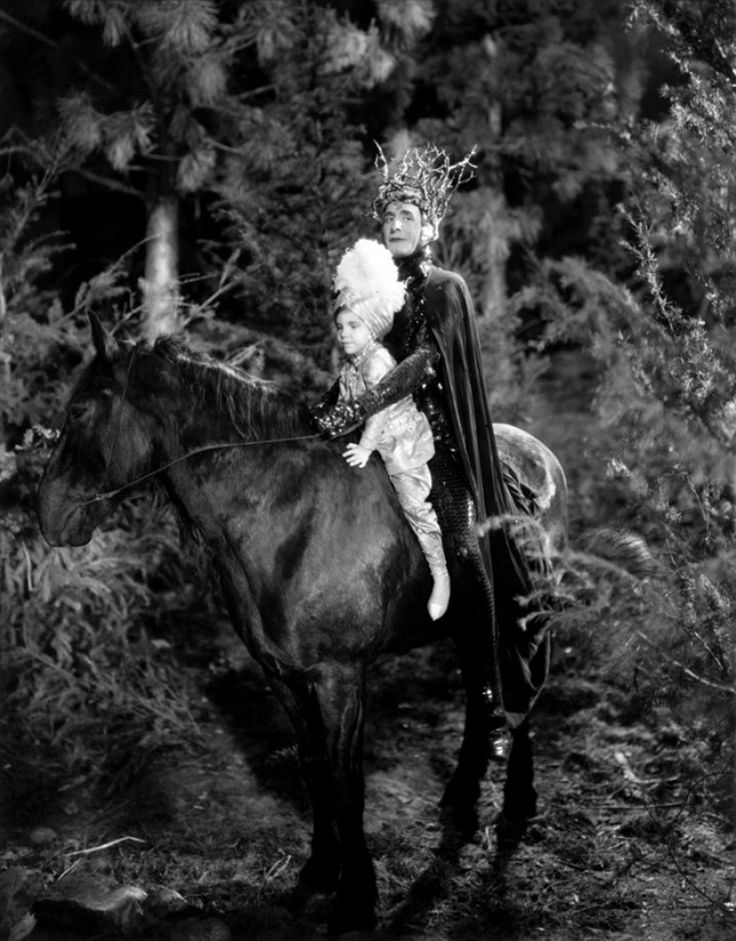
Shakespeare is referring, in code, to the fight between Mary Southampton and the 2nd Earl of Southampton over the possession of little Harry.
He shows, in the disturbance of nature, the spiritual repercussions on all concerned of such a bitter conflict. He uses the magic of his verse to heal this old family wound.
Titania and Oberon are finally reconciled: the old marriage is symbolically closed and the new one can begin.
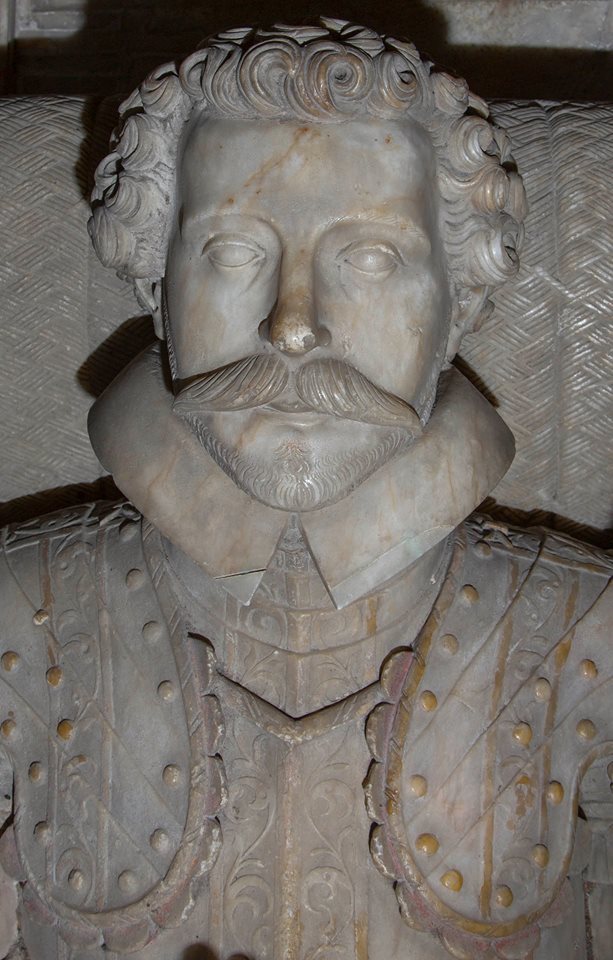
The Shakespeare’s magic finally worked. In her will the Countess of Southampton…….
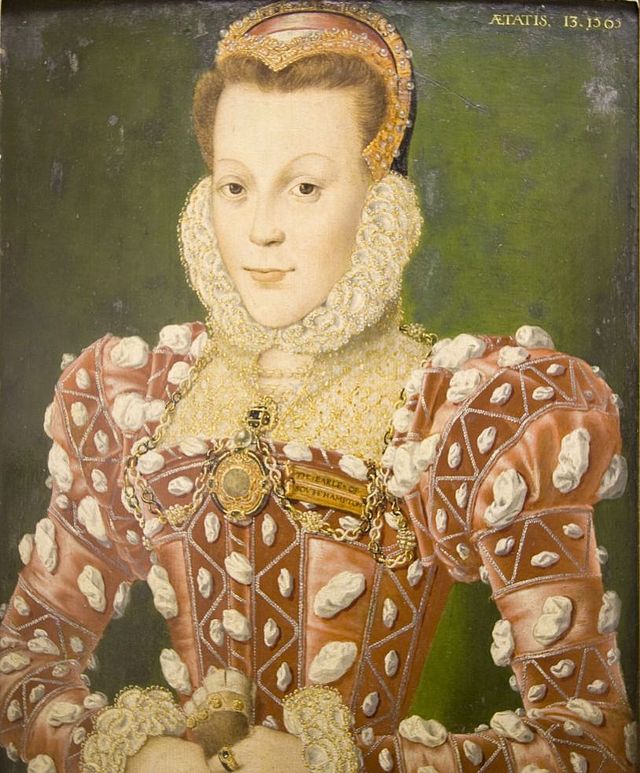
…..asked to be buried as close as possible to the body of the 2nd Earl of Southampton.
Catholicism has the last word in the play. The blessing of the house by the Fairies evokes the old, and by then forbidden, blessing of the bridal bed by the priest.
Kyd, who had suffered ‘bitter times and broken passions’, died just before the first performance of A Midsummer Night’s Dream. This did not stop Shakespeare from sending up The Spanish Tragedy.
When Titania says: ‘What angel wakes me from my flowery bed?’ it is a straight parody of Hieronimo’s line: ‘What outcry plucks me from my naked bed?’
Pyramus’s lament over the ‘dead’ Thisbe (‘Which is – no, no – which was the fairest dame’) would have ruined for ever Hieronimo’s lament over his dead son:
‘Alas it is Horatio my sweet son.
O no, but he that whilom was my son.’
The mechanicals’ entertainment, with its bloody napkin and inflated, alliterative language…..
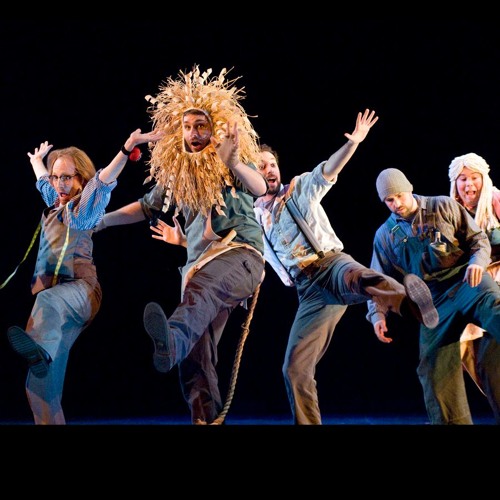
………mocks a play which was far more successful, far more performed and far more often printed than any play by Shakespeare in his lifetime.
Shakespeare himself was to be mocked a few weeks later with the publication of Willobie his Avisa. Henry Willobie, as we have seen, had an intimate knowledge of Shakespeare’s life and work.
He believes that the tongues of men are ‘tipped with poison’ while women have ‘wisdom in the living Lord’.
This was a strange attitude for a Tudor man. In fact ‘Henry Willobie’ was not a man at all. He was Aemelia Bassano, now Aemelia Lanyer. Later she was to write, under her own married name, a book of verse which preached the same moral.
‘Men are ‘vipers’, women are ‘angels’.
She warns of the sort of vices she intends to attack:
‘Our English soil to Sodom’s sink
Excessive sin transformed of late
Of foul deceit the loathsome link
Hath worn all faith clean out of date,
The greatest sins ‘mongst greatest sort,
Are counted now but for a sport.’
She adds:
‘Idleness is the mother of all foolish wantonness…David being idle fell to strange lust…Noblemen, gentlemen and captains by idleness fall into all kind of vices.’
Casting herself as the chaste ‘Avisa’ she re-runs her affairs with Hunsdon, Shakespeare and Southampton. This time round she gives in to none of them.
The ‘Old Lord’ (Hunsdon)……
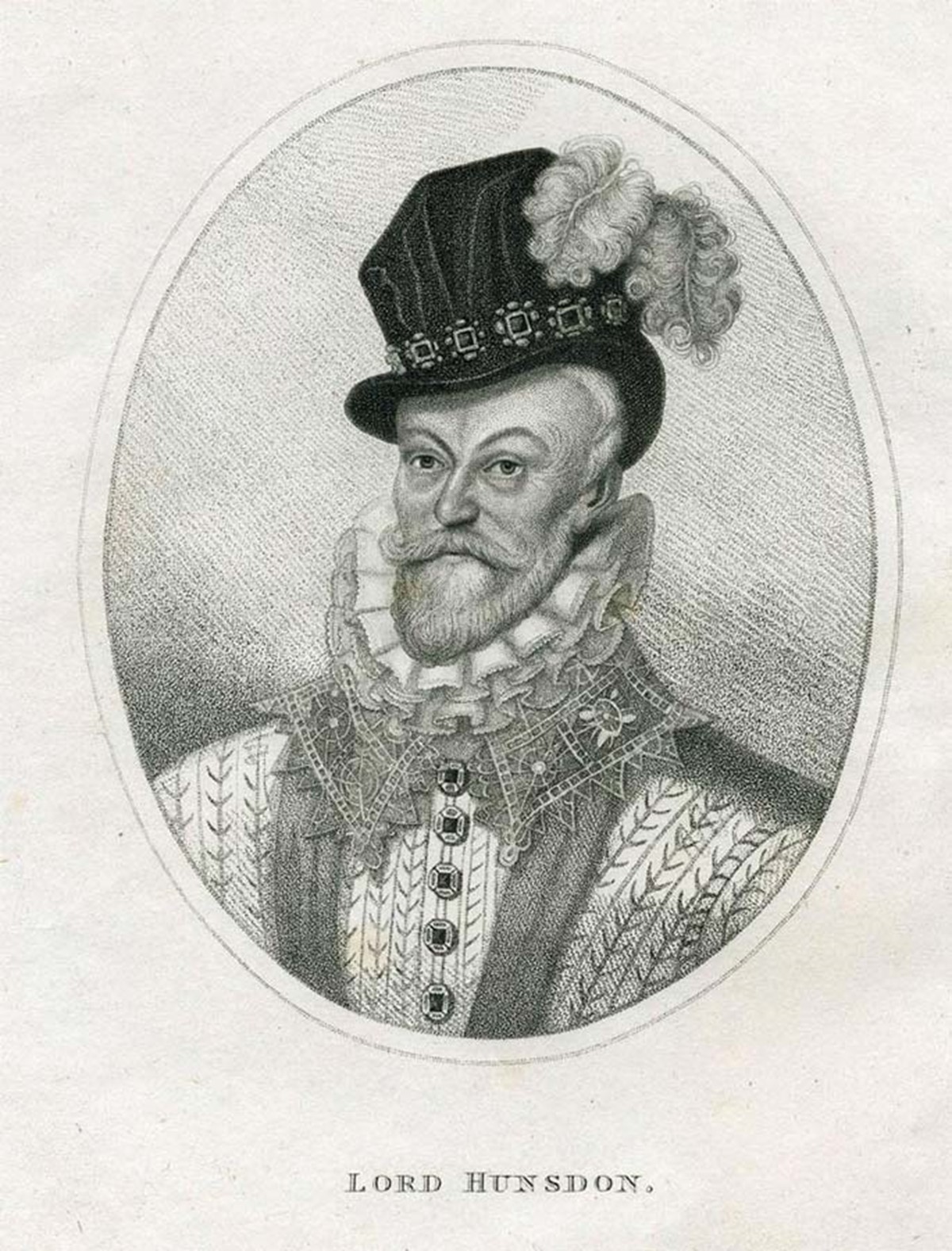
……. offers her ‘forty angels’ for her services. Armed with her newly-acquired Christianity, she has the power to re-buff him.
Shakespeare and Nashe had written their versions of the love-triangle: now Aemelia/Avisa writes hers:
‘H.W.’ being suddenly infected with the contagion of a fantastical fit at the first sight of A, pyneth a while in secret grief, at length not able any longer to endure the burning heat of so fervent a humour, bewrayeth the secrecy of his disease unto his familiar friend W. S. who not long before had tried the courtesy of the like passion, and was now newly recovered of the like infection: yet finding his friend let blood in the same vain, he took pleasure for a time to see him bleed, and instead of stopping the issue he enlargeth the wound, with the sharp razor of a willing conceit, persuading him that he thought it a matter very easy to be compassed, and no doubt with pain, diligence and some cost in time to be obtained.
Thus this miserable comforter comforting his friend with an impossibility, either for that he would secretly laugh at his friend’s folly, that had given occasion not long before unto others to laugh at his own, or because he would see whether another could play his part better than himself, and in viewing afar off the course of this loving comedy, he determined to see whether it would sort to a happier end for this new actor, [newly heterosexual] than it did for the old player…’
Shakespeare, in Sonnet 139, had begged Aemelia not to ‘glance [her] eye aside’ when they were together.
Now Aemelia/Avisa explains why she rolls away her eyes from young Harry as well:
‘If I do sometimes look awry
As loathe to see your blobbered face
And loathe to hear a young man cry
Correct for shame this childish race
And though you weep and wail to me,
Yet let not all these follies see.’
Harry, according to Aemelia/Avisa, goes home, throws himself on his bed, refuses to eat and goes nearly mad with love.’ Yet after a long space of absence, [his trip to Europe] having procured some respite from his sorrows, he takes his pen and wrote as followeth….’
‘I saw your gardens passing fine
With pleasant flowers lately decked
With cowslips and with eglantine
When woeful woodbine lies reject’
Cowslips, woodbine and eglantine are direct quotes from A Midsummer Night’s Dream. Aemelia must have played Titania to Shakespeare’s Oberon.
●
Trixie the Cat says….
Brothers and Sisters of The Shakespeare Code….
Stewart was to write much more about Roman Catholicism in A Midsummer Night’s Dream……
See: https://theshakespearecode.blog/a-midsummer-nights-dream-decoded/
……and also about its ‘Code’
He went on to establish Aemilia Lanyer’s authorship of Willobie his Avisa in a series of Posts beginning with…..
Shakespeare writes in detail about the love triangle between himself, Aemilia and Harry Southampton in his Sonnets.
Stewart ‘Decodes’ them by putting them in chronological order, ‘translates’ and explains them, in his new book….
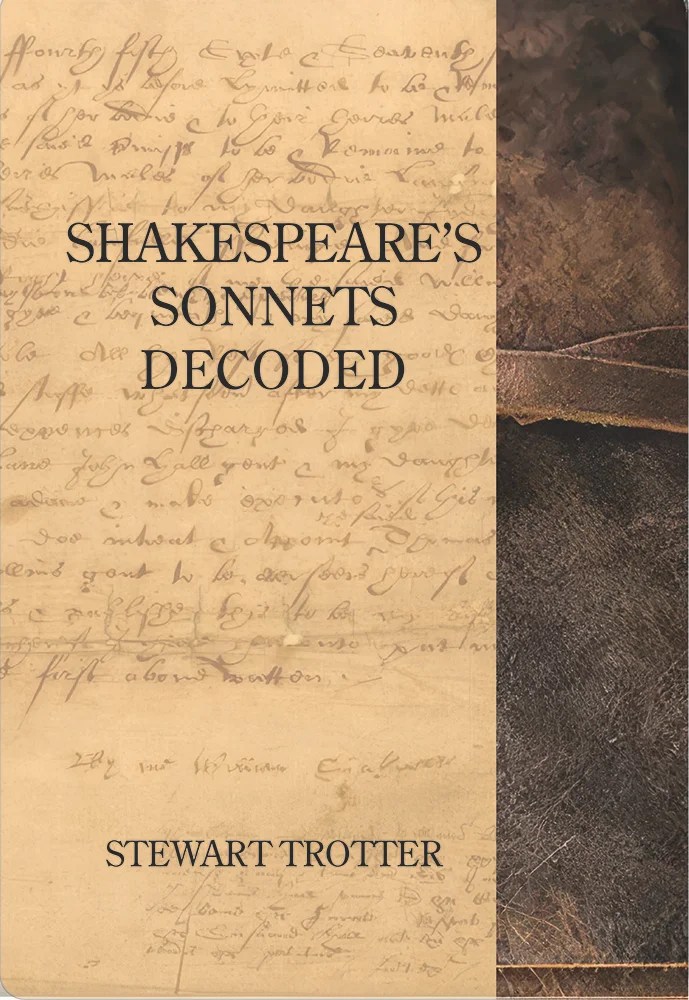
Shakespeare’s Sonnets Decoded – Magic Flute Publishing
God willing, we’ll meet up again next Tuesday 13th October for Episode 12 –
In the Money!
‘Bye, now!


Having read The Private Life of the Virgin Queen by Comyns Beaumont I am now convinced that Francis Bacon wrote the plays attributed to William Shakespeare as he was forbidden to reveal his true identity as a royal prince upon pain of death by his mother Queen Elizabeth 1st who wanted to keep her reputation as the virgin queen intact so that suitors would continue to seek her hand in pursuit of an alliance, despite already being married to Leicester, so Bacon paid his friends to use their names to publish, but unfortunately when Marlowe was murdered in a pub brawl he had to find a new name to publish under. This would also explain the intimate knowledge of life at a royal court and foreign lands.
From one Cat to another Cat!
Dear Cat, Many people in the past thought that Francis Bacon was the real author Shakespeare’s plays – but here at The Shakespeare Code we believe that Shakespeare wrote Shakespeare – often in collaboration, especially with Thomas Nashe. Our evidence for this is mainly the Sonnets which Stewart has put into chronological order in his new book. There is a lot of evidence that Shakespeare had a love relationship with the Third Earl of Southampton, and in one of the Sonnets he actually writes ‘My name is Will’. We think that with the advance of AI more will be revealed about who wrote what.
All the best to,
Trixie the Cat.