An Extract from ‘The Book that Never Was’…
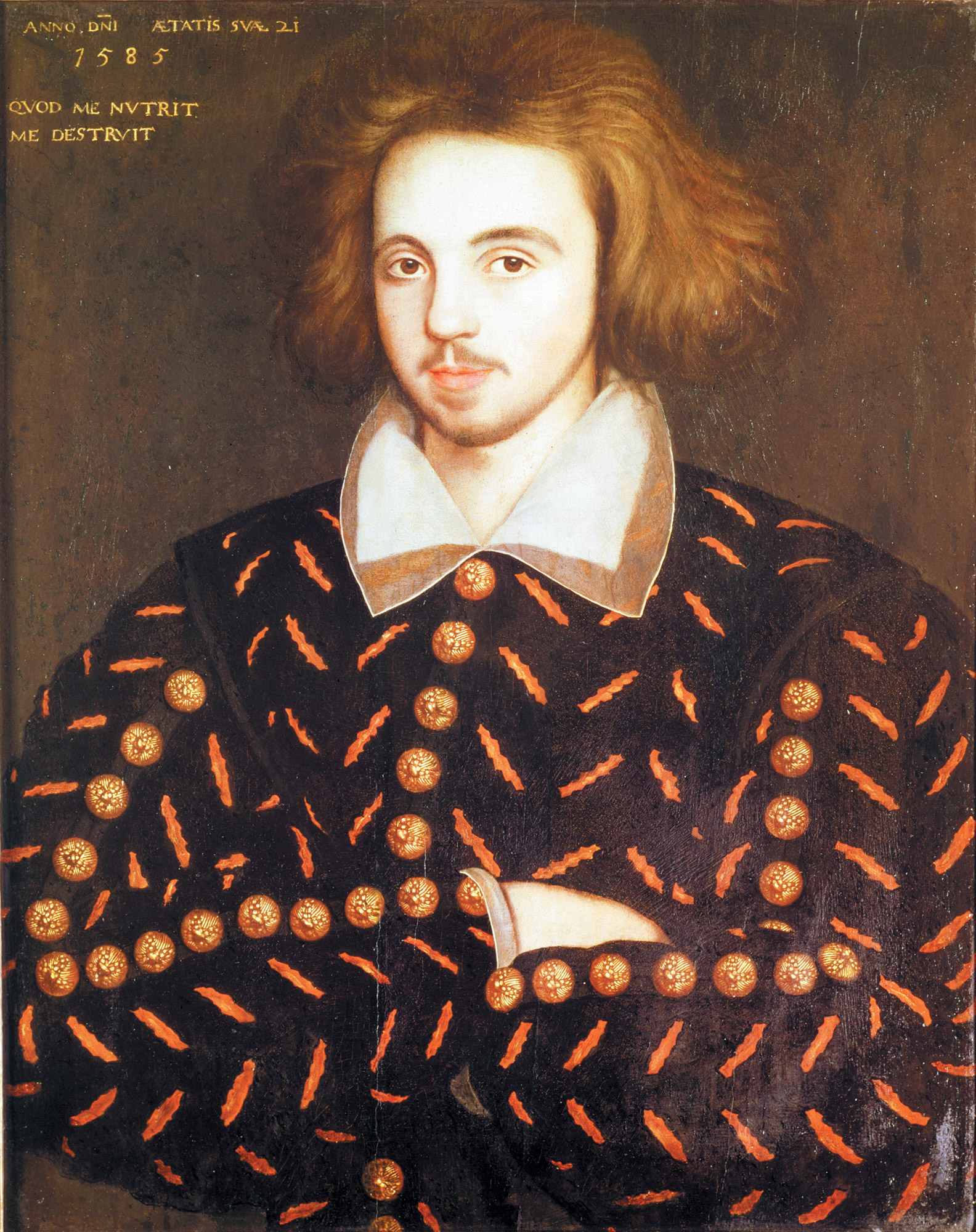
On his return from Europe, in the summer of 1593, Shakespeare found Marlowe had been killed in a tavern brawl and Kyd racked and imprisoned. ‘Atheistical Papers’ had been found in the chambers the two men shared. Kyd claimed they were Marlowe’s.
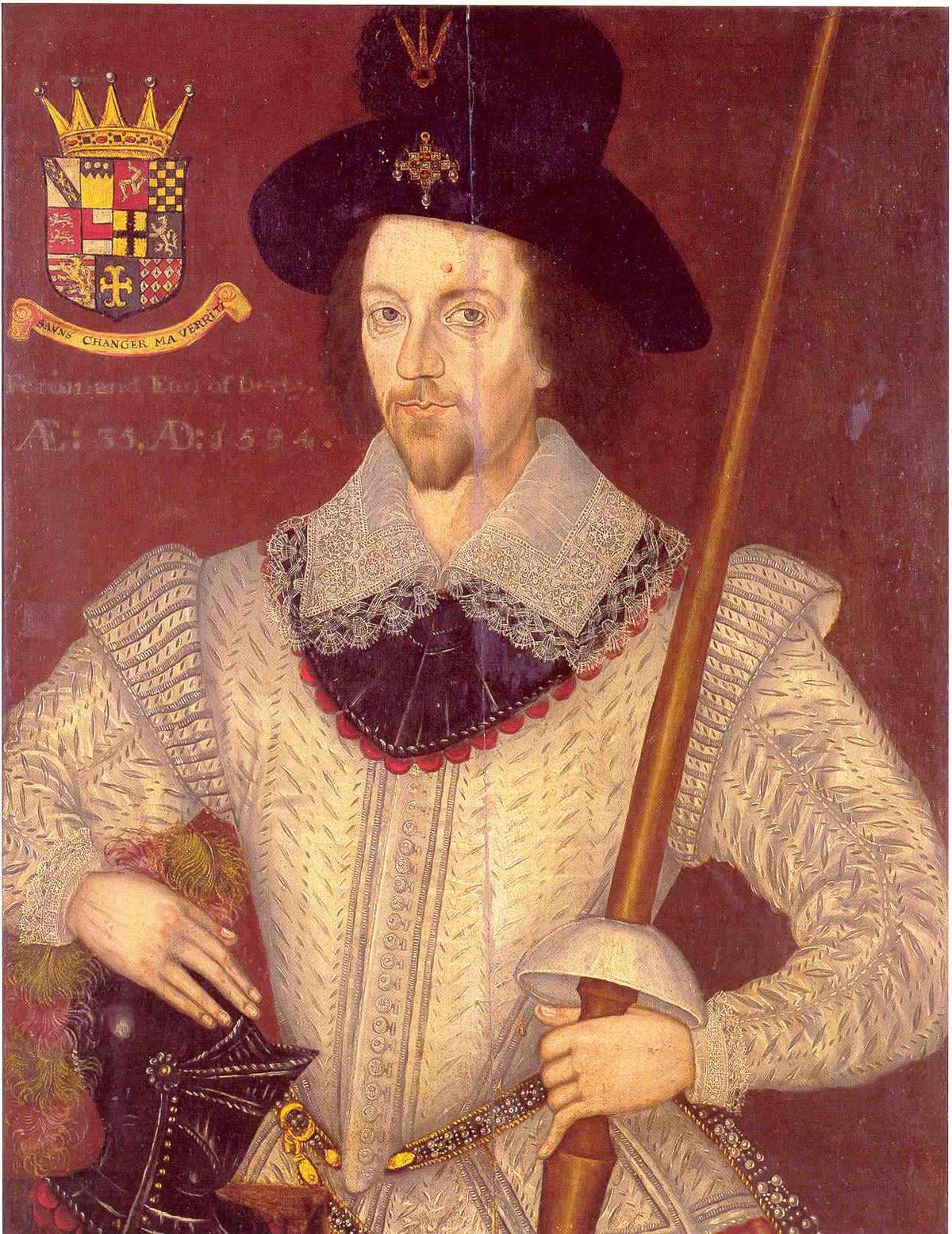
Lord Strange immediately dropped Kyd……
…….but the Countess of Pembroke came to his aid.
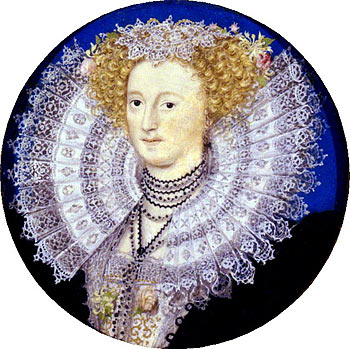
She staged his The Taming of a Shrew, commissioned a translation from him of a Garnier play (Cornélie) and ‘set’ her son William Herbert (codename ‘W. Har’)……
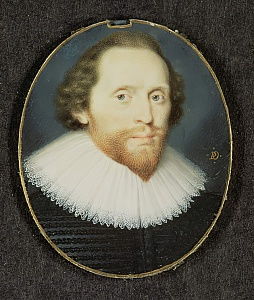
…….to write a verse invitation to Shakespeare and Kyd to collaborate at Wilton:
‘You that have writ of chaste Lucretia,
Whose death was witness of her spotless life,
Or penn’d the praise of sad Cornelia,
Whose blameless name hath made her fame so rife,
As noble Pompey’s most renowned wife:
Hither unto your home direct your eyes,
Whereas, unthought on, much more matter lies.’
Shakespeare, who had worshipped Marlowe, would have nothing further to do with Kyd.
In fact, he set out to destroy him.
Ignoring the Pembroke invitation, Shakespeare approached his old patron Strange with two new plays.
In Rome Shakespeare had come across the Titus Andronicus story. Nashe had finished with Shakespeare, for the moment at least, claiming that a ‘noverint’, with a starched ruff and new-spaded beard, was making money out of his ideas.
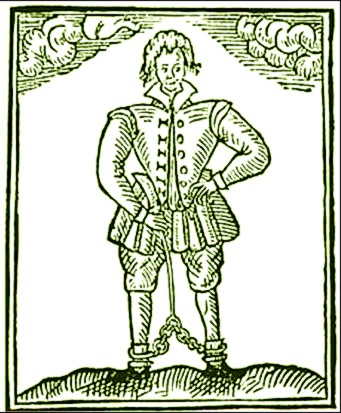
The syphilitic George Peele, however, needed the Southampton money. Playing on the Dark Lady’s name (Aemelia was back on the scene ‘with bed-vow [marriage vow] broke and new faith [Christianity] torn’) Shakespeare and Peele invented one character called ‘Aemelius’ and another called ‘Bassianus’.
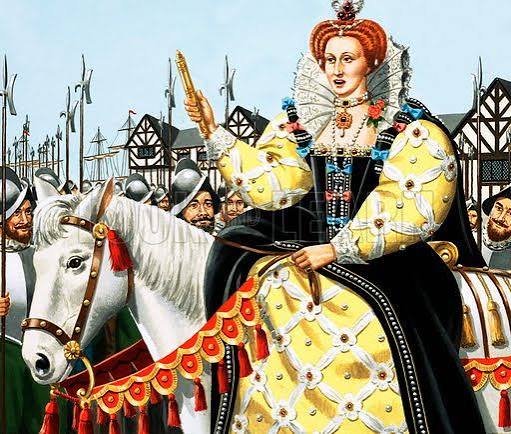
They turned the Roman story into a political attack on Elizabeth as Tamora, Queen of the Goths, who, like Queen Elizabeth, rides a white horse…….
…….and cuts off people’s hands…….
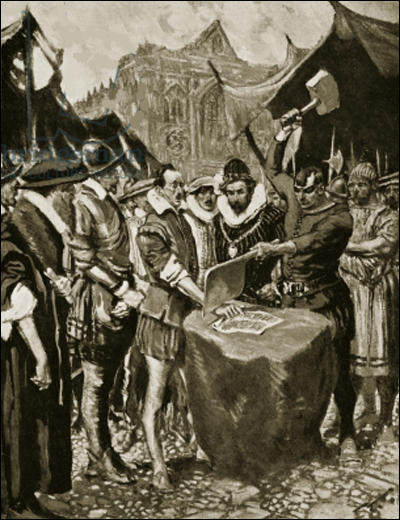
[John Stubbs was the Elizabethan pamphleteer whose right hand Queen Elizabeth I ordered to be cut off in 1579]
The play, with its human pies, also satirises Kyd’s grand guignol. The play has a black villain with a Jewish name – Aaron.
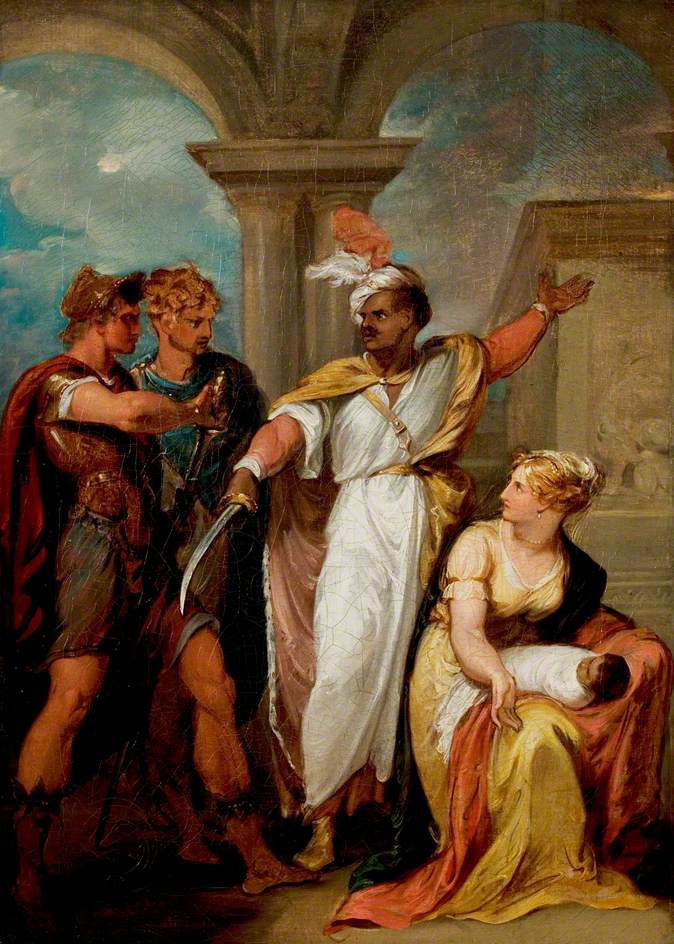
Shakespeare was no longer believed that black was beautiful.
Shakespeare and Peele returned to English history with Edward III in which Shakespeare flatters Lord Strange again (now Lord Derby) by writing about another ancestor. It includes a grudging dark-skinned part for Aemelia (‘Thy mother is but black, and thou, like her, / Dost put it in my mind how foul she is.’).
The play explores a theme that was to obsess Shakespeare, possibly because of Southampton’s promiscuous behaviour in Italy: the corrupt use of power to exploit social inferiors sexually.
King Edward is attracted to the married Countess of Salisbury and even enlists the support of her father in the proposed seduction. The Earl of Warwick’s speech to the Countess, though, is another version of the ‘Those that have power to hurt’ Sonnet:
‘An evil deed, done by authority,
Is sin and subornation: deck an ape
In tissue, and the beauty of the robe
Adds but the greater scorn unto the beast.’
This warning even ends with the same line as the sonnet: ‘Lilies that fester smell far worse than weeds’. It is only when Edward acknowledges, and rejects, his moral depravity that he can gain glory in the field of battle.
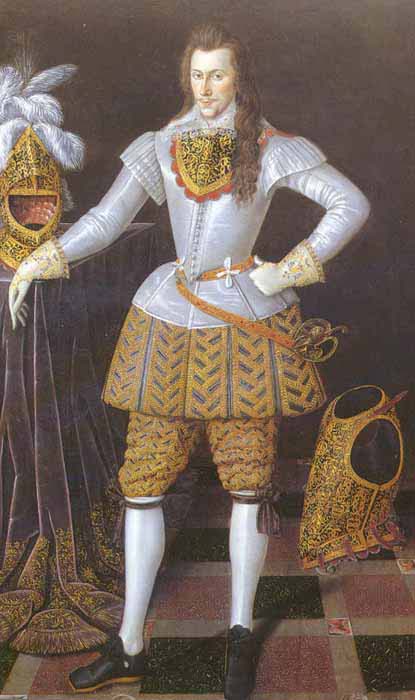
Shakespeare is again warning the Earl of Southampton that he will achieve nothing of significance, politically or militarily, if he abuses his aristocratic position.
●
Shifting relationships, and mortalities, in aristocratic circles now profoundly influenced Shakespeare’s career. Essex, towards the end of 1593, was continually ‘ranging abroad’ from Court to be with his friends in Hampshire.
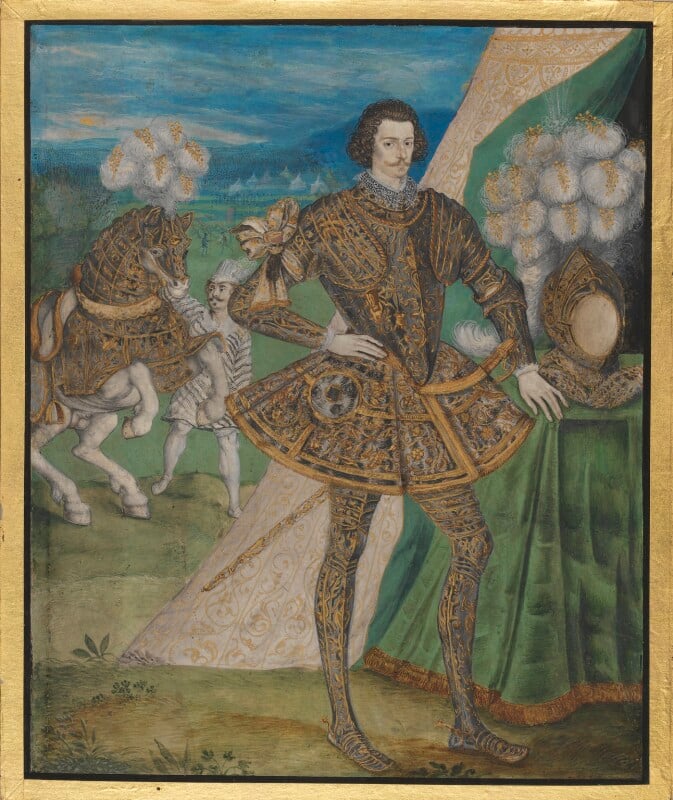
Shakespeare was drawn more and more into the Essex entourage – to the fury of the Earl of Derby who loathed Essex.
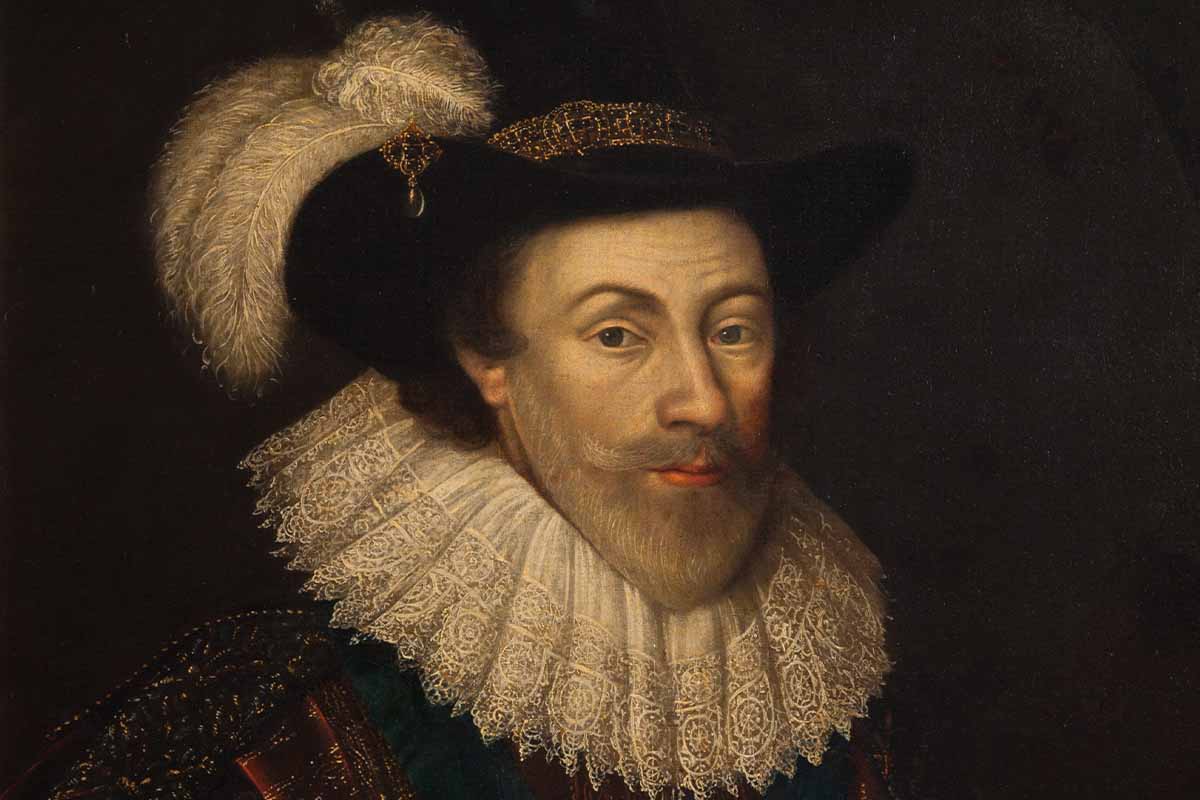
Derby withdrew his support from Titus Andronicus.
The Countess of Pembroke came in to save the production……
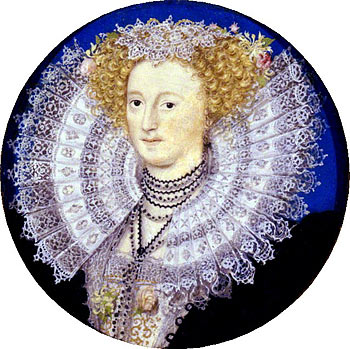
……but Essex had started to argue with Earl of Pembroke as well. He withdrew his money from anyone who supported Essex, including Shakespeare and Samuel Daniel, and Pembroke’s Men ‘broke’ in the autumn.
In December Robert Radcliffe……
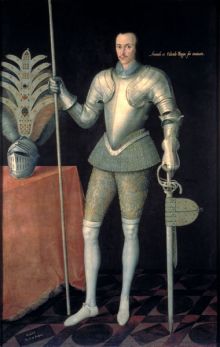
……. and his wife Bridget, both generous patrons of the arts, became the new Earl and Countess of Sussex. They re-financed the company and saved Titus Andronicus which was performed at the Rose at the beginning of the following year. (1594)
This is why the title page of Titus Andronicus reads oddly: ‘As it was played by the Right Honourable the Earl of Derby, Earl of Pembroke and Earl of Sussex their servants.’ This was not three different companies.
It was one group of desperate actors!
The Earl of Derby, died, poisoned in April 1594. The Queen’s Men were by now failing and the Lord Admiral’s Men were pro-Elizabeth.
Old Lord Hunsdon, Amelia’s ‘protector’……..
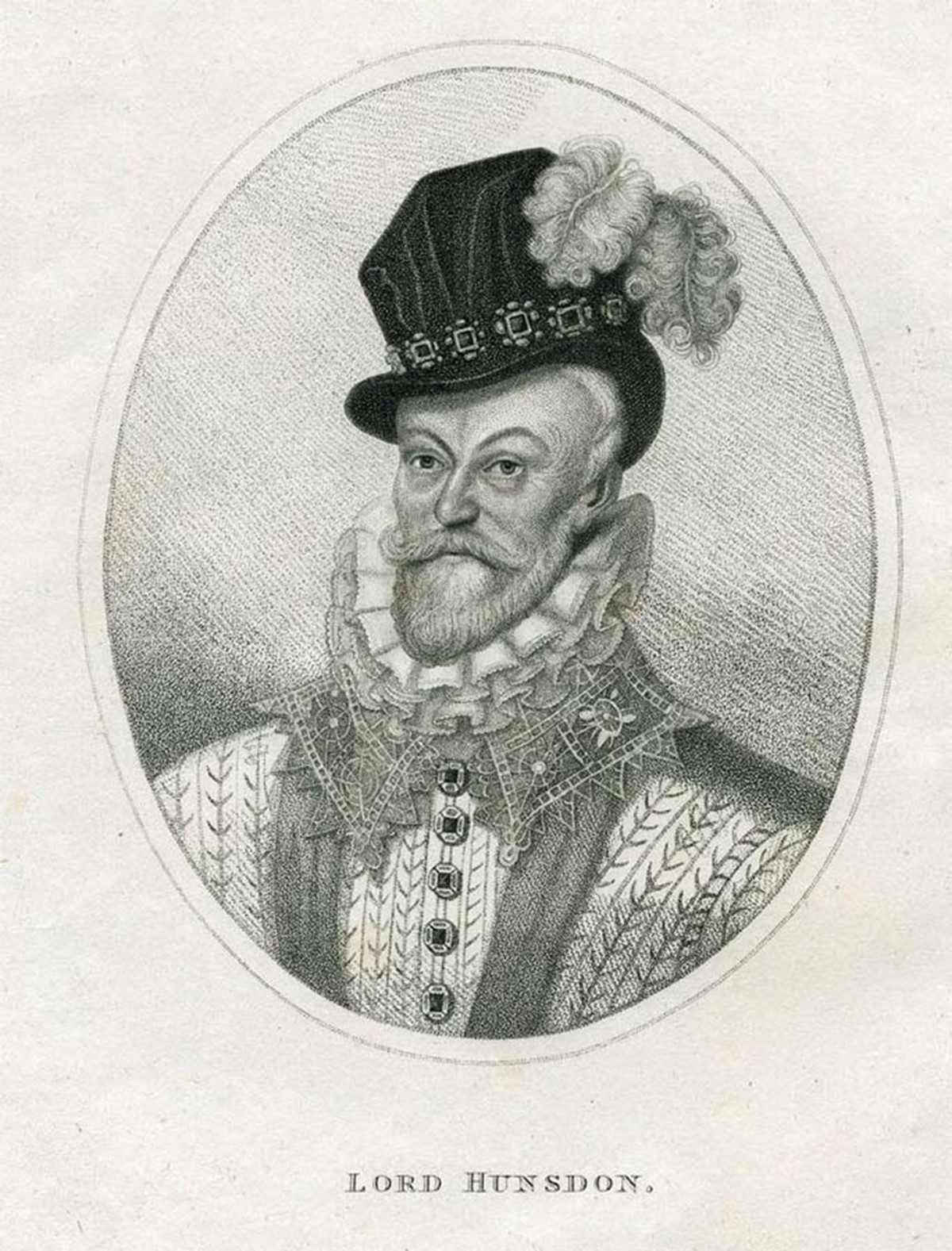
……. decided to form a new company to replace Derby’s. Though he was Elizabeth’s cousin, he was a ‘sword and buckler’ man who violently disagreed with her policies. His company were encouraged to produce excellent, naturalistic, challenging work.
Essex, who like his father, Leicester, loved to put on private performances at Essex House……..
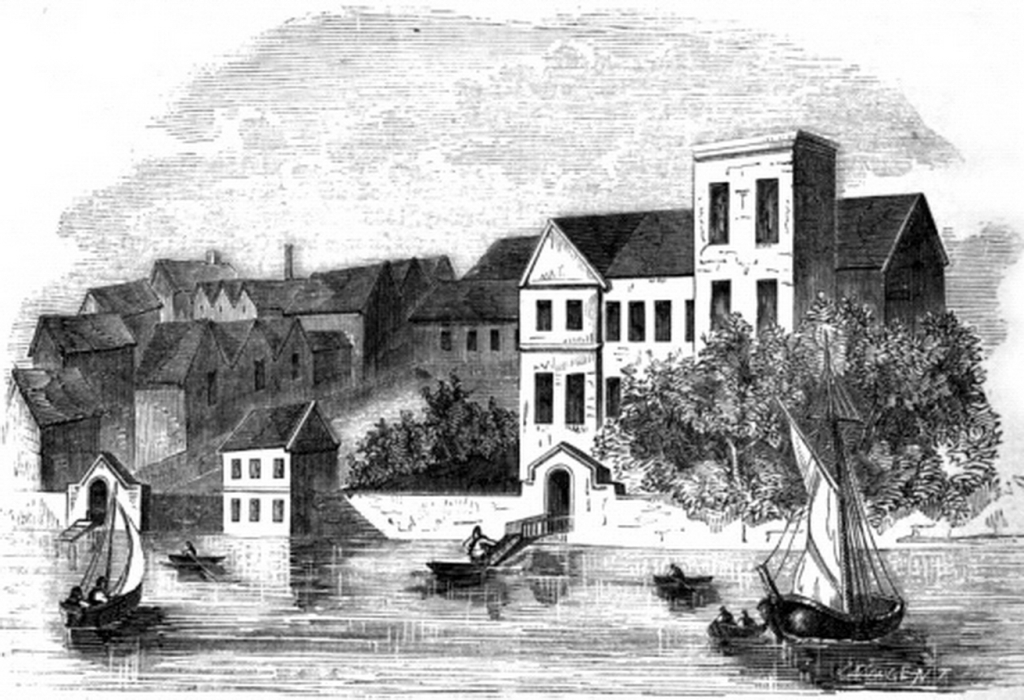
………began to commission Shakespeare.
His Jewish physician, Roderigo Lopez……
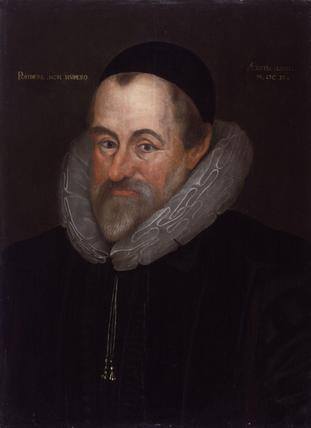
….had drunkenly revealed that Essex was a passive homosexual.
Essex, needing to discredit him, used his spy system, to ‘prove’ that Lopez had planned to poison the Queen.
Lopez was hanged. To justify his action, Essex needed an anti-Semitic play from Shakespeare. Shakespeare, typically, responded with Shylock, who starts as a figure of fun but evolves into a hero of towering courage and integrity, who intent on revenge for insults to his race, can be bought by no-one.
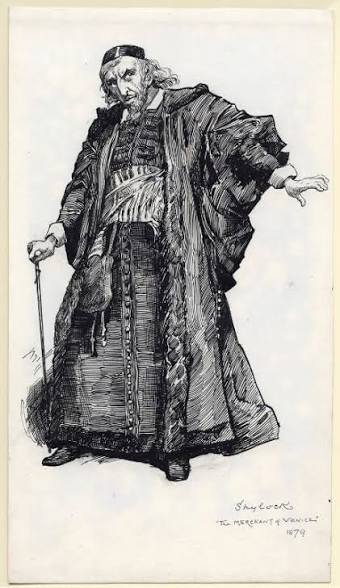
Nashe, though, was happy to provide the anti-Semitic servant roles…
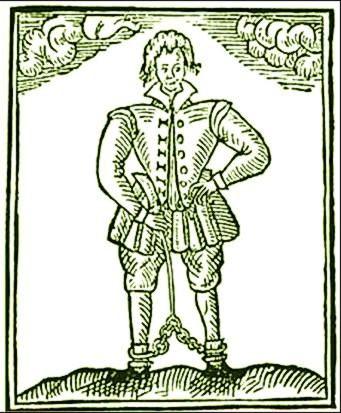
……as Shakespeare was happy to steal Nashe’s ideas about the music of the spheres from The Unfortunate Traveller.
●
Trixie the Cat says……
Brothers and Sisters of The Shakespeare Code….
…..Stewart was to go on and develop his ideas about ‘Titus Andronicus’ in his blog…..
He also quoted Shylock’s words about how some men hate cats. Yes! HATE CATS!
He implies that Harry Southampton also HATED CATS!
But by the time he had been put into the Tower of London, he had changed his ways….
Here he is with one of my ancestors….
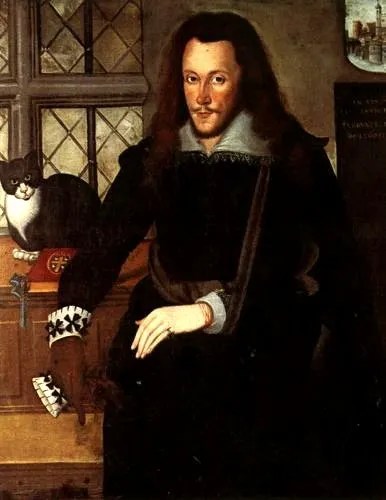
Shakespeare wrote two Sonnets to King James VI (then James I of England) begging him to release Harry from prison….
It’s all catalogued in The Code’s new book……
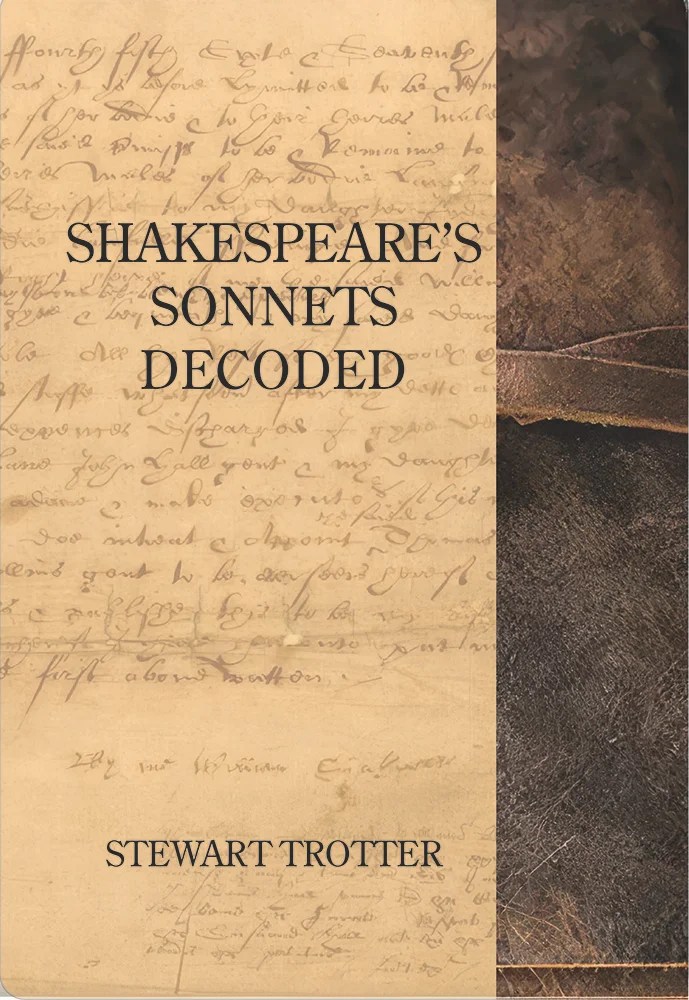
Shakespeare’s Sonnets Decoded – Magic Flute Publishing
So, God willing, we’ll all meet up next Tuesday 6th October for…..
The Mermaid on the Dolphin’s Back!
‘Bye, now….


Leave a comment