An Extract from ‘The Book that Never Was….’
Shakespeare, still guilty and confused, left Titchfield in July 1592 to join a tour of Lord Strange’s Men.
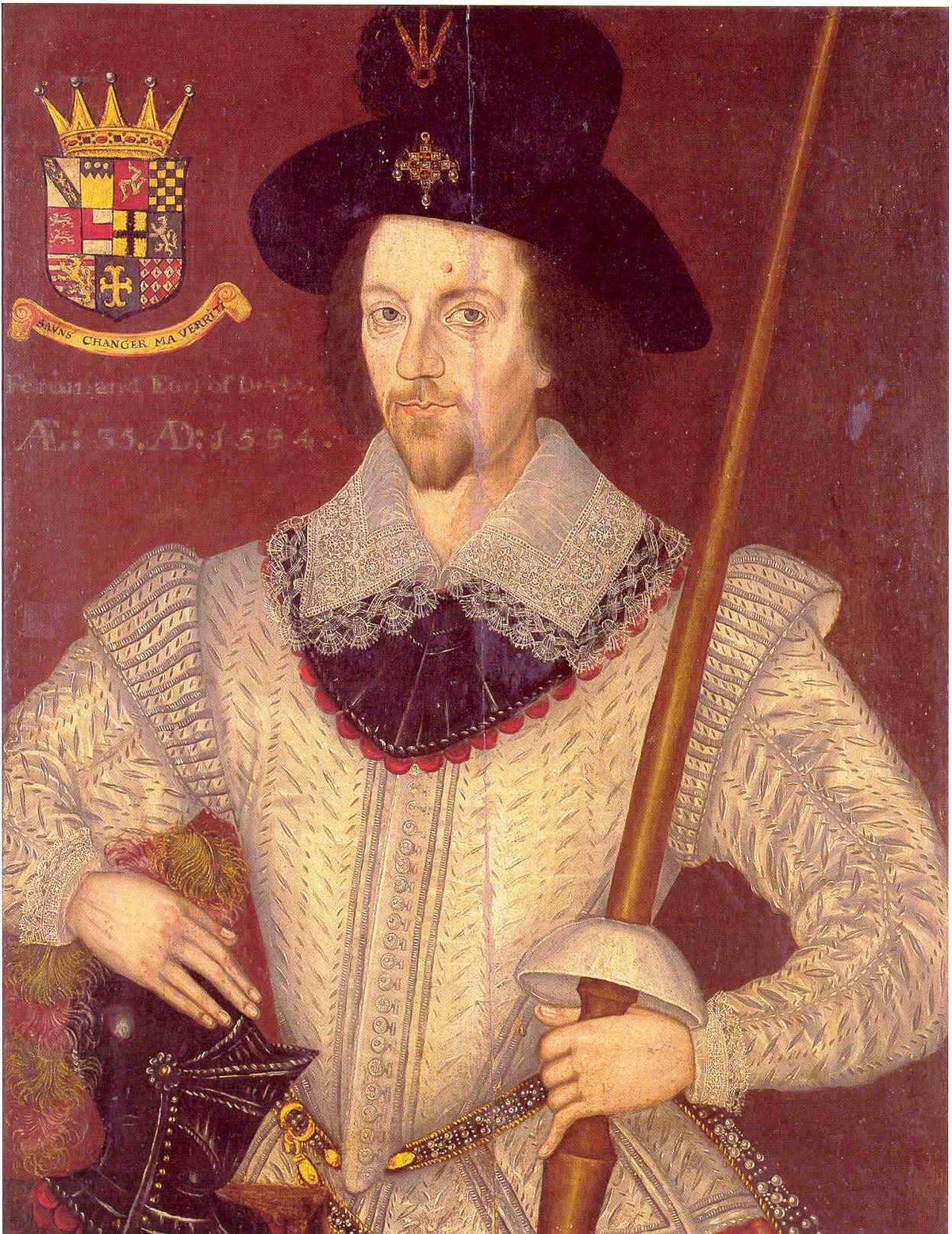
Nashe, resentful of Shakespeare’s wealth, fame and friendship with the Southampton family, set out to discredit him.
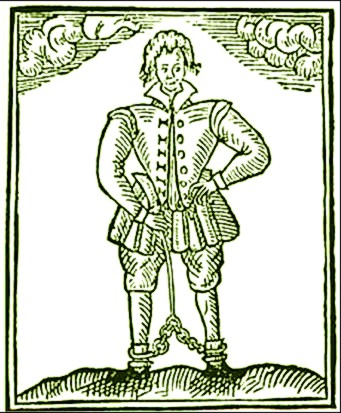
‘For all my labours turned to loss’ Nashe writes in Pierce Pennilesse (1592), hinting at his hand in the composition of Love’s Labour’s Lost.
Later he adds, for those who missed the point first time round, ‘If my destiny be such to lose my labour everywhere’.
He continues with an oblique attack on Shakespeare as one of the ‘drudges’ with ‘no extraordinary gifts of body or mind’ who ‘filch themselves into some nobleman’s service’ and ‘labour it with cap and knee and ply it with privy whisperings’.
Nashe’s chance to launch a full-frontal attack came in September.
Robert Greene died, destitute, in London.
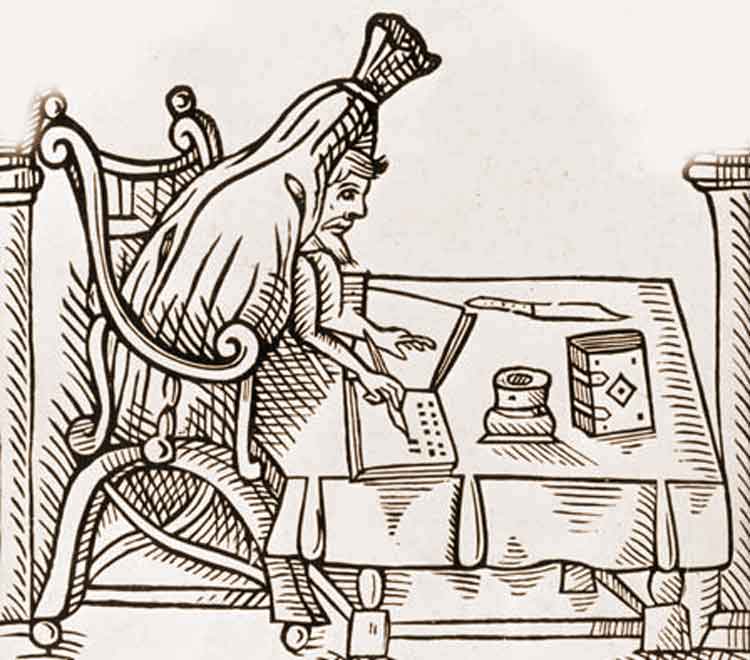
Nashe could write under his name. Pretending to find A Groatsworth of Wit among the dead man’s papers, Nashe penned ‘Greene’s’ famous attack on Shakespeare:
‘There is an upstart crow, beautified with our feathers, that with his ‘Tiger’s heart wrapped in a Player’s hide’(a line Nashe had probably written) supposes he is as well able to bombast out a blank verse as the best of you: and being an absolute ‘Johannes factotum’, is in his own conceit the only Shake-scene in a country.’
‘The upstart crow’ was a reference to Shakespeare’s performance as Edricus ‘the fatal crow’ in Edmund Ironside and ‘Johannes factotum’ to Shakespeare’s position in the Southampton household in ‘a country’.
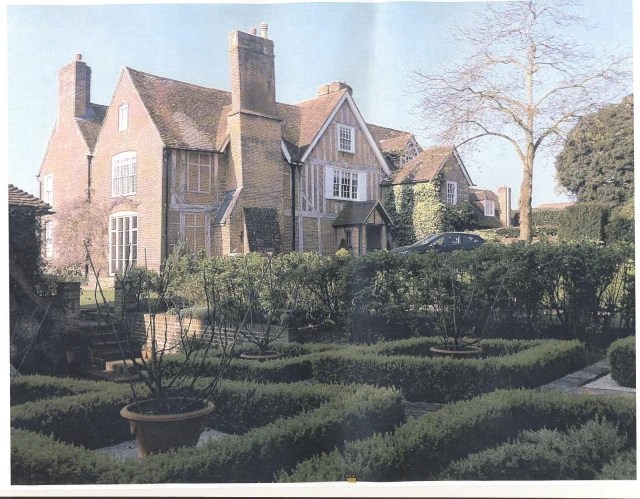
‘Greene’ reveals how it was Shakespeare, a nouveau-riche, dandified, ruthless, talent-less mediocrity, who bribed him with the promise of ‘pleasure’ and ‘money’ to write plays for him and ‘lodged him at the town’s end in a house of retail’, Mr. Apis-Lapis’s notorious Posbrook Farm, with its illegal pub and three ‘serving-maids’ just outside Titchfield.
‘Greene’ also suggests Aemelia (codename ‘Lamilia’) seduced Harry (codename ‘Luciano’) for his money, that Shakespeare (codename ‘Roberto’, but Nashe, to cover his back, makes ‘Roberto’ several different people) acted as pander for his ‘brother’ and demanded a cut of Aemelia’s fee.
Nashe now became the Titchfield pander himself. He wrote blatant pornography to excite Harry who responded by impregnating Aemelia.
In Knack to Know a Knave Nashe extends the attack to Shakespeare’s father.
John Shakespeare becomes ‘The bailiff of Hexam’, a corrupt, self-interested wool merchant who mixes sand with his wool to make it heavier. He has a son, Cuthbert Coneycatcer, ‘that livest by wit’ and has ‘so many honest sleights / To shift and cosen smoothly on [his] wit / To cog and lie and brave it with the best’.
To make sure the audience know who ‘Cuthbert Coneycatcher’ is (one of Nashe’s definitions of a ‘coney-catcher’ is a ‘verser’) the father adds:
‘T’were but labour lost to counsel thee.’
Cuthbert/Shakespeare, openly acknowledging his own ambition, vanity, usury and exploitation of the rich, replies:
‘Then (father) thus live I that use my wit,
Unto myself I love still to be wise,
For when I am driven to shift for meat or coin
Or gay apparel to maintain me brave
Then do I flaunt it out above the change
As if I were some landed gentleman
And falling in with some rich merchant there
I take commodities for five month’s pay’
Cuthbert, who also works in cahoots with a female prostitute who ‘cuts and deals’, is punished in the play by having his tongue cut out and his eyes pecked by ‘owls and night ravens…’
Nashe’s imagination was working overtime.
●
October brought much excitement. Aemelia, converting from Judaism to Christianity, was married off to a minstrel named Alphonse Lanier. They had a son named Henry…
Next the Queen decided to extend her summer Progress to visit the dying Lord Montague at West Horsley in Hampshire.
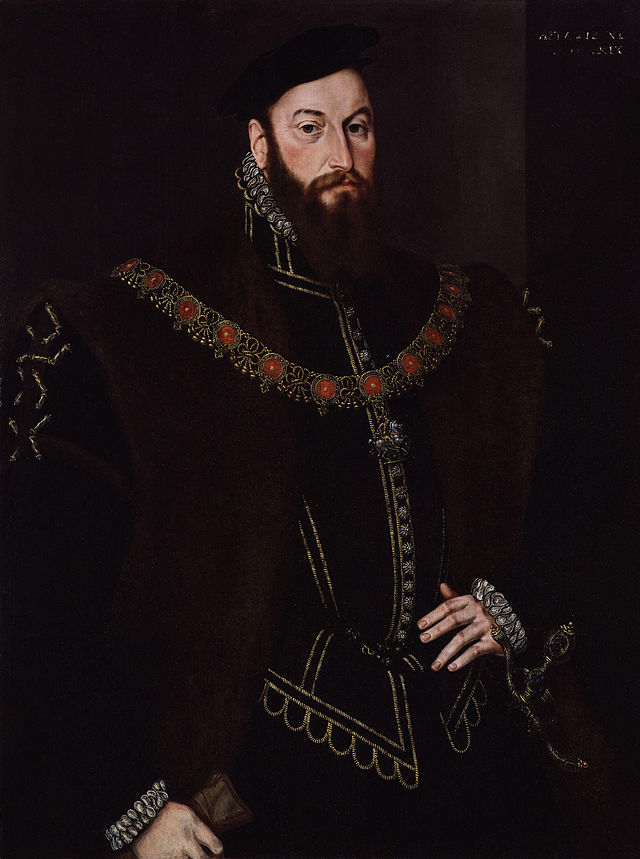
An appropriate entertainment was needed and Nashe was ready with Sommer’s Last Will and Testament.
The version we have is a re-write for Croydon in 1600. Internal evidence shows it was originally written in 1592. The entertainment refers to the ‘plague that rages in most places in this latter end of summer’, the Thames drying up on 6th September and the visit of the Queen to comfort the ‘Summer’.
‘Summer’ is code for various members of the Montague/Southampton family, including the dying Lord Montague:
‘For her [Elizabeth] doth Summer live and linger here,
And wisheth long to live to her content.’
Using exactly the same language as he uses in his mock dedication to Mr. Apis Lapis, Nashe, playing Will Sommer (Queen Elizabeth’s father’s old jester)……
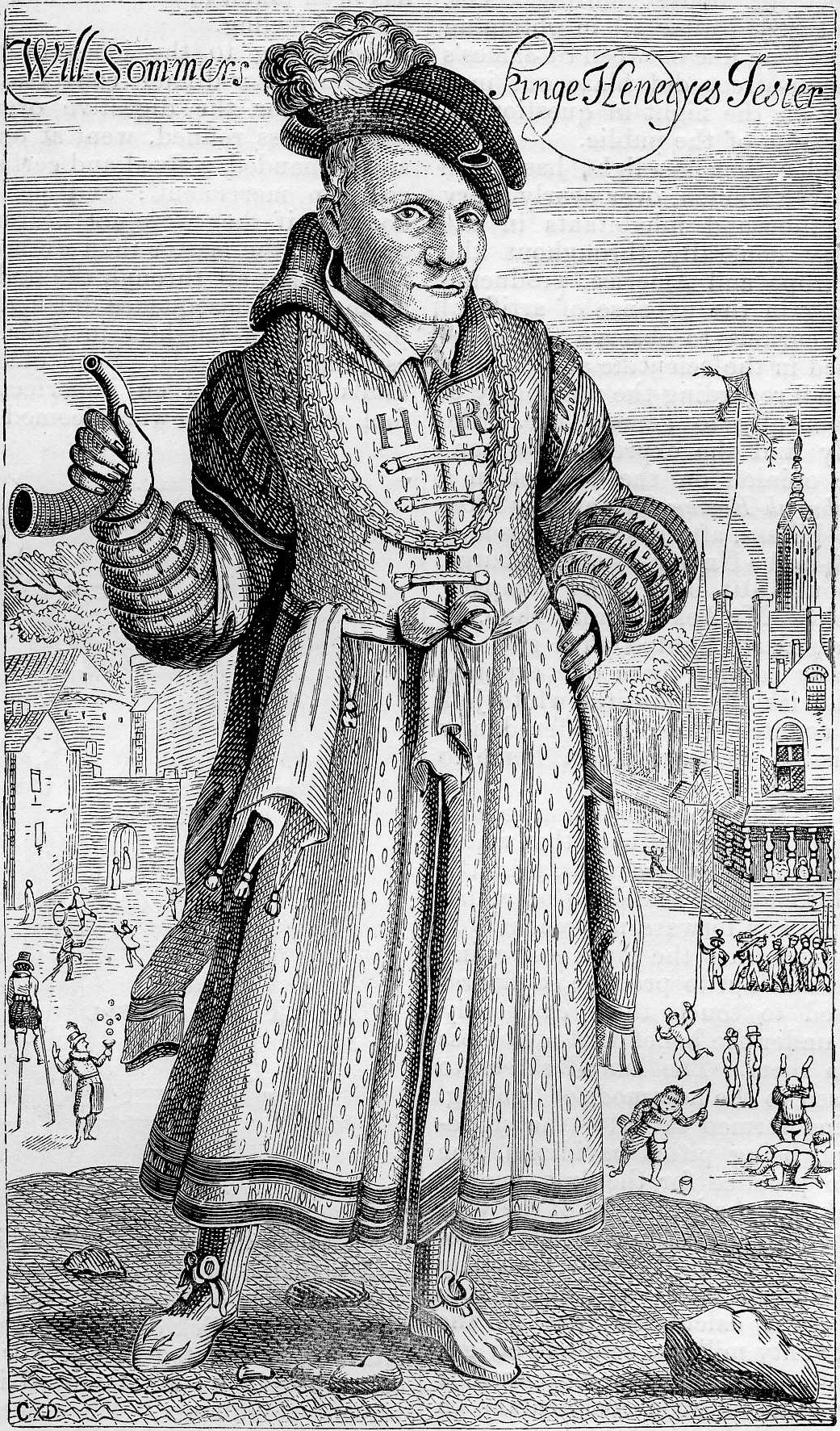
……..announces that the old family friend, William Beeston, will be playing in the Interlude:
‘Actors, bring now a black Jack [jug] and a rundlet of Renish wine, disputing of the antiquity of red noses; let the prodigal child come out in his doublet and hose all greasy, his shirt hanging forth, and ne’er a penny in his purse, and talk what a fine thing it is to walk summerly, or sit whistling under a hedge and keep hogs.’
Before Beeston’s sensational entry, Nashe launches a vicious attack on the absent Shakespeare as ‘the resplendent Sol’ who enters ‘very richly attired with a noise of musicians before him’. Summer reminds the audience that Sol ‘is our servant, looks he ne’er so big’.
Shakespeare had employed obsequious language in his dedication of Venus and Adonis to Southampton:
‘Right Honourable, I know not how I shall offend in dedicating my unpolished lines to your Lordship, nor how the world will censure me for choosing so strong a prop for so weak a burden’.
Sol grovels in the same way to Summer: ‘My liege, what crav’st thou at thy vassal’s hands?’
Summer remains unimpressed:
‘Hypocrisy, how it can change his shape!
How base is pride from his own dunghill put!
How I have raised thee Sol, I list not tell,
Out of the ocean of adversity,
To sit in height of honour’s glorious heaven,
To be the eye-sore of aspiring eyes;
To give the day her life from thy bright looks
And let nought thrive upon the face of earth,
From which thou shalt withdraw thy powerful smiles.’
Nashe could not stand the fact that Shakespeare had been rescued from poverty by the Southampton family and now had surrogate power to make or break other writers.
Summer asks what Sol has done to earn such honour. Sol replies with the exact argument he puts forward in the Sonnets:
‘I do you honour for advancing me.
Why, ‘tis a credit for your excellence,
To have so great a subject as I am…’
Then:
‘You can make one as mighty as yourself’.
A horrified Autumn says:
‘O arrogance exceeding all belief!
Summer, my lord, this saucy upstart Jack,
That now doth rule the chariot of the sun,
And makes all stars derive their light from him,
Is a most base insinuating slave,
The son of parsimony and disdain,
One that will shine on friends and foe alike
That under brightest smiles hideth black showers,
Whose envious breath doth dry up springs and lakes
And burns the grass, that beasts can get no food.’
Winter adds:
‘ No dunghill hath so vilde an excrement,
But with his beams he will forthwith exhale:
The fens and quagmires tithe to him their filth:
Forth purest mines he sucks a gainful dross:
Green ivy-bushes at the vintners’ doors
He withers, and devoureth all their sap.’
These charges of plagiarism, homosexuality, ruthlessness and drunkenness are re-enforced by Autumn:
‘Lascivious and intemperate he is.
The wrong of Daphne is a well known tale:
Each evening he descends to Thetis lap,
The while men think he bathes him in the sea.
O, but when he returneth whence he came
Down to the West, then dawns his deity,
Then doubled is the swelling of his looks;
He overloads his car with Orient gems,
And reigns his fiery horses with rich pearl’
Nashe here not only refers again to Shakespeare’s affair with Aemelia (Daphne): he is implying he has a secret lover, the sea-nymph Thetis, with whom he sleeps at night and who provides him with gems and pearls. An audience in the know would think of the Countess of Southampton.
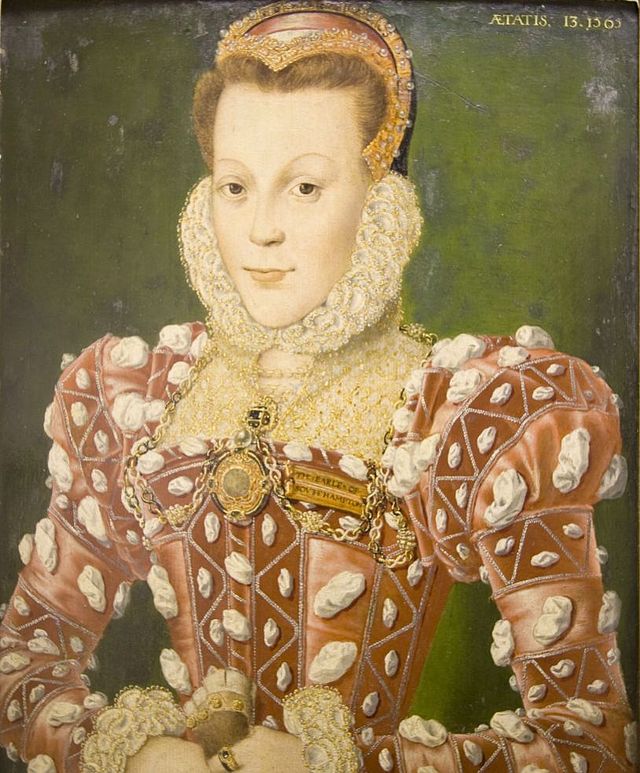
Nashe drives home Sol’s identification with Shakespeare:
‘He terms himself the God of Poetry,
And setteth wanton songs unto the lute.’
Shakespeare was furious when The Passionate Pilgrim, with its lascivious lyrics and ‘Sonnets to sundry notes of music’ was later published in his name.
Sol argues he is not to blame for his actions – even for his affairs:
‘For Daphne’s wrongs, and scapes in Thetis lap,
All Gods are subject to the like mis-hap.
Stars daily fall’
Mention of ‘laps’ and ‘stars falling’ are all references to Shakespeare’s great line for the Elvetham ‘Fairy Queen’ entertainment: ‘Amorous stars fall nightly in my lap’
Sol continues:
‘And men account the fall but nature’s course:
Vaunting my jewels, hasting to the West,
Or rising early from the gray eyed morn,
What do I vaunt but your large bountihood,
And show how liberal a Lord I serve?’
‘Jewels’ also had a coded sexual meaning. Nashe is shifting the attack from Mary Southampton to her son, Harry. ‘Large bountihood’ is a coded reference to Southampton’s genitals.
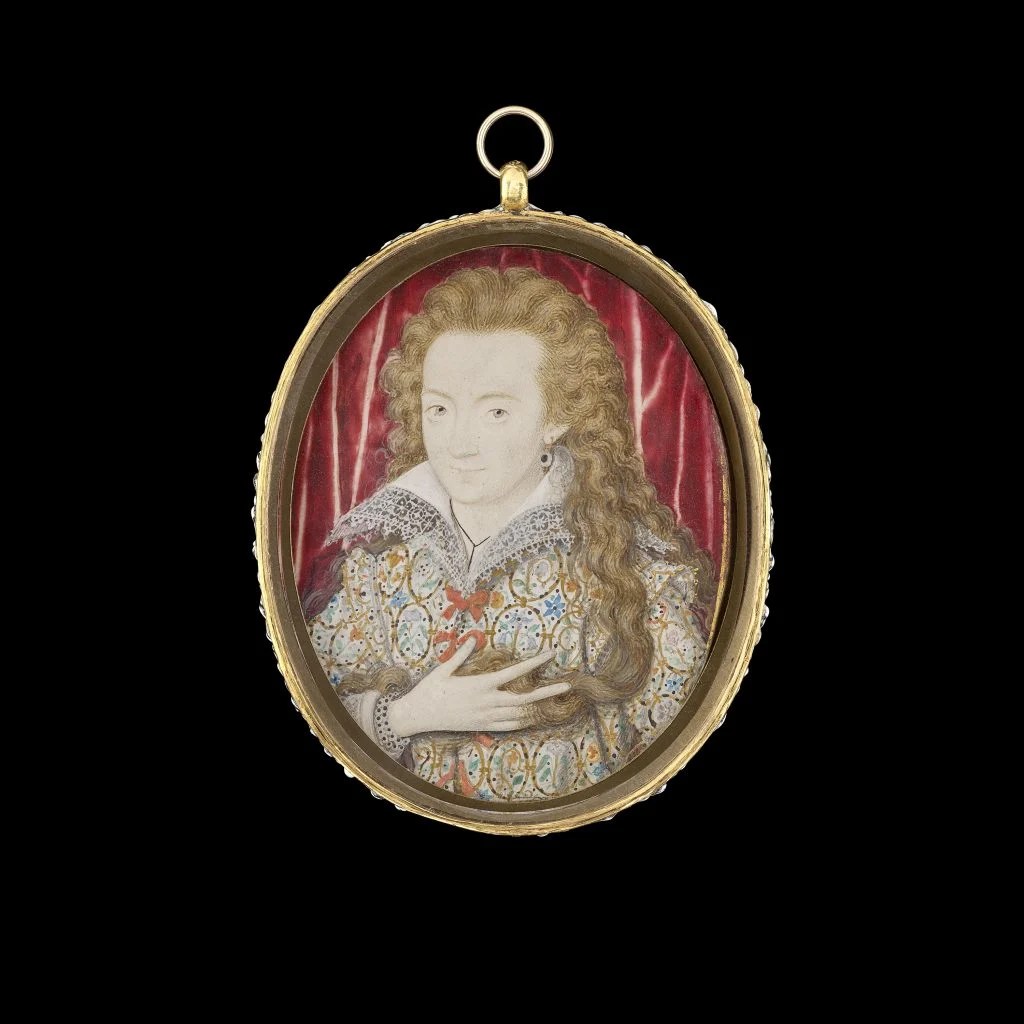
Nashe is implying that Shakespeare was sleeping with both mother and son.
Sol’s phrase ‘the gray-eyed morn’ was to feature later in Romeo and Juliet. Whether Shakespeare stole it from Nashe, or Nashe from Shakespeare, is impossible to tell.
Sol, complaining of his ‘long labours’, is attacked by Summer for flooding the Thames. Sol insists that it was Diana who was to blame. The moon commands the ‘raging main’ and Sol claims there was a lunar eclipse when the Thames dried up.
Everyone in the audience would identify Elizabeth with the moon. Sol/Shakespeare was blaming her for natural disasters.
Summer then puts a curse on him:
‘But for abusing both the moon and me
Long shalt thou be eclipsed by the moon
And long in darkness live, and see no light.
Away with him, his doom hath no reverse.’
Nashe is trying to sour Shakespeare’s relationship both with the Queen and the Southampton family.
He then moves on, in lighter vein, to introduce ‘Apis Lapis’:
‘Baron of double beer and bottle ale,
Come in and show thy nose that is nothing pale.
Back, back there, god barrel belly may enter’
The stage-direction reads: ‘Enter Bacchus riding upon an ass wrapt in ivy, himself dressed in vine leaves, and a garland of grapes on his head’.
Apis Lapis/Bachus/Beeston, with ‘tuns of wine in his paunch’ launches into a praise of alcohol:
‘So I tell thee, give a soldier wine before he goes to battle, it grinds out all gaps, it makes him forget all scars and wounds, and fight in the thickest of his enemies, as though he were but at foils amongst his fellows. Give a scholar wine, going to his book, or being about to invent, it sets a new point on his wit, it glazeth it, it scours it, it gives him acumen.’
Mr. Apis-Lapis was to make another appearance the following year as the cowardly ‘Lord of Misrule’ in Nashe’s The Unfortunate Traveller, with his ‘greasy purse’ and ‘great velvet breeches’selling cheese and cider to soldiers.
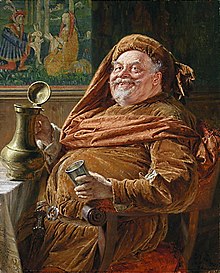
His most spectacular incarnation was to come later. William Beeston of Posbrook Farm, which stands at the edge of Titchfield to this day, was the original of the ‘greasy knight’ Sir John Falstaff.
●
Shakespeare was furious with Nashe’s attacks. On the 8th December, Henry Chettle, the publisher of A Groatsworth of Wit, was forced to print a retraction in which he claimed he had ‘seen’ [Shakespeare’s] ‘demeanour’ and it was ‘no less civil than he excellent in the qualities he professes’.
More to the point he adds that ‘divers of worship have reported his uprightness of dealing which argues his honesty, and his facetious grace in writing, which approves his art.’
The Southampton family had pulled rank.
Though absent on tour, Shakespeare had kept up a sonnet correspondence with Harry in which, encouraged by Mary Southampton, he finally acknowledged his love for the young man.
Nashe swore on his immortal soul that he was not the author of A Groatsworth of Wit. Shakespeare, unconvinced, took a long-term revenge.
Nashe’s observation in Pierce Pennilesse that a particular fault in man can destroy all his good qualities re-appears in the 1604 Hamlet.
●
Lord Strange’s Men…..
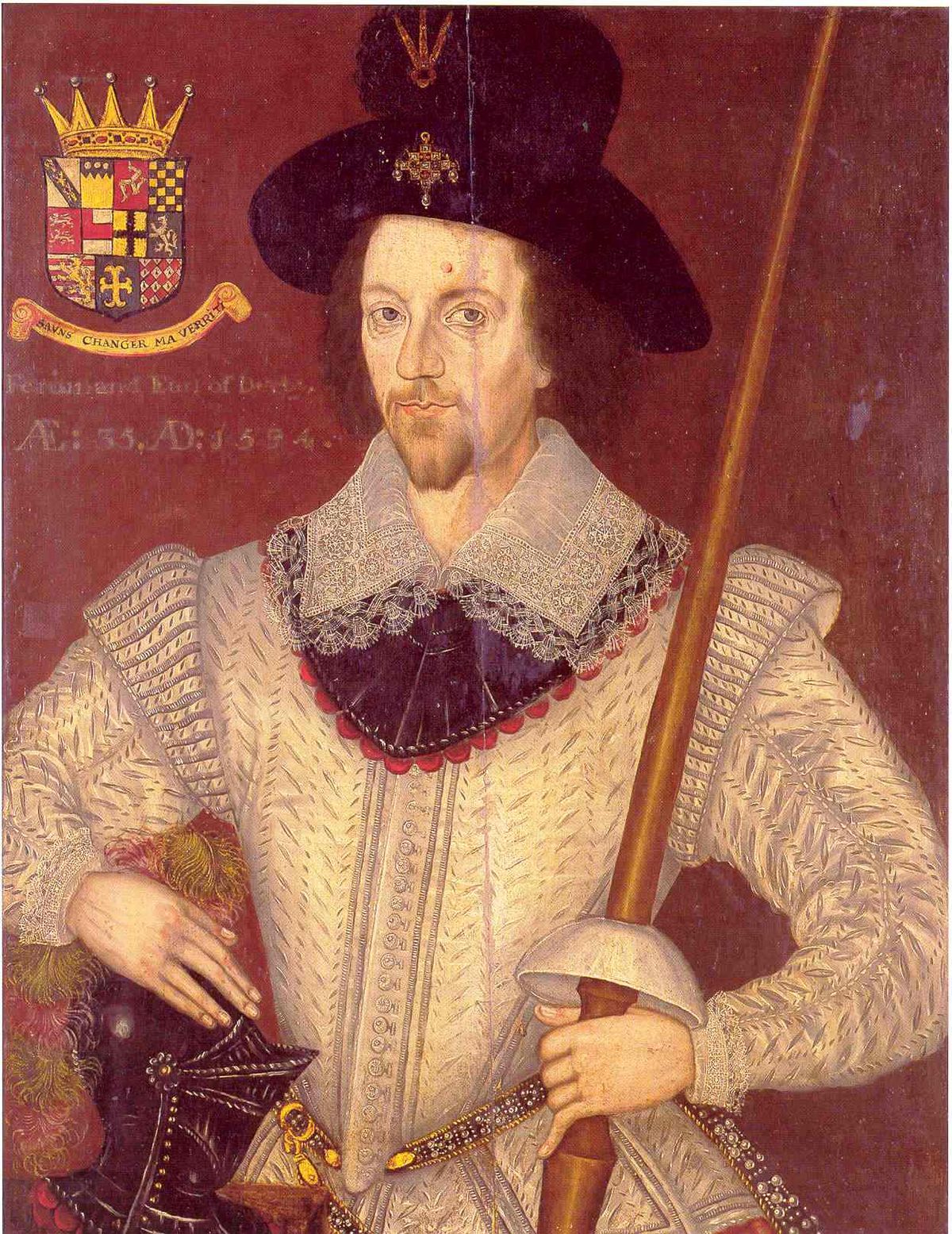
….though they had nearly ‘broken’ [gone bankrupt] on tour, managed to play the Christmas season at the Court. Early in 1593 they were performing at the Rose.
In February Nashe, forgiven by the Southamptons, was ‘in the country some three-score mile off from London’ ‘in a low marish ground’ with ‘almost as rotten a climate as the Low Countries; where the mist air is as thick as mould butter, and the dew lies like frothy barm on the ground’ (The Terrors of the Nigh).
To this day sea-mists from the River Meon suddenly swell up in the heart of Titchfield.
Using a pun that Shakespeare was to lift for Much Ado about Nothing Nashe observes in Strange News: ‘For the order of my life, it is as civil as a Seville orange; I lurk in no corners, but converse in a house of credit, as well governed as a college, where there be more rare qualified men and selected good scholars than in any nobleman’s house that I know in England’.
Harry, tutored by Florio, spoke perfect Italian so it was natural for him to want to try it out in Italy. As a Catholic, groomed from childhood by the Vatican itself, it was also natural for him to want to make a secret pilgrimage to Rome.
Shakespeare was learning Italian. He quotes from Florio’s Italian-English phrasebook, First Fruits, in Love’s Labour’s Lost (‘Venetia, chi no ti vede, non ti pretia’) and more famously in The Merchant of Venice ‘Tutto quelche luce, non é ora’ – ‘All that glisters is not gold’.

On the 1st February all the theatres in London were closed by the Plague. They were to stay ‘dark’ till Christmas.
On the 25th February Essex was made a member of the Privy Council.
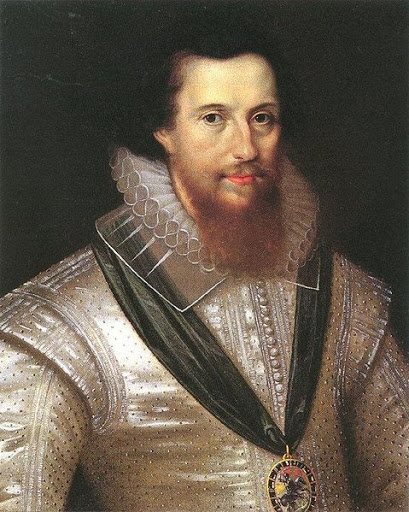
He now had the authority to issue passports. Southampton was desperate to serve Essex. Shakespeare was in love with Southampton. Nashe would go anywhere for a free meal.
It was at this moment that the three men sailed to Europe……
●
Trixie the Cat says……
Brothers and Sisters of The Shakespeare Code….
The most important section in this Post is….
‘Nashe’s chance to launch a full-frontal attack came in September. Robert Greene died, destitute, in London. Nashe could write under his name. Pretending to find A Groatsworth of Wit among the dead man’s papers, Nashe penned ‘Greene’s’ famous attack on Shakespeare:
‘There is an upstart crow, beautified with our feathers, that with his ‘Tiger’s heart wrapped in a Player’s hide’(a line Nashe had probably written) supposes he is as well able to bombast out a blank verse as the best of you: and being an absolute ‘Johannes factotum’, is in his own conceit the only Shake-scene in a country.’
‘The upstart crow’ was a reference to Shakespeare’s performance as Edricus ‘the fatal crow’ in Edmund Ironside and ‘Johannes factotum’ to Shakespeare’s position in the Southampton family….’
It was written, as you know, in 2007 – but confirmation about the idea came last year – EIGHTEEN YEARS LATER!
Brett Greatley-Hirsch – the Professor of Renaissance Literature and Textual Studies at the University of Leeds – with Andrew Hadfield (of Sussex Universwity) and Rachel White (of Durham University) – came to the conclusion that Nashe was the secret author of the ‘Upstart Crow’ attack –
– WITH THE HELP OF ADVANCED COMPUTER PROGRAMMING!
Professor Greatley-Hersch kindly sent Stewart a copy of the brilliant essay – on the understanding it did not appear on ‘The Shakespeare Code’ blog!
Of course, Stewart went on to develop his Tom Nashe thesis in The Code – and suggested that Nashe collaborated with Shakespeare on Henry VI Parts Two and Three, Richard III, Edmund Ironside, The Comedy of Errors, Love’s Labour’s Lost, Two Gentlemen of Verona, The Taming of the Shrew, Henry IV Parts One and Two, Romeo and Juliet, A Midsummer Night’s Dream, As You Like It and Twelfth Night.
Nashe wrote many of the jokes in the plays and played many of the eccentric ‘stand-up’ characters – such as Dromio of Syracuse in The Comedy of Errors……
See: https://theshakespearecode.blog/2021/08/09/the-comedy-of-errors-the-inside-story/
Moth in Love’s Labour’s Lost….
Touchstone in As You Like It
Feste in Twelfth Night
See: https://theshakespearecode.blog/2011/06/11/twelfth-night-decoded-part-two-feste-the-clown/
To begin the two men were in intense rivalry – both hoping for the financial stability they would achieve by being adopted by the Southampton family.
Throughout their collaboaration they remained ambivalent about each other – but the plays were strengthened by the tension between the Protestant pull of Nashe and the Roman Catholic pull of Shakespeare. For example, in The Merchant of Venice Shakespeare is very sympathetic to Shylock – but Nashe – playing and writing Lancelot Gobbo – is anti-Semitic.
But perhaps Stewart’s most interesting suggestion is that Nashe collaborated with Shakespeare on Love’s Labour’s Wonne – an early version of All’s Well that Ends Well.
Stewart even wrote a letter about this to The Times Literary Supplement on 30 November 2016. But even though Stewart had at one time written for the T.L.S. they did not publish it…
Sir, – Is it too late to reply to Laurie Maguire and Emma Smith’s suggestion that William Shakespeare collaborated with Thomas Middleton on All’s Well that Ends Well? (Many Hands – a new Shakespeare Collaboration? 20th April, 2012).
I would like to offer another candidate.
There are at least nine words and phrases which are used in All’s Well which do not appear in any other play or poem by Shakespeare. However, they DO appear once, twice and even three times in the works of Thomas Nashe. They are : ‘linsey-woolsey’ (three times) ‘fore-horse’ (twice) ‘the black prince’ i.e. Satan (twice) ‘custard’ (twice) ‘ames-ace’ (twice) ‘jades’ tricks’ (once) ‘swine-drunk’ (once) ‘chape’ (once) and ‘blazing star’ (once).
Maguire and Smith date All’s Well to around 1607. Nashe, of course, died in 1601. But Samuel Taylor Coleridge (in his lectures of 1813 and 1818) suggested that the play ‘was written at two different and rather distant points of the poet’s life’ and he detected ‘two distinct styles, not only of thought but of expression’. It wasn’t however till 1929 (as Maguire and Smith point out) that John Dover Wilson put forward the idea that Shakespeare worked with a collaborator on the play.
If Coleridge and Dover Wilson were right, then All’s Well – which depicts Helena’s heroic efforts to win her husband’s love – could be the Love Labours Wonne which Francis Meres mentions in his Palladis Tamia:
‘For Comedy, witnes his [Shakespeare’s] Gentlemen of Verona, his Errors, his Loue Labors Lost, his Loue Labours Wonne, his Midsummers Night Dreame, and his Merchant of Venice.’
As Palladis Tamia was published in 1598, this would place the first version of All’s Well in Nashe’s life-time. Also if the comedies were produced in the order in which Mere’s lists them (with Love’s Labour’s Won as a sequel to Love’s Labour’s Lost) it would turn the Widow’s line in All’s Well – ‘We have lost our labour’ – into a jokey reference to Shakespeare’s previous play.
We know that Nashe collaborated with Christopher Marlowe (on Dido, Queen of Carthage) and Ben Jonson (on The Isle of Dogs). As Maguire and Smith themselves write: ‘It is now broadly acknowledged that [Shakespeare] collaborated…..with Nashe on 1 Henry VI .’So did he collaborate with Shakespeare on Love’s Labour’s Won as well? And did he collaborate with him on other plays in the 1590’s? For this line of inquiry we need the help of computer experts.’
Stewart had seen that literature would be in the hands of computer experts when he was an undergraduate!
So Stewart now has an unpublished letter as well as an unpublished book – but it looks very likely that time will prove him right!
What has been published though – in a magnificent edition by Magic Flute Publishing -is Shakespeare’s Sonnets Decoded…
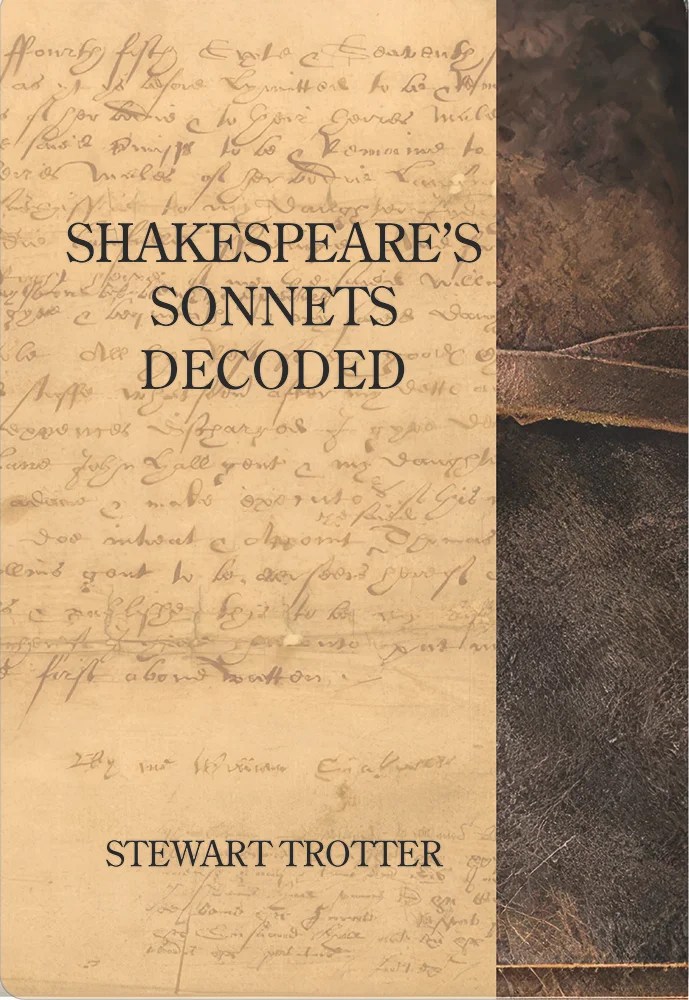
Shakespeare’s Sonnets Decoded – Magic Flute Publishing
So, see you all, God Willing, next Tuesday 22nd September for Shakespeare in Italy!
Ciao!!!


Leave a Reply