Between drinks and debauches, (Beeston, Nashe said, ‘kept’ three maids ‘as a charitable act’)
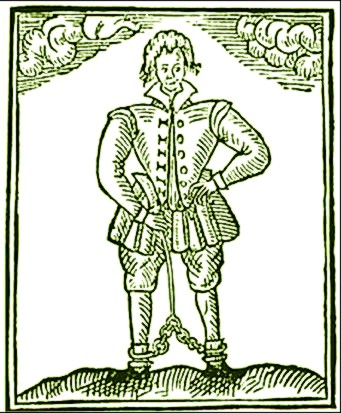
Shakespeare, Nashe and Greene worked on The true Tragedy of Richard Duke of York and the death of good King Henry VI with the Whole Contention between the Two Houses, Lancaster and York . This was to end up as Henry VI Parts 2 and 3.
The sadistic, bossy Queen Margaret with her ‘tiger’s heart wrapped in a woman’s hide’ who, having ‘stolen the breech from Lancaster’, takes the ‘womanish man’ Suffolk for her lover, is code for Elizabeth and her ‘perverse’ affair with Leicester.
Dame Eleanor, who tries to upstage Queen Margaret, is a satire on Lettice, Leicester’s wife.
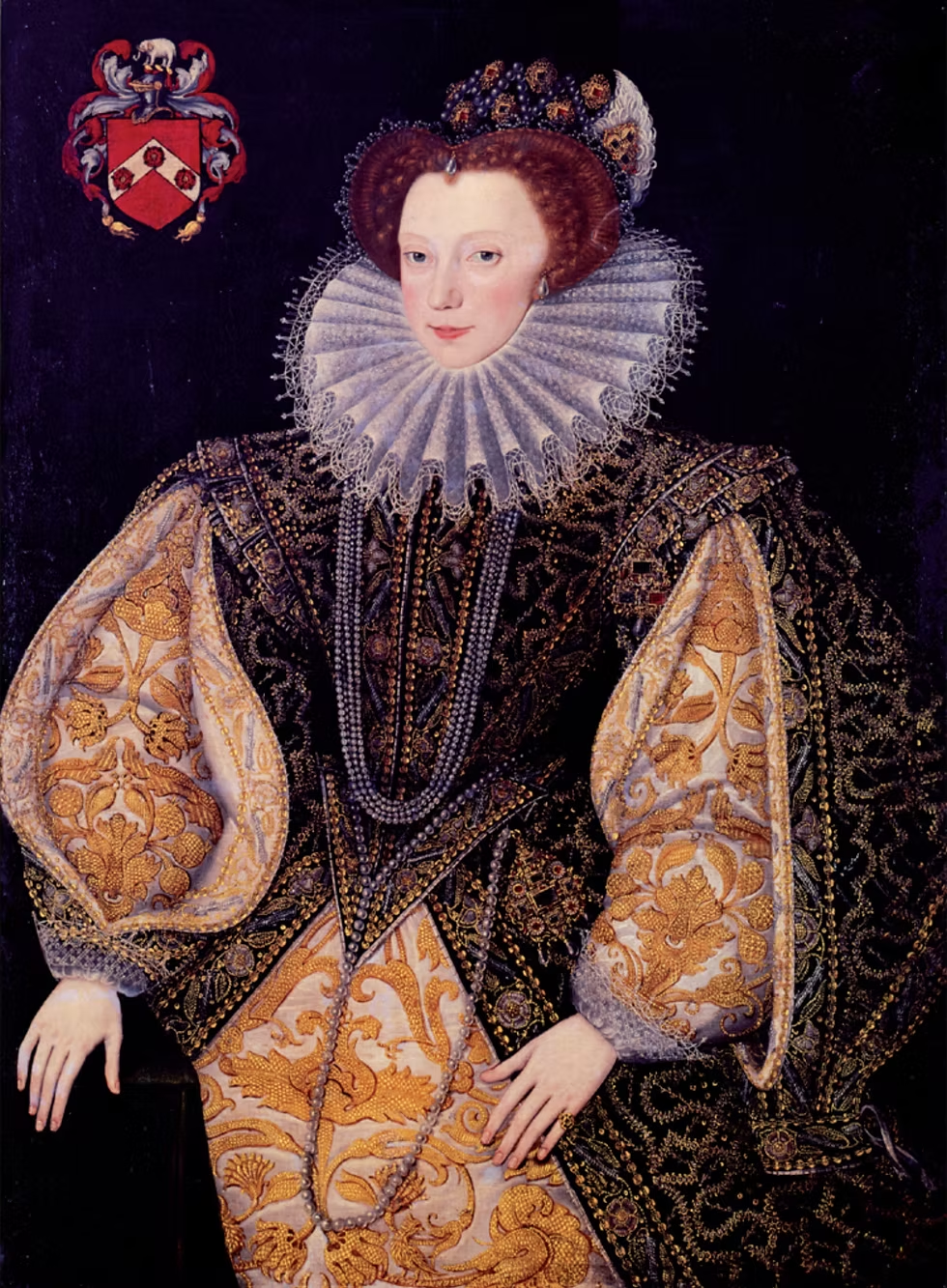
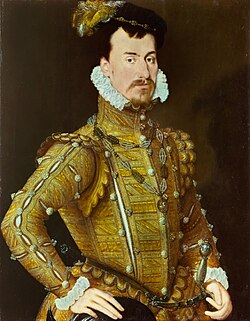
In the play Margaret drops her fan, Eleanor goes to pick it up and the Queen strikes her, a re-play of what Elizabeth did to Lettice at court. The ruthless Warwick, ‘The rampant bear chained to the ragged staff’ is her husband Leicester, now safely dead.
Greene soon got tired of country life and shambled back to London, poverty and death.
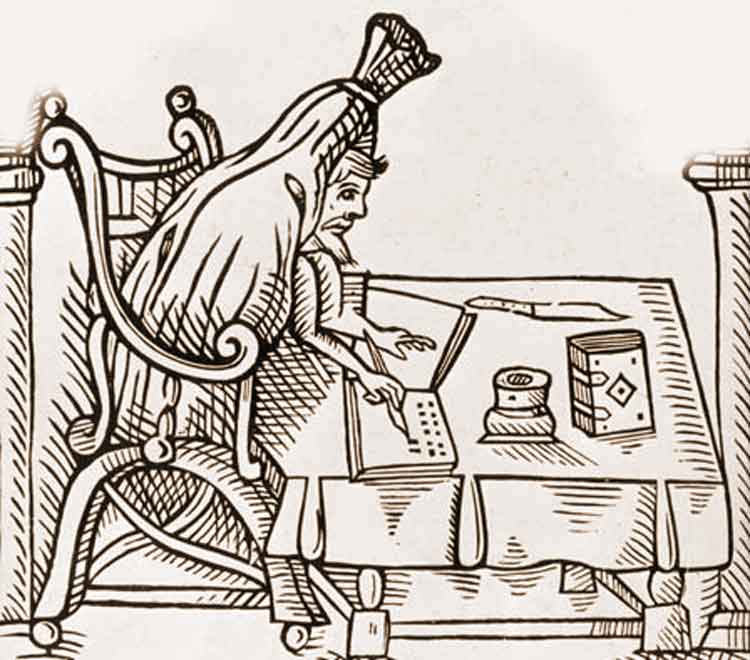
Nashe stayed at Titchfield and all his life was to collaborate, off and on, with Shakespeare, as he did with Jonson and Marlowe.
Nashe also left a code – a code within a code. He would use the same phrases that he had used in Shakespeare’s plays in his own works to hint at his hand in the writing. For example, in Richard III the striking phrase ‘the wagging of a straw’ appears. It reappears in Nashe’s Lenten Stuff.
In Pierce Pennilesse Nashe writes ‘despair and die’, a phrase used nearly a dozen times by the ghosts in the same play.
Later on Nashe talks about ‘cunning drifts overgilded with outward holiness’, a good description of the hunch-back king…..
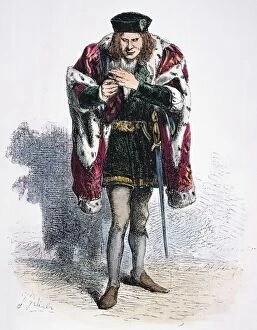
…….but even better of Leicester, on whom Richard III was modelled.
Like Richard III, Leicester had killed the husband of the woman he wanted to marry then, never having prayed privately in his life, put on a pose of piety as leader of the English Puritans. Nashe in Pierce Penniless attacks Leicester as ‘The Bear’……
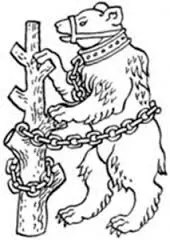
…….and Shakespeare and Nashe play on the word in the drama itself:
‘You mean to bear me, not to bear with me
Uncle, my brother mocks both you and me:
Because that I am little like an ape,
He thinks that you should bear me on your shoulders’.
The first printed version of Richard III even has ‘a Freudian slip’. Stanley dreams ‘the bear had raste his helm’. This should have been ‘boar’, Richard’s emblem.

Shakespeare in this play differs from his old mentor Crowley. The ‘sexton of St. Giles’ had seen the civil unrest during the reign of the boy-King, Edward VI. He believed any attack against a reigning monarch was an attack on God himself. Shakespeare, in all his chronicle plays,shows that no king is divinely protected. If he behaves foolishly, he will be destroyed. If he is a tyrant, he must be destroyed. As Henry VII says in the play: ‘If you do swear to put a tyrant down,/You sleep in peace, the tyrant being slain’.
Shakespeare, though, is in complete accord with Crowley in his next play with Nashe, The Play of Sir Thomas More. The manuscript has a section in Shakespeare’s own hand…….
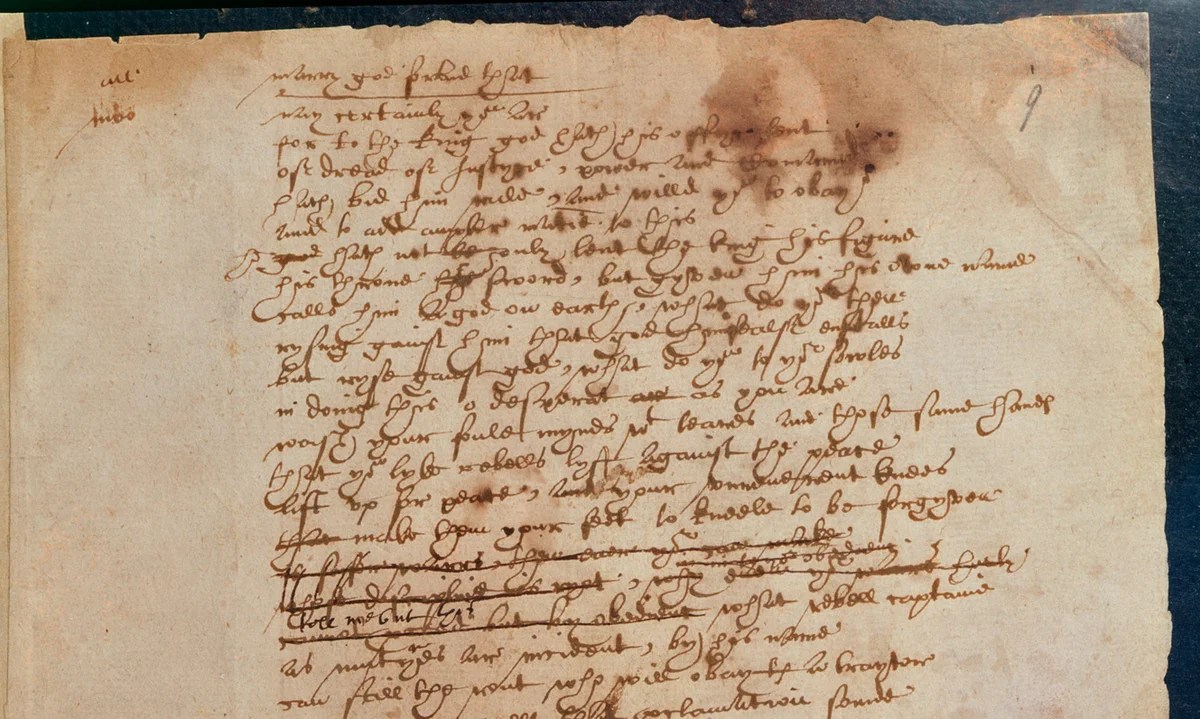
………in which Sir Thomas puts down the rebellion of artisans in the city. Shakespeare loathed mob rule.
The play itself was originally intended for the Southampton family: Sir Thomas More was a Catholic hero.
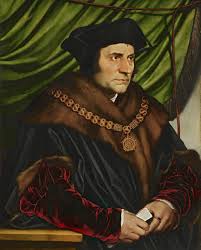
He had refused to agree to the marriage of Henry VIII and Anne Boleyn because, Jesuit propagandists asserted, he knew Anne was Henry’s own illegitimate daughter.
This act of incest had unleashed the reign of Satan in England.
Shakespeare lifted the whole of the More execution scene from the so-called Book of Martyrs by Crowley’s friend, Foxe.
Nashe’s code word from the play would re-appear in Lenten Stuffe.
It is ‘red-herring’
●
Trixie the Cat says…..
Brothers and Sisters of The Shakespeare Code….
Stewart wrote the above extract in 2007. Four years later, in 2011, he elaborated on what ‘History’ meant to Shakespeare – and how the Earl of Leicester was the object of his satire – and to many to other Roman Catholics.
Thought you might like to read it….
‘One of his {Shakespeare’s]most powerful weapons was history. The Tudors thought the world was in irreversible decline and likely to end soon. They considered their ancestors to be every bit as clever, and wicked, as they were. History was on a loop, so the past was an inspiration to them. And a caution.
For Queen Elizabeth it was also a threat. Obsessed with her place in history, she did not want her subjects to judge her by history. So she span it. In 1590 she recalled Holinshed’s recently published historical Chronicles on the grounds they were ‘fondly set out’. She ordered her players, the Queen’s Men, to perform Pro-Tudor historical propaganda instead.
One of their plays was a risible version of Richard III ….
‘A horse! A horse! A fresh horse!‘
It portrays the hunch-backed King, enemy of Elizabeth’s grandfather Henry VII, as a cannibal as well as a child-killer. At the end of the piece a messenger miraculously prophesies the glory of Elizabeth’s reign:
‘She is the lamp that keeps fair England light
And through her faith her country lives in peace
And she hath put proud Anti-Christ to flight
And been the means that civil wars did cease.
Then England kneel upon thy hairy knee, [sic]
And thank that God that still provides for thee.’
The real historical challenge to Elizabeth came from an anonymous book, published in 1584, called Leicester’s Commonwealth. Francis Bacon possessed a manuscript copy and several pages are in Shakespeare’s hand.
It is a demolition job on Robert Dudley, later the Earl of Leicester, a childhood friend of Elizabeth who had given her money, love and hope during the dark days of her sister Mary’s reign. When Elizabeth became Queen he became, naturally enough, the most powerful man in England.
Two years later his teenage bride, Amy Robsart, was found with her neck broken at the bottom of a short flight of stairs. The way was then open to him to share the throne of England.
Detested for his greed, his lust, his murders, his adultery, his lies and his hypocrisy, Leicester was given, as a gift from Elizabeth, KenilworthCastle, a dozen miles from Stratford-upon-Avon, around the time that Shakespeare was born. Claiming, preposterously, to lead the Puritan religious cause, Leicester oppressed all Warwickshire Catholics, including Shakespeare’s family.
Leicester’s Commonwealth compares Leicester and Elizabeth with all the weak or villainous figures from the past: Richard II, Richard III, Richard of York, Henry VI, Warwick, Queen Margaret, her lover the Earl of Suffolk and even the Ancient Roman rapist, Tarquinus Superbus.
All of them feature heavily in Shakespeare’s plays and poems.
Many of Elizabeth’s subjects thought it was perverse for a woman to rule over them – even more perverse for Leicester to submit to one. When Shakespeare writes about feeble kings, boy kings, tyrannical kings, over-bearing mothers and adulterous lovers from history, his audience would know he was really talking about ‘now’.‘
●
If you would like to read more about ‘Richard III’ please click here: https://theshakespearecode.blog/richard-iii-decoded/
AND DON’T FORGET: To learn how Shakespeare’s personal life interwove with politics, read Shakespeare’s Sonnets Decoded…..
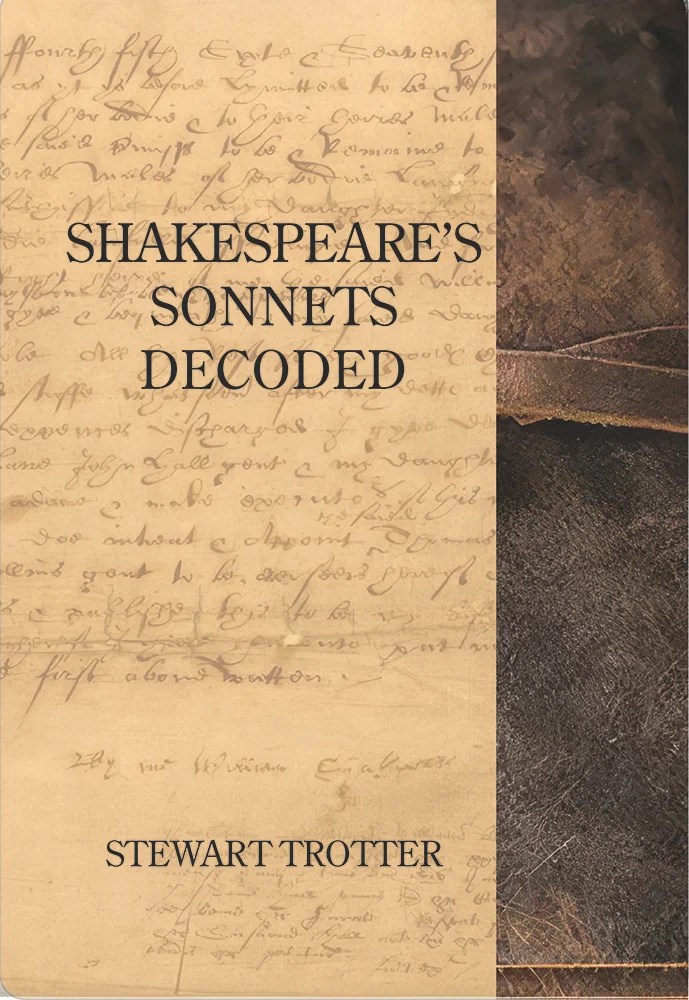
………available from Magic Flute Publishing at £12.95.
Shakespeare’s Sonnets Decoded – Magic Flute Publishing
See you all, God willing, on Tuesday 8th September, for…..
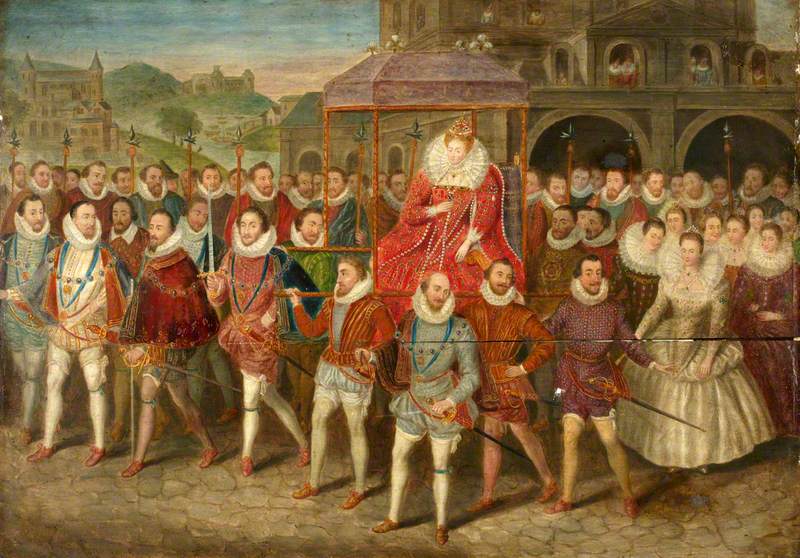
The Progress of the Queen
‘Bye, now!


Leave a Reply