An Extract from ‘The Book that Never Was…’
William Beeston, the son of Christopher Beeston who had acted with Shakespeare in Every Man in his Humour, told John Aubrey that Shakespeare in his ‘younger years’ had been ‘a schoolmaster in the country’.
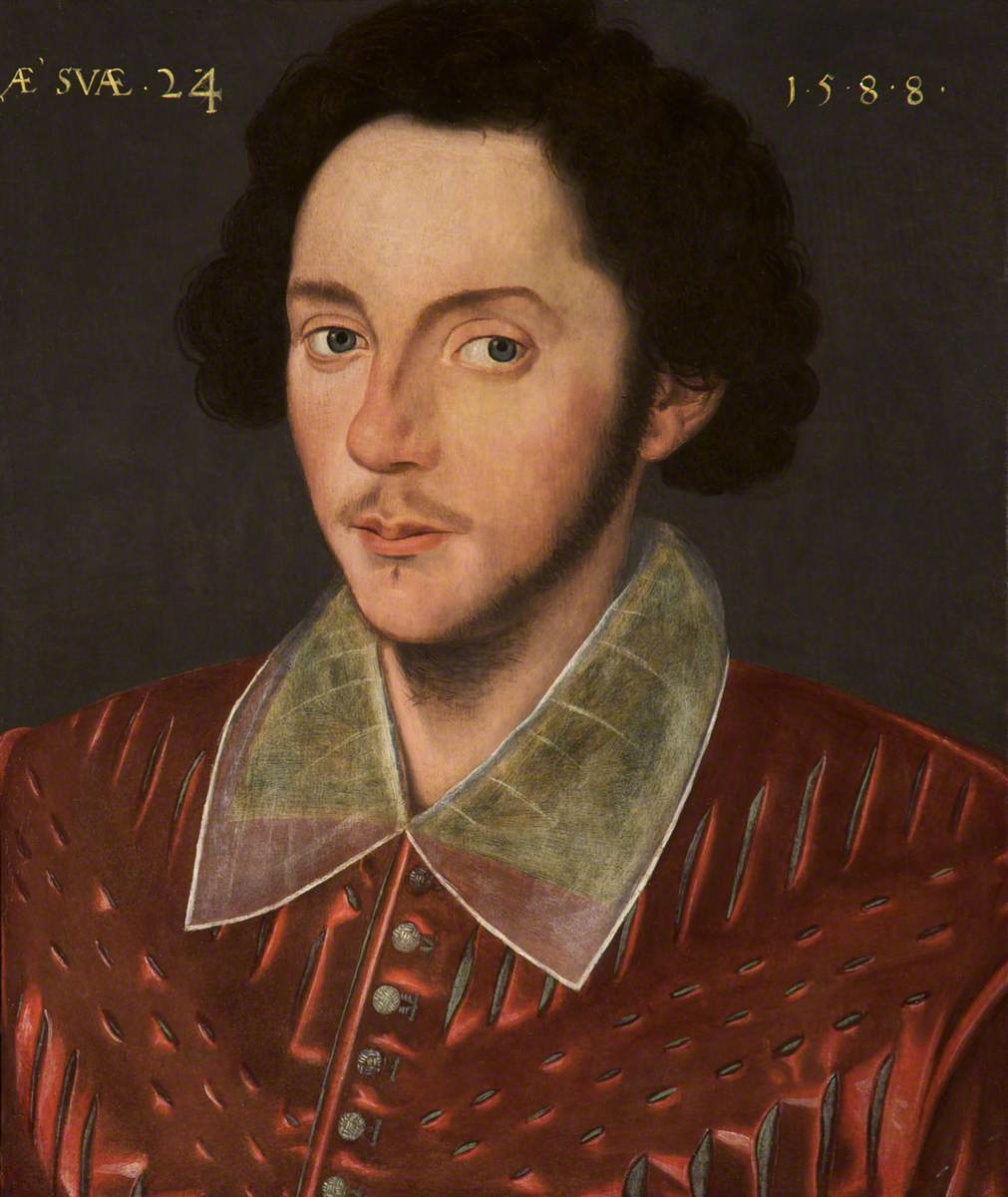
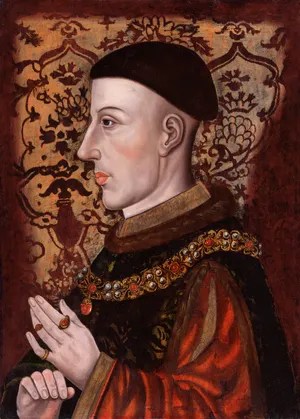
‘The country’ was Titchfield in Hampshire which stands on the River Meon near the Solent. For three hundred years the Premonstratensian Abbey had organised the sea-passage for travellers to Europe. Henry V had meditated there before the Agincourt invasion……
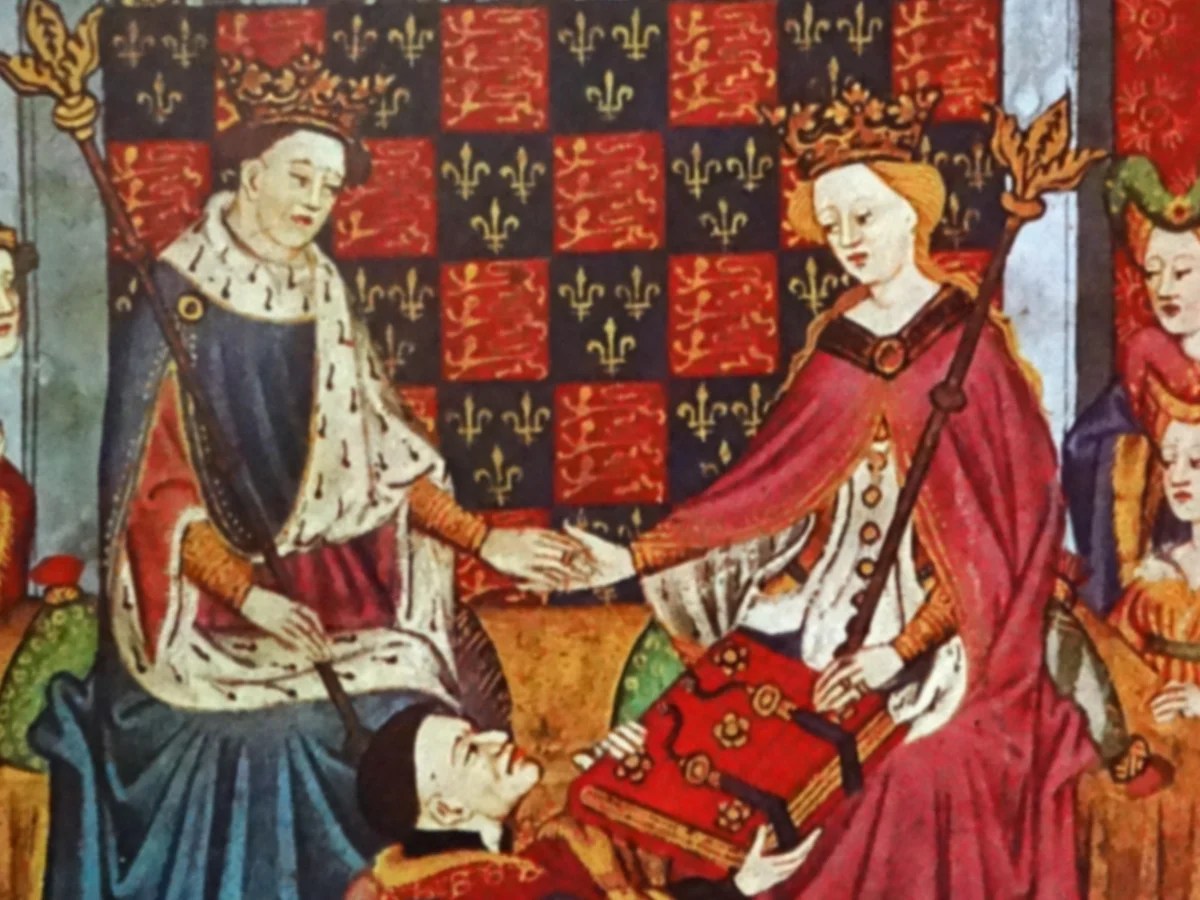
…..and Henry VI had married Margaret of Anjou in the Chapel.
Thomas Wriothesley, the first Earl of Southampton…….
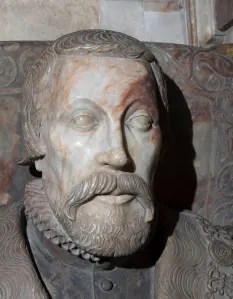
…to whom Henry VIII had presented the Abbey in 1537, had also been Bailiff of Snitterfield, where Shakespeare’s father had been born.
His daughter in law, the beautiful, wilful widowed Mary Browne, 2nd Countess of Southampton…..
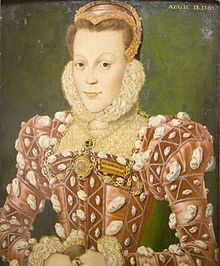
……was distantly related to Shakespeare’s mother. The Countess, a recusant Catholic, was in need of a replacement schoolmaster for her estate.
She was also in need of a tutor for her homosexual, wayward son, Harry.
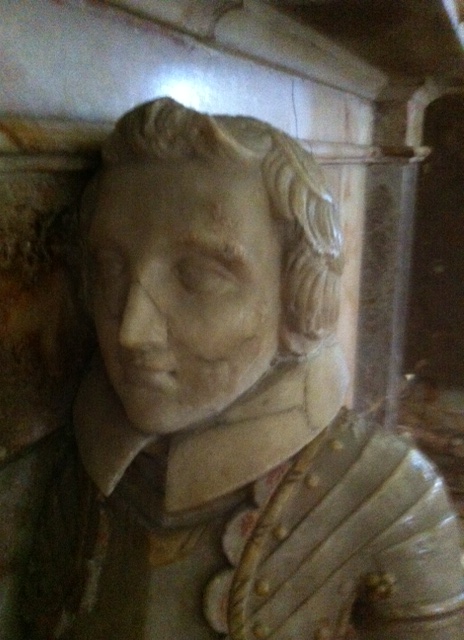
As a teenager Shakespeare had worked as a servant, musician and entertainer for the Roman Catholic Hesketh family at Hoghton Hall in Lancashire.
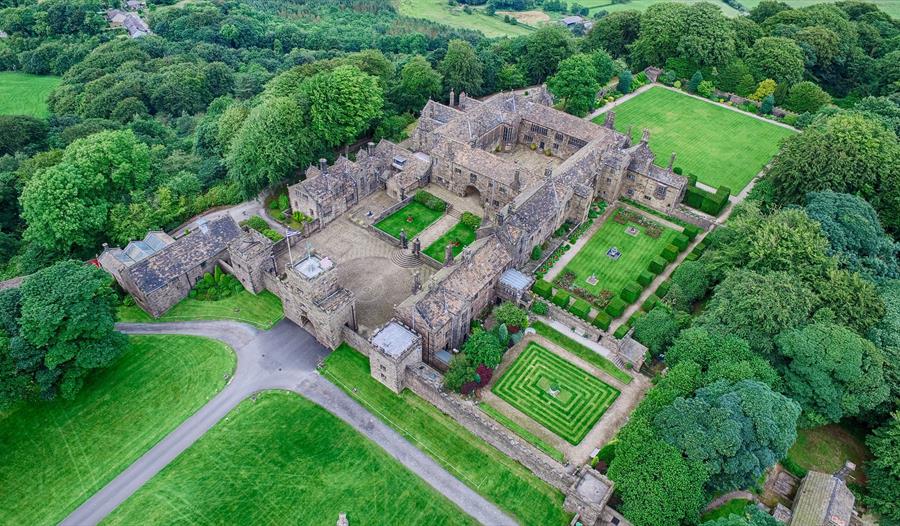
The Heskeths were friendly with the Catholic Percys and the Percys were friendly with the Catholic Southamptons. They had all plotted together to replace Queen Elizabeth with Mary Queen of Scots in 1569. The plan to marry Mary to the Duke of Norfolk had been hatched at the Southampton’s ‘right stately home’, The Place.
The ‘handsome, well-shaped’ Shakespeare who was also, according to Aubrey, ‘very good company and of a very ready and pleasant smooth wit’, landed the schoolmaster job. He became house-poet, entertainer, ‘johannes fac totum’ and, according to a later scandalous attack by Nashe, Mary Southampton’s secret lover.
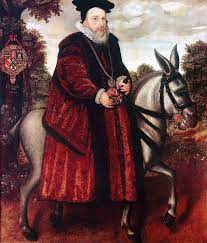
Mother and son Harry had never got on. Mary’s husband, the suicidally Catholic 2nd Earl of Southampton…..
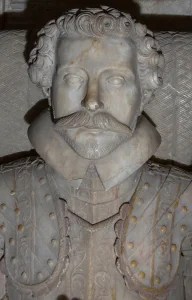
……..believing his wife had fallen in love with ‘a common person’, had thrown her out of the house. Converting his manservant into ‘his wife’, he surrounded son Harry, aged 6, with an all-male entourage of a hundred ‘tall goodly fellows who kept a constant pace.’
After the 2nd Earl’s early death, brought on by imprisonment in the Tower and state ‘examination’, his son had become ward to Lord Burghley, the Lord Chancellor…
.
Now turning seventeen, Harry was allowed back home to Titchfield.
Burghley had ordered Harry, stubbornly Roman Catholic like his father, to marry his Protestant grand-daughter or pay an enormous £5,000 (£2½ million) fine. Harry, who had become intimate friends with the Earl of Essex, another Burghley ward….
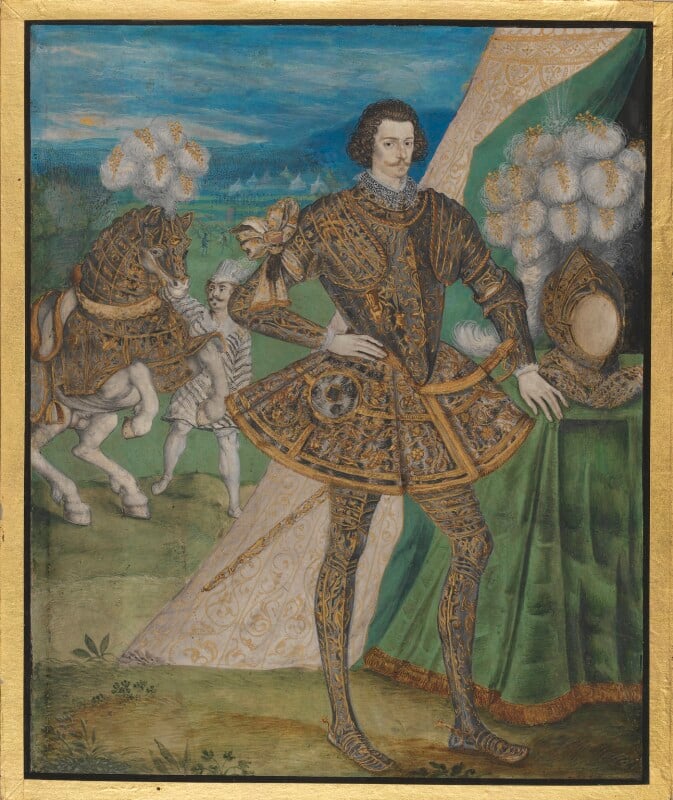
…. was having none of it.
Mary’s first commission for adopted ‘cousin Will’ was seventeen sonnets for Harry’s seventeenth birthday, celebrating the joys of heterosexual love, marriage and parenthood…
Sonnet sequences were all the rage in the southern Shires. The Countess of Pembroke……
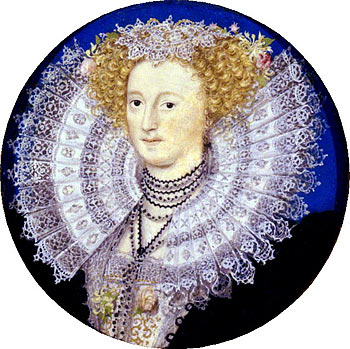
……..a day’s horse-ride away at Wilton in Wiltshire, had set Samuel Daniel ‘to school’ to write his Delia sequence in praise of her own ‘unattainable beauty’. Her brother, Sir Philip Sidney, before his recklessly chivalric death at Zutphen, had also written his Astrophil and Stella sequence at Wilton, in praise of ‘Stella’s’ ‘unattainable beauty’.
Harry’s beauty, on the other hand, was very attainable…..
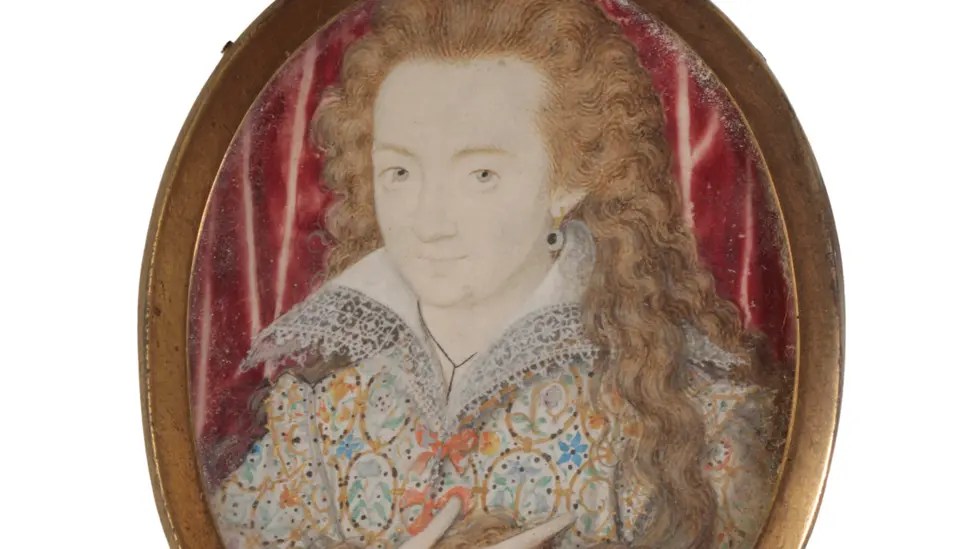
Shakespeare later admitted that he was attracted to him the moment he first ‘eyed’ his ‘eye’ (code word): but enjoying money, fine clothes and security, he did not want to upset the Countess. His ‘sugared’ sonnet sequence, profoundly influenced by Daniel whose manuscript he saw, contains a beautiful compliment to her:
‘Thou art thy mother’s glass, and she in thee
Calls back the lovely April of her prime.’
Shakespeare is harder on Harry. He acknowledges the young man, looking almost like a girl with his shoulder-length hair, possesses great beauty: but he admonishes him in code for his habit of masturbation:
‘Unthrifty loveliness why dost thou spend
Upon thyself thy beauty’s legacy’.
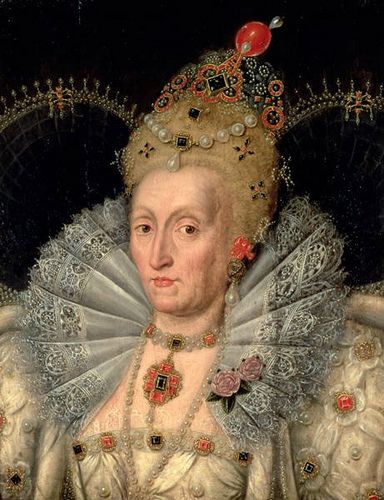
He warns him not to end up like Queen Elizabeth, old, ugly, unwed, childless and abandoned. If everyone were to behave like her, he argues, then ‘threescore year would make the world away.’
Shakespeare was always too self-willed to stay strictly within the terms of his commissions. Towards the end of the sequence he makes the outrageous suggestion that Harry does not need to have a son. He has achieved immortality already.
Shakespeare has written about him.
●
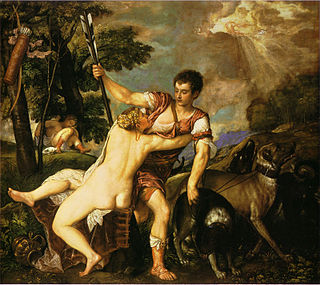
In the companion piece to the Sonnets, the narrative poem Venus and Adonis, Shakespeare makes a true break-through.
In the poem Venus wants to make love to the handsome, young Adonis, who, like Harry, had a ‘tender spring’ upon his ‘tempting lip’ and who, also like Harry, would prefer to be off hunting with his young male friends. Following the thought of the sonnets, Venus argues that it is Adonis’s duty to have children and refers again to Mary Southampton:
‘O had thy mother borne so hard a mind
She had not brought forth thee, but died unkind’.
Wishing she were ‘a man’ and Adonis ‘wert as I am’, Venus rugby-tackles a reluctant Adonis to the ground to make love to him. Adonis ‘dies’ after a wild boar gores him in the groin and makes a ‘wide wound’ in ‘his soft flank’. Adonis’s blood covers ‘every grass, herb, leaf or weed’ – all code for ecstatic, homosexual orgasm.
Venus is a complex, tragi-comic figure whose hypocrisy Adonis exposes. She does not want to people the world; she wants to satisfy her own lust. But she is tender hearted: when she suggests that Adonis hunt the hare rather than the boar, she starts to empathise with the hare’s panic. On discovering the corpse of Adonis, the shock to her senses is compared to a snail whose ‘tender horns’ have been ‘hit’. Shakespeare achieves true sublimity with her final departure:
‘Thus weary of the world, away she hies,
And yokes her silver doves, by whose swift aid
Their mistress mounted through the empty skies,
In her light chariot quickly is convey’d,
Holding their course to Paphos, where their queen
Means to immure herself and not be seen.’
Shakespeare, in his dedication of the poem to Southampton, describes Venus and Adonis as the ‘the first heir of my invention’. This new, rich, ambiguous, shifting work has no literary antecedent. In Ovid Venus does not even appear to Adonis.
It does, however, have a pictorial one……
●
[Note: The Southampton Family Tomb photographs were taken by Ross Underwood.]
An Important Statement from Trixie the Cat!
Brothers and Sisters of The Shakespeare Code,
As you will know, the above Post was part of a Book Proposal our Chief Agent, Stewart Trotter, was asked to submit by a famous editor of a famous publishing house in 2007.
It was rejected – but many of its ideas are now accepted – especially with the use of Artificial Intelligence.
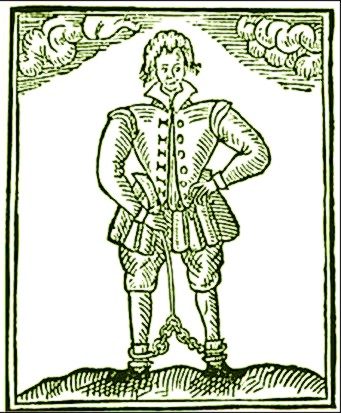
For example: Stewart has always maintained that it was Thomas Nashe who wrote the ‘Upstart Crow’ attack on Shakespeare…..
– and not Robert Greene.
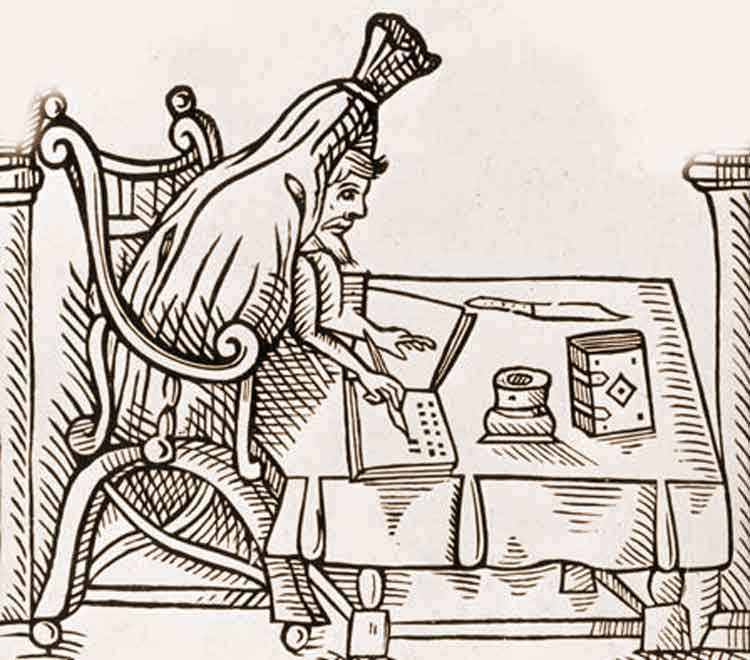
This idea was validated last year by a team of scholars working at Universities of Leeds, Sussex and Durham – using AI!
Stewart also believes that Aemilia Bassano/Lanyer – as well as being the Dark Lady of the Sonnets – an idea first proposed by A.L. Rowse…..
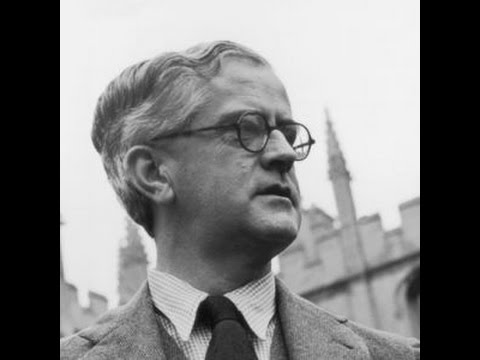
…….was also the secret author of the satire against (among others) Shakespeare and the Third Earl of Southampton – Willobie his Avisa.
This idea will be validated soon, Your Cat believes, by AI – comparing the writing styles of Aemilia Lanyer’s book of poems Salve Deus Rex Judaeorum with Willobie.
See: https://theshakespearecode.blog/willobie-his-avisa-decoded/
(Although Stewart is far too modest to say so – his ideas were light years ahead of their time – including the realisation that Shakespeare was bisexual – a claim he made in his Finals Essay at Cambridge in 1971!)
In 2007, when Stewart was asked to submit his book outline, Your Cat hadn’t joined The Code – indeed The Code had not yet been formed. It came into being in 2012 when Stewart started his blog – which so far has received a staggering 413,910 Views.
Your Cat then joined The Code as part of her Rehabilitation Programme..
So she was unaware of the existence of Shakespeare Decoded. She came upon it quite by chance when she was scouring the office for a lost, old password.
She read it and shrieked – in the way only Your Cat can do – and rushed into Stewart’s office.
‘We MUST publish this!’ she cried – and handed it to our Chief Agent…..
Brothers and Sisters, you’re not going to believe the next bit:
Stewart had entirely forgotten he had written the book proposal!
Not only that, he had forgotten many of the brteak-through ideas he had proposed in the book.
He glanced through it and said: ‘Trixie, burn it!’
A veil will be drawn over what happened next. Suffice it to say that Your Cat still has a life or two left in her.
We will post the book proposal exactly as it was written nineteen years ago.
At the end, Your Cat has agreed to Stewart will reviewing his old ideas – commenting on them if he needs to.
There are a dozen more chapters – and, God Willing – we shall publish them once a week on Monday Evenings.
The next Post will be……
The Titian Connection
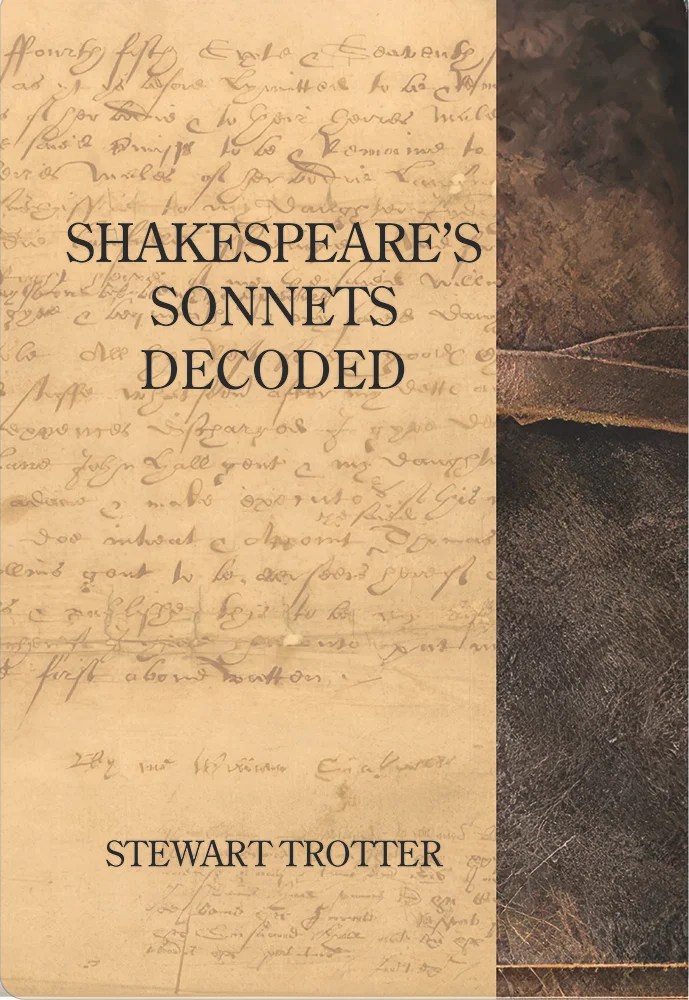
If you enjoy The Shakespeare Code why not read Stewart’s new book……
Shakespeare’s Sonnets Decoded
….. a beautiful volume published by the Magic Flute company at only £12.95
Click the link below for details:
Shakespeare’s Sonnets Decoded – Magic Flute Publishing
So Brothers and Sisters, look forward to seeing you all in the evening of next Monday 17th August at 7 p.m. – BST!
‘Bye, now!


Leave a Reply