A Trixpose!
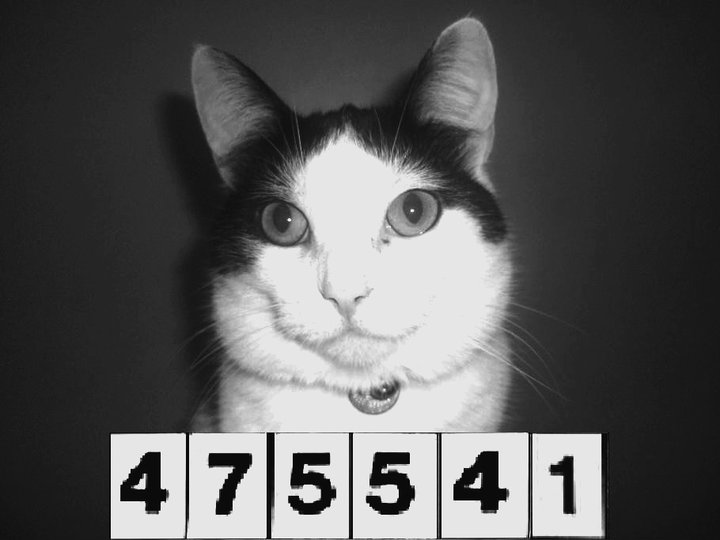
Brother and Sisters of The Shakespeare Code!
An astounding article has just been posted on Facebook by the Titchfield History Society!
And here it is!
‘A portrait believed to be William Shakespeare’s possible lover has been discovered in a private collection.

Warwick art historian Elizabeth Goldring uncovered the lost portrait of Shakespeare’s patron Henry Wriothesley, 3rd Earl of Southampton, after more than 400 years.
The painting has now been confirmed as by Nicholas Hilliard (c.1547-1619), who was said to be Queen Elizabeth I’s favourite portraitist.
Stratford-upon-Avon born playwright Shakespeare dedicated Venus and Adonis and The Rape of Lucrece to Wriothesley, who some think was the “fair youth” to whom many of Shakespeare’s sonnets are addressed.
Owners of the private collection contacted Dr Goldring after reading her book on Hilliard, suspecting the tiny painting in their collection to be of the renowned miniaturist.
The miniature’s style indicates it was painted in the early 1590s, said the University of Warwick.
Dr Goldring said: “The Earl’s pearl earring, bracelets, beautifully embroidered clothing and long hair held close to his heart may present an initial impression of a woman, but this is a faithful representation of Wriothesley’s appearance.”
A small detail on the back of the miniature could be a potential clue to the nature of Wriothesley’s personal relationship with Shakespeare, said Dr Goldring, who spent eight months studying the artwork.
“Miniatures were inherently private artworks that were frequently exchanged as love tokens,” she said.
“This miniature is pasted onto a playing card, which is customary for the time.
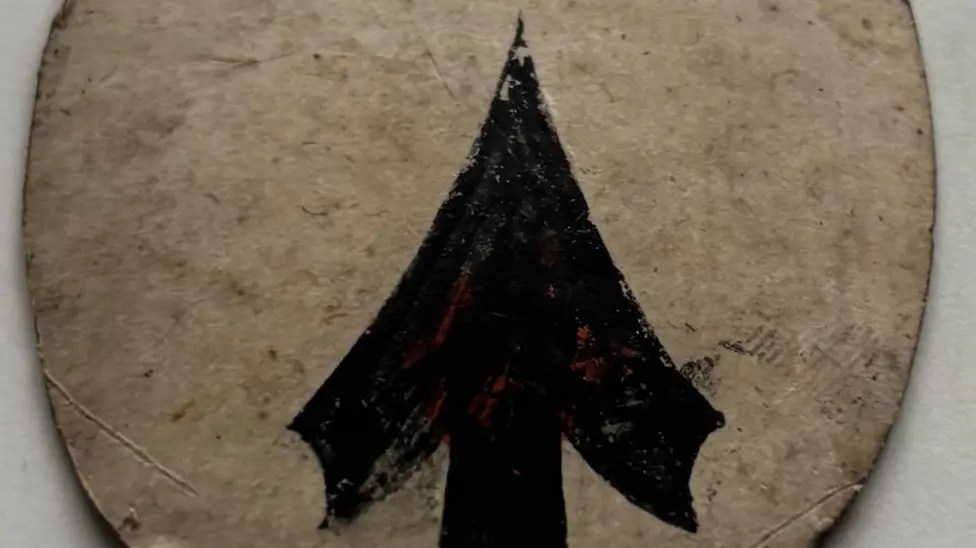
“The reverse of this playing card was originally a red heart, but most unusually, the heart has been deliberately obliterated and painted over with a black arrow.
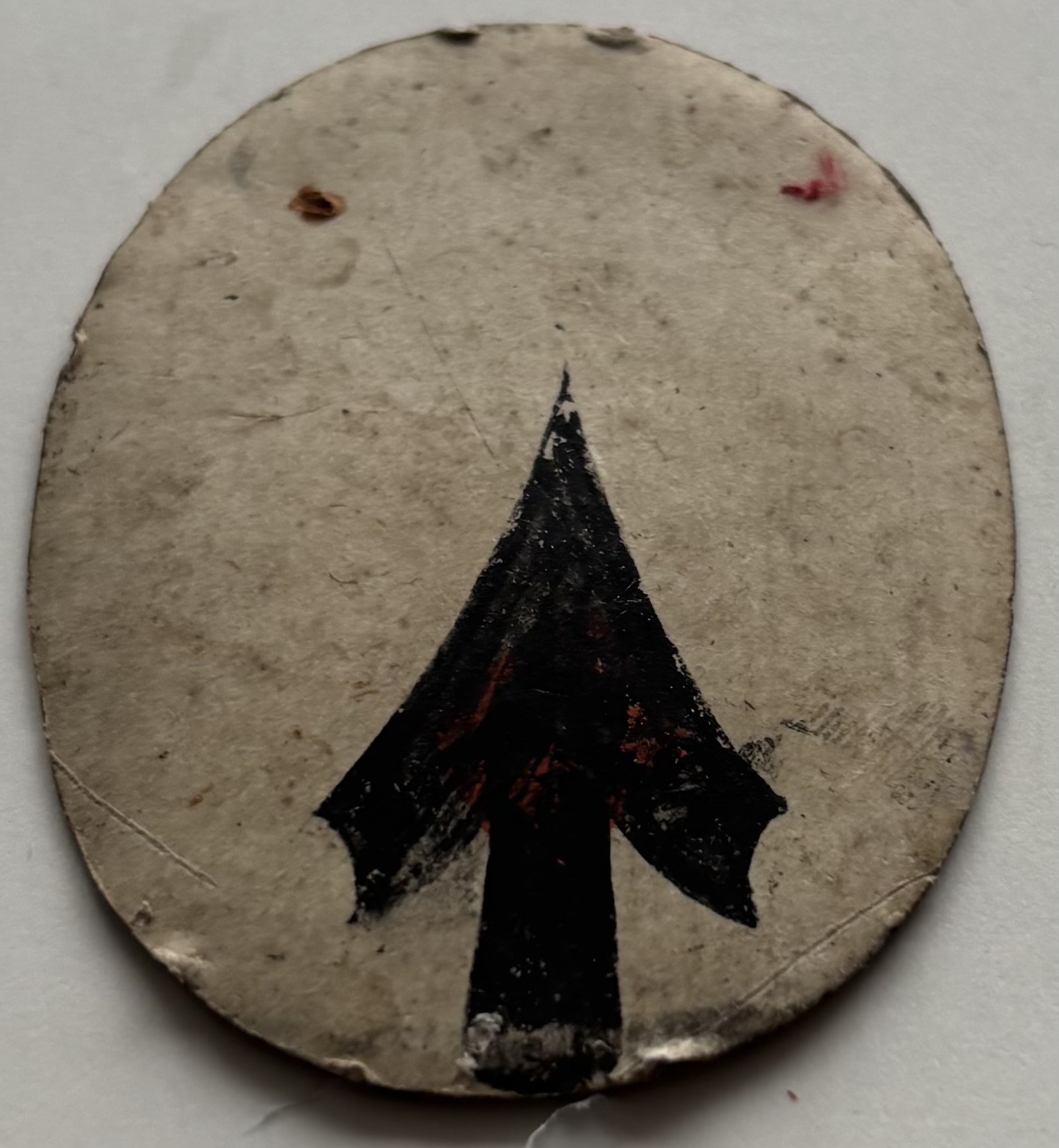
“It could, arguably, be a spade – but I think it more strongly resembles a spear, the symbol that appears in Shakespeare’s coat of arms.”

While it is impossible to say when the defacement on the card happened, Dr Goldring said it was “certainly done with a purpose”.
The oval painting measures just two and a quarter inches in height.
Goldring added: “One tantalising interpretation might be that Shakespeare was the original recipient of the miniature but returned it to the Earl at some point.
“Perhaps around the time of Southampton’s marriage in 1598 – with his personal mark firmly obscuring the heart.
“Such a scenario would help to explain why and how the miniature remained in a branch of the Southampton family for hundreds of years.”
XXXXXXXXXXXXXXXXX
Your Cat believes that Dr Goldring is ALMOST spot on! Will did break with Harry – but not after Harry had married Elizabeth Vernon in 1598. It was a rupture to their long love affrair – and The Code believes that Mercutio’s disturbed behaviour when Romeo falls in love with Juliet is Will’s dramatisation of his own ambivalent feelings.
Sonnet 116 – ‘Let me not to the marriage of true minds/Admit impediments’ – with its marriage ceremony language – is a statement of Will’s continued love for Harry, even if Harry, for the moment, has withdrawn his own.
But both men, it seems, were finally able to cope with the change of relationship – as long as Harry and Elizabeth produced baby girls…..
Indeed in Sonnet 107 – which we can date precisely to Queen Elizabeth’s death and James’s Succession in 1603 – and Harry’s release from the Tower in April that year – Will refers to Harry as ‘my true love’.
But matters come to a head on St. David’s Day, 4th March, 1605…….
Elizabeth Vernon finally produces a son for Harry who was christened in the Chapel at Greenwich on 24th March. King James was in attendance as the boy’s Godfather.
Shakespeare, it seems, was not.
As we know from his Sonnets (and some of his plays) Shakespeare was terrified of rejection by Harry.
Now it happened. Harry wanted his son to be a brave, masculine soldier….
So his father’s gay past had to be denied….
And Shakespeare, the player, had to go.
Shakespeare responded by writing Harry the most poisonous poem of all time…..
Sonnet 126 – 153 in The Code’s new ordering of the Sonnets…..
‘O thou my lovely Boy who in thy power
Dost hold time’s fickle glass, his sickle’s hour:
Who hast by waning grown, and therein show’st
Thy lover’s withering, as thy sweet self grow’st‘
Interpretation:
My ‘lovely boy’ who seems to have complete control of Father Time’s capricious hour-glass and his ‘sickle’s hour’ – the hour of death when his scythe cut’s life away – who has performed the miracle of growing bigger by diminishing (‘waning’ like the Moon).
i.e., he has produced a son, the way Shakespeare urged him to do in Sonnet 11. (12) where he uses the same ‘waning’ imagery.
‘As fast as thou shalt wane, so fast thou grow’st
In one of thine, from that which thou departests.
And that fresh blood which youngly thou bestow’st
Thou may call thine, when thou from youth convertest’
Interpretation:
Who by doing this has caused his lover (i.e., me) to wilt while his baby boy grows…..
‘Self’ can mean child – as it does in Sonnet 10. (11)
‘Make thee another self for love of me
That beauty may still live in thine and thee’.
And Shakespeare also uses the phrase ‘sweet self’ to mean Harry’s baby in Sonnet 4. (5):
‘For having traffic with thyself alone’ (i.e. by masturbating and not having sexual intercourse)
‘Thou of thyself they sweet self dost deceive’. (i.e. you deprive yourself the joy of having a sweet baby boy).
The printing of Sonnet 153. (126) Contains an error in the second line:
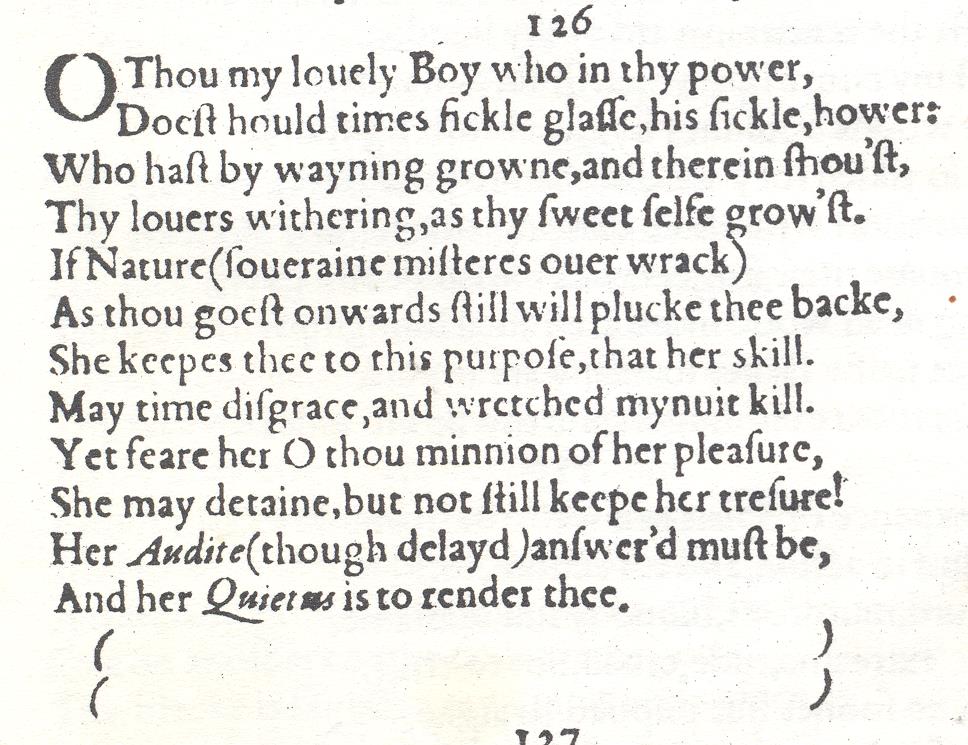
Cambridge Editors have amended this line to:
‘Dost hold time’s fickle glass, his sickle hour’.
While an Oxford Editor amends it to:
‘Dost hold time’s fickle glass, his fickle hour’.
It is much more likely that the comma after ‘sickle’ – which makes no sense – was actually intended to be an apostrophe followed by ‘s’ – hence The Shakespeare Code’s emendation to ‘sickle’s hour’ – the hour of the sickle, the hour of death.
‘If Nature (sovereign mistress over wrack)
As thou goest onwards still will pluck thee back,
She keeps thee to this purpose, that her skill
May time disgrace, and wretched minuit kill.‘
If Dame Nature – who is the supreme controlling mistress of decay – keeps you forcibly young as you age – by preserving your ‘loveliness’ and giving you a son – her motive for doing this is to humiliate Father Time and kill the grim midnight hour.
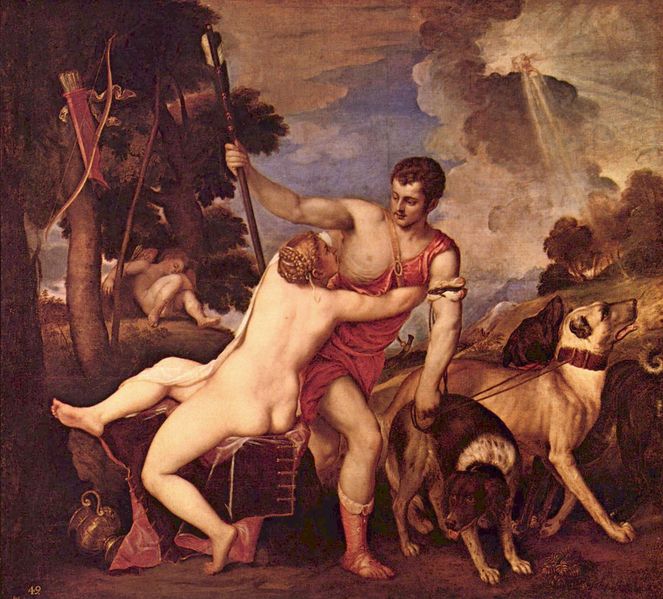
This is reminiscent of Venus holding back Adonis from the boar-hunt in Venus and Adonis……
‘Yet fear her, O thou minion of her pleasure;
She may detain, but not still keep her treasure!
Her Audit (though delayed) answer’d must be,
And her Quietus is to render thee.‘
Interpretation:
But be frightened of your mistress – you plaything of her lust – just as Essex had been Queen Elizabeth’s! She can hold on to her goods – but can’t keep them. Her Final Demands from Father Time must be honoured – and her settlement of the bill is to ‘render’ you = (1) Give you back (2) Break you down in the ground, like rotten meat.
This Sonnet is NOT a Sonnet. It is only ten lines long – and where there should be a clinching couplet Shakespeare has put two pairs of brackets.
He is destroying his relationship with Harry and destroying the form of the Sonnet at the same time.
The brackets look like the yawning grave waiting for Harry – beautiful as he might look now.
So, having promised Harry eternal life through his poetry, Shakespeare now promises him death and decay.
He wants his lover dead.
When Shakespeare described Harry two years earlier as a ‘sweet boy’ in Sonnet 149 (108) he truly meant it….
Now ‘lovely boy’ is intended by Shakespeare to be sarcastic and contemptuous…..
We know from the Sonnet 47 that Harry has given Will a miniature of himself as a love token.
Will even calls it ‘my love’s picture’….

‘With my love’s picture then my eye doth feast,
And to the painted banquet bids my heart.’
Harry is holding his hair against his heart – symbolising his love for Will – and the back of the playing card originally featured the Ace of Hearts.
Will has obliterated that heart and returns the miniature to Harry….
….with a spear through his heart….
‘Bye now!


Leave a Reply