Feeds:
Posts
Comments

(It is best to read The Introduction first)

The French Connection.

The Earl of Essex was certainly not invited to the new vesion of What You Will ( Twelfth Night) played before Queen Elizabeth on Twelfth Night in 1601. Her  former lover was sick, impoverished and in disgrace…

 He had returned from leading the Irish Campaign without the Queen’s permission, and had burst into her morning chamber before she had time to put on her make-up and wig…

Essex’s many enemies at Court, especially Sir Walter Raleigh (‘The Fox’) and Sir Robert Cecil (‘The Ape’) had used this incident to poison the Queen’s mind against her favourite. She took away his ‘farm’ on sweet wines, his main source of income, and refused to see him.

Essex’s entourage was split as to what to do next.

Half favoured rebellion:

Stir up the citizens of London, march on Whitehall, kill Cecil and Raleigh and force the Queen to name King James VI of Scotland as her successor!!!

Half favoured appeaesment:

Fall on your knees, lads, and beg Elizabeth’s forgiveness…

William Shakespeare favoured appeasement. He knew his life was in danger. His play, The Life and Death of King Richard IIa coded attack on Elizabeth’s waywardness and favouritism – was being played as a piece of ‘agit-prop’ in the streets and houses of London.

If Essex, as an aristocrat, were to have his head cut off, there was a good chance Shakespeare, as a commoner, would be hanged, drawn and quartered.

With the re-hashing of What You Will (more frocks! more dancing!) came the chance for flattery…

Her Majesty’s guest, Don Virginio Orsino, Duke of Bracciano, was ‘honoured’ by having the leading character, Orsino (sexy, handsome, powerful) named after him.

The Shakespeare Code believes that Elizabeth was also ‘honoured’ by having the character Olivia, (sexy, beautiful, powerful)  embody all of the Queen’s very best aspects…

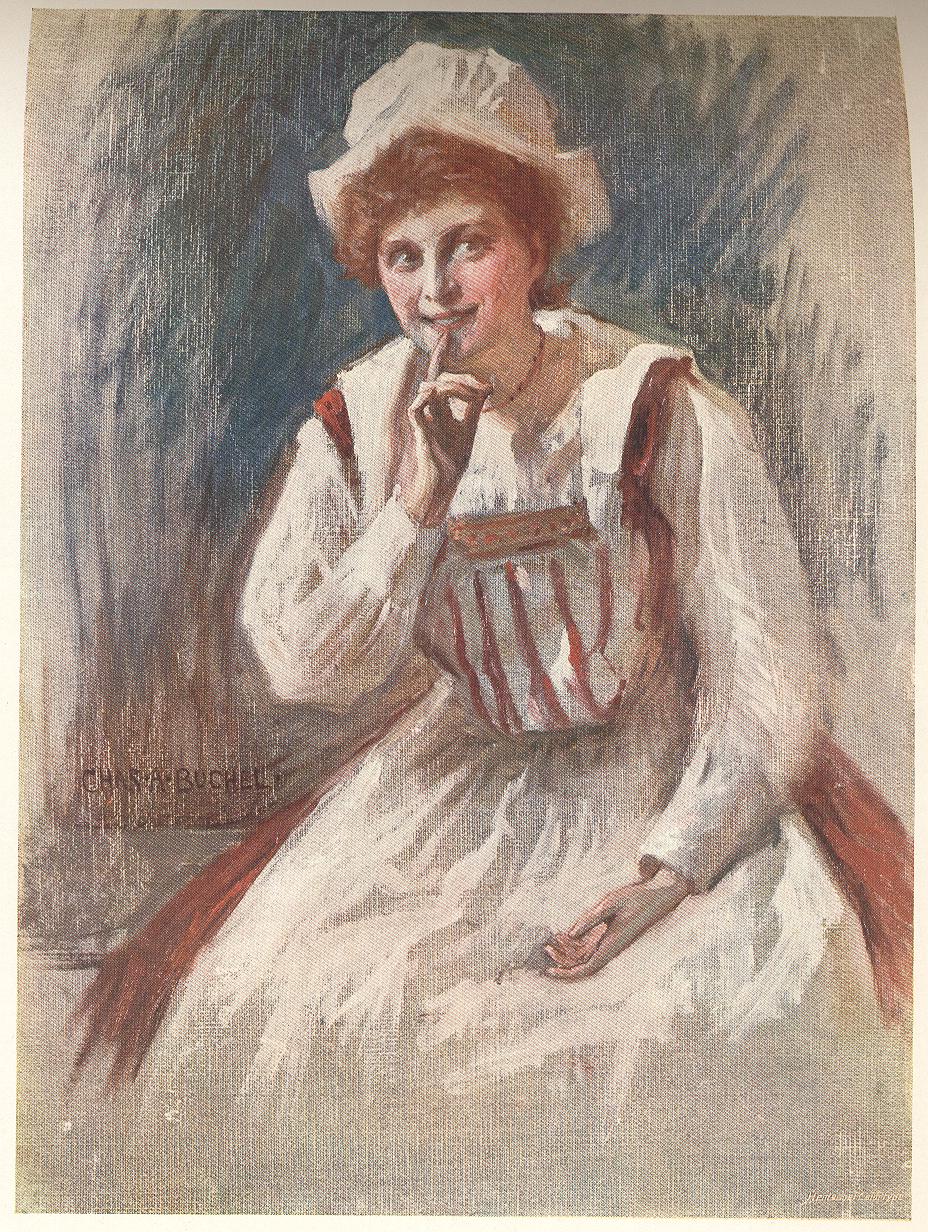
Olivia 'unveiling'

When Viola says to Olivia…

I bring no overture of war, no taxation of homage; I hold the olive in my hand: my words are full of peace as matter…

….it is Shakespeare addressing Elizabeth herself .

When Shakespeare re-creates Olivia, he paints a portrait of her bravery, self-control, femininity, vulnerability and sense of fun.

Twenty years previously, Catherine de’ Medici had suggested a marriage between her son, the Duc d’Alencon and the much older Queen Elizabeth. The dashing Jean de Simier….

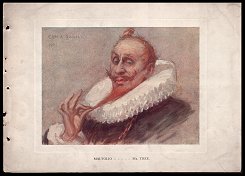
Simier – ‘The Monkey’

 a choice courtier, a man thoroughly versed in love-fancies, pleasant conceits and court dalliances…

….was sent to plead Alencon’s love-cause, and Elizabeth had fallen head over heels in love with him. As Edmund Bohun wrote…

The Queen danced often then, and omitted no sort of recreation, pleasant conversation, or variety of delights for his [Simier’s] satisfaction: at the same time the plenty of good dishes, pleasant wines, fragrant ointments and perfumes, dances and masques, and variety of rich attires, were all taken up, and used, to show him how much he was honoured..

Elizabeth, (45 years) painted at the time of the French marriage proposal.

Elizabeth was even rumoured to be secretly sleeping with her ‘Monkey’ in the bedroom of one of her Ladies-in-Waiting….

‘The Bear’  (Robert Dudley, the Earl of Leicester, Elizabeth’s old lover) became so jealous of Simier he claimed the Frenchman was using magic and love-potions on the forty-five year old Queen.  He even tried to assassinate him..

When Alencon himself arrived things got even worse….or better!

Alencon – ‘The Frog’

One day the Queen greeted her five-foot high, pock-marked, but very sexy ‘Frog’, at the door of her own bedchamber,  dressed only in a nightgown…

A three-hour ‘private audience’ ensued.

After which she gave the Frog a ring….

In Twelfth Night, the love-sick Orsino sends his page, ‘Caesario’ (Viola dressed as a boy) t0 plead his love-cause to Olivia, just as the Monkey had pleaded for the Frog to Queen Elizabeth…

And  Olivia gives ‘Caesario’ a ring as a love token, just as Elizabeth gave one to the Frog…

But, again just like Olivia in the play, Elizabeth did not want to ‘match above her degree’.

She knew that, after the hated reign of her half-sister, ‘Bloody Mary’ (who had married King Philip II of Spain) the English would never tolerate another foreign king, let alone a Catholic one.

So, like  ‘Caesario’s’ supposed ‘dead sister’ in the play, Queen Elizabeth…

never told her love,

But let concealment like a worm i’ th’ bud

Feed on her damask cheek; she pin’d in thought,

And with a green and yellow melancholy

She sat like Patience on a monumnet,

Smiling at grief….

After Alencon’s departure in 1582, the Queen expressed identical feelings in an identical way in a beautiful poem she wrote…

I grieve and do not show my discontent;

I love, and yet am forced to seem to hate;

I do, yet dare not say I ever meant;

I seem stark mute, but inwardly do prate.

I am and not; I freeze and yet am burned,

Since from myself, another self I turned.

 My care is like my shadow in the Sun –

Follows me flying, flies when I pursue it,

Stands, and lies by me, doth what I have done;

His too familiar care doth make me rue it.

No means I find to rid him from my breast,

Till by the end of things it be suppressed.


Some gentler passion slide into my mind,

For I am soft and made of melting snow;

Or be more cruel love, and so be kind.

Let me or float or sink, be high or low;

Or let me live with some more sweet content,

Or die, and so forget what love e’er meant

When, two years later, Elizabeth learnt that Alencon had died, she dressed in black and wept openly for three weeks. Each year she commemorated the day of his death.

Twelfth Night celebrates this ‘gentle’ quality in the Queen….

Elizabeth with olive branch…

As ‘Caesario’ says of Olivia (and herself):

How easy is it for the proper false

In women’s waxen forms to set their hearts!

Alas, our frailty is the cause, not we,

For such as we are made of, such we be…

This version of the play empathises completely with the pressures on Olivia. She was not born to Stewardship and has to take over the running of the household after the deaths of her dearly beloved father and brother.

Similarly, Elizabeth was not born to be Queen. She only took over the running of England after the deaths of her own dearly beloved father and brother, Kings Henry VIII and Edward VI. (And Bloody Mary, of course. But she’s the monarch nobody mentioned….)

Olivia, one of Orsino’s servants tells us…

will veiled walk

And water once a day her chamber round

With eye-offending brine…

just as Elizabeth did after the death of Alencon….

ACKNOWLEDGEMENT

The Shakespeare Code has discovered that the great Canadian researcher, scholar, Quaker and First World War pacifist (though he fought in the Second) Dr. Leslie Hotson, takes exactly this view of Olivia in his ground-breaking, 1954 book, The First Night of Twelfth Night.

He even quotes the same poem by Queen Elizabeth…

The Code is always delighted to acknowledge pre-emption.

Especially from a Cambridge man.

(Hotson was a Fellow of King’s College from 1954-60).

It’s best to read Part Two now.

And: Viola’s ‘Willow Cabin’ speech Decoded.


It’s best to read The Introduction and Part One first.

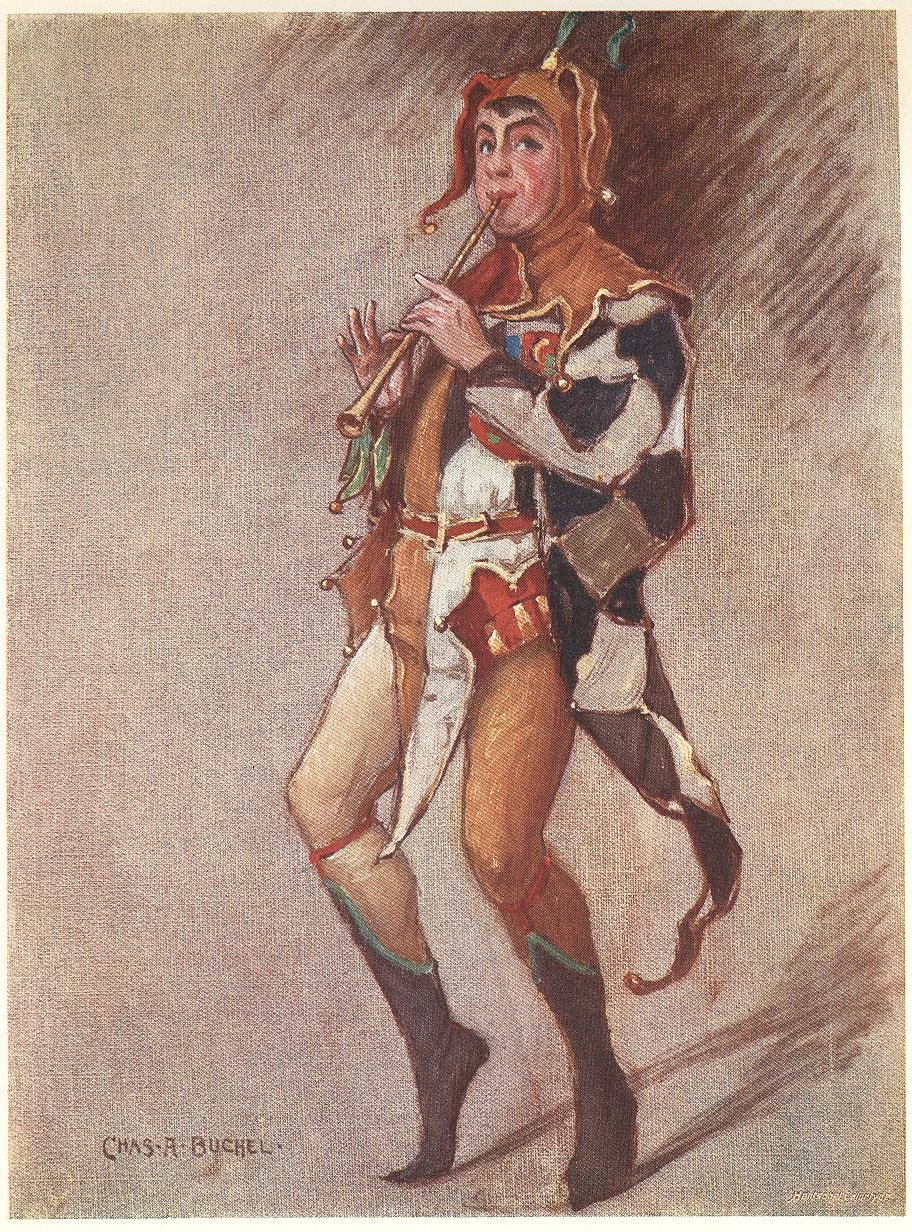
SEND IN THE CLOWNS…..

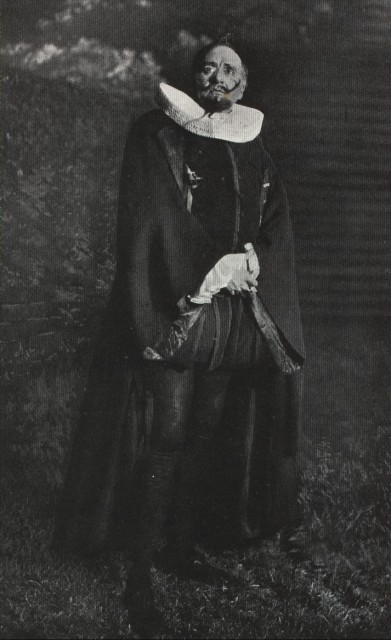
Courtice Pounds as Feste in Tree’s 1901 Production of ‘Twelfth Night’.

At the beginning of Twelfth Night we learn that the jester, Feste, has been long absent from Olivia’s household. The reason for this is clear. 

Countess Olivia intends to grieve for the death of her brother for the next seven years. A household in mourning is a difficult place for a clown…

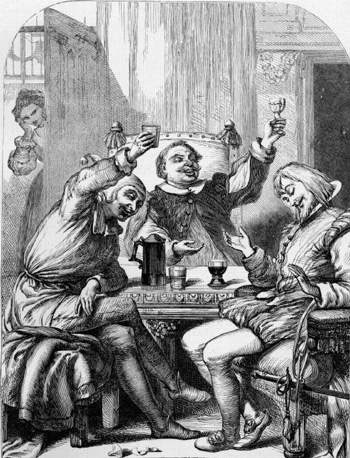
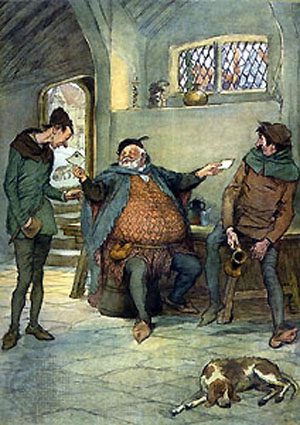
A Case of Jester Stress…

Also Olivia’s steward, the Puritan Malvolio, hates Feste and wants to get rid of him….

Olivia is furious with Feste when he does return, but gradually warms to his wit.  Feste is trying to ‘heal’ his mistress’s melancholy, persuade her to abandon her mourning and embrace the joys of life again.

Queen Elizabeth had a jester whom she adored, and who died (like her lover, Robert Dudley, the Earl of Leicester)  in Armada year (1588).  His name was Richard Tarleton….

Thomas Fuller wrote of him:

When Queen Elizabeth was out of good humour, he could un-dumpish her at his pleasure. Her highest favourites would, in some cases, go to Tarleton before they would go to the Queen, and he was their usher to prepare their advantageous access unto her.  In a word, he told the Queen more of her faults than most of her chaplains, and cured her melancholy better than all of her physicians…

Sometimes Tarleton made Elizabeth laugh so much she begged him to stop…

Elizabeth’s father, Henry VIII, had a favourite jester as well…

When, in the play, Orsino’s servant, Curio describes Feste as:

a fool that the lady Olivia’s father took much delight it…

– the whole audience would have thought of King Henry’s jester,  Will Sommers. He was the only man who could make the King smile when he was in agony from a chronic ulcer on his leg…

(Even if he did once describe the little Princess Elizabeth as a ‘bastard‘)

Will Sommers

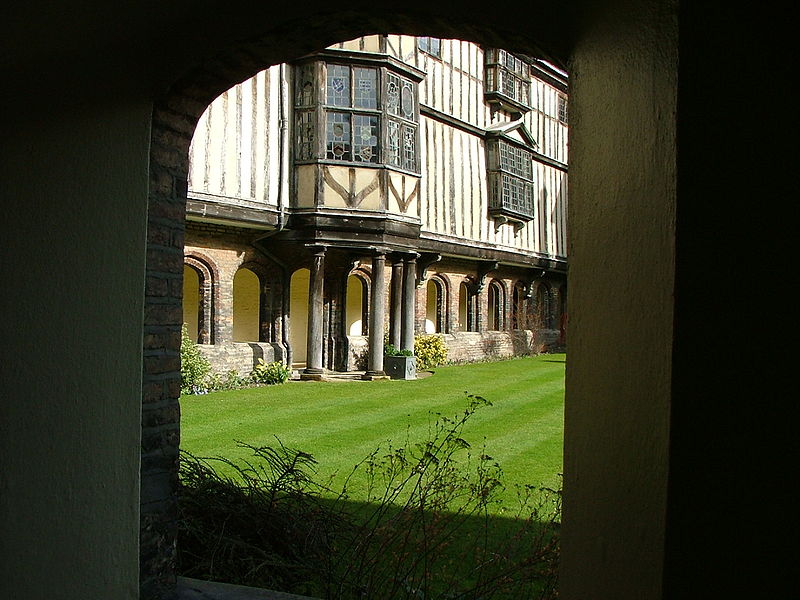
Thomas Nashe, writer and pamphleteer, had played the part of Will Sommers in his entertainment, Summer’s Last Will and Testament, performed before the Queen in 1592 at the Archbishop of Canterbury’s summer palace at Croydon.

It is The Shakespeare Code’s belief that Nashe went on to play the part of another jester, that of Feste, in the Twelfth Night entertainment for Elizabeth in 1601.

Nashe, Sommers, Feste..

Will Sommers and Feste have many similarities. Both are ‘stand-up’ comics whose prime purpose is to make the audience laugh: but both have a melancholy side and sing sad songs about death…

Will Sommers, to his own lute accampaniment, performs the beautiful…

 Adieu, farewell earth’s bliss

The world uncertain is

Fond are life’s lustful joys

Death proves them all but toys,

None from his darts can fly:

I am sick, I must die,

Lord have mercy on us… 

And Feste sings (to Count Orsino) the equally beautiful:

Come away, come away death,

And in sad cypress let me be laid.

Fie away, fie away breath,

I am slain by a fair cruel maid….

Ever economical, Nashe converts a sublime lyric he wrote for Sommers….

Beauty is but a flower

Which wrinkles will devour…

…into a crude joke for Feste…

As there is no true cuckold but calamity, so beauty’s a flower.

Feste even makes a coded reference to Henry VIII’s jester. When, asked by Maria what he will do if Olivia throws him out, he replies:

for turning away, let summer bear it out…

[Malvolio employs a similar ‘ jester- joke’ when he claims to have seen Feste…

put down by an ordinary [i.e.tavern] fool that has no more brain than a stone…

‘Stone’ was the name of another famous Elizabethan jester mentioned by Ben Jonson in Volpone]

But there is an even greater similarity than the one between Feste and Sommers.

It is the similarity between Feste and Nashe himself!  

Both love to invent extravagant words, phrases and names.

Gabriel Harvey, Nashe’s sworn enemy….

Ajax = a jakes…

 condemned this habit in Nashe as ‘foolerism’.

 He described it as a…

fantastical emulation…to presume to forge a misshapen rabblement of absurd and ridiculous words…

Feste is certainly guilty of ‘foolerism’ when he speaks to the ‘foolish knight’  Sir Andrew Aguecheek about…

Pigrogromitus, of the Vapians passing the equinoctial of Quebus…

And the Twelfth Night text is littered with Nashe’s favourite words, ‘sheep biter’ ,’whirligig’ ‘Myrmidon’ and  ‘herring’…  

Nashe wrote a whole play in praise of the red herring!!!

ACKNOWLEDGEMENT

The Shakespeare Code would like to thank writer, musician, actress (and Roll of Honour Inductee) Karen Gledhill….

  ….for pointing out the similarities between the dense and complex language of  Nashe’s pamphlets and the similarly dense and complex language of Feste.   Miss Gledhill has direct knowledge of Twelfth Night as she played a spirited Viola in the Northcott Theatre version of the play, set on a frozen river…

And the songs themselves, wonderful as they are, do not advance the action….

 Why was Nashe so anxious to create and play the part? 

Like William Shakespeare, he needed to appease the Queen

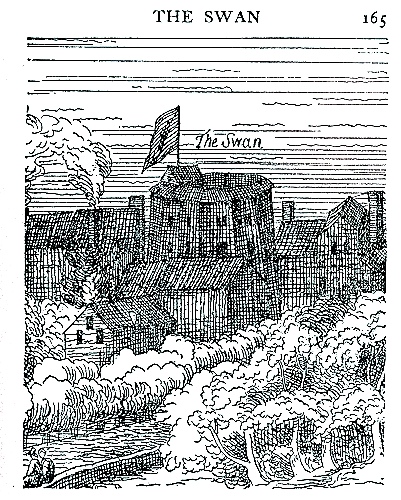
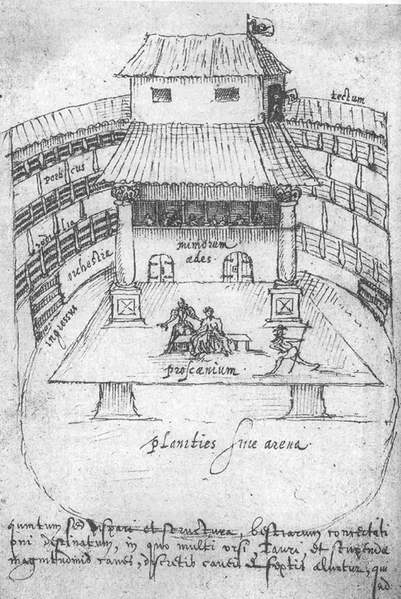
In 1597 he had written (in collaboration with Ben Jonson) The Isle of Dogs, an attack on Queen Elizabeth’s Privy Council.  It had been commissioned by the Queen’s old enemy, the Countess of Pembroke, and played by her men at the Swan Theatre in the notorious Paris Garden.

The Privy Council had ordered Nashe’s rooms to be searched and would have arrested him (as they arrested Jonson) if Nashe hadn’t fled from London.  

The Privy Council then exiled him.

But Nashe took Francis Mere’s words of 1598…

Comfort thyself, sweet Tom, with Cicero’s glorious return to Rome.

……as a piece of literal advice.

On Twelfth Night, 1601, he attempted a ‘glorious return’ to London.

He sudddenly appeared on the Whitehall stage before Her Majesty

Nashe hoped he could make the Queen laugh, as Tarleton had made her laugh all those years ago.. 

She would then forgive him, as Olivia forgives Feste…

And, like Feste, he would be welcomed back into the ‘household’…

It was not to be.

Before the end of the year ‘sweet Tom’  lay dead…

Shakespeare was to write no more great comedies…

Ben Jonson, who was with him at the end, said his ‘dear friend’  Nashe  had died…

A Christian, faithful, penitent

With happy thoughts and confident…

But he prophesied that, with the passing of Nashe’s  ‘great spirit’,  there would be…

a general dearth of wit throughout this land..

Three years later oneT.M. (clearly an enemy of Shakespeare) wrote more pointedly in  Father Hubbard’s Tales:

Else hadst thou [Nashe] left as thou indeed has left

Sufficient test thou now in others chests

T’improve the baseness of that humorous theft

Which seems to flow from self-conceiving breasts:

Thy name they bury, having buried thee,

Drones eat thy honey, thou wert the true bee..

But perhaps the truest epitaph on Nashe was deliveredfrom the fit-up stage of his Alma Mater, St. John’s College, Cambridge….

 Let all his faults sleep within his mournful chest,

And there forever with his ashes rest.

His style was witty, though it had some gall,

Some things he might have mended, so may all.

Yet this I say, that for a mother wit,

Few men have ever seen the like of it

(It’s best to read Part Three now.)


The Shakespeare Code cries:

 BRAVI!!!

to Martin Jarvis and his brilliant team who brought us a STUPENDOUS version of Sir Terence Rattigan’s greatest play, The Browning Version, on B.B.C.’s Radio 4 on Saturday 11th June, 2011.

Agents of The Code assembled at a secret rendez-vous for Lunch, passed on sensitive information, then listened to the Broadcast.

Many of them, albeit of gem-like intellect, were moved to tears…

Roll of Honour inductee, Martin Jarvis, at the end of the transmission, gave a penetrating account of the play’s history.

 This included the vital role played in the revival of the play’s  fortunes by The Shakespeare Code’s Chief Reporter.

When the Agents have recovered themselves, a full report will be passed on to Brothers and Sisters of The Code.

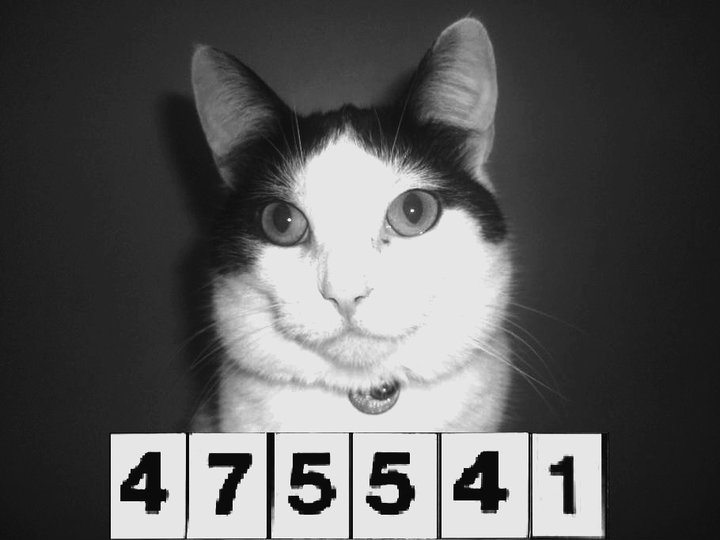
Meanwhile,Trixie the Cat has retired to her basket, too moved to speak….


Between Midnight on Friday, 10th June (British Summer Time) and dawn on 11th, 2011, The Shakespeare Code received its 3,000th View!!! 

The Code hopes this was from the Americas….

The entire Code Team (including Trixie the Cat) would like to thank the INTELLECTUALLY CURIOUS ands OPEN-MINDED Brothers and Sisters of the Code, from all over the world, who have made this possible.

The Code is also delighted to have received the following message from the dashing scholar and actor (and Roll of Honour Inductee) Simon Callow….

Bravo! Stuardo!!

APPOINTMENT OF THE FIRST ‘FELLOW OF THE CODE’

As Brothers and Sisters of The Code will know, it has always been the sworn intention of The Code to create, on its 3,000th view, the first:

FELLOW OF THE CODE

Luminary was approached by an Agent of the Code in conditions of the utmost secrecy.

 The Fellowship was offered.

The Fellowship was accepted.

And The Fellow is…


Janet St. John-Austen.

(It is an entirely happy coincidence that The Code is bestowing its Honour on the same day Her Majesty the Queen is bestowing hers…)

Miss St. John-Austen is now entitled to use the designated letters F.S.C. after her name (Fellow of the Shakespeare Code). 

Note: A secret ‘Fellows’ Handshake’ will be inaugurated as soon as another Fellow is appointed. That will be when the next thousandth milestone has been reached.

Miss St. John-Austen’s reaction to being offered the Fellowship was:

It’s awesome! I’m speechless! My mind goes immediately to appropriate headgear for such an honour…

Here is an account, in her own words, of Miss St. John-Austen’s life…

 Her earliest memories are of air raid shelters: sleeping in a Morrison and hiding in an Anderson.

 Childhood influences were Bach, the Church of England, The Goon Show and H-H-Hancock’s Half Hour.

 The rest of her life has been far from sheltered.  During and after the Great Proletarian Cultural Revolution she visited China many times and became something of a bore by batting on about catties per mou

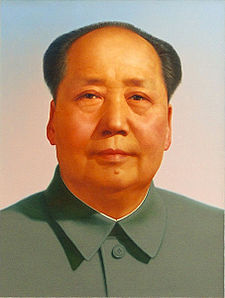
Chairman Mao

At the same time, she began to bore excessively on the Middle East & North Africa (fromIraq in the East to Mauritania in the west, she’s been there).  Sadly for friends and acquaintances her knowledge is extensive.

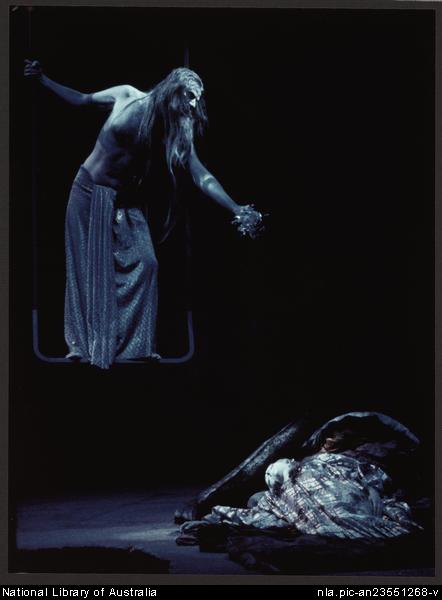
 Her passion in life is the utterly sublime and divinely exquisite voice of the counter-tenor James Bowman, whom she first saw suffused in a gold-lamé leotard, bare chest bedecked with a garland and a ruby glinting from his navel. Her life has never been the same since.

James Bowman as Oberon in Benjamin Britten's masterly 'A Midsummer Night's Dream'.

 In her dotage, she has become addicted to The Shakespeare Code, the wit and wisdom of which saves her from going totally bonkers.  Well, that and the odd glass or two of fizz administered at frequent intervals.

 Born indolent and devoid of ambition, her greatest success is to have achieved absolutely nothing.

 Rarely seen without a hat, she is severely domestically challenged.

 Trixie the Cat says….

Well done Janet! Everyone at The Code thinks you really deserve your Fellowship. You gave us your full support when The Code was a mere handful of people – when all we had was our dreams…

Your intellectual vigour is exactly what the world needs – but most of all, it needs your bravery, honesty, fun and sense of the absurd.

Janet, we all love you at The Code….
 A Fellow of The Shakespeare Code has his or her name automatically inscribed into

The Roll of Honour.

To celebrate the happy occasion of the appointment of its first Fellow, The Shakespeare Code will now unfurl its….

ROLL OF HONOUR

Janet St.John-Austen, F.S.C.

Michael Hentges

Martin Green

Alan Samson

Lord Bragg of Wigton

Sir Nicholas Hytner

Jane Howell

Greg Doran

Maggie Ollerenshaw

Simon Callow

Prof. David Womersely (Thomas Wharton Professor of English at Oxford University)

Karen Gledhill

Prof. Jonathan Bate (Professor of Shakespeare and Renaissance Studies at Warwick University)

Dr. James Kelly (Senior Tutor at Queen’s College, Cambridge)

China Miéville

Martin Jarvis

At Trixie’s inspired suggestion, The Shakespeare Code has decided to adopt the motto which sustained both the Earl of Southampton and Trixie during their two year incarceration in the Tower of London….

‘IN VINCULIS, INVICTUS’

(The Shakespeare Code is considering a Crest…)


(It’s best to read Parts One, Two  and Three first…)

TRIXIE REPRIEVED!!!

The Shakespeare Code had intended to eliminate Trixie the Cat at midnight on 28 May, 2011.

However, at an emergency meeting of the Elders of the Code, a reprieve was granted.

Reviewing the evidence (in the Three Parts of  ‘The Earl of Southampton and Trixie the Cat’)  the Elders decided that The Code itself might benefit from its own:

TRIXIE MOMENT!!!

The great explorer, Nile navigator and literary scholar, C.C. Stopes,  suggested that the Third Earl of Southampton’s wife, Countess Elizabeth, brought Trixie the Cat  with her on a visit to her  husband in the Tower of London, on 11 October, 1602 …

to help to comfort, and to help calm the excitement of meeting again after such a long and anxious separation.

Much as it admires Stopes, The Code utterly refutes her suggestion.

The Cat, though it might well have been a real ‘mouser’ in the Tower, plays a symbolic rôle in the Tower Portrait of Southampton – that of:

Passion Tamed!

(Southampton hated cats!)

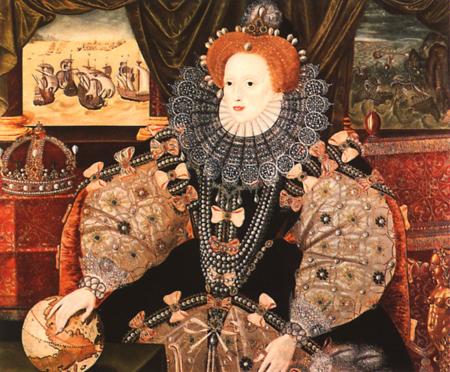
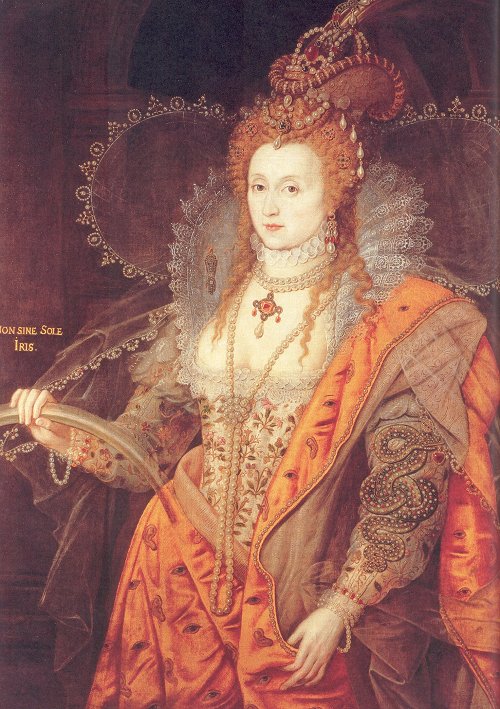
Queen Elizabeth I displays the same pre-occupation in her famous ‘Rainbow Painting’ (c. 1600)

The Rainbow Painting of Queen Elizabeth

 Her left sleeve has an embroidered serpent (‘Wisdom’) about to devour a ruby (‘Passion’)…

Passion (about to be) Tamed!

or Swallowed, rather…

Southampton’s mother, Countess Mary, had also been allowed to visit her ailing son in the Tower at the end of August, 1602, a few weeks before his wife was let in….

THE TRIXIE MOMENT UNVEILED…

The Shakespeare Code would like to suggest that Mary Southampton brought with her..

 Not Trixie the Cat, but…

 A  Sonnet from William Shakespeare!!!

The Code has already demonstrated that  Countess Mary approved of Shakespeare’s love for her son – as the Countess in All’s Well That Ends Well approves of  Helena’s love for Bertram.

A decade before, Mary Southampton had commissioned Shakespeare to write seventeen sonnets for her gay son’s seventeenth birthday, outlining the joys of  marriage. She needed to ‘heterosexualise’  Harry because:

1.  The Southampton family line otherwise  would die out, and…

2. Lord Burghley, Harry’s ‘guardian’, was about to impose a £5,000 [£2.5 million] fine if the Papist, flaxen-headed lad did not agree to marry his Protestant grandaughter.

The Sonnets, along with the erotically charged Romeo and Juliet (in which Shakespeare’s ambivalence about his commission finds voice in the ‘disturbed’  Mercutio) had half done the job.

Harry had finally married the volatile, weepy Elizabeth Vernon. He had even fathered a daughter with her…

But he still loved Shakespeare, and Shakespeare (with nothing at all to gain from the bankrupt, attainted, imprisoned and desperately ill, Earl of Southampton) loved him right back…

Loved him, in fact, more than  he had ever loved him before….

Mary Southampton would have been a more than willing postman for a Sonnet from Cousin Will to her son.

(Shakespeare, like Helena in the play, had been ‘adopted’ by the Southampton family. His own mother, Mary Arden, was even distantly related to Mary Southampton).

In Sonnet 66, Shakespeare shows that, like Southampton, he is sick. But his sickness is a spiritual one.

Like Hamlet, he yearns for death…

Tired with all these for restful death I cry:

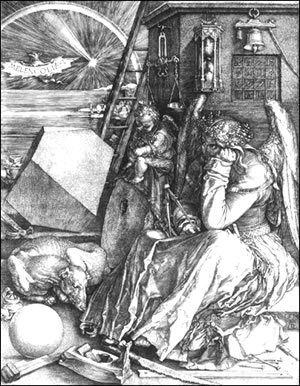
Shakespeare is suffering from melancholia, an aspect of life utterly accepted  by the Tudors. It  had to be lived with and lived through

'Melancholy' by Durer

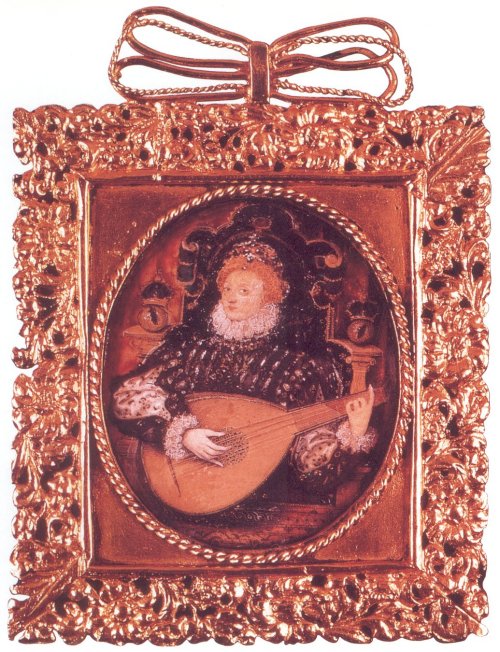
 Queen Elizabeth would fight melancholy by retiring to her chamber to play the lute….

Queen Elizabeth, playing the blues....

We think of  The Elizabethan Age  as a Golden one:  but to the Elizabethans themselves, it was an appalling time. They thought the end of the world must be imminent because…

 Things couldn’t get any worse…

As Elizabeth had said to William Lambarde, the antiquarian scholar, on 4 August, 1601:

now the wit of the fox is everywhere on foot, so as hardly a faithful or virtuous man may be found’.

In his famous soliloquy ‘To be or not to be’,  Hamlet itemises all the things that make him want to kill himself.  

Shakespeare does the same thing in Sonnet 66.

Like his old mentor, Robert Crowley (the radical vicar of St. Giles-without-Cripplegate in London) Shakespeare views with horror the disparity in wealth between a beggar and an aristocrat:

As to behold desert a beggar born,

And needy nothing trimmed in jollity

By the wonderful phrase ‘needy nothing’  Shakespeare suggests:

  1. A rich man who ‘needs for nothing’ and,
  2. A rich man who is a spiritual ‘zero’.

‘Trimmed in jollity’ also evokes the elaborate, frivolous, ornate ‘costumes’ of the aristocracy. (People in Elizabeth’s time were actually ‘colour-coded’  to indicate their wealth and status).

Shakespeare continues:

And purest faith unhappily forsworn,

The ‘purest faith’ for Shakespeare and Southampton was Roman Catholicism – which many Papists had been forced to ‘foreswear’  to save their lives.

And gilded honour shamefully misplaced,

The ‘honourable’  Earl of Southampton wore golden armour when he performed his many deeds of heroism on the battlefield….

‘The bravest knight in England…’

Now, imprisoned in the Tower, he is reduced to the level of a common criminal….

Shakespeare continues:

And maiden virtue rudely strumpeted

Queen Elizabeth claimed to be ‘The Virgin Queen’,  but Catholics believed she had used her wealth and power  to co-erce  upper class ‘ toy-boys’  into her bed.  Sir Philip Sidney, in vain hopes of her favour, had even bought her a jewel-handled whip…

Shakespeare continues:

And right perfection wrongfully disgraced,

Another reference to the ‘perfect’  Southampton in the Tower…..

And strength by limping sway disabled,

By 1602, Queen Elizabeth walked with a stick, as did Sir Walter Raleigh, as did Sir Robert Cecil…

And art made tongue-tied by authority,

Shakespeare, as The Code asserts, could never (under Elizabeth, at least) say directly what he wanted to say…

And folly, doctor-like, controlling skill,

Elizabeth had appointed idiots to positions of power, who issued unchallengeable ‘doctors’ orders’ to everyone else…

And simple truth miscalled simplicity,

Like Elizabeth, Shakespeare thought that  ‘the fox’ was ‘everywhere on foot’.  Sincerity in a man or woman was now misinterpreted as stupidity.

And captive good attending captain ill:

Southampton (‘the good’) is made to submit, like a princely prisoner of war,  to the Tower’s venal and corrupt  ‘Captains of the Guard’.

Tired with all these from these would I be gone,

Save that to die I leave my love alone.

Hamlet, in the ‘To be or not to be’ soliloquy, decides against suicide.

 He is frightened of what will happen to his soul after death.

Shakespeare, in Sonnet 66,  also decides against suicide. 

He is frightened of leaving Southampton ‘alone’.

But how, by dying, would Shakespeare leave Southampton ‘alone’?

He is not imprisoned with him the Tower….

Shakespeare would argue that he was.

In Sonnet 22 he declares that his own ‘heart’ is in Southampton’s ‘breast’, and Southampton’s ‘heart’ is in his.

In Sonnet 36 he also states that, though he and Southampton must live apart for a time …

Our undivided loves are one…

Shakespeare’s love for Southampton transcends space. 

He is with him, even while he is away from him.

As he puts it, sublimely, in The Phoenix and the Turtle, he and Southampton are:

 One Soul in Two Bodies….

So they loved as love in twain

Had the essence but in one:

Two distincts, division;

Number there in love was slain.

 Hearts remote, yet not asunder,

Distance, and no space was seen

‘Twixt this Turtle and his Queen:

But in them it were a wonder.

 So between them love did shine

That the Turtle saw his right

Flaming in the Phoenix sight;

Either was the other’s mine….


LONG LIVE TRIXIE THE CAT!!!

Brothers and Sister of the Code are invited to peruse the BIOGRAPHY section which has been photographically enhanced and extended to include:

1. A cracking shot of Linda Lusardi,

2. Sex-changes at Cambridge University,

3. UFO’s in Papua, New Guinea,

4.  And the Family von Trapp!!!

PLEASE CLICK THE BIOGRAPHY BUTTON ABOVE.

(It is best to read Parts One and Two first.)

 On 7 February, 1601, on the eve of their Rebellion against Queen Elizabeth, the followers of the Earls of Essex and Southampton paid for a revival of William Shakespeare’s politically explosive The Life and Death of King Richard II at the Globe Theatre.

At the height of the Rebellion, the Earl of Southampton quoted from the play itself. He called Sir Walter Raleigh and Sir Robert Cecil –

caterpillars

 – exactly the word Bolingbroke uses in Richard II to describe his enemies, Bushy and Bagott.

Queen Elizabeth was well aware that the play was a satire on herself. Later on that year (1601) she said to the old scholar, William Lambarde:

I am Richard II, know ye not that?

Even Lambarde,  a gentle, unambitious antiquarian, described Shakespeare as ‘wicked’ and ‘unkind’.

William Lambarde, antiquarian and philanthropist.

Shakespeare, now hated by the Queen and those still  loyal to her, had to get out of town….

(The Code will cover this period in a later post ‘Shakespeare in Scotland and Oxford’)

On the death of Elizabeth, Shakespeare rushed back to London to greet his patron and lover, the Earl of Southampton, in the Tower. The Shakespeare Code believes Shakespeare saw the ‘wooing portrait’ in Southampton’s cell….

He dashed off two Sonnets to accompany the painting on its horse-back journey to King James in Scotland.  James was an openly bisexual man for whom Shakespeare had written and performed.

The two Sonnets are numbers 67 and 68 – the only Sonnets in which the Earl of Southampton is referred to in the third person!

The first Sonnet begins by begging James for Southampton’s release from prison:

Ah wherefore with infection should he live

And with his presence grace impiety,

That sin by him advantage should achieve,

And lace itself with his society?

The ‘infection’ Shakespeare writes about is:

  1. The disease that Southampton is recovering from.
  2. The unhygienic conditions of the Tower.
  3. The moral depravity of the other ‘impious’ prisoners in the Tower.

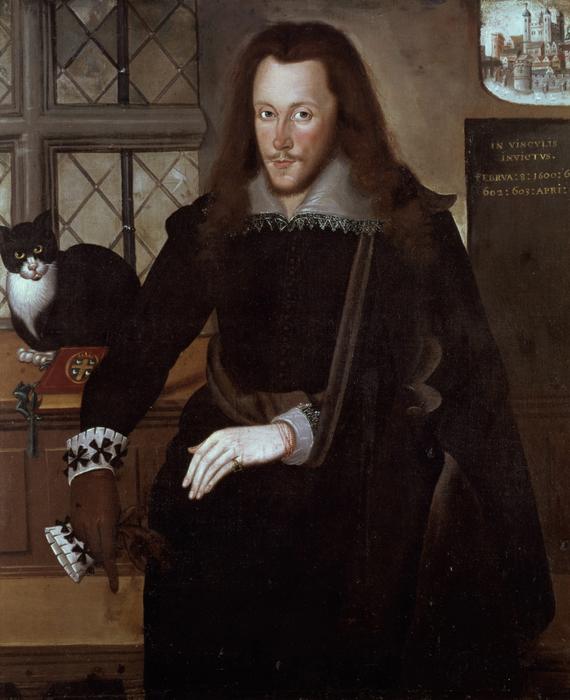
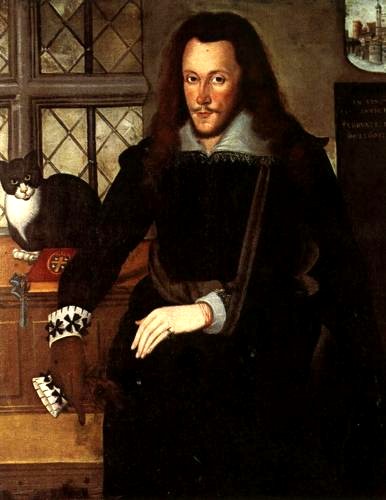
Southampton, by contrast to them, enjoys the ‘grace’ of God – that is why he is pictured with a Bible adorned with his family coat of arms. The cross on the crest, in this positioning, becomes a Christian cross as well.

The implication is that Southampton, in God’s eyes, is without sin and so should be released from his sentence. His Rebellion, to ensure James’s succession, was inspired by God.

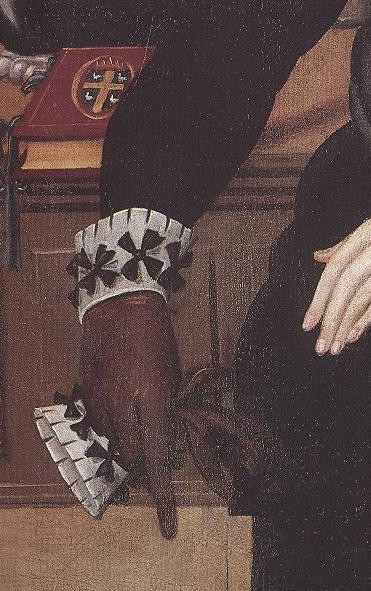
Shakespeare describes the sin surrounding Southampton in the Tower as ‘lacing’ itself with his ‘society’. This draws attention to the black cross-lacing in Southampton’s gloves, which takes the form of a St. Andrew’s Cross, the symbol of Scotland.

The artist  has positioned the St. Andrew’s cross-lacing strategically close to the ‘George’s’ Cross on the cover of Southampton’s Bible.

The St. George Cross and the St. Andrew Cross.

The unification of Scotland and England had been the ambition  of James’s Roman Catholic mother, Mary Queen of Scots.

It was now the ambition of James himself.

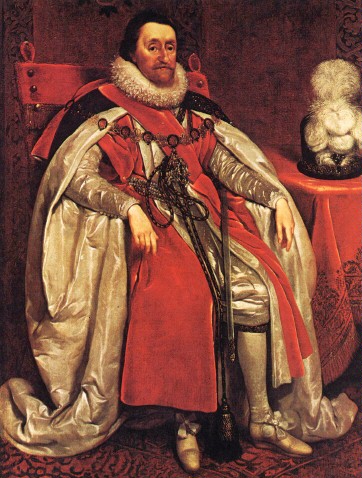
King James VI and I

Sonnet 67 continues:

Why should false painting imitate his cheek

And steal dead feeling of his living hue?

Why should poor beauty indirectly seek

Roses of shadow since his Rose is true?

‘False painting’ refers to:

  1. The use of cosmetics to make women (and some men!) more beautiful than they really are.
  2. The ‘wooing portrait’ of Southampton itself which can never hope to match Southampton’s true beauty.

The beauty of the painting can only be a ‘shadow rose’. Southampton is the ‘true rose’.

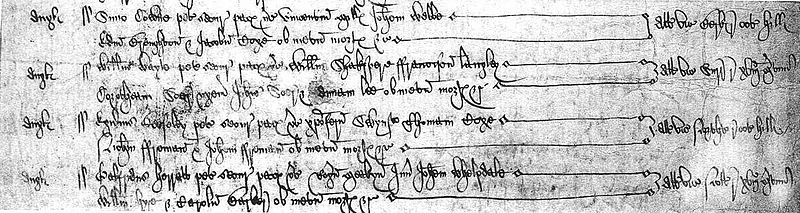
Shakespeare here is punning on the ‘Wriothesley’ family name. ‘Rosely’, as we know from the Titchfield Parish Register, was the grandiose way the aristocratic branch of the family pronounced its name (while the less aristocratic settled for ‘Risley’!)

The phrase His Rose is true means:

1. Southampton is morally trustworthy and loyal to James.

2. Southampton’s cheek has a natural blush. It is not produced artificially by cosmetics.

Sonnet 67 continues:

Why should he live, now nature bankrupt is,

Beggar’d of blood to blush through lively veins,

For she hath no exchequer now but his,

And, proud of many, lives upon his gains?

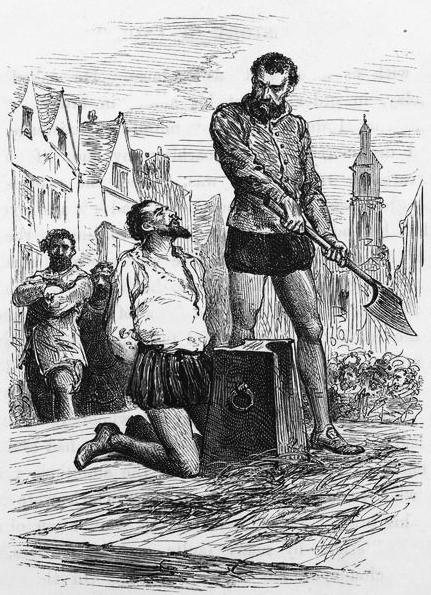
Nature is ‘beggar’d of blood’ – robbed of blood – for a very good, literal reason. Essex has been beheaded. Nature’s supply of blood (or, rather, ‘noble’ blood) has dried up.

But  ‘blood’ is often associated with ‘semen’ in Shakespeare’s mind. So is ‘money’.  (See the earlier posting The Shakespeare Code)

When Shakespeare describes Nature as ‘bankrupt’, he is suggesting She has no life-force. And when Shakespeare describes Southampton as Nature’s only remaining ‘exchequer’ he is suggesting, now Essex is dead, Southampton is the only source of Dame Nature’s vitality.

Southampton has made ‘gains’ by not expending  his semen.  (Well, not with women anyway. He has been locked up in prison! )

Shakespeare uses the same idea in the famous Sonnet 94 when he writes that chaste young men, by not engaging in sexual activities, ‘harbour nature’s riches from expense’. They preserve their semen which consequently becomes more powerful.

(This idea is very close to the Ancient Chinese idea that too much sexual activity depletes the body’s preserves of energy in the kidneys).

So Nature, which adores producing a multiplicity of forms, (‘proud of many’) has survived by living off Southampton’s stored, pent-up energy.

But how can Southampton himself survive if Nature is draining his own life-force?

The answer is that Nature has not utilised this energy: she has simply stored it away in the Tower as an example of what vibrant, bursting, beautiful ‘wealth’ had once existed a long time ago….

O him she stores, to show what wealth she had,

In days long since, before these last so bad…

The implication is that King James himself should snatch this prize (a healthy, virile, beautiful young man) from the clutches of Nature. He should release Southampton from the Tower…

In the second sonnet (68), Shakespeare refers again to the ‘wooing portrait’.  He compares Southampton’s unrouged cheek and natural, cascading hair to a map that points, again, to an earlier, simpler, more innocent age:

Thus is his cheek the map of days outworn,

When beauty lived and died as flowers do now,

Before these bastard signs of fair were borne,

Or durst inhabit on a living brow;

Before the golden tresses of the dead,

The right of sepulchres, were shorn away,

To live a second life on second head;

Ere beauty’s dead fleece made another gay.

‘The bastard signs of fair’ is a reference to the growing fashion, led by Queen Elizabeth, for wigs which were often made from hair taken from dead bodies. ‘The Bastard’ was the standard Roman Catholic insult for Elizabeth. Her mother, Anne Boleyn, in Rome’s eyes, had not been properly married to her father, King Henry VIII.

Elizabeth with wig.

Shakespeare now makes an audacious leap. Southampton’s naturalness has been compared to ‘days long since’ and ‘days outworn’ when beauty ‘lived and died’ as naturally as a flower. The scholarly King James would have thought of classical ‘pagan’ times and the myth of the ‘golden age’.

But Shakespeare suddenly challenges this assumption:

In him those holy antique hours are seen,

Without all ornament, itself and true,

Making no summer of another’s green,

Robbing no old to dress his beauty new

The ‘antique’ hours are ‘holy’ ones, so they cannot be pre-Christian.

THEY ARE PRE-REFORMATION!

Shakespeare presents Southampton as a glorious reminder of the ‘natural’ days of Roman Catholic England, before the artificial doctrines of John Calvin corrupted it and before men and women started to wear make-up and wigs.

At this time many believed that James was a Roman Catholic and James, who needed Catholic support for his succession to the throne of England, did nothing to discourage the assumption.

Shakespeare, like many others, hoped that James would restore the ‘Old Faith’ and lead England back to Rome.

Sonnet 69 concludes:

And him as for a map doth nature store

To show false art what beauty was of yore.

Again, Nature stores Southampton in the Tower – this time like a map, which James is invited to unroll….

The Earl of Southampton was released from the Tower on 9th April, 1603,  a few days after Shakespeare wrote these two SonnetsHe wrote another Sonnet (107) to celebrate the event:

Not mine own fears, nor the prophetic soul

Of the wide world, dreaming on things to come,

Can yet the lease of my true love control,

Supposed as forfeit to a confined doom.

Shakespeare now admits he was worried that Southampton was ‘doomed’ to die in the Tower – which nearly happened. But, thankfully, Elizabeth herself has died and all the doom-mongers have been proved wrong:

The mortal moon hath her eclipse endured,

And the sad augurs mock their own presage;

All the worries about the succession have proved groundless and James’s predilection for peace promises a time of certainty and security:

Uncertainties now crown themselves assured,

And peace proclaims olives of endless age.

With the love and favour of the new King, dropping on him like a sexy, soothing, ‘balm’, Southampton looks more beautiful than ever. And there’s something in it for Shakespeare.  By writing this Sonnet he will achieve a victory over death – a triumph denied those without his ability…

And now with drops of this most balmy time

My love looks fresh, and death to me subscribes,

Since ‘spite of him I’ll live in this poor rhyme,

While he insults o’er dull and speechless tribes.

And there’s something in it for Southampton.  Shakespeare, by writing about him, will make him immortal as well. Unlike the talentless, tyrannical ‘Virgin Queen’ who will leave nothing behind her but a decaying tomb…

And thou in this shall find your monument,

When tyrants’ crests and tombs of brass are spent.

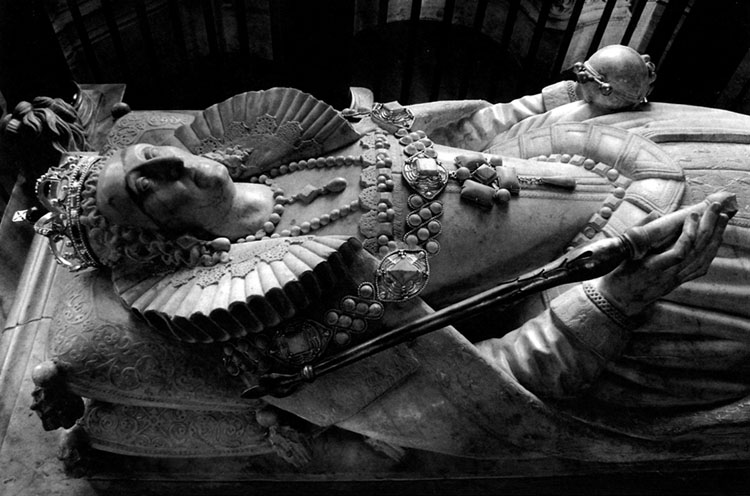
Tomb of Queen Elizabeth

On 16 May, 1603 King James granted Southampton a general pardon for his crimes. On 2 July he created him a Knight of the Garter.

But this euphoria was to be short-lived…

(It’s best to read Part Four now.)

Martin Jarvis, famous for (among much else) his radio broadcasts of Richmal Compton’s sublime William Stories, has been inducted into The Shakespeare Code’s  ROLL OF HONOUR.

His brilliant  production of Sir Terence Rattigan’s great play The Browning Version (starring Michael York) was  broadcast on the B.B.C.’s  Radio 4  at 2.30 p.m. Saturday, 11th June.

At the end of the broadcast, he gave a short talk describing how, in 1976, Sir Terence visited the King’s Head Theatre in Islington to see the revival of the play which re-established his reputation in the English speaking world.

The play was produced by the late, great Dan Crawford.

It was directed by The Shakespeare Code’s chief reporter,  Stewart Trotter, who was given the Hugh Beaumont Award for his production by the London Theatre Critics.


Simon Callow (whose name is also inscribed on The Code’s ROLL OF HONOUR) on hearing of this award immediately dubbed it:

A BINKIE!!!

Congratulations on the website, which is clearly garnering attention….I stare in awe from the outside, without much knowledge, but with admiration…

 The Shakespeare Code would like to thank Dr. Miéville for his kind comments, congratulate him, in turn, for the rave reviews his fiction is garnering and record how proud it was to canvas for him, and the Socialist Workers Party, in the 2001 British election.

Dr. Miéville’s  name has been inscribed in The Shakespeare Code’s

ROLL OF HONOUR

(It is best to read Part One first)

Not everybody likes cats.

There are, in fact, three names for ‘cat phobia’:

galeophobia, ailurophobia and elurophobia.

William Shakespeare had observed this phenomenon at first hand.

In The Merchant of Venice, Shylock, asked why he hates the merchant Antonio, replies:

Some men there are love not a gaping pig

Some that are mad if they behold a cat,

And others, when the bagpipe sings i’ the nose,

Cannot contain their urine: for affection,

Mistress of passion, sways it to the mood

Of what it likes or loathes…

Shylock can find no logical reason why he loathes Antonio, any more than there is a logical reason why some men will hate a ‘harmless, necessary cat’: it is simply:

 a lodg’d hate and a certain loathing.

The only character in William Shakespeare’s works who expresses an aversion to cats is Bertram, the Count of Rossillion, in All’s Well that End’s Well.  He falls under the malign influence of Paroles, a corrupt and selfish captain. When Bertram learns the full extent of his captain’s treachery, he exclaims:

I could endure anything before but a cat;  and now he’s a cat to me!

Then, as he discovers more and more about Paroles, Bertram adds:

He’s more and more a cat!

And again:

A pox on him, he’s a cat still!

The Shakespeare Code believes that Bertram, with his ‘arched brows, his hawking eye, his curls’ is a  ‘warts and all’  portrait of Henry Wriothesley, the third Earl of Southampton.

The Code’s reasons for this belief are:

  1. Both Bertram and Southampton are wards of court
  2. Both are sons of a widowed Roman Catholic Countess
  3. Both are ambitious to shine in the Wars
  4. Both end up as Captains of Horse, and
  5. Both treat their ‘lower class’ lovers appallingly.

In the great scene of the play, the Countess of Rossillion questions her adopted ‘daughter’ Helena (whose father, a poor, but skilled herbalist, has recently died) as to whether she is in love with her aristocratic son, Bertram.

After an attempt at prevarication, Helena confesses her love:

Then I confess,

Here on my knee, before high heaven and you,

That before you, and next to high heaven,

I love your son…

Helena later adds:

But if yourself,

Whose aged honour cites a virtuous youth,

Did ever in so true a flame of liking,

Wish chastely and love dearly, that your Dian

Was both herself and love – O then give pity….

The Countess of Southampton (Henry Wriothsley’s mother, Mary) had, in real life, fallen in love with ‘a common person’ when she was married to the second Earl. But, like the Countess of Rossillion in the play, she did not give way to her feelings. She remained as chaste as the goddess Diana.

Allegedly.

The Code believes that: 

1. Helena is William Shakespeare in drag.

2. The Countess of Rossillion in the play is the Countess of Southampton.

3. The Countess of Southampton, like the Countess of Rossillion, approved of the liaison between her son, (Henry) and a member of the (relatively!) lower classes (Shakespeare).

If Betram suffered from ‘galeophobia, ailurophobia and elurophobia’ then the Earl of Southampton must have suffered from them as well!

Southampton was an excitable, spoilt young man who was always getting into quarrels. His experience of being sentenced to death after the rebellion (then living through Essex’s botched execution) had a sobering effect on him.

For a time, at least.

He wrote to the Privy Council from the Tower about his ‘lowly and penitent heart’ and his ‘true penitent soul’ and his wish to ‘prostrate [himself] at Her Majesty’s princely feet’.

This is the ‘contrite’ image Southampton now wishes to project to  King James in the ‘wooing portrait’  he sends to him. The inscription, written above the dates of his incarceration, reads:

IN VINCULIS

INVICTUS.

This could mean a defiant ‘In chains, but unbeaten’ or ‘Bloodied, but unbowed’. However, the Latin ‘sed’ (‘but’) does not appear in the inscription.

The implication is that Southampton is unbeatable BECAUSE he is in chains.

‘The chains’, could of course, refer to literal imprisonment in the Tower and all the Earl has learnt from his disgrace.

Equally, ‘the chains’ could refer to the sling he has to wear in order to recover from his illness, from which he has also learnt.

But the most likely reading of  ‘in chains’  is that the Earl has

CHAINED HIS OWN PASSIONS!!!

The Tower has turned him into a Stoic.

Southampton is now so completely master of himself that he can even tolerate the presence of a cat, a creature that, like Bertram, he could not ‘endure’ before his imprisonment.

So the cat is, in reality, a symbol – a symbol of passion tamed.

It might have been based on a real ‘harmless, necessary cat’  kept in the Tower to chase off mice and rats: but it cannot be Southampton’s ‘favourite cat, Trixie’.

Southampton hated cats!

But why is the cat looking out of the picture? And what is the cat looking at?

Like the Earl of Southampton, the cat is looking out at the man for whom the portrait was painted – King James.

The cat is exercising the inalienable right of every cat (symbolic or otherwise) first recorded by Shakespeare’s friend, John Heywood, in 1562:

What! A cat may look on a King, ye know.

The cat is  black and white. The Earl is pictured in black and white.

The Code has established that the Earl of Southampton is in mourning for the dead hero, the Earl of Essex.

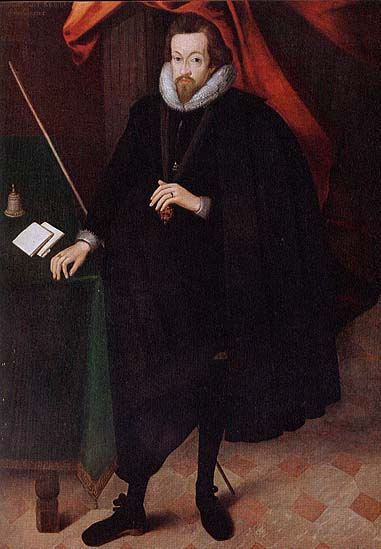
But black and white were also the ‘signature’ colours of the Earl of Essex, to show his loyalty to Queen Elizabeth….

The Earl of Essex in black and white

So the ‘black-and-white’ theme of the painting would also evoke, for James, the soul of his  ‘martyr’, the Earl of Essex.

Southampton is presenting himself as a ‘substitute Essex’,  a glorious remnant of the now glorious revolution against the wicked Queen Elizabeth.

Did the Third Earl of Southampton include a letter to King James along with his portrait?  His right hand, after all, was not in a sling.

This, The Code believes, was not Southampton’s style. He would dictate his letters (which his secretary would pen in a ‘secretary hand’:)  he would then sign them, with a flourish, ‘H. Southampton’.

The late, great maverick Shakespeare scholar (and war-time Bletchley code-breaker) Eric Sams discovered that a letter to Lord Burghley, and signed by Southampton, is written –

IN SHAKESPEARE’S HAND!

(a discovery confirmed by the American hand-writing expert, Charles Hamilton)

The Code has examined this letter in manuscript at the British Museum and believes Mr. Sams’s and Mr. Hamilton’s claims to be true.

[Lansdowne MS LXX.72. The letter is dated 27th June, 1592]

The Code also believes that Shakespeare wrote another letter for Southampton in his cell to accompany the portrait.

BUT THE LETTER WAS IN THE FORM OF TWO SONNETS!

The Numbers of the Sonnets will be revealed in:

‘The Earl of Southampton and Trixie the Cat. Part Three’.

(It’s best to read Part Three next.)