Feeds:
Posts
Comments

Archive for the ‘Uncategorized’ Category

(It’s best to read Parts One, Two, Three, Four, Five and  Six first.)

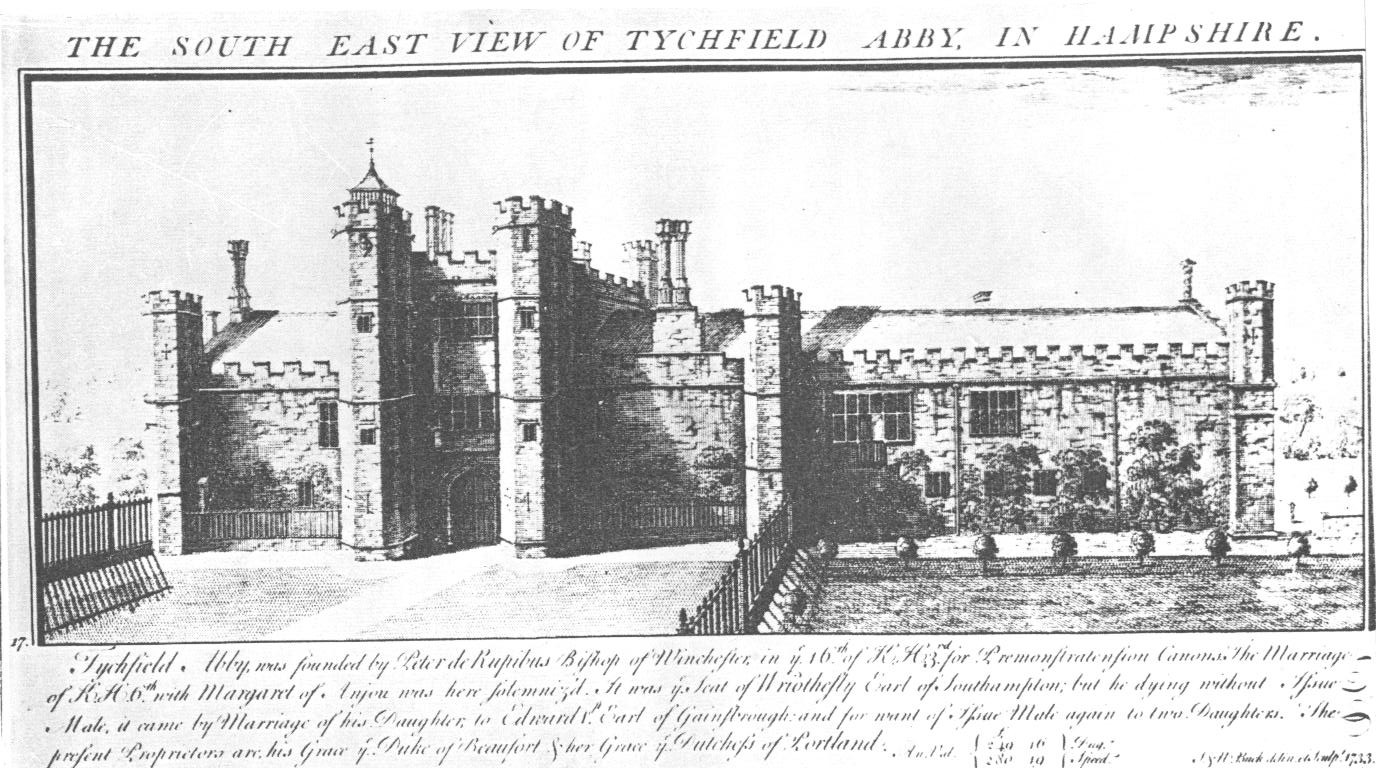
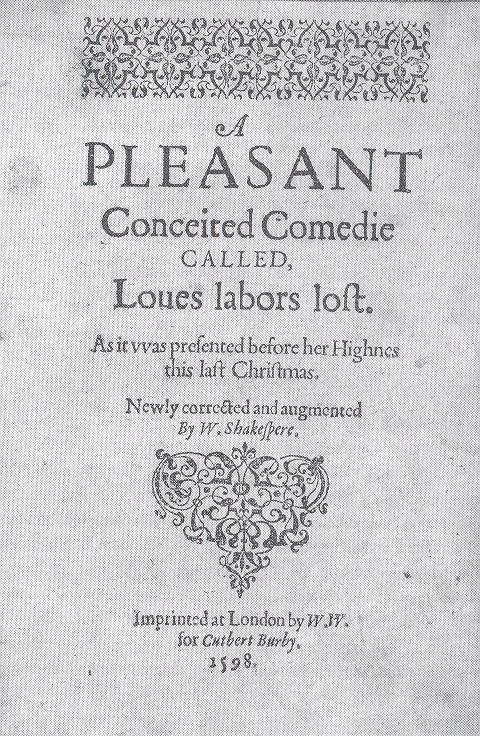
The text that we have of Love’s Labour’s Lost is not the same as the original version which was played at Titchfield at Whitsun in 1592.

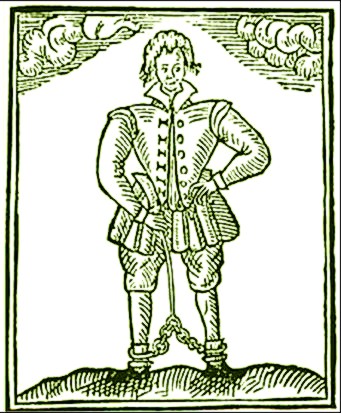
As we can see from the frontispiece of the ‘Quarto’ edition…

…the play was ‘newly corrected and augmented’ for a performance before Queen Elizabeth at Christmas 1597….
Why was the play changed?

The answer, as usual, was politics…

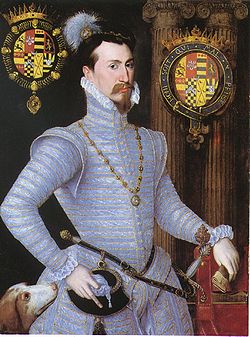
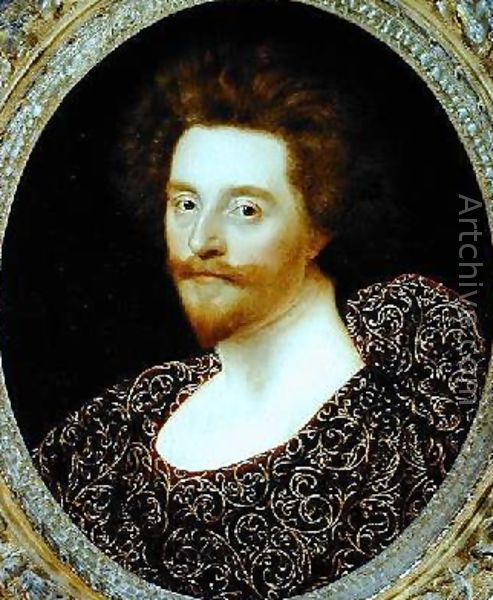
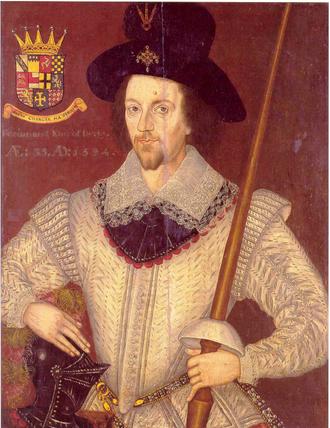
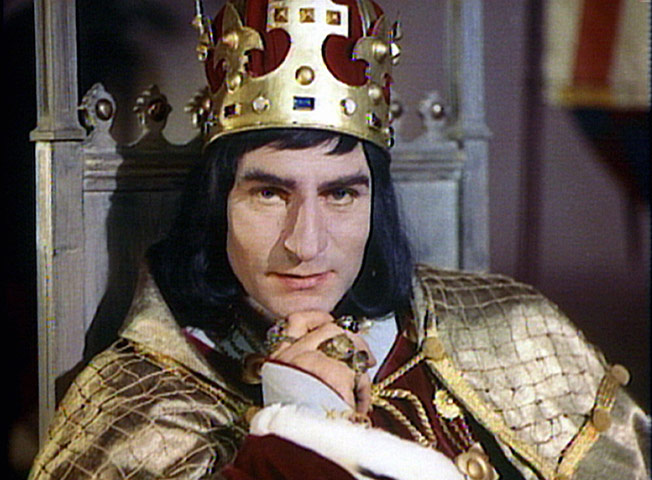
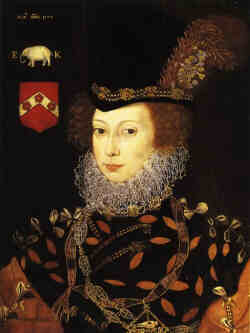
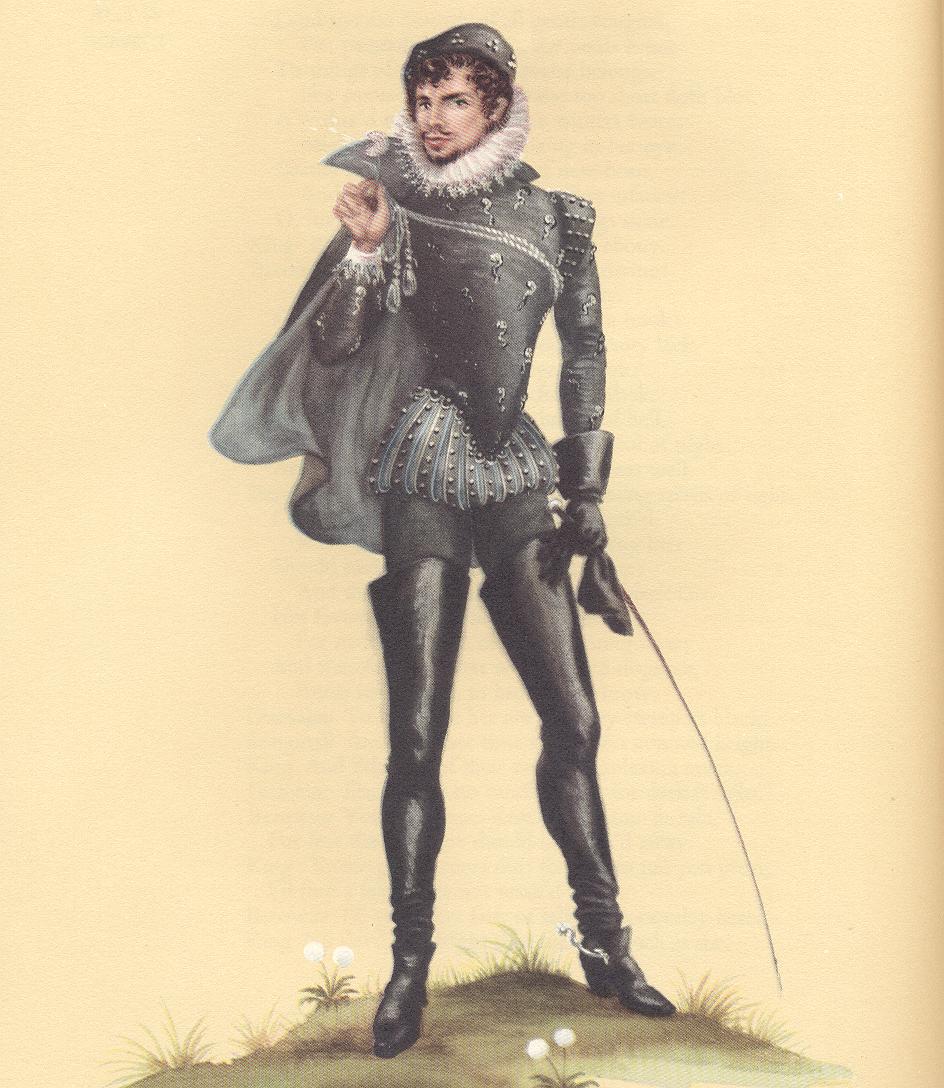
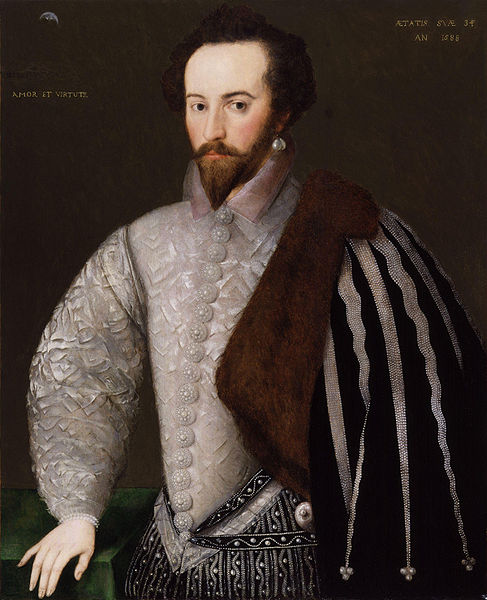
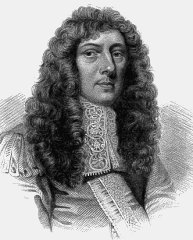
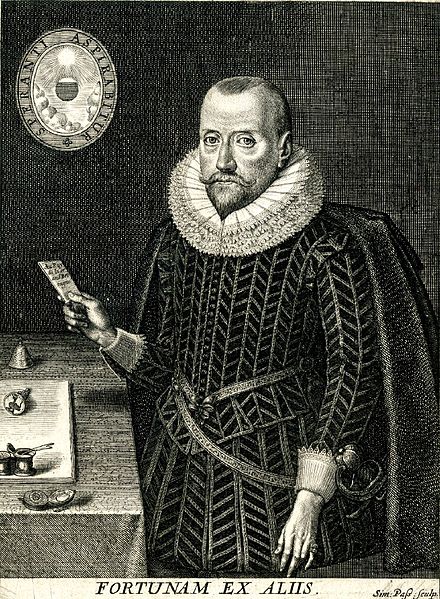
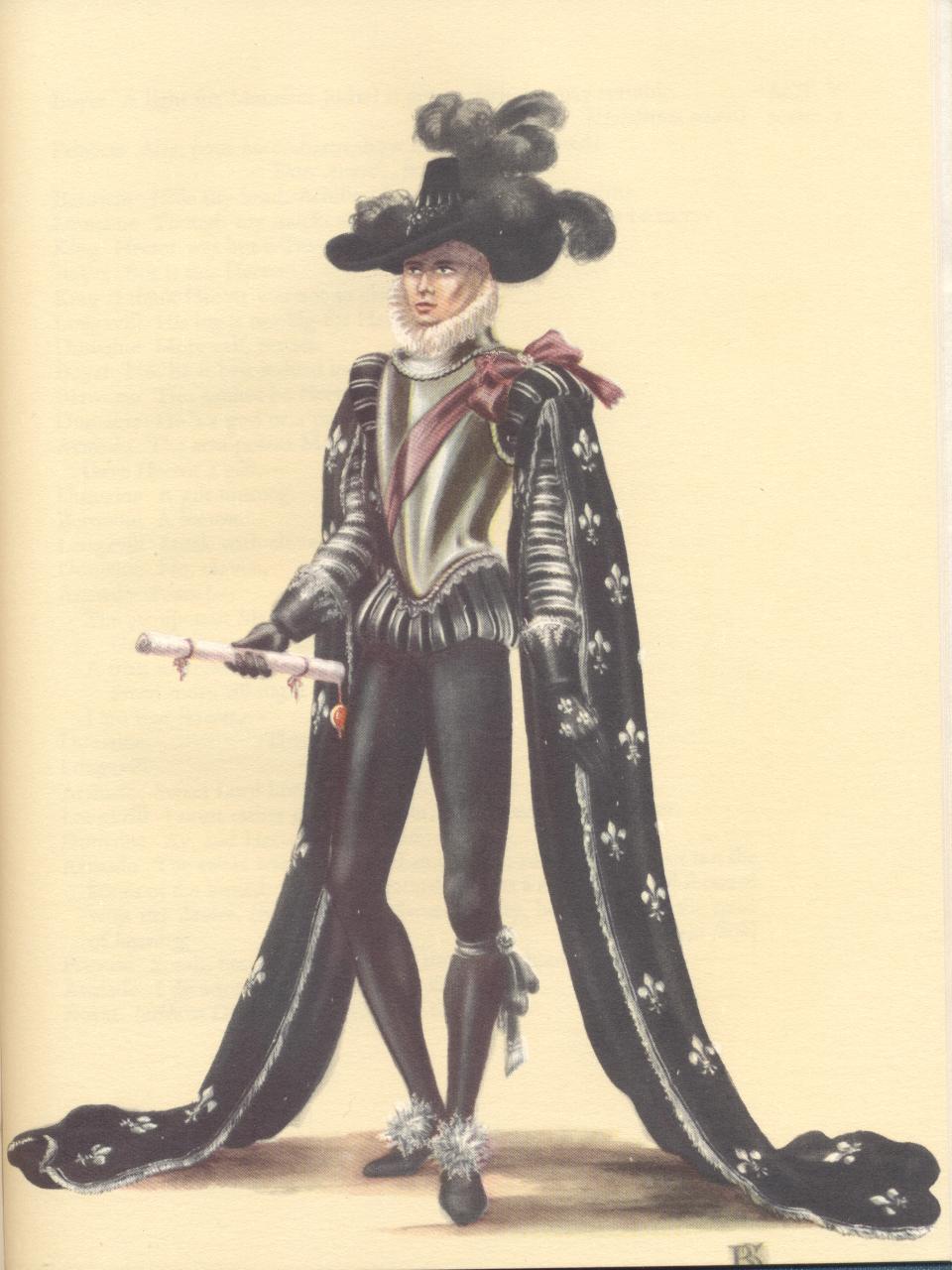
Sir Walter Raleigh was over six foot high, of a swarthy complexion and with a beard which turned up naturally….

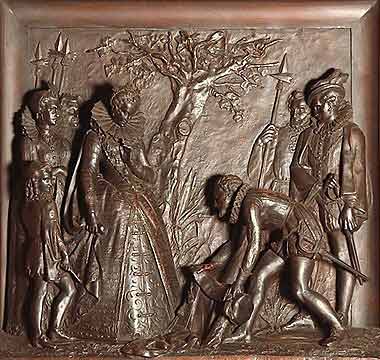
He’d had a distinguished career as a soldier in Ireland, but first gained the attention of Queen Elizabeth by laying down his cloak in front of her….

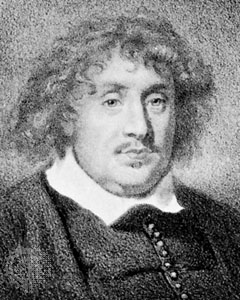
……so that (according to the Churchman and historian, Thomas Fuller, 1608-61)…..

…… she could walk over ‘a plashy place’……

This was a particularly chivalric act because…..

…his clothes were then a considerable part of his estate….

Raleigh’s family, though old and distinguished, was poor….

So poor, his father rented the family home…

But Raleigh made up for it when Elizabeth, taking a shine to this handsome soldier…..

…..she always had a soft spot for tall men….

…… financed him with lucrative monopolies.

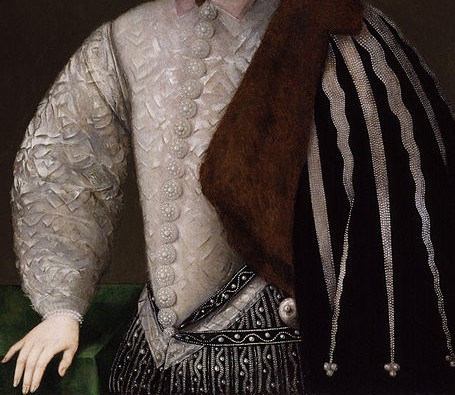
He wore a hat with a pearl band and a jewelled feather and shoes encrusted with jewels worth thousands of pounds….

He even jousted in a suit of armour made of silver which glittered with gems….

And wore gigantic pearls in his ears…

But he stayed mean….

He never, for example, returned the cloak he had ‘borrowed’ from a fellow student at Oxford…..

Or paid for it….

John Aubrey, the gossipy antiquarian…..

…..says that Raleigh was….

…..damnable proud….

….and….

…..loved a wench well….

Aubrey recounts how Raleigh engaged in casual, vertical sex against a tree with one of Elizabeth’s ladies-in-waiting who…

….seemed at first boarding to be something fearful of her honour [and] cried ‘Sweet Sir Walter, what do you ask me? Will you undo me? Nay sweet Sir Walter! Sweet Sir Walter! Sir Walter!’ At last, as the danger and the pleasure at the same time grew higher, she cried in the ecstasy ‘Swisser Swatter, Swisser Swatter…..’

But in 1591 Raleigh fell madly in love with another of Elizabeth’s ladies….

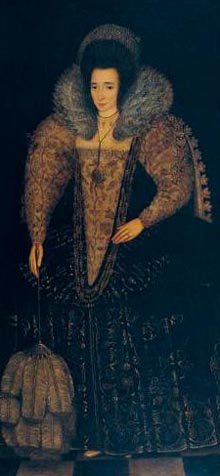
….the lively, feisty Bess Throckmorton….

Raleigh started to write amorous verses to her…..

Then he impregnated her….

Then he married her in secret……

Then, in a letter, he denied the whole business to little round-backed Robert Cecil….

…..claiming that…..

….if any such thing were, I would have imparted it unto your self before any man living…

The Queen, of course, found out and went into one of her rages….

The ladies-in-waiting were her wards….

She decided who, if anyone, would woo them…

And she decided whom they married….

And, besides, Raleigh was hers….

After all, she’d paid for him….

[Raleigh was later to say….

…..that minions were not so happy as vulgar judgements thought them, being frequently commanded to uncomely and sometimes unnatural employments.]

Raleigh was too proud to seek Elizabeth’s pardon….

So he was exiled from the Court for five years….

He returned, forgiven, in 1587, the year of the Christmas production of Love’s Labour’s Lost….

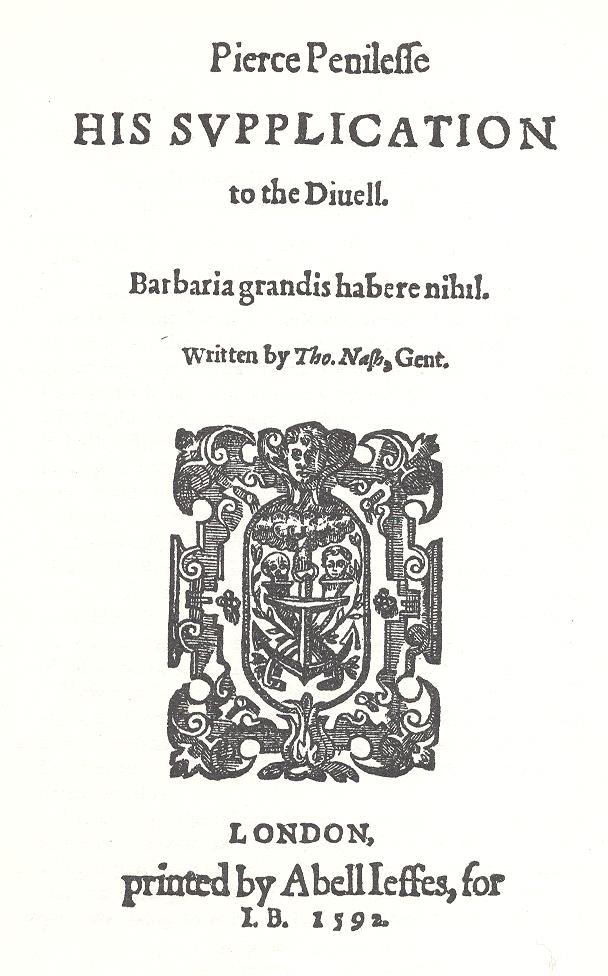
Raleigh commissioned Thomas Nashe to write a book for him – but when Nashe finished it, Raleigh, typically, never paid up…

Nashe took his revenge in a pamphlet…..

……in which he suggests that the Devil himself would be a better patron than Raleigh…

He lambasts Raleigh in code as….

a buckram giant….

…..and….

an upstart…

……..and claims that he is….……

….all Italianato in his talk….

.i.e. elaborate and artificial, like his clothes…..

……and his…..

…….spade peke is sharp….

Following Fuller, Nashe claims that…..

…..the weaver’s looms first framed the web of his [Raleigh’s] honour’….

….and describes him as….

….an inamorata poeta….

….who would….

…sonnet a whole quire of paper in praise of Lady Swine-Snout, his yellow-faced Mistress [Bess Throckmorton] and wear a feather of her rain-beaten fan for a favour, like a fore-horse….

He declares he will never write for Raleigh again, asking…

….what reason have I to bestow any of my wit upon him that will bestow none of his wealth upon me? Alas it is easy for a goodly tall fellow that shineth in his silks, to come and outface a poor simple pedant in a threadbare cloak, and tell him his book is pretty, but at this time he is not provided for him; marry about two or three days hence if he come that way, his page shall say he is not within, or else he is too busy with my Lord……

For Nashe, Raleigh was one of…

…our English peacocks that, painting themselves with church spoils, like mighty men’s sepulchres have nothing but atheism, schism, hypocrisy and vain glory, like rotten bones, lie lurking within them….

At the beginning of 1592, Queen Elizabeth had made Raleigh a gift of Sherbourne – which she had ‘alienated’ (i.e. stolen) from the Bishop of Salisbury…

And later in the same year the Jesuits accused Raleigh of belonging to a ‘School of Atheism’…

These were a loose group of free-thinkers, financed by the ‘Wizard Earl’, Henry Percy, ninth Earl of Northumberland….

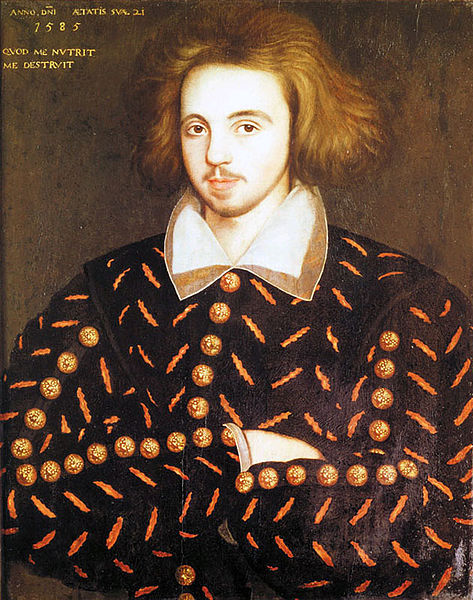
 They included Christopher Marlowe and George Chapman…

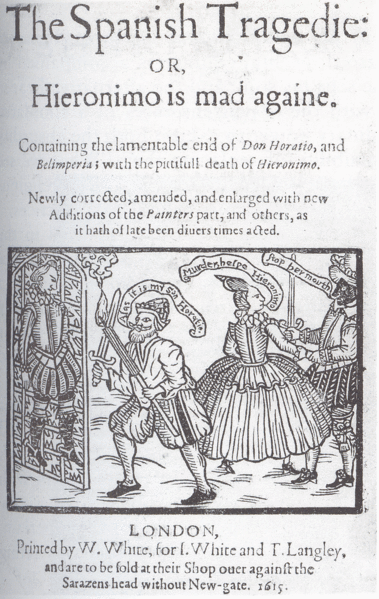
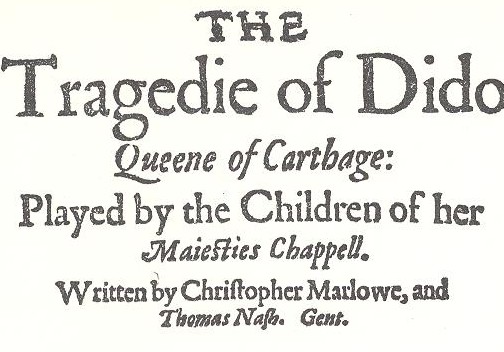
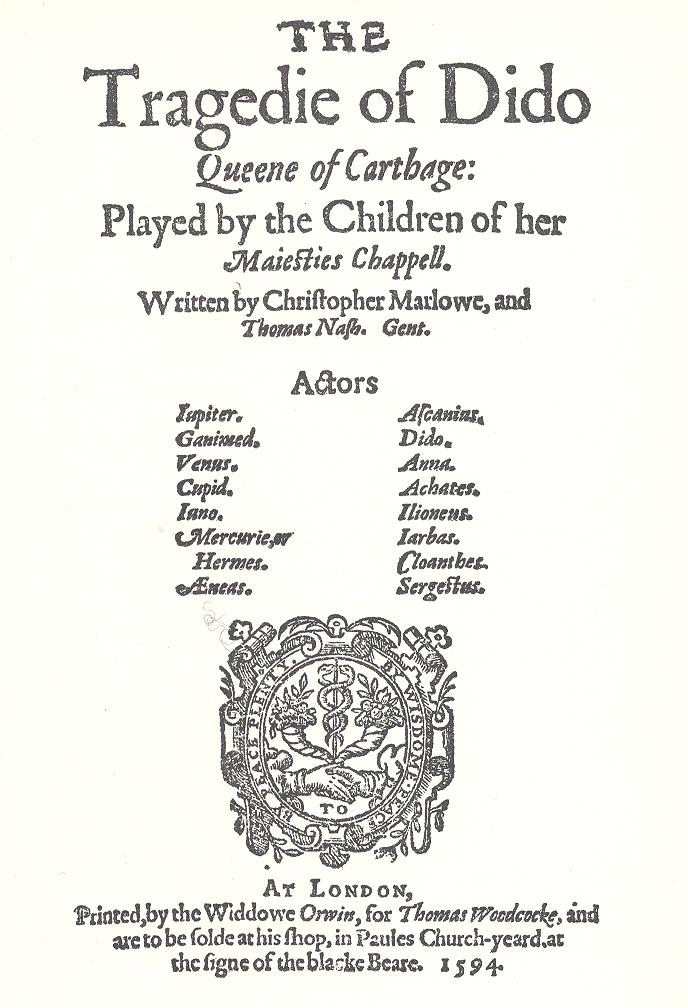
Nashe would have known all about them as we know, for certain, from the frontispiece to Dido and Aeneas, that he collaborated with Marlowe on his plays….

In the summer of 1591 the ‘School of Atheism’ would have gathered at Petworth…..

…..Northumberland’s stately home, a day’s ride from Titchfield…

…..to greet the Queen and entertain her on her Progress to the South East…..

(Please see: The Progresses of Queen Elizabeth. )

This gave Shakespeare the idea of lampooning them collectively as ‘The School of Night’ in Love’s Labour’s Lost…

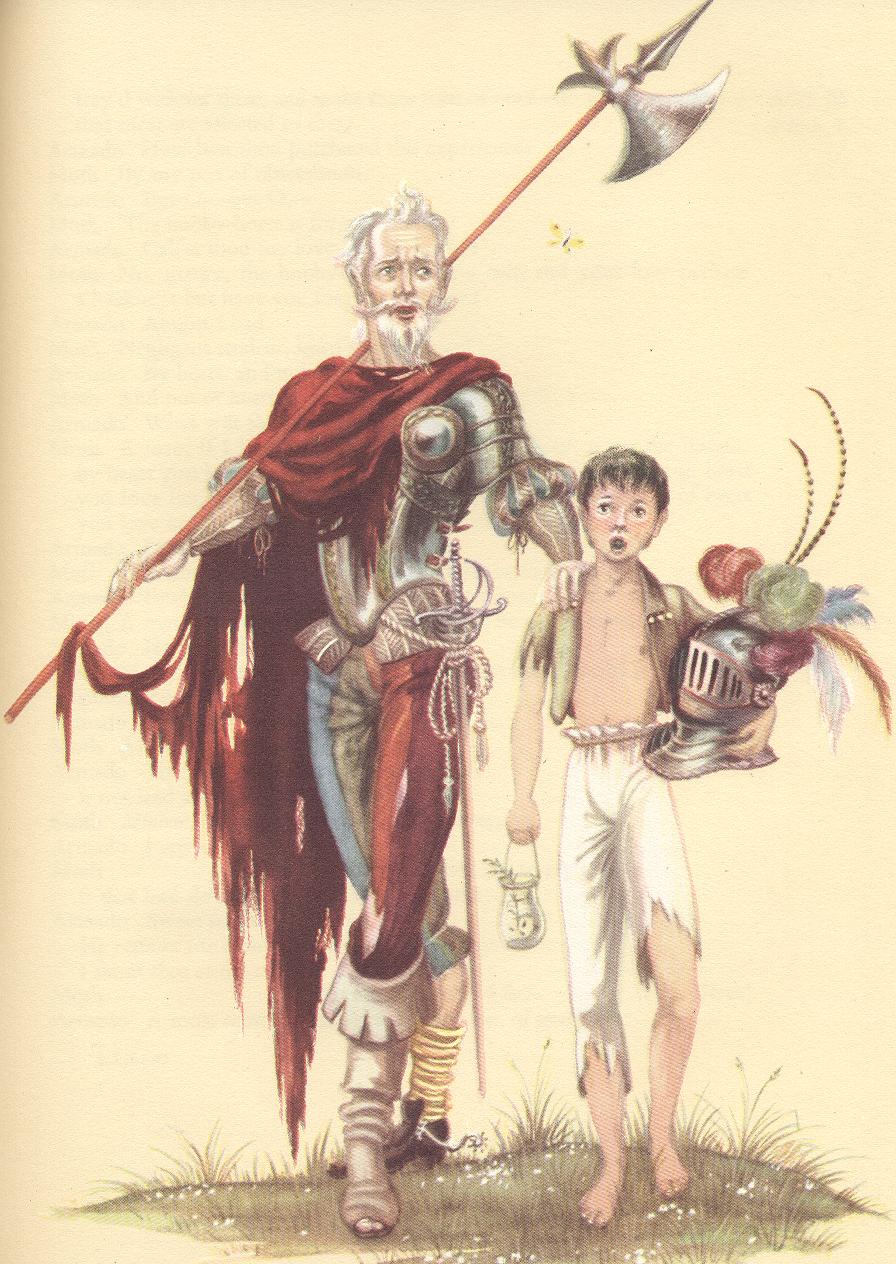
And Nashe (collaborating with Shakespeare and playing Moth) of lampooning Raleigh as Don Adriano di Armado…

Armado, like Raleigh, is a soldier, but a ‘damnable proud’ one…

(He is called ‘Braggart’ in the stage directions of the Quarto and Folio edition of the play…)

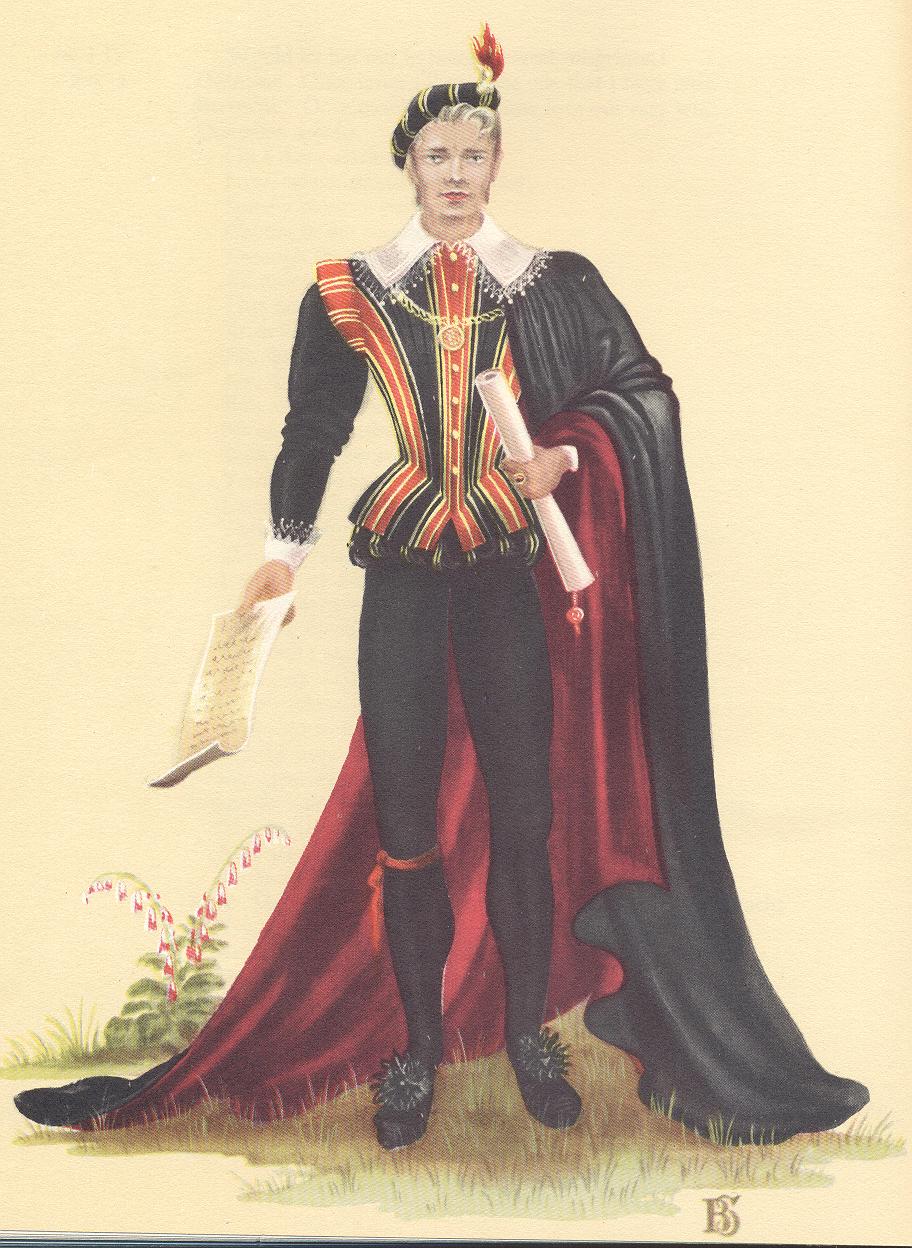
He  falls passionately in love with the loose country wench Jaquenetta (Bess Throckmorton) and writes poetry to her…

Just as Raleigh wrote love-poetry to Bess Throckmorton….

And…

  ‘….affects (loves) the very ground….

….where his beloved walks….

….just as Raleigh had laid his cloak down on the ground for Queen Elizabeth to walk on…

Costard, the swain, describes how Armado, like Raleigh, uses the fan of his lady as a ‘favour’…

….To see him [Armado] walk before a lady and to bear her fan…

Like Raleigh, Armado calls Moth/Nashe ‘pretty’…..

He is poor….

(He can’t even afford to wear a shirt…)

And he is mean…

(He gives Costard a paltry three farthings to deliver a letter while Berowne gives him nearly a shilling….)

The Lords describe him as….

 an oracle…

According to  the historian and politician Sir Robert Naunton, (1563-16350)…..

 …..Queen Elizabeth took Raleigh for….

….an oracle that netted them all….

But the Love’s Labour’s Lost story has one, huge inconsistency….

Jaquenetta, unlike Bess, rejects Don Armado’s advances…..

But suddenly ends up pregnant by him….

By rights, the potential father should be Costard the swain, who, at the beginning of the play, has been discovered making love to Jaquenetta….

What had happened?

The Shakespeare Code believes that, when Shakespeare and Nashe began writing Love’s Labour’s Lost, it was not known that Bess Throckmorton was pregnant….

All that was known was that Raleigh had fallen for Bess in 1591 and was writing poetry to her….

Raleigh, as an enemy and rival of Essex, was an ideal figure to send-up….

But in the course of writing the play, word came that Bess had given birth to a child on 29th March, 1592…..

The Earl of Southampton even acted as Godfather….

So a hasty – and not very convincing – re-write to the show was made…

Don Armado suddenly becomes the father to Jacquenetta’s baby…

(He does the decent thing and marries her, gives up soldiering and becomes a farmer…)

But what was the original ending going to be?

Armado, in the throes of love, exclaims….

Assist me, some extemporal God of rhyme, for I am sure I shall turn sonnet. Devise wit, write pen; for I am for whole volumes in folio….

We never hear these sonnets….

But there are two very odd sonnets at the end of Shakespeare’s own collection – all about Cupid, the love god, having his flaming brand stolen by nymphs while he sleeps….

The nymphs put the brand into a well….

And the brand heats up the waters to provide a perpetual ‘remedy’ for venereal disease….

One sonnet talks of  ‘the help of bath’ – which is a coded reference to the city of Bath, where Tudor gentlemen….

….including Raleigh…..

….went when they had caught a venereal disease.

But the other sonnet has the line….

Love’s fire heats water, water cools not love…..

‘Water’ was Queen Elizabeth’s pet name for Raleigh….

She was fond of saying….

I thirst for water…..

It is The Code’s belief that in the original draft of the play, Armado seduces Jaquenetta and ends up, still love-lorn, but with ‘the clap’ as well….

Aubrey tells us that……

….he [Raleigh] spoke broad Devonshire to his dying day…..

Don Armado greets the pedant Holofernes and the curate, Sir Nathaniel, with the cheery West Country salutation….

Chirrah….

What is a Spaniard doing using a Devonshire word……?

This raises the whole question of Armado’s ‘Spanishness’….

It is true that Raleigh often wore black and was said to have a ‘Spanish’ heart….

But Spanishness seems singularly lacking in the LANGUAGE of Armado….

It is colourful and ornate….

…..’Italianato’ even….

…..strange in someone to whom English was supposed to be, at best, a second language…

When Shakespeare wants to point up the ‘foreigness’ of a character – such as Dr. Caius the French doctor in The Merry Wives of Windsor – he shows them MANGLING the English language….

And Armado is referred to as ‘Braggart’  far more often in the stage directions than he is as ‘Don Armado’….

It is the belief of The Shakespeare Code that in the first Titchfield script, Don Armado wasn’t even Spanish….

He was a blatant, raging caricature of Raleigh…. 

However, by the time the Queen ordered the play to be presented at Court, Raleigh was back in favour….

And making political alliances with the Earl of Essex….

So a direct attack on Raleigh would not go down well….

When Shakespeare ‘newly corrected and augmented’ the script, he turned the Braggart into Don Armado….

But why a Spaniard?

In 1593, King Henri of Navarre sent to Elizabeth, without consulting her….

…..one Antonio Perez…

…..for her to clothe and feed….

Elizabeth was furious….

Perez was, in the language of Francis Bacon’s mother….

an old, doted, polling Papist….

He had once worked as secretary for Philip II of Spain and was now betraying Spanish secrets to anyone who would buy them….

On top of all this, he was a notorious homosexual who’d enjoyed affairs with young men in Spain and France…..

….and was about to begin all over again in England…

….with Anthony Bacon (Francis’s brother) who was secretary to the Earl of Essex.

Mrs. Bacon wrote to her son, Anthony….

I pity your brother [Francis] yet as long as he pities not himself but keepeth that bloody Perez, yea, as a coach-companion and a bed-companion, a proud, profane costly fellow, whose being about him I verily fear the Lord God doth mislike, and doth less bless your brother in credit, and otherwise in his health, surely I am utterly discouraged….

Elizabeth would have nothing to do with Perez….

She despised him for betraying the secrets of Philip II….

But Essex, wide and tolerant in his sexual tastes, thought Perez could provide useful information….

He lodged him in Essex House (along with his lover Anthony Bacon) and allowed him to celebrate the old Catholic Mass….

He even asked Perez to keep an eye on his sexually wayward sister, Penelope Rich….

….and so, according to contemporary Anthony Standen…..

….. provided him[Perez] here with the same office those eunuchs have inTurkey, which is to have the custody of the fairest dames…..

Even Essex finally had to admit that Perez usefulness was limited….

And ‘let him go’ in 1596…

But up to that point, contemporary historian William Camden says….

[Essex] entertained him at his house, and supplied him largely with money, using him as his counsellor, yea as an oracle….

It is The Code’s belief that the word ‘oracle’ (used of both Raleigh and Perez) triggered the idea in Shakespeare’s mind of turning the Braggart into the fantastical Spaniard, Don Armado…..

That way, no-one would be offended….

So, to all the other flamboyant characteristics of the Braggart, Shakespeare now tacks on homosexulaity…

The King of Navarre says….

How you delight my lords, I know not, I,

But I protest I love to hear him lie,

And I will use him for my minstrelsy…’

The Lie was a famous poem by Sir Walter Raleigh….

And ‘minstrels’ were famous for their homosexuality….

So the actor playing Don Armado has to fuse ‘wench-loving’ Sir Walter Raliegh with ‘coach-riding’ Antonio Perez…..

He has to be camp and straight at the same time!!!

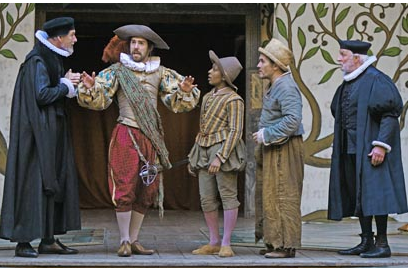
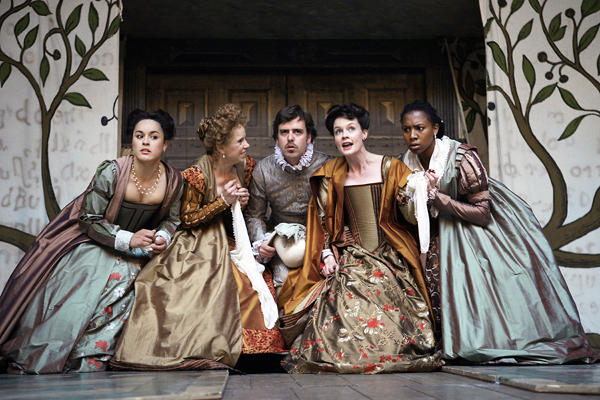
Something the brilliant young actor, Paul Ready, achieved magnificently……

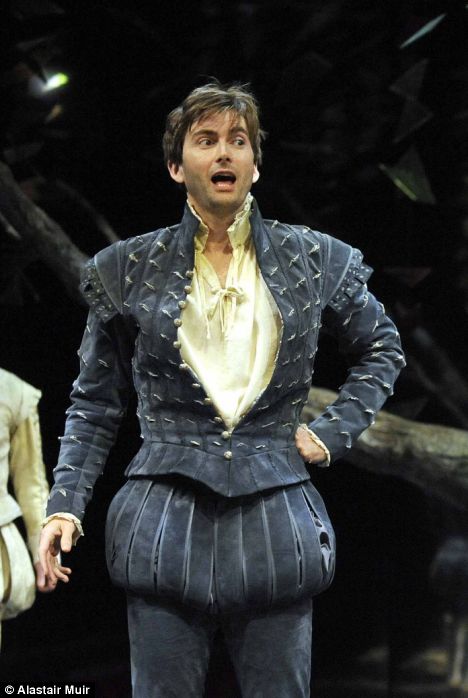
…..when he played a lisping, virile  Don Armado in the production of Love’s Labour’s Lost at the Globe in London…

 Love’s Labour’s Lost was first performed at Titchfield in 1592….

A Midsummer Night’s Dream was first performed at Copped Hall in 1594….

To find out the extraordinary events that happened between these two years….

 ….the love triangles…

…..love squares….

…..betrayals….

…..gay ‘comings out’…

…..torture….

….. and trips to Itlay….

…..Brothers and Sisters of The Code can do no  better than to turn to…

Shakespeare:the Movie.

But if you wish to follow the A Midsummer Night’s Dream story, please click: HERE.

Read Full Post »

 THE TRIXIE NEWSLETTER

Brothers and Sisters, it’s true…

On 3  December, 2011, The Shakespeare Code received its…..

14,000th VIEW!!!

Not only that…..

NINE NEW COUNTRIES HAVE JOINED THE CODE!!!

They are…..

LATVIA

PERU

PAKISTAN

EL SALVADOR

SERBIA

LEBANON

ST.  VINCENT AND THE GRENADINES

BOSNIA AND HERZEGOVINA

VENEZUELA


This puts the number of participating countries at……..

Clickety-Click…..

SIXTY-SIX!!!

 (Please see: The Shakespeare Code Salutes the Nations.)

Also…..

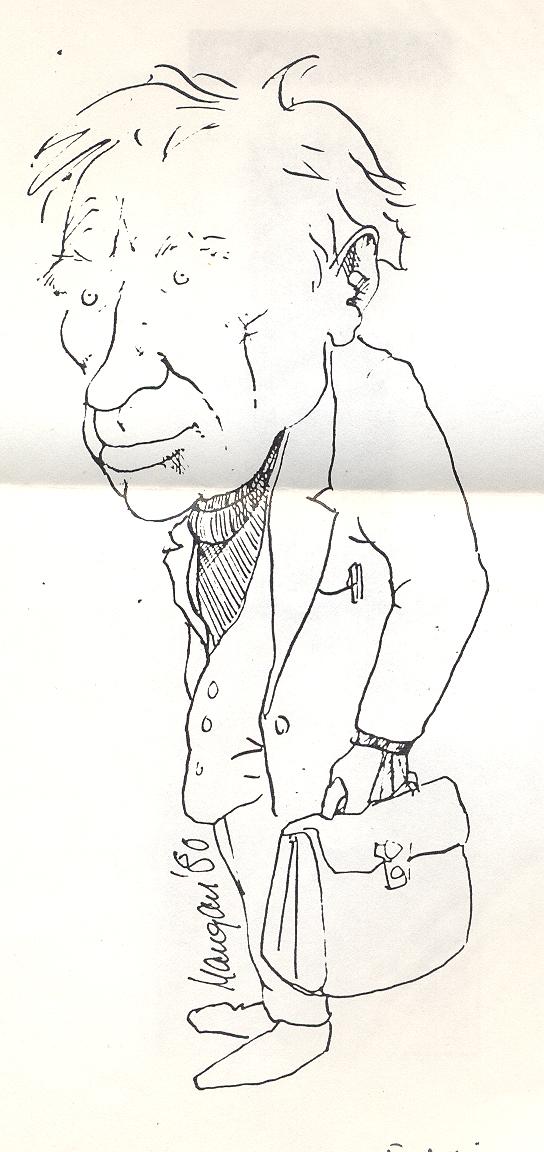
 Eddie Linden, F.S.C. (Fellow of The Shakespeare Code)…

Eddie Linden, F.S.C.

 …..has garnered rave reviews for his new collection of poems…..

A Thorn in the Flesh

Karl Miller, F.R.S.L. (Fellow of The Royal Society of Literature)….

….,writing in the highly prestigious Scottish Review of Books,  quotes Eddie’s poem ‘Court Jester’…

What is it going to look

Like in forty years from now?

The pain, the fear from

day to day. Waiting for

the letter that never comes.

He sits there dropping poets’

Names until one becomes drunk and cannot hear

Or see. Will someone rid me

of this pest that lingers in our midst?

O Christ take away this painful fool…

Miller, a distinguished literary editor and academic, who first sprang to fame as a schoolboy-egghead on B.B.C. Steam Radio’s Top of the Form….

…..and I’m not making this up…..

……comments on this poem…

God is one of those editors whose judgement can be suspect and who doesn’t always do that you want. But I’d like to think that this moving account of the literary life is already up there in his library awaiting it’s author…[sic]

Sebastian Barker, F.R.S.L. (Fellow of the Royal Society of Literature)….

….writing in the equally prestigious Sofia poetry magazine, states….

We do not often get genuine nuggets of poetry placed in our hands, but we do with this book. The simplicity of conception I mentioned is not to be construed as as naivety or lack of depth. Such simplicity is one of the hardest things to achieve in the arts. It is akin to the simplicity of being struck by the arrows of adult love. But with Eddie Linden [Fellow of The Shakespeare Code] this is the love of God, of man, and of individual poems. That this love also embraces a wide and thorough grasp of life in the ecclesiastical and political arenas is simply one more credit to this wholly exceptional man…

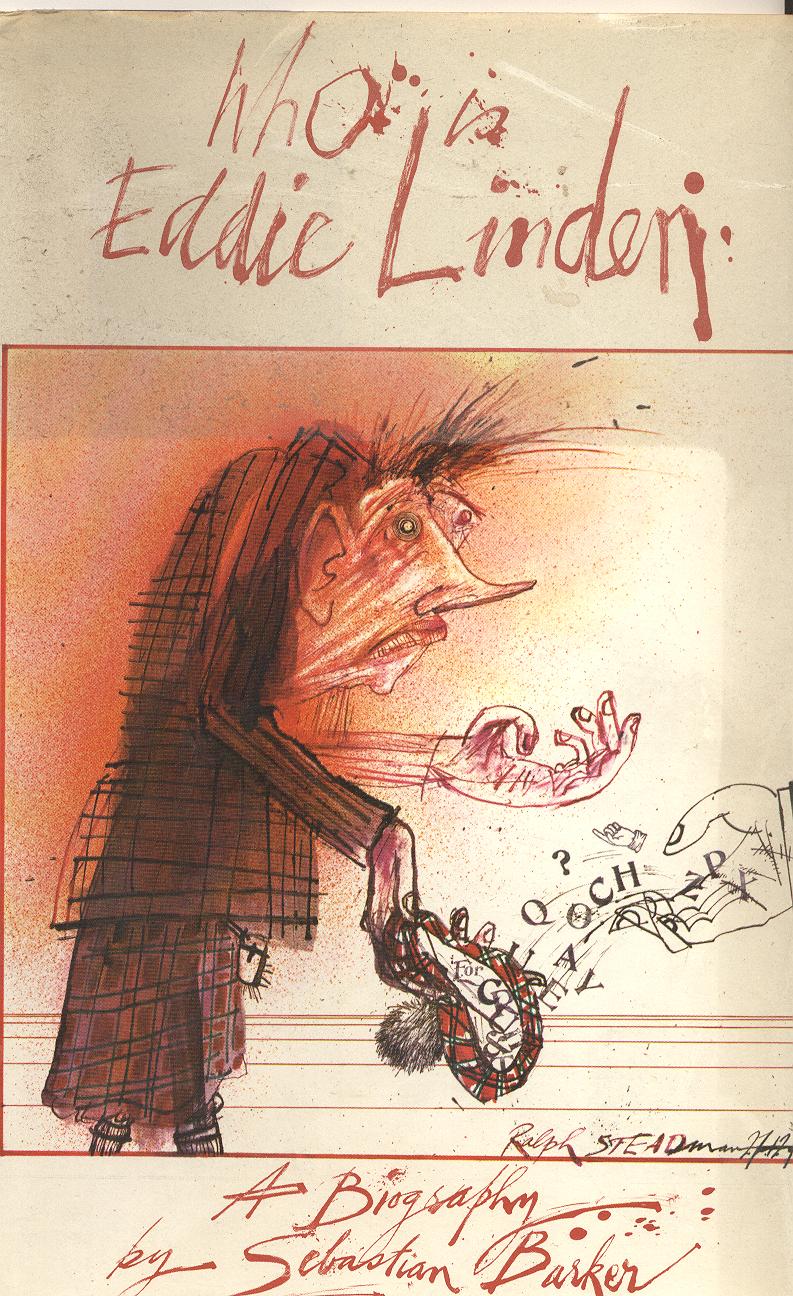
Barker is a poet and editor in his own right and has written a biography of Eddie,  Who is Eddie Linden…

You can order a copy of Eddie’s book – a snip at £7.50 – from the delightful publishers, Emily and Susan Johns, at Hearing Eye….

books@hearingeye.org

www.hearingeye.org

Don’t forget to tell them that Trixie the Cat sent you….

Emily and Susan will know who you mean…

They have corresponded with Your Cat…

In very appreciative terms….

They openly describe The Shakespeare Code as….

 a powerful blog….

….And ALSO don’t forget that it was YOUR CAT TRIXIE who first brought Eddie’s new collection of poetry to the attention of the world in her…

…. now-CLASSIC….

TRIXIE REVIEW

 Remember……

YOU WILL ALWAYS HEAR IT FIRST ON THE SHAKESPEARE CODE!!!

ESPECIALLY IF IT’S ABOUT SHAKESPEARE….

So….

FOLLOW THE CAT!!!

‘Bye now…

P. S.  Are you reading our great new series, ‘A Midsummer Night’s Dream Decoded’?

If not, and yearn for a life-changing experience……

START HERE!

 P.P.S.  To read Your Cat’s ‘no-claws-barred’ interview with Eddie Linden,….

F. S. C….

 CLICK HERE!


Read Full Post »

 (It’s best to read Parts One, Two,  Three,  Four and Five first).

In the early 1590’s the Southampton family was William Shakespeare’s meal-ticket…

There was no copyright on a writer’s work – so the only way a playwright could make money was by becoming a ‘sharer’ in a theatrical company….

This meant paying out a lump sum which Shakespeare did not have…

Harry, third Earl of Southampton (when he came of age in 1594) was to give Shakespeare the £1,000 (£500,000) to buy his way into the Lord Chamberlain’s Men….

But, in the meantime, he was totally dependent on Harry’s mother, Mary, Countess of Southampton….

…..who suppported Shakespeare in style….

Thomas Nashe was jealous of Shakespeare and wanted the Southampton money for himself….

But he was no threat to Shakespeare….

 Small and buck-toothed…..

……he was never able to gain the affections of Mary or her son….

However, a rival poet suddenly appeared on the scene, openly wooing Harry with his verse….

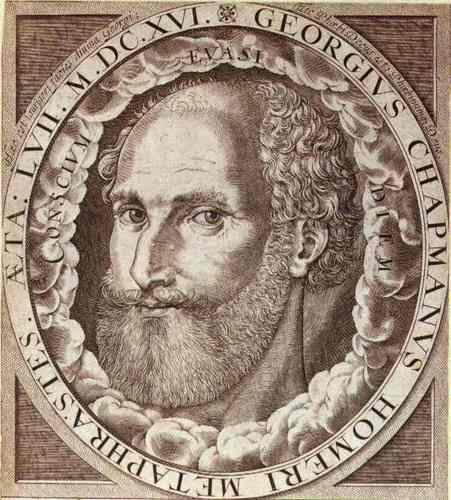
He was George Chapman…..

An accomplished poet,  he was a real danger to Shakespeare, who admitted he was still learning his craft…

Chapman was part of a group of free-thinking writers, philosophers and scientists, led by the ‘Wizard Earl’, Henry Percy, ninth Earl of Northumberland…..

……who was based at Petworth,  thirty miles from Titchfield….

 And Sir Walter Raleigh….

….who was based at Durham House in London…

The Jesuits called them the ‘School of Atheism’ and claimed that….

….both Moses and our Saviour, the Old and the New testament are jested at, and the scholars taught among other things to spell God backward…

The Jesuits, as usual, were exaggerating….

If not blatantly lying….

But the King of Navarre in Love’s Labour’s Lost also calls them ‘The School of Night’….

This was largeley because of Chapman’s philosphical verse….

He praised the cool, rational night over the hot, lustful day…

In his Hymnus in Cynthiam he casts Elizabeth as the moon-queen….

And implores her to stay isolated from the sunny glare of Europe….

That was all reasonable….

But Chapman claimed to have psychic abilities…..

When he was translating Homer’s works, the spirit of Homer appeared to him, he said….

In Hitchin…

This was all Shakespeare needed to launch an attack….

In Sonnet 86 he lampoons Chapman as being….

….by spirits taught to write…

….and even describes the spirit of Homer himself as an….

….affable familiar ghost….

Which nightly gulls him [Chapman] with intelligence….

FALSE intelligence that is!

Shakespeare then goes on to remind the devout Catholic, Southampton, that Chapman is funded by a dodgy, ‘atheist’ source…

…his compeers by night [The Wizard Earl’ and his cronies]

……who give him….

..aid…

Shakespeare’s then goes on to attack  Chapman for the affectedness of his verse….

…and parodies it to devastating effect…

‘Stars’, in Chapman’s hands, become…

…those gold candles fixed in heaven’s air…

And ‘the earth’ becomes….

…..this huge rondure….’

Although he was a Catholic, Shakespeare was often very plain in his tastes…

….a  legacy from his radical Protestant mentor, the priest and writer Robert Crowley at St. Giles’s, Cripplegate, who hated artificial hair….

……artificial make-up…..

……and artificial language….

 Shakespeare insists that he always addresses Harry….

….in true, plain words….

….because they are the only things a…

….a true-telling friend….

…..would ever use… 

(Sonnet 82)

Shakespeare’s next target for attack, though, is completely unfair…..

Chapman’s name!

A ‘chapman’ in Shakespeare’s day, meant a ‘pedlar’…

So in Sonnet 102 Shakespeare asserts….

That love is merchandised , whose rich esteeming

The owner’s [Chapman’s] tongue doth publish everywhere…

And concludes Sonnet 21  with…

I will not praise [Harry] that purpose not to sell [him]…..

…..as a pedlar would!

When Shakespeare came to write Love’s Labour’s Lost, he continued the attack on Chapman by creating the monstrous, mincing, pederast, Boyet…

His very first line to his mistress, the Princess of France…

Now madam, summon up your dearest spirits….

…would instantly put the coterie Titchfield audience in mind of Chapman’s seances….

Boyet follows this with  a massive, over the top, Chapmanesque compliment….

Be now as prodigal of all dear grace

As nature was in making graces dear

When she did starve the general world beside

And prodigally gave them all to you…

And if the penny still hadn’t dropped with the audience, it certainly would with the Princess’s next line…

Beauty is bought by judgement of the eye,

Not uttered by base sale of chapmen’s tongues…’

Later Berowne, in a vicious attack on Boyet’s plagiarism, decribes him directly as…

 wits pedlar….

…who…

….retails his wares

At wakes and wassails, meetings, markets, fairs…

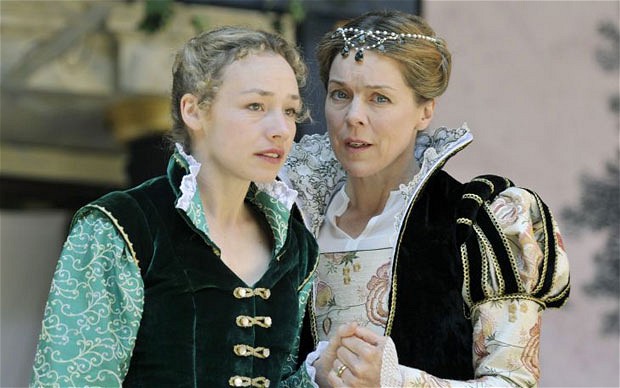
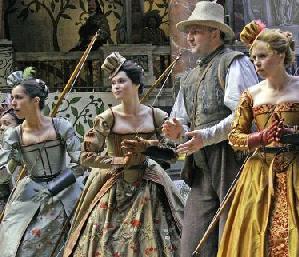
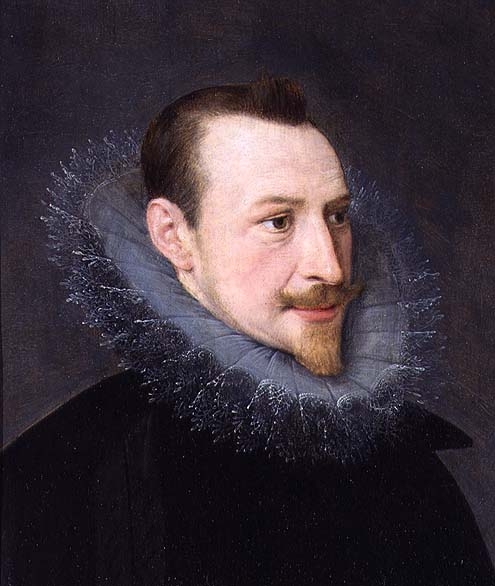
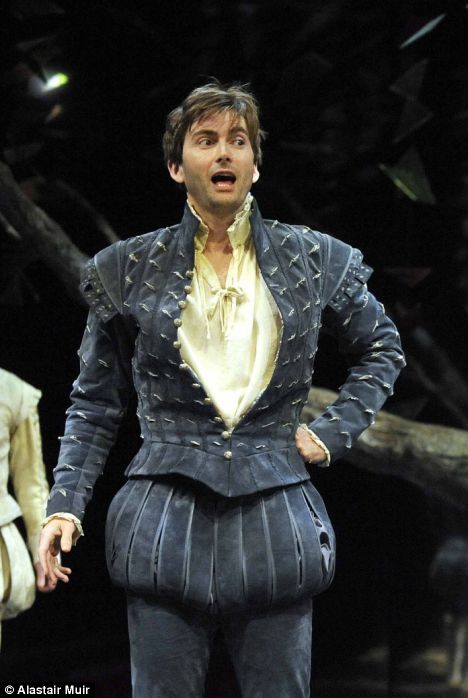
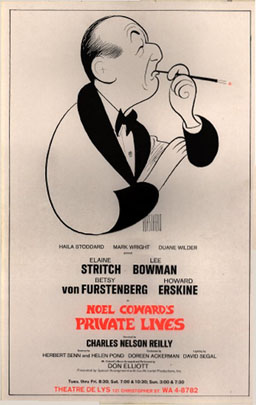
Boyet – ingratiating, lisping, effeminate –  is most at home with gossipy girls….

As we see here…

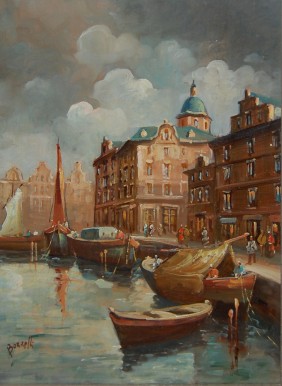
And here, still in Elizabethan times…

And here, in Regency times…


And here, in Edwardian times….

Shakespeare hates him for his insincerity, his sycophancy and his smiling teeth….

…..’as white as whales’ bone….

But most of all he hates him for his….

CRUELTY TO THE ENGLISH LANGUAGE!!!

His choice of words is so affected that no-one can understand a word he says…

In final exasperation, the Princess screams at him….

Avaunt, perplexity…

….and….

Speak to be understood….

…..and this introduces the most important theme in the play….

Shakespeare has attacked Chapman in his Sonnets because his language is corrupt…

If language is corrupt, then we cannot trust the feelings BEHIND the language….

They could be corrupt as well….

The integrity of language is tested to the full in Love’s Labour’s Lost when Mercade announces to the Princess the death of her father…

Can the Lords express their feelings simply and truly?

They try hard, but fail….

However, they accept the women’s challenge…

Let’s have action instead of words…

The Lords will retreat from the world and perform acts of charity for a year and a day….

Then, when they return, chastened, the ladies will give them their hearts…

Of course, we don’t know if the men keep these new promises….

They have, after all, broken their vows before….

And Berowne says, ominously, that a ‘twelvemonth’ is….……

….too long for a play….

But Shakespeare, in the ambiguity of  this light comedy, is starting to work towards the conclusion of his great, dark masterpiece, King Lear….

If life is to have any meaning in the face of death, we must all….

Speak what we feel, not what we ought to say….

With the creation of Boyet, Shakespeare faced his hatred for Chapman face on – and so faced his hatred for himself face-on….

Shakespeare had to do a lot of the things Boyet had to do – amuse, flatter, entetain and win over the ladies…

It is fascinating that Berowne/Shakespeare describes Boyet as….

honey-tongued…

Two years earlier, the poet Edmund Spenser…

 ……who was staying in Hampshire, compared ‘pleasant Willy’s’  verse to ‘honey’…

Deep down, Shakespeare realised that he and Chapman were very alike….

Indeed, in the play Berowne finally admires Boyet’s wit…

Well said, old mocker, I must needs be friend with thee…

This has echoes of Prospero’s final realisation in The Tempest of his kinship with the monster Caliban….

This thing of darkness I acknowledge mine…

 ●

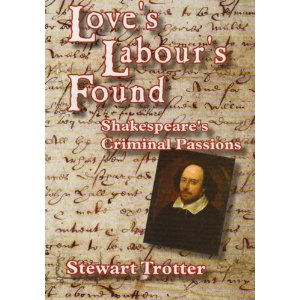
Please note: some material in this post first appeared in Stewart Trotter’s Love’s Labour’s Found  (2002) ISBN No. 1 873953 35 6.

(It’s best to read Part Seven now: ‘Thomas Nashe’s Revenge on Sir Walter Raleigh’!)

Read Full Post »

(It’s best to read Parts One, Two,  Three and Four first).

What, apart from money, did William Shakespeare and Thomas Nashe gain from writing  Love’s Labour’s Lost?

Three things:

1. Self-promotion

2. Self-justication, and…

3. Revenge

1. Self-promotion.

(a) Shakespeare.

Shakespeare wrote the part of Berowne…

He also played it…

Berowne is witty, sceptical, romantic and loyal…..

By playing him, Shakespeare is implying….

 I am witty, sceptical, romantic and loyal as well….

In fact, the coterie audience at Titchfield would assume that Berowne was Shakespeare and that Shakespeare was Berowne.

In the same year as Love’s Labour’s Lost (1592) Henry Chettle wrote….

……my self have seen his [Shakespeare’s] demeanour  no less civil than he excellent in the qualities he professes: besides, divers of worship [ie. the Southampton family] have reported his uprightness of dealing which argues his honesty, and his facetious grace in writing, which approves his art….

John Aubrey, in the following century, was to write…

…he [Shakespeare] was a handsome, well-shaped man: very good company, and of a very ready and pleasant smooth wit….

Shakespeare was using the play to project an image of himself…..

Exactly the way Sir Noël Coward was to do four centuries later…..

Coward was a South London, lower class boy who passed himself off as a toff….

Shakespeare was a Warwickshire, yeoman class boy who passed himself off as a Lord..

By using the name ‘Berowne’ (after Mary Browne, the second Countess of Southampton) Shakespeare suggests that he is part of the Wriothesley family….

(He was related to them through his mother – but only distantly.)

Shakespeare even went on to purloin the silver falcon from the Wriothesley coat-of-arms for use on his own family crest….

(Please see: Shakespeare in Titchfield. A Summary of the Evidence. )

(b) Nashe.

By writing and playing the part of the ‘well-educated infant’ , Moth….

….. (which is NEARLY ‘Thom’ backwards)…..

……Nashe was projecting his comic persona as….

(a) witty,

(b) diminutive,  and

(c) beardless….

……(Nashe, famously, could not grow facial hair)….

When he had played Dromio of Syracuse in The Comedy of Errors he had used his ‘trademark’ name…..

…ape….

As Moth he uses another of his ‘trademark’ names….

 ….juvenal….

This was a play on the name of the Roman satirist, ‘Juvenal’…..

…..(a reference to Nashe’s satires)….

…..and the word ‘juvenile’….

…..(a reference to Nashe’s boyish appearance).

(Six years later, in 1598, Francis Meeres was to describe Nashe as ‘young Juvenal’, so clearly the self-promotion had worked….)

At one point Moth describes, to his penniless Spanish master,  Don Armado..

…the best way of dressing when he comes to woo  ‘the country wench’ Jaquenetta…

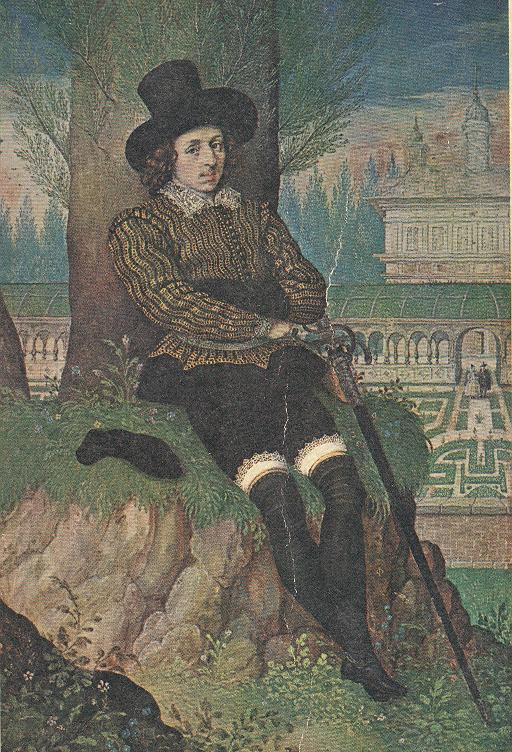
…..with your hat penthouse lik o’er the shop of your eyes, with your arms crossed on your thin-belly doublet like a rabbit on a spit, or your hands in your pocket, like a man after the old painting…..

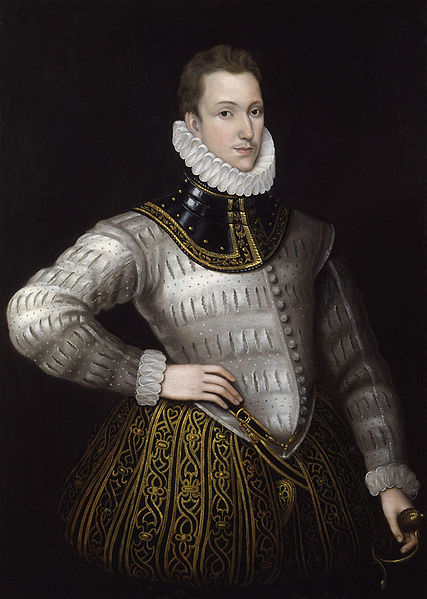
An old painting of Sir Philip Sidney, lover of Penelope Rich....

The Editor of the handsome new Cambridge University Press edition of the play says that…

The syntax and and satiric images in Moth’s speech here bring it closer than anything else in the play to the satiric prose style of Thomas Nashe….

The Shakespeare Code would like to suggest that the speech is close to ‘the satiric prose style of Thomas Nashe’  because…

THOMAS NASHE WROTE IT!!! 

2. Self-justification.

(a) Shakespeare.

At the beginning of Love’s Labour’s Lost the King and his Lords make a solemn vow that they will abjure the society of women and devote the next three years to fasting and study….

Then the lovely ladies turn up….

One by one, the men decide that there are other things they’d prefer to be doing rather than studying… 

One of the main differences between Elizabethan Englishmen and Modern Englishmen is that vast majority of Elizabethan Englishmen believed they had a soul…

…..and to break a vow was to put your soul in danger….

Shakespeare, a Catholic and a married man, had fallen in love with ‘the dark lady’,  Emilia Bassano….

He was therefore breaking his marriage vow….

……something which pre-occupies him in Sonnet 152….

In loving thee thou know’st I am foresworn….’

In Sonnet 142 he goes so far as to describe ‘loving’  Emilia as ‘sinful’….

(His gay sex with the Earl of Southampton doesn’t seem to have struck him as ‘sinful’ at all. Rather the reverse…)

So when Berowne concocts an elaborate justification for the Lords breaking their vows, he is also justifying  his own infidelity….

Everyone in Titchfield would have known he was married to Anne…

But there was another vow that the Love’s Labour’s Lost audience had all made….

Their Vow of Allegiance to Queen Elizabeth….

Also there was the Earl of Leicester’s 1584   ‘Bond of Association’ which thousands of gentlemen had signed….

In this they swore to protect the Queen from any rebellion…

Many were starting to turn to think, now, about rebelling against Elizabeth themselves…

So they needed a strong justification for going back on their word….

Years ago the Pope had absolved Catholics who broke their Vows of Allegiance to Queen Elizabeth…..

In fact he actively encouraged them to do so…

But Shakespeare, in the play, was now giving a justification to Catholics and Protestants alike..

His basic argument was that if you swear to a course of action on a mis-guided principle, that vow becomes invalid….

Shakespeare, by offering this argument, was also obliquely explaining why, though he was a Catholic, he could never become a fanatical one…

…nor could he write the religious verse that the Jesuit Robert Southwell…..

 ……was begging him to write….

When the Lords in the play set up their rules for their ‘Academy’ –  abstinence, chastity and mortification of the flesh – they are very similar to the rules of the Jesuit seminaries set up at Douai and Rheims…

Brave young English Catholics were sent there in secret, fast-tracked to ordination and returned to England and almost certain death…

But Berowne explains that the Lords of Navarre are not cut out  for that sort of life…

Only God can chose his martyrs…

And even his ascetics…

As Berowne says….

…..every man with his affects [passions] is born,

Not by might mastered but by special grace….

i.e. the grace of God….

Shakespeare is admitting that he could never be celibate…

In fact he goes on to say in Sonnet 121….

I am that I am, and they that level at my abuses

Reckon up their own…

…..an open declaration of his complex sexuality….

….which Meeres confirms when he describes Shakespeare as…

…..one of the most passionate among us to bewail and bemoan the perplexities of love…

Shakespeare later developed into a great tragedian…

 But at the time of Love’s Labour’s Lost,  he was loved by his aristocratic public for being in love….

And for advocating love’s power in his play…

And when love speaks, the voice of the Gods

Makes heaven drowsy with the harmony…

Playing Berowne also gives Shakespeare the chance to score one over on his collaborator – and deadly rival – Nashe.

Nashe was always condemning Shakespeare, in code,  for being a mere grammar school boy with no real learning at all….

Berowne demonstrates that you can learn more from life – and from being in love  – than you can ever learn from a book….

Small have continual plodders ever won

Save base authority from others’ books….

(b) Nashe.

Nashe, everyone agreed, was ‘famous’….

But the other thing they all agreed on, was that he was ‘poor’…

So poor that once he and a friend had only one pair of trousers between them…

They had to take it in turns to leave the house….

Nashe needed to justify his poverty…..

And did so by blaming others….

He was poor, not because he was untalented….

No….

 He was poor because his patrons were mean…

In the play, the pageboy Moth is brilliant, quick and precocious….

But his master, Don Armado, is innumerate, stupid and impoverished…

He is holding Moth back….

Just the way Nashe’s patrons were all holding him back…

Who they were….

And how he got his revenge on his enemies…

And how Shakespeare got his revenge on his…

We  shall see in the next post….


Read Full Post »

It is with over-whelming joy we report…..

….that on its first day of democratic freedom…..

….28 November, 2011…..

…..that great cradle of spirituality, EGYPT…..

….joined The Shakespeare Code….

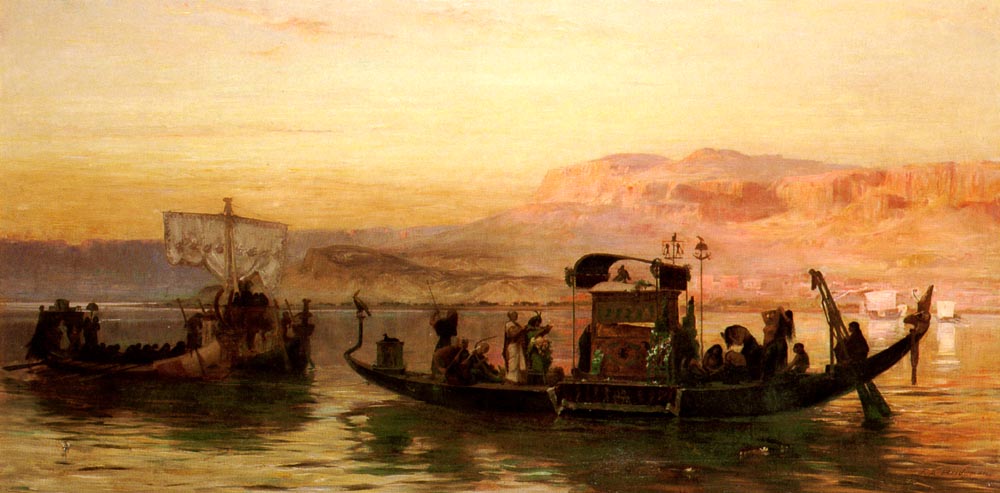
In honour of this event, the Agents of The Code call on Trixie the Cat to recite Enobarbus’s sublime description of Cleopatra, on the Nile, in her barge…..

THE TRIXIE RECITATION

The barge she sat in, like a burnished throne,

Burned on the water; the poop was beaten gold

Purple the sails, and so perfumed that

The winds were love-sick with them; the oars were silver,

Which to the tune of flutes kept stroke, and made

The water which they beat to follow faster,

As amorous of their strokes. For her own person,

It beggar’d all description: she did lie

In her pavilion, cloth-of-gold of tissue,

O’er-picturing that Venus where we see

The fancy out-work nature. On each side her

Stood pretty dimpled boys, like smiling Cupids,

With divers-coloured fans, whose wind did seem

To glow the delicate cheeks which they did cool,

And what they undid, did…

There are now FIFTY-SEVEN participating nations in The Shakespeare Code…

‘Bye, now….


Read Full Post »

In August, 2011, The Shakespeare Code received over 1,000 Views….

In September, 2011, it received over 2,000 Views….

The Shakespeare Code is delighted to announce that in November, 2011, it received over….

3,ooo VIEWS!!!

Also FOURTEEN new countries  joined The Code….

They are:

ICELAND

JAPAN

KOREA

ROMANIA

UKRAINE

ISRAEL

ARGENTINA

SRI LANKA

NICARAGUA

VIET NAM

IRELAND

SLOVAKIA

SLOVENIA

FINLAND


This means there are now…….

FIFTY-SIX PARTICIPATING COUNTRIES!!!

(Please see: The Shakespeare Code Salutes the Nations!)

THE WORLD LOVES WILLIAM SHAKESPEARE….

 …….AND THE SHAKESPEARE CODE LOVES SERVING THE WORLD…..

As Trixie the Cat says…..

STAY TUNED TO YOUR STATION OF THE STARS…..

‘Bye now….

Read Full Post »

(It’s best to read Parts One, Two and Three first).

Mary, Countess of Southampton’s next commission for William Shakespeare….

 …..and Thomas Nashe, of course….

…..was an entertainment for the 1592 Titchfield Whitsun Fair….

The Fair had  been granted to the town by King Henry VI in 1447, two years after he had married Margaret of Anjou in the Abbey….

It  was originally held at the Feast of Corpus Chrisit,  when sacred objects from the Church were processed round the town…

But this had all been far too Papist for the boy-king Edward VI…

He banned Corpus Christi and replaced it with Whit Sunday instead….

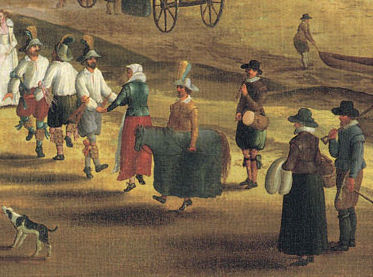
A time for tilting, drinking Whitsun ale and morris dancing…

Much more English…. 

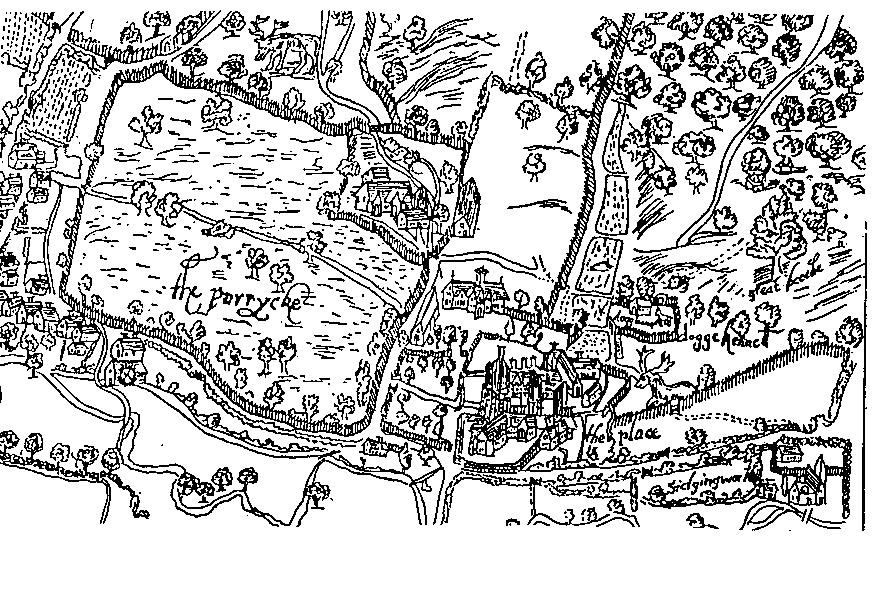
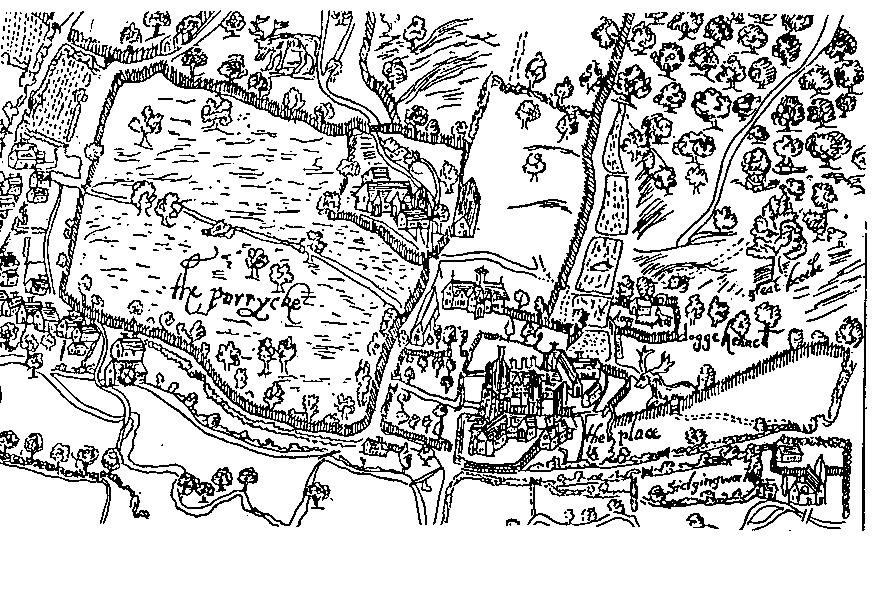
The festivities were held in Countess Mary’s ‘Parke’…. .

..and are held there to this day….

Mary wanted a comedy for the event…..

A very heterosexual comedy in which her son, Harry, could act….

And which might turn him straight….

(She faced a tremendous £5,000 fine if Harry refused to marry Lord Burghley’s grand-daughter….)

But Harry showed no interest at all in girls….

Except to dress up like them….

Mary asked Shakespeare to write heterosexual parts for Harry’s gay friends as well…

…..the Danvers brothers, who were so posh they pronounced their name ‘Davers’.

Mary was clearly hoping for a mass, Hampshire conversion….

Parts, too, were needed for her female guests who were coming to visit at Whitsun…..

…..one of whom needed no conversion to heterosexuality….

…..Penelope Rich….

She had been the muse of Sir Philip Sidney, who described her as….

…..most RICH in these and every part,

Which makes the patents of true, wordly bliss,

Hath no misfortune, but that RICH she is…

Penelope was the sister of the Earl of Essex….

…..who was the hero of the hour….

 He had fought alongside Henri of Navarre at the siege of Rouen…

He was also an intimate friend of gay Harry….

(And secretly batted for both sides…)

He loved plays…..

And he loved tilting……

…..and would certainly have been invited to Titchfield for the Whitsun celebrations as the guest of honour…

But whether he made it there or not was another matter…..

The Queen, pushing sixty….


……was besotted with Essex and hardly let him out of her sight…

She often had him apprehended as he tried to escape from the Court down to Hampshire….

Just like Venus, in Shakespeare’s Venus and Adonis, who rugby tackles her reluctant lover Adonis to the ground…

Shakespeare came up with the idea of  Love’s Labour’s Lost…

……a re-write of an old hit he’d had for Lord Strange’s Men, The Fair Em….

….which has an identical ‘eaves-dropping’ scene….

….and a lecherous old mill-worker called Trotter….

The whole thing was to be a satire on Queen Elizabeth and her Progress the previous year to Cowdray and Titchfield…

This had been a time of enormous strain for the Roman Catholic Southampton family…

At any moment their recusancy could have been exposed….

Shakespeare knew it would be highly therapeutic for them all to have a good old laugh at it….

In the play, the King of Navarre and his courtiers (Berowne, Dumaine and Longaville) vow to give up women and devote their lives to study….

But the Princess of France and her retinue of lovely Ladies (Rosaline, Katharine and Maria) arrive at the Court of Navarre on state business….

They are forced to live in tents in the fields outside the gates…

But, one by one, the gentlemen break their vows…

Shakespeare cast the beautiful Penelope in the part of the Princess, and plays on her name the same way Sidney did…

In the final scene he has her say….

Sweet hearts, we shall be RICH ‘ere we depart…

….and then uses the word   ‘rich’  FIVE more times in the same scene.

Berowne was another intellectual/romantic part for Shakespeare…

(The character’s oddly-spelt  name is a coded compliment to Mary, Countess of Southampton, whose maiden name was Browne…)

The handsome King who falls hopeleslly in love with the Princess….

….was a great, masculinising part for Harry…

He was called ‘Navarre’ after Henri of Navarre, alongside whom Essex had been fighting…

And the two other courtiers were named after generals who were at the siege as well..

….Henri d’Orleans, duc de Longueville and Charles, duc de Mayenne….

This was all a compliment to Essex….

Who, in reality,  had proved a disastrous commander at Rouen…

Three thousand of his men had died, including his brother Walter….

Love’s Labour’s Lost was written to be an outdoor ‘promenade’ performance, just like the Progresses of the Queen…

And, like the Progresses of the Queen, it was staged as a ‘serial’ over several days..

The Princess and her ladies would have arrived on horseback, just as Elizabeth and her Ladies had done…

And when the Princess of France says to the King of Navarre (who is immediately smitten by her beauty)….

The roof of this court is too high to be yours, and welcome to the wide fields too base to be mine’

…..she is referring to the real sky and to real fields….

Place House itself – and it’s great doors – would become the Court of Navarre….

 …..and real tents would be pitched in real grounds…….

When the Princess asks…

Was that the King that spurred his horse so hard

Against the steep-up rising of the hill?….

….Harry would have spurred his real horse up the really steep hill outside the gates of Place House…

When the Princess goes to the standing to shoot deer, she would go to the actual standing that had been built for Elizabeth….

And when she exclaims….

But come, the bow…

….she would be given the actual bow that Elizabeth had used…

And which she had left as a memento at Cowdray….

And when Berowne climbs into a tree and sits ‘like a demi-God’…’in he sky’ and the King of Navarre hides behind a bush….

The tree was a genuine tree…

And the bush was a genuine bush….

The ‘fairing’ that Princess of France receives in the play is…..

A lady walled about with diamonds….’

….a clear reference, for those in the know, to the famous ‘Armada Jewel’ which Sir Thomas Heneage had given to the Queen…

The part of the Princess gives Penelope Rich – who hated the Queen almost as much as her mother, Lettice Knollys, did –  a wonderful opportunity to satirise Elizabeth….

….her vanity, her bossiness and her jealousy….

But it is clear that Shakespeare was FASCINATED by the Queen….

How could a woman of such grace and sensibility behave with such cruelty?

(Please see: Queen Elizabeth, incest and sadism. )

In the speech she makes just before the shooting of the deer, Shakespeare penetrates to the depths of the Queen’s heart….

She herself questions her addicition to hunting and realises that her need for…

 …Fame, an outward part….

…… is so great that it smothers her natural compassion….

So she….

 spill[s] the poor deer’s blood….

This, for the Elizabethans, introduces another conundrum…

….blood could mean semen…

(Please see: The Shakespeare Code)

So ‘the poor deer’ were also her poor, hapless lovers… 

Like the Earl of Essex….

Did they follow her in spite of her cruelty?

Or BECAUSE of it…

In the play the women lead the men a merry dance….

And outwit them at every turn….

But the men come back for more….

And more..

Including Berowne…..

The sceptical, wordly-wise courtier falls head-over-heels in love with the dark-skinned, skittish beauty, Rosaline…

Played, of course, by Emilia Bassano….

Shakespeare had used his Sonnets to try to seduce her…

He had praised her, mocked her, insulted her, surprised her….

And, above all, tried to make her laugh….

Now he attempts to get her into bed by writing a whole play!

But there could be no happy resolution to the entertainment….

The execution of Swithin Wells had cast a long shadow over The Comedy of Errors….

Now sickness in the Southampton family was casting an even longer shadow over Love’s Labour’s Lost….

In the play, the Princess of France’s father is ‘sick and bed-rid’…

So was Mary Southampton’s father, Lord Montague…..

And so was her twin brother, Anthony…..

Both were to die later in the year….

Artists are often prophetic in their work……

Shakespeare ends his ‘comedy’ with the arrival of Mercade….

 …..who informs the Princess of the death of her father…..

The Ladies tell their adoring Lords to retreat from the pleasures of the world for a year….

Then, if they still love their ladies, make their suits again….

Berowne then famously says….

That’s too long for a play….

A  sad conclusion…..

But Shakespeare and Nashe, as we shall see in our next post, had their triumphs on the way…..

(It’s best to read Part Five now.)

Read Full Post »

It is with great pleasure that the Agents of The Shakespeare Code announce that on…..

23rd November, 2011

The Code received its 13,000th VIEW!!!

Not only that….

SIXTEEN NEW COUNTRIES HAVE JOINED THE SHAKESPEARE CODE!!!

They are, in no particular order….

THE REPUBLIC OF BULGARIA

THE REPUBLIC OF LEBANON

THE KINGDOM OF THAILAND

COLOMBIA

THE KINGDOM OF NORWAY

THE REPUBLIC OF CHILE


THE UNITED ARAB EMIRATES

THE PALESTINIAN TERRITORIES

THE NETHERLANDS

DENMARK

CZECH REPUBLIC

ITALY

MALTA

BELGIUM

INDONESIA

SWEDEN


This means there are now……

FORTY TWO PARTICIPATING COUNTRIES!!!

(Please see: The Shakespeare Code Salutes the Nations )

IN VINCULIS INVICTUS!!!


Read Full Post »

(It is best to read Parts One and Two first.)

The Bassano family – a group of dark-skinned Sephardic Jews, originally from Morroco – provided the music for the Cowdray Progress in 1591….

A Bassano providing the music for Elizabeth and Leicester.

Among them was the beautiful, mixed race Emelia, the young mistress of the Queen’s cousin and Lord Chamberlain, old Lord Hunsdon…

He paid £40 a year for her services, but this did not buy him exclusive rights…

William Shakespeare saw her at Cowdray and was smitten…

She was, as the late A. L. Rowse discovered…..

…..the famous ‘Dark Lady’ of the Sonnets…

SADLY, NO PORTRAIT OF ‘THE DARK LADY’ IS AVAILABLE…

Except of course in Shakespeare’s verse…

She was a  favourite of the Queen and of noble ladies in general….

She helped with their entertainments….

But to Shakespeare, she was an entertainment in herself….

In Sonnet 128 he even envies the wooden keys….

 …….on her virginals….

…..because her fingers ‘walk’ over them….

with gentle gait…

Emelia stayed on at Titchfield after the Queen’s Progress and took part in the Christmas entertainment there…

An established tradition in the Southampton household….

The highly cultured (and deeply Catholic) first Countess, Jane, was described…..

…..as merry as can be with Christmas plays and masques….

And her husband, Thomas Wriothesley, the first Earl….

 …..was a keen amateur actor.

(He was also a keen amateur torturer.  He racked one poor woman to death….)

The Christmas show at Titchfield in 1591, full of references to the cold weather,  was cousin Will’s The Comedy of Errors…

Written, of course, in collaboration with Thomas Nashe….

….who, as ever, wrote the jokes….

The play begins with the gloom of a potential execution….

Egeon, a merchant from Syracuse….

……has travelled to Ephesus, searching for his son, Antipholus, whom he’s not seen for five years…

Antipholus of Syracuse, in turn, is searching for his twin brother, Antipholus of Ephusus, lost, along with his mother (Egeon’s wife) in a storm at sea when they were babies….

He feels like a drop of water in the ocean, seeking another drop but losing itself in the process…

…..a wonderful intellectual/romantic part for Shakespeare himself….

Syracuse and Ephesus are engaged in a trade war, so Egeon is sentenced to death by the Duke of Ephesus….

This is a coded reference to the execution of Swithin Wells, barely a fortnight before the Titchfield Christmas festivities began…

He was a loved, old, literate, Roman Catholic friend of the Southampton family….

Described by the Vatican as….

 …a witty man, skilled in diverse languages…

….who had adored hunting and hawking, and who had given…

 …a good example to the gentry…

….Wells had lived en famille with the Southamptons at Place House…

….in whose Great Hall the Christmas play was to be performed.

Wells had also taught at the Titchfield Grammar School….

…..where he had recruited young Englishmen to train as Catholic priests…

Ordained on the continent, they returned to England as misssionaries….

And almost certain death….

They were ‘drawn and quartered’….

….(forget the token ‘hanging’)…

ALIVE!!!

Mary, second Countess of Southampton, a strong-willed,  Catholic activist…

….had  sheltered these ‘suicide martyrs’  in her London residence, Southampton House…..


.

…..a stone’s throw from which the ‘dangerous Papist’ Wells had been hanged….

But Shakespeare had been commissioned to write a Christmas entertainment….

So, after a melancholy start,  the play develops into a light-hearted comedy….

 About mistaken identity, marital infidelity and families split apart…

Mary, Countess of Southampton,  had a twin brother, Anthony….

So Shakespeare plundered a Plautus plot that has not just one pair of twins…

BUT TWO!!!

The identical Antipholus twins (the sons of Egeon) have identical servant twins, Dromio of Syracuse and Dromio of Ephesus…

(Well, it was a Christmas show…)

Dromio of Syracuse was played by Thomas Nashe….

….as he was to play many of the ‘stand-up’ comic parts in the premieres of Shakespeare’s Comedies.

He took, of course, the opportunity to promote himself…..

He was in charge of the comic scenes and so ‘arranges’ for Antipholus of Syracuse (Shakespeare’s part) to describe Dromio of Syracuse (his part) as:

A trusty villain, sir, that very oft

When I am dull with care and melancholy,

Lightens my humour with his merry jests…

Nashe is positively telling the audience he is funny…

Later, as Dromio of Syracuse, he says…

I am an ape….

‘Ape’ was the trademark name of Nashe in ‘real life’.

(Nashe wrote, of himself, at Cambridge, that ‘I was a little ape’.)

Nashe not only promotes himself: he demeans Shakespeare in the process…

As Dromio of Syracuse, he makes unsporting  fun of Shakespeare’s baldness…

Shakespeare was well aware that he was pre-maturely losing his hair….

He makes a beautiful joke of the fact in Sonnet 73 where he writes:

That time of year thou may’st in me behold,

When yellow leaves, or none, or few do hang

Upon those boughs which shake against the cold,

Bare ruin’d choirs where late the sweet birds sang….

But Nashe, as Dromio of Syracuse, and talking directly to  Shakespeare as Antipholus of Syracuse, mentions, for no reason at all….

the plain bald pate of Father Time….

….adds…

There’s no time for a man to recover his hair that grows bald by Nature…

….then goes on to elaborate this theme for another, utterly unfunny….

FORTY LINES!!!

Nashe was always accusing Shakespeare of ‘sucking up’ to the Southampton family, but he does just as much ‘sucking up himself….

To show he is Roman Catholic ‘in spirit’ (he did genuinely admire the charity work done by Catholics)  he has Dromio of Syracuse exclaim….

….O for my beads….

…..meaning, of course, the forbidden Catholic rosary….

If  Elizabeth’s soldier-thugs had found a rosary behind the panelling at Titchfield, the Southampton family would have followed Swithin Wells to the block….

But The Comedy of Errors was given in private performance…

In the same way the old Latin Mass was still celebrated in private at Titchfield ….

So everyone in the audience was relaxed about references to Roman Catholicism….

Indeed, one of the Old Faith’s great rites, exorcism, is affectionately sent up in the absurd figure of the schoolmaster-conjuror, Pinch….


He tries to cure ‘the possession’ of Antipholus of Ephesus, whose twin bother, Antipholus of Syracuse, has dined with his wife, Adriana…


Antipholus of Ephesus denies all knowlege of the meal.

So, everyone thinks he is possessed….

Antipholus of Syracuse, meanwhile, falls in love with Adriana’s sister, Luciana, and describes her as….

…..our earth’s wonder, more than earth divine….

Scholars have taken this to be a coded compliment to Queen Elizabeth….

But Antipholus goes on to also describe Luciana as a….

…sweet mermaid…..

….and he asks her to…..

…..Spread o’er the silver waves [her] golden hair…’

A compliment to a Queen is intended…..

But to a dead, Scottish, Catholic Queen…

Who had golden-red hair…

Mary Queen of Scots….


Her personal symbol was the mermaid….

In the Will she made before her confinement in 1566, she left her lover, the Earl of Bothwell….

….a miniature figurine of a mermaid set in diamonds, holding a diamond mirror and a ruby comb…

The following year, Bothwell (whose heraldic crest was the hare) was accused of killing Mary’s husband, Lord Darnley…

Mary was lampooned as a crowned, bare-breasted mermaid, with her hair falling down to her shoulders, defending her lover with a whip…

 Later that year, Mary was imprisoned in the Black Turnpike in Edinburgh, ostensibly to save her from the mobs who were baying for her blood….

On 16th June she appeared at her window…

……with her bodice undone, her breasts exposed and her tangled hair loose, and with ‘piteous lamentations’ made a distraught appeal for help from the citizens who had gathered below…

(Alison Weir)

As a teenager, Queen Mary had made two earlier bare-breasted appearances…

One in Francois Clouet’s The Bath of Diana…

 The other in his A Lady at her Toilet…

 Even the long-bearded,  Scottish Calvinist John Knox….

….(who had compared Mary Queen of Scots to Jezebel) had to admit that the six foot tall woman possessed….

……some enchantment whereby men are bewitched….

So when Shakespeare, as Antipholus of Syracuse, says to Luciana…

Sing, siren for thyself, and I will dote…’

….the Catholic audience in Titchfield audience would be remembering their dead queen with an erotic thrill….

And Shakespeare would be nailing his Roman Catholic colours to the Southampton mast…

Place House, before its conversion by the first Earl of Southampton in 1538,  had been an Abbey run by Premonstratensian monks…

Indeed, the first Earl’s wife, Countess Jane, voiced concern that the chapel – where King Henry VI had married Margaret of Anjou – was to be converted to a master bedroom…

The new Gatehouse ran right through the nave……

Shakespeare makes reference to the old Catholic function of Place House by setting the last act of The Comedy of Errors in front of…

the abbey here’…

…..a phrase he uses in the play…

FIVE TIMES!!!

He uses the word ‘abbey’ itself seven times in the play….

And only uses the word ‘abbey’ five more times in his COMPLETE WORKS!!!

The Abbess even specifically mentions….

‘….the ditch behind the Abbey here…..

The Abbess  – ‘a virtuous and reverend lady’ – would have been an ideal part for devout Catholic, Mary, second countess of Southampton.

Her father and step-mother, Lord and Lady Montague, had performed in public before the Queen on her Progress a few months before….

Why shouldn’t she perform in her own house, in private?

She would have loved dressing up as an Abbess!

The Abbess determines to ‘make a formal man again’ of the seemingly crazed Antipholus of Ephesus, by using….

….wholesome syrups, drugs and holy prayers….

and explains that it is…..

…a branch and parcel of mine oath,

A charitable duty of my order…..’

Pastoral care had also been the ‘duty’ of Titchfield Abbey’s white-robed  monks…

By acknowledging the power of this healing process – with its reliance on prayer as well as medicine  – Shakespeare is acknowledging the power of the Old Faith itself….

There is a great part for Emelia, the Dark Lady, as well….

The Courtesan who operates from ‘The Porpentine’ – a bordello in Ephusus…

She wants the money back for the ring she has given Antipholus of Ephesus and exclaims…

Forty ducats is too much to lose…’

This is a dig at Emelia’s £40 a year allowance from old Lord Hunsdon…

Another ‘Dark Lady’ in-joke occurs when we learn the name of the Abbess…

It is Emelia….

An entirely different sort of ‘nun’, of course…

At the conclusion of the play a family that has been split apart comes together. The Abbess turns out to be Egeon’s lost wife…

The Southampton family was also split apart. The second Earl had gone to his grave hating his wife, Mary – and her son had inherited this hatred….

Shakespeare is using his art to try to heal this spiritual rift – a process he was to take to audacious lengths in A Midsummer Night’s Dream….

A performance of The Comedy of Errors was later given at Gray’s Inn, London, on 28th December, 1594.

The third Earl of Southampton had been a member of this particular Inn of Court (just opposite his London residence) since he graduated from Cambridge in 1589.

The play was a catastrophe…

It was the culmination of a riotous evening, during which, through lack of space the audience sat on the stage itself…

 So nothing could be properly seen or heard….

Also, the aristocratic  members of Gray’s Inn were offended by the fact that the actors were ‘base and common fellows’…

These cannot have been the Lord Chamberlain’s Men who now included Burbage and Shakespeare and who had considerable prestige….

Lord Hunsdon (who had been made Lord Chamberlain in 1585) and had been managing and protecting players since the 1560’s and performers working under his name enjoyed considerable prestige…

Besides, his Men were busily entertaining the Queen down the river at Greenwich on that night….

Probably with A Midsummer Night’s Dream….

It was most likely a scratch group of actors who turned up at Gray’s Inn, put together by Southampton (who had just come of age) to show off the play his family had commissioned…

And to upstage his mother, who had commissioned The Dream as well…

The Comedy of Errors, Catholic and homely, was quite wrong for a drunken audience of ‘Hooray-Henries and Henriettas’ who seem to have taken personal offence at the play’s references to magic and conjuring…

They complained they had been ‘pinched on both sides’ – a reference to Pinch the schoolmaster exorcist….

Southampton, as far as we know, never ‘produced’ anything again… 

Wise chap…

(It’s best to read ‘A Midsummer Night’s Dream’ Decoded. Part Four next.)


Read Full Post »

Brothers and Sisters of The Shakespeare Code…

It is with great pleasure that we announce that on Tuesday,  15 November, 2011, The Code received its….

12,000th VIEW!!!!

Not only that….

This week Switzerland abandoned its neutrality……

IT JOINED THE SHAKESPEARE CODE!!!

 This means that there are now….

TWENTY-SIX PARTICIPATING NATIONS….

 in……

THE SHAKESPEARECODEZONE….

Please see: ‘The Shakespeare Code Salutes the Nations’.

If your country does not feature in the list, let us know and we will be proud to fly your flag for you!!!

As Trixie the Cat says……….

We’ve got more flags than the exterior of Harrods!

YO-DA-LAY-EE-DOO!!!

Read Full Post »

« Newer Posts - Older Posts »