Feeds:
Posts
Comments

Archive for the ‘Uncategorized’ Category

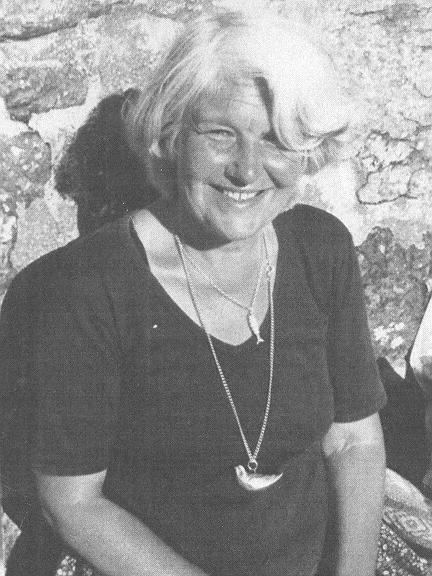
It is with sadness that The Shakespeare Code records the death of the wonderful poet and actress, Charlotte Mitchell……

……known to her family and friends as ‘Bunty’….

At her funeral at Mortlake Crematorium (on Friday, 18th May) her well known poem ‘Possessions’ was read…..

Also a new, unpublished poem was read…..

The Thing is…

(Part One – Daughter to Mother)

The thing is, Mother

When I ring your bell with flowers

There’s a way I hope you won’t be.

– Too anxious, too interested,

asking questions, curious.

And there’s a way I hope you will be –

casual, involved elsewhere

almost as if  you’ve forgotten

I was due,

so I can slip into the old home

without any fuss

and we can be us –

Mother – please be cool

and just a bit preoccupied

when I ring the bell with flowers.

(Part Two – Mother to Daughter)

The thing is, Daughter,

when you ring my bell with flowers

there’s a way I hope you won’t be

critical

almost before you’re off the mat

looking at the way I am

my face, my hair etc.

And there’s a way I hope you will be –

overlooking my ageing,

my toenails which need cutting,

amused by my deafness

Daughter, please be cool

and just a bit preoccupied

when you ring my bell with flowers.

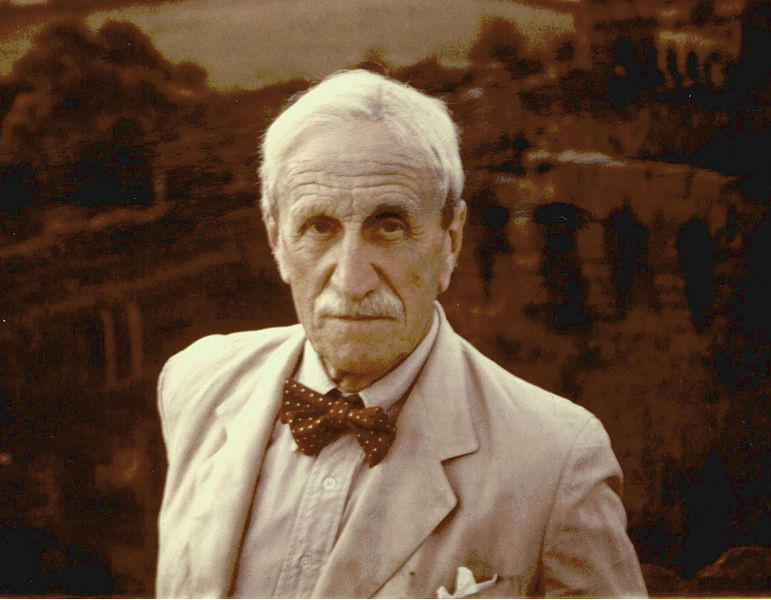
For many years Stewart Trotter would call on Bunty in Chiswick to treat her with Acupuncture.

At the end of the last century, he went over to Aarhus in Denmark to direct his rock version of Carmen called Carmen Latina. 

Bunty was worried that Stewart might return to working full-time in the theatre, so wrote him this poem….

Don’t go to Watford

Don’t go to Watford, better to stay

And attend to you patients’ needs,

Don’t go to Watford or Glasgow, or Leeds

Don’t talk

Of going to be a theatre bloke

In York.

Well, take a theatre bloke, why not?

He couldn’t cure my ills,

Know which Puncture points

Or pills

See to Panic, Injury or Fall

He could only see to Egos,

Casting session, lighting call.

Anyone can cast an actor

When there’s millions of them all…..

So don’t go to Watford, Penzance or Portcaul

Do not waste your wondrous skills

On Luvvie stuff and flats and frills

When you can calm the Heart and Mind….

Don’t go to Watford, or Wexford or Glynde.

Bunty’s poem certainly worked. Stewart is in Practice to this day. 

At the end of the Funeral, guests were invited to place a flower on Bunty’s wicker coffin.

The Service Sheet concluded with a simple……

‘We love you, Bunt’.

‘Gone to Devon’

If you would like to leave a word of appreciation in the box below, Stewart will pass it on to Bunty’s family.

(To read another unpublished poem by Charlotte Mitchell, please click:HERE! )

Read Full Post »

Despite appearances to the contrary……

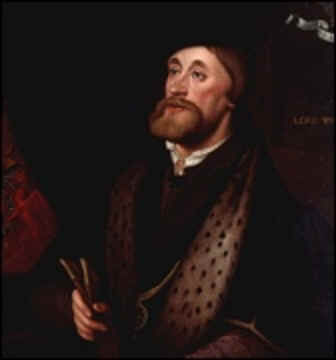
……Henry Wriothesley, the Third Earl of Southampton….

……or ‘Harry Southampton’ as he liked to be known…..

……wasn’t EXCLUSIVELY gay at all!!!

He fell deeply in love with one of Queen Elizabeth’s Ladies-in-Waiting, Elizabeth Vernon…

…..who many in Titchfield believe was the original of Juliet in Romeo and Juliet….

After a stormy, erotic courtship (Elizabeth was pregnant when Harry married her) the couple produced two daughters in the reign of Queen Elizabeth…

…..and then two sons in the reign of King James….

They also enjoyed a loving, intimate relationship…..

When Harry was fighting Ireland in 1599, a pregnant Elizabeth wrote to him:

My dear Lord and only joy of my life…I am severed from you whom I do, and ever will, most infinitely and truly love…I most infinitely long for you, my dear and only joy. I beseech you, love forever most faithfully me, that everlastingly will remain your faithful and obedient wife.

Elizabeth also asked Harry for ‘a stringer of scarlet’ to keep her body warm when she rode and said:

I send you word I grow bigger and bigger every day….

But heterosexuality had come late in the day to Harry…..

As a teenager, he had shown no interest at all in women……

His father, the Second Earl of Southampton, had snatched him away from his mother, Mary, when he was six.

He had accused his wife of adultery with ‘a common person’, made his manservant ‘his wife’, and surrounded his son with an exclusively male entourage of…..

Tall goodly fellows that kept a constant pace….

He died two years later; but had posioned his son’s mind against his mother…..

….and against women in general.

The last thing teenage Harry wanted to do was marry one…

 This spelt disaster for Countess Mary….


It would mean….

1. The Southampton family line would die out…..

2. The family would have to pay an enormous £5,000 fine – £2-and-a-half million in today’s money….

Harry, after his father’s death,  had become a Ward of  Queen Elizabeth’s Treasurer, Lord Burghley……

He had educated Harry at his own home with his own children….

And had kept a strict eye on him when he went to Cambridge…

As Harry approached his majority, Burghley thought his own grand-daughter, Elizabeth de Vere, would make a splendid Protestant match for the stubbornly Catholic lad….

Harry disagreed…..

So Burghley, who had the legal right to insist on the marriage, threatened to fine Harry when he came of age…

Countess Mary and his maternal grandfather, Lord Montague……

…….did everything to persuade him…..

To no avail….

In desperation, Countess Mary called on the services of Harry’s tutor, William Shakespeare…..

(To discover how Shakespeare came to be at Titchfield, please read: Shakespeare the Movie. I.)

Mary commissioned Shakespeare to write seventeen sonnets for Harry’s seventeenth birthday. Their purpose was to convince Harry to marry…

Shakespeare knew that Harry was……

 fond on praise….

……so he flattered him by calling him….

beauty’s rose…

…….a play on the Wriothesley name, which the aristocratic branch of the family pronounced…..

Ryosely…..

……suggesting the Southampton rose…..


However, Shakespeare warns Harry that his good looks are doomed to fade….

And that his….

youth’s proud livery, so gazed on now,

Will be a tattered weed of small worth held….

Harry, Shakespeare argues, would do well to impregnate a woman. His son would then remind the world how beautiful his father had once been….

After all, Harry’s own mother, Mary, uses her son as a ‘glass’ in which she…

Calls back the lovely April of her prime….

Shakespeare reprimands Harry for indulging in wasteful masturbation…..

Unthrifty loveliness, why dost thou spend

Upon thyself thy beauty’s leagacy…. [money=semen. See The Shakespeare Code.]

Harry’s masturbation is not only wasteful: it is excessive as well….

Then beauteous niggard, why dost thou abuse

The bounteous largesse [large penis and sex drive] given thee to give?

Profitless usurer, why dost thou use

So great a sum of sums [masturbate excessively] yet canst not live?

Shakespeare warns Harry that, without children, he will end up as friendless and despised as Queen Elizabeth herself.

It is only people like her….

Harsh, featureless and rude….

…..who should…..

barrenly perish…..

But Shakespeare’s heart was not in his commission…

The fact that he dwells on Harry’s  ‘self-abuse’ shows Shakespeare had a sexual interest in the young man himself….

And, quite against the Countess’s brief, he suggests another way to gain immortality apart from procreation…..

Allow yourself to be the subject of my verse – that way you will live for ever…..

…..because my verse will live for ever…..

As Time takes away from Harry, Shakespeare’s writing will…..

ingraft [him] new…

And even if Harry does succeed in impregnating a woman, the foetus will be like distilled perfume –

a liquid prisoner pent in walls of glass…..

…..not an image of warmth or attraction….

Marriage and fatherhood had not brought happiness to Shakespeare.

So why should they to Harry?

Shakespeare makes his true feelings for Harry known in the ravishing Sonnet 18:

Here Shakespeare claims that Harry’s beauty surpasses that of Nature itself….

He won’t, like other, lesser poets, compare Harry to a summer’s day….

Even a summer’s day has its imperfections: Harry has none….

But Shakespeare is still eager to keep his relationship with Harry platonic…

Even if Harry isn’t…

Shakespeare didn’t want to upset Mother Mary, the source of his livelihood, his commissions and his flashy clothes….

So in Sonnet 20 he claims that ‘Dame Nature’ – who has created Harry…..

the master-mistress of [his] passion…..

….originally intended him to be a girl…..

….but as she created him, she fell in love with him…..

Rather like the sculptor Pygmalion fell in love with Galatea, the statue he is carving….

So Nature…..

….by addition me of thee [Harry] defeated

By adding one thing to my purpose nothing…..

What this ‘one thing’ is Shakespeare makes blindingly clear in the concluding couplet….

But since she prick’d thee out for women’s pleasure,

Mine be thy love, and they love’s use their treasure….

Shakespeare is employing all sorts of ambiguities here….

me of thee defeated…..

….can mean….

she stopped me achieving [possessing] you…

…..or….

she stopped you achieving me….

This implies that their love, if it were allowed to be expressed, would be mutual….

Dame Nature, for her own ends, has given the girl/boy a penis which she intends her/him to use to penetrate her for her ‘pleasure’.

Harry’s penis, Shakespeare insists, has been put there for heterosexual activity alone…..

BUT – this penis remains an ‘artificial’ addition…..

There is a prototype woman lurking beneath the surface of Harry that can both seduce, and be seduced by, Shakespeare….

In Sonnet 53 Shakespeare even confesses that when anyone describes Helen of Troy, he immediately thinks of Harry…..

in Grecian tires……painted new….

…..in other words, Harry in drag….

In the meantime, Shakespeare fell in love with The Dark Lady, Emilia Bassano, the young mistress of old Lord Hunsdon…..

She had visited Titchfield to provide music for one of Queen Elizabeth’s Progresses….

…..and had stayed on.

Emilia ‘played hard to get’ with Shakespeare as she did with everyone else. Shakespeare, in what he was later to label in Sonnet 134 as his….

unkind abuse….

…..sent Harry to plead his love case.

Emilia pounced.

A handsome young aristocrat, however gay, was better than an aging playwright who was losing his hair…

And Harry could get his revenge on an unreponsive Shakespeare by….

wilful taste….. [perverse indulgence]

of what his….

self refuseth….. [natural inclinations decline i.e, women].

Harry’s affair with the Dark Lady plunged Shakespeare into despair. He left Titchfield to go on tour with Lord Strange’s Men in the late summer of 1592.  But he kept up a sonnet correspondence with Harry and finally admitted to him in Sonnet 42…..

That thou hast her is not all my grief

And yet it may be said I loved her dearly

That she hath thee is of my wailing chief

A loss in love that touches me more nearly….

Shakespeare returned to Titchfield and began a full-blown affair with Harry.

Countess Mary heard of this and questioned Shakepeare about it…..

Shakespeare confessed to her that….

Here, upon my knee, before high heaven and you,

That before you and next unto high heaven

I love your son….

He was later to put these words into the mouth of Helena in his autobiographical Alls Well that Ends Well….

Mary, as we know, had herself fallen in love with a common person when she was a young bride: so she sympathised with another ‘unconventional’ relationship.

Shakespeare’s affair with Harry was to last for a dozen years: but it was never plain sailing. Both were highly sexed, ambitious men….

…..and fidelity was never at the forefront of either of their minds…

Shakespeare, as an actor on tour, making himself…..

a motley to the view……

……was beset with sexual temptations….

When, Harry at one point, accuses Shakespeare of having an affair, Shakespeare excuses himself by saying that it gave his…

heart another youth….[i.e. made him feel young again]….

….and that….

worse essaies prov’d thee my best of love….. [i.e. by being unfaithful, and comparing you with other people, it showed me just how great you are.  Sonnet 110]

Shakespeare asks  Harry to forgive him and ‘welcome’  him to his ….

….pure and most most loving breast…..

But there is even an ambiguity in ‘most most’ loving breast.

It can be a romantic repitition of ‘most’….

Or it can imply that Harry has had hordes of lovers.

Certainly Shakespeare calls on Harry’s promiscuity to defend his own unfaithfulness in Sonnet 120.

He states….

That you were once unkind [unfaithful] befriends me now….

…and recalls how he then….

passed a hell of time….

…..which was relieved when Harry…

tendered

the humble salve which wounded bosom fits…[i.e. made love to him]

In Sonnet 61 Shakespeare even imagines that, in his absence, Harry is indulging in orgies….

For thee I watch, whilst thou dost wake elsewhere,

From me far off, with others all too near…

Harry might have woken up in his own four-poster bed with aristocratic lovers….

His close companions, the Danvers brothers, remained unmarried all their lives….

And even the Earl of Essex , Harry’s friend and hero…..

 …..had a gay side….

He had a private bath-house in the Strand and was exposed by his own doctor (in a fatal moment of drunken indiscretion) as being a passive homosexual….

[Read Martin Green’s brilliant book, Wriothesley’s Roses. And see Martin Green’s endorsement of The Shakespeare Code’]

But the odds are Harry would wake up in low dives.

Like his mother, he had a penchant for lower class men…

Shakespeare claims, early on in their affair, that Harry was

but one hour mine’

…..because, like the Sun who will

permit the basest clouds to rise

With ugly rack on his celestial face…

….so Harry will allow

the region cloud…

…to ‘mask’ him from Shakespeare.

‘Baseness’ always implied lower class people for the Elizabethans.

It also suggested lower class homosexuals….

In Sonnet 48, Shakespeare bemoans the fact that, though he has locked up all his possessions when he goes away on tour, his most precious possession, Harry, he has….

left the prey to every vulgar thief…[common homsexual]

…..because he has not ‘locked up’ Harry ‘in any chest’…..

Or, indeed, any closet…

Harry’s promiscuity makes Shakespeare jealous: it also terrifies him.

Southampton’s enemies could use Harry’s sex-life as a weaspon against him.

The English have never taken umbrage at homosexual activity amongst male aristocrats……

Witness the popularity of the television version of Brideshead Revisited….

Given that aristocrats all went to single sex boarding schools, read the Classical Greek poets and were birched by bachelor schoolmasters, homosexuality was almost a given among the upper orders….

What used to upset everyone was when sex crossed borders of class….

It wasn’t the fact that Oscar Wilde had an affair with Lord Alfred Douglas that angered people……

……it was the fact he had sex with working class ‘Telegram Boys’ in private rooms….

……in expensive restaurants…

…..to which they had no right….

Even in the twentieth century, when Harry’s descendant, Lord Montague of Beaulieu, was in the dock, the Prosecution’s main charge was that he had ‘groomed’ common soldiers  and plied them with champagne!

Officers would have been quite a different matter….

Shakespeare in Sonnet 94 warns Harry about the consequences of his promiscuity….

He uses the word ‘hurt’ the way Geoffrey Chaucr does in The Knight’s Tale  ‘to arouse others sexually’…..

They that have power to hurt and will do none…

The whole poem is,  in fact, in praise of chastity….

It even praises masturbation!

At least it can be a solitary act….

The summer’s flower is to the summer sweet,

Though to itself it only love and die…[die=orgasm. See, again, The Shakespeare Code.]

But the poem goes on to warn Harry about the consequences of sleeping with lower class boys….

But if that flower with base infection meet,

The basest weed outbraves his dignity….

‘Base infection’ here suggests the moral contamination of mixing with plebeians and the resulting venereal disease.

The concluding couplet…..

For sweetest things turn sourest by their deeds

Lilies that fester smell far worse than weeds

….is a startling image both of a diseased penis  and a ruined reputation.

In Sonnet 69 Shakespeare admits that everyone admires Harry’s beauty….

but he warns Harry that those same people will…

..look into the beauty of thy mind

And that, in guess they measure by thy deeds,

Then churls, their thoughts (although their eyes were kind)

To thy fair flower add the rank smell of weeds….

And the reason why….

thy odour matcheth not thy show

The soil is this, that thou dost common grow….

The consequence of this is LOSS OF POLITICAL POWER…

If some suspect of ill maskt not thy show

Then thou alone kingdoms of hearts shouldst owe….(Sonnet 70)

Shakespeare was the first to admit he often got his predictions wrong….

In Sonnet 107 he admits, in code, that he thought Harry would never get out of the Tower of London alive and that civil war would follow the death of Queen Elizabeth….

See: The Earl of Southampton and Trixie the Cat.

But on the political consequences of Harry’s promiscuity, he was completely correct….

When Harry was tried for High Treason for his part in the Essex rebellion against Elizabeth, a letter was produced against him….

Dated 13th February, 1601 it was from William Reynolds (probably brother of Essex’s secretary, Edward Reynolds) who….  

marvelled what had become of Piers Edmonds, the Earl of Essex’s man, born in the Strand near me, who had many preferements by the Earl. His villainy I have often complained of. He was Corporal General of the Horse inIreland under the Earl of Southampton. He ate and drank at his table and lay in his tent. The Earl of Southampton gave him a horse which Edmunds refused a hundred marks for him, the Earl of Southampton would cole and huge [embrace and hug] him in his arms and play wantonly with him.

 Edmonds was also known to the Earl of Essex: he was….

 so favoured as he often rode in a coach with him, and was wholly of his charges maintained, being a man of base birth in St. Clement’s Parish….

Riding in a coach, for a man, was thought to be effeminate it itself. To ride in a coach with another man was practically a proclamation of homosexuality….

In April, 1594,  Lady Anne Bacon had complained to her gay son, Anthony, that his equally gay brother, Francis…

keepeth that Bloody Perez [a notorious Spanish homosexual] as I told him then, yea as a coach companion, and bed companion, a proud, profane costly fellow, whose being about him I verily fear the Lord God doth mislike….

Reynolds had been described as ‘distracted’ by Lord Burghley when, in 1593, he had written to the Queen about Shakespeare’s Venus and Adonis.

But Reynold’s belief that Venus in the poem  represented Queen Elizabeth….

….. and his analysis of the poem’s imagery….

 much ado of red and white

…..would be endorsed by many modern scholars…..

….if not his belief that the Queen was in love with him!

Also, Martin Green has found details of many payments paid out by Gilly Merrick (Essex’s man) to ‘Capt. P. Edmonde’ between 1599 and 1600…..

Luckily for both Harry and Shakespeare, Elizabeth died in 1603 and King James, who succeeded her, was gay-friendly….

In fact, so gay friendly that everyone thought Harry would become the King’s new favourite.

As Anthony Weldon wrote in 1603:

And now doth the king return to Windsor, where there was an apparition of Southampton being a favourite to His Majesty, by that privacy and dearness presented to the court view, but Salisbury, not liking that any of Essex his faction should come into play, made that apparition as it were in transitu, and so vanished, but putting some jealousy, that he did not much desire to be in the Queen’s company, yet love and regularity must admit of no partnership.

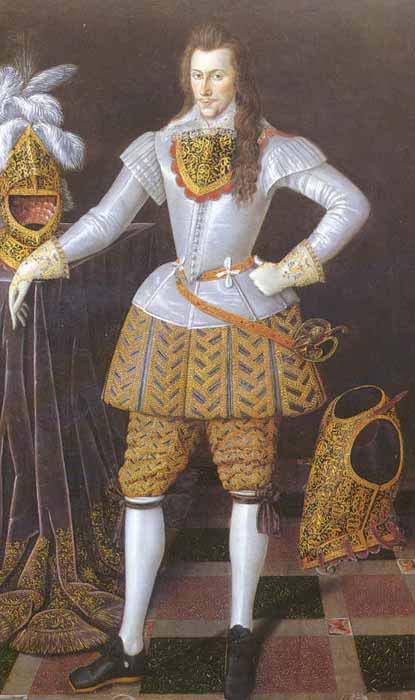
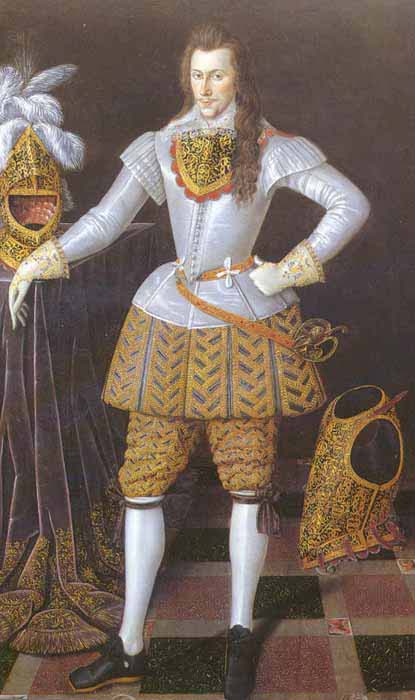
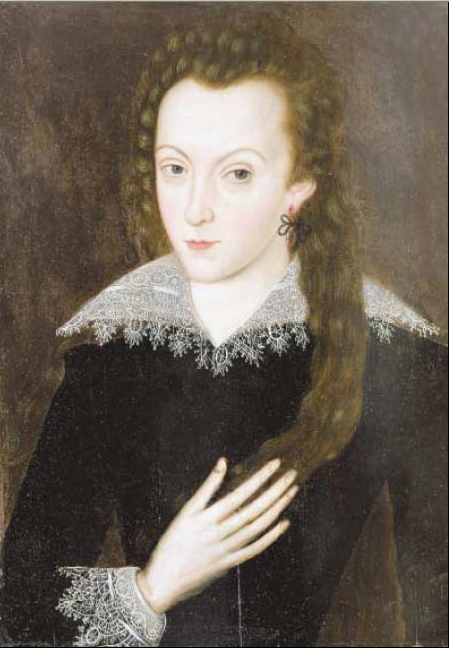
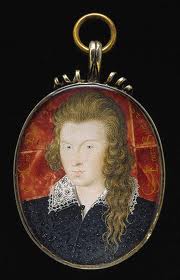
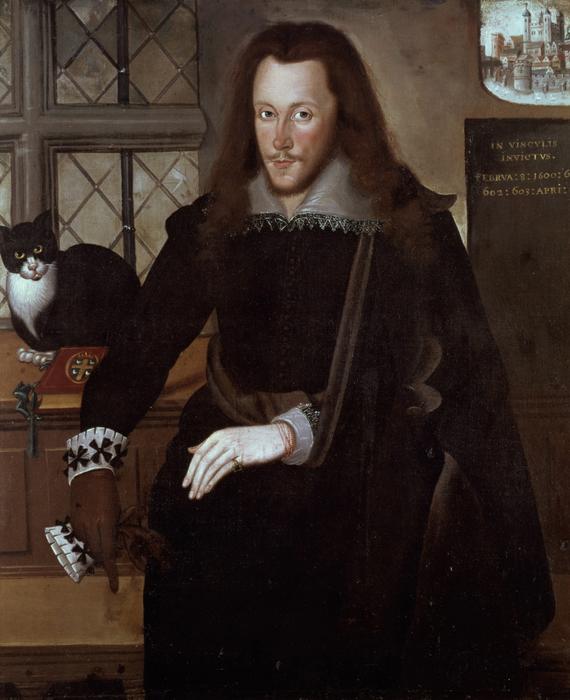
Indeed, it is the view of The Shakespeare Code that the famous painting of Harry in the Tower……

……is a wooing portrait that Harry sent to the King….

…..along with a couple of Shakespeare Sonnets praising Harry’s beauty…..

See, again: The Earl of Southampton and Trixie the Cat.

But James preferrred younger, prettier men……

…..so Harry was out of the loop…..

…..and began to grow  bitterly homophobic…..

When his wife Elizabeth produced his first, longed for son in 1605……

…..he dropped Shakespeare the actor.

He didn’t want his son to know just how gay his father had once been….

(For an analysis of Sonnet 126 – Shakespeare’s response to his rejection by Harry – please see:

‘Shakespeare’s Sonnet 126 Decoded.’

…..and….

Shakespeare, Love and Religion. Part Three.)

Read Full Post »

AN ANNOUNCEMENT FROM TRIXIE THE CAT

The Code’s Chief Agent, Stewart Trotter, appeared on BBC1 Television’s……

 …..on THURSDAY, 10th MAY, 2012.

The dazzling Director and Producer, Carol White, had filmed Stewart  in conversation with the celebrated comic, writer, literateur and wit, ARTHUR SMITH….

……at the Hampshire Record Office in Winchester…..

……where Stewart showed Arthur the famous ‘1610’ map of Titchfield……

…..with features mentioned in Love’s Labour’s Lost….‘The Park’ and ‘The Place’…..

See: Shakespeare in Titchfield: a Summary of the Evidence.

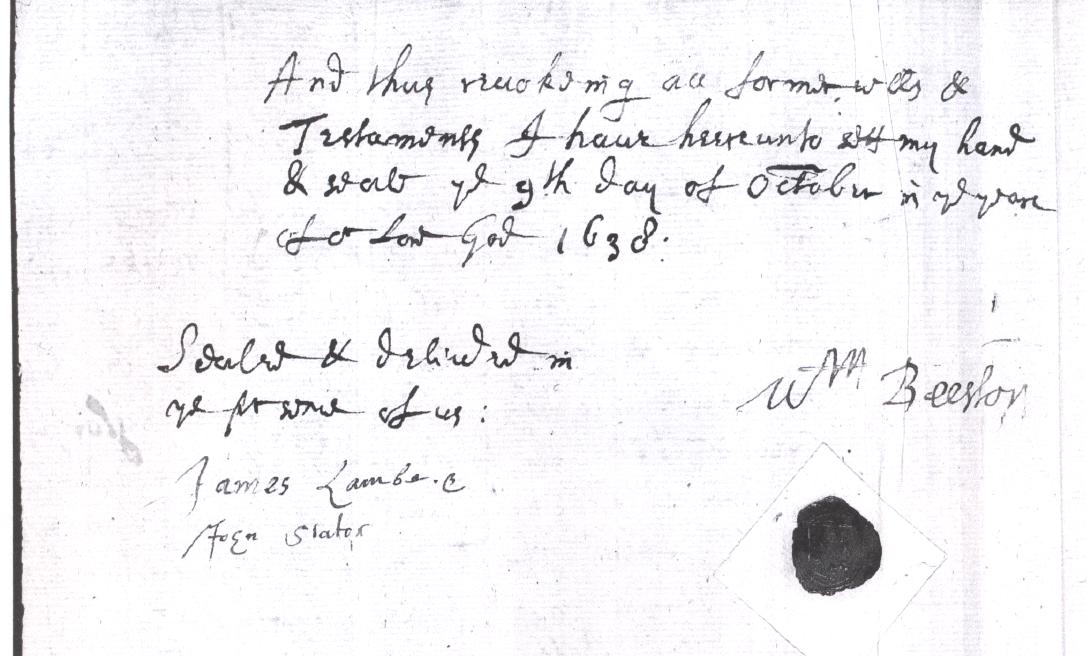
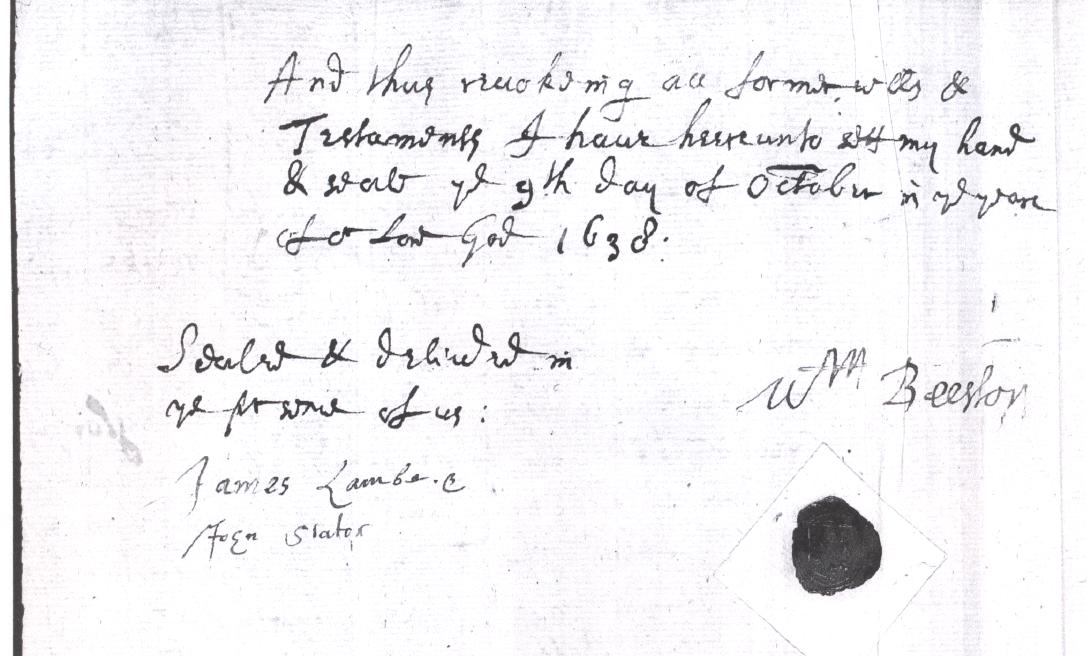
Stewart also showed Arthur the will of William Beeston……

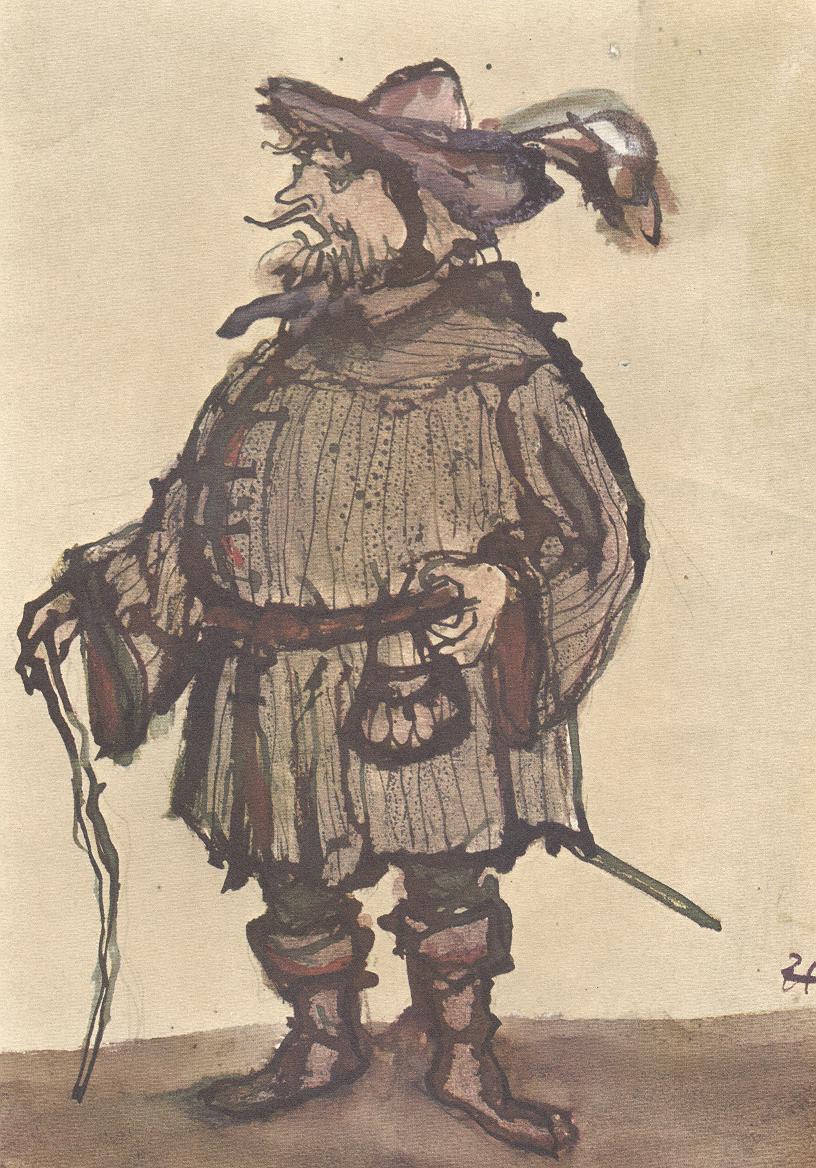
……who, The Code argues, was the original of Thomas Nashe’s ‘Mr. Apis Lapis’ and of William Shakespeare-Nashe’s Falstaff…..

See: Why Falstaff is Fat and The Strange Case of Mr. Apis Lapis.

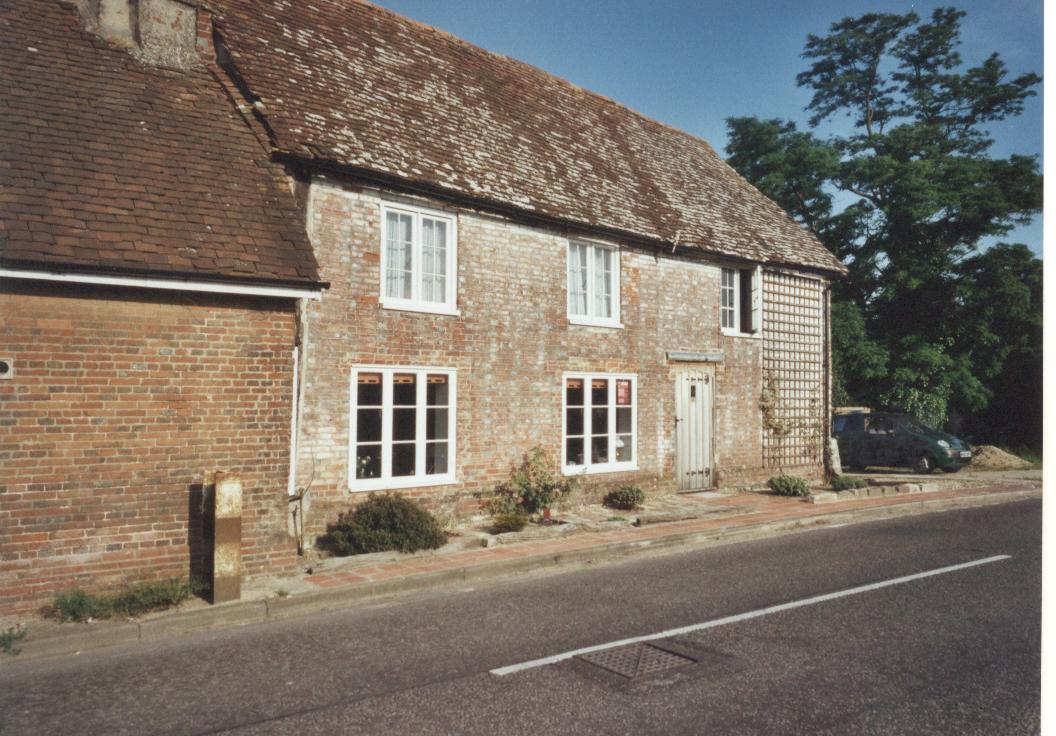
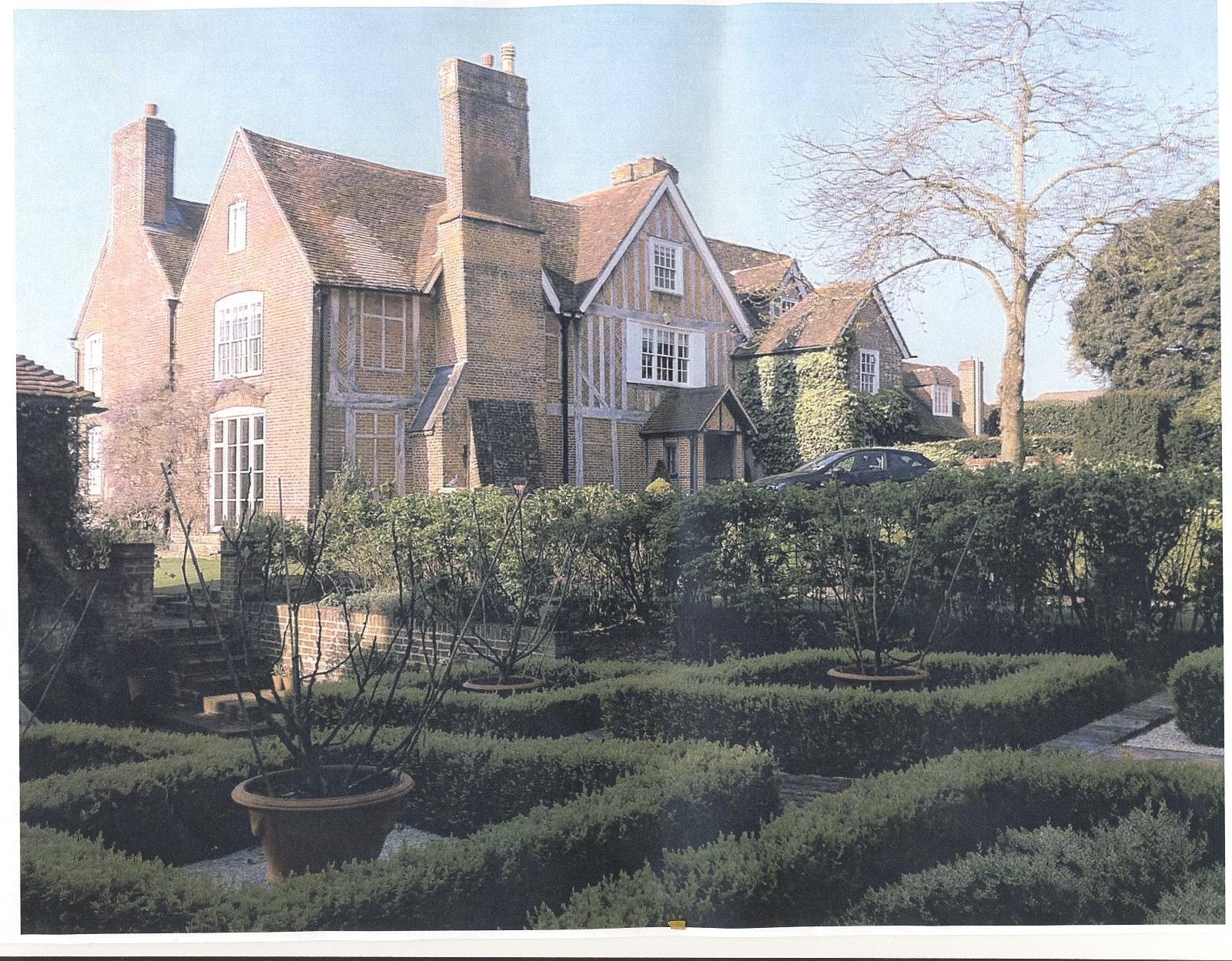
Carol also filmed at the ravishing, oak-beamed, Great Posbrook Farm….

….the old home of William Beeston, now in private hands….

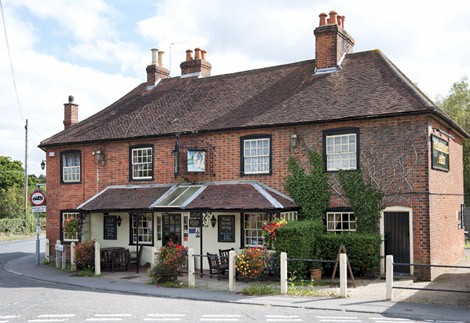
Then, after a quick lunch at Titchfield’s Fisherman’s Rest…..


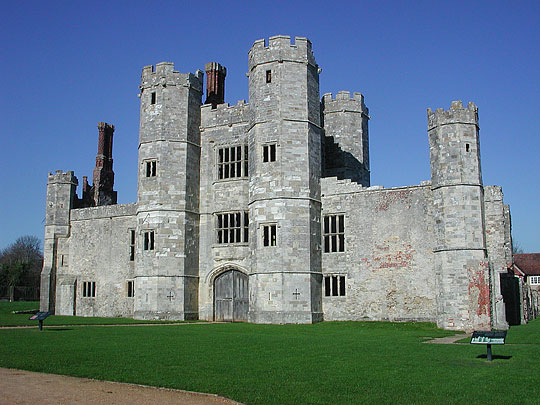
……it was across the road to the stunning ruins of Place House itself…..


….. favourite country estate of  Shakespeare’s patron, the Third Earl of Southampton….

Then cross the road again to the Old Titchfield Schoolhouse….

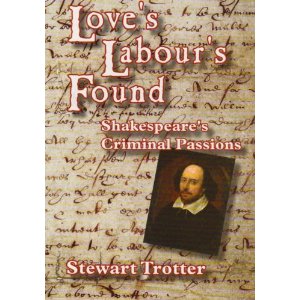
 …..which Stewart identified as the school where Shakespeare taught in his ground-breaking 2002 book, Love’s Labour’s Found….

See: Shakespeare was a Schoolmaster in the Country:TITCHFIELD!

The wonderful Simon Callow…..

…..also appeared on ‘The One Show’ to endorse Stewart’s Titchfield Theory….

‘Bye, now….

Read Full Post »

Brothers and Sisters……

The Agents of The Shakespeare Code are delighted to announce that…..

…..by an act of glorious serendipity……

The Code received its 30, 000th VIEW……

And best day ever….

(225 VIEWS)

…..on 23rd April, 2012…..

ST. GEORGE’S DAY!!!

THE TRADITIONAL BIRTHDAY OF WILLIAM SHAKESPEARE!!!

St. George’s Day was an Old Catholic Festival in England…..

……banned by Queen Elizabeth I, who cut the number of religious festivals from over 100 to a paltry 27….

Stratford upon Avon Town Council, though, hid away their George Armour – vital for the celebration of St. George’s Day – in case the Old Faith returned to the land…

We know for certain that William Shakespeare DIED on St. George’s Day…..

But there is also a tradition that he was BORN on St. George’s day as well…..

(We only know that Baby Will was baptised on 26th April, 1564).

Indeed, OUR COUSIN WILL – the play about Shakespeare’s life penned by Chief Agent Trotter – speculates that the Bard died from over-exertion at a Birthday Bash……

(For details of the play, which will be performed at The Great Barn in Titchfield from 23rd – 26th May, click: here.)

The Code is also thrilled to announce that FIVE new countries have joined the Brother and Sisterhood……

ESTONIA

MONTENEGRO


BRUNEI DARUSSALAM

BERMUDA

NIGERIA

This brings the number of participating countries to a dazzling……

ONE HUNDRED AND EIGHT!!!

IN VINCULIS, INVICTUS….


Read Full Post »

A TRIXIE SPECIAL

One of Chief Agent Stewart Trotter’s first jobs was to write for the Times Literary Supplement…

He started to do this when he was still an undergraduate at Cambridge….

He was passing judgement on the tomes of learned Professors before he even graduated….

But because all writing for the paper in those days was anonymous, no-one knew it was him…

He went on to write to review novels for the T. L. S….

However, a lot of his meagre reviewing fee was used up in dashing his copy (and himself) over to Printing House Square in a taxi….

There were no e-mails or even faxes in those days….

And what remained of his fee was used in drinking in the pub with the Literary Editor, the late great Ian Hamilton….

After which, the two would stagger back to the paper’s offices…..

Ian would throw him another bundle of books for the next week’s edition…

And it was back to the solitude of a bed-sit in Kilburn…

So it’s wonderful to see the luminaries at Stewart’s old paper….

CATCHING UP WITH THE SHAKESPEARE CODE!!!

In this week’s edition (20th April, 2012) Laurie Maguire and Emma Smith, in a piece entitled ‘Many Hands’, state:

It is now broadly acknowledged that he [Shakespeare] collaborated ….with Nashe on 1 Henry VI in the early 1590’s.

The Shakespeare Code has been arguing from its inception that Thomas Nashe collaborated with Shakespeare on Henry VI Part One….

But The Code also believes that Nashe collaborated on many other plays as well, viz…..

Henry VI Parts Two and Three, Richard III, Edmund Ironside, The Comedy of Errors, Love’s  Labour’s Lost, Two Gentlemen of Verona, The Taming of the Shrew, Henry IV Parts One and Two, Romeo and Juliet, A Midsummer Night’s Dream, As You Like It…..

…..in fact right up to  Twelfth Night in 1601 in which Nashe PLAYED  and WROTE the part of Feste….

(See: Feste the Clown as Thomas Nashe)

After 1601, Shakespeare wrote NO MORE GREAT COMEDIES for one simple reason…..

THOMAS NASHE WAS DEAD!!!

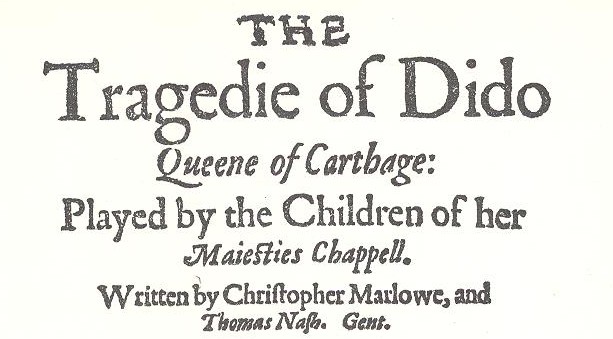
We know for certain that Nashe collaborated with Christopher Marlowe…..

…..and with Ben Jonson on The Isle of Dogges…..

So why not with William Shakespeare?

Dozens of phrases in Shakespeare’s plays are IDENTICAL to phrases in Nashe’s pamphlets…

For The Code’s ACADEMIC treatment of this subject please see:

The Strange Case of Mr. Apis Lapis.

 ……an essay that has garnered praise from no less an authority than Prof. Jonathan Bate……

……who wrote…..

It’s a terrific article and very persuasive….

All this can be read in dramatic form in The Code’s:

Shakespeare: The Movie.

 It can also be see LIVE ON STAGE  from 23rd – 26th May in the Great Barn in  Titchfield in Stewart’s new play….

OUR COUSIN WILL….

(Please CLICK HERE for more information)

NOT ONLY DOES THE T.L.S. ENDORSE THE CODE’S THEORY THAT SHAKESPEARE COLLABORATED WITH NASHE…..

It also argues that All’s Well That Ends Well……

….WAS WRITTEN AND PERFORMED IN 1609….

……A DATE THE CODE HAS BEEN ARGUING FOR FOR YEARS….

Maguire and Smith use linguistic analysis to back their case….

THE CODE, OF COURSE, USES HISTORY AND LIFE!!!

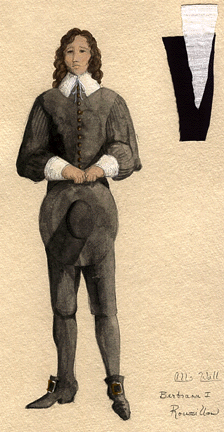
BERTRAM – the ‘lascivious boy’ in the play……

…… with his…..

his arched brows, his hawking eye, his curls…

…is exactly the same as the Aristocratic Seducer in A Lover’s Complaint…..

ALSO PUBLISHED IN 1609….

 ……with his….

browny locks….

…. which…..

hung in crooked locks…..

And, The Code, argues, both Betram and the Seducer from A Lover’s Complaint are based on…

HENRY WRIOTHESLEY, THIRD EARL OF SOUTHAMPTON!!!

But not only do Maguire and Smith endorse The Code, they endorse…..

JOHN DOVER WILSON, C. H.

 …..the Patron Saint of The Shakespeare Code….

Dover Wilson argues that in 1594 Shakespeare worked in Titchfield as the Tutor to the Third Earl….

If he’d had the same information that The Code has uncovered, Your Cat firmly believes that he would have stated that …….

SHAKESPEARE WAS A SCHOOLMASTER IN TITCHFIELD AS WELL!!!

(See: Shakespeare was a Schoolmaster in the Country: TITCHFIELD!)

Your Cat’s saucer truly runneth over….

‘Bye, now…


Read Full Post »

From: The Chief Agent, the Board of Agents and Trixie the Cat.

To all Fellows, Roll of Honour Inductees and Brothers and Sisters of The Shakespeare Code.

Note: For a full list of Fellows and Roll of Honour Inductees, please click: About.

The Shakespeare Code, having received encouragement from the distinguished writer Michael Hentges, began posting in earnest from March, 2011…

Over the year, Membership has grown, and at 9.30 a.m. on the 9th April, 2012, The Code is delighted to report that it had received….

27,853 VIEWS!!!

Apart from Christmas 2011 (when, The Code was thrilled to record, its Brothers and Sisters were occupied by Seasonal Festivities, Duties and Observations) there has been a marked increase of Views each month.

In March, 2012…..

1. The Code broke the 4,000 Views a month barrier. (4,308 Views)

2. The Code broke the 1,000 Views a week barrier. (1071 Views in 14th Week of Year 2012)

3. The Code broke the 200 Views a day Barrier. (215 Views on 28th March, 2012)

NINE new Countries have recently joined The Code. They are:

MOLDOVA

PANAMA

TANZANIA

MACEDONIA

CAMEROON

PARAGUAY

LUXEMBOURG

DOMINICA

KAZAKHSTAN

THIS BRINGS THE NUMBER OF PARTICIPATING COUNTRIES TO OVER A CENTURY!!!

(103, to be precise….)

Please see: The Shakespeare Code Salutes the Nations.

The TOP TEN POSTS for 2011-2012 were……

1. 6ooo Views and the Appointment of Maggie Ollerenshaw.

2. Shakespeare in Titchfield. A Summary of the Evidence.

3. Macbeth Decoded. Part Four ‘The Witches’ (II).

4. Richard III Decoded. ‘All the King’s Men’.

5. Twelfth Night Decoded. Malvolio as Sir Walter Raleigh.

6. Twelfth Night Decoded. Olivia as Queen Elizabeth.

7. Macbeth Decoded. Part Five. The Macbeths as Queen Elizabeth.

8. Macbeth Decoded. Part Two. The Political Backdrop.

9. The Biography of The Code’s Chief Agent.

10. Twelfth Night Decoded. Sir Toby Belch as George, Lord Hunsdon.

EACH OF THESE POSTS HAS BEEN AWARDED A ‘TRIXIE’ – THE HIGHEST HONOUR THE CODE CAN BESTOW ON ANY INDIVIDUAL ARTICLE…..

TO CELEBRATE, THE CODE HAS APPROACHED, ON  TERMS OF THE UTMOST SECRECY, ANOTHER LUMINARY TO ADD TO ITS LIST OF FELLOWS….

WE SHALL BE ANNOUNCING THE NAME OF THE NEW FELLOW SHORTLY….

IN VINCULIS INVICTUS…..

Read Full Post »

…..by TRIXIE THE CAT

Brothers and Sisters of The Shakespeare Code,

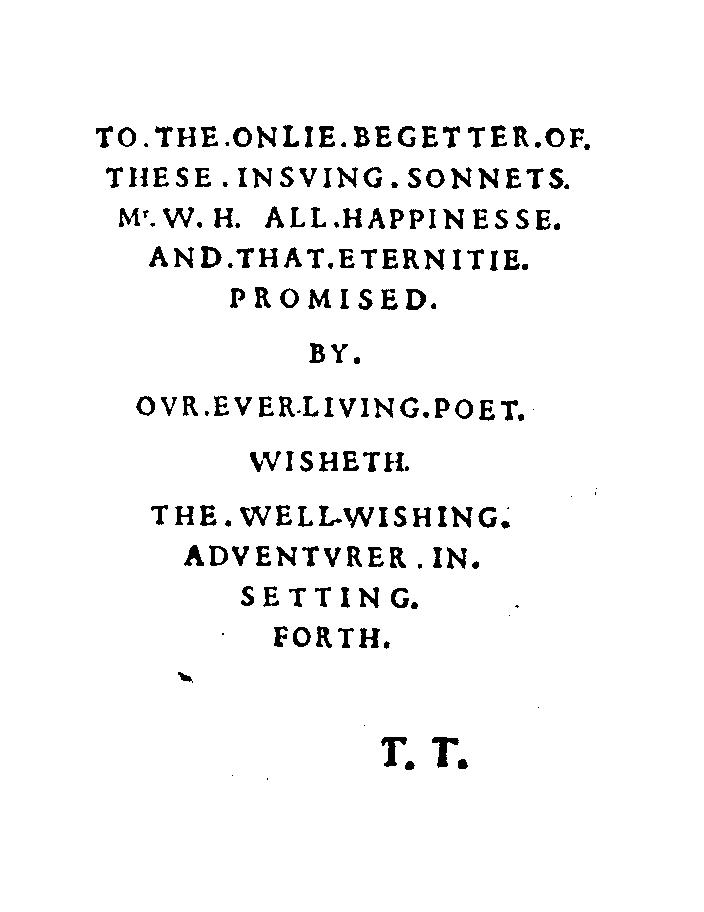
The Dedication to the First Edition of Shakespeare’s Sonnets….

…..is one of the greatest literary mysteries of all time….

What does ‘only begetter’ mean?

Who is ‘Mr. W. H.’?

Why is ‘all happiness’ wished to him and by whom?

What ‘eternity’ did ‘our ever-living poet’ ‘promise’ to him?

Who is the ‘ever-living poet’?

Who is the ‘well-wishing adventurer’?

Who is ‘setting forth’ and why?

And who is T.T.?

YOUR  CAT, TRIXIE, WORKING IN CLOSE COLLABORATION WITH THE AGENTS OF THE SHAKESPEARE CODE, HAS THE ANSWERS!!!

The last question – ‘Who is T.T.?’ –  is the one that  is most easily explained.

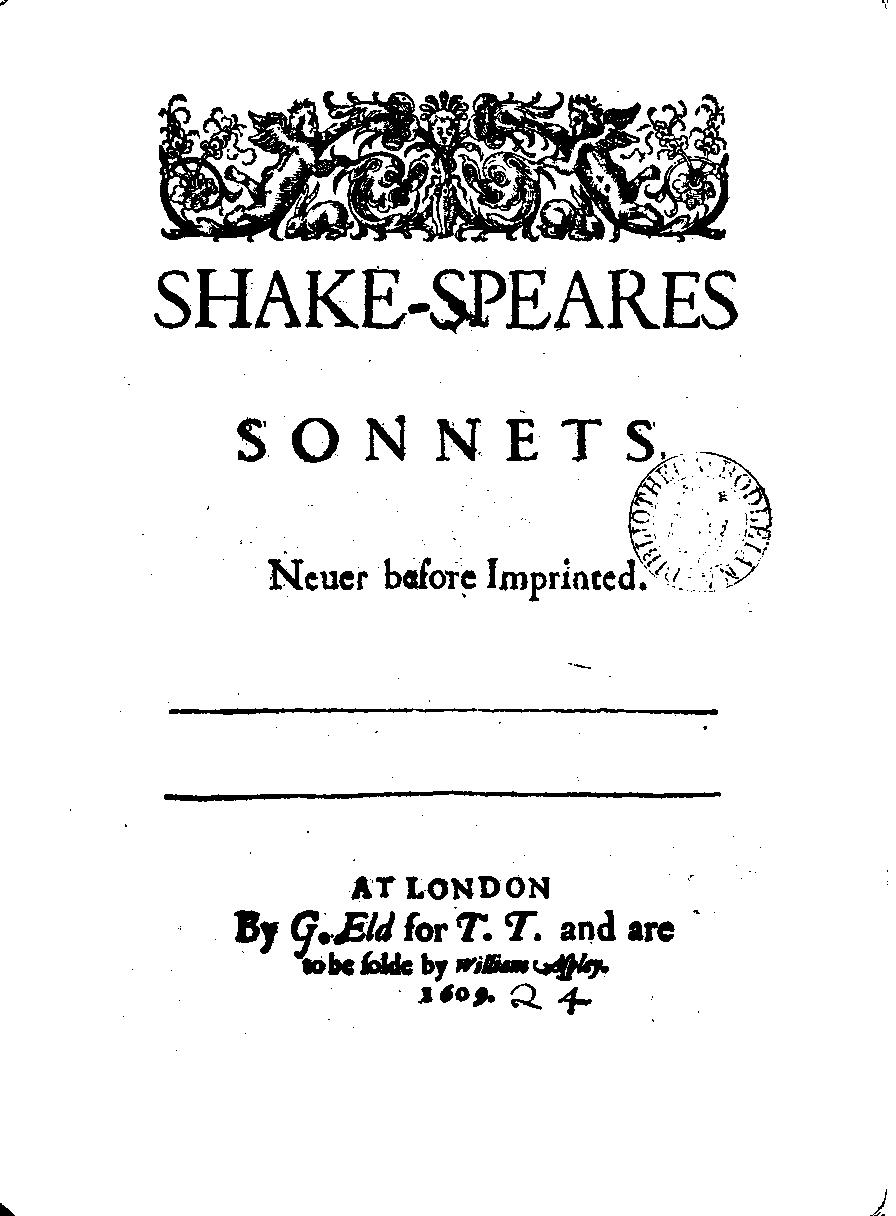
The Frontispiece to the Sonnets…


….states that the poems were printed by G. Eld for T.T.

Eld was the printer and  ‘T. T.’ (Thomas Thorpe) was the publisher.

The ‘ever-living’ poet, The Code believes,  is William Shakespeare…..

 By 1609 Shakespeare was so famous the publisher did not have to use his Christian name on the Frontispiece….

And Shakespeare himself  proclaims his immortality in his Sonnets….

In Sonnet 107 Shakespeare states that ‘spite of him’ [Time]…

I’ll live in this poor rhyme…

And he says of Sonnet 18….

So long as men can breathe or eyes can see,

So long lives life, and this gives life to thee…

But before Your Cat supplies the answers to the other, more complicated questions which the Dedication poses, she would like to draw the attention of all Brothers and Sisters to another Dedication….

…..also published by Thomas Thorpe two years earlier in 1607….

……Ben Jonson’s Dedication of his play Volpone to the Universities of Oxford and Cambridge

It reads…..

To the most noble and most equal sisters

The two famous Universities

For their love and acceptance shewn to his poem in the presentation

Ben Jonson

The grateful acknowledger

Dedicates both him and himself.

In this Dedication, Jonson names the Dedicatees first – the ‘famous’ Universities of Oxford and Cambridge…..

Then he describes them….

the most equal sisters…

He then describes what they have done to merit a Dedication…..

 For their love and acceptance shewn to his poem in the presentation

Then, as the Dedicator, he describes himself as….

the grateful acknowledger….

Put more plainly, the Dedication reads….

Ben Jonson, the grateful acknowledger, dedicates both him and himself to the two famous Universities for the love and acceptance shown to him and his poem.

The Code is of the belief that the Sonnets’ Dedication follows this formula…

Thomas Thorpe names the Dedicatee  as Mr. W. H.  and describes him as

 the only begetter of these ensuing sonnets….

….and wishes him…

all happiness and that eternity promised by our ever-living poet….

Then as Dedicator, he  describes himself as….

the well-wishing adventurer….

who is….

setting forth…

Put in a plainer way, Thorpe’s Dedication reads:

Thomas Thorpe, the Well-wishing Adventurer, in setting forth, wisheth to Mr. W. H., the only begetter of these sonnets,  all happiness and that eternity promised by our ever-living poet…

To understand who ‘Mr. W. H.’ is we must first dispel a myth….

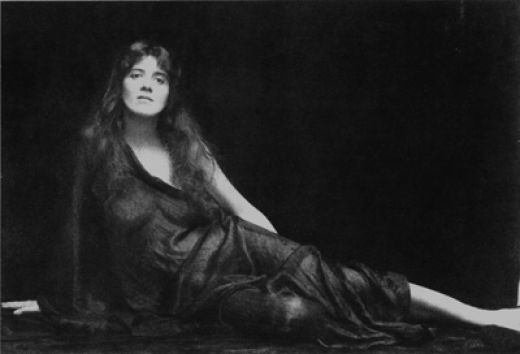
Charlotte Carmichael Stopes was an early feminist and the first woman to gain the equivalent of a degree in Scotland

…..even though she was barred from attending lectures….

She married an artist ten years younger than herself and spent a late honeymoon, pregnant, paddling down the NileRiver in Egypt

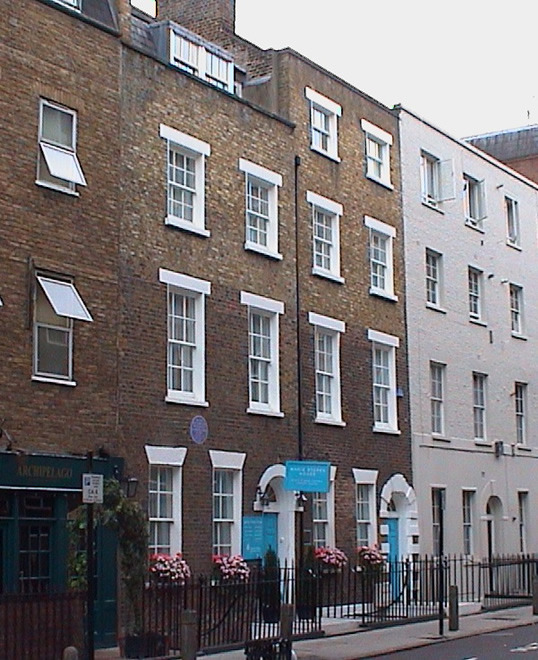
She was the mother of the visionary, birth control advocate, Marie Stopes…..

…..who to this day has a clinic named after her in Whitfield Street in London….

Charlotte was a great Shakespearean. She was also convinced (correctly in The Code’s view) that Henry Wriothesley, the third Earl of Southampton (a.k.a. Harry Southampton) was the ‘lovely boy’ of Shakespeare’s Sonnets…

However, Stopes, great woman that she was, had a romantic view of how the Sonnets came to be published….

She thought that Mary Southampton, the Third Earl of Southampton’s mother, was in possession of all Shakespeare’s Sonnets in manuscript….

When she died her third husband, William Harvey, a ‘family friend’, found them and published them because he did not want to…..

…see them die…

SORRY, CHARLOTTE…..

MUCH AS TRIXIE ADMIRES YOU…..

SHE KNOWS FOR CERTAIN THAT THIS CANNOT BE TRUE….

BECAUSE….

SHAKESPEARE PUBLISHED HIS SONNETS HIMSELF!!!

Thomas Heywood, a contemporary of Shakespeare…….

……..was a writer and playwright….

He wrote  An Apology for Actors, published in 1612 and Dedicated it to…

….my good friends and fellows, the City Actors….

In a letter to one Nicholas Oake at the conclusion of the pamphlet, Heywood describes how William Shakespeare was….

….much offended with M. Jaggard (that altogether unknown to him), presumed to make so bold with his name.’

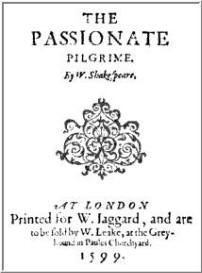
Jaggard (a publisher) had used Shakespeare’s name to promote a collection of poems called The Passionate Pilgrim without Shakespeare’s permission…..

Shakespeare, according to Heywood…

….to do himself right, hath since published them [the Sonnets] in his own name’.

William Drummond……..

…….writing c. 1614, also states….

The last we have are Sir William Alexander and Shakespeare, who have lately published their works….

But there are other flaws in Stopes’s argument……

William Harvey was NOT a ‘family friend’……

Harry Southampton hated his young step-father so much that the Earl of Essex had to intervene….

And there is no reason at all why Mary, Countess of Southampton (who left Titchfield in 1594 to live at Copped Hall in Essex)  should have a complete collection of the Sonnets….

Most were love letters written to individuals (including Mary’s son, Henry Wriothesley) and often contain homosexual banter….

In Sonnet 49, for example, Shakespeare talks about his fears that his lover, no longer sexually excited by him, will cast…

his utmost sum….

And that his love….

Converted from the thing [penis] it was

Shall reasons find of settled gravity…..

And when  Shakespeare is not writing homosexual banter in the Sonnets, he is writing heterosexual banter instead…

In Sonnet  135 he asks the Dark Lady, Emilia Bassano….

Wilt thou whose will is large and spacious

Not once vouchsafe to hide my will in thine?

Shall will in others seem right gracious,

And in my will no fair acceptance shine?….

And even more graphically in Sonnet 151, Shakespeare describes how his ‘flesh’…

….rising at thy name doth point out thee

As his triumphant prize, proud of this pride:

He is contented thy poor drudge to be,

To stand in thy affairs, fall by thy side.

Mary Countess of Southampton, though a committed Catholic, was a broad-minded woman of the world….

But would Shakespeare really send her Sonnets like these?

Countess Mary would, though, have had a copy of the first seventeen sonnets;  she had commissioned Shakespeare to write them for Harry’s seventeenth birthday……

 ……to try to get him interested in girls….

Lord Burghley at the time wanted Harry to marry his grand-daughter: but Harry was more interested in Shakespeare…..

Harry was 17 in 1590, two years after the Armada.  We know from the anonymous satirical play Histrio-Mastix  that theatre folk had become unfashionable during the invasion scare…..

…..they were thought of as effete and useless…..

 So many playwrights sought work as tutors in great households….

Thomas Kyd, it seems, went to work for Lord Strange and Christopher Marlowe for Bess of Hardwick.

Shakespeare, The Code believes, went to work for the Countess of Southampton….

See: Shakespeare:The Movie I

Sonnet 13 in the Birthday Sequence, refers to Harry’s dead father, the 2nd Earl….

You had a father, let your son say so…

And Sonnet 3 refers to Harry’s widowed mother, Mary….

Thou art they mother’s glass, and she in thee

Calls back the lovely April of her prime….

In later Sonnets, Shakespeare refers to the lovely boy’s feminine beauty….

In Sonnet 20 he describes how the boy has….

A woman’s face with nature’s own hand painted

…..and goes on to describe him as….

The master mistress of my passion…

This is certainly borne out by contemporary paintings of Harry Southampton….

So who is Mr. W. H.?

The Code believes that Mr. W.H.  is none other than Harry (Henry Wriothesley) himself….

In a satirical attack on Harry in the anonymous Willobie his Avisa, published in 1594, there is a description of Shakespeare and Harry’s love-triangle with the Dark Lady, Emilia Bassano.

Shakespeare is described as W. S. An Old Player….

And Henry Wriothesley as Mr. W. H…..

He is even called….

Friend Harry….

…and…

Good Harry….

He is also described as Italo-Hispalensis.

Italo-Hispalensis is a reference to the trip to Spain and Italy that Harry and Shakespeare made the year before (1593).

(See: Shakespeare in Italy.)

And in the satire, Mr. H. W. says to ‘Avisa’ (code for Emilia):

A thousand fewtures I have seen,

For traveller’s change and choice shall see,

In France, in Flanders and in Spain,

Yet none, nor none could conquer me:

 Till now I saw this face of thine,

That makes my wittes are none of thine’

So, it is not a big jump from Mr. H. W. to Mr. W. H……

Indeed, in Sonnet 2o Shakespeare himself plays on the ‘H’ and ‘W’ of Henry Wriothesley when he writes….

A man in hew all Hews [Shakespeare’s punctuation and italics] in his controlling….

Hews is code for ‘Henry Wriothesley, Earl of  Southampton’…

But to make the identity of the Dedicatee even clearer, Thomas Thorpe describes Mr. H. W.’ as the ‘only begetter’ of the Sonnets.

Time and again in the Sonnets, Shakespeare names the lovely boy as the source of his inspiration….

And in Sonnet 78 he directly states….

Yet be most proud of that which I compile [the Sonnets]

Whose influence is thine and born of thee [Trixitalics]

In others’ works thou dost but mend the style,

And arts with they sweet graces graced be;

But thou art all my art, and dost advance,

As high as learning my rude ignorance…

Shakespeare’s art is ‘born’ of Harry – that is why Harry is the ‘only begetter’ of the Sonnets.

Shakespeare also promises ‘eternity’, i.e. immortality, to Harry in Sonnet after Sonnet, particularly in the famous Sonnet 18…

Shall I compare thee to a summer’s day….

….which concludes….

So long as men can breathe or eyes can see

So long lives this, and this gives life to thee…

People in the past took this Sonnet to be addressed to a woman.  Indeed, John Benson (in his 1640 edition of the Sonnets) changed all the ‘he’s’ to ‘she’s’ in an attempt to heterosexualise Shakespeare’s verse…

Benson’s edition was the only one known to the public till 1788, when the great Irish barrister, Edmond Malone………

……. produced his monumental edition of Shakespeare’s works….

Modern scholars now take the first one hundred and twenty-six Sonnets to be addressed to the lovely boy. The remaining twenty-eight are mostly addressed to women.

This means that the Sonnets are not listed in order of composition…

In fact (apart from the opening sequence) the only three sonnets that The Code can date with total certainty are:

1. Sonnet 107 which mentions the death of Queen Elizabeth in 1603…..

The mortal moon hath her eclipse endured….

It also mentions the release, from the Tower of London, of Harry Southampton…..

Supposed as forfeit to a confined doom…

2. Sonnet 125 which refers to Shakespeare (as a liveried Groom of the Chamber) holding the canopy over King James at his coronation in 1604….

Were’t ought to me I bore the canopy….

This sonnet also refers to the execution of Essex after Queen Elizabeth’s withdrawal of his ‘farm’ on sweet wines….

….and his crime of bursting in to the Queen’s bedchamber before she had time to dress…

Have I  not seen dwellers on form and favour

Lose all, and more [i.e. their heads] by paying too much rent, [too much sexual servicing]

For compound sweet [farm on sweet wines] forgoing simple savour,

Pitiful thrivers, in their gazing spent…

3. Sonnet 123 which refers to the coronation obelisks (‘pyramids’) set up in 1604….

Thy [Time’s] pyramids, built up with newer might,

To me are nothing novel, nothing strange;

They are but dressings of a former sight…

Why does Thorpe describe himself as ‘the well wishing adventurer’ who is ‘setting forth’?

All publishing ventures are a risk and publishing a book is very much like sending it on a journey….

Geoffrey Chaucer, in the epilogue to Troilus and Criseyde, writes….

‘Go, litel, bok’…..

…..in imitation of Ovid. 

But in his Dedication Thorpe presents himself as going on the journey himself…

Why?

The answer, Your Cat believes, is to make another coded reference to the Earl of Southampton….

Southampton had been involved in the Virginia Company since 1605 and in 1609 became part of the Virginia Company Council….

The Company built a huge passenger ship which could hold 500-600 people for the purpose of emigrating to Jamestown in Virginia…

The Titanic of its time……

Which, also, almost sank….

…..and, in so doing, inspired the shipwreck scenes in The Tempest……

The ship was called the Sea Venture….

……or  Sea Adventure….

Emigrants  bound for Virginia were later described by Captain John Smith….

 ……of Pocahontas fame…..

….. as ‘Adventurers’….

The Sonnets were registered by Thorpe on 20th May 1609 and the Sea Venture left Plymouth on 2nd June, 1609….

So, by describing himself as ‘an adventurer setting forth’, Thorpe would compare his publishing adventure to this mass emigration by the Virginia Company to America

 ….and by doing so would put his readers in mind of the Earl of Southampton

But why does Thorpe write the Dedication rather than Shakespeare?

And why does Thorpe hope for ‘all happiness’ for Southampton and why does he wish him ‘well’?

The answer is irony.  Not to say sarcasm…..

Thorpe knew full well that Southampton would be furious that his affair with Shakespeare was being made public….

So did Shakespeare, who would  certainly have had a hand in the Dedication….

The Code firmly believes that Harry Southampton terminated his liaison with Shakespeare in 1605 when he finally produced a son.

And Shakespeare responded by wishing his former patron, not immortality now, but death….

In Sonnet 126 he writes….

Yet fear her [Time] O thou minion of her pleasure:

She may detain, but not still keep her treasure!

Her audit, though delayed, answered must be,

And her quietus is to render thee…..

(For a more detailed analysis of Sonnet 126 please see: Shakespeare, Love and Religion. Part Three.)

 ‘All Happiness’ was the last thing either Thorpe or Shakespeare wished on Harry.

 Thorpe wanted a scandal to increase sales of Shakespeare’s Sonnets….

 And Shakespeare wanted revenge…..

‘Bye, now..


If you were interested in theis Post, you might like:

1. Why did William Shakespeare write the Sonnets?

2. Trixie the Cat’s Guide to the Sonnets (1) Background Jottings

3. Trixie the Cat’s Guide to the Sonnets (2) The Birthday Sonnets


Read Full Post »

The Agents of The Shakespeare Code are delighted to announce that on 20th March, 2012, The Code received its…..

25,000th VIEW!!

The Code also enjoyed its BEST DAY EVER on 11th March, 2012 when it received….

 179 VIEWS!!!

THERE IS INTELLIGENT LIFE ON EARTH!!!

And now a word from The Code’s own TRIXIE THE CAT…..

Since the Second World War, Britain and America have enjoyed a ‘Special Relationship’  which can be seen in the partnerships of….

……Churchill and Roosevelt…..

…..Thatcher and Reagan….

……Blair and Bush…..

……..Cameron and Obama….

But these are nothing compared to the Special Relationship of ……

THE BRITISH AND AMERICAN BROTHERS AND SISTERS OF THE SHAKESPEARE CODE!!!

The Code’s analysis of its world-wide Views show that there are more Brothers and Sisters living in BRITAIN…..

……and AMERICA….

Than anywhere else in the world……

For the first few months of its existence, BRITISH Brothers and Sisters out-numbered their AMERICAN counterparts….

But at the end of The Code’s first full year of operation…

THE UNITED STATES OF AMERICA HAS PULLED AHEAD!!!!

So….

But Brothers and Sisters of THE BRITISH COMMONWEALTH OF NATIONS….


…….follow closely behind….

CANADA….

…..comes next, followed by AUSTRALIA….

Since our Last Post, SEVEN new countries have sought, and been granted, admission to The Shakespeare Code. 

They are:

AZERBAIJAN

MALDIVES

BELARUS

BANGLADESH

TUNISIA

IRAQ

GUINEA-BISSAU

This brings the participating countries to a staggering…..

 NINETY-FOUR!!!

Will we make it to a century…….?

But POTENTIAL Brothers and Sisters from SIX countries have been stopped from joining The Code by their own governments…

VALUE AND CHERISH YOUR FREEDOMS, BROTHERS AND SISTERS OF THE CODE!!!

They are fragile…..


‘Bye now….

Read Full Post »

(It’s best to first read Parts One, Two, Three, Four, Five, Six and Seven.)

1594….

On 6th October, 1594, Henry (Harry) Wriothesley, the Third Earl of Southampton, was to come of age……

He would then take charge of all his estates, including his beloved Titchfield, in Hampshire….

His mother, Mary, Second Countess of Southampton…..

…..would have to go….

She and Harry had never got on. When he was six years old, his father, the Second Earl, had accused Mary of adultery with…..

…..a common person…..

 ….and had taken Harry away from her…

The Second Earl had surrounded his little son with an all male, quasi-military household of….

…..tall goodly fellows, that kept a constant pace….

….and according to Countess Mary, had made his manservant, Dymock….

….his wife

All this had done irreparable damage to Harry’s relationship with his mother and, indeed, to his relationship with women in general……

Mary had commissioned William Shakespeare to write seventeen sonnets for his seventeenth birthday to encourage him to take an interest in girls…

Other than dressing up like them……

Harry’s guardian, Lord Burghley, wanted Harry to marry his grand-daughter. Harry had refused and was due to pay a massive £5,000 fine (£2 and-a-half million in modern money) when he came of age in October….

Harry did start to take an interest in girls: in 1592 he had started an affair with the mixed race courtesan, Emilia Bassano….

But this was to spite Shakespeare, who had fallen in love with her himself….

The upshot was that Harry started an affair with Shakespeare – a liaison that met with Countess Mary’s entire approval…

(See: Shakespeare. The Movie. I.)

Sir Thomas Heneage……

 ……had the ability to get on with everyone…….

He had long been a friend of the Southampton family, even though he was an ardent Protestant…..

……and even though he had been a member of Elizabeth’s Privy Council when Mary Queen of Scots was beheaded….

He had also been an old lover of Queen Elizabeth herself….

She had started to flirt with Heneage in 1565 to punish her long-time lover, Leicester, for paying attention to Lettice Knollys…

The two men came close to duelling with each other….

But Heneage worked to ensure that they ended the best of friends…

Heneage’s wife had died in 1593. After a decent period of mourning, he had proposed marriage to Mary Southampton….

He was 62 and she was 42  – so still capable of having children….

Heneage lived at Copped Hall, in a hilly part of Essex…

But he also owned the Savoy Palace in London…..

It was here, on 2nd May, that Mary and Sir Thomas were married….

A few days afterwards, Mary commissioned Garret Jonson of Southwark to create a fabulous alabaster and marble tomb for St. Peter’s Church, Titchfield….

Her first husband, the Second Earl, had left instructions that his tomb should be a solitary one.  He wanted it to be a constant reminder to the world of his wife’s indidelity….

Mary had ignored his instructions.  But if she did not act quickly, her son might carry them out when he came of age….

So she ordered a tomb which would depict the whole family….

Jane, First Countess of Southampton, (Mary’s mother-in-law) would lie central and raised,  in prayer…

She had been an ardent Catholic all her life and had introduced masques and revels to Titchfield.  She had also added a copy of Geoffrey Chaucer’s Complete Works to the Place House library, a volume which Shakespeare was to draw on…

On Jane’s right would lie her husband (and Mary’s father-in-law)  Thomas Wriothesley, First Earl of Southampton….

…..who had risen to high office under Henry VIII and had been given Titchfield Abbey for his loyalty…

He had been a keen amateur actor at Cambridge and brought playwright, Nicholas Udall, to work as a schoolmaster at Titchfield Grammar School….

On Jane’s left would lie her son, the Second Earl of Southampton (Mary’s deceased husband) dressed in armour to depict his fight for Catholicism…..

He had been involved in a plot (with his wife Mary’s father, Lord Montague) to replace Queen Elizabeth with Mary Queen of Scots…

Mary’s own son, Harry,  (the Third Earl of Southampton) was to be depicted on the side of the tomb, as a boy (also in armour) praying for the soul of his father….

Mary even managed to work in a discreet reference to herself in an inscription at the back of the tomb….

The Savoy wedding in May of Mary and Sir Thomas had been a legal one. Now the couple wanted it to be followed by a summer celebration for all their friends at Copped Hall…..

A celebration that would include feasting, jousting and dancing….

And continue for a good fortnight…..

They commissioned Shakespeare to write an entertainment that would stretch over several days and show off the architecture and grounds of Copped Hall….

Just like the Progress Entertainments for Queen Elizabeth….

(Please see: Part Two. The Progresses of Queen Elizabeth.)

But there was a problem…..

The summer of 1594 was appalling…..

Simon Forman tells us…

June and July were very wet and wonderful cold like winter, that the 10th day of July many did sit by the fire it was so cold, and so it was in May and June…there were many great floods this summer…

But John Stowe tells us that the weather rallied in August…..

And that’s when the wedding guests trooped down to Copped Hall…..

There had been many pressures on Shakespeare in 1594….

One of them was from supporters of Thomas Kyd…..

Kyd was a grammar-schoolboy like Shakespeare and had shared chambers with him…

But Kyd had also shared chambers with Christopher Marlowe……

When atheist papers were found in their lodging, Kyd, under torture, had told the authorities that they belonged to Marlowe….

Shakespeare never forgave him…

But Shakespeare had collaborated with Kyd on an early Hamlet and The Taming of a Shrew…

So friends of both men urged this collaboration to continue…..

…..rather like our own Queen Elizabeth……

 …..who tried to persuade Tim Rice and Andrew Lloyd Webber to team up again…


One ‘W. Har’ (whom scholars take to be the Countess of Pembroke’s son, William Herbert) wrote in the summer of 1594….

 You that have writ of chaste Lucretia,

 Whose death was witness of her spotless life,

Or penn’d the praise of sad Cornelia,

Whose blameless name hath made her fame so rife,

As noble Pompey’s most renowned wife:

Hither unto your home direct your eyes,

Whereas, unthought on, much more matter lies.

In 1594 Kyd had translated Robert Garnier’s play Cornelia and dedicated it to the Countess of Pembroke, mentioning his….

bitter times and privy broken passions….

(Shakespeare, of course, had written Lucrece….)

‘W. Har’s’ implication with ‘your home’ is that Shakespeare and Kyd belong together …..

….and that their potential to create new drama is enormous…

But Shakespeare had no intention of yielding to persuasion, even from the Pembroke family…..

He needed to find a way, though, to disperse the issue with Kyd….

Another pressure on Shakespeare in 1594 was the accusation he had plagiarised the work of the Robert Greene:

Greene, is the pleasing object of an eye:

Greene, pleased the eyes of all that looked upon him.

Greene, is the ground of every painter’s dye:

Greene gave the ground to all that wrote upon him.

Nay more the men, that so eclipst his fame:

Purloined his plumes, can they deny the same?

The poem is ostensibly signed by ‘R.B. Gent’ but it is much more likely to be an anonymous attack by his collaborator and gag-man, Thomas Nashe…

In 1592, Nashe, writing under the dead Robert Greene’s name in A Groatsworth of Witte, had described Shakespeare as….

…..an upstart crow, beautified with our feathers…

Another pressure on Shakespeare in 1594 was Emilia Bassano…..

She had become pregnant in 1592 and been married off to Alphonse Lanier ‘for colour’…..

She was making another bid for Harry’s attention. She had played the dark-skinned Rosaline in Love’s Labour’s Lost and, as a favourite of Mary Southampton, demanded a part in the new entertainment….

Penelope Rich – the daughter of Letttice Knollys, the sister of the Earl of Essex and the mistress of Lord Mountjoy – also had to be given a part….

She had played the Princess of France in Love’s Labour’s Lost when Shakespeare had punned on her surname – the way Sir Philip Sidney had done in his Sonnet sequence, Astrophil and Stella…

Mary Southampton, who played the Abbess in The Comedy of Errors ,would need to be given a flattering, sexy part…..

…..as would her bridegroom, Heneage, whom William Camden described as….

…a man who for the elegancy of his life and pleasantness of discourse [was] born for the Court…..

Another pressure on Shakespeare was the fact that half the audience for the entertainment would be Catholic and half would be Protestant….

…..that Queen Elizabeth would certainly see the play at some time…..

…..and that Lettice Knollys – the Queen’s sworn enemy – would certainly be in the audience….

…..and, finally, that it could pour down with rain at any moment….

This densely complex situation inspired Shakespeare to produce a densely complex masterpiece….

…..A Midsummer Night’s Dream….

(The Shakespeare Code’s next A Midsummer Night’s Dream Decoded post will deal with the staging of the play at Copped Hall.)

Read Full Post »

The Agents of The Shakespeare Code are delighted to announce that on…..

5th March, 2012….

…..The Code received its…..

23, 000th VIEW!!!

February, 2012, although it was STILL the shortest month of the year, recieved more VIEWS than any month since The Code began…..

3528 VIEWS!!!

….and on Sunday, 4th March, The Code received more VIEWS than on any other day in its history….

168 VIEWS!!! 

The Agents are fully aware that this could only be achieved by the world-wide intellectual curiosity of it revered BROTHERS and SISTERS and they extend a warm ‘Thank You’….

They also extend a warm welcome to JORDAN….


….which has just joined The Code, bringing the number of participating countries to a giddy….

EIGHTY SEVEN!!!

The Code has also learnt that the celebrated POWSZECHNY THEATRE of Poland….

……where Carmen Latina is playing, has applied to The Code to extend its rights to perform the show for another….

TWO YEARS!!!

'Carmen Latina' in Poland....

Carmen Latina is a rock, pop, salsa version of Bizet’s classic opera, written by Chief Agent Stewart Trotter and Callum McLeod. It is set in Santa Maria, a mythical Latin American country, round the imminent World Cup!

Escamillo is no longer a torreador – he is a football striker….

‘Carmen Latina’ in Vienna

Carmen Latina has played in Vienna, Finland, Iceland, Italy, Denmark and Poland….

It is now available for performance in countries world-wide!!!

Please click on: www.carmenlatina.com

It’s a hit!

The Sunday Telegraph

Vienna Crix loosen their ties and pile praise on rockin’ Carmen….

Variety

And to crown a glorious month, The Shakespeare Code is delighted to announce that its Chief Agent, Stewart Trotter, has completed his Titchfield commission to write….

Our Cousin Will

or

Will in his Own Words

….with some extra ones by Stewart Trotter

A life of William Shakespeare constructed from his Sonnets and Plays…..

(AND A MASSIVE DATA BASE!!!)

‘OUR COUSIN WILL’ is an entertainment, by turns hilarious and heart-breaking, which traces the course of  Shakespeare’s life from his birth to his death in Stratford-upon-Avon…..by way of Titchfield Abbey in Hampshire!  It explains how a lower class boy, with little formal education, could attain such knowledge of history and politics….…..how he could write, with such intimate ease, about the lives of kings, queens and aristocrats…..…. how he was adopted – and then dropped – by one of the most powerful Catholic families in England….….. and how, in the process, English Drama, in all its greatness, was born…

It has been described as

The Thinking Man’s Shakespeare in Love…..

For more information, please click on: ‘OUR COUSIN WILL’

And now a tailpiece from The Code’s Own Trixie the Cat….

Well Brothers and Sisters, it’s been quite a month – but this is just to let you know that The Agents (haven’t they done well!) are again breaking off their Olympic training to decode A Midsummer Night’s Dream…

A new post on the original staging of the play in the grounds of Copped Hall – a site explored in detail by The Code…..

….will be with you in a whisker…..

Also, news is just in from Your Cat’s favourite, HUNKY Simon Callow….

He’s contacted The Code to tell us that his BRILLIANT Dickens’ book…..

…..has been in the BEST SELLER list for the past TWO WEEKS!

Remember, The Code’s Chief Agent Stewart gave the book its very first RAVE REVIEW!

To read it, CLICK: HERE!

And also remember,  

YOU WILL ALWAYS HEAR IT FIRST HERE…

WHATEVER IT’S ABOUT!!!

 So, Brothers and Sisters from around the world…..

STAY TUNED TO YOUR STATION OF THE STARS!!!!

‘Bye now….


Read Full Post »

« Newer Posts - Older Posts »