Brothers and Sisters of The Shakespeare Code…..
As most of you know, the Code’s Chief Agent, Stewart Trotter, has written a book, published by Magic Flute Publishing….
In the book, Stewart shows how George Chapman, the poet, was a medium as well – and would hold seances with the Third Earl of Southampton in which he would summon up the spirits of Homer and Christopher Marlowe!
Let’s do the same thing with William Shakespeare! Let’s summon him up to tell the True Story of his life – in the language of today.
Is there anybody there?
Yes! There is!
‘Bye now..

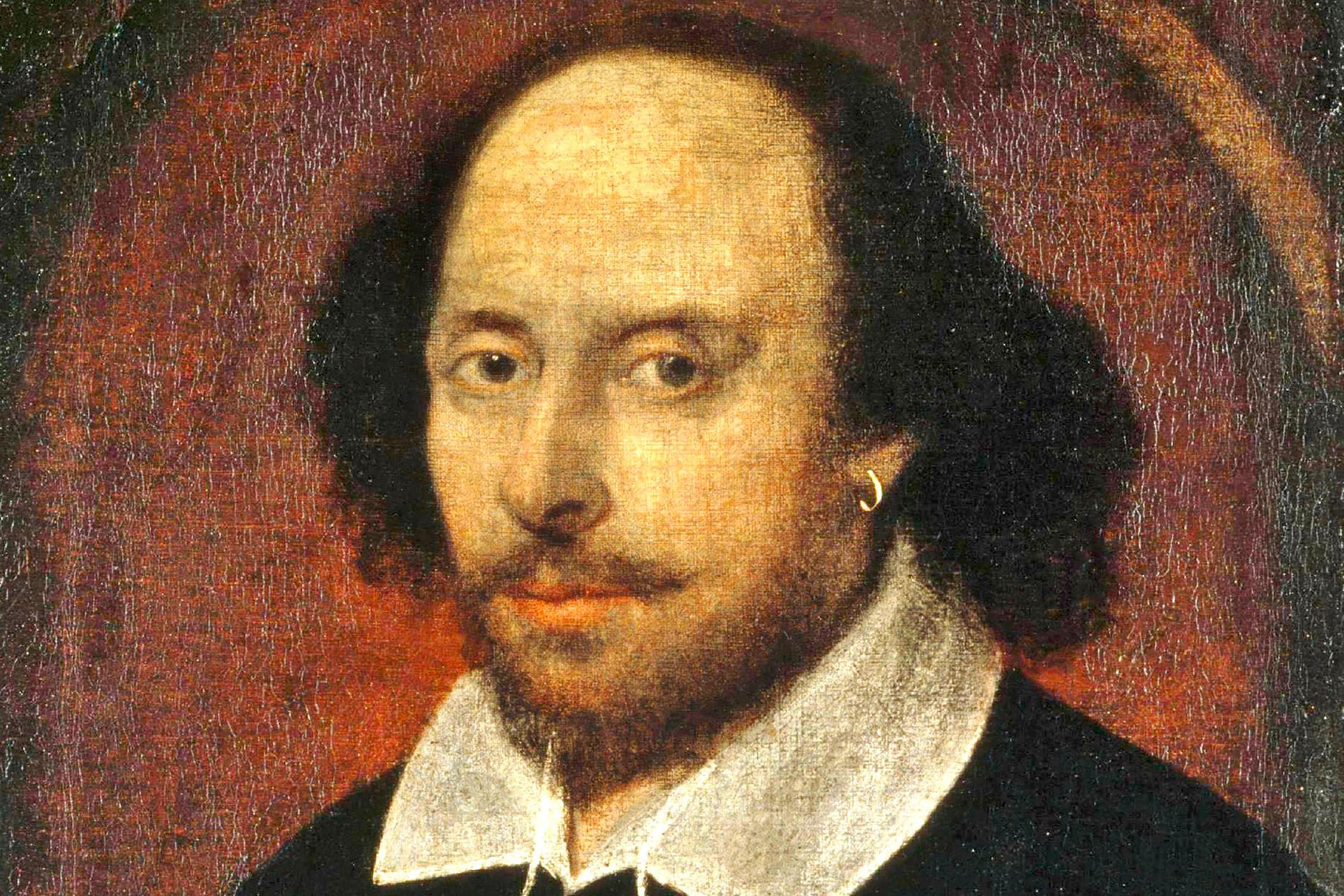
To be a great writer, they say, you must be born into great misery. Well I was born into great happiness. My father John and mother Mary had lost two baby daughters before me – so were delighted I survived. On top of that I was nearly born on St. George’s’ Day – a great Feast Day for us Roman Catholics.
I was followed by Gilbert – who became a haberdasher in London – and Joan who married a local hatter. My father was the Bailiff of Stratford-upon-Avon and so successful as a glover he lent money to the Stratford Council.
But all this changed when I was eleven. The Earl of Leicester – Queen Elizabeth’s lover……
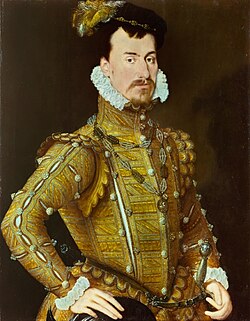
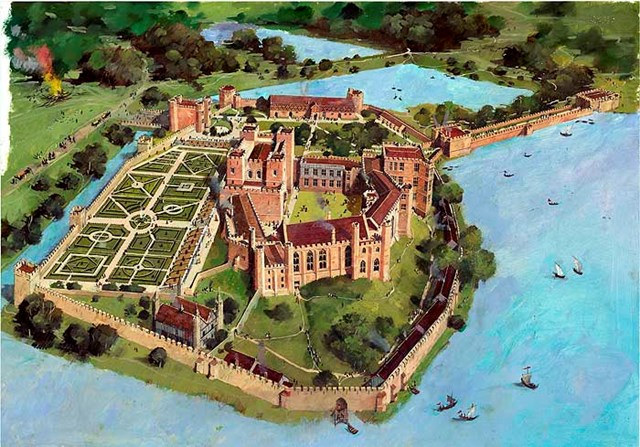
– had bought Kenilworth Castle twelve miles away – and by 1575 had transformed it into a love-nest.
But someone had to pay for it – and that someone was the Roman Catholics. Leicester – nicknamed ‘the Bear’ – claimed to be a Puritan – and with his henchman, Sir Thomas Lucy……
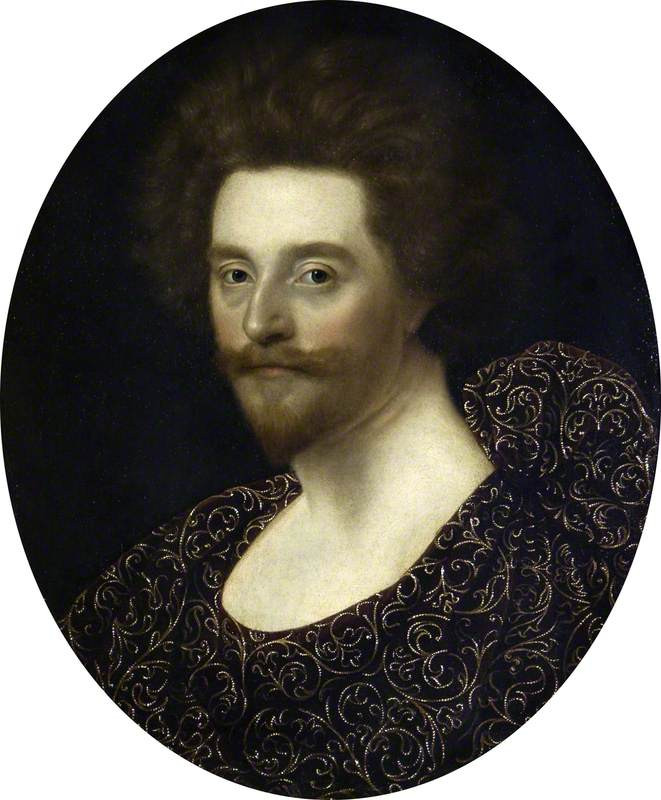
…….terrorised us all. There was even a new term of abuse for us – ‘recusants’.
Leicester and Lucy ruined my father’s business and Dad had to take me out of school.
But we ‘recusants’ had learnt to stick together. A schoolmaster from Lancashire came to Stratford – a great friend of the Hoghton family – and he got me the job of teaching the children at Hoghton Hall.

But the Bear soon came after the Hoghtons as well – and at the age of eighteen I returned to Stratford – where I fell in love with Anne Hathaway – an old family friend.
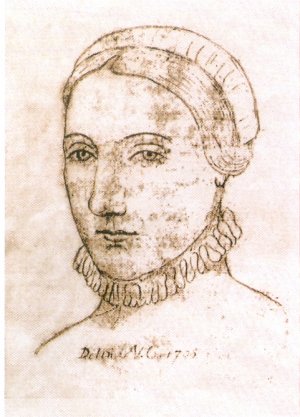
Not that she herself was old – well not very old. She was 26 and not the slightest bit interested in me. Hostile, in fact. But I had written songs for the Hoghton children – and now I wrote a love song for her. It worked so well we had to get married.
But then horror hit the family. Lucy found that Edward Arden, the loved cousin of my mother Mary, employed a gardener who was really a ‘Papist Priest’. So Edward was hanged, drawn and quartered in London.
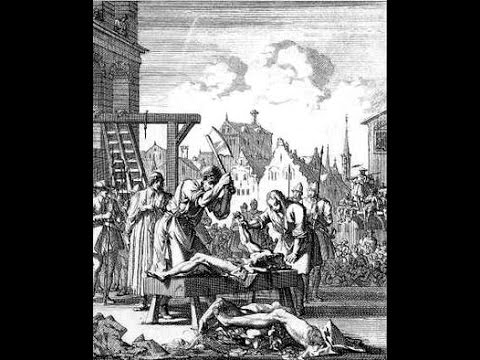
In grief and rage I slaughtered the deer in Lucy’s park. Of course I got caught and Lucy whipped me. I got drunk and wrote a poem about him and hung it on |his gates. Its title was ‘Lucy is lousy’.
I then had to get out of town…..
The Catholic network in London swung into action. They paired me with another writer – Thomas Kyd – and we lodged together. Tom’s father was a devout Catholic – but what the network didn’t know was that his son was an atheist. At first I was shocked – but then became intrigued…
We worked as lawyer’s clerks by day, wrote pamphlets and plays by night, then starched our beards in the latest fashion and sought out French brothels in the City.
Tom introduced me to Kit Marlowe…..
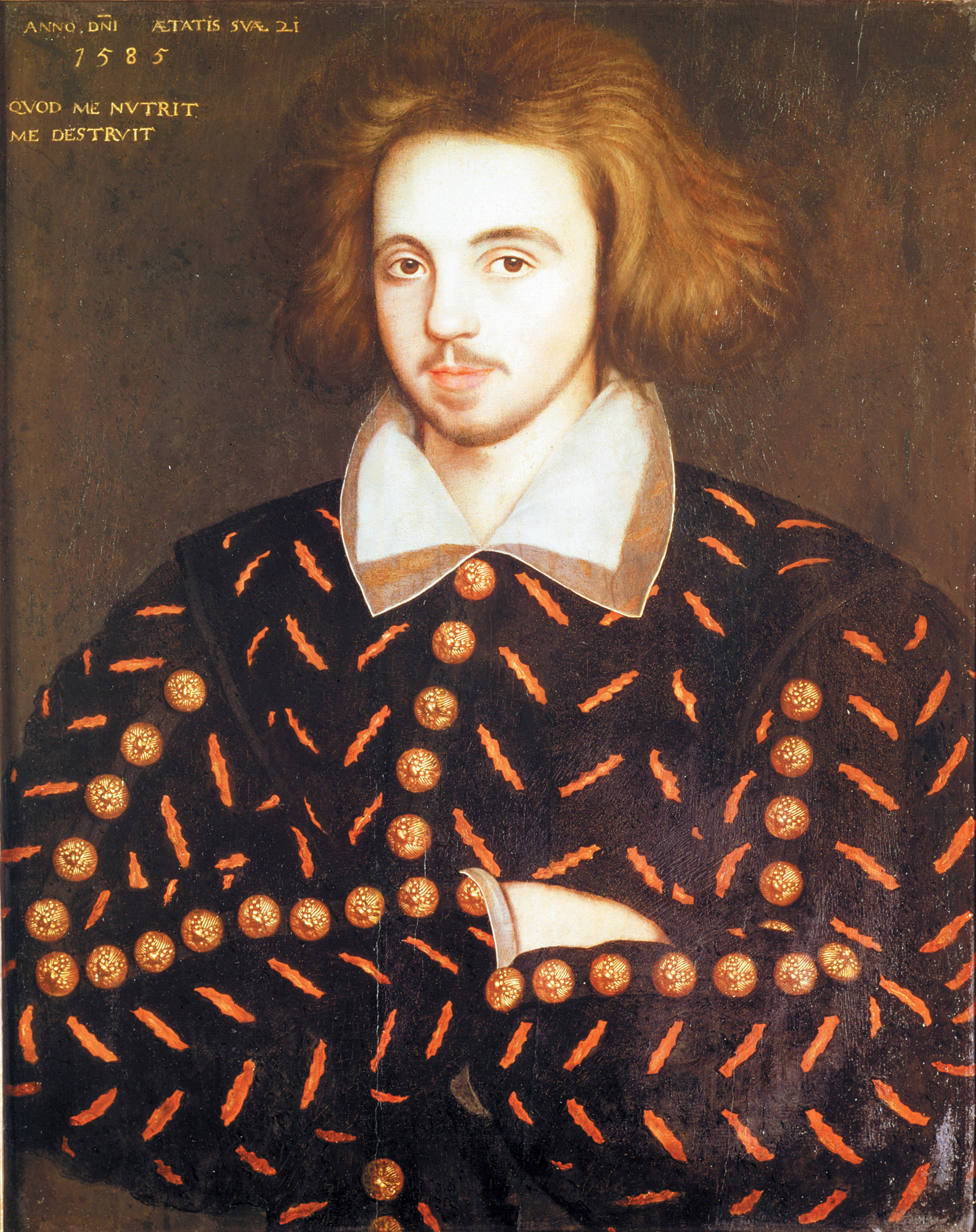
……and Kit introduced me to the gay life of the docks.
The network came up with an idea. If I was to return to Stratford, I must appease Lucy, who, when he was in London, would worship at St. Giles, Cripplegate. The rector there was Robert Crowley – a radical puritan and poet who loathed all artifice and believed in the redistribution of wealth. If I could get Crowley onside, he could plead my case with Lucy.
We strangely got on. In fact, his views almost became my own. He agreed to work on Lucy – but in return insisted I tour the Midlands with a company of actors, spreading the Word of God. We were to put on Biblical stories and morality plays.
The public didn’t want to know. Then the Armada came and the public didn’t want to know even more. Real men wouldn’t be in costume and make-up. They would be fighting the Spanish.
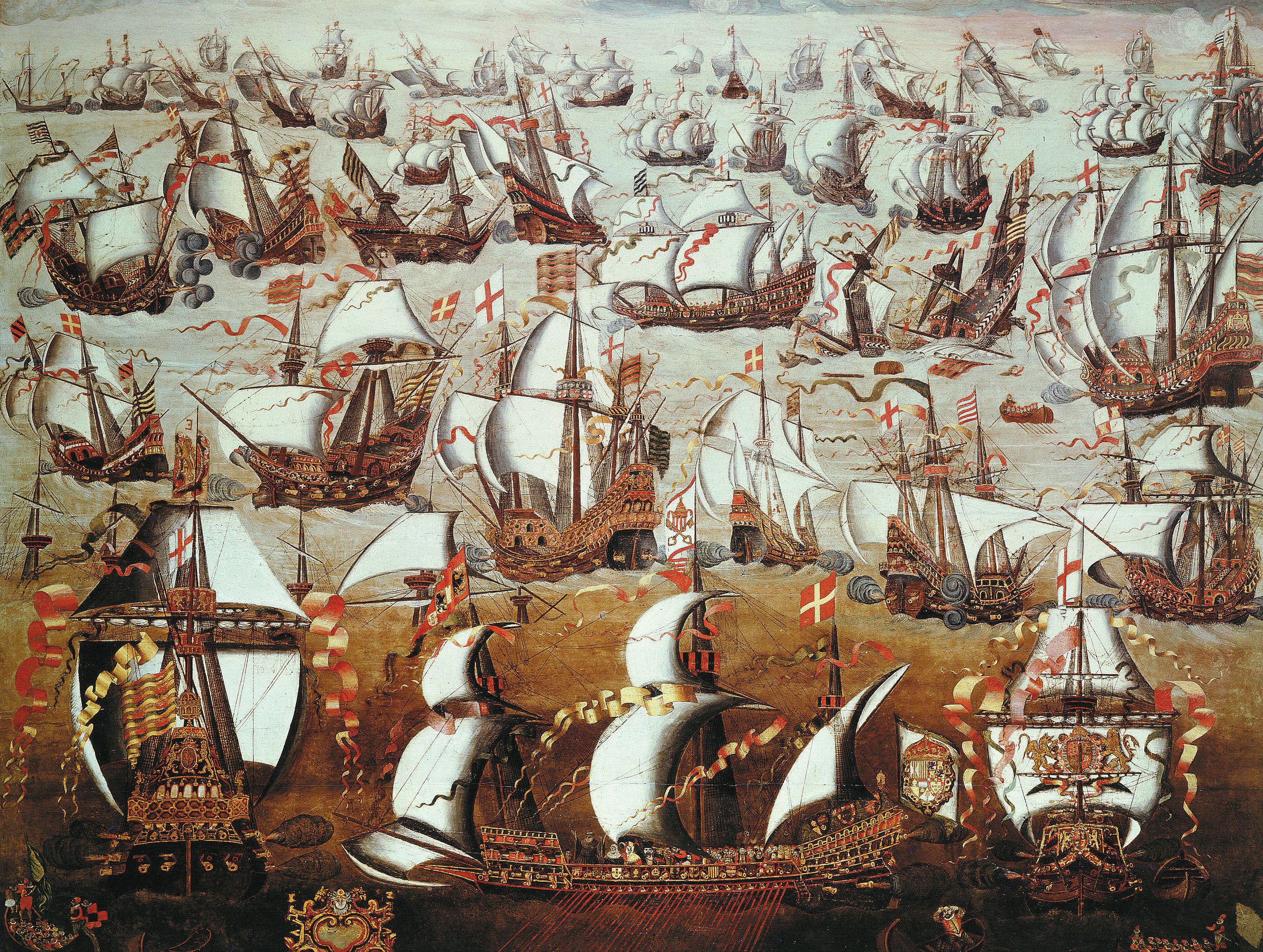
The network came to the rescue yet again and sent me down to Titchfield in Hampshire, the country seat of the Southampton family. The Second Earl of Southampton was dead……
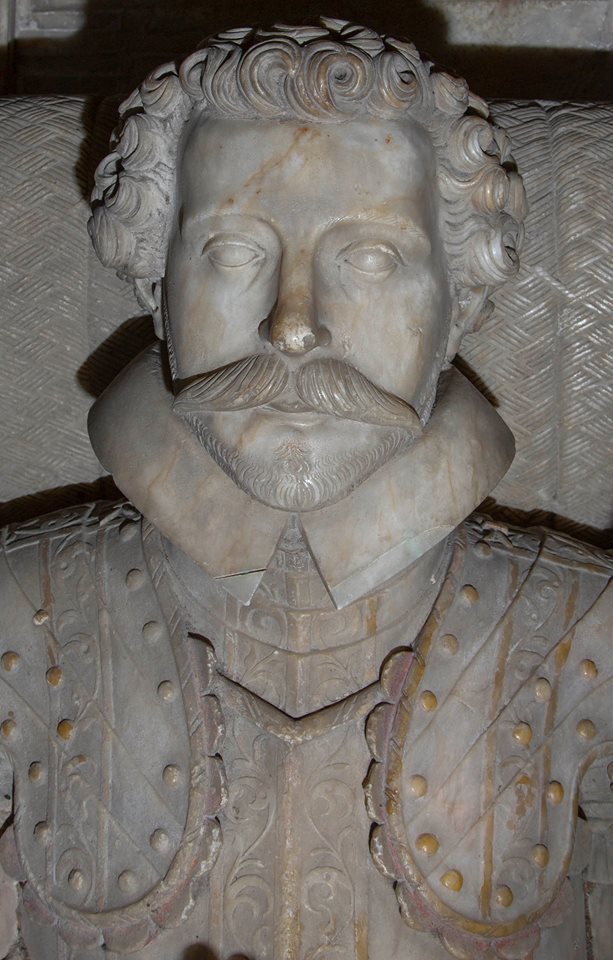
(Photo by Hugh Ross)
…….having been imprisoned in the Tower by Queen Elizabeth for following the Old Faith. He left a beautiful widow, Mary……
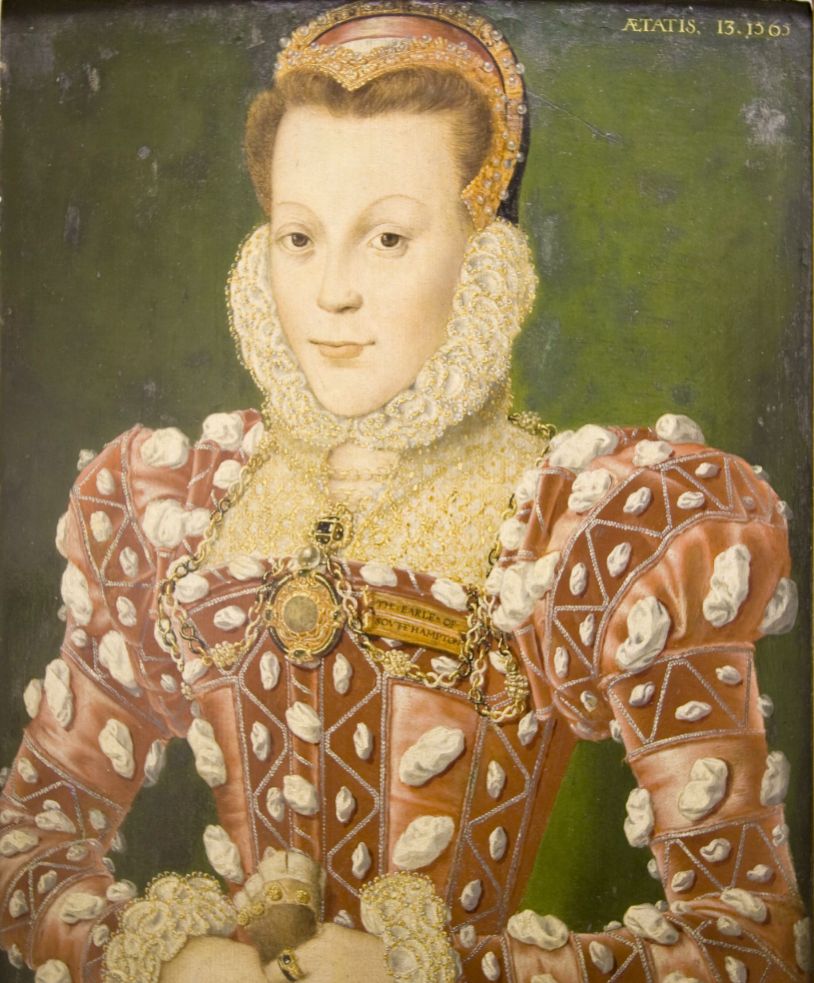
……and a teenage whom everyone called Harry…..
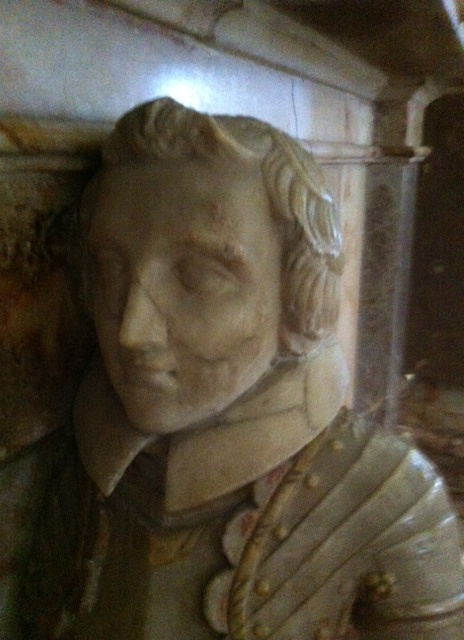
Kit Marlowe wrote ‘whoever loved who loved not at first sight’ and that’s what happened to me when I first met Harry. And that’s what happened to Harry when he first met me. But this was neither the time nor the place.
I had been hired, not only to be Harry’s friend and tutor – but to persuade him to get married. He needed to have a son for the Southampton line to continue – but had shown no interest in girls.
In this he was following his father – who had left his mother when he found out she had fallen in love with a ‘common person’ – and proceeded to make ‘his manservant his wife’.
Lady Mary suddenly asked me to write seventeen sonnets for Harry’s seventeenth birthday in an effort to turn him straight…
Sonnets were all the rage in this part of the country. Sir Philip Sidney…..
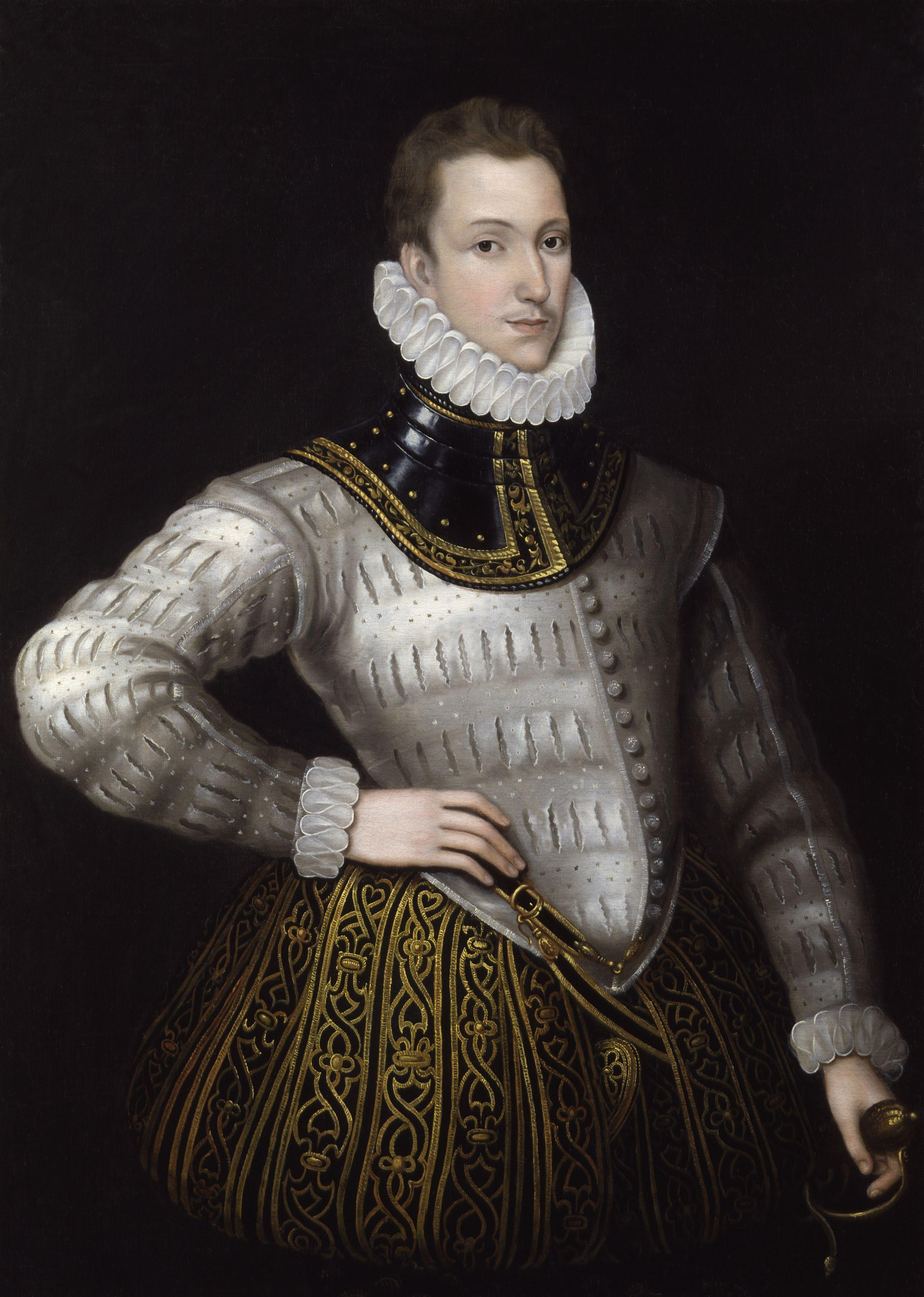
……. had lived at Wilton, a day’s horse-ride away. He had written a whole cache of sonnets to Penelope Rich…..
…….playing on her surname.
All sonnets have fourteen lines – but one of Sir Philip’s sonnets rhymed in an ab ab, cd cd, ef ef, gg form – and this was the form I was attracted to. I used it 154 times over the next fifteen years. If I hadn’t been placed in Titchfield, I don’t think I’d have written a single sonnet.
In my Birthday Sonnets I flattered Harry’s beauty, urging him, as his duty, to pass it on. I called him my ‘Rose’ which was a reference to the way his family pronounced their surname – not ‘Risley but ‘Rosely’. I also referred obliquely to the family motto – ‘Ung par tout’ – ‘all for one’ or ‘all is one’. Now you know about it, you’ll see it everywhere in my poetry.
I wrote that if Harry had a son, he would become immortal – but in the penultimate sonnet suggested – cheekily – that I could make him immortal with my verse alone. Thus began the great theme of our relationship: Harry had the looks – but I had the talent.
The sonnet commission had the opposite effect of what was intended: it made Harry keener to have an affair. He even started to cross dress.
He had done this before, it seems. In Sir Phlip’s romance, ‘Arcadia’ Pyrocles dresses up as a woman to gain access to the King’s court – and the King falls in love with him – or her.
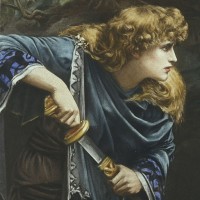
Followers of Sir Philip would often act out scenes from this story. Harry had long hair……
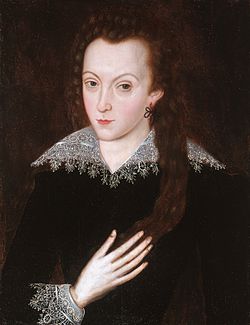
……and played Pyrocles to perfection. I played along with all this and described Harry as ‘the Master Mistress of my passion’. But I also told him all I could offer was Platonic love.
Soon there were other things to worry about. Queen Elizabeth announced she was coming to stay…….
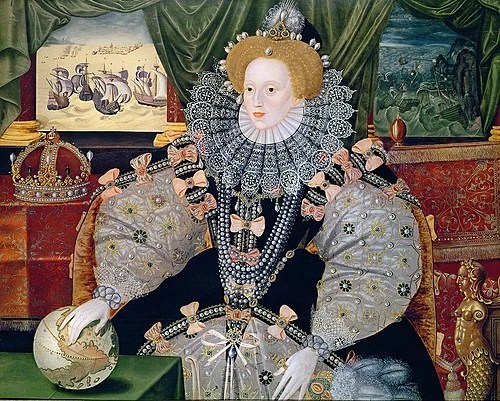
…..with all her court and with all her soldiers and with all her musicians from Morocco…
They included the beautiful clavichordist – and courtesan – Aemilia Bassano – mistress to old Lord Hunsdon…….
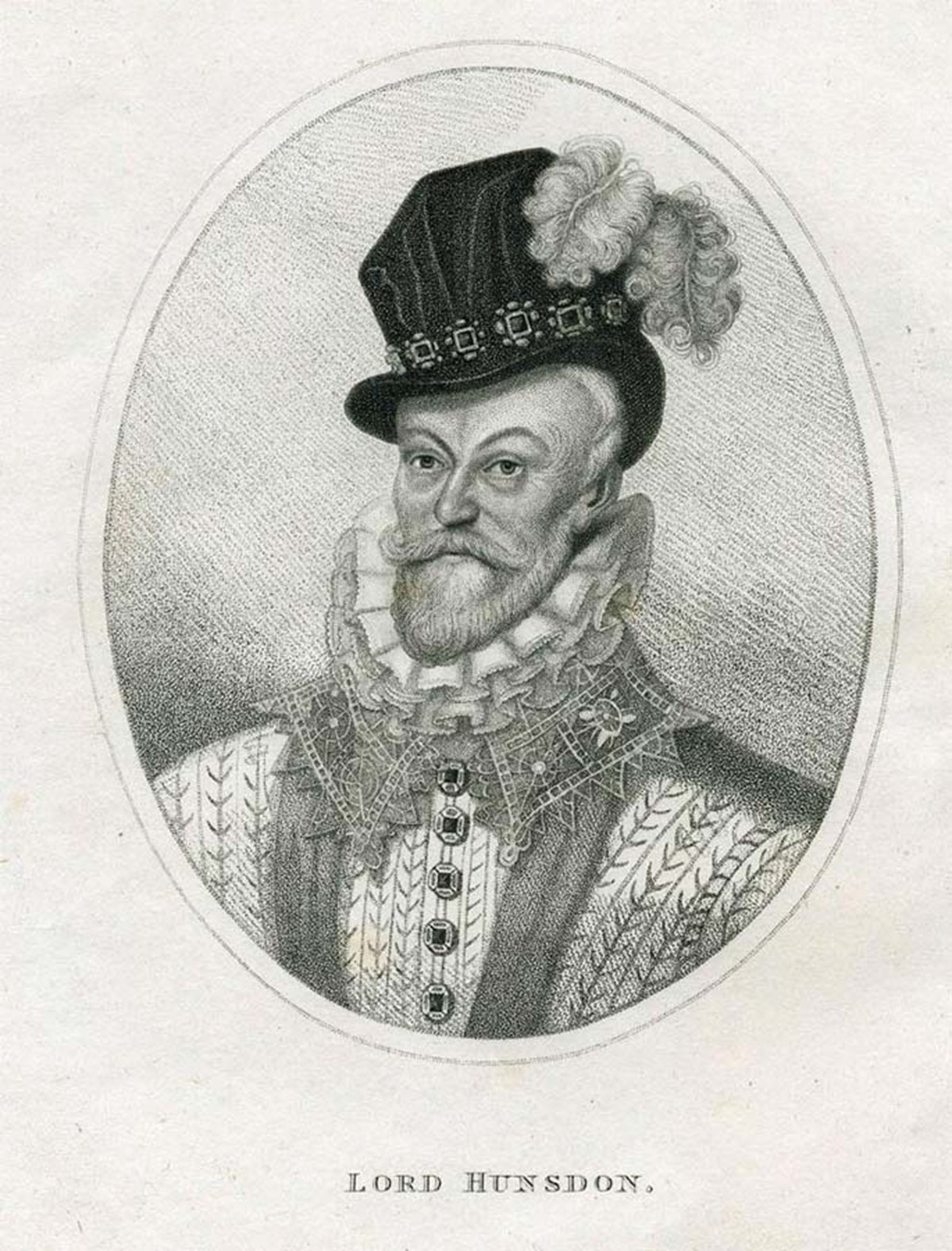
………the cousin of the Queen.
The Roselies were thrown out of their house and the Queen and Privy Council took up residence there – while their soldiers smashed up the wainscot in their search for signs of ‘massing’ – another word invented to denigrate Catholics.
On top of that the Queen insisted on shooting deer, but not by hunting them. She would have them rounded up, then led before her, one by one, as she shot them at point blank range.
The royal caravan finally moved on – but Aemilia stayed – and I fell in love with her. I wrote a sonnet proclaiming that ‘black was beautiful’ but Aemilia wasn’t interested in me. She was interested in young Lord Harry…
Then I had an idea. I would send up the Queen’s visit in a play, cast Aemilia as Rosaline, a dark-skinned beauty – and myself as her witty, aristocratic lover. Berowne – a reference to Countess Mary’s maiden name, ‘Browne’. Thus ‘Love’s Labour’s Lost’ was born.
All the Wilton crowd were in the play as well – including Penelope Rich whose name I played on just as Sir Philip had done. Harry’s friends, Roger Manners……
….. and Christopher Blount…….
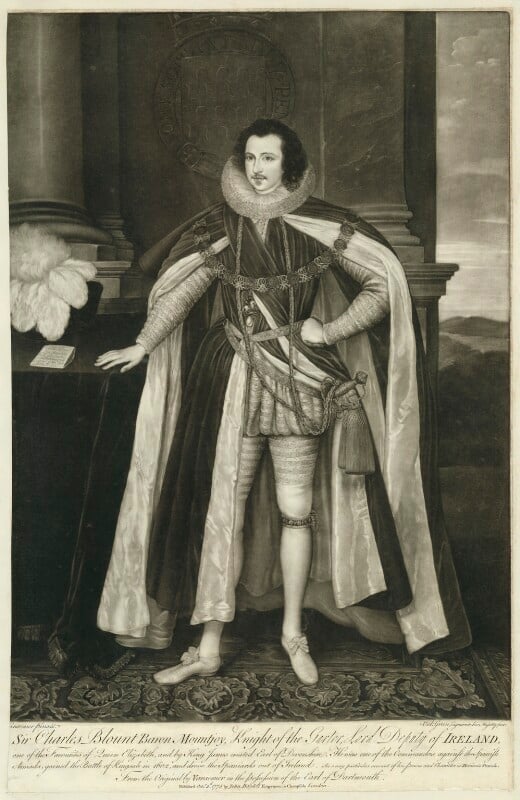
…….were also in the production – and I played on their names as well, both in the play and in my sonnets.
I also sent up my arch enemy – George Chapman……
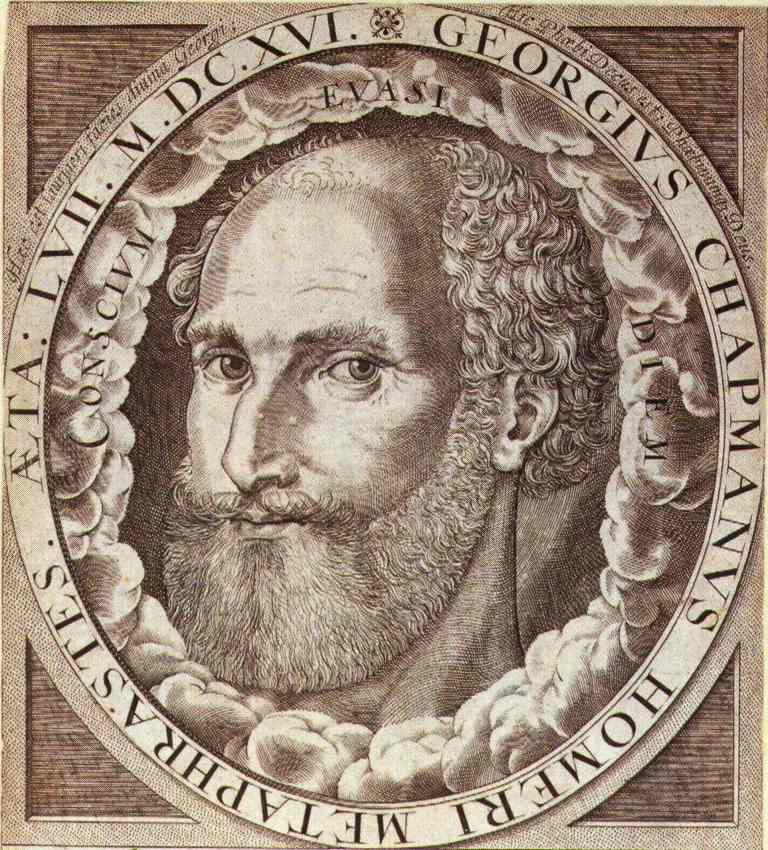
– in the shape of the limp-wristed, sycophant, Lord Boyet. Chapman was a poet even more impoverished than I was. He was also after the money – and the body – of Lord Harry.
But my seduction of Aemilia – onstage and offstage – did not work. I had tried everything – flattery, humour, teasing and insults – and was reduced, in the end, to what this age would see as racial abuse.
Aemilia was after Harry – but Harry was after me.
But then it all changed. In my desperation I begged Harry, if he truly loved me, to plead my case with Aemilia. He did. Aemilia seized her chance and swooped. Harry complied.
I was in hell, so asked leave of the Countess to go on tour with Lord Strange’s Men. It was then, in my bed at night, that I realised that I was more in love with the boy than the girl.
Aemilia got pregnant and was married off to a musician called Alfonso Lanyer. I returned to Titchfield and told Harry he was lovelier than a summer’s day….
The Countess found out about our affair and was furious: but I wrote a play I called ‘Love’s Labour’s Won’ in which I portrayed myself as Helena, in love with a nobleman far above her. Helena reminds his mother, the Countess Rousillon, that she had once loved chastely a man far beneath her – as Countess Mary had done in real life. I argued, as Helena, that if Mary’s love had crossed barriers of class, couldn’t mine cross barriers of sex as well? Countess Mary conceded – and gave her blessing to our love.
To celebrate Harry and I went to Italy – working as spies for Harry’s great friend, the Second Earl of Essex…..
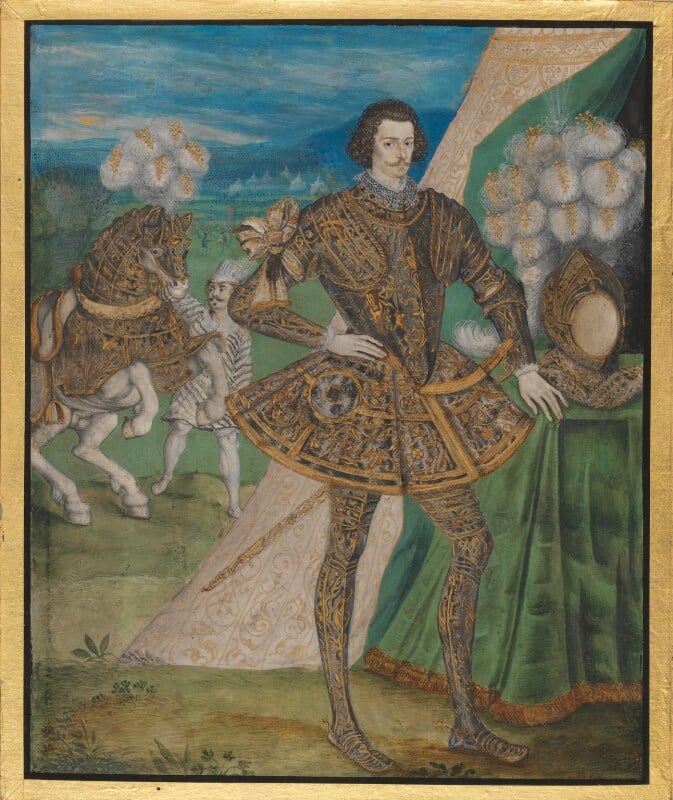
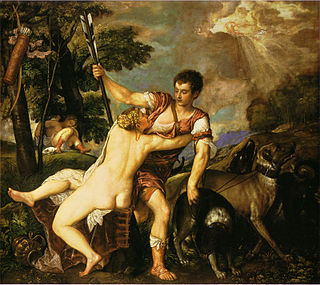
En route we visited Philip of Spain’s court in Madrid – Philip had been a great friend of Countess Mary’s father – and we saw Titian’s paintings ‘Venus and Adonis’
and ‘The Rape of Lucrece’……
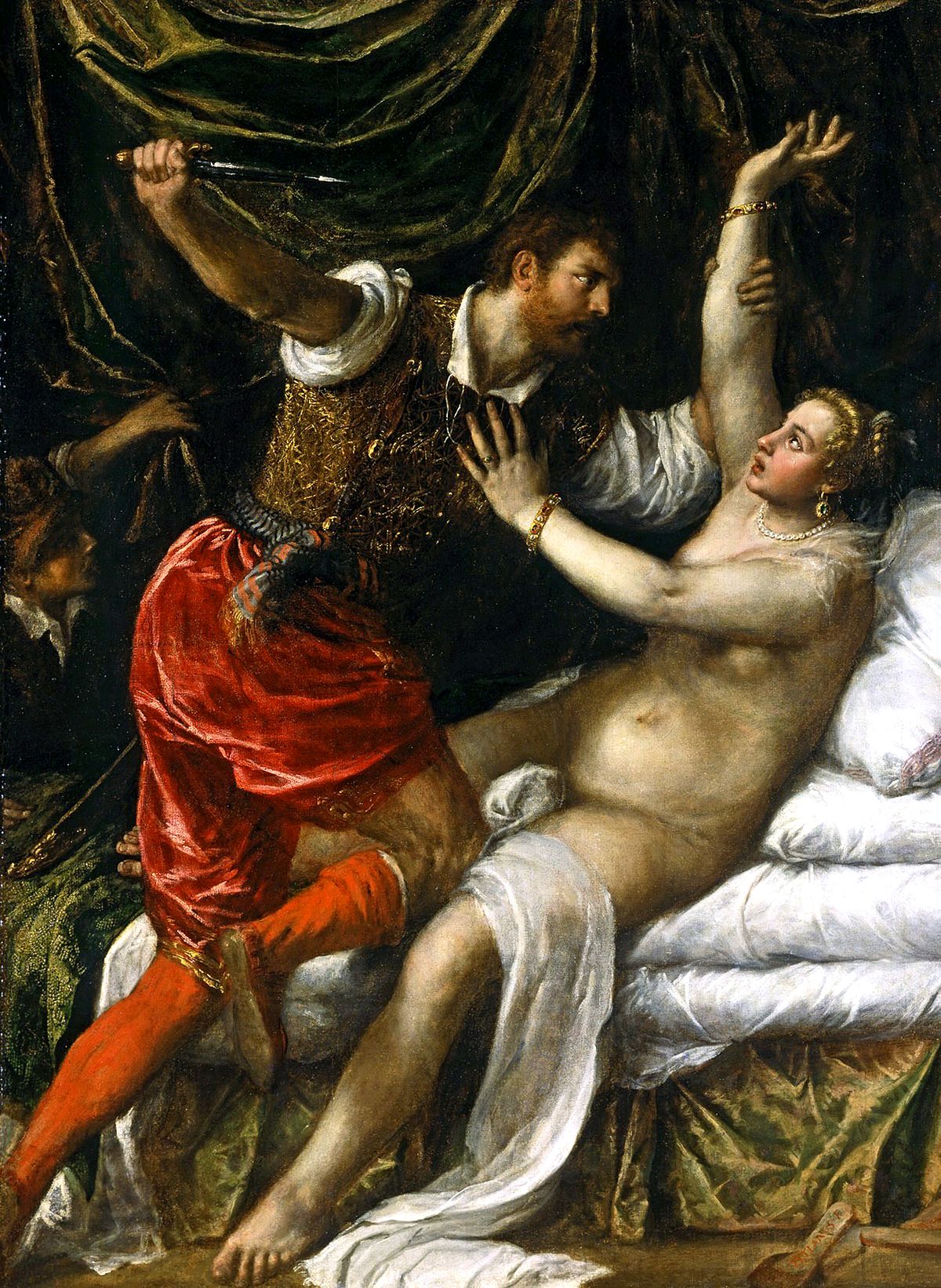
I would later transmute them into narrative poems. I even used the same colours and perspectives as Titian…
We then went on to Rome – and gazed at the Obelisk Pope Sixtus V had raised in front of St. Peter’s Basilica.
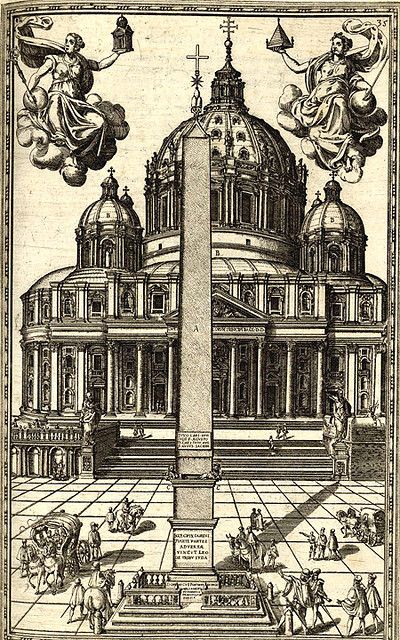
It had been the last thing St. Peter had gazed on before his martyrdom – and it became the symbol of our love. But perhaps the greatest gift Italy gave me were its novellas – which I rapidly turned into plays.
But we returned to England to terrible news. Kit Marlowe had been killed in a tavern brawl in Deptford – and Tom Kyd – who had become Kit’s room-mate in place of me – had betrayed Kit’s atheism to the authorities.
I coped with the loss of Kit by finding him afresh in Harry.
Of course, Harry was an attractive, rich young man – and many young aristocrats – men and women alike – were infatuated with him. But Harry, like his mother, had a penchant for lower class young men. Harry had just been nominated as a Knight of the Garter – and his sexual predilections could be used against him. Queen Elizabeth had made homosexuality illegal.
I would visit my family in the summer – I now had twins – a boy Hamnet and girl Judith – as well as my first born daughter, Susanna. But my thoughts were always more with Harry – and the summer in Stratford seemed more like winter. But I wrote Sonnets to him to keep him close to me.
But one summer I devoted all my writing to composing ‘Lucrece’. I wanted to produce a masterpiece, like Ovid – so focused all my energies on the poem and not on Harry. This was a mistake. When I returned to Titchfield, I found George Chapman had taken my place.
It was Chapman who was now writing sonnets to Harry – as well as conducting seances in which he summoned up the spirits of Homer – and even of Kit. I tried every trick to dislodge Chapman – I even used my sonnets to send up his poetic style. But it was no good – Harry was hooked.
I wrote a goodbye letter in verse and stormed off to penury. But as one door slams…
Harry had come of age so Countess Mary had to leave Titchfield – mother and son had never really got on. Mary had married Thomas Heneage – and wanted a play to celebrate it in Coprt Hall, her stately home and grounds in Essex….
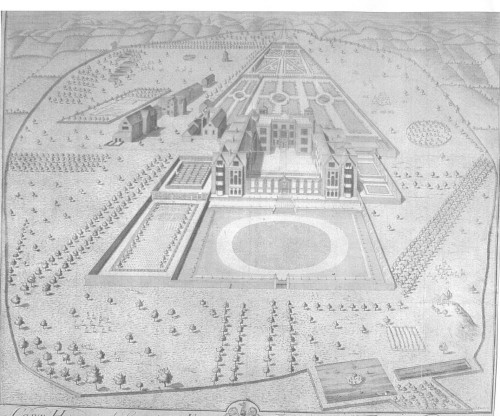
She also demanded a part for Aemilia – who she thought us boys had treated badly.
So now ‘A Midsummer Night’s Dream’ was also born – and Aemelia returned to my life. We had a brief, loving affair.
‘The Dream’ was a hit – and Harry wanted to be where the action was. So Chapman was given the heave-ho and Harry and I were in business again. He made it up to me by giving me a gift of £1,000 – yes, £1,000! – with which I bought my way in to the Lord Chamberlain’s Men.
The Lord Chamberlain’s Men often had to tour – and so with Harry and myself there were infidelities on both sides. Harry gave me a miniature of himself that I could gaze on when I missed him. It was painted on the reverse side of an Ace of Hearts playing card – and showed Harry touching his heart.
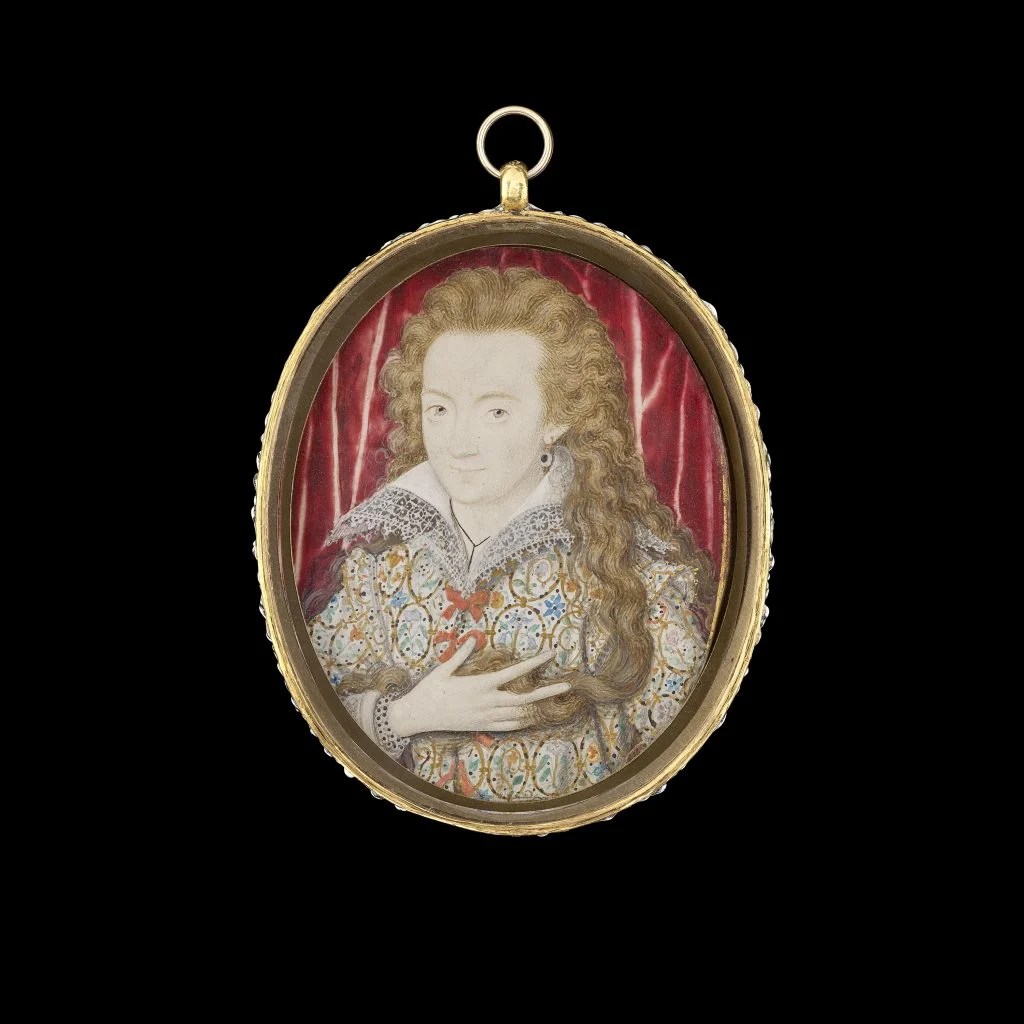
But I had a fear Harry would one day leave me.
When I was back in London – and acting at the Swan Theatre in the Paris Gardens……
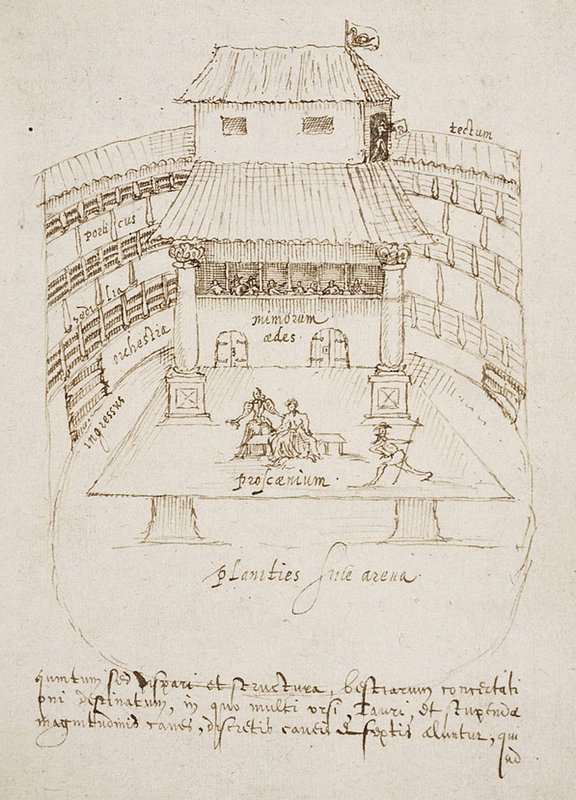
…..word came that my son, Hamnet had died. It took two or three days to ride from Stratford to London, so he would be buried by the time I got to Stratford. Besides I was playing a Ghost at the time in – yes – ‘Hamlet’ – an early version of the play I had written with Tom Kyd.
So I buried my grief, the show went on and I turned Harry into my surrogate son.
But my grief turned to violence and heavy drinking – and I was up before the Magistrates for taking part in a brawl – involving prostitutes – in the grounds of the Paris Gardens. For a while I was in such disgrace I couldn’t be seen with Harry.
Harry then went to the Court and the inevitable happened: he fell in love. But this time with a woman – Elizabeth Vernon. a poor cousin of Lord Essex. Like Mercutio in ‘Romeo and Juliet’ I felt ambivalent about it. I wanted Harry to be happy but I wanted him to be mine. In the end I coped by convincing myself that Harry and I had what I called a marriage of true minds.
So our love survived Harry’s marriage. It even survived the arrival of little daughters.
But politics were about to take over. To us Queen Elizabeth was a monster. She delighted in the torture of Roman Catholics and refused to let us worship in our own way. Essex wasn’t a Catholic, but he wanted freedom of worship for everyone. So we all plotted to dethrone the Queen.
The plan was for Essex and Harry to go to Ireland to quell the rebels there, then return with the army, join up with King James VI of Scotland……
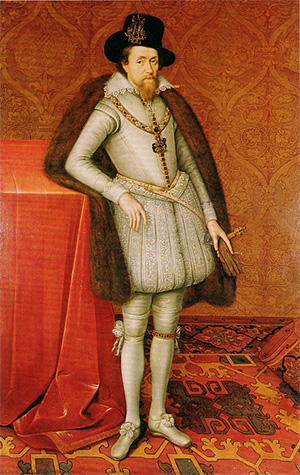
……and march on London. I was sent to Scotland to stage ‘Macbeth’ to persuade the King to invade England – as Malcolm invades Scotland – to overthrow a tyrannous rule.
But James knew that the Queen was old.
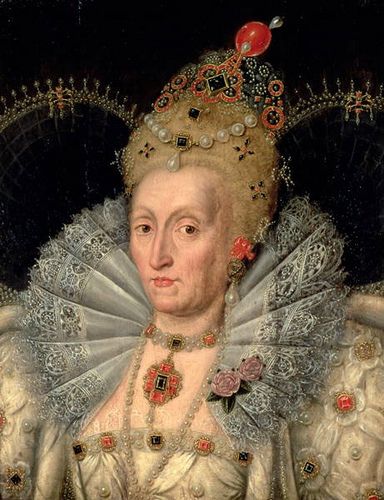
To take over all he had to do was wait. Also the Ireland campaign – though bravely fought by Essex and Harry – was a disaster. I knew the rebellion would fail and tried to warn everyone by writing ‘Julius Caesar’ where the rebellion fails big time. But it went ahead. On the eve of the rebellion they even staged a production of ‘Richard II’ at the Globe – which Queen Elizabeth, rightly, took to be about her.
In the play King Richard is over-thrown….
I had to flee to Scotland. Essex had his head chopped off and Harry was imprisoned for life in the Tower.
I became deeply depressed – but I did get on with James. We found we had both written poems that compared our male lovers to the fabulous Phoenix.
Elizabeth died and everything turned round. I galloped down to England to find Harry still incarcerated in the Tower, waiting for the new King’s pardon. He was having his portrait painted with his cat, hoping to woo James.
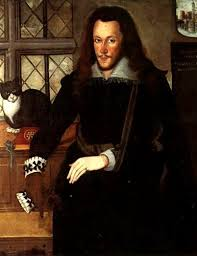
I pushed matters along by writing a couple of Sonnets to the King about Harry…
Finally Harry was freed – and James was in England. I wrote a sonnet to celebrate this wonderful event – the death of Elizabeth…..
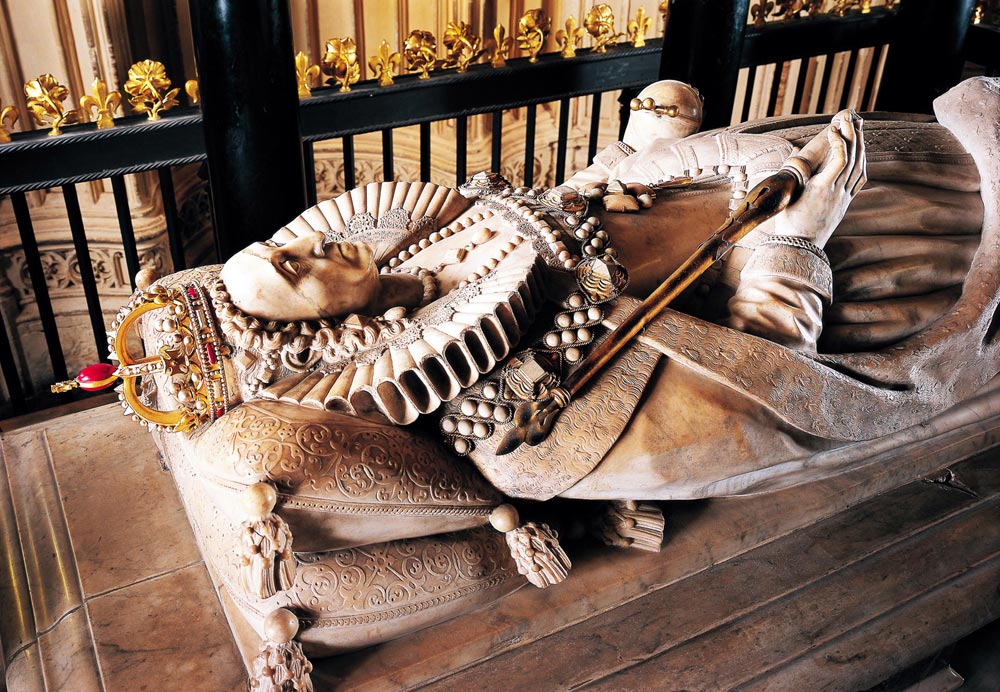
…..the freeing of Harry and the advent of peace.
But Harry did not become the King’s new lover. He was too old for James by now – and looked too ill. I, though, was doing fine. James loved my plays – especially the darker ones….
His coronation was delayed till the next spring because of the plague. As the leader of the King’s Men I carried a canopy over James in the procession. The pasteboard arches on the coronation route…..
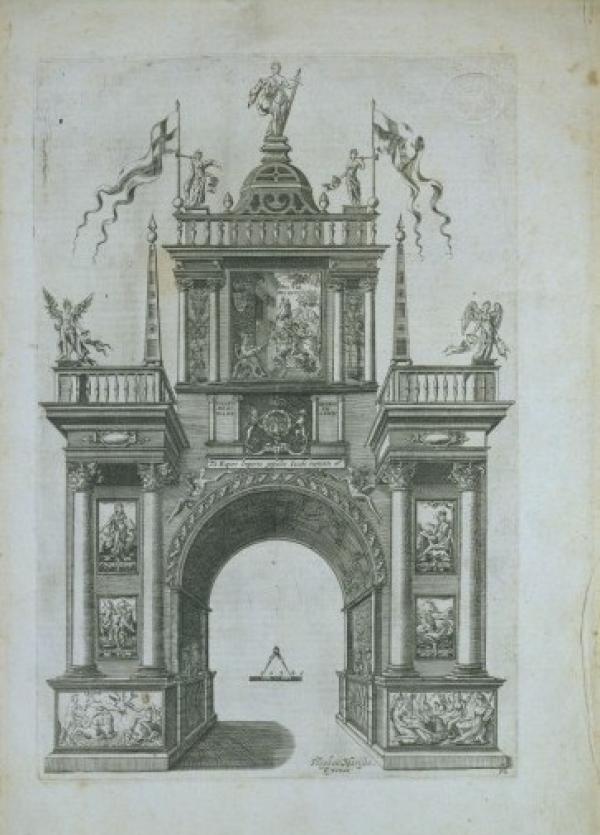
….. reminded me of the obelisk in Rome. But these arches were blown about by the wind whereas the obelisk in Rome was as strong and eternal as the love between Harry and myself.
Harry was edged out of the gay coterie surrounding the King and became a touch homophobic, but everything between us was fine. That is until 1605 when Harry’s wife suddenly produced a boy.
Harry was no longer gay. Shakespeare the Old Player had to go.
Now I had not only lost my real son – I had lost my surrogate son as well. This was the time I finally mourned for Hamnet – nearly a decade after his death.
My grief, literally, drove me mad. I returned Harry’s portrait with a black spear – a black Shakes-peare – through Harry’s heart.
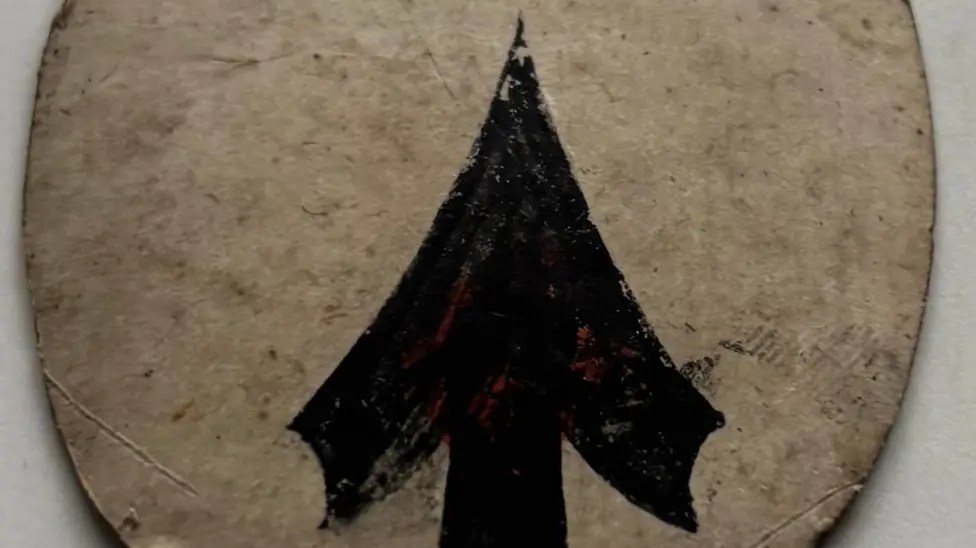
I wished him dead.
I lashed out with a re-write of an old play I wrote with Kyd – ‘King Lear’ – which had a happy ending. Not any more. Cordelia, the old king’s beloved daughter is hanged and Lear enters with her dead in his arms….
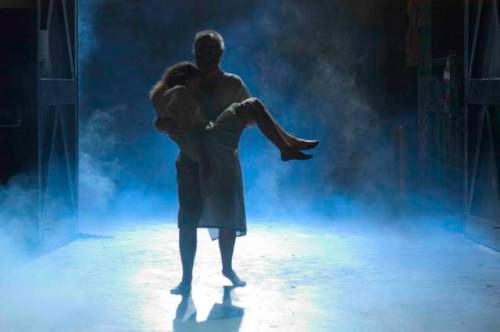
To me, God was dead as well.
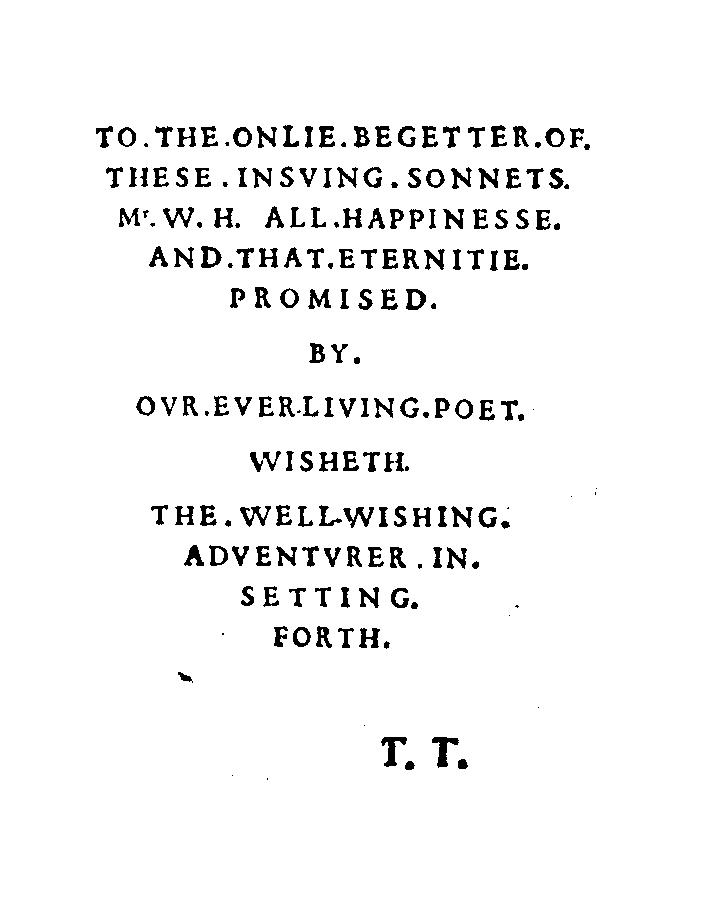
Grief hardened into revenge. Harry was denying his gay past but I certainly wasn’t. And I wasn’t going to throw all my love poems to him – and even to her – into the bin. I shuffled them up so the story wasn’t too obvious – and turned Mr. Henry Rosely into Mr Rosely Henry – and wrote a dedication – under the publisher’s name – full of heavy hints….
But I also wrote a new poem – ‘A Lover’s Complaint’ – in which I split myself into two parts – my older self – in the form of an old man and my younger self in the form of a young girl, jilted by her psychotic lover. She tears apart his character in the same way she tears apart the bogus love letters he sent her.
But at the end she admits, however much she suffered, however much she was destroyed, however much she was driven insane – she would willingly re-live the whole affair again.
She ends up as ‘a reconciled maid’ – and I was now reconciled to my Old Faith…..
You see a miracle had happened the year after my split with Harry. At the request of a man in Oxford who was impotent I had impregnated his wife – and she had bore me a son.
So my final sonnet was a prayer to my withered soul, beseeching it to grow strong and great again.
I was on the road, with Prospero, to forgiveness.
© Stewart Trotter Easter 2026
 The Shakespeare Code
Leave a comment