Feeds:
Posts
Comments

Archive for 2011

It is with great pleasure that the Agents of The Shakespeare Code announce that on…..

23rd November, 2011

The Code received its 13,000th VIEW!!!

Not only that….

SIXTEEN NEW COUNTRIES HAVE JOINED THE SHAKESPEARE CODE!!!

They are, in no particular order….

THE REPUBLIC OF BULGARIA

THE REPUBLIC OF LEBANON

THE KINGDOM OF THAILAND

COLOMBIA

THE KINGDOM OF NORWAY

THE REPUBLIC OF CHILE


THE UNITED ARAB EMIRATES

THE PALESTINIAN TERRITORIES

THE NETHERLANDS

DENMARK

CZECH REPUBLIC

ITALY

MALTA

BELGIUM

INDONESIA

SWEDEN


This means there are now……

FORTY TWO PARTICIPATING COUNTRIES!!!

(Please see: The Shakespeare Code Salutes the Nations )

IN VINCULIS INVICTUS!!!


Read Full Post »

(It is best to read Parts One and Two first.)

The Bassano family – a group of dark-skinned Sephardic Jews, originally from Morroco – provided the music for the Cowdray Progress in 1591….
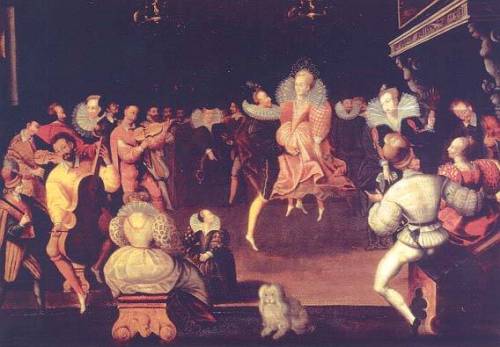
A Bassano providing the music for Elizabeth and Leicester.

Among them was the beautiful, mixed race Emelia, the young mistress of the Queen’s cousin and Lord Chamberlain, old Lord Hunsdon…

He paid £40 a year for her services, but this did not buy him exclusive rights…

William Shakespeare saw her at Cowdray and was smitten…

She was, as the late A. L. Rowse discovered…..
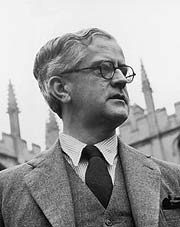
…..the famous ‘Dark Lady’ of the Sonnets…

SADLY, NO PORTRAIT OF ‘THE DARK LADY’ IS AVAILABLE…

Except of course in Shakespeare’s verse…

She was a  favourite of the Queen and of noble ladies in general….

She helped with their entertainments….

But to Shakespeare, she was an entertainment in herself….

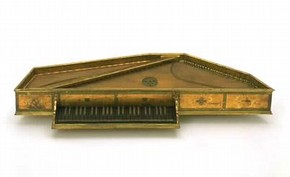
In Sonnet 128 he even envies the wooden keys….
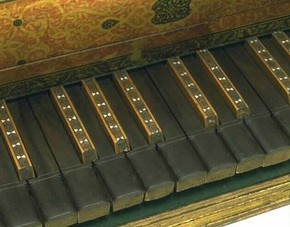
 …….on her virginals….

…..because her fingers ‘walk’ over them….

with gentle gait…

Emelia stayed on at Titchfield after the Queen’s Progress and took part in the Christmas entertainment there…

An established tradition in the Southampton household….

The highly cultured (and deeply Catholic) first Countess, Jane, was described…..

…..as merry as can be with Christmas plays and masques….

And her husband, Thomas Wriothesley, the first Earl….
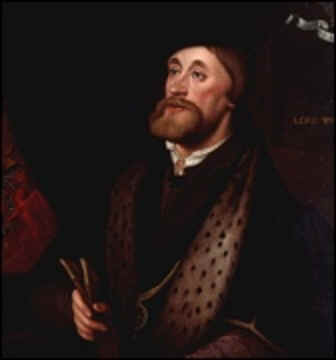
 …..was a keen amateur actor.

(He was also a keen amateur torturer.  He racked one poor woman to death….)

The Christmas show at Titchfield in 1591, full of references to the cold weather,  was cousin Will’s The Comedy of Errors…

Written, of course, in collaboration with Thomas Nashe….

….who, as ever, wrote the jokes….

The play begins with the gloom of a potential execution….

Egeon, a merchant from Syracuse….

……has travelled to Ephesus, searching for his son, Antipholus, whom he’s not seen for five years…

Antipholus of Syracuse, in turn, is searching for his twin brother, Antipholus of Ephusus, lost, along with his mother (Egeon’s wife) in a storm at sea when they were babies….

He feels like a drop of water in the ocean, seeking another drop but losing itself in the process…

…..a wonderful intellectual/romantic part for Shakespeare himself….

Syracuse and Ephesus are engaged in a trade war, so Egeon is sentenced to death by the Duke of Ephesus….

This is a coded reference to the execution of Swithin Wells, barely a fortnight before the Titchfield Christmas festivities began…

He was a loved, old, literate, Roman Catholic friend of the Southampton family….

Described by the Vatican as….

 …a witty man, skilled in diverse languages…

….who had adored hunting and hawking, and who had given…

 …a good example to the gentry…

….Wells had lived en famille with the Southamptons at Place House…
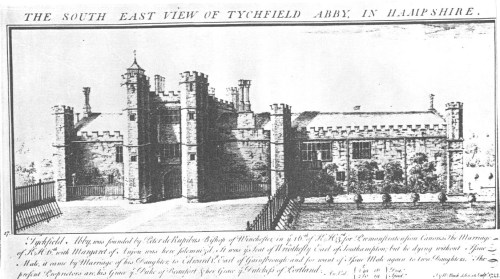
….in whose Great Hall the Christmas play was to be performed.

Wells had also taught at the Titchfield Grammar School….
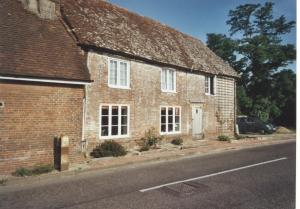
…..where he had recruited young Englishmen to train as Catholic priests…

Ordained on the continent, they returned to England as misssionaries….

And almost certain death….

They were ‘drawn and quartered’….

….(forget the token ‘hanging’)…

ALIVE!!!
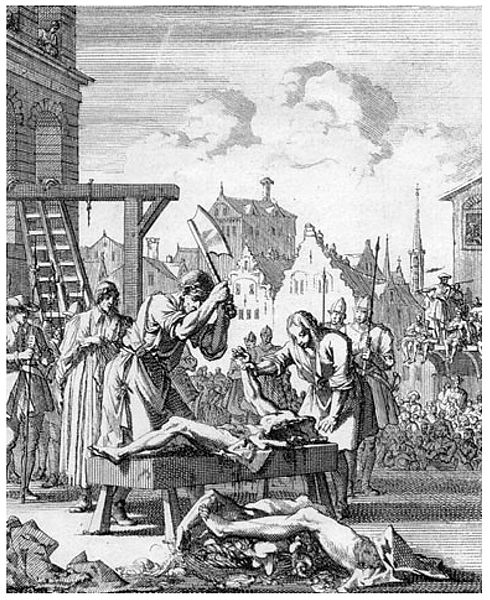
Mary, second Countess of Southampton, a strong-willed,  Catholic activist…

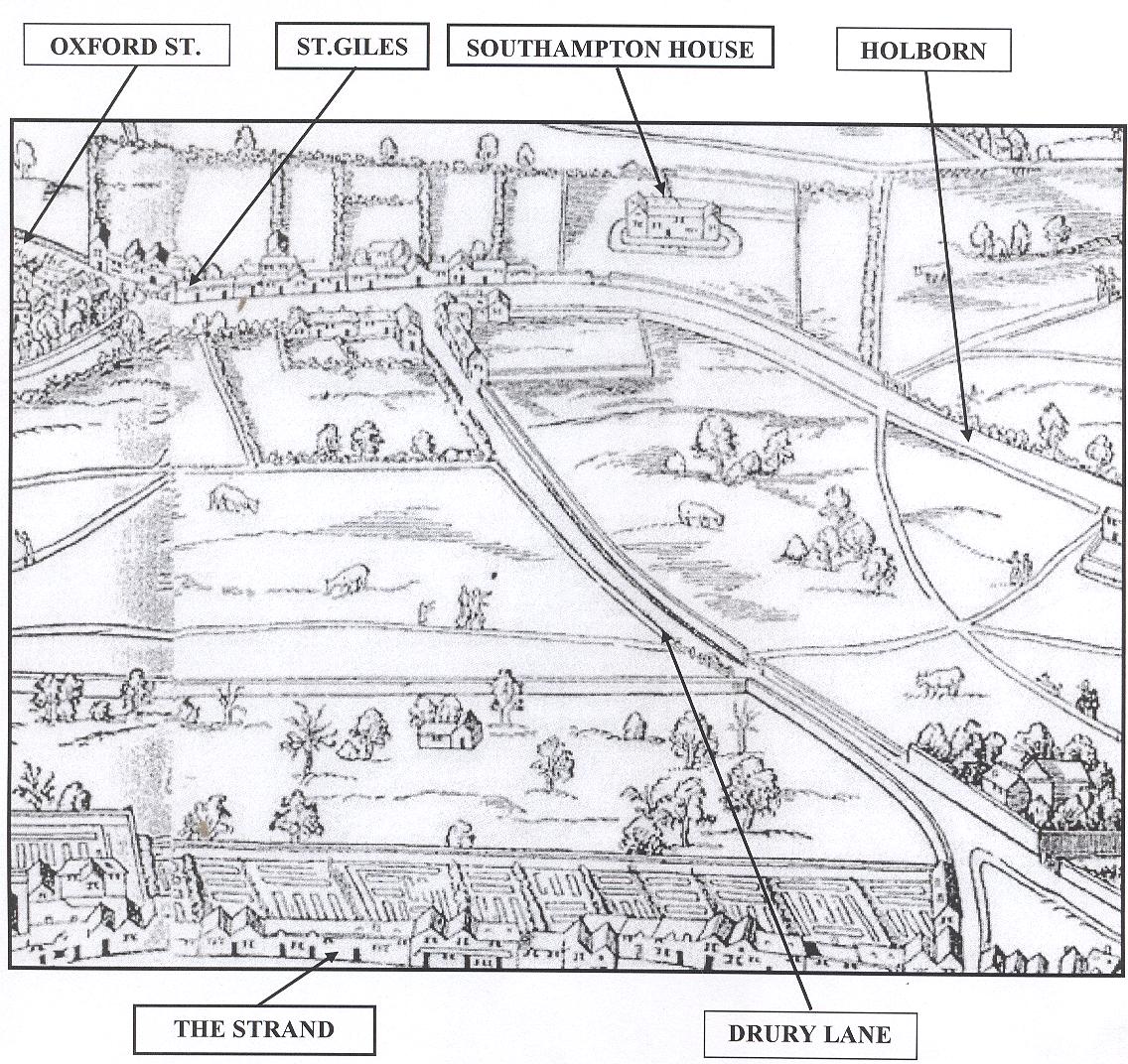
….had  sheltered these ‘suicide martyrs’  in her London residence, Southampton House…..
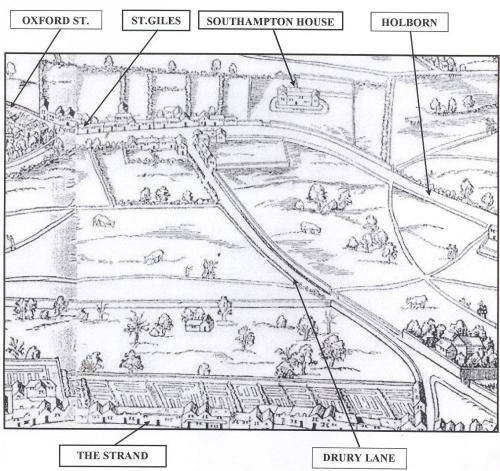
 

.

…..a stone’s throw from which the ‘dangerous Papist’ Wells had been hanged….

But Shakespeare had been commissioned to write a Christmas entertainment….

So, after a melancholy start,  the play develops into a light-hearted comedy….

 About mistaken identity, marital infidelity and families split apart…

Mary, Countess of Southampton,  had a twin brother, Anthony….

So Shakespeare plundered a Plautus plot that has not just one pair of twins…

BUT TWO!!!

The identical Antipholus twins (the sons of Egeon) have identical servant twins, Dromio of Syracuse and Dromio of Ephesus…

(Well, it was a Christmas show…)

Dromio of Syracuse was played by Thomas Nashe….

….as he was to play many of the ‘stand-up’ comic parts in the premieres of Shakespeare’s Comedies.

He took, of course, the opportunity to promote himself…..

He was in charge of the comic scenes and so ‘arranges’ for Antipholus of Syracuse (Shakespeare’s part) to describe Dromio of Syracuse (his part) as:

A trusty villain, sir, that very oft

When I am dull with care and melancholy,

Lightens my humour with his merry jests…

Nashe is positively telling the audience he is funny…

Later, as Dromio of Syracuse, he says…

I am an ape….

‘Ape’ was the trademark name of Nashe in ‘real life’.

(Nashe wrote, of himself, at Cambridge, that ‘I was a little ape’.)

Nashe not only promotes himself: he demeans Shakespeare in the process…

As Dromio of Syracuse, he makes unsporting  fun of Shakespeare’s baldness…
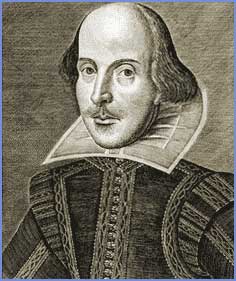
Shakespeare was well aware that he was pre-maturely losing his hair….

He makes a beautiful joke of the fact in Sonnet 73 where he writes:

That time of year thou may’st in me behold,

When yellow leaves, or none, or few do hang

Upon those boughs which shake against the cold,

Bare ruin’d choirs where late the sweet birds sang….

But Nashe, as Dromio of Syracuse, and talking directly to  Shakespeare as Antipholus of Syracuse, mentions, for no reason at all….

the plain bald pate of Father Time….

….adds…

There’s no time for a man to recover his hair that grows bald by Nature…

….then goes on to elaborate this theme for another, utterly unfunny….

FORTY LINES!!!

Nashe was always accusing Shakespeare of ‘sucking up’ to the Southampton family, but he does just as much ‘sucking up himself….

To show he is Roman Catholic ‘in spirit’ (he did genuinely admire the charity work done by Catholics)  he has Dromio of Syracuse exclaim….

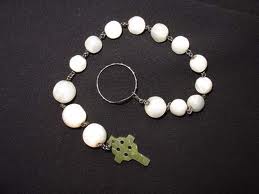
….O for my beads….

…..meaning, of course, the forbidden Catholic rosary….

If  Elizabeth’s soldier-thugs had found a rosary behind the panelling at Titchfield, the Southampton family would have followed Swithin Wells to the block….

But The Comedy of Errors was given in private performance…

In the same way the old Latin Mass was still celebrated in private at Titchfield ….

So everyone in the audience was relaxed about references to Roman Catholicism….

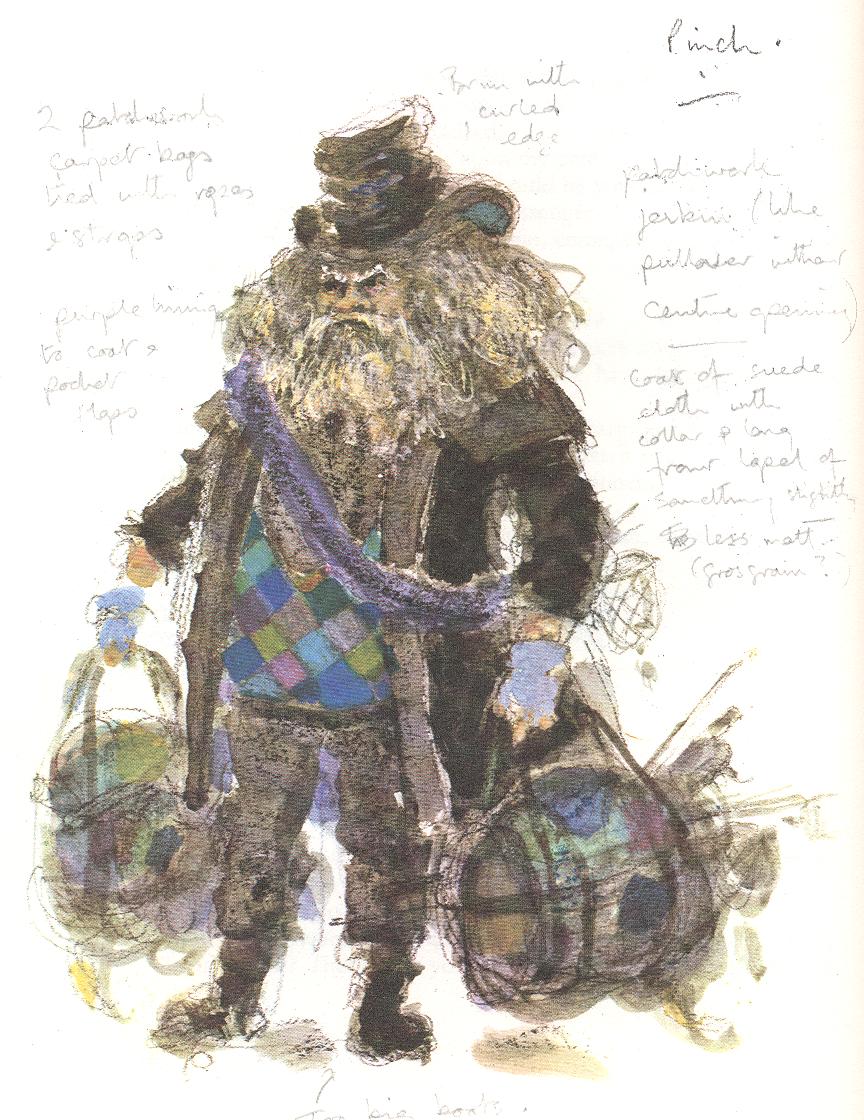
Indeed, one of the Old Faith’s great rites, exorcism, is affectionately sent up in the absurd figure of the schoolmaster-conjuror, Pinch….


He tries to cure ‘the possession’ of Antipholus of Ephesus, whose twin bother, Antipholus of Syracuse, has dined with his wife, Adriana…
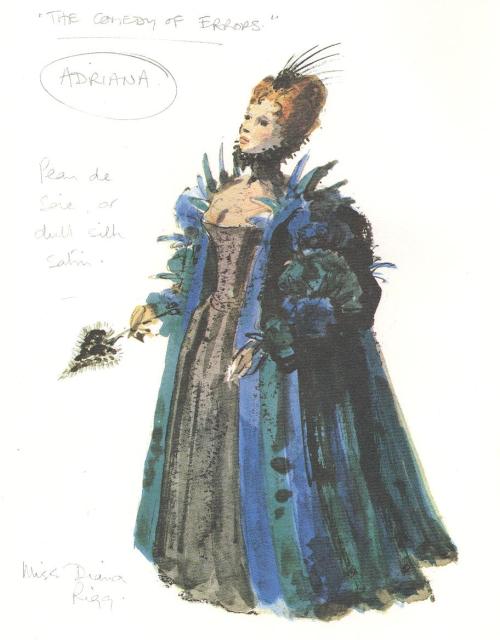
 

Antipholus of Ephesus denies all knowlege of the meal.

So, everyone thinks he is possessed….

Antipholus of Syracuse, meanwhile, falls in love with Adriana’s sister, Luciana, and describes her as….

…..our earth’s wonder, more than earth divine….

Scholars have taken this to be a coded compliment to Queen Elizabeth….

But Antipholus goes on to also describe Luciana as a….

…sweet mermaid…..

….and he asks her to…..

…..Spread o’er the silver waves [her] golden hair…’

A compliment to a Queen is intended…..

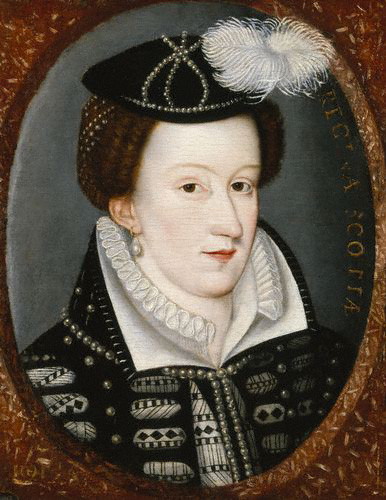
But to a dead, Scottish, Catholic Queen…

Who had golden-red hair…

Mary Queen of Scots….
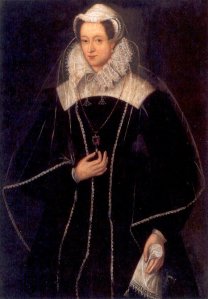
 

Her personal symbol was the mermaid….

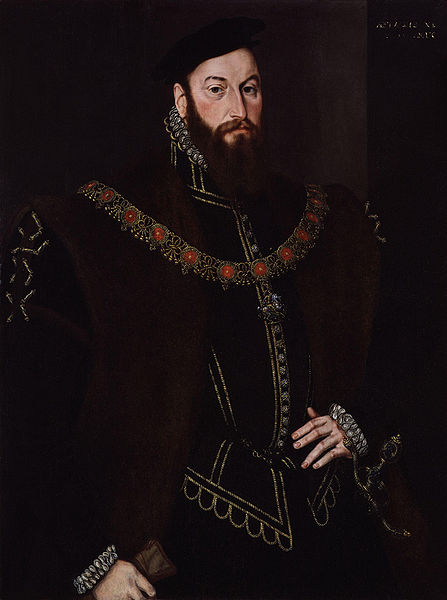
In the Will she made before her confinement in 1566, she left her lover, the Earl of Bothwell….

….a miniature figurine of a mermaid set in diamonds, holding a diamond mirror and a ruby comb…

The following year, Bothwell (whose heraldic crest was the hare) was accused of killing Mary’s husband, Lord Darnley…

Mary was lampooned as a crowned, bare-breasted mermaid, with her hair falling down to her shoulders, defending her lover with a whip…
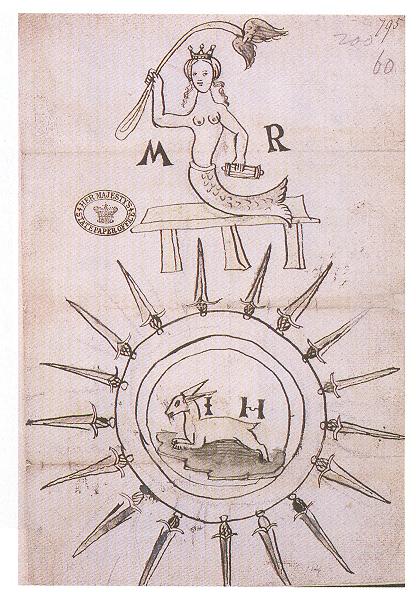
 Later that year, Mary was imprisoned in the Black Turnpike in Edinburgh, ostensibly to save her from the mobs who were baying for her blood….

On 16th June she appeared at her window…

……with her bodice undone, her breasts exposed and her tangled hair loose, and with ‘piteous lamentations’ made a distraught appeal for help from the citizens who had gathered below…

(Alison Weir)

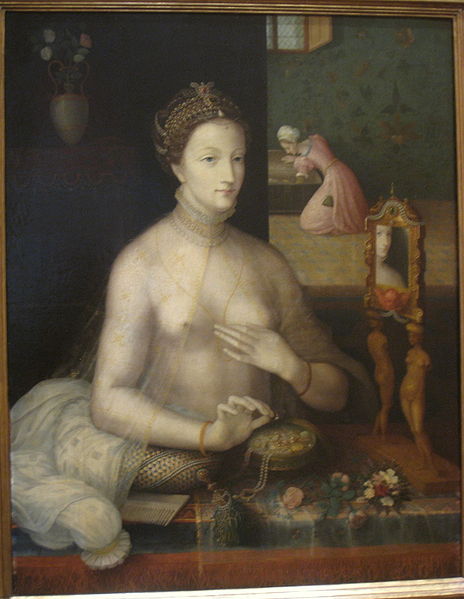
As a teenager, Queen Mary had made two earlier bare-breasted appearances…

One in Francois Clouet’s The Bath of Diana…

 The other in his A Lady at her Toilet…

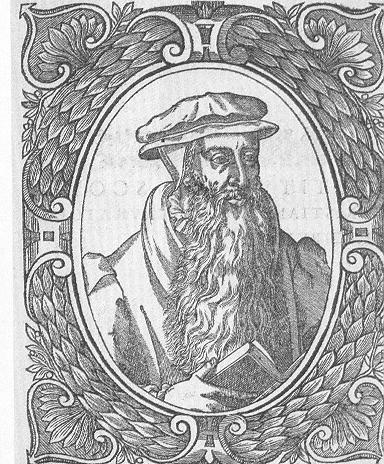
 Even the long-bearded,  Scottish Calvinist John Knox….

….(who had compared Mary Queen of Scots to Jezebel) had to admit that the six foot tall woman possessed….

……some enchantment whereby men are bewitched….

So when Shakespeare, as Antipholus of Syracuse, says to Luciana…

Sing, siren for thyself, and I will dote…’

….the Catholic audience in Titchfield audience would be remembering their dead queen with an erotic thrill….

And Shakespeare would be nailing his Roman Catholic colours to the Southampton mast…

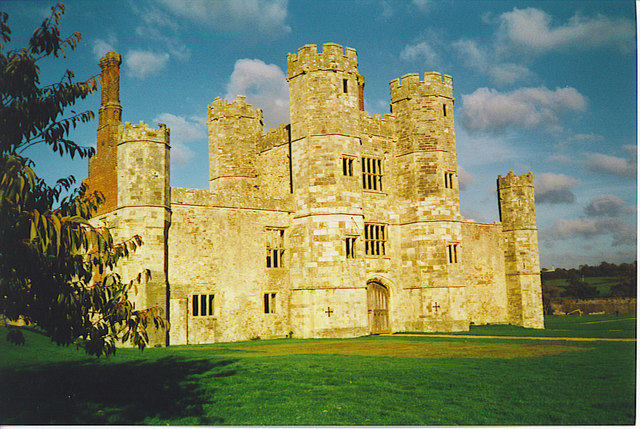
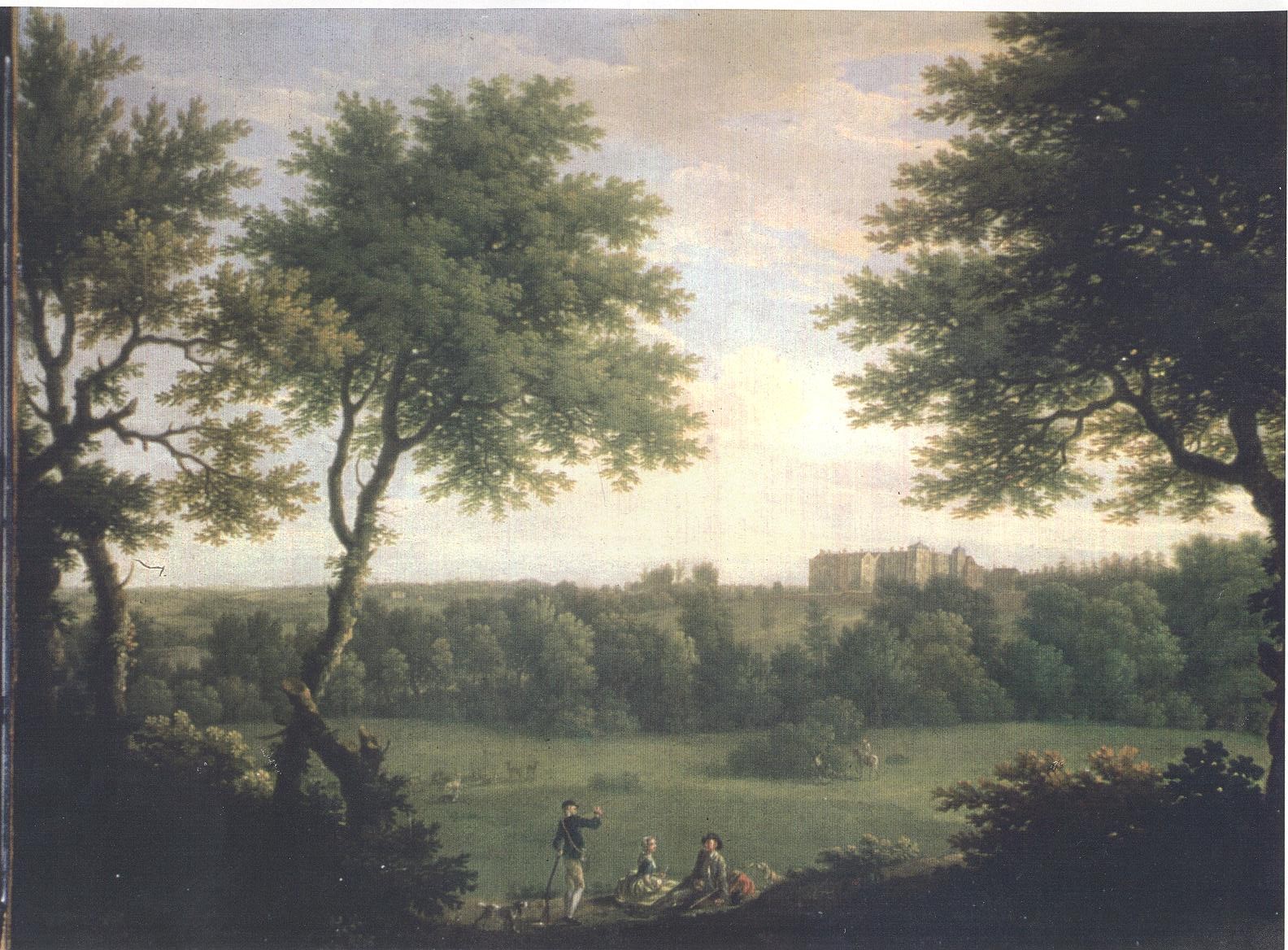
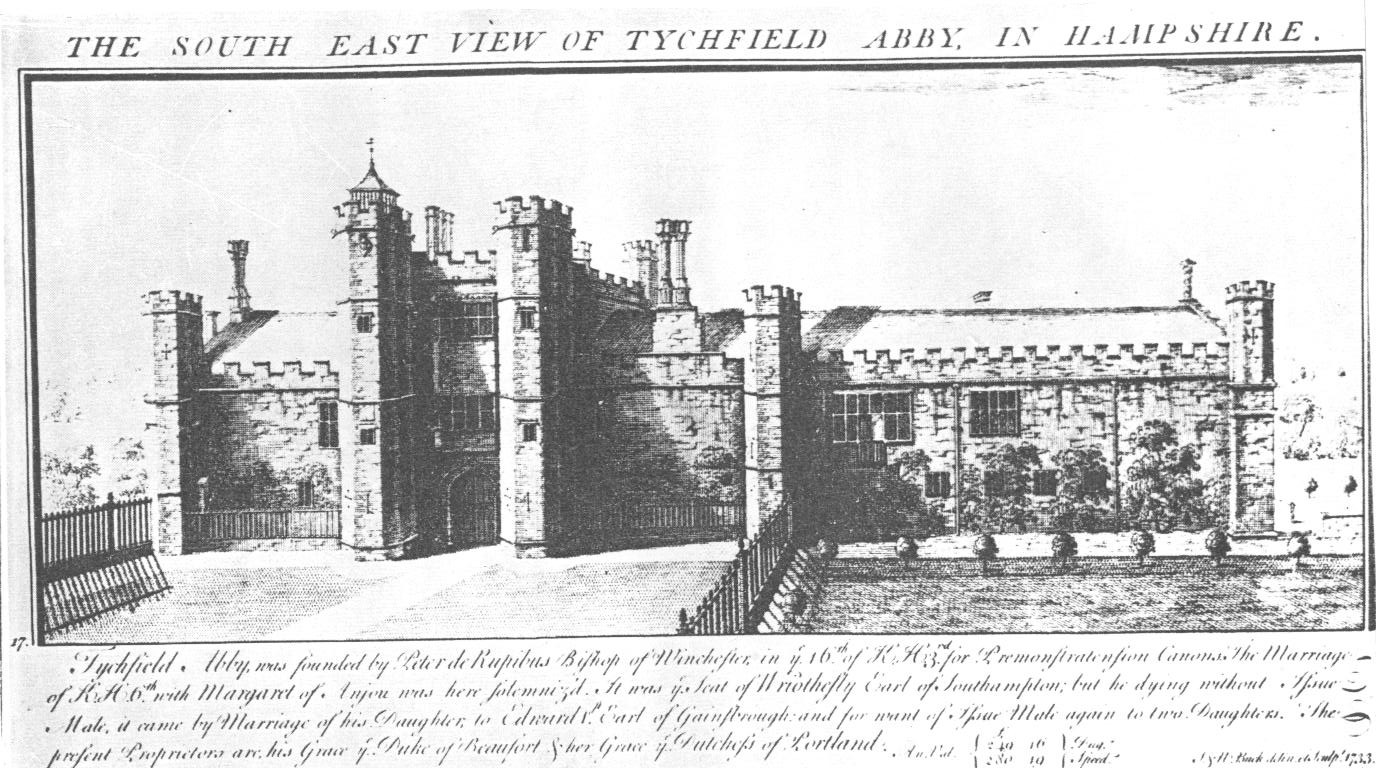
Place House, before its conversion by the first Earl of Southampton in 1538,  had been an Abbey run by Premonstratensian monks…
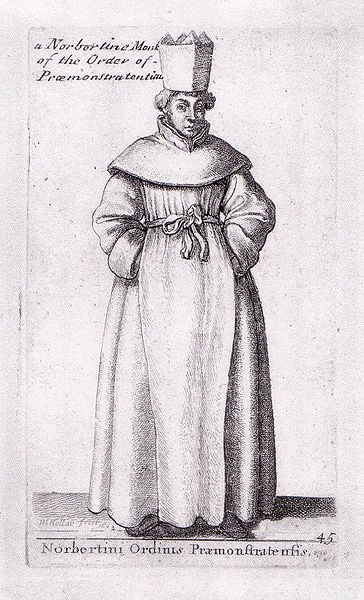
Indeed, the first Earl’s wife, Countess Jane, voiced concern that the chapel – where King Henry VI had married Margaret of Anjou – was to be converted to a master bedroom…

The new Gatehouse ran right through the nave……
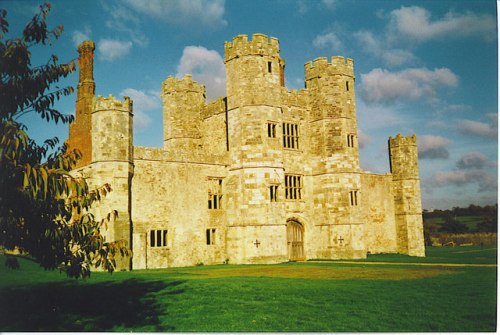
Shakespeare makes reference to the old Catholic function of Place House by setting the last act of The Comedy of Errors in front of…

the abbey here’…

…..a phrase he uses in the play…

FIVE TIMES!!!

He uses the word ‘abbey’ itself seven times in the play….

And only uses the word ‘abbey’ five more times in his COMPLETE WORKS!!!

The Abbess even specifically mentions….

‘….the ditch behind the Abbey here…..

The Abbess  – ‘a virtuous and reverend lady’ – would have been an ideal part for devout Catholic, Mary, second countess of Southampton.

Her father and step-mother, Lord and Lady Montague, had performed in public before the Queen on her Progress a few months before….

Why shouldn’t she perform in her own house, in private?

She would have loved dressing up as an Abbess!

The Abbess determines to ‘make a formal man again’ of the seemingly crazed Antipholus of Ephesus, by using….

….wholesome syrups, drugs and holy prayers….

and explains that it is…..

…a branch and parcel of mine oath,

A charitable duty of my order…..’

Pastoral care had also been the ‘duty’ of Titchfield Abbey’s white-robed  monks…

By acknowledging the power of this healing process – with its reliance on prayer as well as medicine  – Shakespeare is acknowledging the power of the Old Faith itself….

There is a great part for Emelia, the Dark Lady, as well….

The Courtesan who operates from ‘The Porpentine’ – a bordello in Ephusus…

She wants the money back for the ring she has given Antipholus of Ephesus and exclaims…

Forty ducats is too much to lose…’

This is a dig at Emelia’s £40 a year allowance from old Lord Hunsdon…

Another ‘Dark Lady’ in-joke occurs when we learn the name of the Abbess…

It is Emelia….

An entirely different sort of ‘nun’, of course…

At the conclusion of the play a family that has been split apart comes together. The Abbess turns out to be Egeon’s lost wife…

The Southampton family was also split apart. The second Earl had gone to his grave hating his wife, Mary – and her son had inherited this hatred….

Shakespeare is using his art to try to heal this spiritual rift – a process he was to take to audacious lengths in A Midsummer Night’s Dream….

A performance of The Comedy of Errors was later given at Gray’s Inn, London, on 28th December, 1594.

The third Earl of Southampton had been a member of this particular Inn of Court (just opposite his London residence) since he graduated from Cambridge in 1589.

The play was a catastrophe…

It was the culmination of a riotous evening, during which, through lack of space the audience sat on the stage itself…

 So nothing could be properly seen or heard….

Also, the aristocratic  members of Gray’s Inn were offended by the fact that the actors were ‘base and common fellows’…

These cannot have been the Lord Chamberlain’s Men who now included Burbage and Shakespeare and who had considerable prestige….

Lord Hunsdon (who had been made Lord Chamberlain in 1585) and had been managing and protecting players since the 1560’s and performers working under his name enjoyed considerable prestige…

Besides, his Men were busily entertaining the Queen down the river at Greenwich on that night….

Probably with A Midsummer Night’s Dream….

It was most likely a scratch group of actors who turned up at Gray’s Inn, put together by Southampton (who had just come of age) to show off the play his family had commissioned…

And to upstage his mother, who had commissioned The Dream as well…

The Comedy of Errors, Catholic and homely, was quite wrong for a drunken audience of ‘Hooray-Henries and Henriettas’ who seem to have taken personal offence at the play’s references to magic and conjuring…

They complained they had been ‘pinched on both sides’ – a reference to Pinch the schoolmaster exorcist….

Southampton, as far as we know, never ‘produced’ anything again… 

Wise chap…

(It’s best to read ‘A Midsummer Night’s Dream’ Decoded. Part Four next.)


Read Full Post »

Brothers and Sisters of The Shakespeare Code…

It is with great pleasure that we announce that on Tuesday,  15 November, 2011, The Code received its….

12,000th VIEW!!!!

Not only that….

This week Switzerland abandoned its neutrality……

IT JOINED THE SHAKESPEARE CODE!!!

 This means that there are now….

TWENTY-SIX PARTICIPATING NATIONS….

 in……

THE SHAKESPEARECODEZONE….

Please see: ‘The Shakespeare Code Salutes the Nations’.

If your country does not feature in the list, let us know and we will be proud to fly your flag for you!!!

As Trixie the Cat says……….

We’ve got more flags than the exterior of Harrods!

YO-DA-LAY-EE-DOO!!!

Read Full Post »

(It is best to read Part One first.)

To decode A Midsummer Night’s Dream we must first decode Love’s Labour’s Lost.

And to decode Love’s Labour’s Lost we must first decode the Progresses of Queen Elizabeth….

The specialist subject of Trixie the Cat….

The Progresses of Queen Elizabeth

A Trixie Lecture

Every summer, unless there was a Plague, Queen Elizabeth would hit the road…

Taking her entire Court with her…

That is, between two or three hundred people…

They would stay as ‘guests’  in the homes and grounds of her wealthy subjects…

Who would have no say in the matter whatsoever…

Her motives for doing so were as varied and complex as she was…

They were….

1. To escape bad smells….

Elizabeth’s witty godson, John ‘Ajax’ Harington…

………had invented the water-closet, but it was not in general use…

So, every summer the latrines in the royal Palaces had to be cleared….

This produced a stink of terrifying proportions….

Elizabeth, who couldn’t even stand the smell of cooking, sought the refuge of the open air…

2. To see the countryside…..

Elizabeth loved travelling through the English counties, even through what Lord Burghley called…

the dangerous rocks and valleys….in the wilds of Kent and Sussex….

She would travel, masked, on horseback….

Unless the varicose ulcer on her leg was playing up, in which case she was carried  in a litter.

If she liked a place she would stay much longer than she intended…

A great, if expensive, honour for that region…

3. To show her love for her subjects….

A Progress gave Elizabeth the chance to ‘play’ the crowd….

She had no standing army, simply two hundred ‘Pensioners’….

NOT Chelsea Pensioners!!!

These were young, tall and aristocratic, clad in tight white velvet and chosen solely for their good looks…

(Elizabeth was NOTORIOUS for picking up dishy men…)

But with no proper  ‘army’ as such, she needed to stay popular if she were to remain Queen….

If a  poor person in the streets gave her a bunch of wild flowers, she would clasp it to her bosom as though it were the greatest treasure on earth…

If children wanted to sing for her, she would stand listening for hours in the pouring rain…

And when people threw their hats in the air in her honour, she would throw her hat in the air as well…

In Norfolk, in 1578, the Master of the Grammar School was so overcome with nerves he could hardly deliver his speech of welcome to the Queen…

She called him over and told him…

Not to be afeared….

Afterward she said that his speech was….

….the best that ever I heard…..

And took off her glove so he could kiss her hand…

(However, she couldn’t bear to see ugly or disabled people. Her Pensioners always pushed them to the back of the crowd…)

 3. To have fun…..

Elizabeth’s subjects would put on lavish feasts, dances and entertainments for her, often in the open air to show off the grounds of their estates….

(Mind you, she was nobody’s fool….she always took her own cook with her.)

4. To show her subjects she was in good health…

Rumours of  Elizabeth’s ill health – death, even – persisted throughout her reign.

So, by travelling through the countryside, she proved to everyone she was still alive…

She might drive the point home by dancing a spirited galliard or two…

And indulging in a spot of deer carnage….

She loved to shoot deer with a crossbow (from a specially constructed ‘standing’) as they were run past her….

 At point-blank range….

4. To destroy her enemies….

If you had crossed Elizabeth, you were expected to be particularly generous when you were her host.

Poor Lord Hertford, described as….

…of very small stature and of timid and feeble character…

….had angered Elizabeth by marrying Lady Jane Grey’s sister….

She produced a son, Lord Beauchamp, who technically at least, had a stronger claim on the throne than Elizabeth…

Elizabeth threw Hertford and his wife into the Tower…

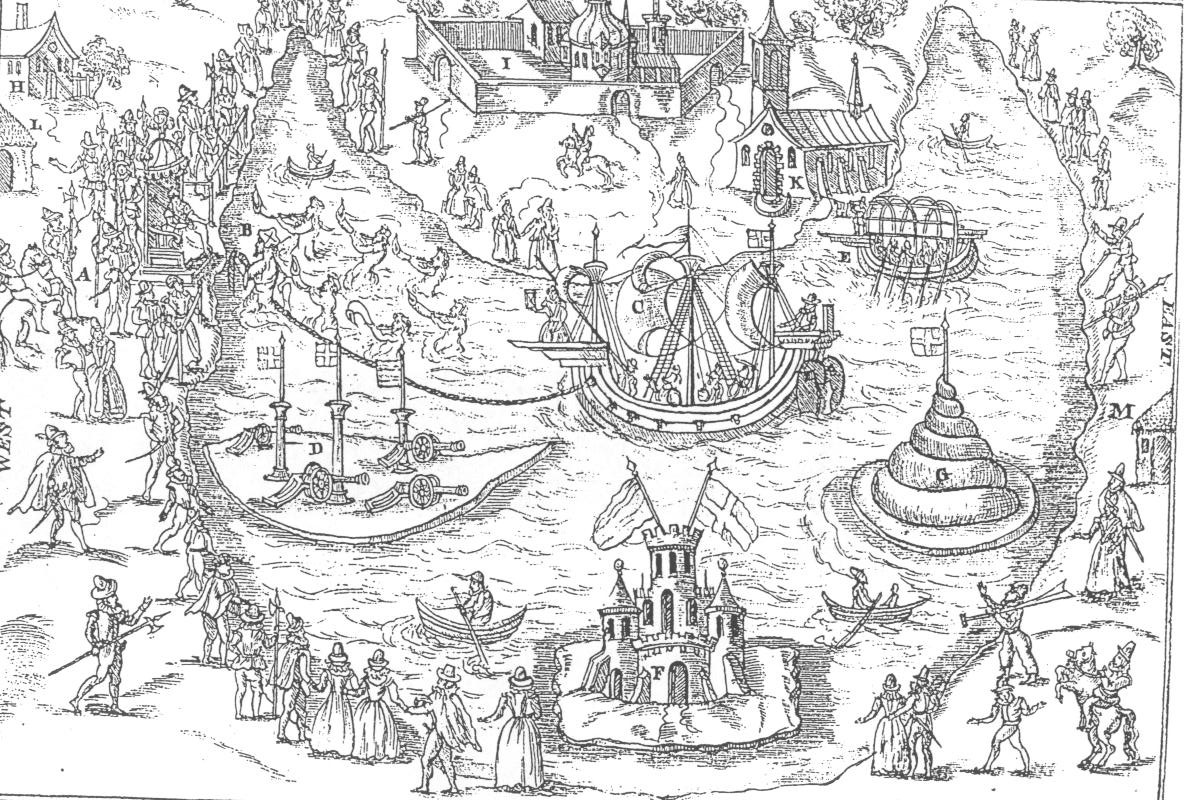
Not wanting to be incarcerated again, Hertford spent a fortune when Elizabeth came to visit him at Elvetham….

He dug a ‘great pond’ (more like a lake) in his grounds in the shape of a crescent moon….


…..this was to flatter ‘The Moon Queen’.

Aquatic ballets and battles were staged,  at the climax of which a ‘sea-nymph’ presented Elizabeth with a ‘costly sea-jewel’…

So costly it bankrupted Hertford….

And the entertainment didn’t do him any good…

Five years later he was back in the Tower again…

 5. To check on the faith of her subjects….

Elizabeth had vowed to eradicate Roman Catholicism from England….

She had kept the stoles, vestments, candles and church bells of the Catholic faith….

But they were only to be used to celebrate HER!!!

Church bells were to be rung as she passed by on her Progresses and the priests and their choirboys were to greet her in all their finery….

Families had to vacate their homes during a Progress, ostensibly so that the Privy Council could meet there….

In reality, Elizabeth’s soldiers would smash up the panelling in their houses to search for signs of ‘massing’…

Or ‘priest-holes’….

On the Norfolk Progress, Elizabeth’s soldiers found a wooden Madonna, hidden in one of her host’s hay-lofts….

They burnt it in the fire-place of the Great Hall…..

…to the unspeakable joy of everyone…

Except the host…

He was sent to Norfolk jail where he died, still incarcerated, twenty years later…

6. To save money….

For ten weeks of the year, some-one else had to pay for all of Elizabeth’s hangers-on….

But the Progress that will be of most interest to Brothers and Sisters of The Code is one that occured in 1591….

When the Queen visited Cowdray and Titchfield….

Cowdray was owned by Anthony Browne, first Viscount Montague….

 …..the father of Mary Browne, second Countess of Southampton…

 …..who was the mother of Henry Wriothesley, third Earl of Southampton….

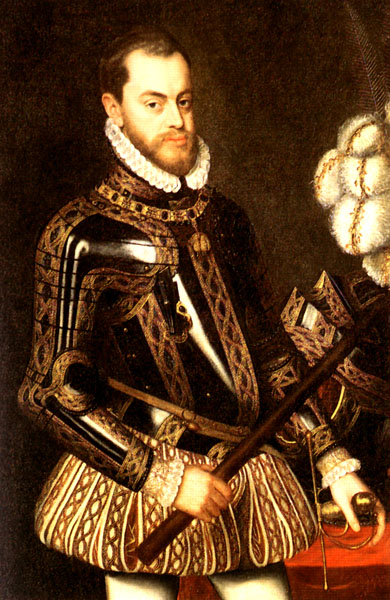
Lord Montague, one of the leading Catholics in the land, had been a close friend of Philip II when he had been King of England….


He had been Philip’s Master of Horse and his Ambassador at Rome….

Montague had plotted with his son-in-law, the Second Earl of Southampton, and the Northern Lords, to free Mary Queen of Scots from jail…

…..and overthrow Queen Elizabeth….

Montague and Southampton were lucky to escape with their heads. She despised Southampton, but realised that Montague had a genuine faith and was a good man….

So she appointed him Lord Lieutenant of the Shire….

Montague reponded with completely loyalty, except in matters of faith….

He held secret Masses and harboured two Catholic priests….

They wore livery ‘with chains of gold about their necks’ and posed as members of his household staff….

They probably tended on Elizabeth when she came to visit….

We have a complete pamphlet account of Elizabeth’s six day stay at Cowdray…..

She arrived at 8 p.m. on Saturday 15th August, on horseback, accompanied by ‘a great train’. As soon as she was spotted, a band struck up which suddenly stopped when she arrived at Cowdray Bridge…

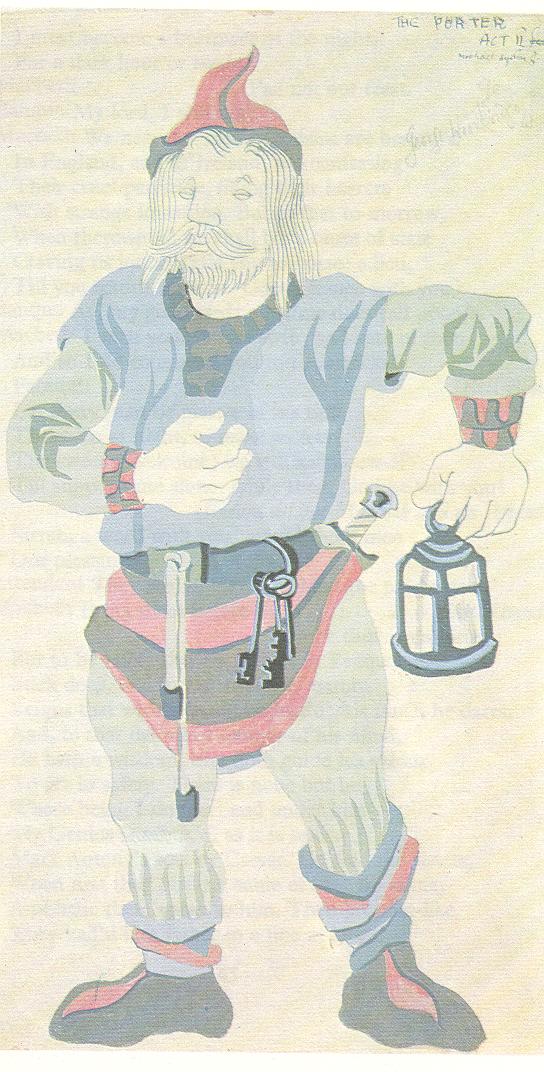
A Porter dressed in armour then informed her that, like Thebes, the Castle would only stand as long as music was playing…..

UNLESS….

the wisest and fairest and most fortunate of all creatures should by her first step make the foundation staid and by the glance of her eyes make the turret steady….

The porter then presented the Queen with a large wooden key, the key to Lord Montague’s heart…

Assuming her role as the saviour of Cowdray, Elizabeth took the key, saying…

…..she would swear for him there were none more faithful…. 

Then, alighting from her horse, Elizabeth embraced Lady Montague, who, in a well-scripted response…

..weeping, as it were, in her bosom….

….exclaimed…

Oh happy time! O joyful day…

On Sunday: Montague’s cooks roasted ‘three oxen and and a hundred and forty geese…’

On Monday: The Queen was given a cross-bow by a singing nymph….

Then shot deer from a standing, accompanied by the music of the dark-skinned Bassano family, sheltered in ‘a delicate bower’.

Lord Montague’s sister shot one deer to the Queen’s four, so she was not invited to dine that evening on Her Majesty’s table.

The Queen left her cross-bow at Cowdray as a memento of her visit….

On Tuesday: Viewing ‘my Lord’s walks, ‘ the Queen stumbled across a Pilgrim, who told her of a wonderful oak, guarded by ‘a rough-hewed ruffian’ armed with a stave…

The Pilgrim led her to the oak, which fond hung with her own arms and those of the Nobles and Gentlemen of thet Shire’.

In her presence, the ruffian became less rough, and told the Queen that though her courage has made her feared abroad, it is her clemency that has made her loved at home…

Thus he thanks her for sparing Lord Montague’s head…

That night the Privy Council met again in Montague’s house…

On Wednesday:  Montague dined his Queen al fresco at a table twenty-four yards long…

She encountered yet another allegorical figure, this time an Angler fishing in ‘a goodly fish pond’. He moralised on the state of this ‘nibbling’ world’ and blamed his fishless state on the presence of the Queen….

She shone so brightly, like the sun, that the fish could see his hooks through the bait….

However, with much play on ‘carp’ and ‘carping’, a fishermen then appeared, dragging fish in a net which he deposited at the foot of the Queen…

…an unworthy present for a Prince to accept…

On Thursday: The Queen dined with all the Lords and Ladies of the Shire at a table that had grown to forty-eight yards in length…

That evening the country folk presented themselves to the Queen…

..in a pleasant dance with tabor and pipe: and the Lord Montague and his Lady among them, to the great pleasure of all the beholders, and gentle applause of Her Majesty…

Then, at the beginning of September,  progressed on to Titchfield, where she had ordered two standings to be built….

In October she returned to her Richmond Palace. She appointed Commissioners for every Shire in England…

…..to enquire of all personsas to their attendance at Church, their receiving of seminarists and priests and Jesuits, their devotion to the Pope or King of Spain, and to give information as to suspicious changes of residence….

William Shakespeare, who was certainly present at the Cowdray and Titchfield Progresses, sends all this up in Love’s Labour’s Lost…

But not before he had written The Comedy of Errors….

(It’s best to read Part Three now.)

Read Full Post »
says Trixie the Cat
 
 
 A WONDERFUL HABIT !!!
 
We hit 11,000 Views on 6 November, 2011!!!
 
We hope you enjoy our celebratory offering below…..
 
‘A Midsummer Night’s Dream’ Decoded. Part One
 

Oberon, with Puck, but without his underpants, observing a mermaid on a dolphin's back.

Part Two will follow as soon as I can get The Code’s Agents off the athletics track and back into the Head Office…
 
They are determined to win Gold for England next year….
 
If you would like to read their researches on Twelfth Night, please start here.
 
Or there’s always a post-Hallowe’en ‘Macbeth’ Decoded.
 
‘You can always rely on Delia…..’
 
 
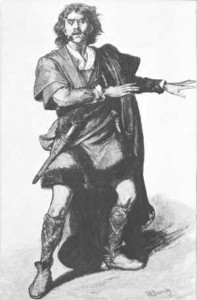
Lord Olivier – the Brighton Peer – as Richard III
 If you like to read about Shakespeare in Scotland, you might like to read about Shakespeare in Italy….
 
Erection of ‘St. Peter’s’ Obelisk, 1585, seen in 1593 by Shakespeare, Southampton and Nashe.
 
 
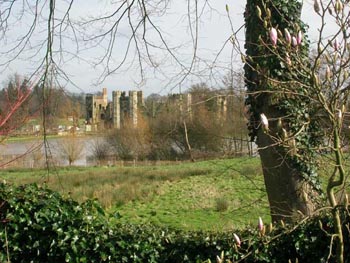
Ruins of  ‘Place House’.

If you would like to read about Your Cat’s  own, stormy prison relationship with the third Earl of Southampton….


…….please click here.
 
And if you would like to read my review of the new film,  Anonymous, please click here.
 
‘Bye now…
 

Read Full Post »

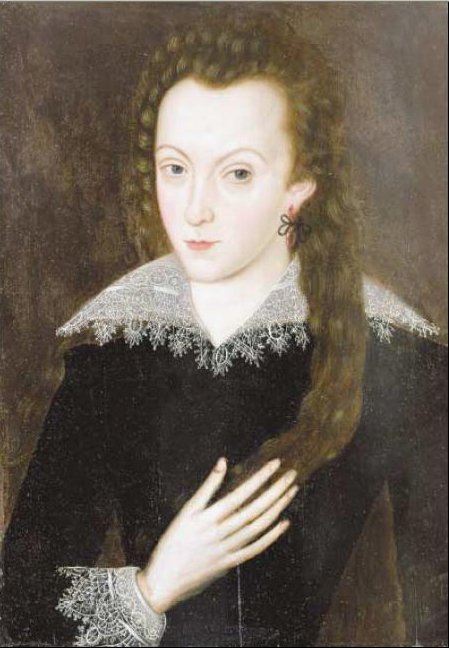
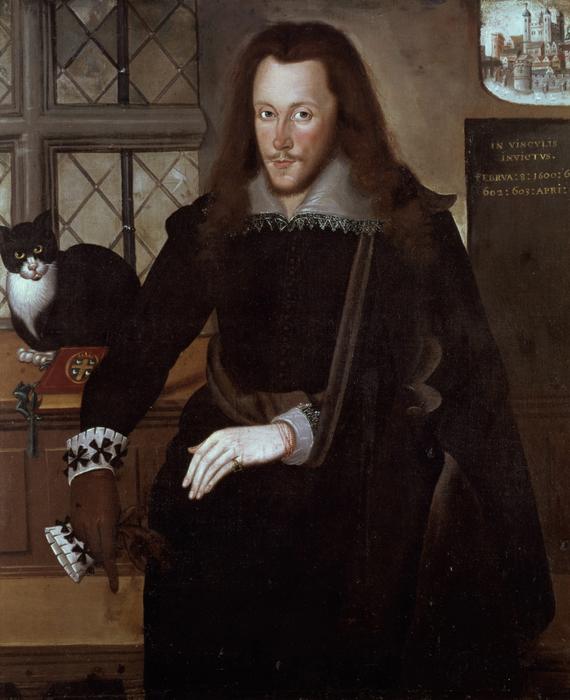
Henry (‘Harry’) Wriothesley, the third Earl of Southampton…..

…….was to come of age in October, 1594.

This meant he would take possession of his money and estates, including his beloved ‘Place House’ ….

It also meant his beautiful mother, Mary, second Countess of Southampton….

….would have to get out….

Mother and son had never got on….

Mary’s husband, the second Earl of Southampton (acting on information from his servant Thomas Dymock) had accused Mary of adultery with ‘a common person’ ….

Mary had sent six year old Harry with a letter to plead her cause to her husband.

The second Earl had seized the boy, denied his wife all access and surrounded himself with….

……a whole troop of at least a hundred well-mounted gentlemen and yeomen’…..’tall goodly fellows that kept a constant pace’…

…..and, in Mary’s words…..

……made his servant [Dymock] his wife…..

The second Earl died two years later when Harry was eight, leaving his estates, and the care of his son, to Dymock…

Mary over-turned her husband’s will,  but the damage had been done….

Harry grew up with a distaste for his mother and for women in general…..

And, like his mother and his father, had a decided preference for lower class men….

Mary now had to plan her survival….

She had starved her wayward son of funds so knew he would be reckless – and pitiless – when the family money came into his hands…

He would also face a tremendous £5,000 (£2 and a half million) fine from his guardian, Lord Burghley….

…..for refusing to marry his grand-daughter, the daughter of the Earl of Oxford.

Marriage was the answer for Mary…..

To an old family friend who had recently been made a widower – Sir Thomas Heneage…

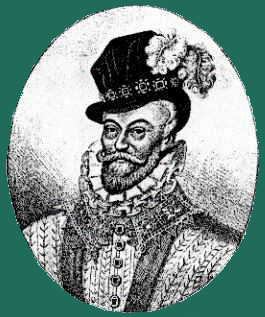
William Camden, a contemporary historian,  writes that Henage, in his youth, had been….

……a young man of pleasant wit and bearing [who] for his elegancy of life and pleasantness of discourse [had been] born for the Court….’

When, in 1565, the Queen’s lover, Leicester…..

……had flirted with the Queen’s fiery, red-headed cousin, Lettice Knollys….

 ……Elizabeth had flirted with Heneage in revenge…

Leicester threatened to beat Heneage with a stick and Heneage challenged Leicester to a duel….

But Heneage, charming and handsome, had a knack of getting on with everyone.

By the end, even Leicester was his friend…

Heneage had been born in Copped Hall in Epping,  a hilly part of Essex…..


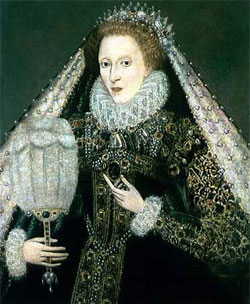
Queen Elizabeth…..

……had given Heneage the estate as a gift in 1564…

He, in return, had given Elizabeth the fabulous ‘Armada Jewel’….

…..crafted by Nicholas Hilliard.

Heneage married Mary in May, 1594, in his London, Thameside home, the Savoy Palace…

But, like all Tudor gentlemen, he much preferred living in the country where he could hunt….

Queen Elizabeth about to castrate a hunted stag.

So, a second ‘Midsummer’ celebration of the wedding was planned at Copped Hall…

Heneage, in his early sixties, could show off his  young bride, Mary….

Still vibrant in her early forties… 

And, of course, the magnificent grounds of his estate…

The entertainment for the event was clearly a job for cousin Will….

 Shakespeare had been part of the Southampton entourage since the defeat of the Armada….

But the commission was fraught with a number of problems…

Problem 1. Heneage was a Protestant…..

Not only a Protestant, he had been a Principal Councillor on the Committee to deal with Mary Queen of Scots in 1571….

 He had also been a member of the Privy Coucil which oversaw her execution in 1587…

Mary Southampton was a committed Catholic….

Even in the year of her wedding, she was harbouring renegade Catholic priests in her London home, Southampton House, in Holborn….

So, half of Shakespeare’s audience would be Catholic and the other half Protestant.

Problem 2. The Queen might be in the audience….

She would certainly have been invited to Copped Hall by her old favourite, Henaege…

She had visited his estate twice before.

If she attended, she would expect to be complimented in the play…..

This would infuriate the Catholics whose families had been persecuted by her Agents…

So Shakespeare would have had to find a way of complimenting Mary Queen of Scots as well…. 

She had almost achieved, for Catholics, the status of a royal saint and miraculous healing powers were said to emanate from her tomb in Peterborough Cathedral… 

And even if  the Queen, who hated weddings, didn’t see the play at Copped Hall, she was certain to see it somewhere else….

Heneage entertained the Queen at his Savoy Palace on 7 December in the same year and the Lord Chamberlain’s Men performed ‘several comedies or interludes’ at Greenwich Palace at Christmas…

Shakespeare was one of those who received payment for the Court performance.

This strongly suggests…

(a) That  A Midsummer Night’s Dream was performed at Court and…

(b) Shakespeare had received his famous gift of £1,000 (£500,000) from Southampton as a coming of age present….

He had been able to buy a share in the Lord Chamberlain’s Men….

Problem 3. Lettice Knollys might be in the audience….

Heneage and Mary’s wedding guests would include the Gang of Four…

Mary’s son (the third Earl of Southampton) his best friend (the second Earl of Essex) Essex’s sister ( Penelope Rich) and Penelope’s lover, Lord Mountjoy…..

With the Essex family so well represented at the celebration, Essex’s mother Lettice, née Knollys, would have to be asked as well….

And complimented in the play….

She and the Queen, though, were deadly enemies….

Problem 4. The need for ‘closure’ on Mary Southampton’s first marriage….

The second Earl of Southampton had gone to his grave hating his wife….

He had even specified in his will that he should be buried in a single tomb as an eternal rebuke to her….

A wish that Mary had ignored….

Shakespeare, as a Catholic, would have been aware of the ‘perturbed’ spirit of the second Earl…..

He would also know that the spiritual conflict of the old marriage would need to be resolved before a blessing could be given to the new…

Problem 5. The pressure on Shakespeare to collaborate with Thomas Kyd….

Shakespeare had shacked up – and collaborated – with Sporting Kyd, a fellow grammar school boy six years his senior, when he first came to London….

Now the Countess of Pembroke…..

 ….and her teenage son, William, were strongly urging Shakespeare to resume the collaboration with Kyd, sick and down on his luck….

For reasons The Shakespeare Code will reveal in this new series of posts, Shakespeare had no wish to resume a partnership with Kyd…

In fact, he wanted to destroy him….

Shakespeare worked instead with the diminutive, beardless Thomas Nashe….

…..who, in the entertainment, sent up Shakespeare SKY HIGH!!!

Problem 6. The dreadful summer of 1594….

Not even Shakespeare could do anything about this….

He knew his clients wanted a ‘promenade’ production of the play – just like the entertainments they had staged in their grounds for Queen Elizabeth’s Progresses…

And as Love’s Labour’s Found had been staged in Titchfield….

Everyone had to wait for the weather to change, so Midsummer Night was a little late that year…

The Paraclesian doctor and astrologer, Simon Forman….

…….tells us that…

June and July [1594] were very wet and wonderful cold like winter, that the 10th day of July many did sit by the fire it was so cold. And so it was in May and June…

However, the antiquarian and tailor, John Stow…..

……tells us that the weather rallied in August…

So August it was when the wedding guests of the Heneages made their way to Epping….

Shakespeare, as we shall see, solved all the above problems with the strongest weapon at his disposal….

His verse….

As we shall see, even the bad weather made its way, gloriously, into his poetry…

(Please now read ‘A Midsummer Night’s Dream’ Decoded. Part Two. The Progresses of Queen Elizabeth. )


Read Full Post »

says Trixie the Cat….

Brothers and Sisters of The Shakespeare Code,

In October, 2011, The Code received its….

10,000th VIEW!!!

 And on 2 November, 2011, enjoyed its best day ever with…..

161 VIEWS!!!

To celebrate we are publishing an HISTORICAL PHOTOGRAPH which was thought lost FOREVER…..

But which Your Cat found lurking in The Code’s old files…..

Edmund Kente (Malvolio) Steve Bennet, (Fabian) Mike Burnside (Belch) and Patrick Romer (Aguecheek).
It is the Box Tree scene from Twelfth Night in our Chief Agent’s production of the play (designed by John MacMurray) at the Northcott Theatre, Exeter, in 1985….
 
Stewart Trotter was the Artistic Director of the theatre from 1980-85. (Click ‘Biography’ above).
 
Here he can be seen polishing Fabian (Steve Bennet’s) head….
 
 
If you would like to read the late B. A. Young’s review of the production – which was set on a frozen river – please click here.
 
‘Bye now….
 
P. S.  Nearly forgot about the film Anonymous…..

…….it’s beautifully acted, beautifully directed and, visually, it’s beautiful as well….

It claims that ‘all art is political’ ….. a creed close to the heart of The Shakespeare Code.

In short, it is a movie that asks all the right questions…..

BUT COMES UP WITH ALL THE WRONG ANSWERS!!!

Wait for The Code’s…..

SHAKESPEARE: THE MOVIE

in production now….

Read Full Post »

(It’s best to read ‘Macbeth’ Decoded.  Parts One, Two, Three, Four and Five  first.)

The Scottish army were to join forces with the English army….

The Scottish King James VI and the English Lord Mountjoy were to invade England together…

The Scottish King would seize the crown from the English Queen…. 

And then unite Scotland and England under one flag…

This was the 1599 plan of The Gang of Four – the Earls of Essex and Southampton, Lady Penelope Rich and her lover Lord Mountjoy.

It had a serious weakness.

The English and the Scottish hated each other….

They had been at war for centuries….

 Just three years before King James had complained to Queen Elizabeth that English actors and dramatists were mocking both him and the Scottish people on the public stage…

So what did William Shakespeare do when he wrote Macbeth – a play commissioned by the Gang of Four to persuade King James to act on their plan?

He wrote about a time in the past when the two countries , he claims, ADORED one other!

And if they adored each other in the past, they could adore each other in the present.

The opening scene of the play is full of Tudor/Stuart Political Correctness. Army captains usually get a rough ride in Shakespeare’s plays – they are drunken rogues out for all they can get, willing to change sides at a moment’s notice.

Indeed there was a captain employed in real life by the Essex/ Southampton entourage (Captain Edmones) whose sole purpose was to provide gay sex for m’Lords…

In carriages and tents…

No so the Scottish Captain in the first scene! He is brave, articulate, loyal and witty…a tribute, in fact, to the entire Scottish nation…

Shakespeare goes on to flatter the Scottish countryside. The Macbeth’s castle was in Strathmore where, Duncan says….

..the air

Nimbly and sweetly recommends itself

Unto our gentle senses…

And Banquo, King James’s ancestor, then elaborates on the theme…

…..This guest of summer,

The temple-haunting martlet, does approve,

By his loved mansionry, that the heaven’s breath

Smells wooingly here…

But it’s not enough for Shakespeare to flatter the Scots about Scotland and the Scottish…

He’s got to SELL them England and the English!

England is TWICE desribed as ‘gracious’ – and becomes a refuge for Scottish patriots forced to flee the tyranny of Macbeth…

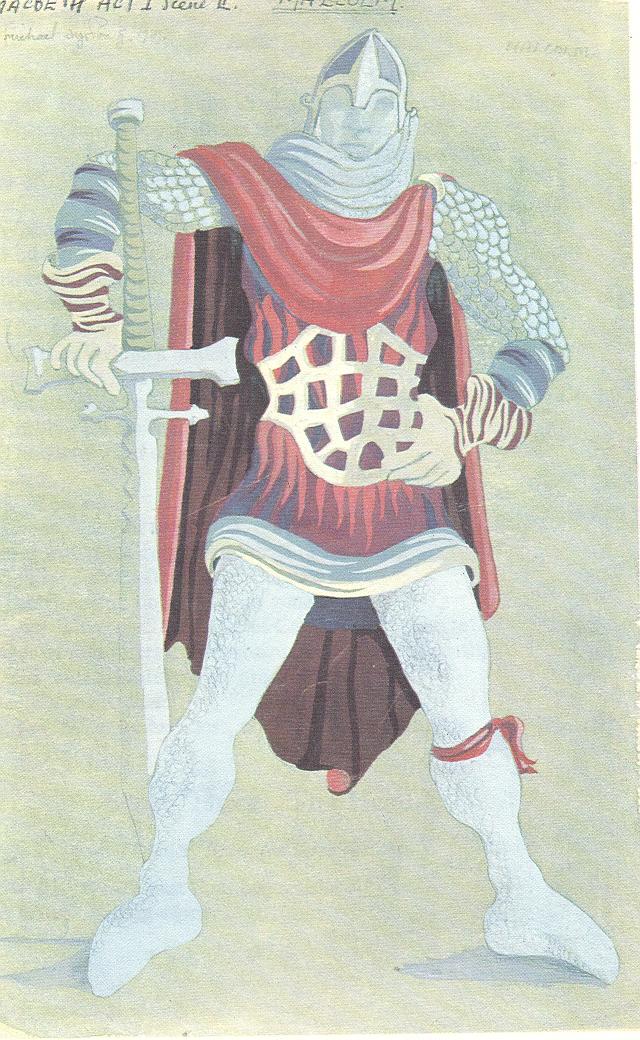
Malcolm, the son of Duncan, is welcomed into the English Court by the English King, ‘pious Edward’ (The Confessor)…

…..with such grace

That the malevolence of fortune nothing

Takes from his high respect…’

When Macduff, Duncan’s loyal henchman,  visits the English court to persuade the English to invade Scotland, it is presented as an angelic mission…

Shakespeare’s coded implication is that James’s putative invasion of England would be an angelic mission as well…

More, by gaining the throne of England, James would gain spiritual power…

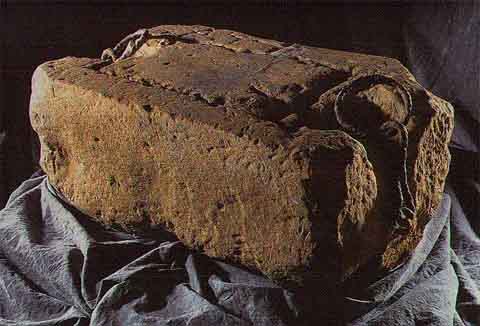
Malcolm, at the end of Macbeth, sets off to be crowned in Scone – a monastery near Perth where the Stone of Destiny was guarded by monks….

 It was reputed to be the pillow on which Jacob slept when he had his famous dream….

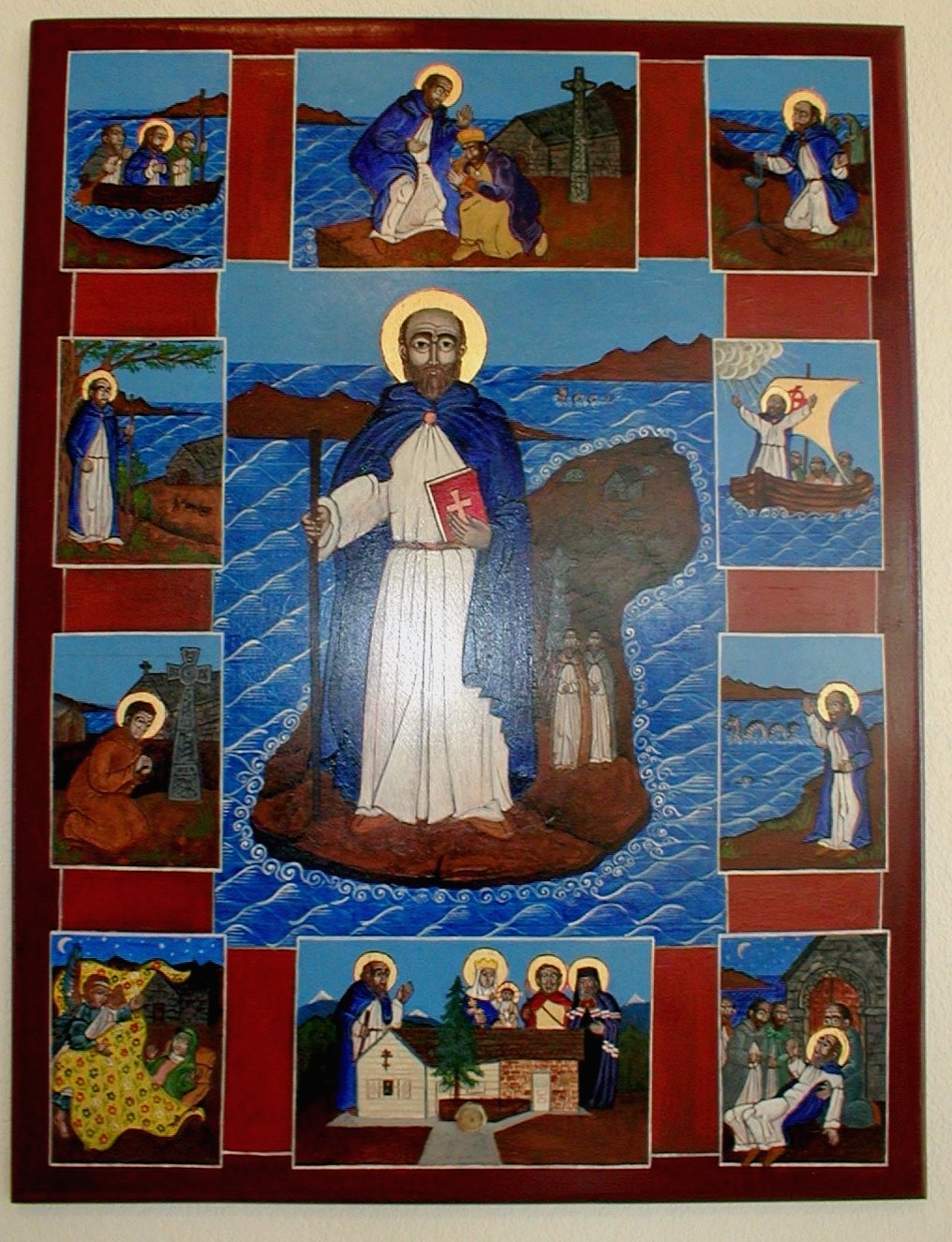
 …..and the stone which St. Columba used as a travelling altar when he converted the Scots…

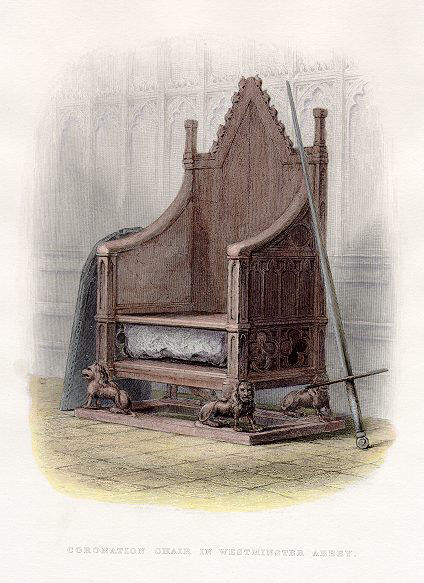
From the eleventh century, Kings of Scotland sat on the Stone when they were crowned: but in the thirteeneth century, Edward I of England invaded Scotland and took the Stone to England..

By King James’s time the Stone had been placed under the seat of the English Coronation throne….

So, by being crowned on the English throne, James would be combining mystically with all the Scottish Kings who had sat on the Stone of Destiny…

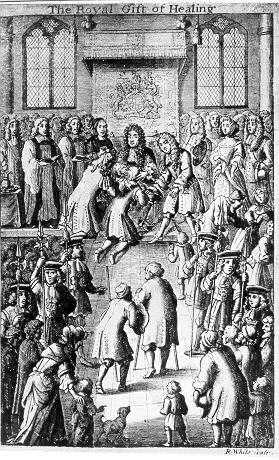
James, as King of England, would also inherit Edward the Confessor’s gift for healing scrofula…

Malcolm describes how….

……strangely-visited people,

All swol’n and ulcerous, pitiful to the eye,

The mere despair of surgery, he [Edward] cures;

Hanging a golden stamp about their necks,

Put on with holy prayers…’

Malcolm then adds….

….’tis spoken,

To the succeeding royalty he leaves the healing benediction….’

Queen Elizabeth had revived the custom of healing ‘the Evil’ and this gift was waiting for King James to claim as his own…

But how could James be certain that the invasion would be successful?

This is where the Witches….and Trixie the Cat come in….

The Trixie Lectures (III)

(It’s best to read Trixie’s I and II Witch Lectures first. Trixie has insider knowledge…)

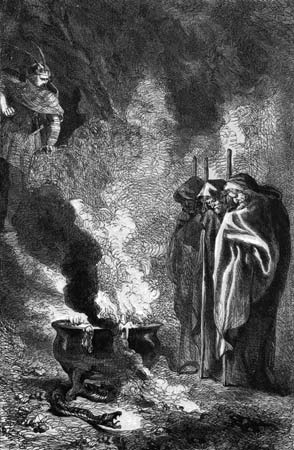
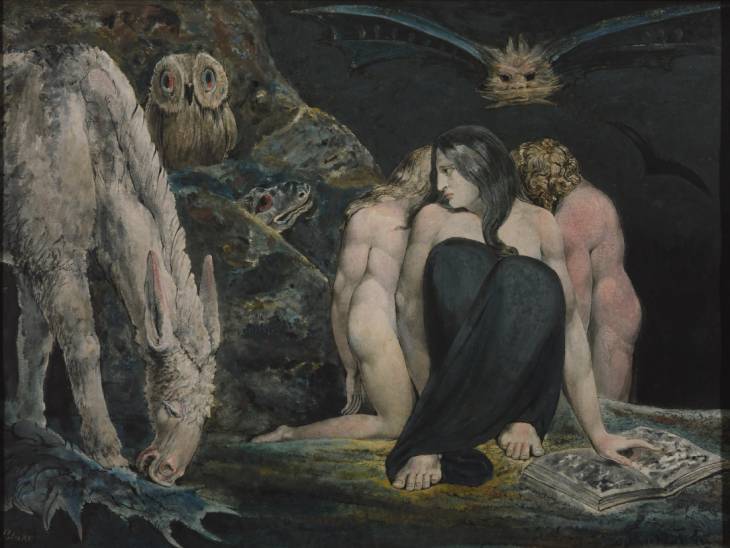
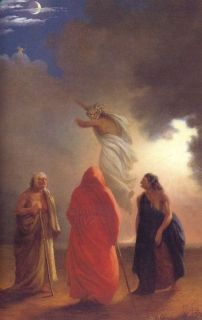
First, Brothers and Sisters of The Code, can I bring up the tricky subject of Hecate, Queen of the Witches?

Every English schoolboy and schoolgirl used to be taught that Shakespeare did NOT write the Hecate scenes in Macbeth….

They were later additions by an ‘inferior hand’….probably Thomas Middleton.

Now, The Code firmly believes that additions were made to the play after its premiere in 1599 for a revival in 1606….

The Porter scene, for example……….

……. is a satire on the trial of the Jesuit Father Garnet (codename ‘Farmer’)  which alludes to  his famous ‘equivocations’  during the Gunpowder Plot trial.

The Code also believes that Shakespeare was an arch-collaborator – especially with Thomas Nashe who has contributed to the nature of the Witches in Macbeth…

But Your Cat is of the firm opinion that Shakespeare oversaw (at least) the Hecate scenes…

By having a ‘boss’ over the witches, Shakespeare is showing that the power of the Witches was circumscribed….

One witch wants revenge on the ship’s pilot whose wife refused to share her chestnuts with her…

But admits that even though his ship can be ‘tempest-tost’ it cannot be ‘lost’

Similarly, the witches can only play with what they know to be in Macbeth’s mind already…

They cannot create his ruthless ambition from nowhere…

An idea first put forward by Nashe in his pamphlet, The Terrors of the Night…

This is in keeping with the experience and philosophy of King James….

The midwife Agnes Sampson had  ‘read his mind’: she had told him what had passed on his wedding night with his teenage bride, Anne of Denmark

Also, in Demonlogie James writes that witches are simply ‘slaves of Satan’ – as the Witches in Macbeth are slaves of Hecate…

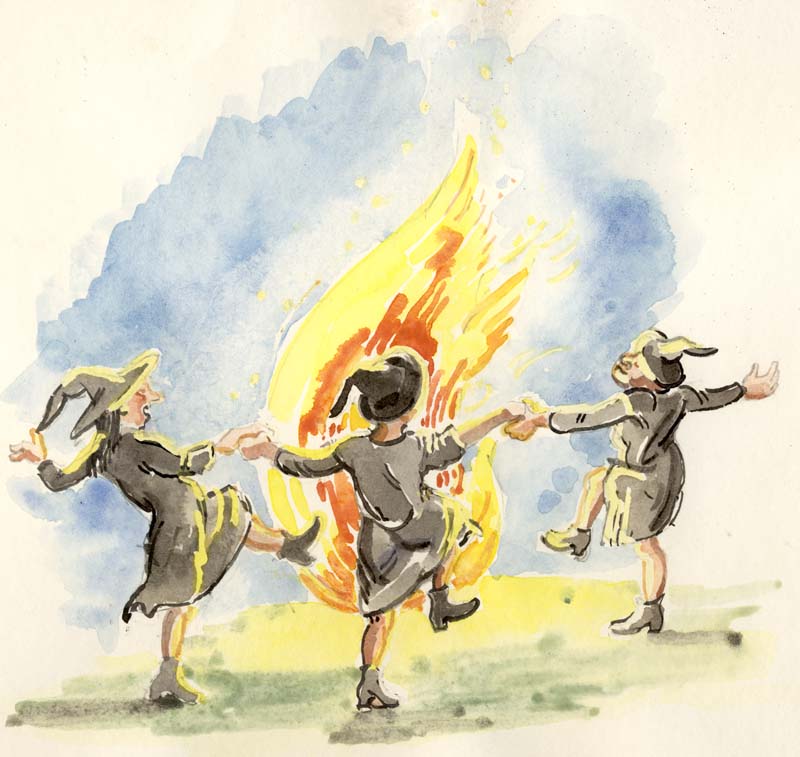
Scholars also assert that the song and dance of the witches in the coven scene are also by ‘another hand’: but as we have seen, when they were questioned by James at Holyrood House, the North Berwick witches performed for the King the reel they had danced at their Hallowe’en Sabbat….

The odds are that the first performance of Macbeth was also given at Holyrood House – possibly in the same hall where James had interrogated the original witches…

Also, when Hecate says to the witches…

But make amends now; get you gone,

And at the pit of Acheron

Meet me ‘’th’morning….

It sounds to Your Cat much like the words of another bossy supernatural, Oberon in A Midsummer Night’s Dream…

Trip away, make no stay,

Meet me all by break of day…’


The main purpose of the coven scene…..

…… is to convince James that an invasion of England would be successful and that he would establish a perpetual dynasty in Britain

(Both James and Elizabeth thought that end of the world was coming soon – so a ‘perpetual dynasty’ might not be that long…)

The first apparition Hecate and the witches summon up for Macbeth is an armed head….

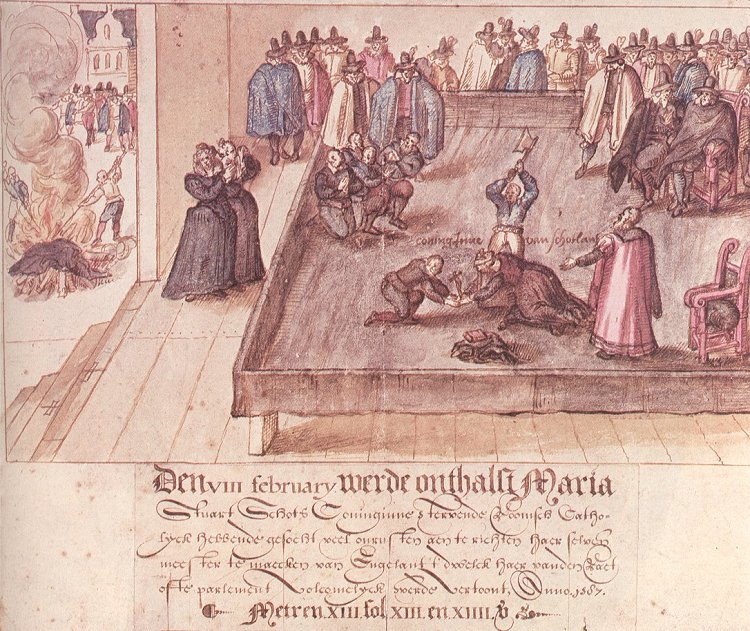
This would immediately remind James of the apparition of his mother, Mary Queen of Scots’s head which was seen floating in the air before her execution…

The other apparitions, although they mislead Macbeth through the words they say, are speaking the truth about what will happen in the future: Birnam wood does come to Dunsinane and Macbeth is killed by a man not born of woman…

This confirms James’s experience that, though they are full of trickery, witches can foretell the future. It also prepares for the political coup in the play: the speechless vision of the Kings…

The bleeding captain has said ‘Mark, King of Scotland, mark’  directly to Duncan– and obliquely to the present King of Scotland who was in the audience…

Duncan, as a former King of Scotland, was James’s spiritual ancestor.

But with Banquo, Shakespeare was writing about James’s flesh-and-blood ancestor who had founded the Stuart line….

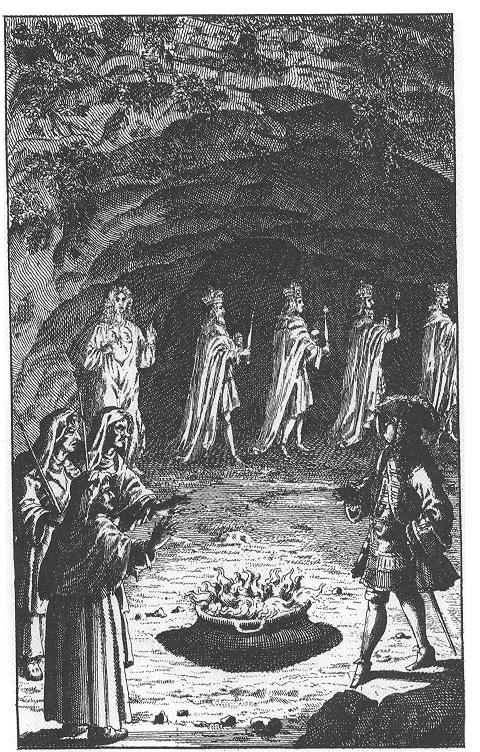
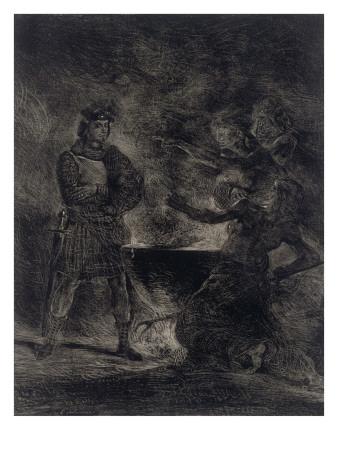
In a vision that the witches conjure up, Macbeth sees the future and James sees the past – eight Kings all looking like Banquo….

The eighth King holds a mirror which Banquo points to and Macbeth, to his horror, sees ‘many more’ some of whom carry ‘two-fold balls and treble sceptres…’

The ‘balls’ were coronation orbs – and represented the monarch’s spiritual power. The TWO orbs represent Protestantism and Roman Catholicism which, it was hoped, James would unite or at least allow to co-exist.

The treble sceptres represent the thrones of England and Scotland. The Scottish King was always crowned with one sceptre, the English King with two…

So, along with prophesies in the play that prove to be true, Shakespeare has added a prophesy about life itself ….

That James’s invasion of England would be victorious, that he would unite England with Scotland and Protestantism and Roman Catholicism and the Stuart line would stretch to the end of time…

But canny James was buying none of it!

He was in his early thirties: the Queen was in her late sixties and in poor health.

James knew that by waiting a few years he would have the throne of England without risking a hair of his head.

An invasion was much more in the interests of the Gang of Four than it was for him…

As indeed proved the case….

Just over a year later the Earl of Essex lost his head…. 


© Trixie the Cat. October, 2011.


Read Full Post »

(It is best to read ‘Macbeth’ Decoded. Parts One, Two, Three  and Four first).

THE STORY THUS FAR…..

The Gang of Four – the Earls of Southampton and Essex, Lady Penelope Rich and her lover, Lord Mountjoy –  have commissioned Shakespeare to write The Tragedy of Macbeth.

Its purpose is to persuade King James VI of Scotland to invade England and seize the throne from Elizabeth. By doing so, James would…

1. Ensure his Succession.

2. Destroy the power of The Fox and The Ape (Sir Walter Raleigh and Sir Robert Cecil).

3. Free the Earl of Essex from house arrest, and..

4. Free England itself from the ‘tyrannous’ reign of Elizabeth Tudor.

King James is to ride to the border of England at the head of the Scottish army. Mountjoy is to join him there with half the English army which he will bring over from Ireland.

They will then invade England…

The main problem with the plan was James himself.

Timid and shy, he would scream if anyone drew a sword in his presence….

So, Shakespeare’s aim in writing Macbeth was to show King James that war was glorious, and that an invasion of England would be morally correct…

Shakespeare had written Henry V earlier in the year (1599) and Macbeth does for Scottish patriotism what Henry V had done for English patriotism. 

The play is not only set in Scotland: events themselves are seen from a Scottish perspective. The Norwegians are the enemy and anyone who opposes the Scottish King Duncan is automatically a ‘rebel’…

This confirms The Code’s conviction that the play was first written for a Scottish audience.

(No mention is made, of course, of King Duncan’s other true-life enemy, Denmark, as James now had a Danish wife.)

War is shown in the play as an opportunity to display both bravery and loyalty. 

Macbeth the soldier……

……without hesitation, ‘unseams’ the rebel Macdonwald ‘from the nave to the chops’ [navel to chin] then cuts off his head and fixes it on the castle’s battlements.

For this he is rewarded by King Duncan with a new title and he enjoys  (briefly, before he enters the world of politics) the ‘golden opinions’ of his countrymen and women…

By implication, these ‘golden opinions’ would also be won by King James if he were to invade England…

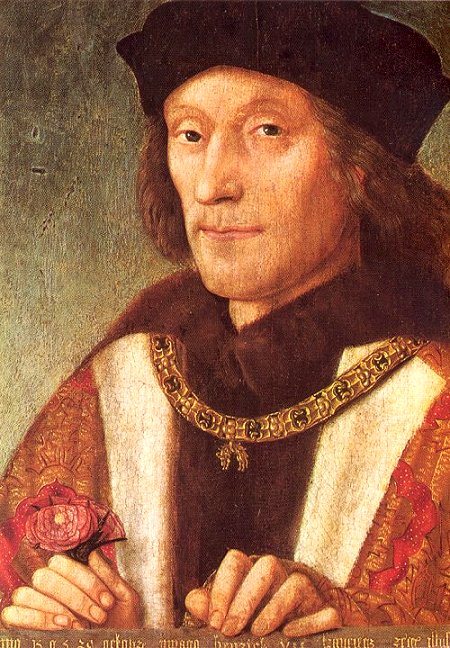
But Shakespeare needs to convince James of the rightness of the action: Queen Elizabeth, after all, was related to James through King Henry VII….

Elizabeth herself was also an anointed monarch and James believed in the Divine Right of Kings.

Shakespeare sets about his task by employing one of his codes…

Although Macbeth is set in the past, it is really about the present…

Scotland is really England.  And England is really Scotland…

The murder of the saintly King Duncan, when a guest in the home of the Macbeths, is a coded re-run of the execution of James’s mother, the bewitching Mary Queen of Scots….

…..when she had been a ‘guest’ in the land of Queen Elizabeth.

Lord and Lady Macbeth, as the play progresses, begin to embody many of the characteristics of Queen Elizabeth which James would have recognised instantly…

1. Her hesitation….

Macbeth hesitates before killing Duncan, weighing up the pros and cons……

He’s here  in double trust:

First, as I am his kinsman and his subject,

Strong both against the deed; then as his host,

Who should against his murtherer shut the door,

Not bear the knife myself….

Elizabeth, described by contemporary historian, William Camden, as ‘a woman naturally slow in her resolutions’….

 …..dithered about the execution of Mary Queen of Scots in the same way…

In the midst of these doubtful and perplexed thoughts, which so troubled and staggered the Queen’s [Elizabeth] mind that she gave herself over wholly to solitariness, sat many times melancholic and mute and frequently sighing muttered to herself, ‘Aut fer aut feri’ – either bear with her or smite her… And ‘ne feriare, feri’ – Strike lest thou be stricken….

 2. Her assumption of a masculine role…

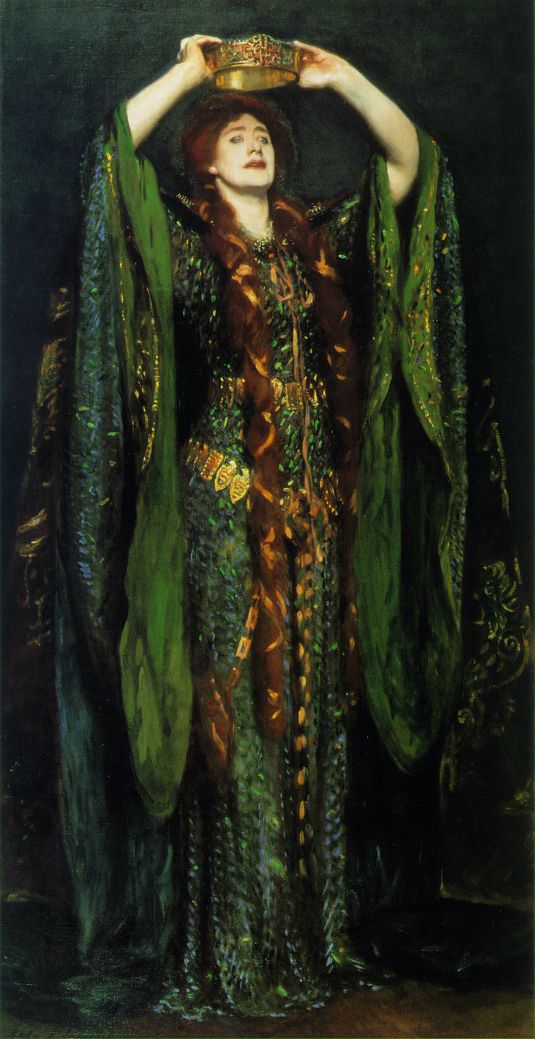
Lady Macbeth asks the ‘spirits/That tend on mortal thoughts’ to ‘unsex’ her and ‘fill’ her

…from the crown to the toe, top-full

Of direst cruelty…

Elizabeth would often refer to herself as a ‘Prince’ and in 1560 said to the Swedish Ambassador…

I have the heart of a man and I am not afraid of anything…. 

Camden describes how, at the time of the Armada, ‘with a masculine spirit’ she…

….. took a view of her army and camp at Tilbury, and riding about through the ranks of armed men drawn up on both sides her, with a Leader’s truncheon in her hand, sometimes with a martial pace, another while gently like a woman, incredible it is how much she encouraged the hearts of her captains and soldiers by her presence and speech to them….

3. Her belief in fortune-telling…

Macbeth seeks out the witches to ask them more about the future…. 

He ends up by believing in their predicitons completely…

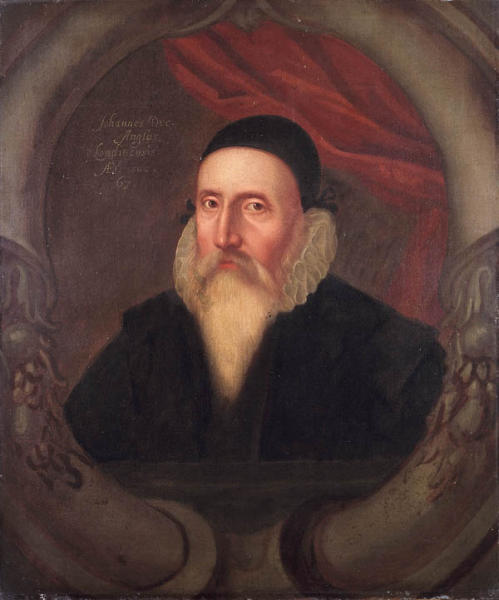
Elizabeth, to learn about the future, would often consult the Mortlake Magus, Dr. John Dee….

He calculated the most auspicious time for her coronation….

 …and interpreted her dreams for her.

In 1577 (the year he predicted the founding of the ‘incomparable British Empire’) he protected Elizabeth from the Tudor equivalent of voodoo magic. 

A Roman Catholic priest-cum-sorceror from Islington had been sticking pins into a wax image of the Queen… 

4.  Her blame-shifting….

Lord and Lady Macbeth put the blame for Duncan’s murder on the two innocent grooms who were guarding the King…

Elizabeth put the blame for the execution of Mary Queen of Scots on her innocent secretary, William Davison…

5. Her use of hit-men….

Macbeth hires two, then three, murderers to kill Banquo.

Elizabeth ordered  Sir Amias Paulet and Sir Drue Drury to murder Mary Queen of Scots in secret.

The gentlemen declined, to Elizabeth’s fury…

She claimed they were lacking in ‘zeal and care’.

6. Her fear of loud noises….

Lady Macbeth is terrified by the shrieking of an owl and Macbeth by the knocking at the gates.

He asks…

How is’t with me when every noise appals me?

Alison Weir, Elizabeth’s brilliant biographer, tells us the Queen was startled by ‘loud noises’.

(Elizabeth the Queen, p. 231.)

7. Her propensity to fits….

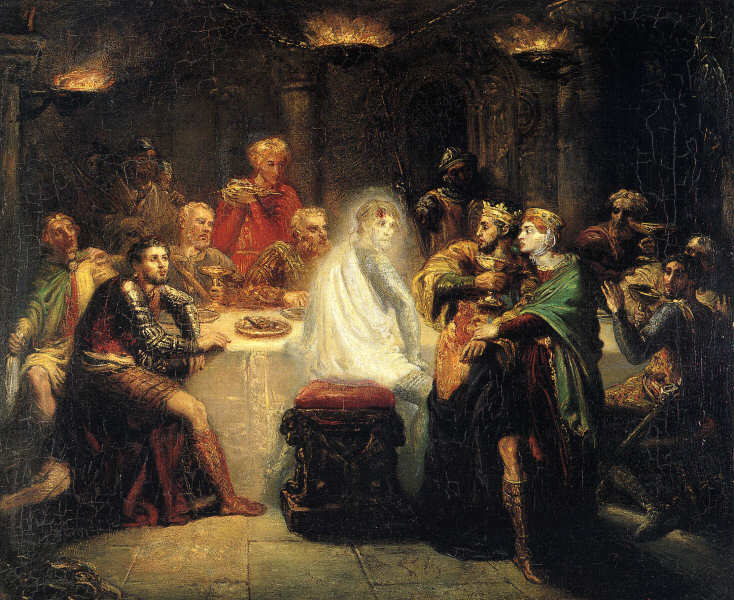
Macbeth suffers a fit when he sees the ghost of Banquo at the feast….

Lady Macbeth says to the guests…

…My Lord is often thus,

And hath been from his youth: pray you, keep seat;

The fit is momentary; upon a thought

He will again be well…

Elizabeth suffered, from youth, from similar fits. She would lie, unconscious and speechless, for hours on end and would often swoon through sheer rage…

On 30 June, 1586, the year before the execution of Mary Queen of Scots, the Spanish Ambassador reported to Philip II how…

…when the Queen was going to Chapel, as usual in full magnificence, she was suddenly overcome with a shock of fear, which affected her to such an extent that she at once returned to her apartments, greatly to the wonder of those present…

8. Her bad dreams….

Macbeth talks about…

…these terrible dreams

That shake us nightly….

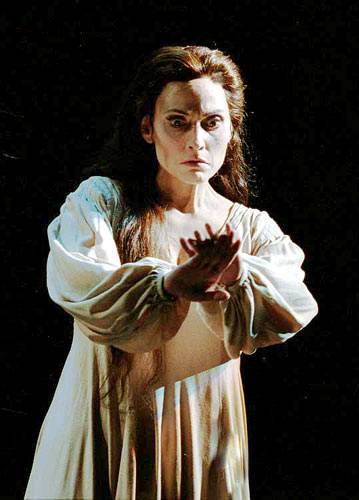
…and Lady Macbeth sleepwalks, trying to wash Duncan’s blood from her hands as she exclaims….

Out, damn’d spot….

 Elizabeth suffered from ‘terrible dreams’ before the execution of Mary Queen of Scots.

After she had sent orders to Paulet to murder the Scottish Queen….

…..she was awakened by a violent shriek from the lady who always slept in her bedchamber. The Queen asked her ‘what ailed her?’ She answered, ‘I dreamed that I saw the hangman strike off the head of the Queen of Scots; and forthwith he laid hands on Your Majesty, and was about to behead you as well, when I screamed with terror.’  The Queen exclaimed, ‘I was at the instant you awoke me, dreaming the very same dream’…

 [From The History of the Life and Death of that Excellent Princess, Queen Elizabeth; to which is added the Trial, Sufferings and Death of Mary Queen of Scots’. Quoted by the Victorian historian, Agnes Strickland.]

10. Her isolation and depression…

Macbeth seperates himself more and  more from his fellow beings – even his wife – and on hearing of her death, utters words of overwhelming despair…

Tomorrow and tomorrow and tomorrow

Creeps in this petty pace from day to day

To the last syllable of recorded time

And all our yesterdays have lighted fools

The way to dusty death. Out, out, brief candle!

Life’s but a walking shadow, a poor player

That struts and frets his hour upon the stage

And then is heard no more. It is  a tale

Told by an idiot, full of sound and fury,

Signifying nothing…

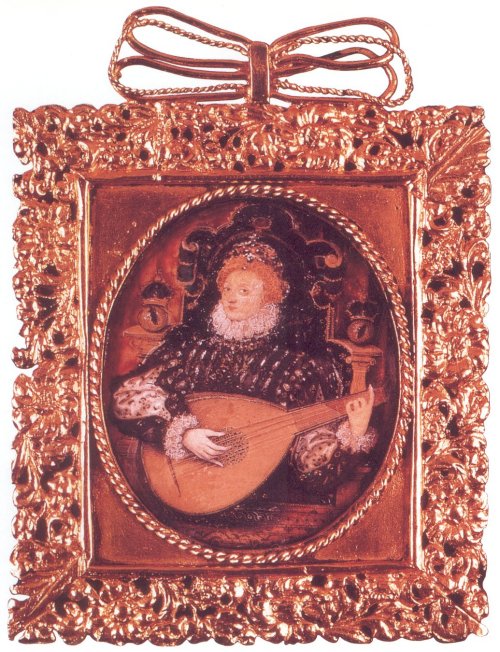
Elizabeth (who would these days be described as an ‘abused child’) suffered severe bouts of depression all her life. She would stay alone in her room trying to ‘shun melancholy’  by playing the lute…

….or the virginals, which, she claimed, she had never played before a man… 

After the execution of Mary, Queen of Scots, in 1587 and the deaths, in the following year, of her lover, the Earl of Leicester….

 ……and the only man who could ‘un-dumpish’ her, her jester, Richard Tarleton….

……Elizabeth’s depressions became acute.

Lord Burghley, on one occasion, had to smash down the doors of her bed-chamber to get her to eat…

And for the next seven years, Foreign Ambassadors were banned from the Court.

They might have reported on the true state of the Queen’s health….

11. Her propensity to ‘play-act’…

When the murder of King Duncan is discovered, Lady Macbeth, feigning grief and surpise, exclaims…

What! in our house?

….a response so unnatural that a suspicious Banquo remarks…..

Too cruel, anywhere…’

Lady Macbeth then proceeds to suffer a fainting fit…

Elizabeth had knowingly signed Mary Queen of Scots’s death-warrant. She had even joked about it with her secretary, Davison.

But, according to the Regency historian, Lucy Aikin, Elizabeth…

….heard the news of Mary’s death with great indignation, her countenance altered, her speech faltered and failed her and through excessive sorrow she stood in a manner astonished; insomuch that she gave herself over to passionate grief, putting herself into mourning habit and shedding abundance of tears….

The same day that the people of London heard that this Queen [Mary Queen of Scots] had been beheaded, they made bonfires as though England had gained some victory. Elizabeth, having put her head out of the window, demanded to know what the bonfires meant. She was told it was because of the death of Queen Mary; to which she replied with strange hypocrisy and as though greatly surprised. ‘What, is the Queen my sister dead? And who has put her to death? They have deceived me then’….

Kendra Baker (who gets his information from the seventeenth century satirist, Gregorio Leti) writes:

One nobleman who was present [at Elizabeth’s reaction to the execution] could not help saying, ‘See, there, the very trick of a play-actress’…

And even the loyal Camden admits he doesn’t know if Elizabeth’s tears were feigned or not. 

Neither, probably, did Elizabeth…

 12. Her tyranny…

Macbeth is referred to as a ‘tyrant’ FIFTEEN TIMES in the play…

Elizabeth was also accused of ‘a barbarous and cruel tyranny’ by an anonymous notice placed on Mary Queen of Scots’ s tomb in Peterborough Cathedral.

But, most important, Elizabeth is described as a ‘tyrant’ by Shakespeare himself…

 In Sonnet 107 Shakespeare describes how ‘the mortal moon’ [Elizabeth] has ‘endured her eclipse’ [died]…

The Earl of Southampton, however, made immortal by Shakespeare’s verse, will still have a ‘monument’…

When tyrant’s crests and tombs of brass are spent…

Elizabeth’s tomb in Westminster Abbey was surrounded by brass railings. She was certainly one of the ‘tyrants’….

12 (a).  Her contempt for conventional medicine…

Macbeth asks the doctor about the state of health of his wife, the Queen….

The Doctor replies that it is her  ‘thick-coming fancies’ that keep her from sleeping.

Macbeth then asks the Doctor whether he can…

….minister to a mind diseas’d,

Pluck from the memory a rooted sorrow,

Raze out the written troubles of the brain,

And cleanse with some sweet oblivious antitdote

Cleanse the stuff’d bosom of that perilous stuff

Which weighs upon the heart?

 To which the Doctor replies:….

Therein the patient

Must minister to himself…

Macbeth  responds by saying…

Throw physic [medicine] to the dogs…’

Elizabeth used to say that…

Abstincence [from rich food as well as wine] was the noblest part of physic…

She refused all ‘purgations’ (a standard treatment for women) and even in her final illness, William Camden tells us that…. 

….she refused all use of physic as she had always done…..

The action of Macbeth shows that Lord and Lady Macbeth are bloodthirsty usurpers of the Scottish throne who deserve to die…

The implication is that Elizabeth is a bloodthirsty usurper of the English throne who deserves to die as well.

She had usurped it from Mary Queen of Scots…

But James not only needed convincing that an invasion of England would be morally right….

He also needed convincing it would be successful and advantageous as well….

●●●

(It’s best to read ‘Macbeth’ Decoded. Part Six‘ now.)

Why not subscribe to The Shakespeare Code and be first with the updates?

Read Full Post »
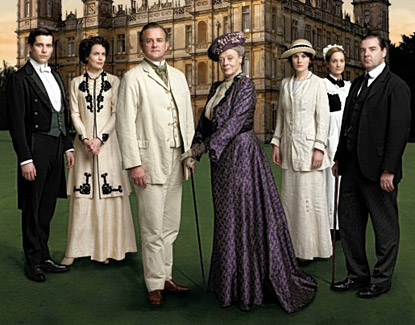
The Shakespeare Code is delighted to announce that on Sunday 16 October, 2011, shortly after the transmission of Downton Abbey…..

'Let's all get out of this clobber and read the latest instalment of 'The Shakespeare Code''

 ….The Code received its….

9,000th VIEW!!!

12 October, 2011 was its BEST DAY EVER at ….

154 VIEWS….

Brothers and Sisters of the Code, from all over the world, we thank you….

We are working night and day to bring you the next thrilling instalment of ‘Shakespeare in Scotland’…

MACBETH DECODED!!!

But now a word from Trixie the Cat….

Brothers and Sisters of The Code – why not become Subscribers?

Why not be notified by e-mail EVERY TIME THERE IS AN UPDATE TO ‘THE SHAKESPEARE CODE’?

It’s completely free….

Simply open ‘Leave a Comment’ at the bottom of the page,  write ‘Send updates’ in the ‘Enter your comment’  box that opens and tick ‘Notify me of new posts via e-mail’. Then click the  ‘Post Comment’ button.

You will be sent an e-mail to confirm you want to be a subscriber.

(You can ‘Unfollow’ at any time…)

THEN YOU’LL BE THE FIRST KID ON THE BLOCK WITH ALL THE HOT SHAKESPEARE NEWS!!!

‘Bye, now…

Read Full Post »
« Newer Posts - Older Posts »