Feeds:
Posts
Comments

Archive for September, 2011

(It is best to read ‘Macbeth’ Decoded. Part One first).
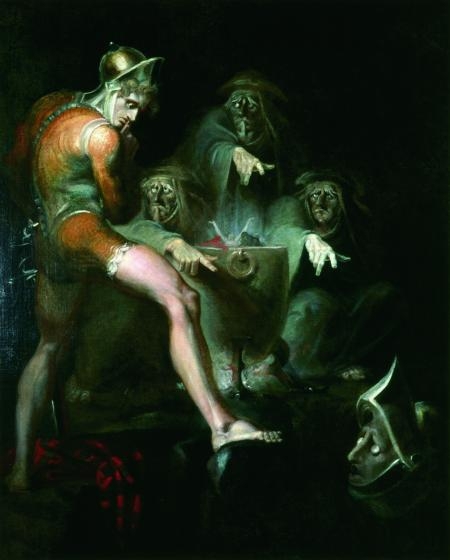
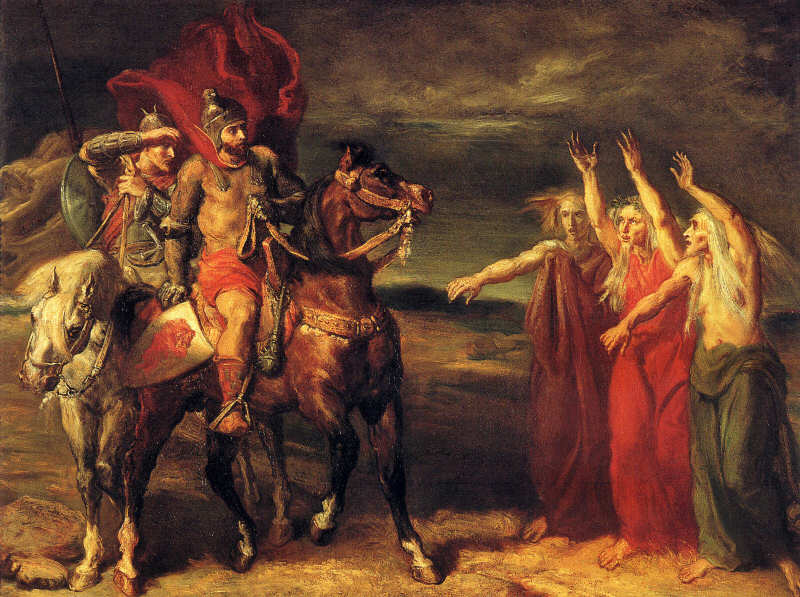
Macbeth and the Weird Sisters

The Shakespeare Code is of the firm opinion that William Shakespeare (in collaboration with Thomas Nashe) wrote The Tragedy of Macbeth in Edinburgh in 1599.

His intention was to persuade King James VI of Scotland….
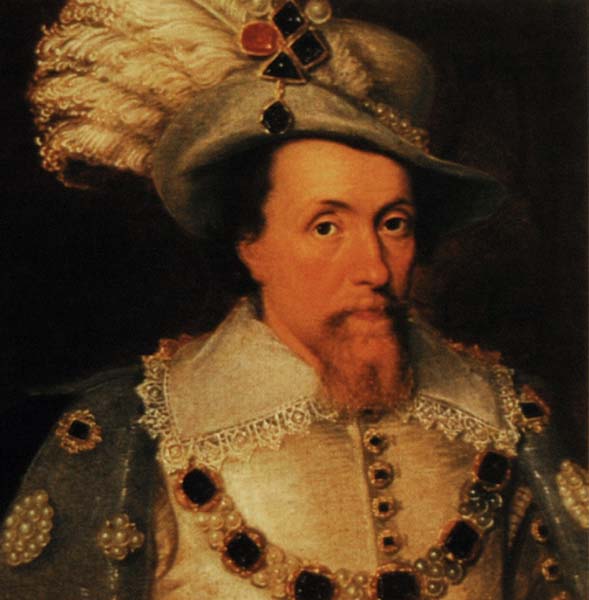
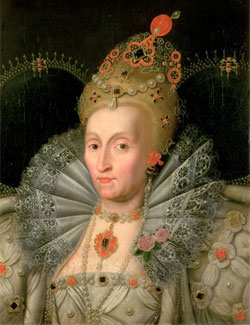
 ….to invade England and seize the throne from Queen Elizabeth…..
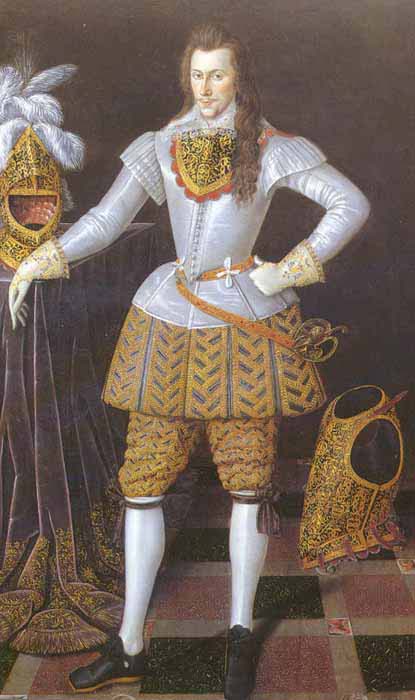
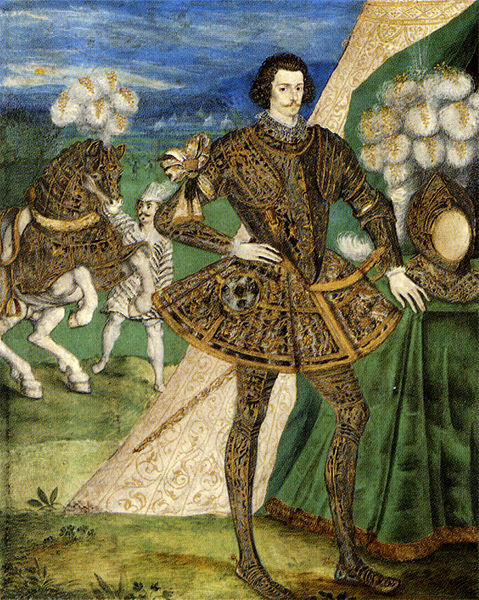
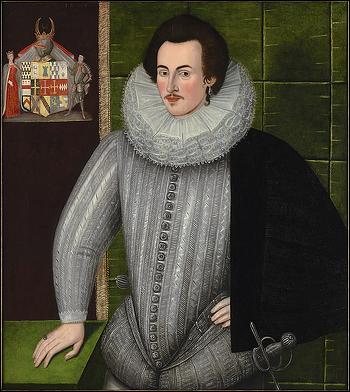
Shakespeare had been commissioned by ‘The Gang of Four’ – the Earls of Southampton and Essex, Penelope Rich and her lover Lord Mountjoy.

All of them had been terrified by the house-arrest of Essex on his return from Ireland..

And all of them had been communicating with James, in code, for a year or so…

Penelope (codename ‘Rialta’) had even sent him a miniature of herself…


James’s code name was ‘Victor’…

Victor over Elizabeth….

Shakespeare and Nashe would have received a warm welcome from King James. He loved English actors and had asked Elizabeth to send a troupe to Scotland in 1590 to celebrate his return with his teenage, Danish bride, Anne….

He requested actors again in 1594 to celebrate the baptism of his son, Prince Henry. He had envisaged a Court masque in which a lion appeared, pulling a chariot. He had to abandon the plan because it was thought the lion might frighten the ladies of the Court…

Shakespeare, of course, sends all this up in A Midsummer Night’s Dream. Snug the joiner tells the women in the audience not to be afraid of the lion in the Pyramus and Thisbe play: it’s only him in a costume…

James had a favourite English actor called Laurence Fletcher who probably played Macbeth. When it was falsely reported Fletcher had been hanged in England, James threatened to hang Elizabeth’s agent in Scotland in retaliation.

Also, James, unlike Elizabeth, was gay-friendly…

He had suffered an appalling childhood. He was parted from his mother, Mary Queen of Scots, as a toddler….

 …..then fed milk mixed with alcohol by his drunken nurse and whipped black and blue by his sadistic, Calvinist tutor, George Buchanan…
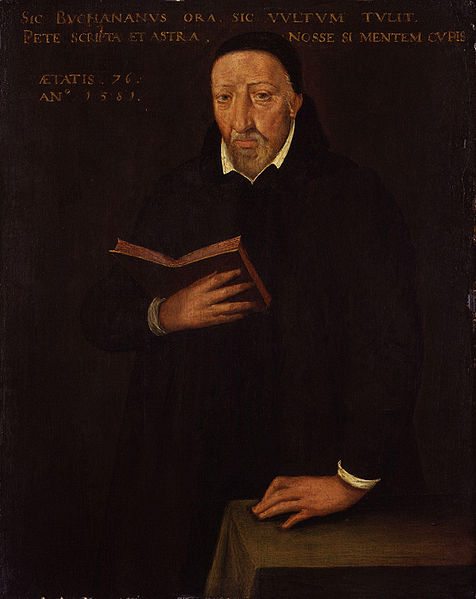
James didn’t learn to walk till the age of five because, as King of Scotland, he was carried everywhere by flunkies.

But, as a teenager….

……he found love.

The 37 year old Catholic French aristocrat, Esmé Stuart, handsome and cultivated….

…… whisked the lonely, young King off his feet.

James created him Earl, then Duke, of Lennox and would openly kiss and embrace him.

In defiance of his tutor, Buchanan (who thought that bad Kings should be kicked out) James adopted Lennox’s French belief that the monarch’s power was absolute.

Lennox also introduced James to Catholics and Jesuits in France and Spain. This led many to suspect that James, who claimed to be a Protestant, was in reality a closet Papist. He had, after all, been baptized a Catholic by his mother….  

She had, however, forbidden the old unhygienic practice of the priest’s spitting down the baby’s thoat…

The Protestants, fearing the power of Lennox over the King, put James under house arrest at Ruthven Castle. Lennox was forced to flee from Scotland and died, the following year, back in his native France.

His embalmed heart was sent back to James who, still incarcerated, wrote the poem Ane Metaphorical Invention of a Tragedy called Phoenix about his love for the French aristocrat…  

James in the poem  compares Lennox to a lovely bird that has winged its way from Arabia to Scotland to be tamed and loved by the King. Unfortunately the other birds become jealous of the Phoenix and attack it. James defends it until he drips with blood and eventually the Phoenix flies away, to die in a foreign land…

This poem was later to inspire Shakespeare’s poem The Phoenix and the Turtle about Shakespeare’s love for another, exotic aristocrat, the Earl of Southampton

Lennox was the first of many male lovers of James. An English envoy observed in 1588…

[James] gives to everyone that asks, even to vain youths and proud fools, the very lands of his crown or whatever falls, leaving himself nought to maintain his small, unkingly household…’

And in 1589 described James as…

 too much carried by young men that lie in his chamber and are his minions’.

James also surrounded himself with artists and musicians, known as the Castalian Band….

No wonder gay poet Christopher Marlowe wanted to emigrate to Scotland!

But James did enjoy the occasional heterosexual fling…

And he did father three surviving children….

The arrival of Shakespeare and the actors in 1599 helped James in his power  struggle with the Presbyterian church.

As William Guthrie of Brechin wrote in 1767…

[Shakespeare’s] drama, which finds access at this day, to the most insensible hearts, had no charms in the eyes of the Presbyterian clergy. They threatened excommunication and church censures to all who attended the playhouse [so] many forbore to attend the theatrical exhibitions.  James considered the insolent interposition of the clergy as a fresh attack upon his prerogative, and ordered those who had been most active in it to retract their menaces; which they unwillingly did: and we are told that the playhouse was then greatly crowded.’

James would have been delighted with his victory and would have paid close attention to Shakespeare’s new play, Macbeth….

He would have known it was another coded message from The Gang of Four…

The Gang thought there was a good chance James would go along with their invasion plan because….

1.  It would be an official ‘revenge’ for Queen Elizabeth’s execution of his mother, Mary Queen of Scots, in 1587. At the time the Scottish Parliament had dropped to its collective knees to beg James to avenge the English ‘Jezebel’s’ insult to the Scottish nation…
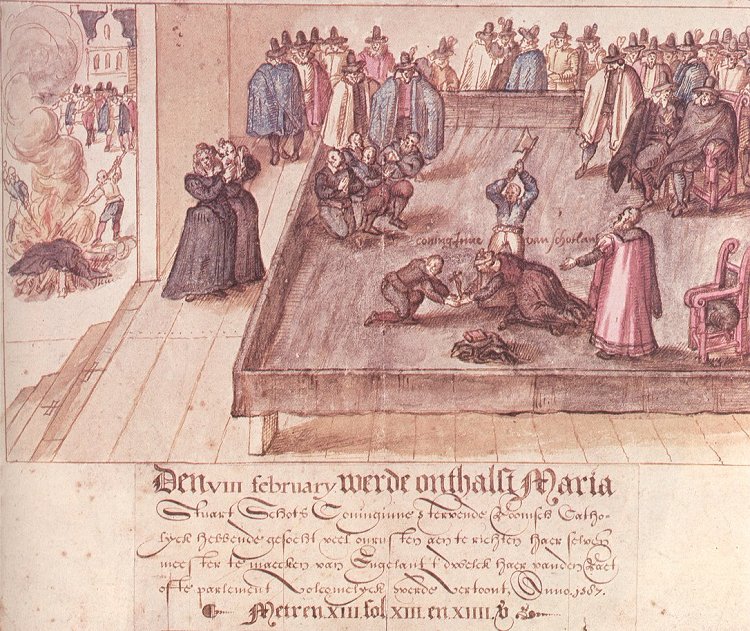
(James had been secretly delighted by the beheading of his mother. She would always have been a threat to his kingship and had planned to have her son kidnapped and sent to Rome).

2. An invasion would fulfil Queen Mary’s hopes that her son would be the first person to unite England and Scotland. At the time of the Armada victory, James had started to write about ‘The Isle’ rather than England and Scotland.

Queen Mary had also hoped James would bring a united Britain back to Rome.

3. An invasion would allow James to escape the dour Calvinism of John Knox’s Scotland and make ‘Merrie’ (and sexually lax) England his home.

4. An invasion would stop Isabella of Spain becoming Queen of England when Elizabeth died. France and Spain had made a sinister peace in 1598…

5. An invasion would also allow James to assassinate Elizabeth – something he was rumoured to have attempted twice before, once in the previous year.

But The Gang also feared James might reject the plan because…

1. He was a coward. He would faint if anyone drew a sword from its sheath and advised his son to wear light armour in battle so he could run away.

This fear may have originated in the womb. Three months before his birth,  his mother Mary, with a gun pointed at her chest, had witnessed the frenzied stabbing (fifty-three times) of her Italian ‘secretary’, David Rizzio….

2. James believed, as a result of his affair with Lennox, in the Divine Right of Kings. Even a ‘tyrant’ like Elizabeth might be fulfilling some plan of God….

3. James had blood-ties, through King Henry VII, with Queen Elizabeth which made killing her a problem. She was ‘family’.

4. James believed that the English despised the Scots and despised him in particular. In 1596 his agent wrote a letter to Queen Elizabeth complaining that actors were mocking James – and the Scottish people – on the London stage.

The English and the Scots had been enemies for centuries.

Some think they still are…

So Shakespeare (and The  Gang’s) aim was to demonstrate to James that it was GOD’S PLAN that he should:

1. Reign over both England and Scotland.

2. Unite the Protestant Church with the Catholic Church.

3. Replace Queen Elizabeth.

4. Kill her, if necessary, and…

5. Turn Scotland and England into allies.

James believed, along with many of his contemporaries, that time was cyclical.

As he wrote to his son, Prince Henry, in Basilkion Doron, in 1597….

By reading of authentic histories and chronicles, you shall learn experience by theoric, applying the by-past things to the present estate, quia nihil nunc dici aut fieri, quod non dictum and factum fit prius: [since nothing is spoken or done which has not been spoken or done before] such is the continued volubility of things earthly, according to the roundness of the world, and volubility of the heavenly circles, which is expressed in the wheels in Ezekiel’s vision, and counterfeited by the poets in rota fortunae [the wheel of fortune]…’

The Vision of Ezekiel by William Blake

So, by writing about the past, Shakespeare was commenting directly on the present.

Also, by writing about Banquo , Shakespeare was commenting directly on James.

Banquo, though never a King himself, had fathered the Stuart line….

As we shall see when we examine Macbeth itself…

 (It’s best to read ‘Macbeth’ Decoded. Part Three now.)


Read Full Post »

Brothers and Sisters of The Shakespeare Code…

Last month (August, 2011) we were delighted to announce that The Code had broken the 1,000 views a month barrier.
This month (September, 2011) we are even more delighted to announce that we have….

DOUBLED OUR FIGURES!

This morning (29 September, 2011) our views for the month stand at 2009…

Our best ever day was two days ago (27 September) when The Code received 120 Views….

It is wonderful to know that there are so many intellectually curious men and women stretched across the globe….

For this relief, much thanks…..

IN VINCULIS, INVICTUS!

Read Full Post »

On 23rd September, 2011, The Shakespeare Code received its 7,000th View!

Thank you, Brothers and Sisters of The Code….

Southampton Roses

The Code has also learnt, through a personal communication, that it has an ESTABLISHED FRENCH READERSHIP!

This means there are now 23 PARTICIPATING NATIONS….

AT LEAST!!!

For a week or so in the Summer, Google informed The Code from which country inquiries were coming. Now, for some reason, this data is no longer passed on to us…

So, if the flag of your country does not appear on our list (see The Shakespeare Code Salutes the Nations ) let us know….

AND WE WILL FLY IT FOR YOU!

In the meantime………..

VIVE LA BELLE FRANCE!!!

Le jour de gloire est arrivé…..

Read Full Post »

William Guthrie of Brechin, the eighteenth century Scottish historian, wrote:

The King [James VI of Scotland], to prove how thoroughly he was now emancipated from the tutelage of his clergy, desired [Queen] Elizabeth to send him this year [1599] a company of English comedians. She complied, and James gave them a licence to act in his capital, and in his court.  I have great reason to think that the immortal Shakespeare was of the number….

The Shakespeare Code concurs….

It believes that William Shakespeare was in Edinburgh in the autumn and winter of 1599…

THE GANG OF FOUR  (plus Shakespeare)

As Brothers and Sisters of the Code well know, Shakespeare was deeply involved in the affairs of his patron and lover, Henry Wriothesley, the third Earl of Southampton…

….who in turn was deeply involved in the affairs of his best friend, Robert Devereux, the second Earl of Essex….

…..whose sister, the lovely Penelope Rich….

…..was deeply involved in the affairs of her lover Charles Blount, the eighth Lord Mountjoy…

….who, as a former lover of Queen Elizabeth, was deeply involved in the affairs of all the others….

Apart from friendship, another emotion bound the Gang of Four together…

FEAR!

Queen Elizabeth refused to name her successor, and the Gang worried that when she died either…

  1. Civil War would break out again or, worse…
  2. A Foreigner would lay claim to the throne.

Either way, the Gang of Four would be politically vulnerable, so they wanted King James VI of Scotland (not too Foreign) to become King of England as well….

As the son of the Roman Catholic Mary Queen of Scots, James was ‘Catholic-friendly’. This suited Southampton (who was a recusant) and the rest of the Gang (who wanted religious tolerance).

In 1598, Essex and his sister Penelope started to write secretly, in code, to King James.

Queen Elizabeth became ‘Venus’ and Essex ‘the Weary Knight’ – weary of trying to satisfy the massive sexual desires of the aging queen….

To complicate matters, Essex’s arch-enemies, Sir Walter Raleigh, ‘The Fox’….

…and the round-backed Sir Robert Cecil, ‘The Ape’…

…were trying to destroy Essex’s influence over the Queen.

They encouraged Elizabeth, against her instincts, to appoint Essex as Lord Deputy of Ireland.

She wanted to keep her current lover, Essex, at Court and send her old toy-boy, Mountjoy, across the Irish Sea instead.

‘The Fox’ and ‘The Ape’ hoped that…

  1. Essex would fail, as everyone else had done, to crush the ‘rebels’ in Ireland, and..
  2. While he was away they could bad-mouth him at the English Court.

Essex in Ireland didn’t do himself any favours….

He appointed Southampton as his General of Horse – against Elizabeth’s express wishes – and held treasonous meetings with his Irish enemy, the charismatically devious Hugh O’Neil, the second (or some say third) Earl of Tyrone…

To crown it all, Essex abandoned his post in Ireland and rushed, unannounced and covered in mud, into the Queen’s morning bedchamber….

Essex was put under house arrest in September 1599 and the Queen appointed Lord Mountjoy as the new Lord Deputy of Ireland.

It looked as though ‘The Fox’ and ‘The Ape’ had triumphed.

The Gang of Four conceived a daring plan…

King James would march, at the head of an army, to the Borders of Scotland…

There he would publish an open letter to the English government of his right to the Succession…

If his demand was refused, he would invade….

Mountjoy would bring over from Ireland one half of the Queen’s army to support James’s troops…

To persuade James to take part in this audacious scheme, the Gang of Four sent William Shakespeare and Thomas Nashe to Edinburgh in October 1599 – along with the troupe of actors that James had so conveniently requested…

The two men wrote a Court entertainment for the Scottish king….

It was called The Tragedy of Macbeth….

Now read: ‘Macbeth’ Decoded. Part Two. The Background to ‘Macbeth’.

TRIXIE THE CAT SAYS….

If you liked this post, then why not read Shakespeare in Titchfield, or Shakespeare in Italy, or even Shakespeare, The Movie I.

But don’t forget to read Your Cat’s review of Eddie Linden, (F. S. C.‘s) fantastic new collection of verse ‘A Thorn in the Flesh’ and order it (a snip at £7.50) from its delightful publishers, Emily and Susan Johns, at Hearing Eye – books@hearingeye.org

Don’t forget to say that Trixie sent you!

Bye, now…


Read Full Post »

by

Trixie the Cat

THE TRIXIE REVIEW

For Eddie Linden the world is like Humpty Dumpty.

It’s had a great fall.

The task of his poetry is to try to put it together again – just like his hero-uncle, James Glackin, in An Irish Birthright, who…

Faced with hunger, want and poverty ….’

…..went on….

putting together

the broken pieces, building anew around

the family shell…’

Sometimes the pieces of the shell are too rotten to handle. Eddie hates in particular…

people with well-fed faces

drinking red wine

being very Intellectual

And Nice…

…the hangers-on and name-droppers of the literary world with their ‘hidden faces’ and with ‘a smile too difficult/To make out’ who  will…. 

strip him [a poet] down

mentally, and

leave him naked to the world’.

In Hampstead by Night, Eddie finds Hampstead, where…

 Queers and heteros nest at night’

… and where….

Middle class ladies [hope] for parties and men with big pricks’ 

….as selfishly disfunctional, in its way, as the old Gorbals in City of Razors where, on a Saturday night, you could end up in the Royal Hospital….

wi’ a sword’ in your stomach…

Eddie, the editor of the poetry magazine Aquarius for the last forty years, even hates poets at times…

Cunts that think

They’re geniuses…

In Editor Eddie warns any aspiring poet that…

There’s nae money in this

Game, but literary parties

Where every cunt cuts each

Other up…

He advises that…

This is not the trade

For you, Jimmy, if a wis you

I’d go back to the pit. Why?

Because you meet real people….

These ‘real people’ are the bits of Humpty’s shell that Eddie truly values and they are not just the working-class people Eddie left behind in Scotland.

They are people with hearts and imaginations, like Eddie’s mentor, the poet Elizabeth Smart, without whom…

there could be nothing. Gone

is the love that overwhelmed

the presence of everything.

The books that covered the house,

and your spirit, and your warmth,

radiated everything…

Eddie, however, is able to ‘summon up’ the dead Smart by focusing on the stone bear that she kept in her garden…

The Bear that saw it all…’

In the same way, in A Table of Fruit,  Eddie ‘summons up’ the saintly Catholic priest,  Father Michael Hollings, by focusing on his preparation for the Mass:

Your table contains everything.

You and everyone share Christ.

Faith and prayer are part of the day…’

But the two parts of the shell that Eddie finds impossible to join are his Chrisitian faith as a child and his doubts as a man….

He detests  the kitsch of Catholic ‘art’ with its ‘plastic ornaments’ and its ‘halo of electric bulbs’. He wants to trample the ‘Madonna of clay’ to make her as ‘real’ as she was when he was young, when she radiated….

…with the warmth of the sun,

Its rays penetrating

With a spiritual tranquility

That imprisoned me in affection.

And the birds were whistling in the distance

As we sipped our tea

And said: Ave Maria

Ave Maria…’

In Landscape Eddie describes how he is….

searching for a cord to link

The present with the past…

….but he fails more often than he succeeds.

He doubts if a meeting with his lover of twenty years ago, Philippe Jamet, would be successful because….

So much water has flowed

Down the Seine

That would have washed away

So much of the youth

You had in London …

And though Eddie succeeds in ‘summoning up’ a vision of a beautiful ‘Mary Magdalen’ he once saw in Cambridge (with a ‘thin body and small waist’ which was all he ‘wanted to possess’) contact is not made now because contact was not made then

…..a shadow hovering in our midst

Prevented a possible communion’.

Sometimes, though, Eddie is able to find that ‘cord’, as in the poem The Little Flower which begins the collection.

It describes how a very young boy feels the need to touch and feel a flower that ‘moves and bends with the wind’.

It is just one of ‘all the lovely things around him’ but he is so young that this is a ‘strange discovery’ which he cannot understand…

But the boy registers the moment in his unconscious.

Eddie prophesies that years later…

He will remember

And these will be his thoughts

When dreams return

In manhood

Then he will find

The little flower

And know…’

This link, through dreams, of the present with the past, of the unconscious with the conscious, is a beautiful description of how poetry is made…

It is also a great poem in itself.

© Trixie the Cat. September, 2011.

Eddie

To contact the publisher, Hearing Eye, to purchase the volume, see immediately below..

To learn more about Eddie Linden, click here.

Read Full Post »

The Shakespeare Code is delighted to announce the publication today – by Hearing Eye  – of a stunning new collection of poems by Eddie Linden, Fellow of The Shakespeare Code.

Distinguished Gaelic poet Seán Hutton writes…..

A Thorn in the Flesh (ISBN: 978-1-905082-63-6) (with a Foreward by James Campbell) can be ordered (at £7.50) from books@hearingeye.org and the Publisher’s website is www.hearingeye.org.

The Agents of The Shakespeare Code offer their warmest congratulations to Brother Eddie, F. S. C…..

BRAVO BROTHER EDDIE!

IN VINCULIS, INVICTUS!

Click here to learn more about Eddie Linden. F. S. C.

Read Full Post »

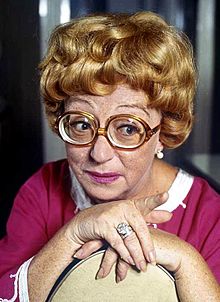
The Shakespeare Code is thrilled to announce that, on its six thousandth view, a Fellowship has been accepted by the greatest comic actress in the land….

MAGGIE OLLERENSHAW

As Brothers and Sisters of The Code well know, Maggie has triumphed on television, stage and screen…

On television she played Florence Ranby (who terrorised the workshop girls) in The House of Elliot and has guest starred in every T.V. series of note…

She has appeared in theatres the length and breadth of Britain, scoring particular hits as Martha in Who’s Afraid of Virginia Woolf, Blanche du Bois in A Streetcar Named Desire and Mrs Pearce in Pygmalion for the garlanded Peter Hall Company.
Her films include Britannia Hospital, A Private Function, Steven Spielberg’s War Horse and Pierrepoint – a film about England’s most accomplished hangman – for which she received a BAFTA nomination as best supporting actress….
Her tribute to War-time Warbler, Dame Vera Lynn, Sincerely Yours, has played throughout the civilised world…

But she is happy to concede that the rôle for which she is most fêted is….

…..Wavy Mavis in Open All Hours…
Des Lynam (on a BBC programme called It’s My Pleasure) once  interviewed late, great Dame Thora Hird…
He asked Dame Thora about her career and what were her favourite bits of T. V. She chose an excerpt from an episode of Open All Hours in which Mavis dithers about which type of soup to buy from Ronnie Barker’s shop owner, Arkwright….
After watching the episode, Dame Thora said:
That Maggie Ollerenshaw! I honestly think she is one of the best comedians we have in this country. Her timing is so good. She makes me fall about and I’ve never seen her in anything when she wasn’t superb. I really raise my hat to her…
THE TRIXIE INTERVIEW
‘An accolade from Dame Thora! You can’t get better than that…’ I thought as I waited for Maggie at The Code’s Head Ofice.
But then I thought…..’Perhaps you can….
YOU CAN GET A FELLOWSHIP FROM THE CODE!!!
Dead on time, Maggie breezed in, fresh from the set of Endeavour – an ITV series about the young Inspector Morse.
As we sat sipping coffee and milk on The Code’s famous sofa, I asked Maggie what her reaction was to being appointed a Fellow.
She coloured slightly, then looked me directly in the eye…
I’m honoured and excited, Trixie….The Code makes Shakespeare accessible and I’m particularly keen on that. I tried to do the same when I worked for Barrie Rutter and the Northern Broadsides Company in Merry Wives and King John….

Barrie Rutter as Falstaff

Barrie has a missionary belief in the dramatic sound and vitality of the Northern voice which brings energy and immmediacy to Shakespeare’s words. It dispels a precious approach…’
I found Maggie’s loyalty to ‘Broadside Barrie’ truly touching…
But I wanted to know about MAGGIE!
Where, for instance, was she born…..?
I’m a very proud Mancunian. I’ve been a supporter of Manchester City Football club since I was a girl and went to matches with my dad at the old ground, Maine Road….
I’m not used to the club being rich and winning matches – it feels very odd….
Maggie hesitated…
Your Cat felt instinctively that there was much more behind her fascination with Mancunian football….
Trixie knows when the human heart is involved…
After a little, gentle, sisterly, probing, Maggie blurted it out….
I once went on a date with Dennis Law!
More than that Maggie would not say….
Besides, she is now blissfully married to actor-hunk  Geoff Leesley…
 In 2007 they tied the knot in City Hall in New York City – a place Maggie LOVES and where, in 1998, she actually LIVED! (She had a coveted Green Card).
Maggie and Geoff had a fabulous pre-honeymoon road trip in California….
Highway 101 has got to be one of the most amazing roads in the universe…

Highway 101

Maggie holidays in Turkey so often she’s practically a CITIZEN of  Kalkan….
….and as ‘a fish-eating veggie’, the Turkish cuisine is exactly to her taste…
The Turks  can do fifty things with an aubergine….
At this point a Daimler screeched to a halt outside Head Office and a Driver dashed up tbe stairs…
Maggie was urgently needed on set….
Completely unhurried, Maggie stood up from the sofa and reached into a bag.
Here’s a photo of me, Trixie. You might find it interesting…
Then she was gone…
The photo showed Maggie outside Grauman’s Theatre in Los Angeles. She was putting her hands into a cast of Bettie Davies’s handprints….
 The fit was exact….

© Trixie the Cat September, 2011

FOR THE AVOIDANCE OF ERROR….
The Shakespeare Code wishes it to be known that Maggie Ollerenshaw now has the inalienable right to place the designated letters, F. S. C. after her name, as in…
Maggie Ollerenshaw,  F. S. C.
She has elected to take reponsibility for all matters concerning Twelfth Night.
IN VINCULIS, INVICTUS
Please note that whilst still an Inductee on The Code’s ‘Roll of Honour’, Maggie Ollerenshaw, F. S. C., was kind enough to endorse Chief Agent Trotter’s Biography.
If you would like to read about Maggie’s reprise of ‘Wavy Mavis’ at Christmas, 2013, please click:HERE!

Read Full Post »

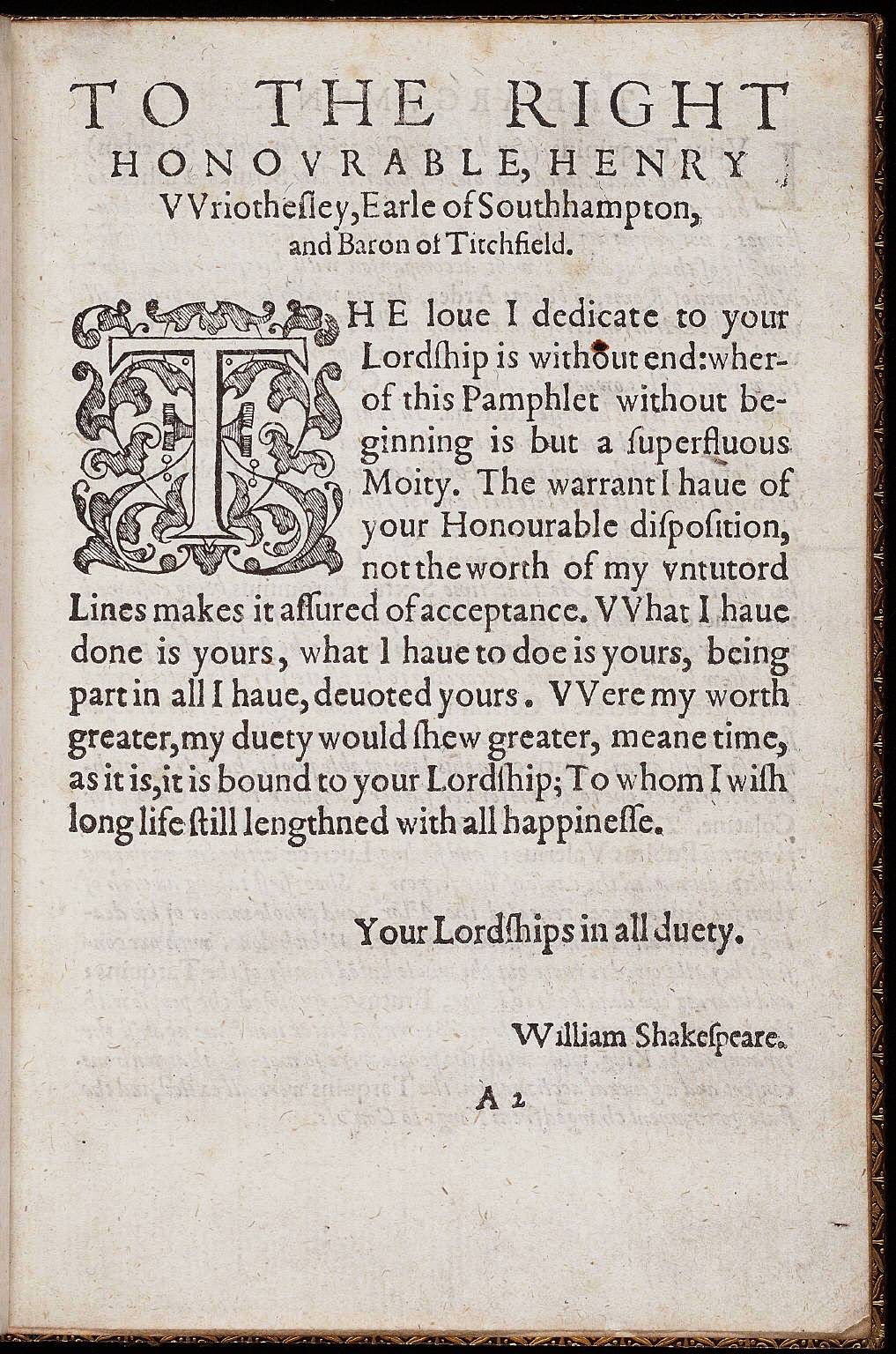
William Shakespeare wrote only two dedications in his life.

Both were attached to long narrative poems –Venus and Adonis (1593) and Lucrece (1594).

And both were addressed to the same man…

The Right Honourable Henry Wriothesley, Earl of Southampton and Baron of Titchfield

Dedication to ‘Lucrece’.

Titchfield was the favourite country seat of the Southampton family. 

All of its members are buried in the crypt of St. Peter’s Church, Titchfield….

It was customary, at the time, for a writer to lodge in the household of his patron as part of his ‘patronage’ .

And it was customary for the Southampton family to stage entertainments at Titchfield.

Thomas Wriothesley, the First Earl of Southampton, was a keen amateur actor and his highly cultured wife , Jane, was described by a servant as being…

as merry as can be with Christmas plays and masques…’ 

But in his dedication to Venus and Adonis  Shakespeare describes his ‘unpolished lines’  as being written during his ‘idle hours’ .

This suggests that his main occupation at the time was not soley as a writer…

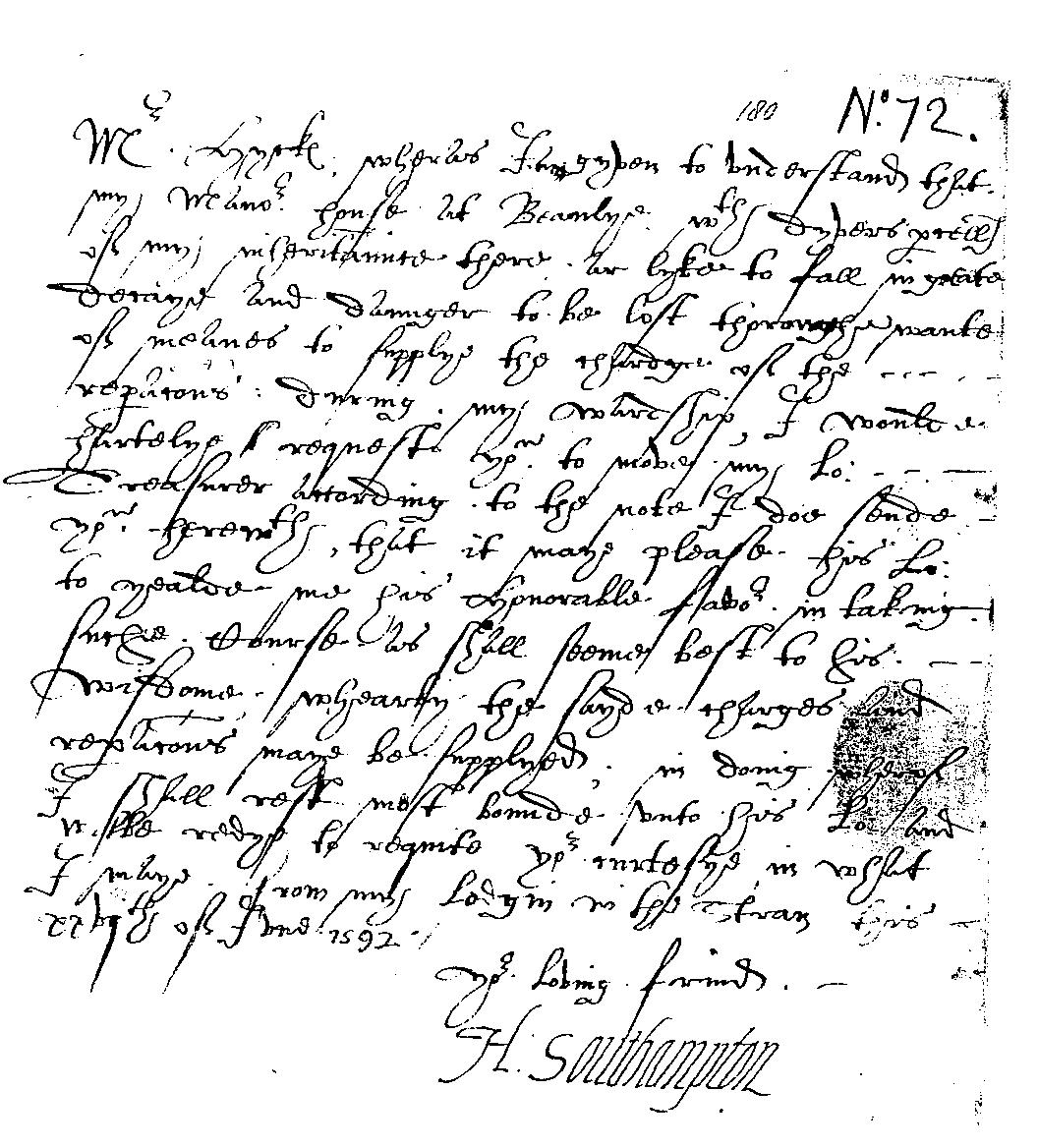
The British Library holds a letter from the Third Earl of Southampton, written in 1592, which is signed by him but penned by another hand…

According to the American hand-writing expert, Charles Hamilton (whose attention was drawn to this letter by the Shakespearean scholar, the late Eric Sams) this hand is identical to a portion of the manuscript of The Play of Sir Thomas More….

……and is the hand of William Shakespeare.

Shakespeare was clearly working for the Third Earl of Southampton as his secretary….

This fits exactly with Robert Greene’s (in reality Thomas Nashe’s) posthumous attack on Shakespeare in A Groatsworth of Wit  (1592).

He calls him a…

‘johannes fac totum’ [jack of all trades]…. 

 Nashe also describes Shakespeare as…

the only Shake-scene in a country’.

During the threat of the Armada invasion  in 1588, actors and playwrights became unpopular because of their perceived  ‘unpatriotic’ effeminacy.  

Shakespeare had done what his contemporaries Thomas Kyd and Christopher Marlowe had done…

He had joined an aristocratic household…

The Southampton family would have been an ideal choice for Shakespeare because….

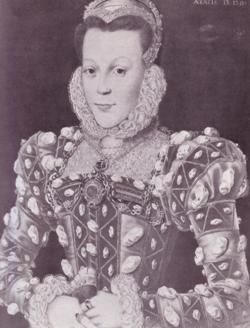
1. The beautiful, widowed Mary Browne, Second Countess of Southampton….

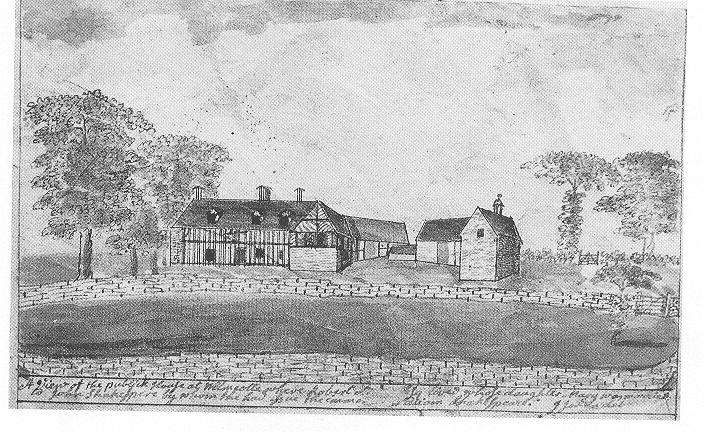
….was distantly related to Shakespeare’s mother, Mary Arden.

Mary Arden’s house at Wilmcote

2. The Arden family and the Southampton family remained deeply Catholic, even though Queen Elizabeth had imposed Protestantism on the country.

3. Mary, Second Countess of Southampton, had a teenage son, Henry Wriothesley, a ward of Lord Burghley,who had graduated from Cambridge in 1589.  .

He would need a tutor and companion.

In 1590 Henry was 17 and in residence, for the summer, at Titchfield. Burghley wanted him to marry his grand-daughter, the daughter of the Earl of Oxford – but Henry showed no interest in girls. As Burghley was Henry’s ward, Henry’s family faced a tremendous £5,000 [£2.5 million] fine.

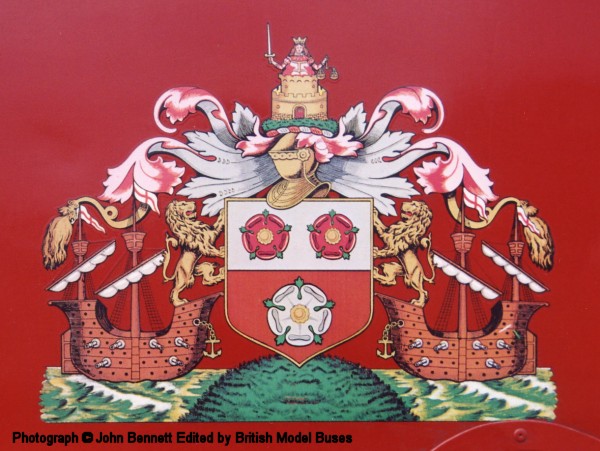
Shakespeare wrote a sequence of 17 sonnets advising the young man to marry. He called him his  ‘rose’, playing both on the Wriothsely family name (which was pronounced ‘Riosely’) and the emblem of the town of Southampton….

 Shakespeare also obliquely flatters Henry’s mother, Mary, who commissioned the sonnet sequence…

Thou art thy mother’s glass and she in thee

Recalls the lovely April of her prime..

On her  1591 Progress to the South East of England,  Queen Elizabeth visited Cowdray (the estate of Henry Wriothesley’s maternal grandfather, Lord Montague) and Titchfield itself. She shot deer with a cross-bow from stands at both estates.

At Cowdray the men and women of the household staged an entertainment for her in the grounds.

These events are satirised by Shakespeare in Love’s Labour’s Lost.

The Princess of France (often referred to in the stage directions as ‘The Queen’) arrives with her ladies at the all-male Court of Navarre. She shoots deer from a stand, then endures an entertainment the local schoolmaster has written in her honour….

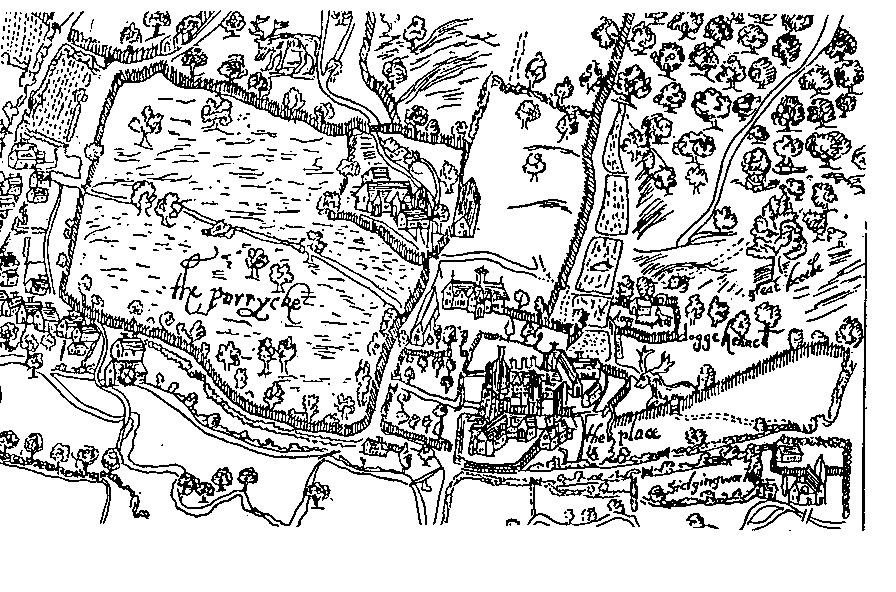
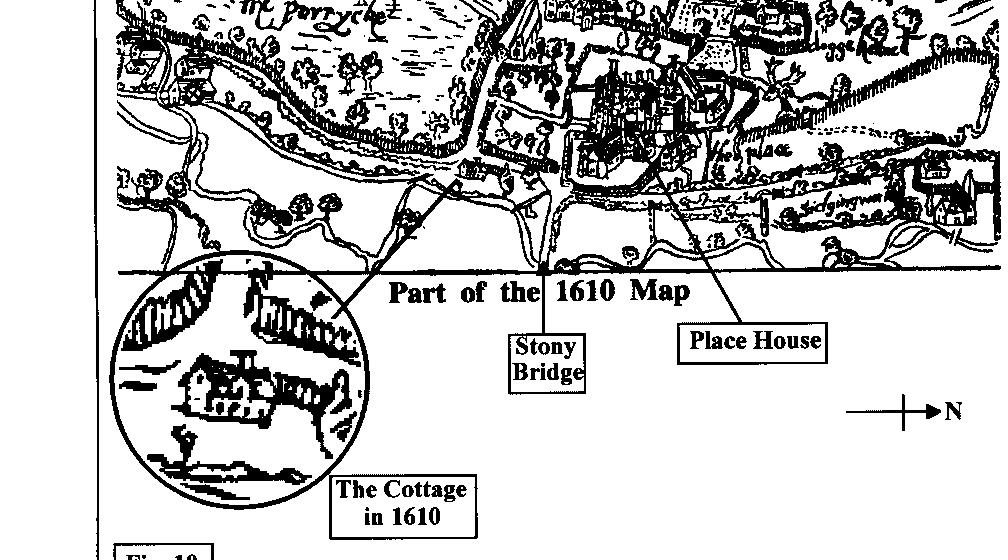
Reference is also made in the play to ‘The Parke’ and ‘The Place’ – both of which are indicated  in a contemporary (1610) map of Titchfield.

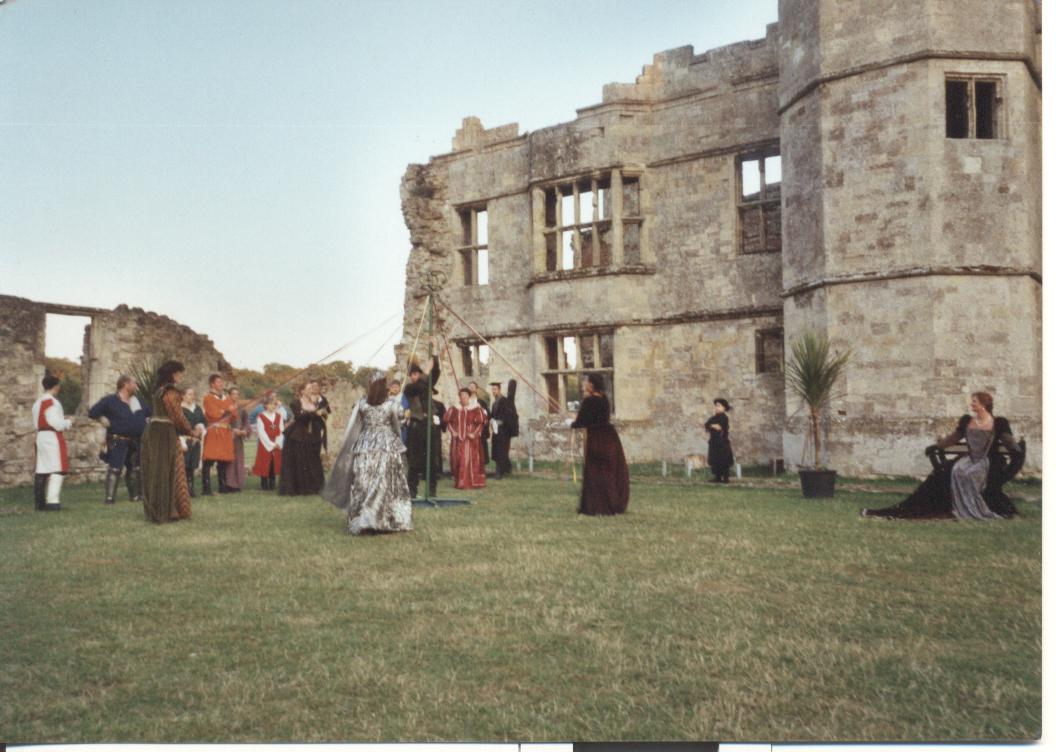
This indicates that the play was performed in the grounds of Place House at the time of the famous Whitsun (originally ‘Corpus Christi’) Fair, granted to Titchfield by King Henry VI when he was married at the Abbey.  

The word ‘fair’ is mentioned 48 times in the play…

‘Love’s Labour’s Lost’ performed in the grounds of Place House (Titchfield Abbey)

There is also mention in the text of  the steep hill opposite the gates of Place House and a ‘curious knotted garden’ – the remains of which survive to this day.

Titchfield also solves the  linguistic conundrums in the play which have puzzled scholars for centuries…

Conundrum 1:

The King of Navarre describes Rosaline as being….

 black as ebony….

 So why does Berowne describe her as…

a whitely wanton with a velvet brow…?

How can a dark-skinned woman be described as ‘whitely’?

‘Whitely’ is not a reference to Rosaline’s skin, but to ‘Whitely Lodge’ – a property owned by the Southamptons a mile or so away from Place House. It was here that the shadier activities of the Southampton family took place – and where the third Earl was to shelter his gay friends, the Danvers brothers, after they had committed a murder.

To describe Roasaline as a ‘whitely’ wanton is to re-inforce the idea of her promiscuity….

Conundrum 2:

Why does the ‘hero’ of the play, Berowne, spell his name in such an odd way…?

‘Berowne’ is a coded reference to Shakespeare’s patron, Mary Browne, Second Countess of Southampton. Shakespeare probably played the part in the first performance at Titchfield, so is consolidating his link with the Southampton family.

Conundrum  3:

Holofernes, the schoolmaster, is said to ‘educate youth at the charge house on the top of the mountaine’.

What is meant by this phrase?

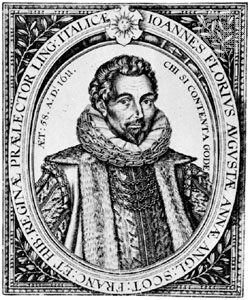
From Bishop Warburton in the eighteenth century onwards, Shakespeare scholars have associated the character of Holofernes with John Florio….

Holoferenes even quotes verbatim from Florio’s language manuals…

We know for certain that Florio was in residence at Titchfield – ostensibly as a tutor and schoolmaster, but in reality as a Protestant spy in the pay of Lord Burghley.

He was also engaged in compiling an Italian/English dictionary and translating the Essays of Montaigne.

‘On the top of the mountaine’ is a joke about Montaigne…

But what is the ‘charge-house’ where Holofernes ‘educates youth’?

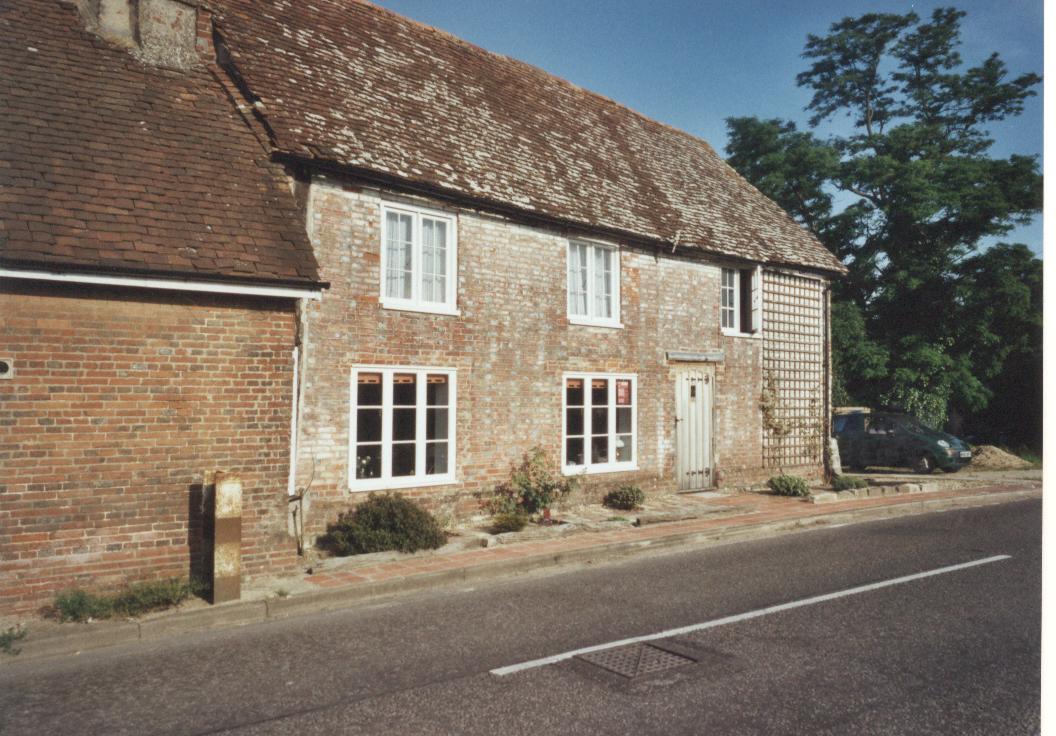
There has been a School House at the gates of Place House since the reign of Henry VI. It was standing, as a Tudor two-storey conversion when John Leland visited Titchfield in 1542.  It was standing in 1610 when it was mapped…


And it is standing to this day….

The Old School House.

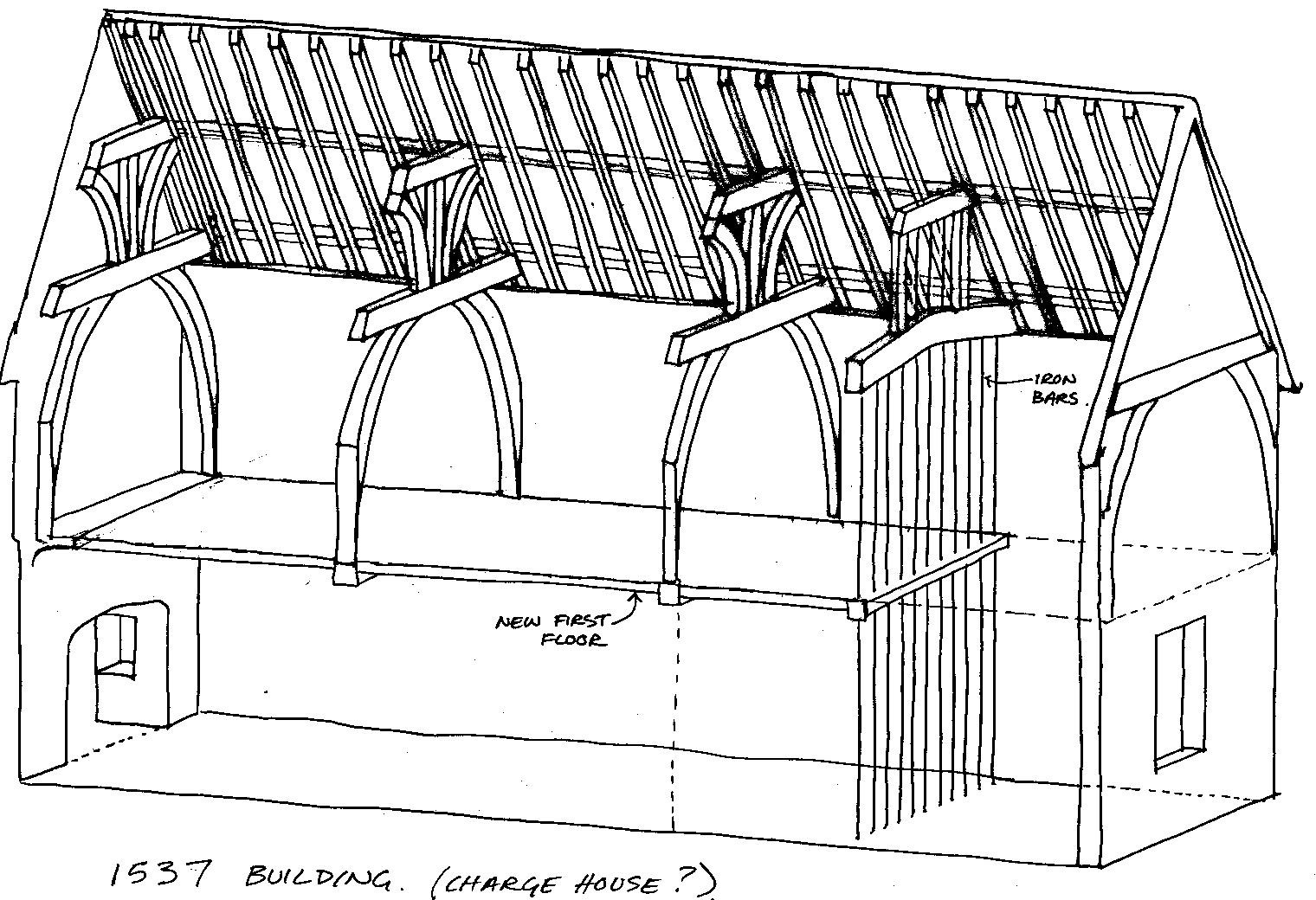
A feature of the house is the remains of a ‘secure room’ on the first floor. There are holes in the ceiling and the floor where iron bars would have been fixed….

(Drawing by John Lyall Associates)

Schools in Shakespeare’s time often doubled as toll houses. Traffic crossing the Stony Bridge (shown in the 1610 map) would have passed the School House when travelling to and from Titchfield village.

Toll houses often had a ‘secure-room’ to lock up money or criminals…

There were many schoolmasters at the School House before Florio. One of them was the playwright (and flagellating paedophile) Nicholas Udall who wrote the first English comedy, Ralph Roister Doister.

The other, The Shakespeare Code believes,  was the young William Shakespeare….

William Beeston, an actor and impressario born around 1610, told the antiquarian and gossip-monger John Aubrey…

 …that in his ‘younger years’ Shakespeare had been ‘a schoolmaster in the country’.

For a long time, scholars have thought that there might be a link between this William Beeston, and a mysterious ‘Master William Apis Lapis’ mentioned by Shakespeare’s contemporary, Thomas Nashe, in 1592.

‘Apis Lapis’ is a Latin Code for ‘Bee’ and ‘Stone’ – so this man was also called William Bee-Stone or Beeston.

Now The Code’s Chief Agent has found the link between the two Williams….

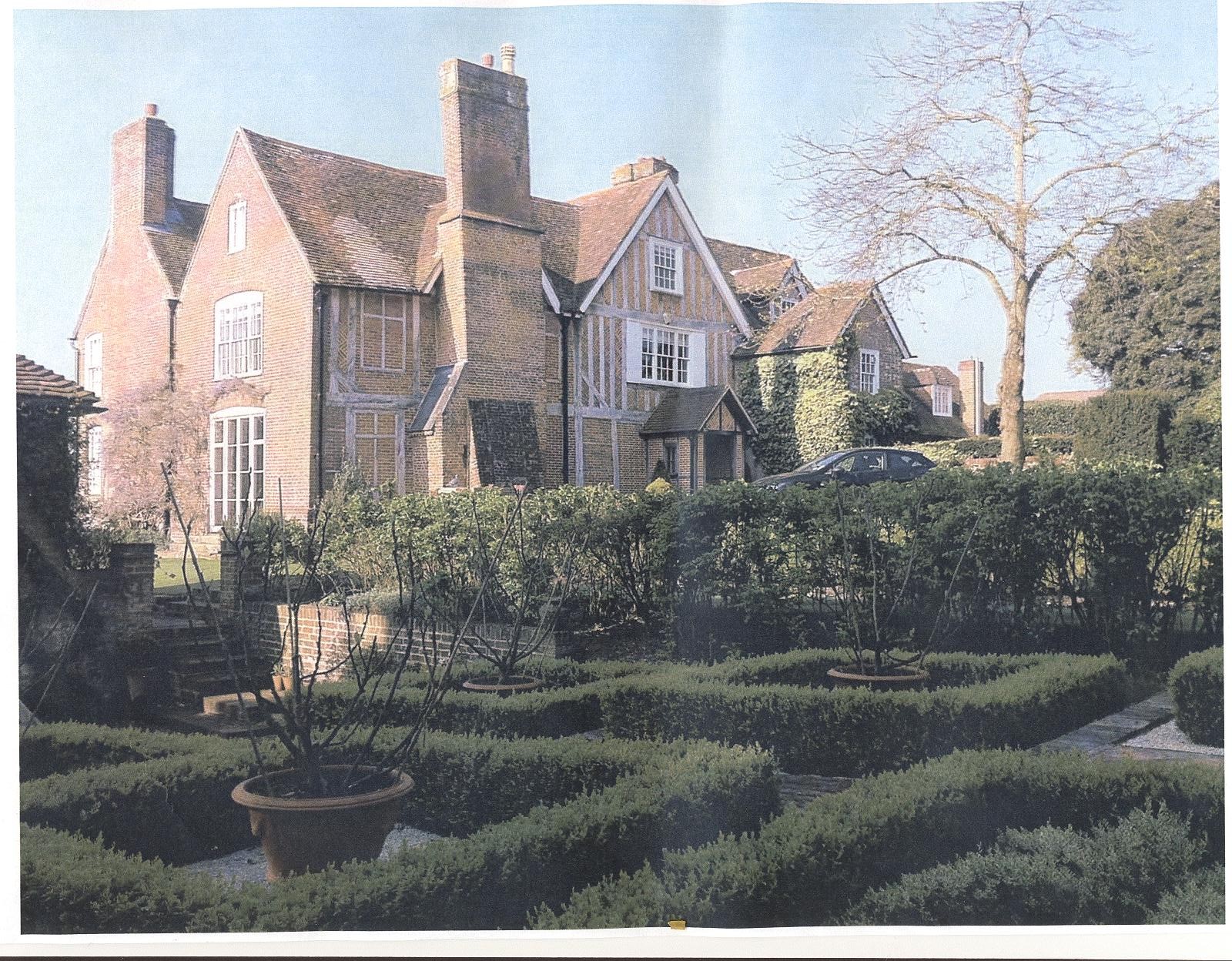
There was a William Beeston who lived at Posbrook Farm, which stands to this day…

This Beeston fits the ‘Apis Lapis’ profile exactly – a lecherous lover of alcohol, food and literature…

The ‘Aubrey’ William Beeston had a father called Christopher, also an actor and impressario.

Stewart Trotter has discovered that ‘Apis Lapis’ Beeston wrote his will TWO DAYS after Christopher wrote his…

We know that ‘Apis Lapis’ Beeston had illegitimate children – and we know that Christopher Beeston and his son often used an alias – Hutchinson…

The implication is that Christopher was Apis Lapis’s bastard son – and that he told his own son, William, about Shakespeare at the Titchfield School House…

And William Beeston told Aubrey.

(To read a more detailed account of the Beestons and Shakespeare, please read: Shakespeare was a Schoolmaster in the Country. )

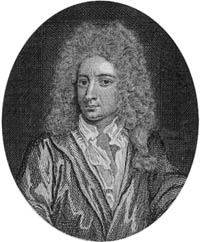
NICHOLAS ROWE (1674-1668)

Nicholas Rowe, the poet and playwright, writing in 1709 (less than a hundred years after Shakespeare’s death) states:

He [Shakespeare] had the honour to meet with many great and uncommon marks of favour and friendship from the Earl of Southampton, famous in the histories of that time for his friendship to the unfortunate Earl of Essex.

It was to that noble lord that he dedicated his Venus and Adonis, the only piece of his poetry he ever published himself, though many of his plays were surreptitiously and lamely printed in his lifetime.

There is one instance so singular in the magnificence of this patron of Shakespeare’s, that if I had not been assured that the story was handed down by Sir William D’Avenant, who was probably very well acquainted with his affairs, I should not have ventured to have inserted, that my Lord Southampton, at one time, gave him a thousand pounds [£500,000 in today’s money] to enable him to go through with a purchase which he heard he had a mind to. A bounty very great and very rare at any time, and almost equal to that profuse generosity the present age has shown to French dancers and Italian eunuchs…’

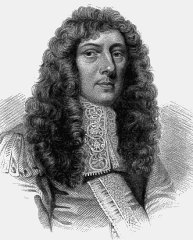
John Aubrey writes that Davenant (1606-1668)  told his ‘intimate friends’ that he was Shakespeare’s illegitimate son – a claim for which there is good evidence.

William Davenant, illegitimate son of Shakespeare…

Davenant died six years before Rowe was born – but Thomas Betterton (c. 1635-1710), a veteran actor who played the lead in one of Rowe’s plays, advised Rowe on Shakespeare’s life.

Betterton had actually travelled to Stratford-upon-Avon to collect evidence about Shakespeare from the Parish register.

When Betterton had played Henry VIII (in Shakespeare and Fletcher’s play) he recieved instruction on how to play the part from Davenant. Davenant, in turn, had received instruction on how to play the part from John Lowen, a Paris Gardens actor, who had received instruction from Shakespeare himself.

SO, ROWE HAD A DIRECT LINE OF INFORMATION STRETCHING BACK TO SHAKESPEARE!

Also Nashe, writing under Greene’s name in  A Groatsworth of Wit, attacks a plagiarising actor called ‘Roberto’ who is loaded with money (not gained from the theatre) and flashily dressed.

The Shakespeare Code believes that ‘Roberto’ is a coded attack by Nashe on Shakespeare and his relationship to the Southampton family…

(For a fuller discussion of this idea, please read The Strange Case of Mr. Apis Lapis. )

 THE SHAKESPEARE FAMILY CREST

In Shakespeare’s day, apart from a title, the highest status symbol you could have was your own family coat of arms.

To acquire one from the College of Heralds you needed two things:

1. Money (you had to earn the equivalent of our £250,000 a year).

2. Influence. You needed a member of the aristocracy to vouch for your personal honour and the veracity of your ancient family history…

If all went well, the College of Arms would consult you – then design your own, unique, crest. You were then allowed to put ‘Esquire’ after your name and you were second in rank to a Knight.

John Shakespeare, William’s wheeler-dealer father, had applied for a crest in the 1560’s – but did not have the clout to attain one.

In 1596 he applied again – and was granted one. Indeed, the American hand-writing expert Charles Hamilton believes the application was written in his son’s own hand.

By 1596, of course, Shakespeare had acquired an aristocratic patron (and lover) the Third Earl of Southampton. By association, Shakespeare’s father was then deemed wealthy and respectable enough to be granted a crest – which would also belong to his son.

We have the sketch which the Shakespeare family submitted….

It was described (in modern English) as:

a falcon, his wings displayed argent, standing on a wreath of his colours, supporting a spear gold….’

The ‘spear’ is readily explained as a play on the family name.

But where does the ‘falcon argent’ [silver] come from?

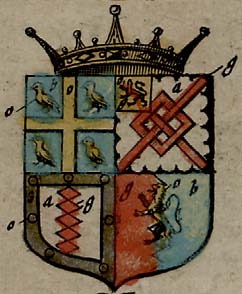
The answer is the Crest of the Southampton family….

….with its four silver falcons in the top left-hand quarter.

 By ‘quoting’ from the Southampton Crest, Shakespeare is parading, for all to see, his intimacy with the Earl of Southampton….

(If you found this interesting, you might like: Shakespeare was a schoolmaster in the country: TITCHFIELD! )

Also you might like to read: Shakespeare in Titchfield: Startling new evidence from Edmund Spenser.

Read Full Post »